Handwriting practice English for Beginners Worksheets for Ages 4-5 - Page 2
43 filtered results
-
From - To
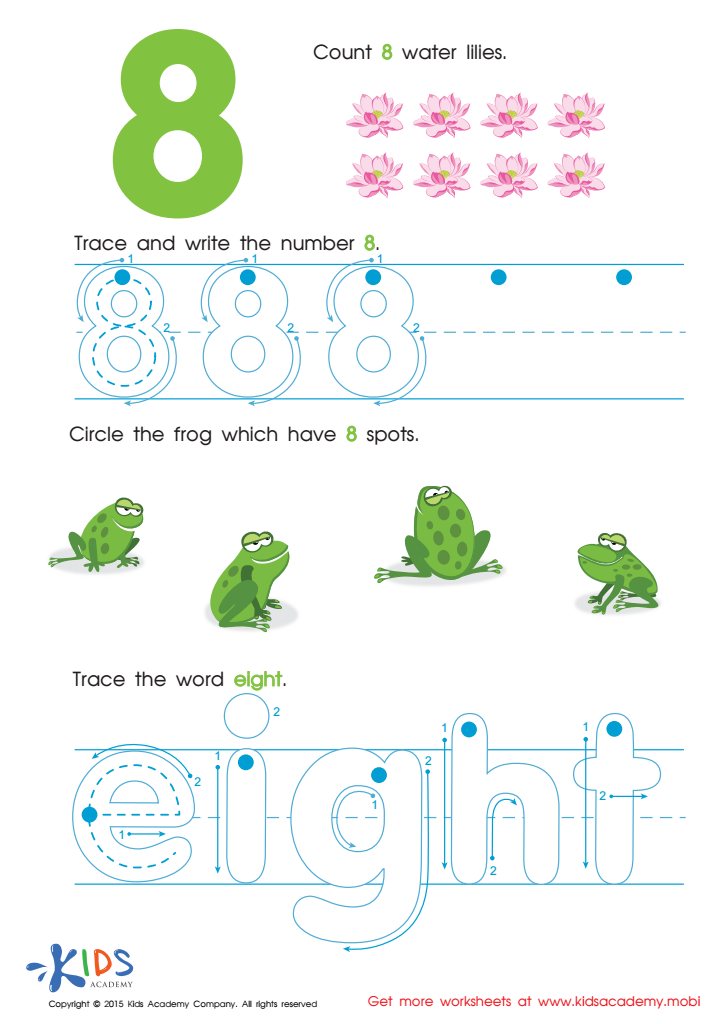
Learn Number 8 Easily Worksheet
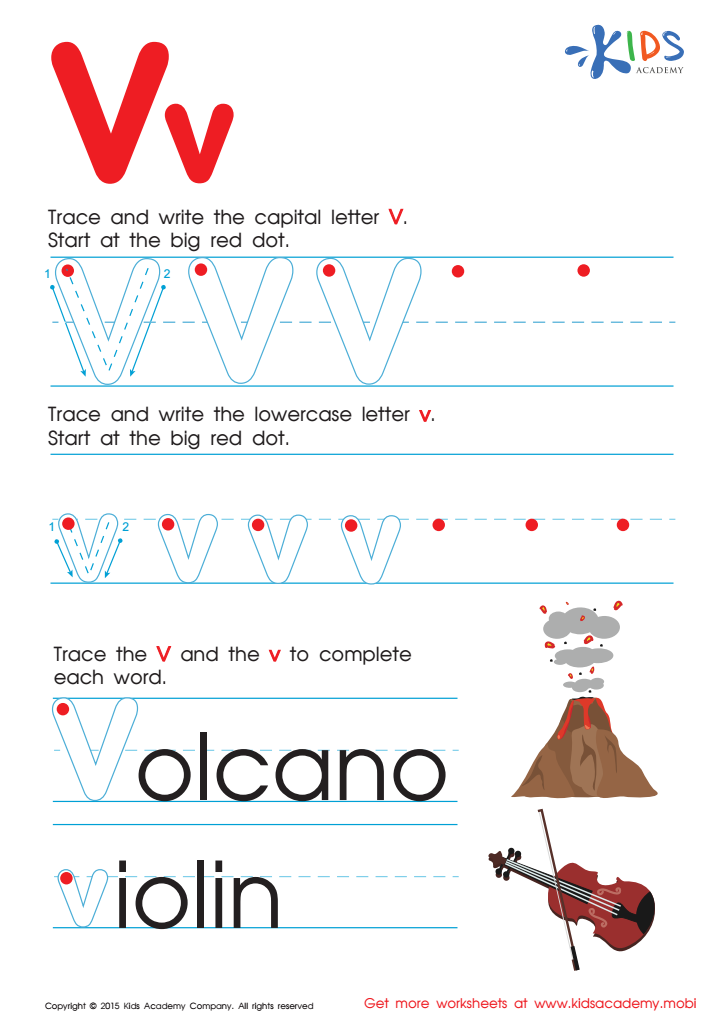
Letter V Tracing Page
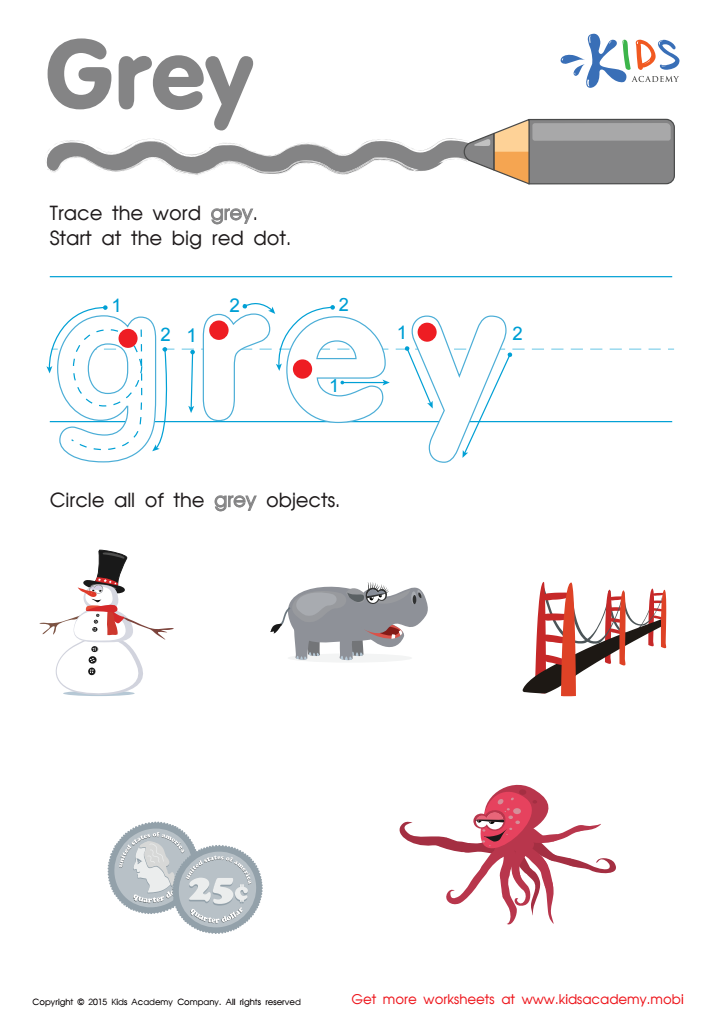
Grey Tracing Color Words Worksheet
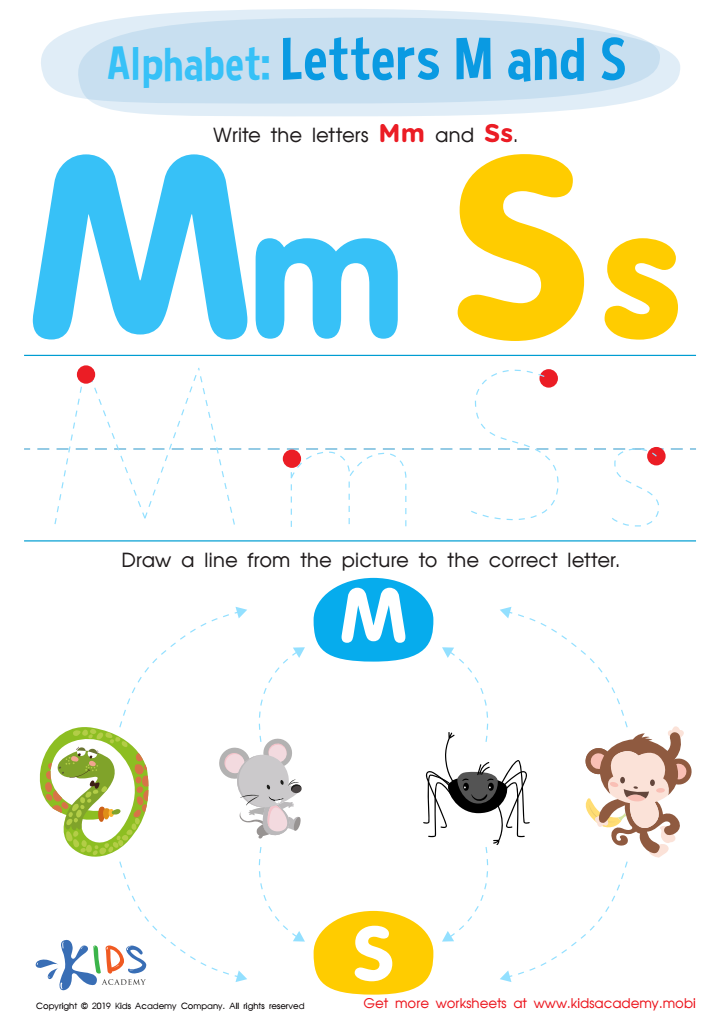
Letters M and S Tracing Worksheet
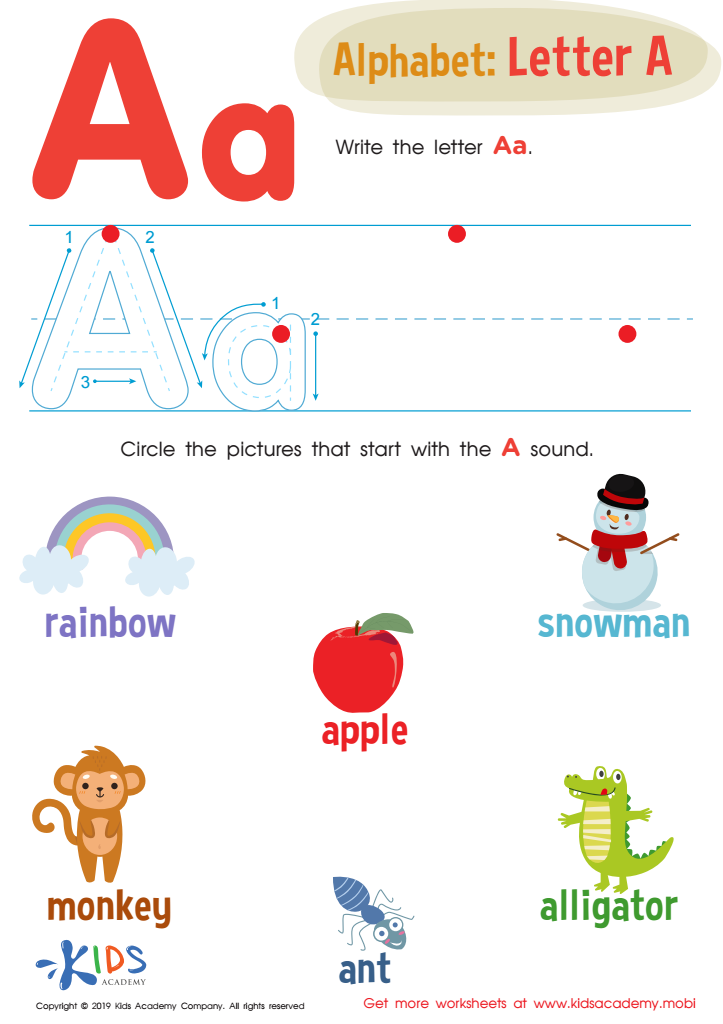
Letter A Tracing Worksheet
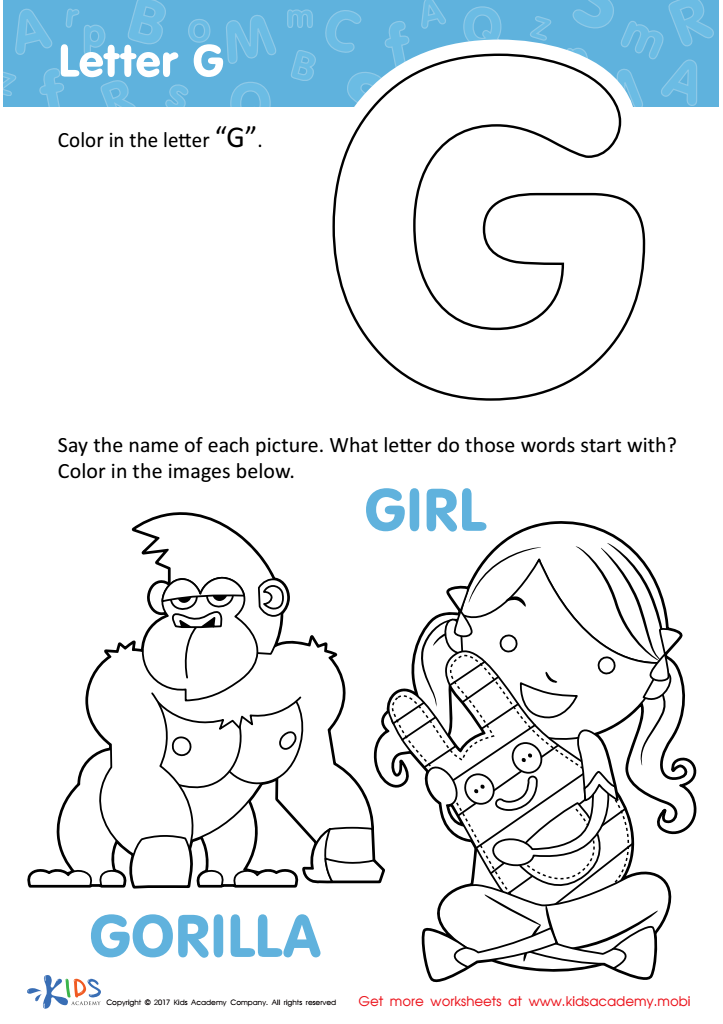
Letter G Coloring Sheet
 Assign to My Students
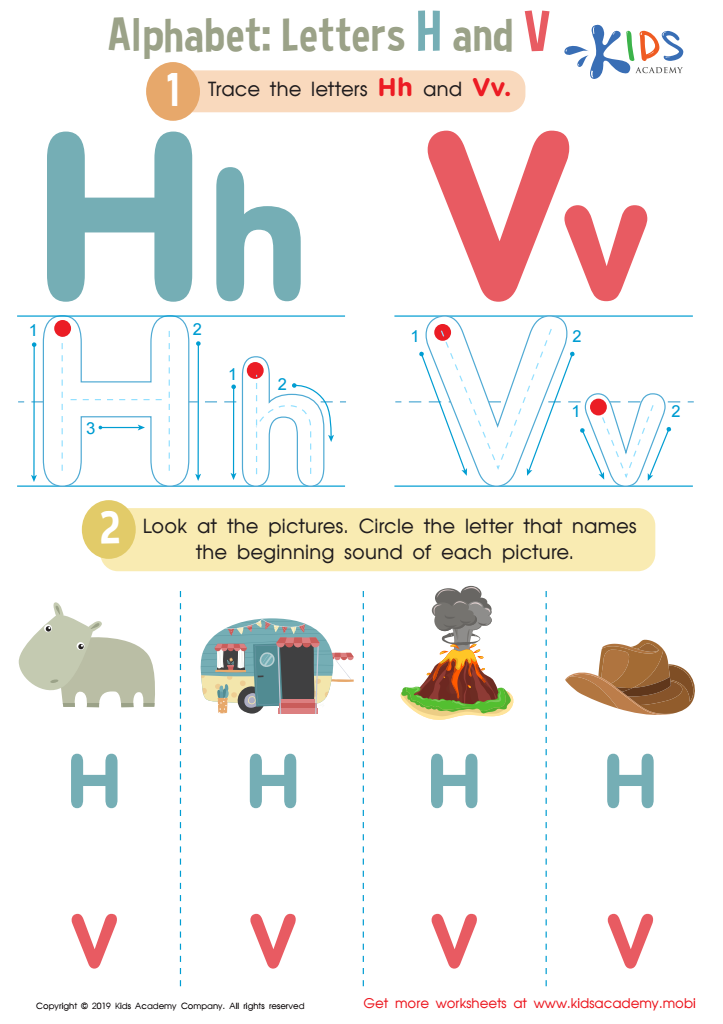
Letters H and V Tracing Worksheet
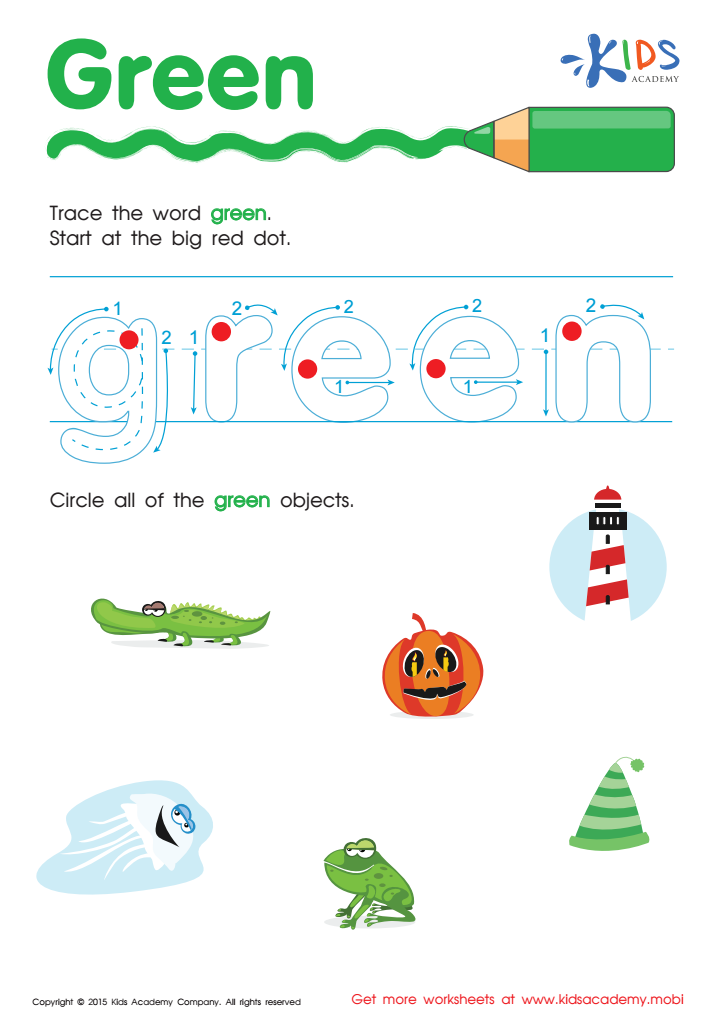
Green Tracing Color Words Worksheet
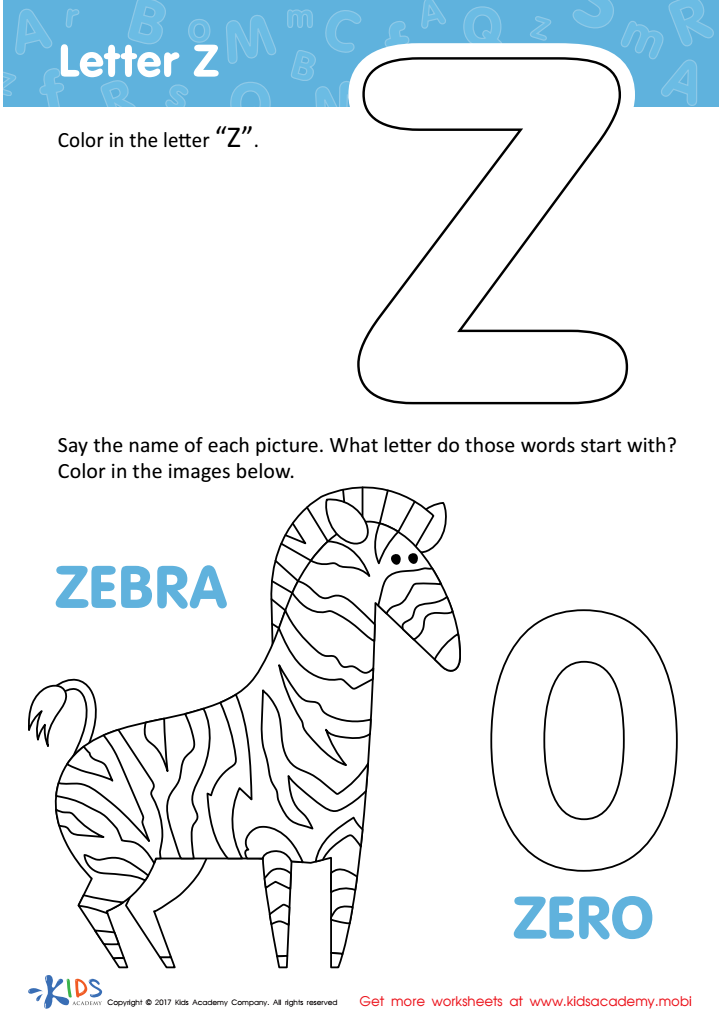
Letter Z Coloring Sheet
Assign to My Students
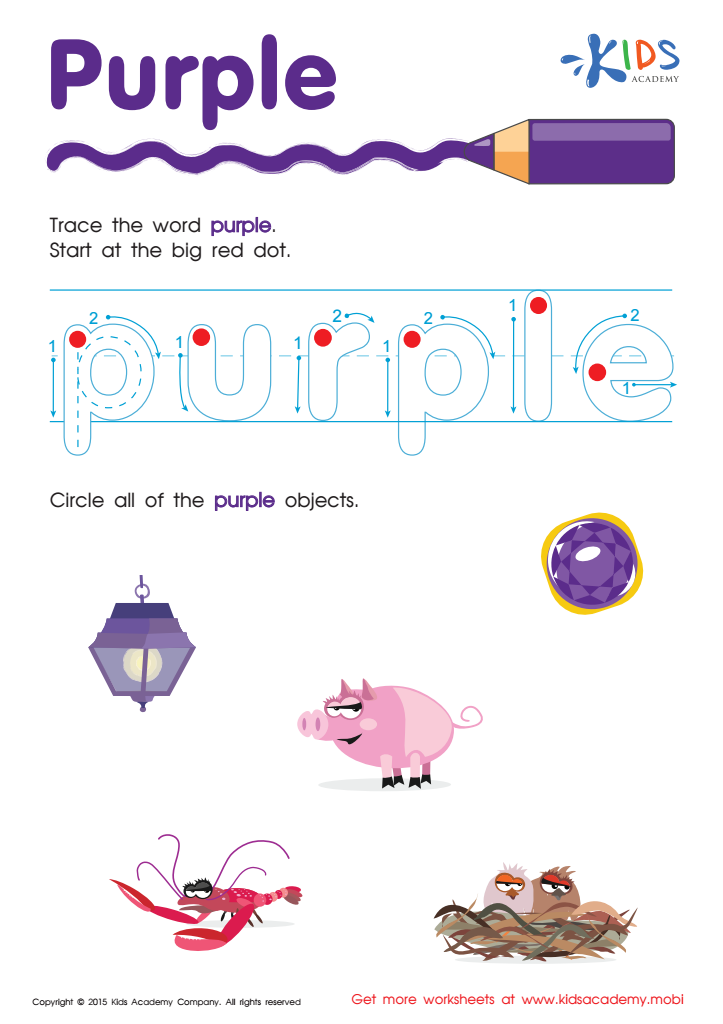
Purple Tracing Color Words Worksheet
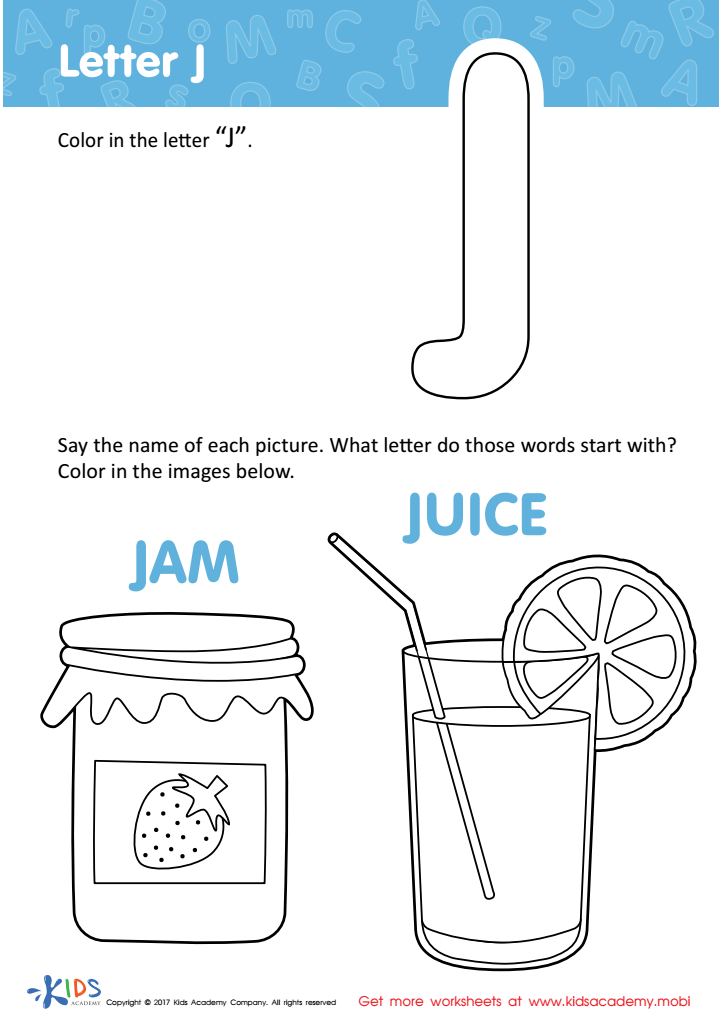
Letter J Coloring Sheet
Assign to My Students
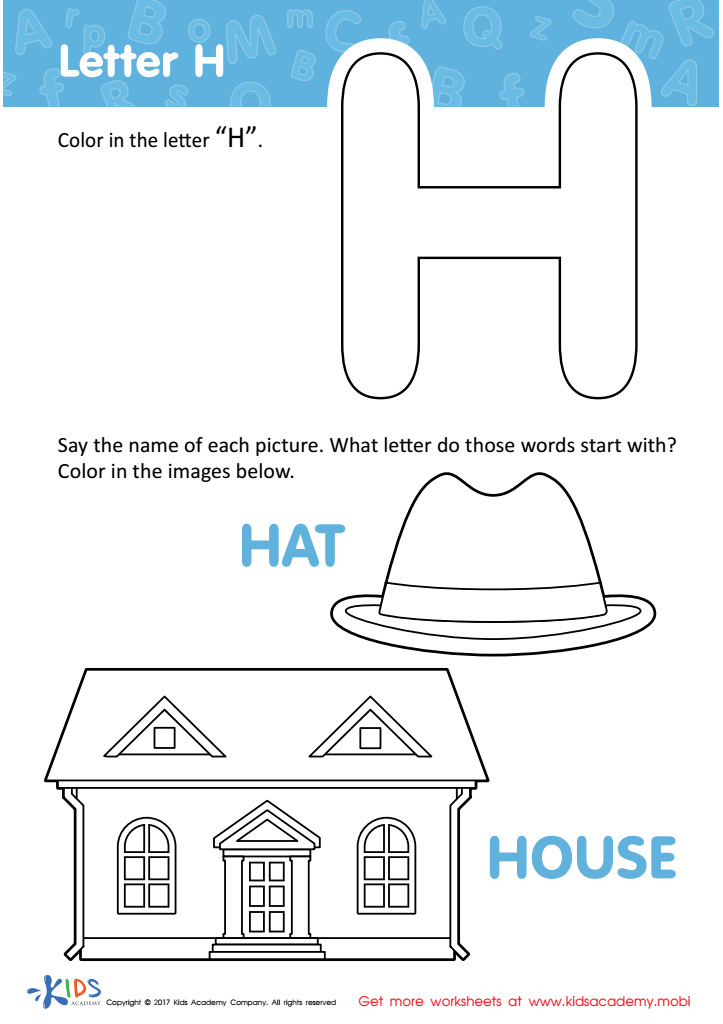
Letter H Coloring Sheet
Assign to My Students
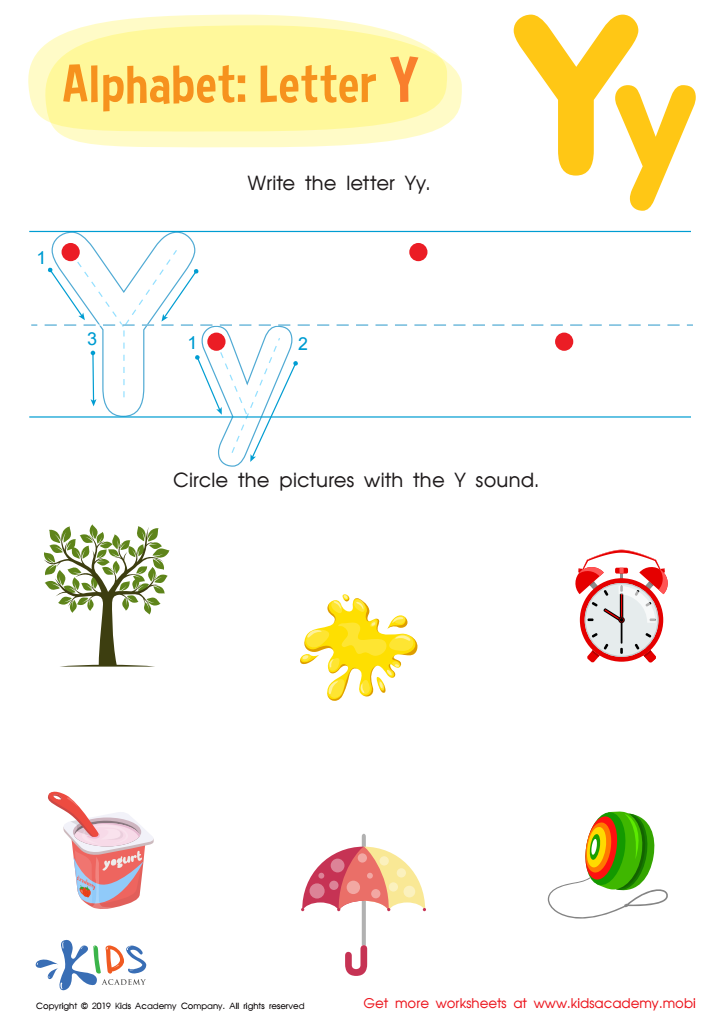
Letter Y Tracing Worksheet
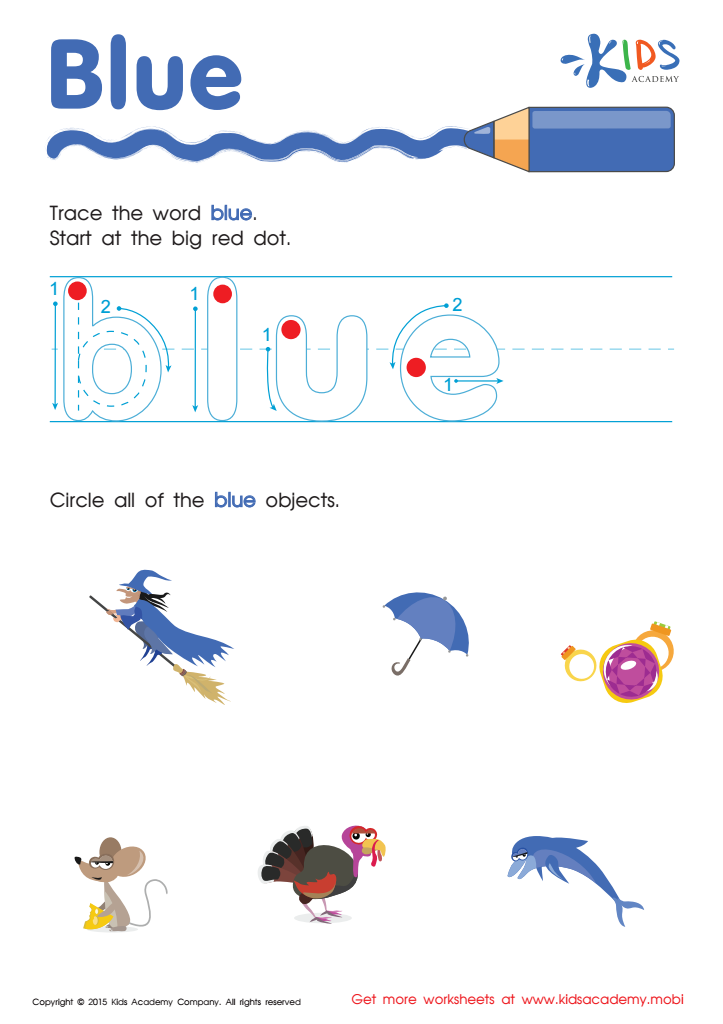
Blue Tracing Color Words Printable
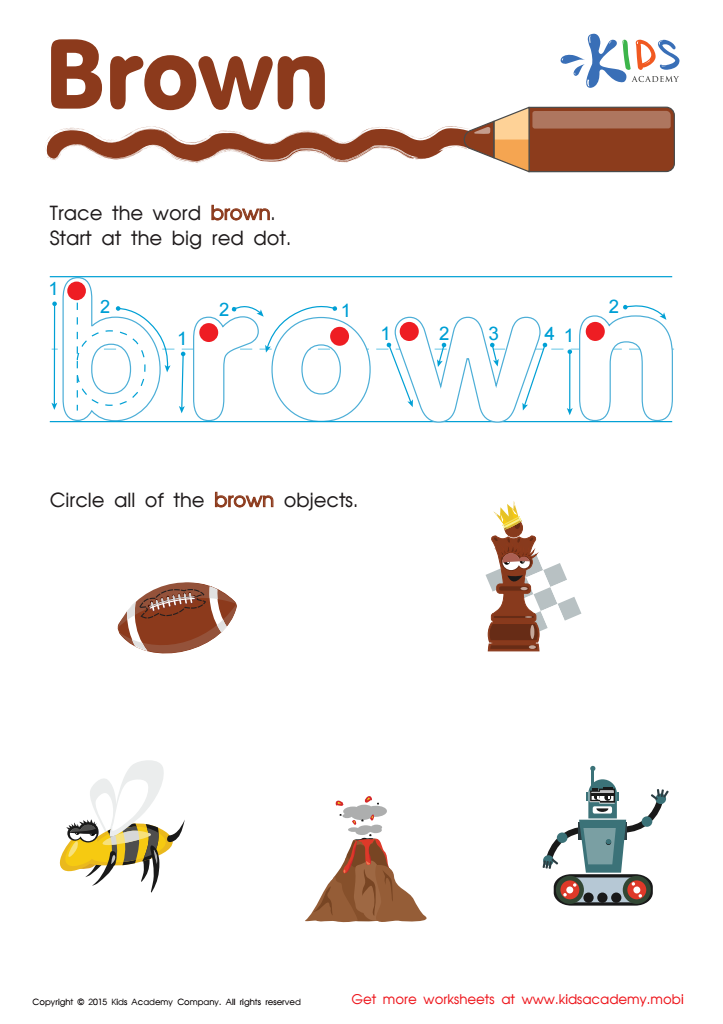
Brown Tracing Color Words Worksheet
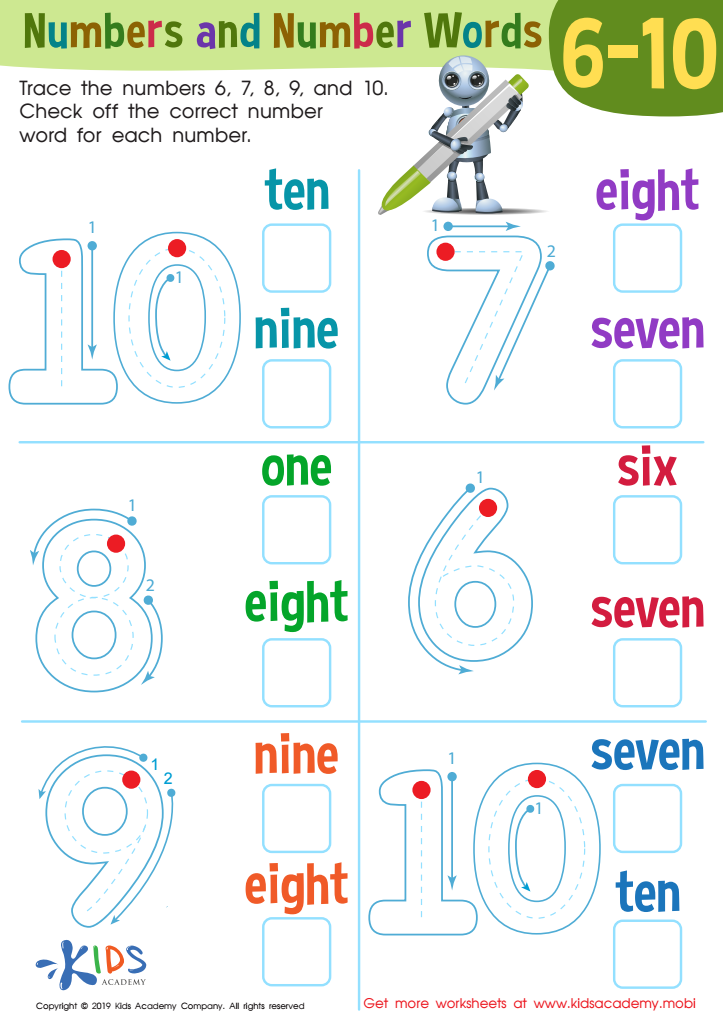
Numbers and Number Words 6–1 Worksheet
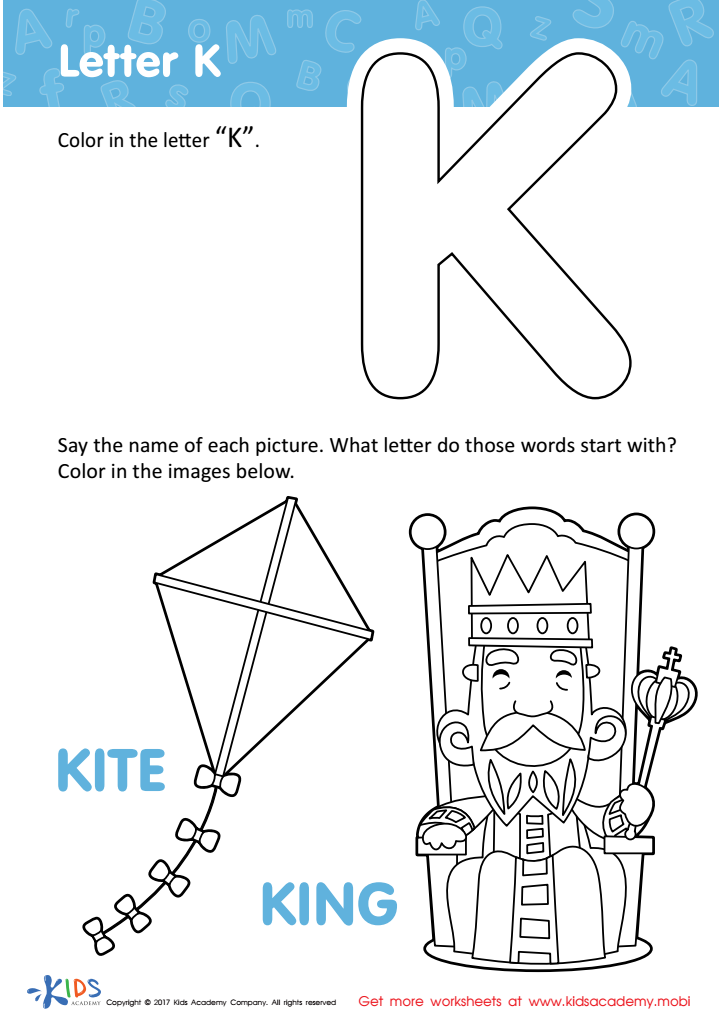
Letter K Coloring Sheet
Assign to My Students
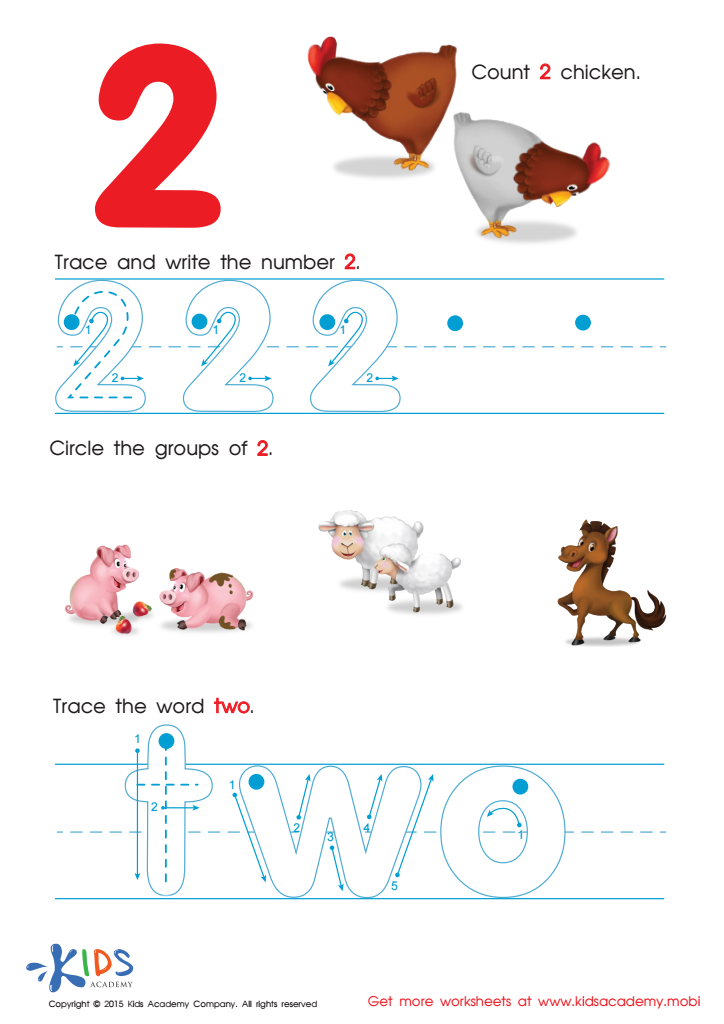
Learn to Write the Number 2 Worksheet
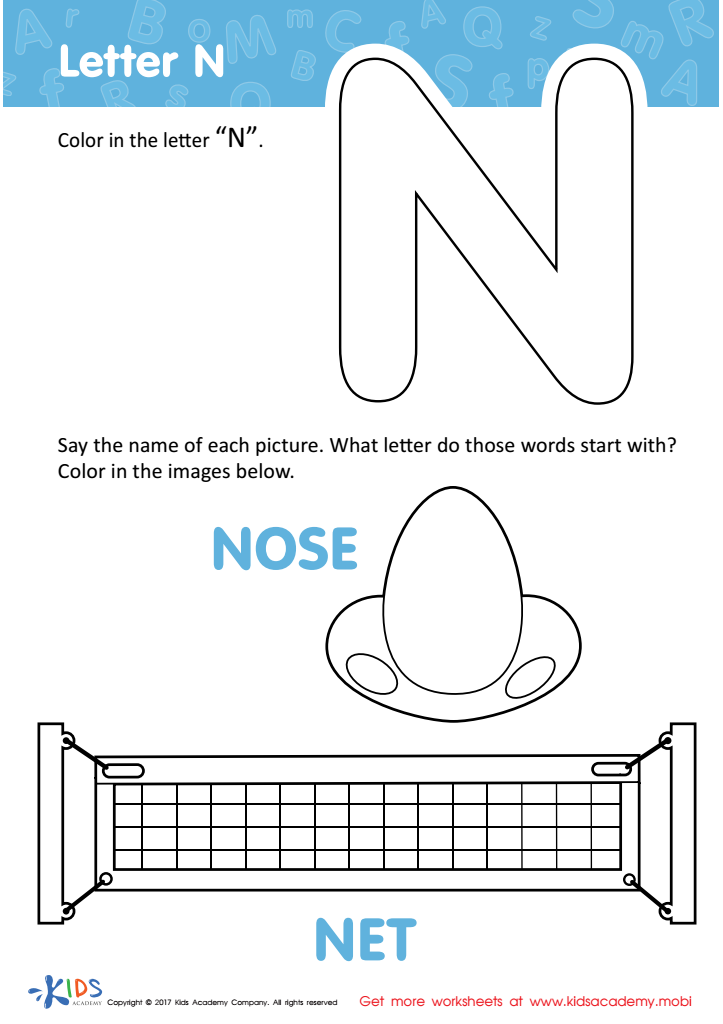
Letter N Coloring Sheet
Assign to My Students





Handwriting practice for beginners aged 4-5 is crucial for early childhood development. At this tender age, children are in the prime period for developing fine motor skills, essential for writing. Engaging in handwriting exercises helps strengthen their small muscles in the hands and fingers, enhancing dexterity and control.
Moreover, handwriting practice lays the foundation for literacy. As children practice forming letters, they're engaging in visual recognition and memory training. This relationship between seeing, saying, and writing letters solidifies their understanding of the alphabet, crucial for reading and spelling skills.
Handwriting practice also supports cognitive development. It involves learning and memory recall, attention to detail, and following instructions—skills essential for overall cognitive growth. Through activities such as tracing and copying, children learn patience, persistence, and the ability to focus on a task.
Additionally, handwriting nurtures confidence and self-expression. When young children see their progress, it boosts their self-esteem. They also discover a new way to communicate thoughts, feelings, and stories.
In a technology-driven world, handwriting remains a vital skill, facilitating not only academic success but also personal development. Therefore, parents and teachers should prioritize introducing it early to foster a well-rounded growth trajectory.