Number Recognition Worksheets for Ages 4-5
622 filtered results
-
From - To
Enhance your child's early math skills with our engaging Number Recognition Worksheets designed specifically for ages 4-5. These worksheets feature vibrant illustrations and interactive activities that make learning numbers fun and enjoyable. Perfect for preschool and kindergarten settings, our resources help children identify, write, and understand numbers while developing essential counting skills. By exploring various activities, kids will gain confidence in their numerical knowledge, laying a strong foundation for future math success. Download our printable worksheets now to support your child's learning journey and inspire a love of numbers that lasts a lifetime! Start their adventure with numbers today!

Christmas Tree Tracing Winter Words Worksheet
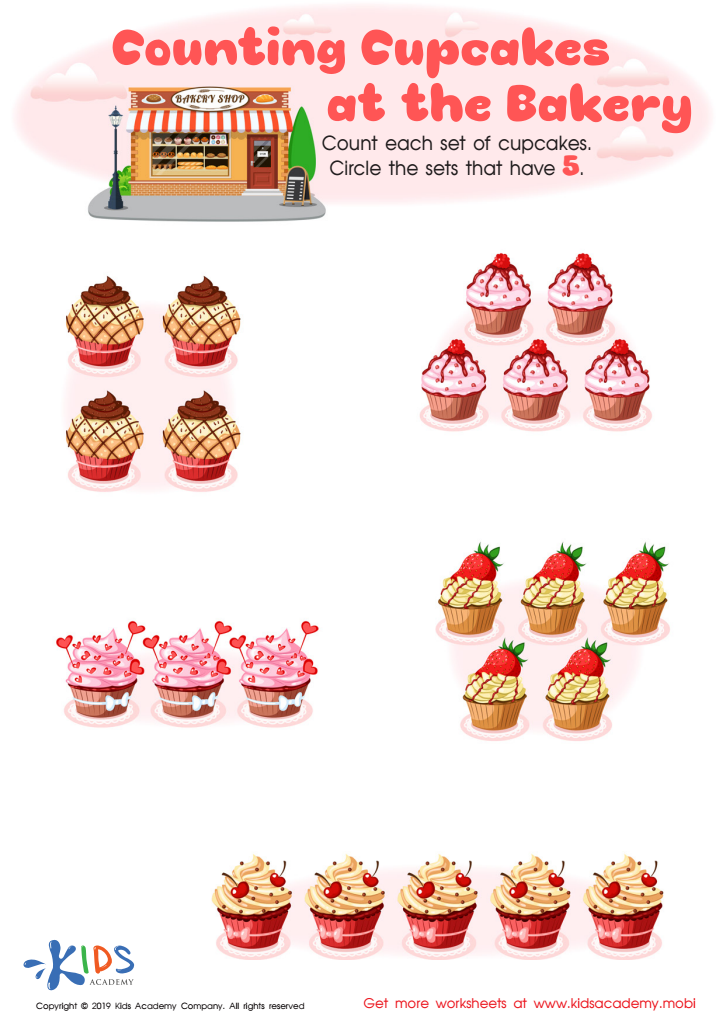
Counting Cupcakes Worksheet
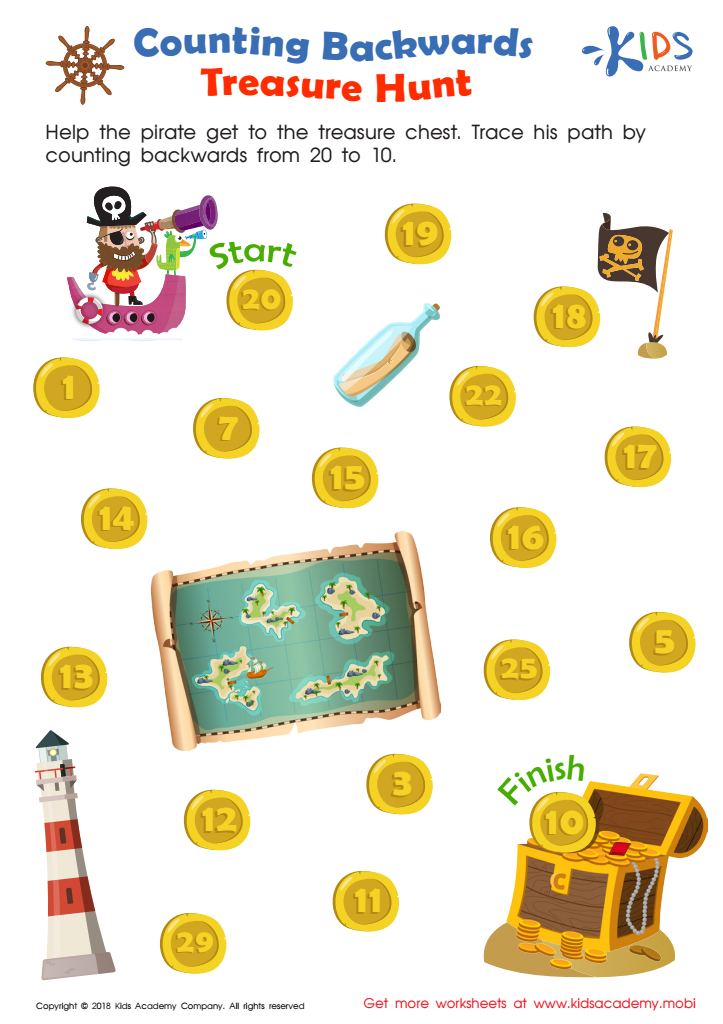
Counting Backwards: Treasure Hunt Worksheet
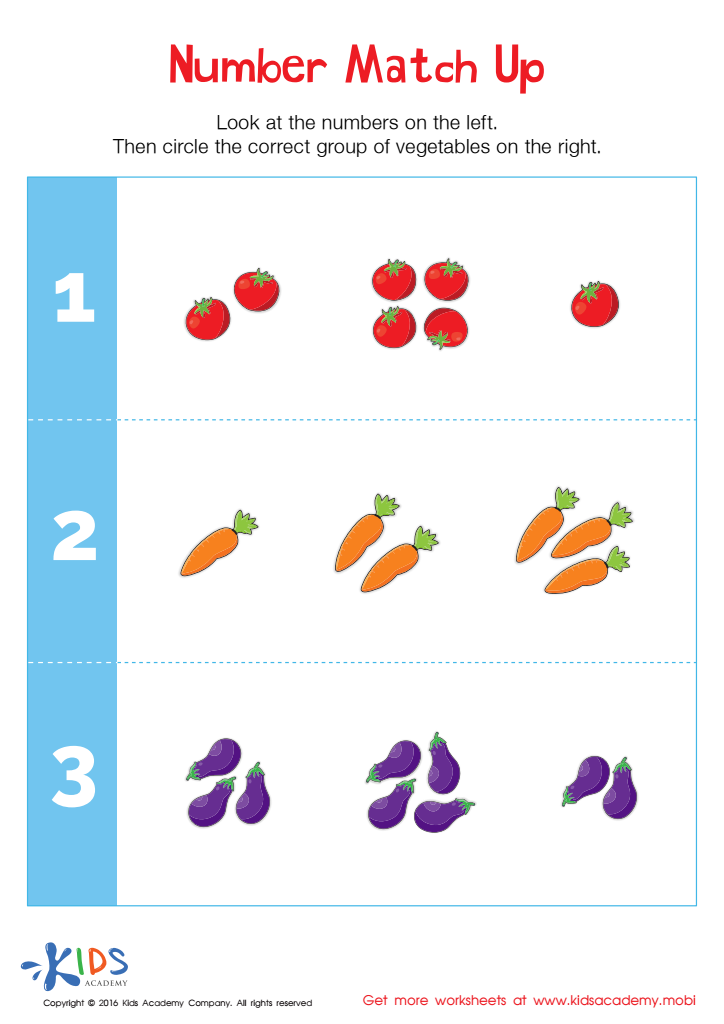
Number Match Up Worksheet
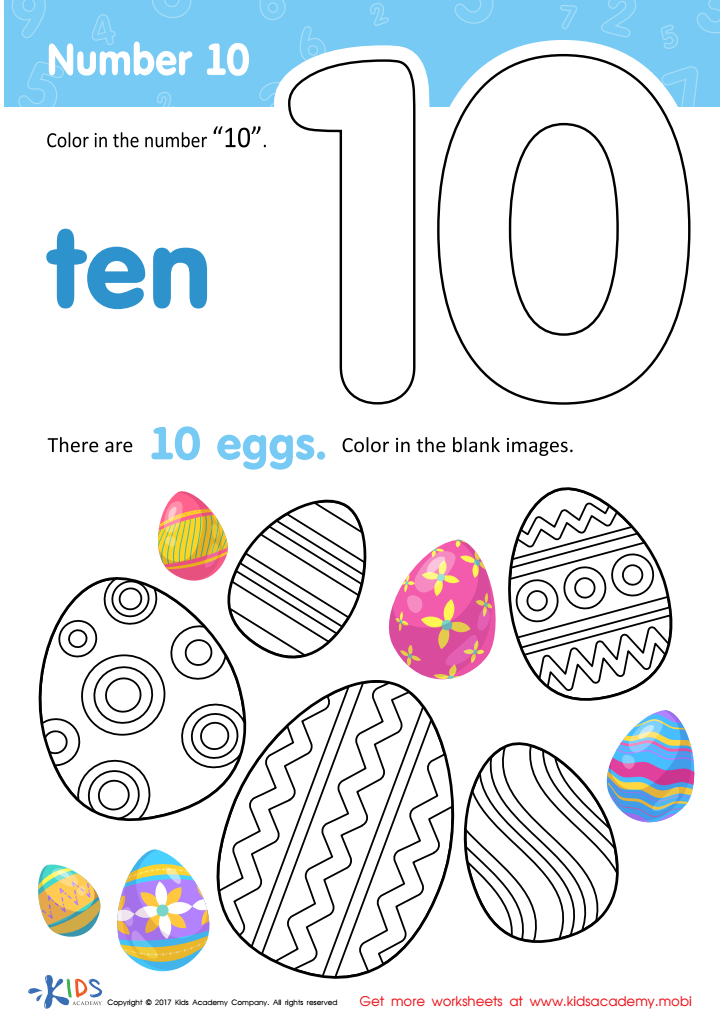
Number 10 Printable
 Assign to My Students
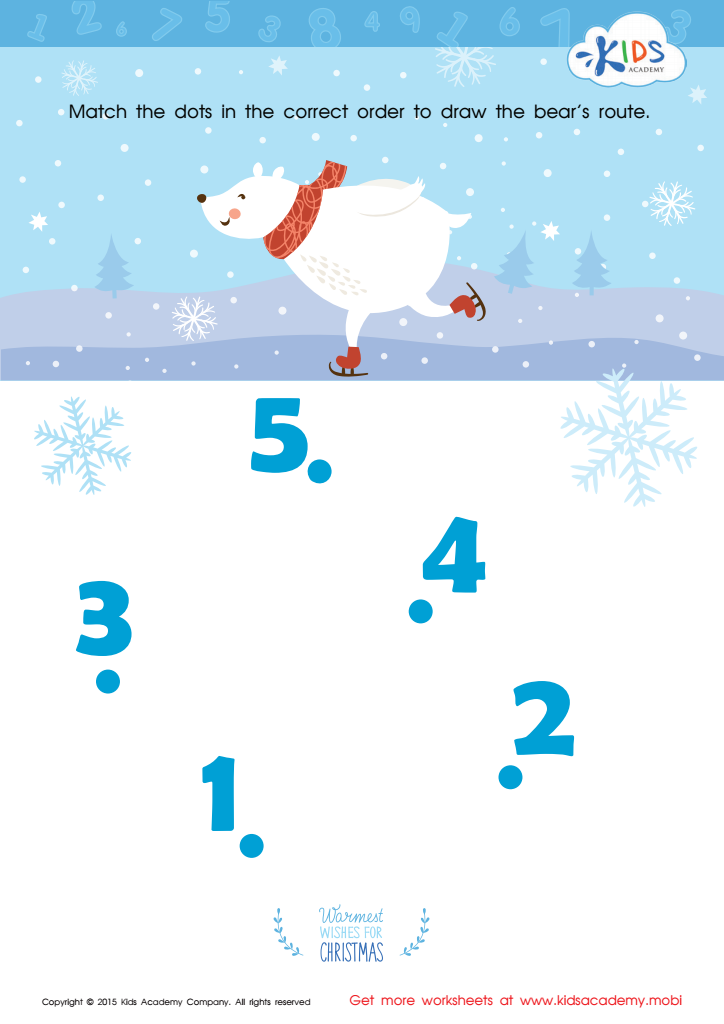
Drawing the Bear's Route by Number Worksheet
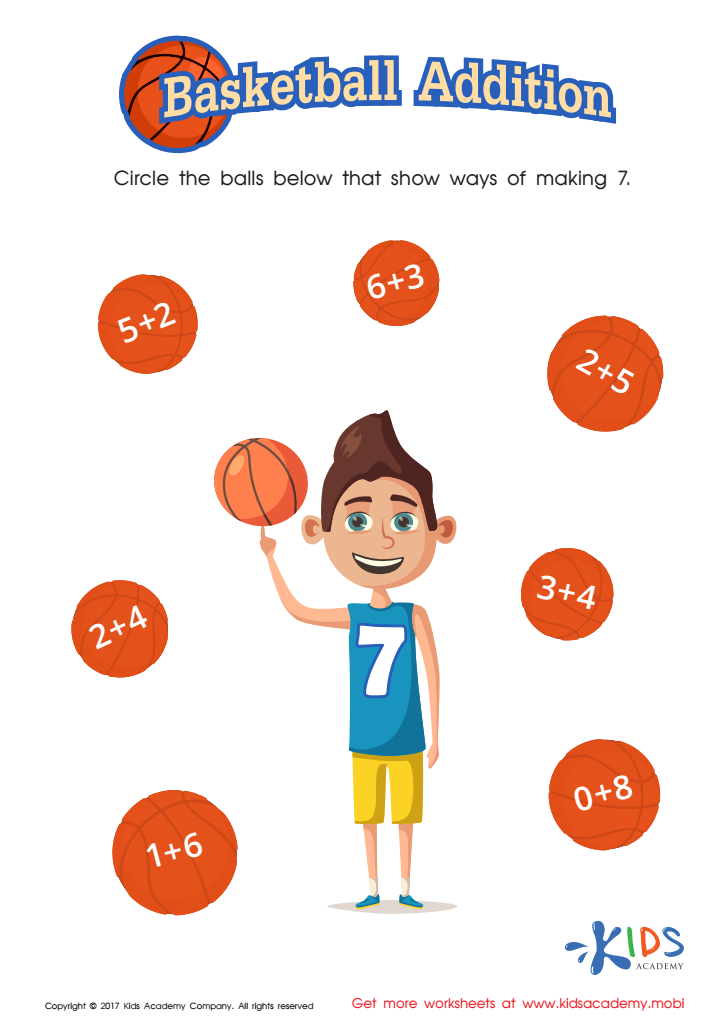
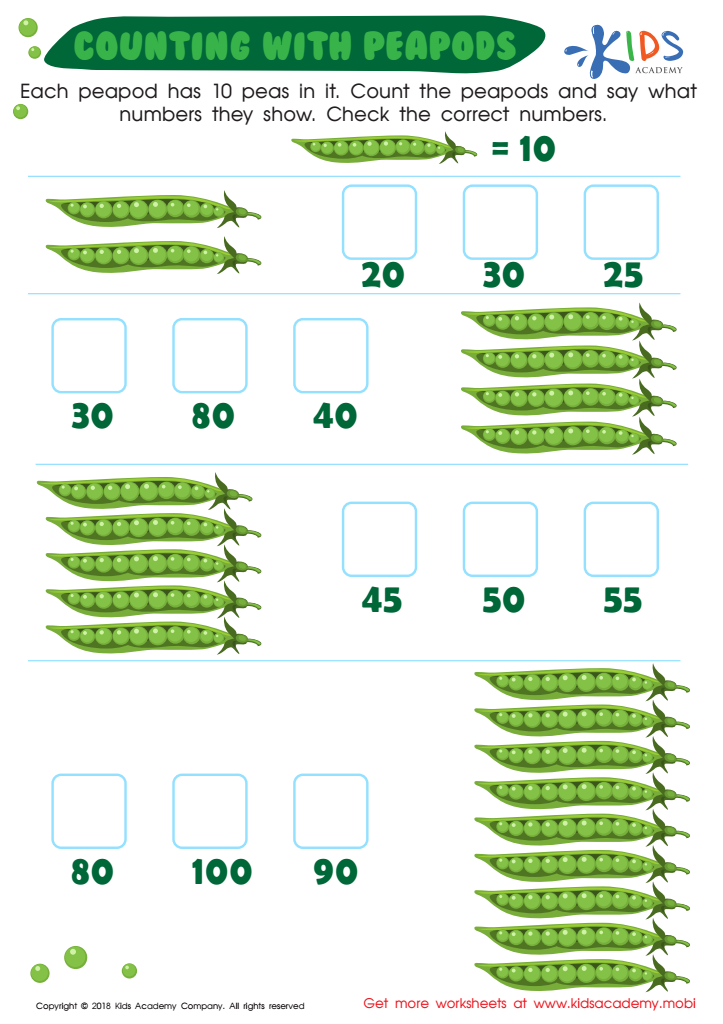
Number Worksheet: Counting With Peapods
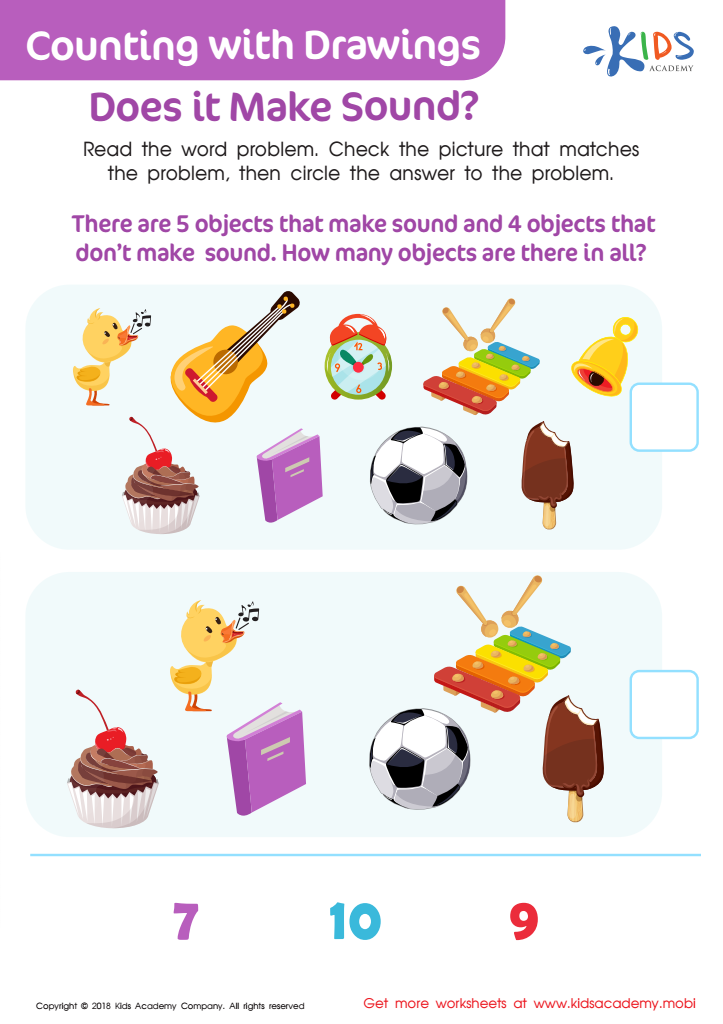
Counting With Drawings. Does It Make Sound? Worksheet
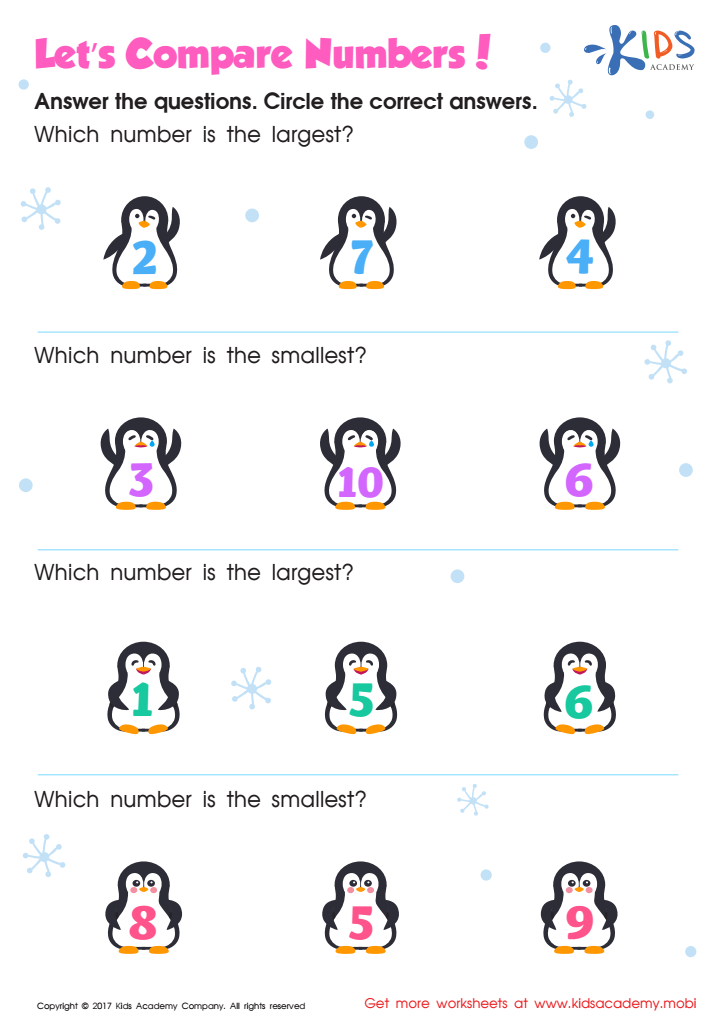
Comparing Numbers 1–10 Worksheet Kindergarten
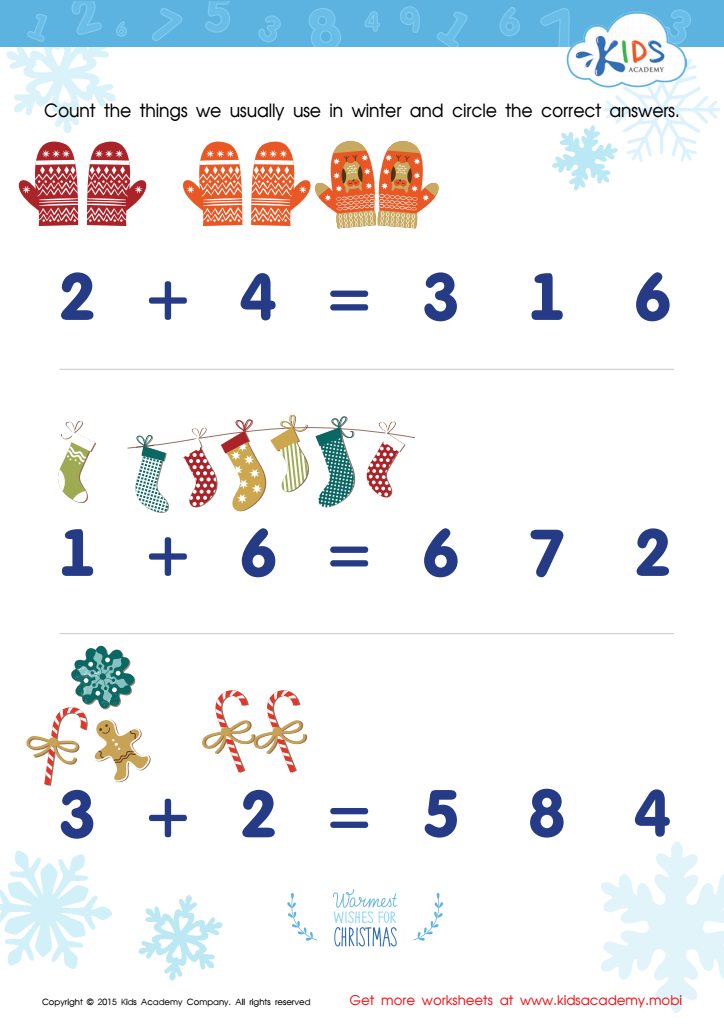
Count Winter Things Worksheet
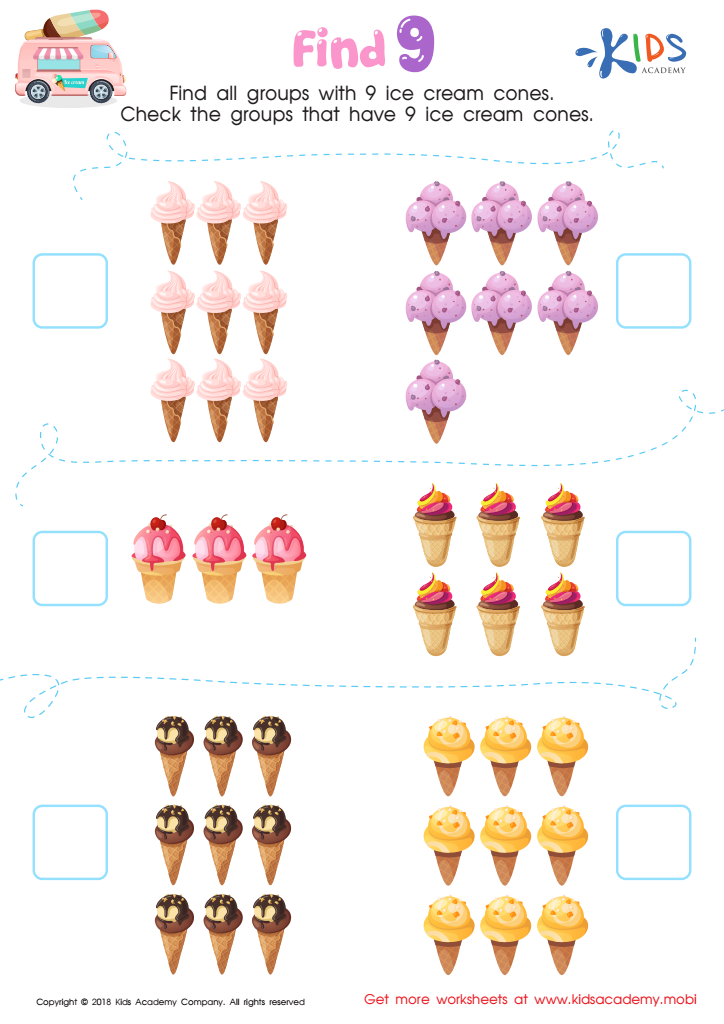
Find 9 Worksheet
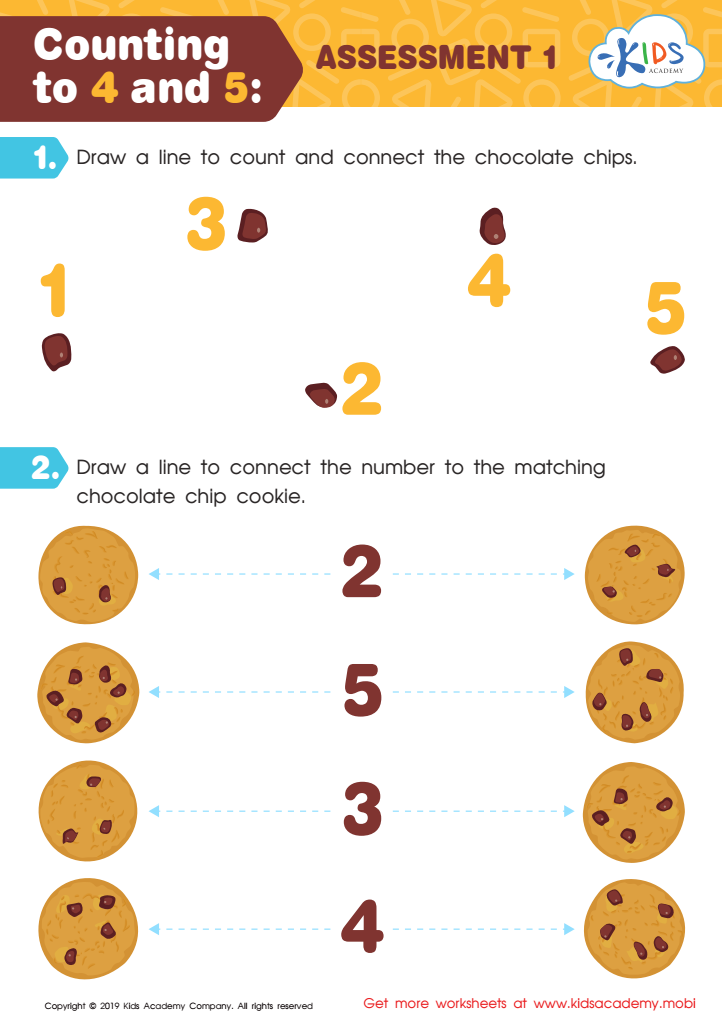
Counting to 4 and 5: Assessment 1 Worksheet
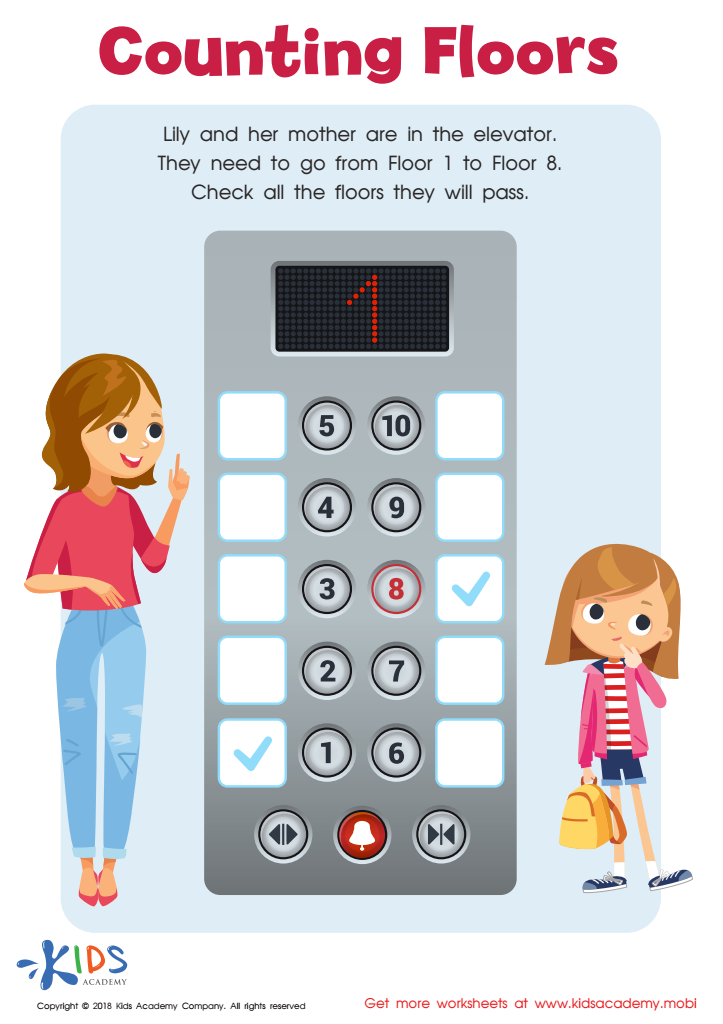
Counting Floors Worksheet
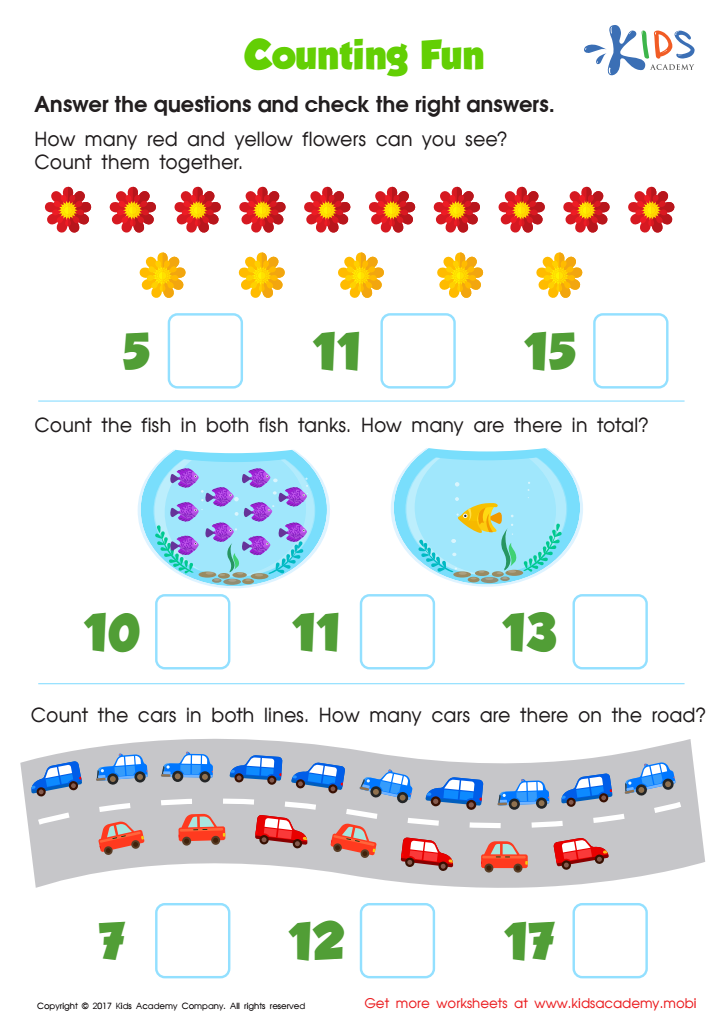
Counting Fun Worksheet
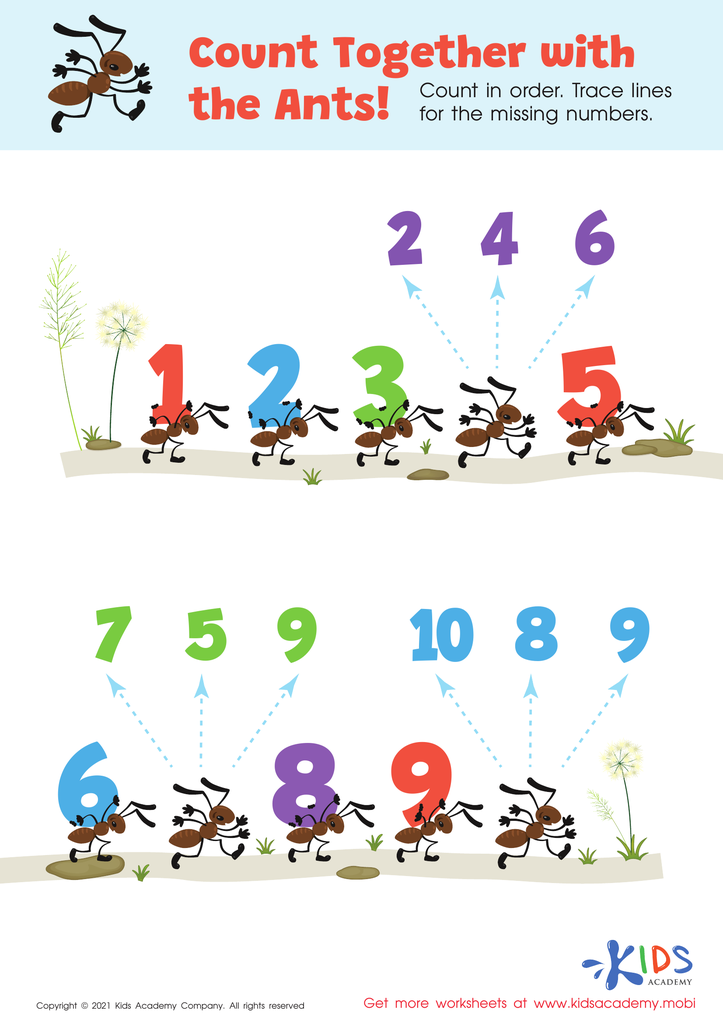
Count Together with the Ants Worksheet
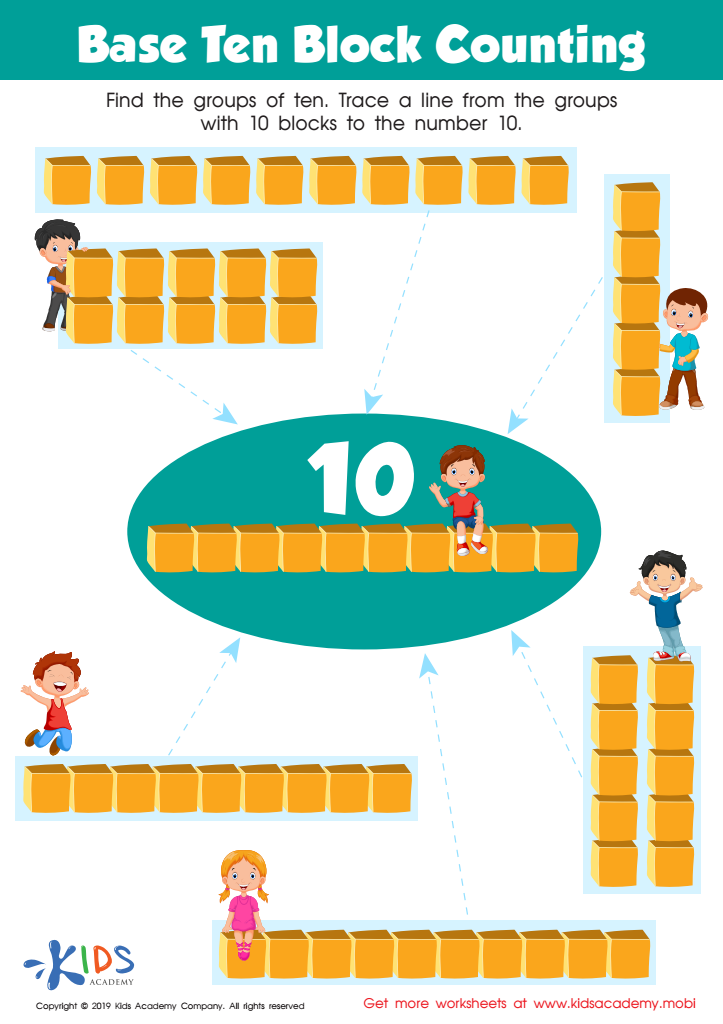
Base Ten Block Counting Worksheet
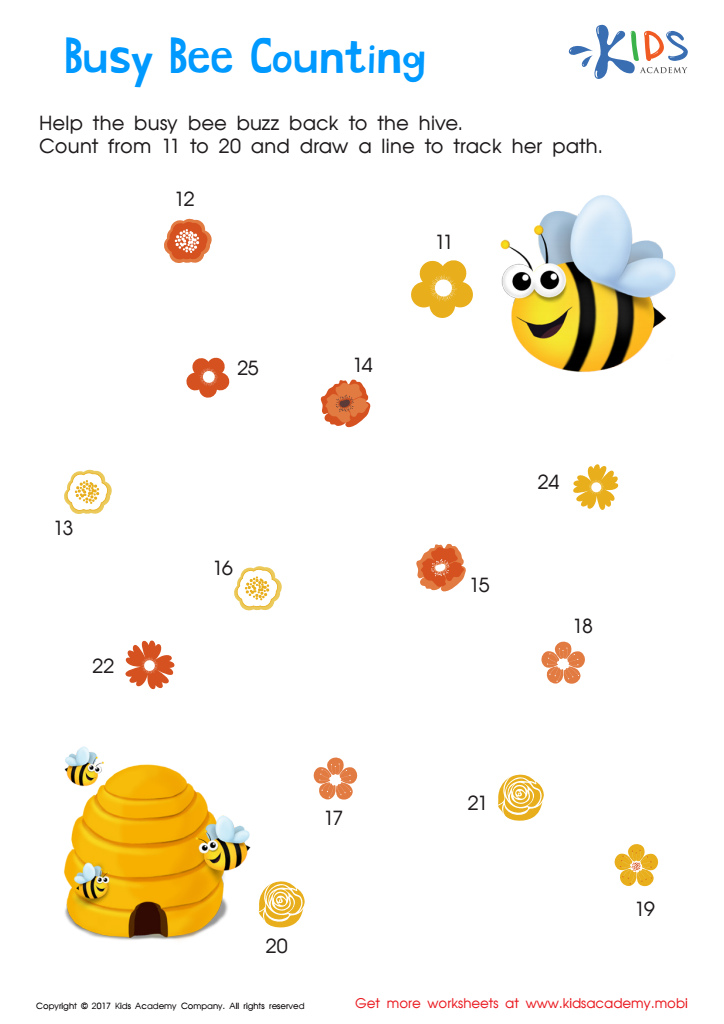
Ordering 11–20: Busy Bee Counting Worksheet
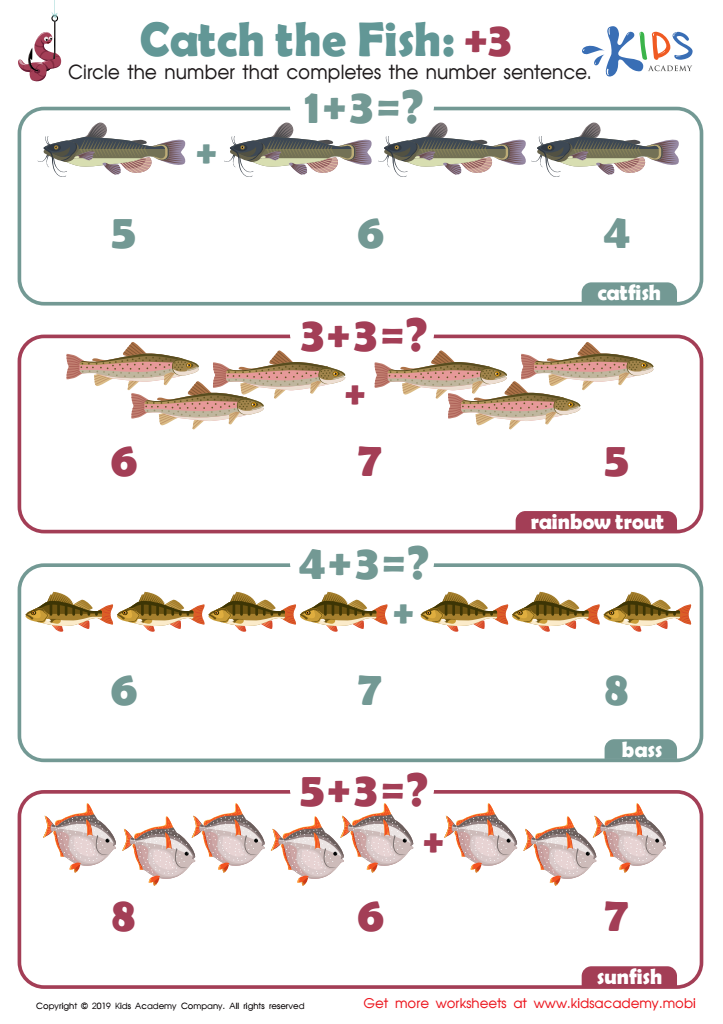
Catch the Fish: +3 Worksheet
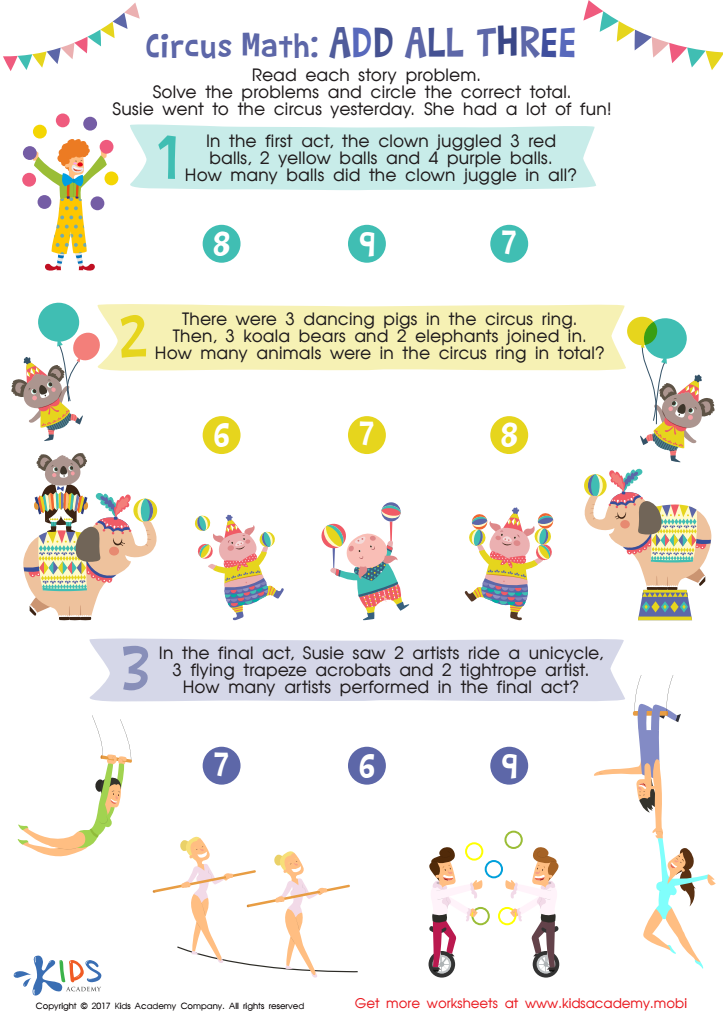
Circus Math Printable
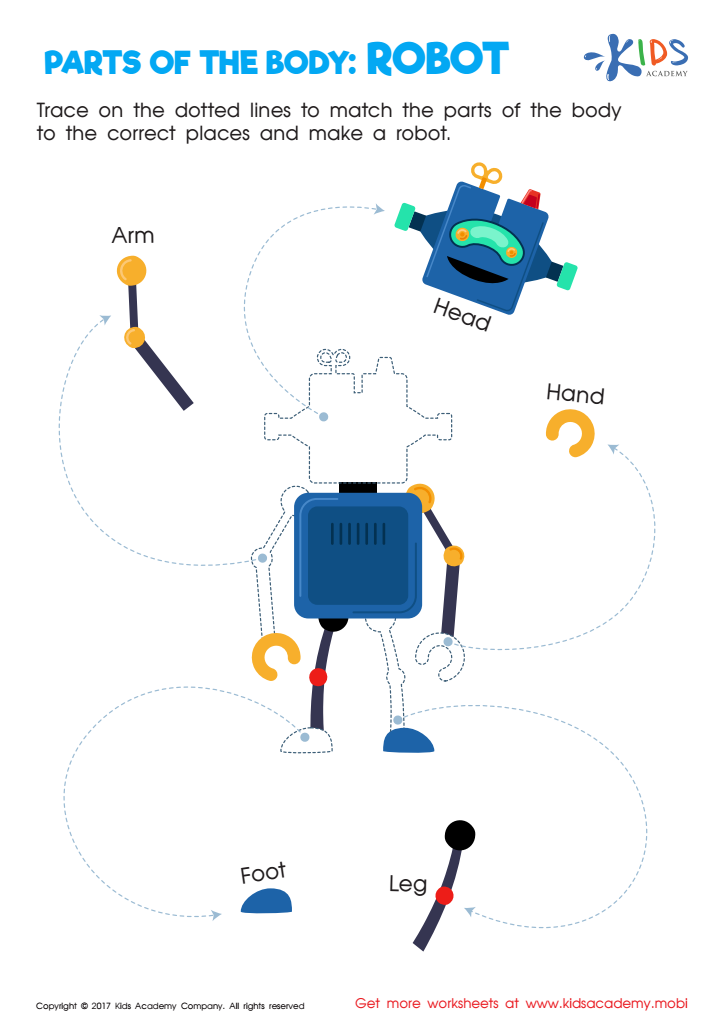
Robot Printable
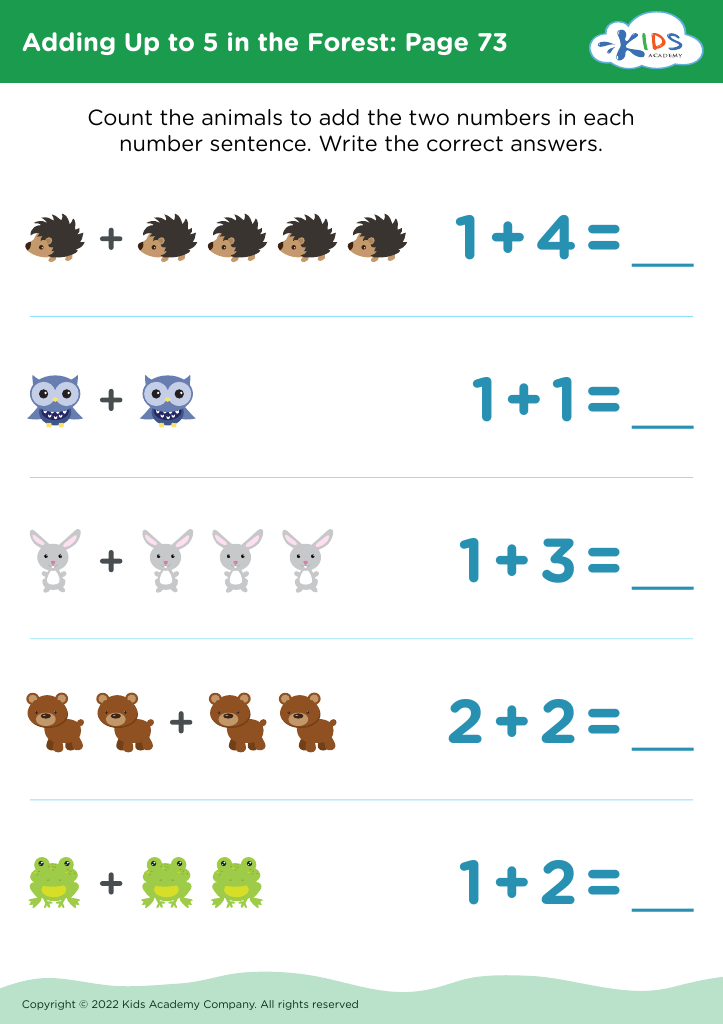
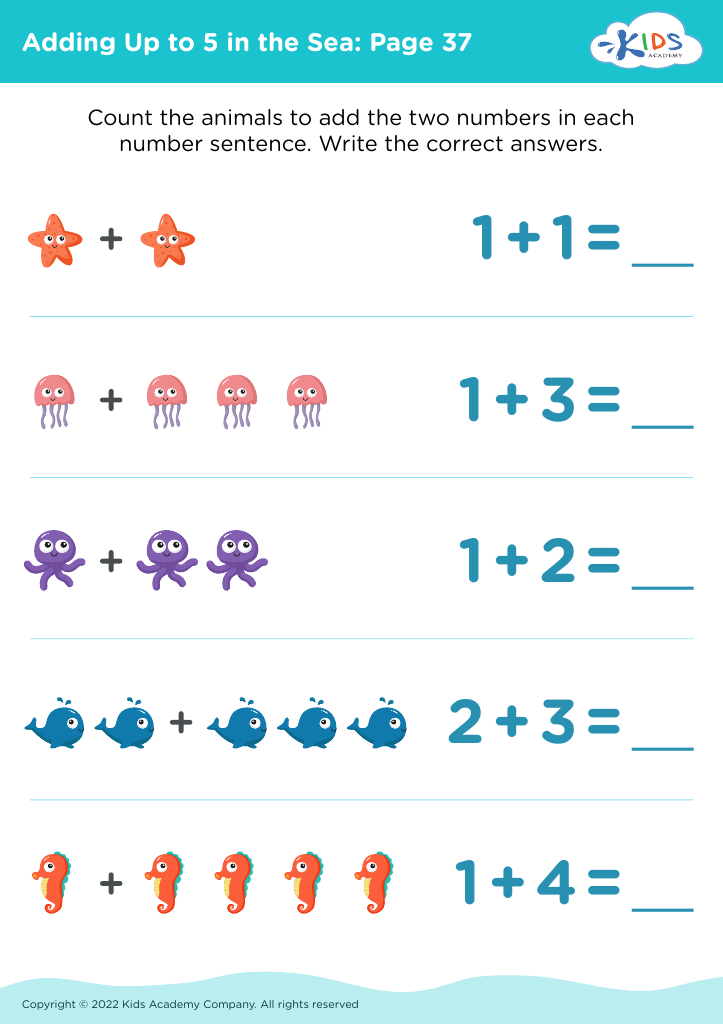
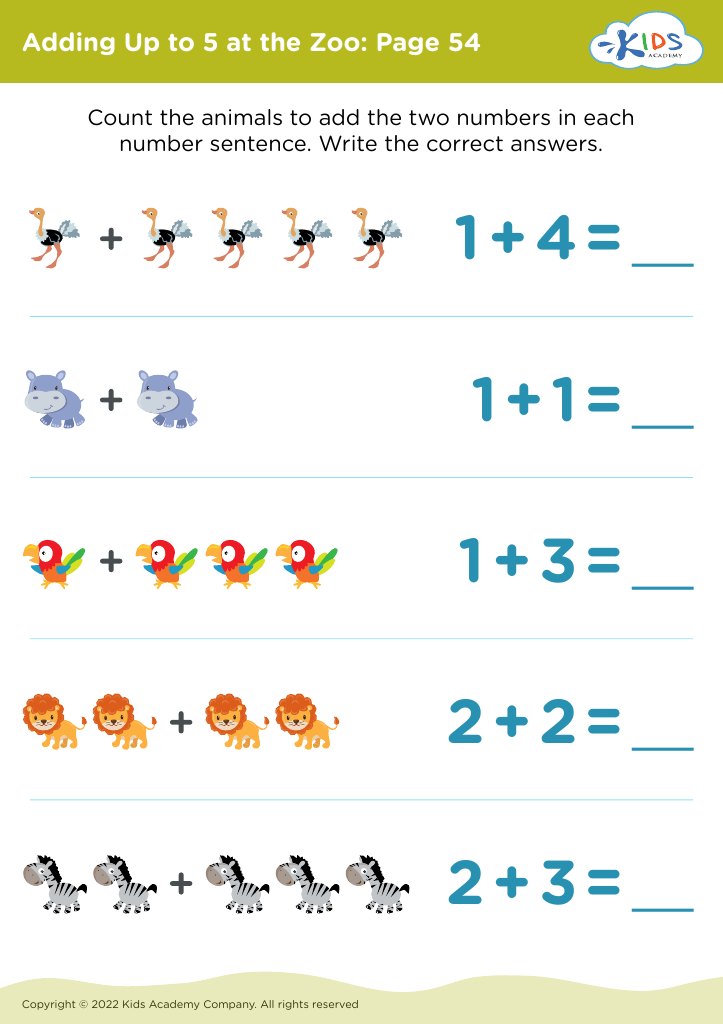







Number recognition is a critical foundational skill for children aged 4-5, serving as a gateway to more complex mathematical concepts. Importantly, number recognition means identifying and understanding numerals, which supports early learners in developing essential skills in math and beyond. For parents and teachers, fostering this skill is vital because it influences children's confidence and curiosity about numbers.
At this age, children begin to develop cognitive abilities that help them make sense of the world around them. Number recognition promotes pattern recognition, sequencing, and problem-solving skills, which are important for their overall cognitive development. By identifying numbers, children also improve their memory and attention span, laying the groundwork for future learning.
Additionally, mastery of number recognition aids in real-life applications, like counting objects, recognizing prices, and understanding time. For parents and educators, it's crucial to create engaging, interactive experiences centered around numbers—through games, storytelling, or everyday activities—to make learning fun and meaningful.
Investing time in number recognition can improve children's academic readiness and foster a positive attitude toward math, influencing their future success in both educational and life pursuits. Ultimately, early investment in this skill empowers children on their educational journey.








