Basic Arithmetic Addition & Subtraction Worksheets for Ages 4-5 - Page 2
44 filtered results
-
From - To
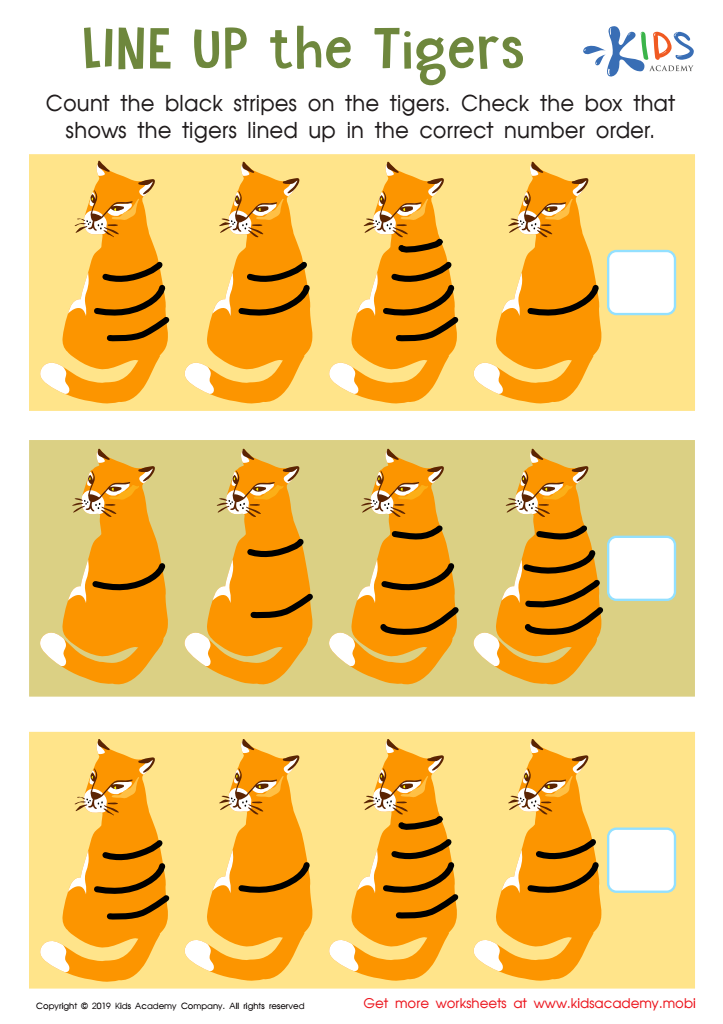
Line up the Tigers Worksheet
 Assign to My Students
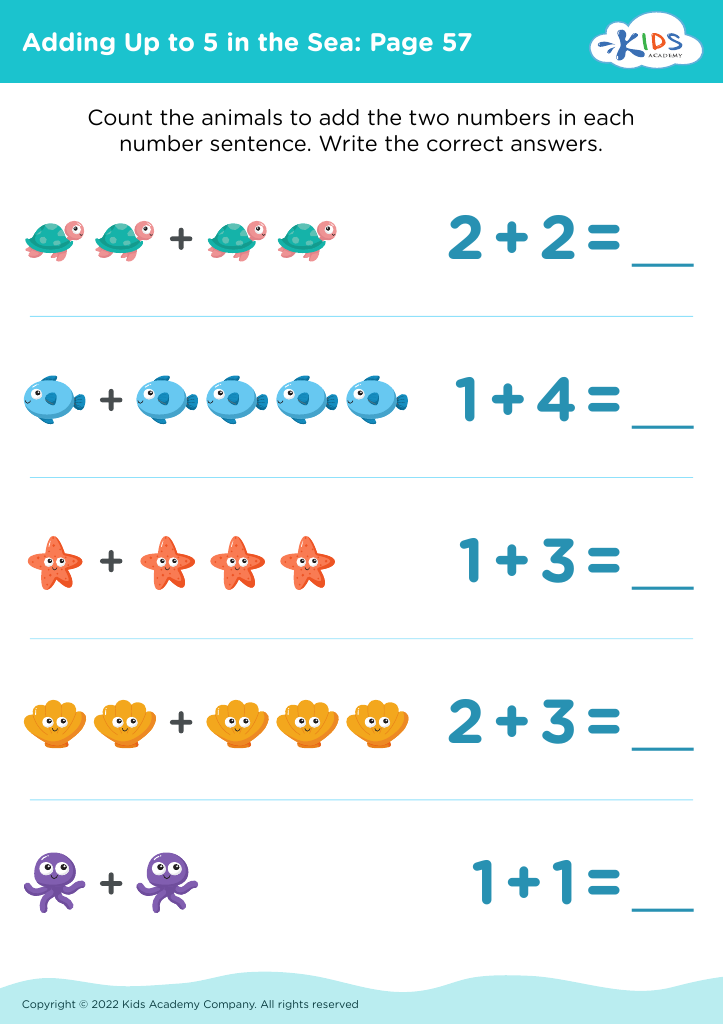
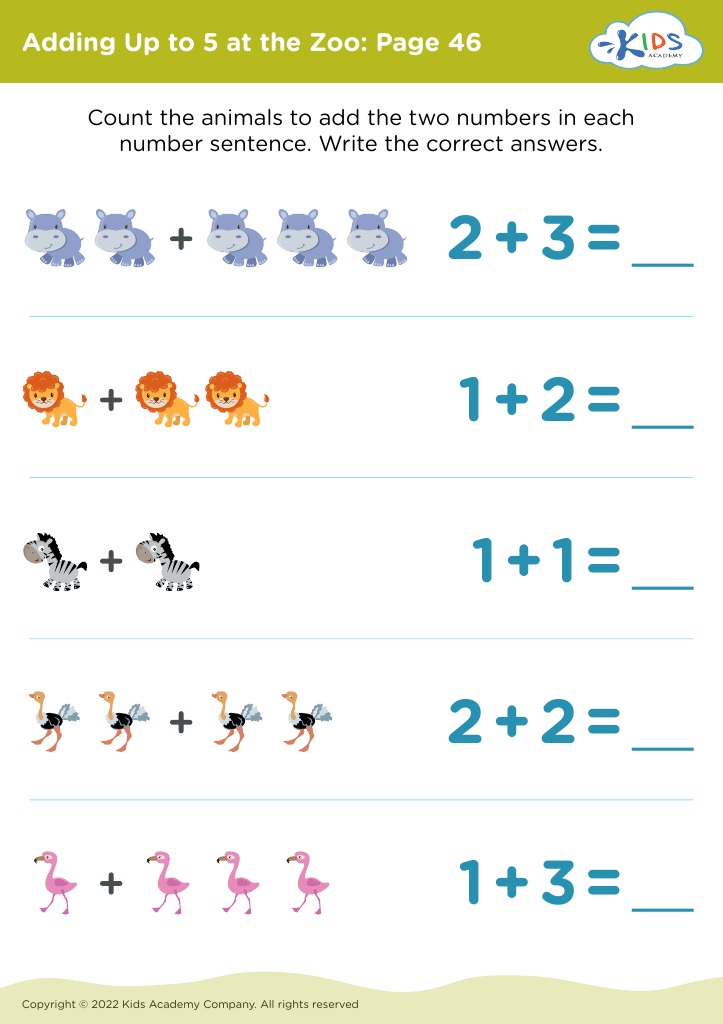
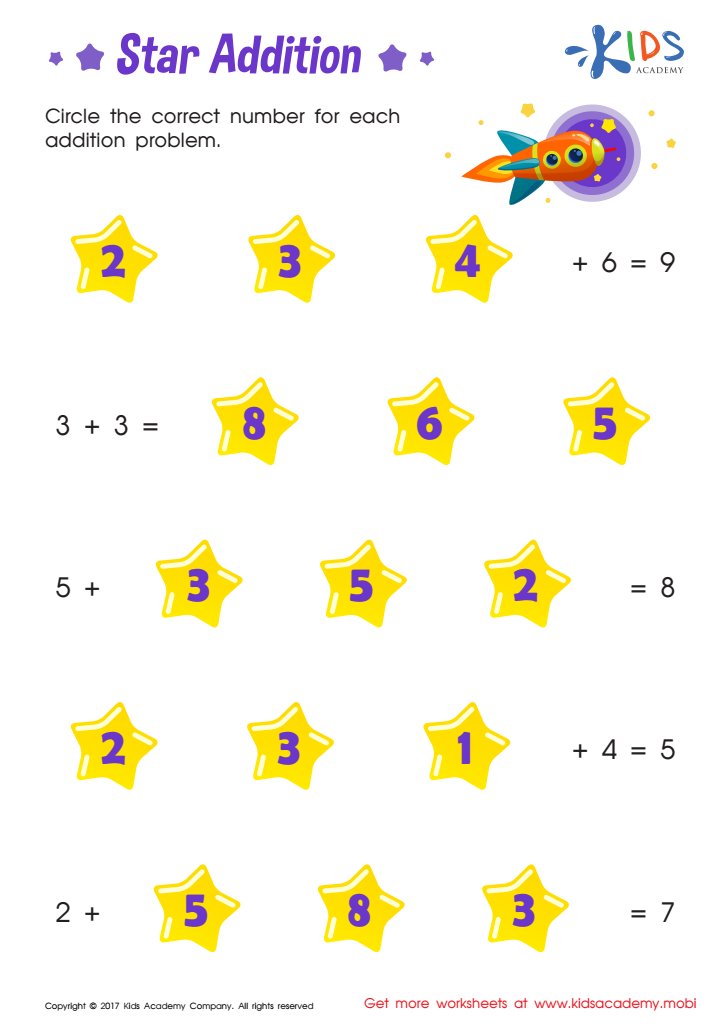
Star Addition Printable
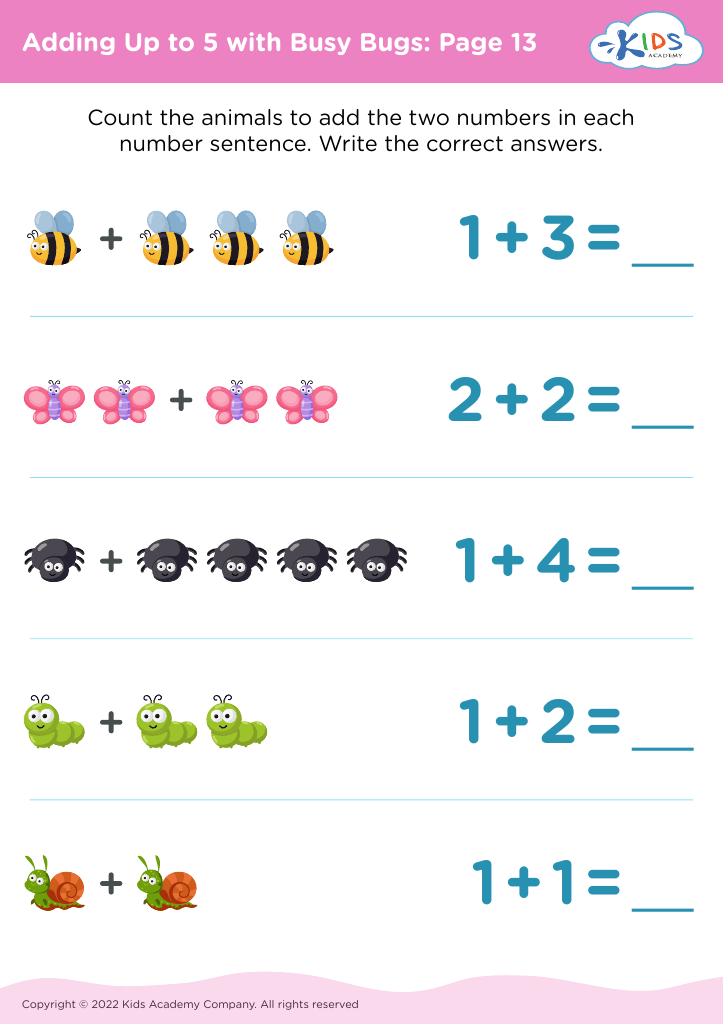
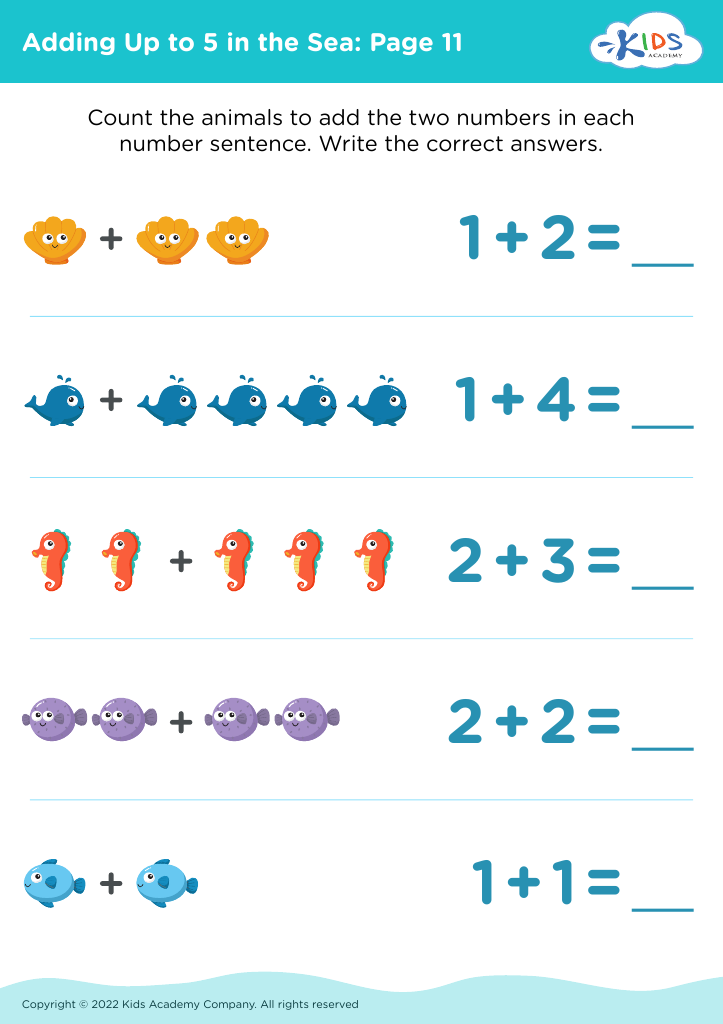
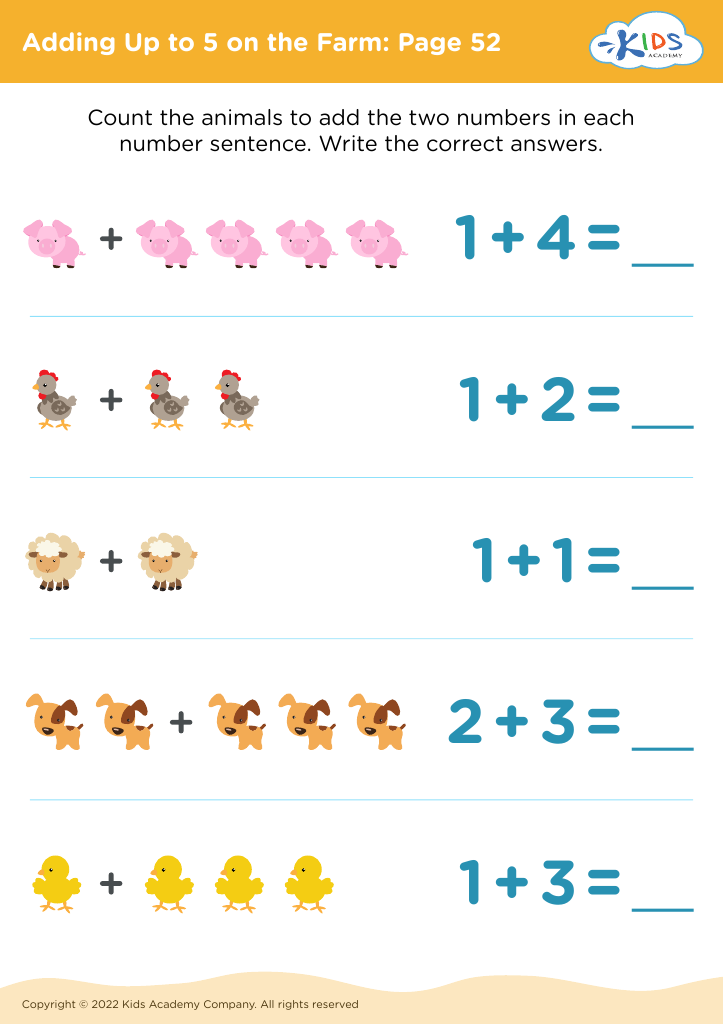
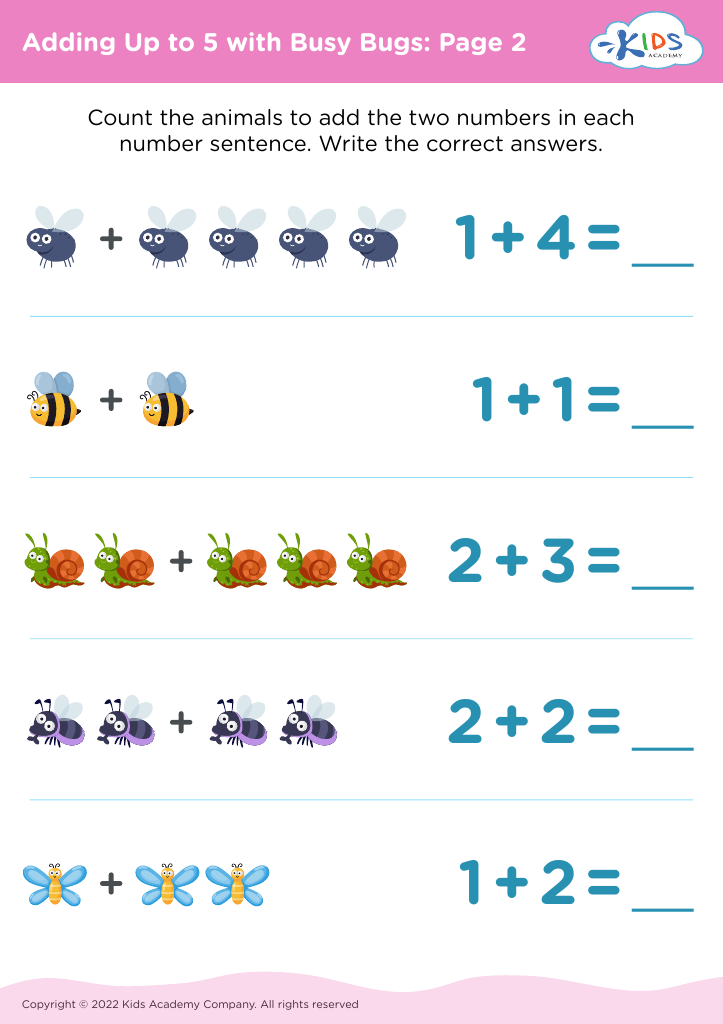
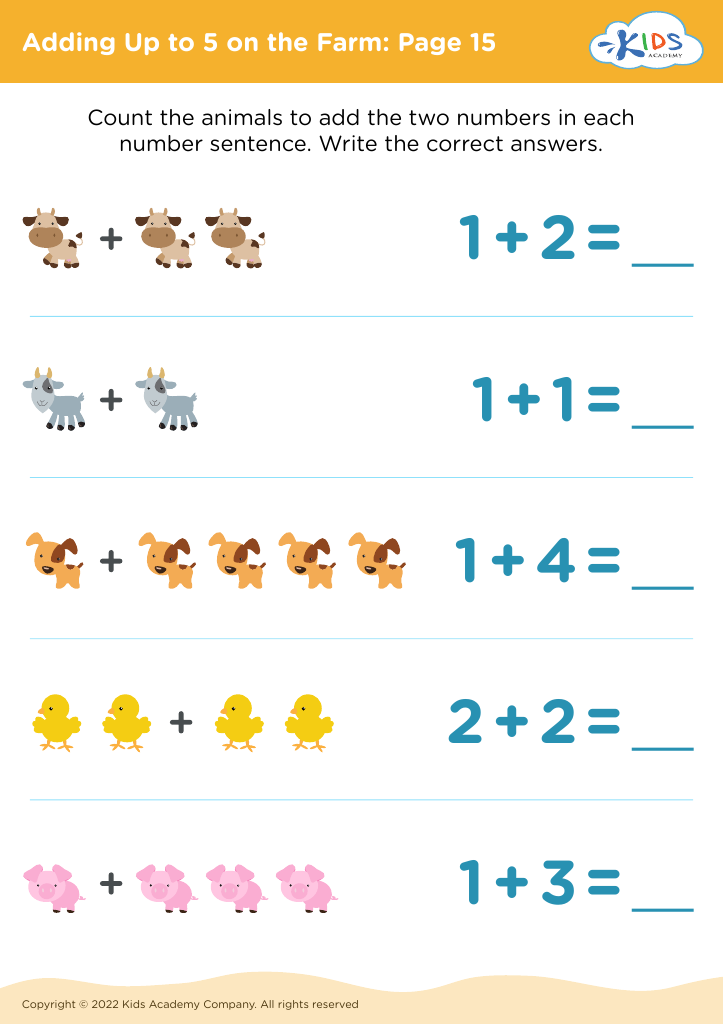
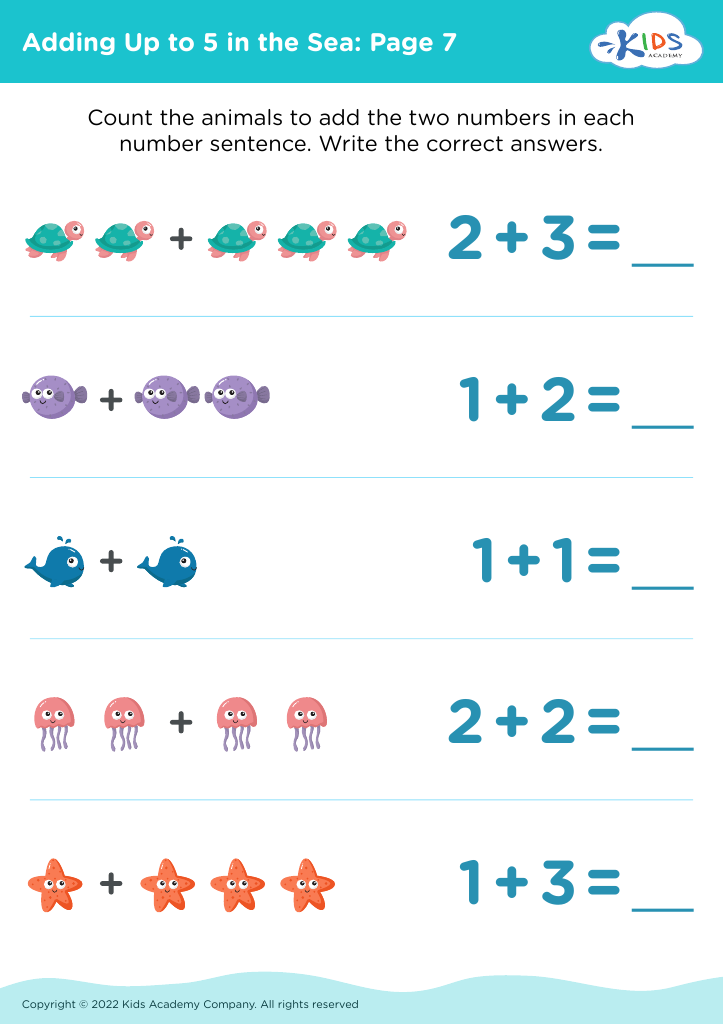
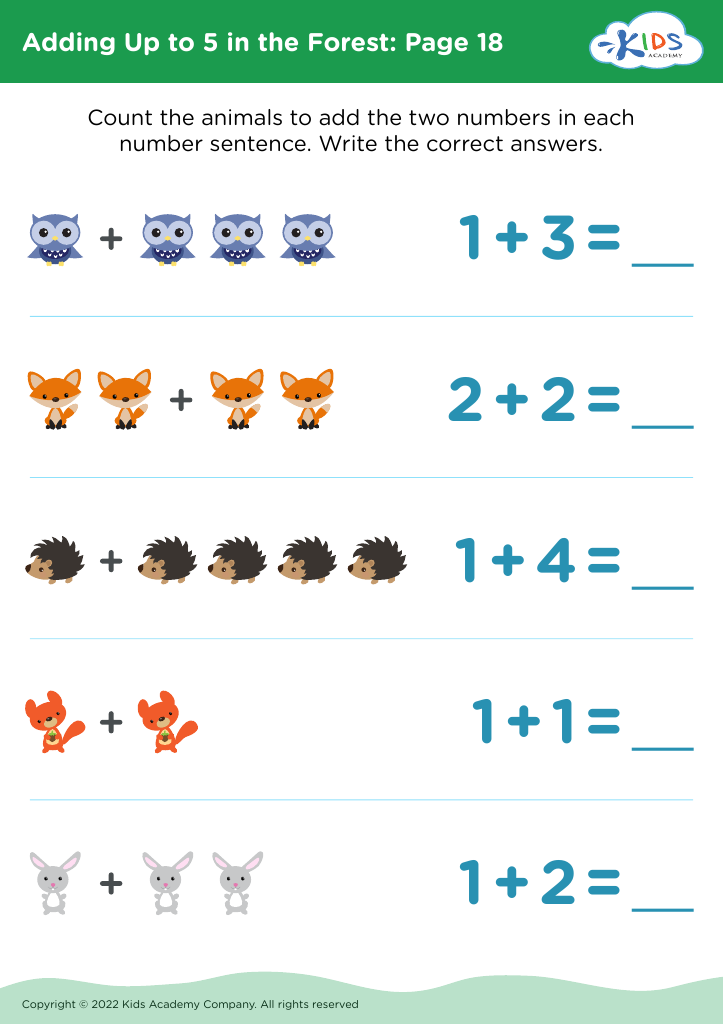
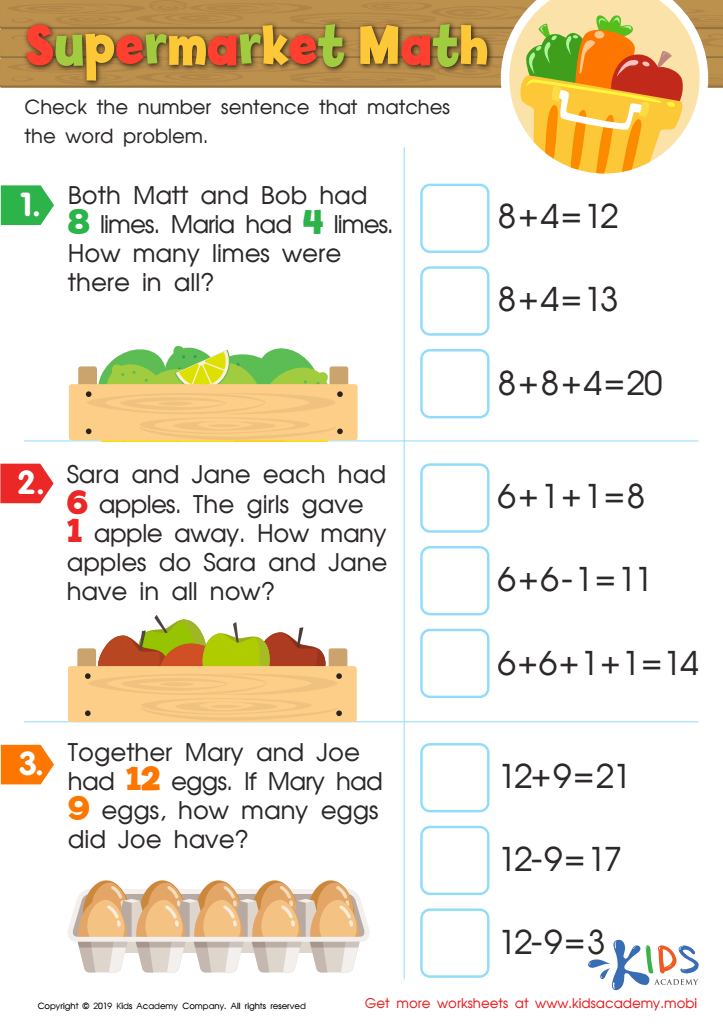
Supermarket Math Worksheet
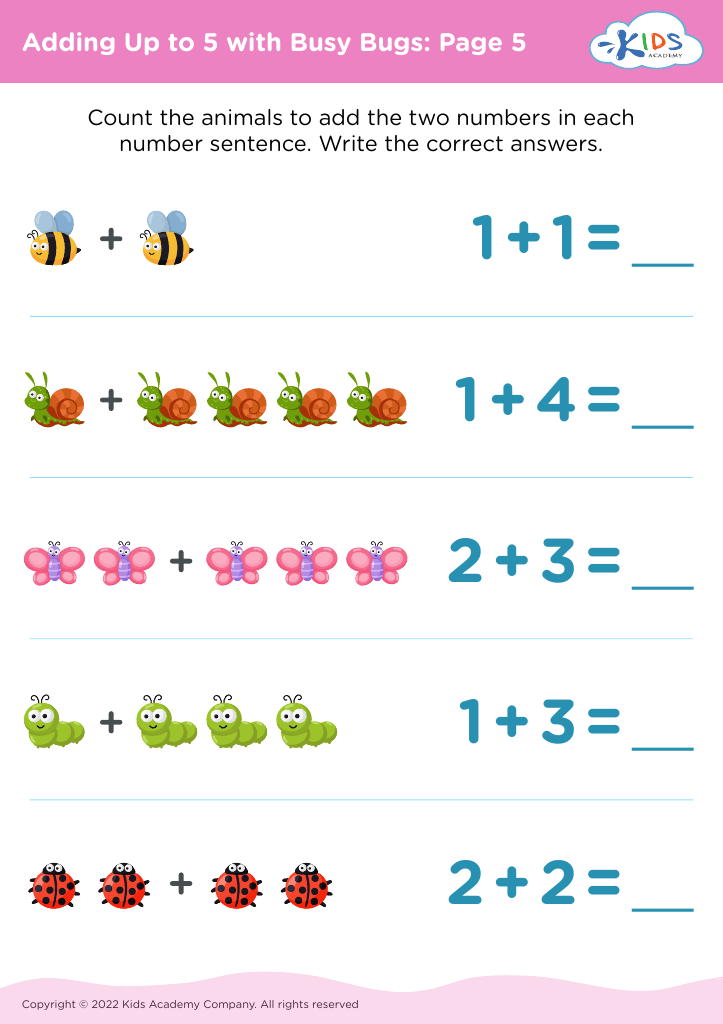
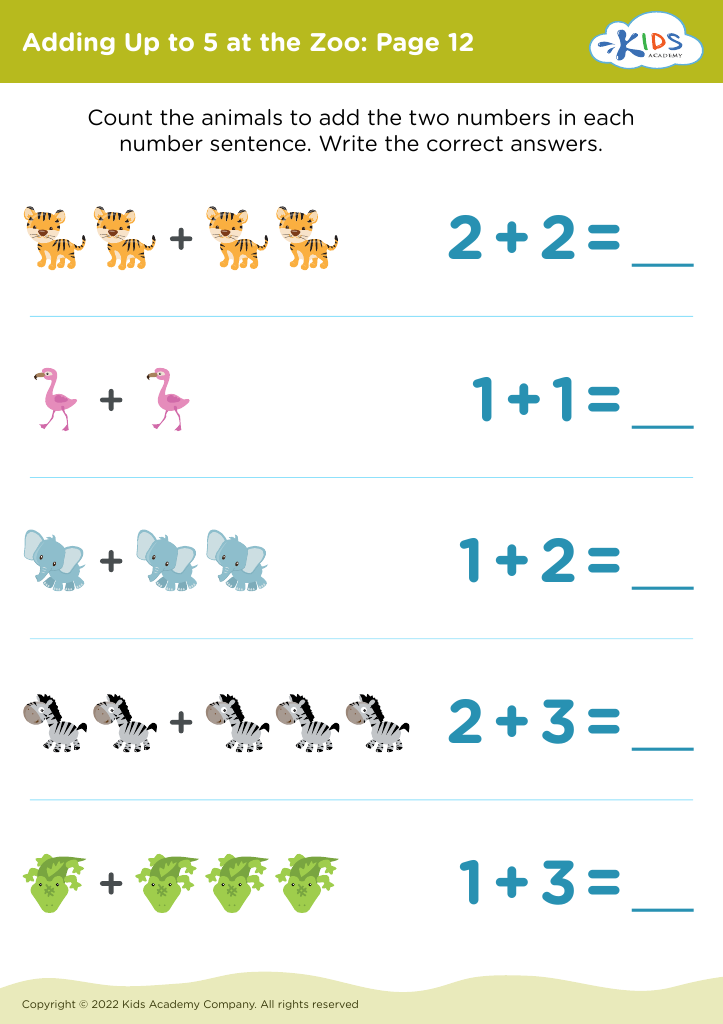
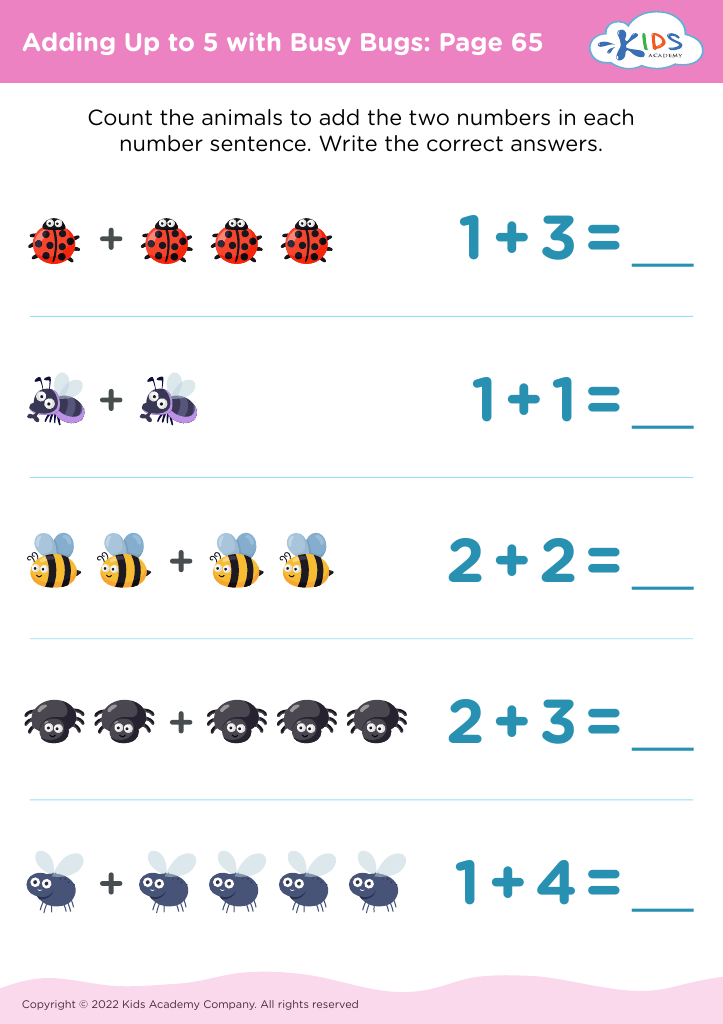
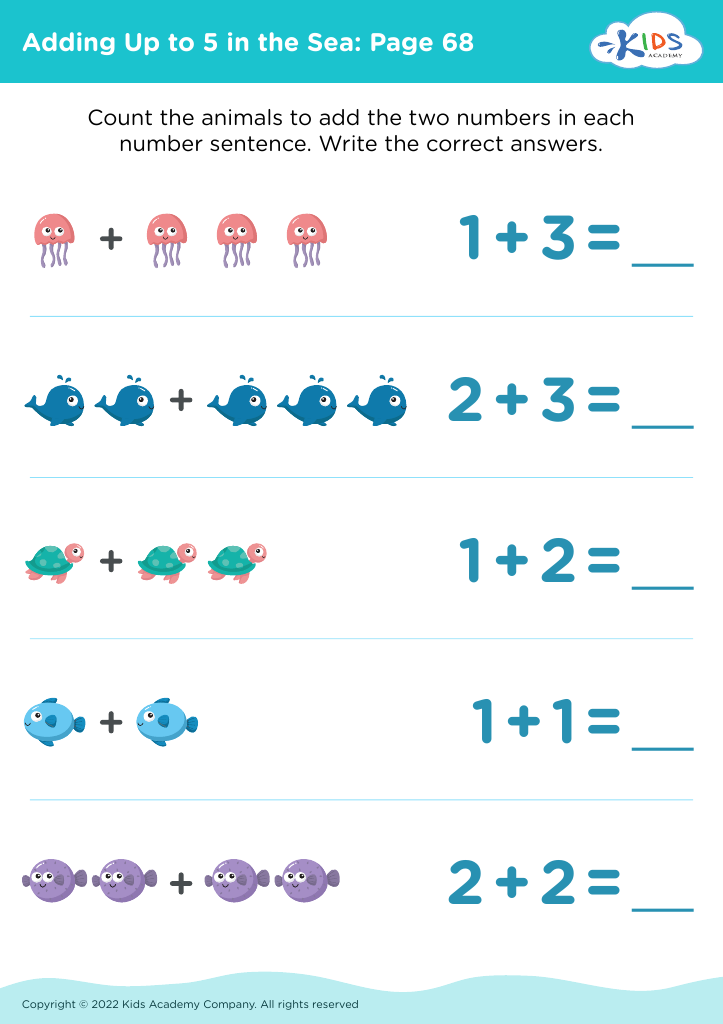
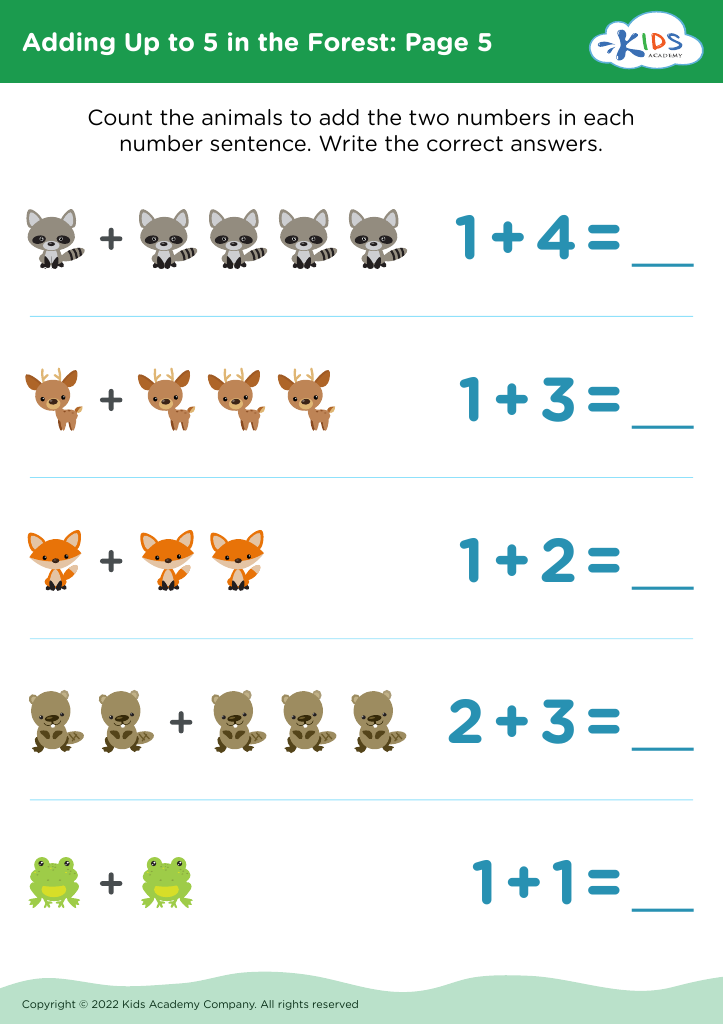
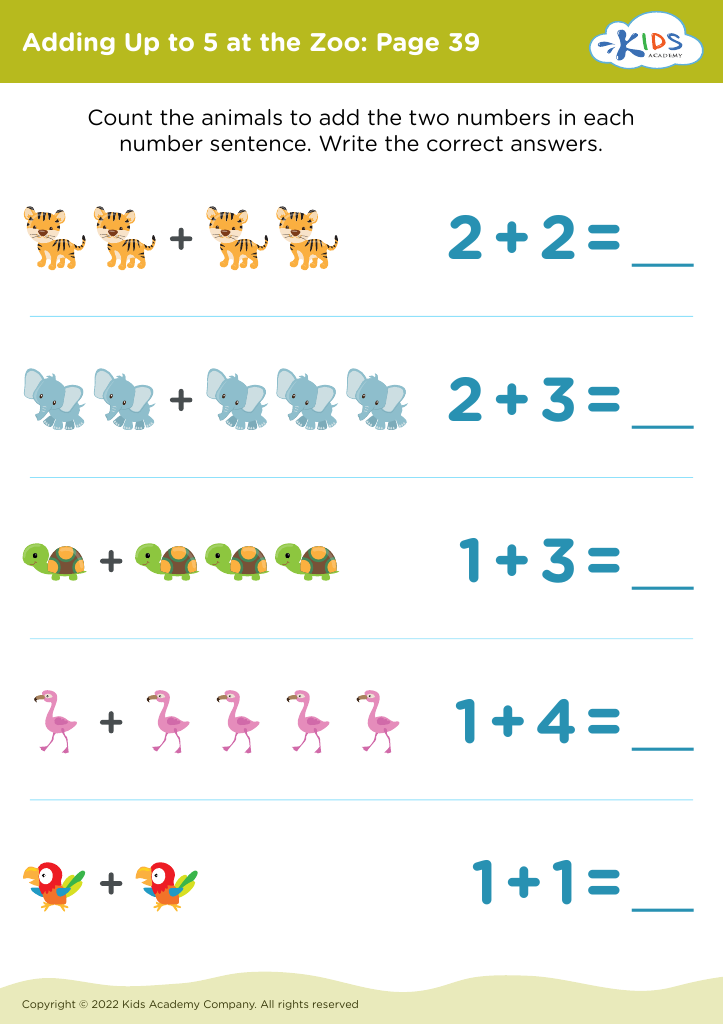
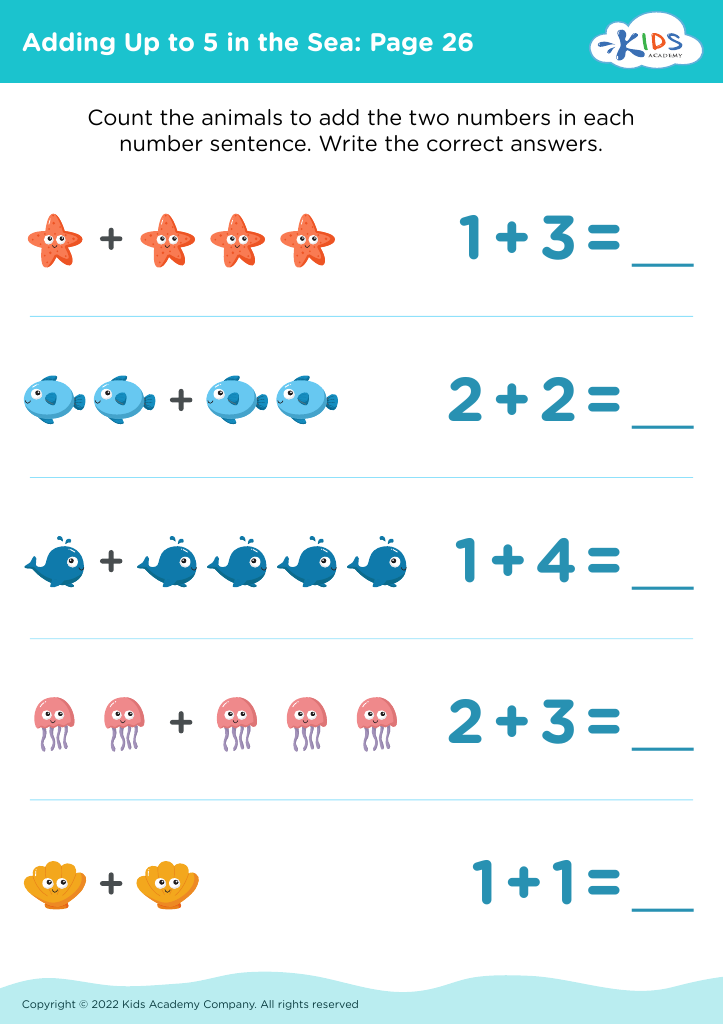
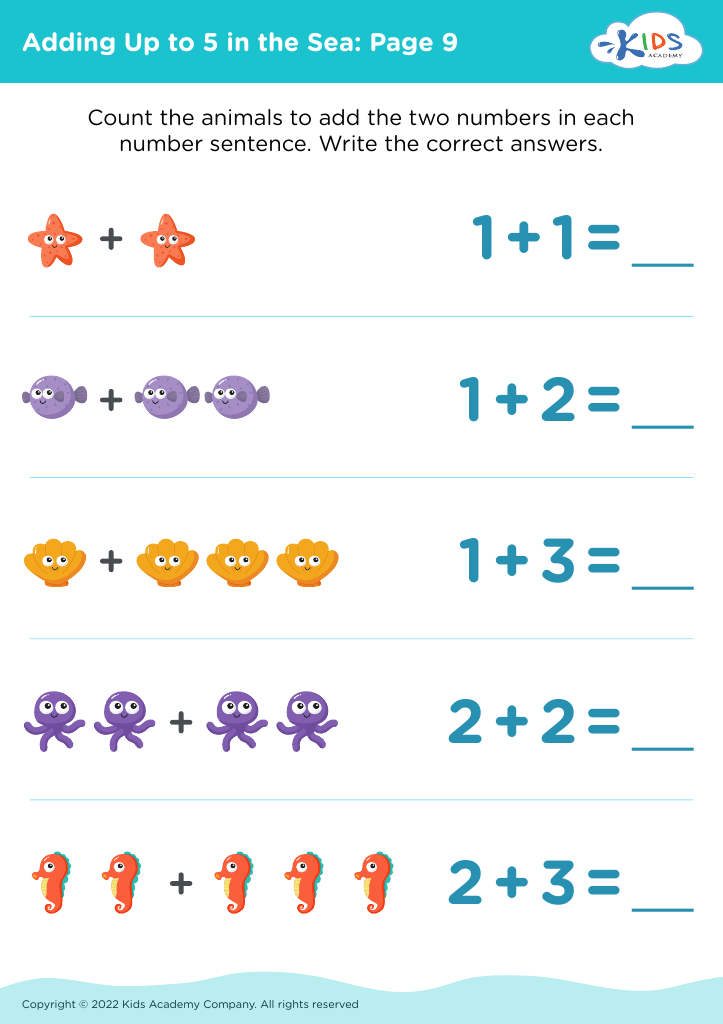








Basic arithmetic addition and subtraction are foundational skills that set the stage for a child's future learning, particularly in mathematics. For children aged 4-5, mastering these concepts provides essential cognitive benefits. At this age, children are naturally curious, and interacting with numbers helps enhance their problem-solving abilities and critical thinking.
Learning addition and subtraction helps young learners develop a sense of quantity, enabling them to understand the world around them more deeply. These skills foster confidence, as children experience the satisfaction of finding answers through practice. Moreover, early exposure to math can spark a lifelong interest in the subject, countering common fears and anxiety associated with math later in life.
In a practical sense, basic arithmetic also supports daily activities, enriching a child's ability to navigate situations like sharing items, grouping toys, or understanding time. For parents and teachers, fostering these skills cultivates an engaging environment that encourages exploration and collaboration. By prioritizing basic addition and subtraction, adults empower children to build a solid foundation for more complex math concepts, setting them up for success in school and beyond. Overall, teaching these skills is crucial for holistic development during these formative years.








