Problem-Solving Skills Geometry Worksheets for Ages 4-5
10 filtered results
-
From - To
Discover our engaging Problem-Solving Skills Geometry Worksheets specifically designed for children ages 4-5! These interactive worksheets are perfect for young learners, providing fun and hands-on activities that promote critical thinking and spatial awareness. Kids will explore basic geometric shapes, patterns, and relationships through easy-to-follow exercises, enhancing their ability to analyze problems and develop strategies. With colorful illustrations and relatable scenarios, these worksheets not only make learning enjoyable but also cultivate foundational math skills essential for future success. Ideal for parents and educators seeking to enrich early math experiences, our geometry worksheets pave the way for confident, solution-oriented thinkers!
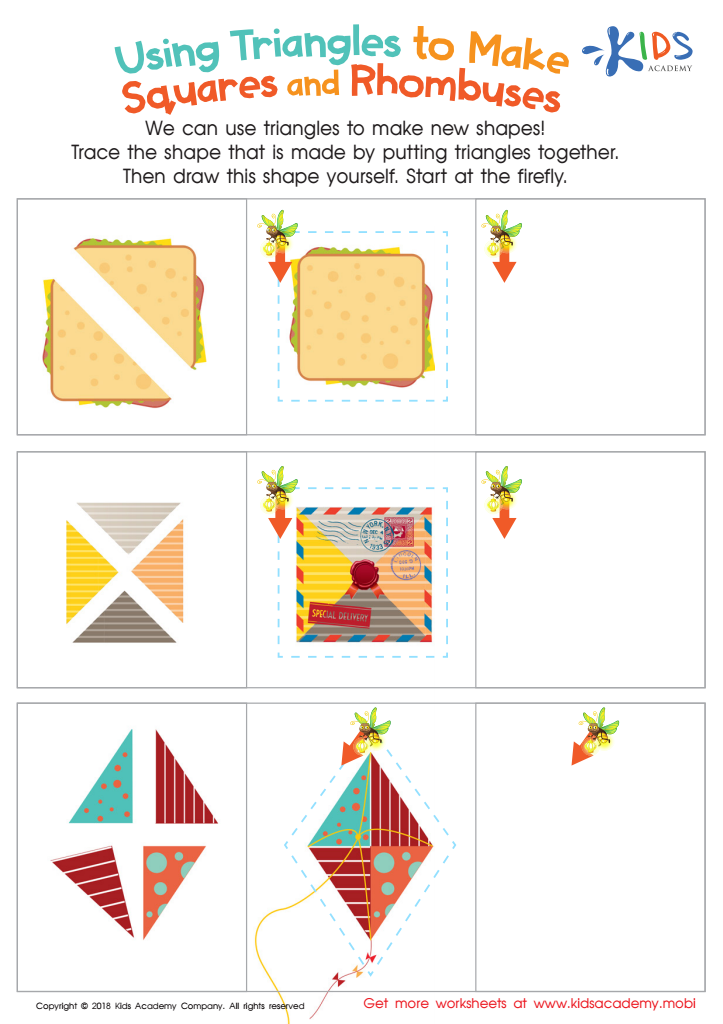
Using Triangles to Make Squares and Rhombuses Worksheet
 Assign to My Students











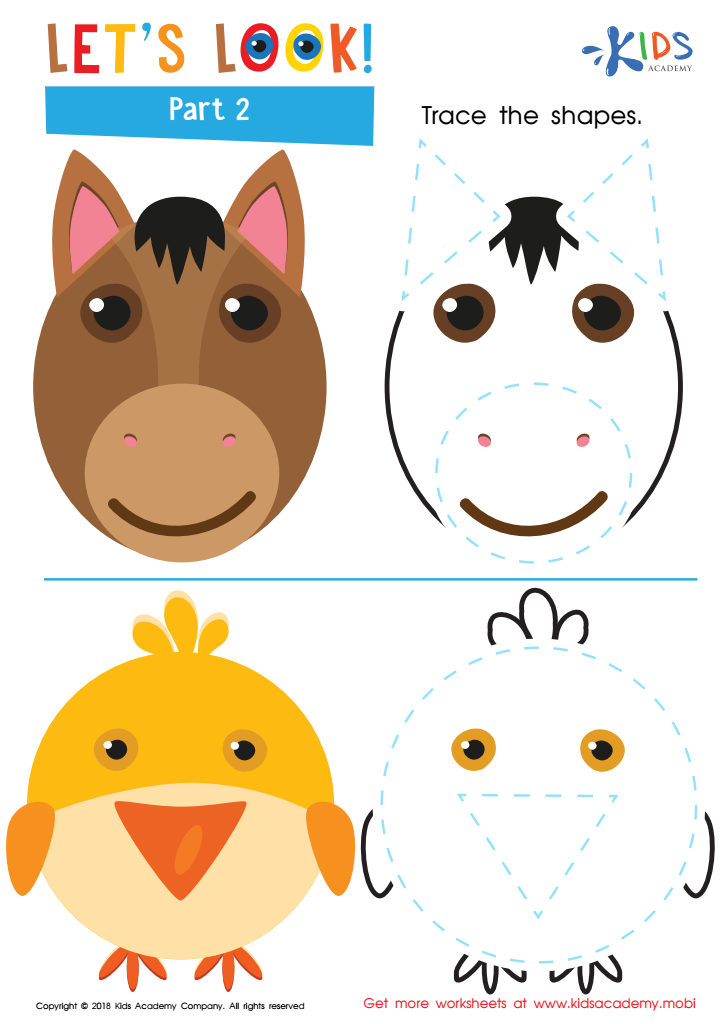
Let's Look! Part 2 Worksheet
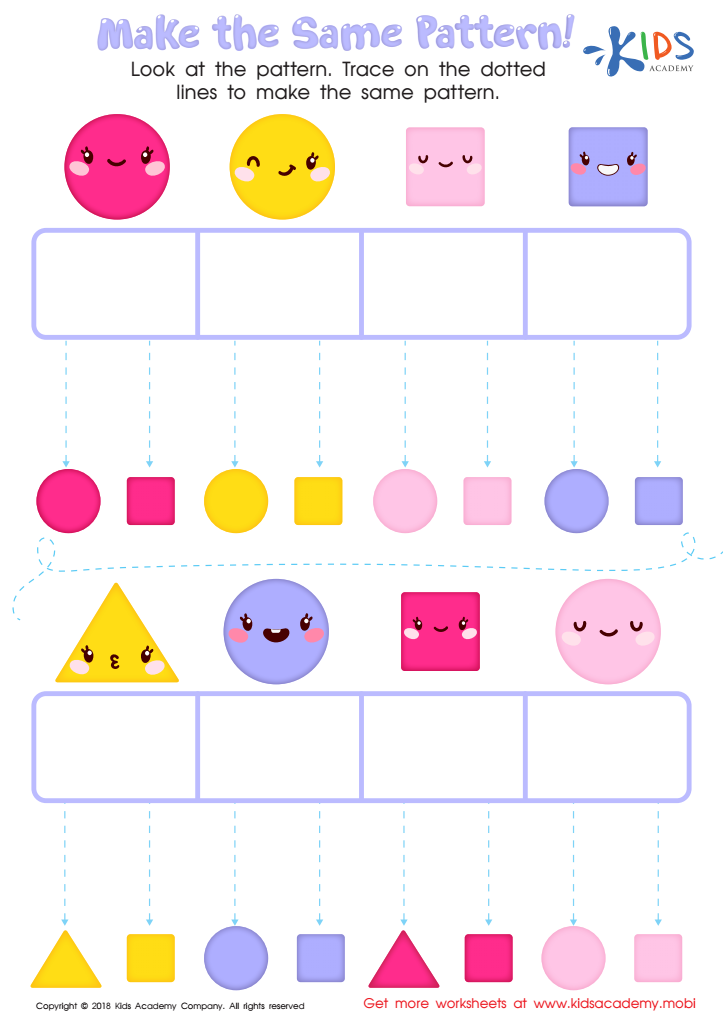
Make the Same Pattern Worksheet
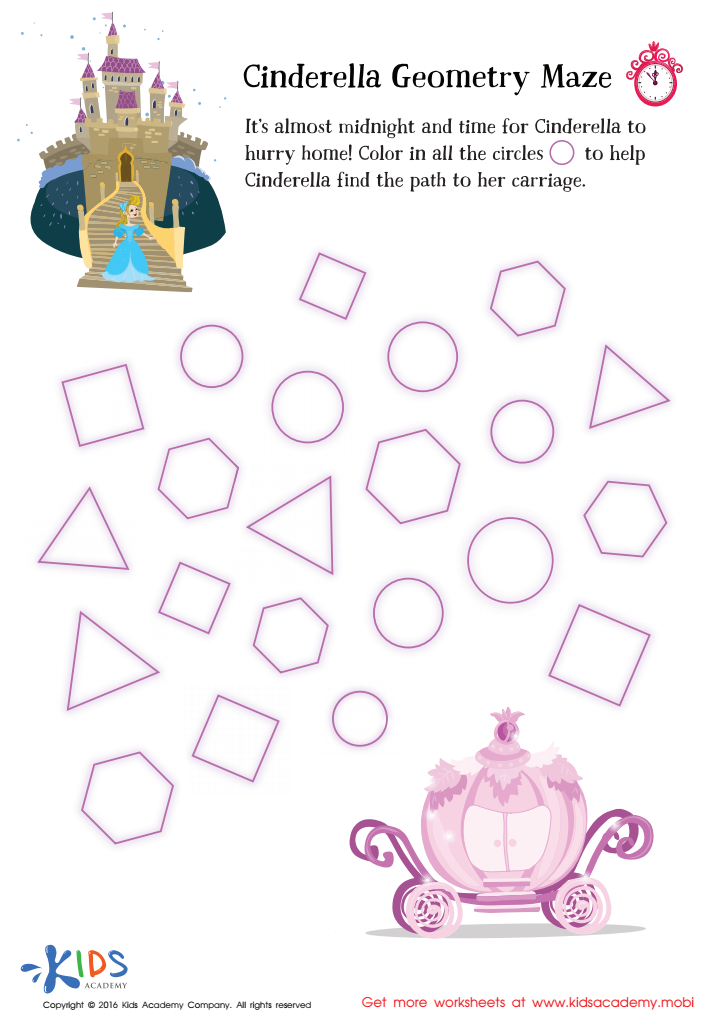
Cinderella Geometry Maze Worksheet
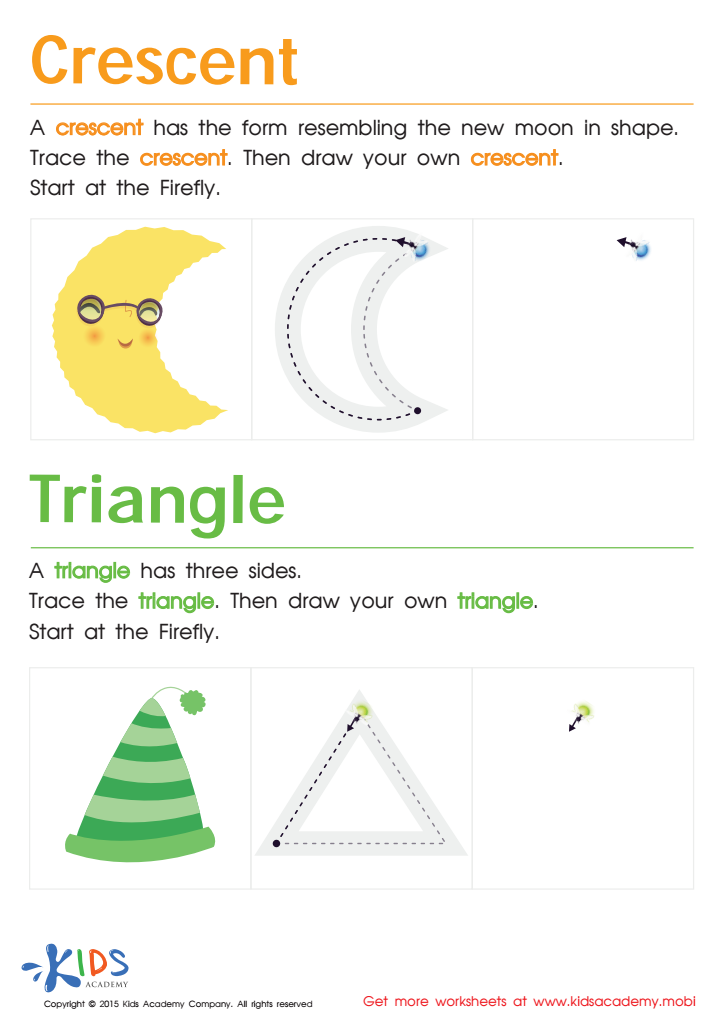
Learning to Draw Crescents And Triangles Worksheet
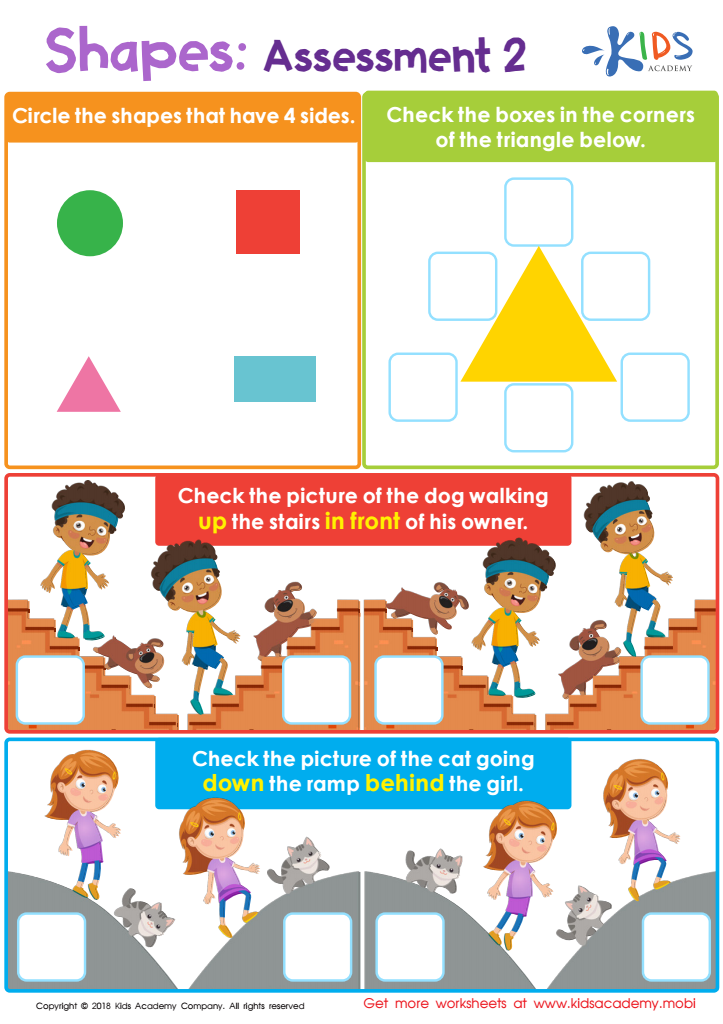
Shapes: Assessment 2 Worksheet
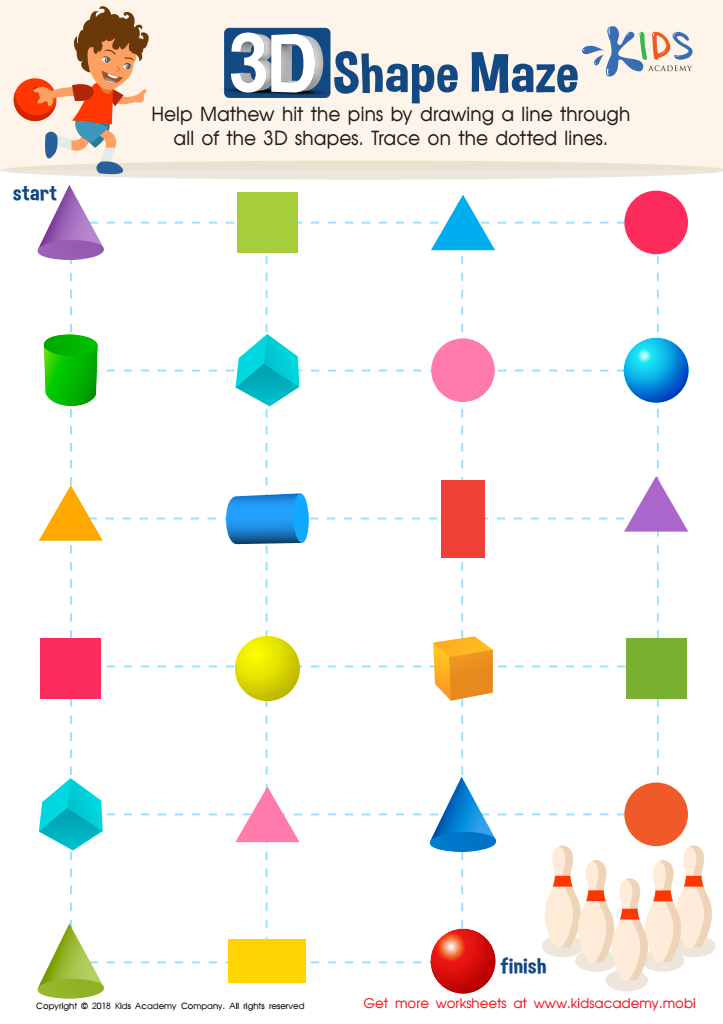
Shapes Maze Geometry Worksheet
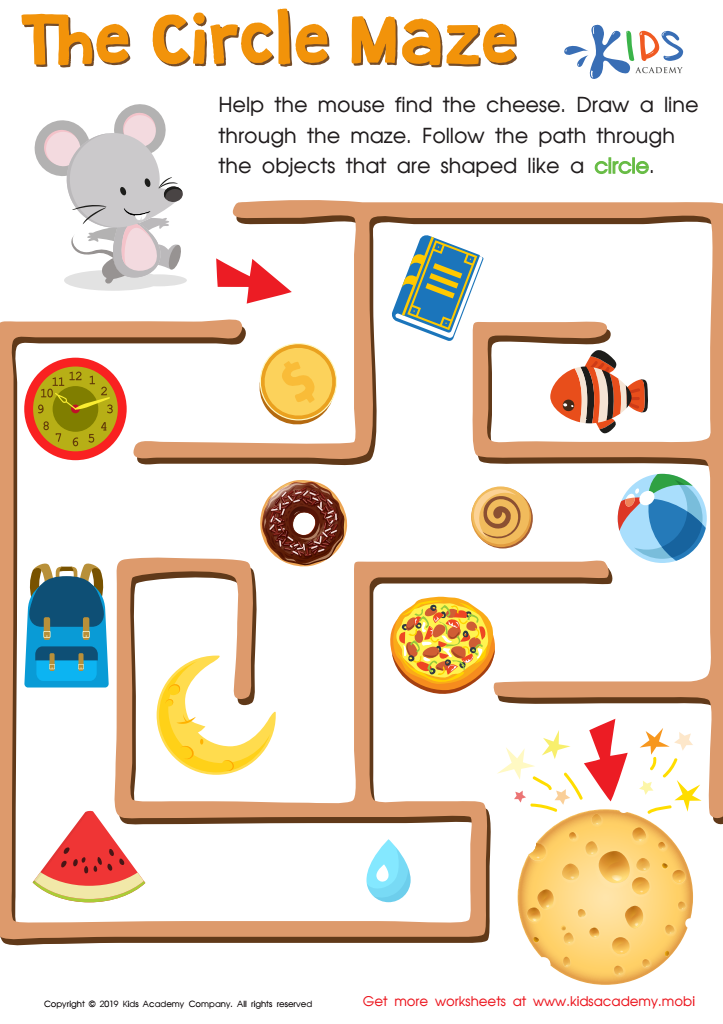
The Circle Maze Worksheet
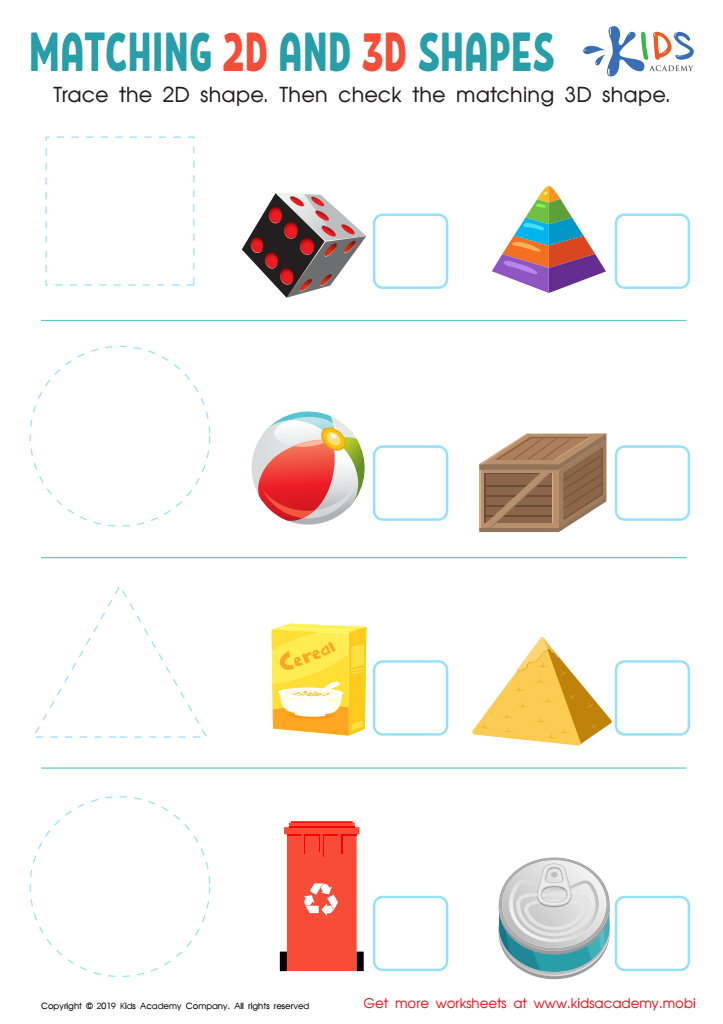
Matching 2D and 3D Shapes Worksheet
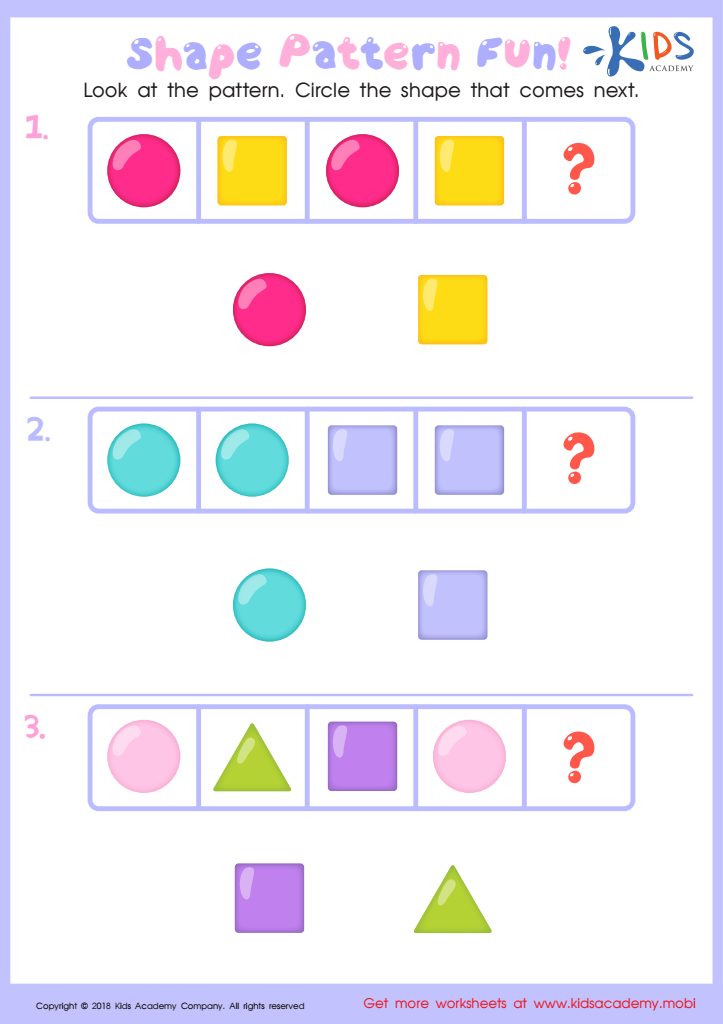
Shape Pattern Fun Worksheet








Problem-solving skills, particularly in geometric contexts, are crucial for children ages 4-5 as they build foundational cognitive abilities. At this age, children are naturally curious and eager to explore their environment, making it an ideal time to introduce geometric concepts. By engaging in problem-solving related to shapes and space, young learners enhance their critical thinking skills, learning to analyze, hypothesize, and experiment with different strategies.
Parents and teachers should care about fostering these skills because they serve as the building blocks for future learning in mathematics and other subjects. Mastering geometric problem-solving helps improve spatial awareness, which is vital not only in math but also in everyday activities such as navigating spaces or understanding visual information.
Additionally, encouraging children to articulate their thought processes in solving geometric problems cultivates communication skills and enhances their confidence. This early exposure helps demystify math, promoting a positive attitude toward the subject as they grow. Furthermore, the collaboration between parents and educators in supporting these skills nurtures a child's development in a comprehensive manner, preparing them for more complex challenges in later stages of education. Thus, prioritizing geometric problem-solving skills is essential for holistic early childhood development.








