Cognitive Development Numbers Worksheets for Ages 4-5 - Page 2
29 filtered results
-
From - To
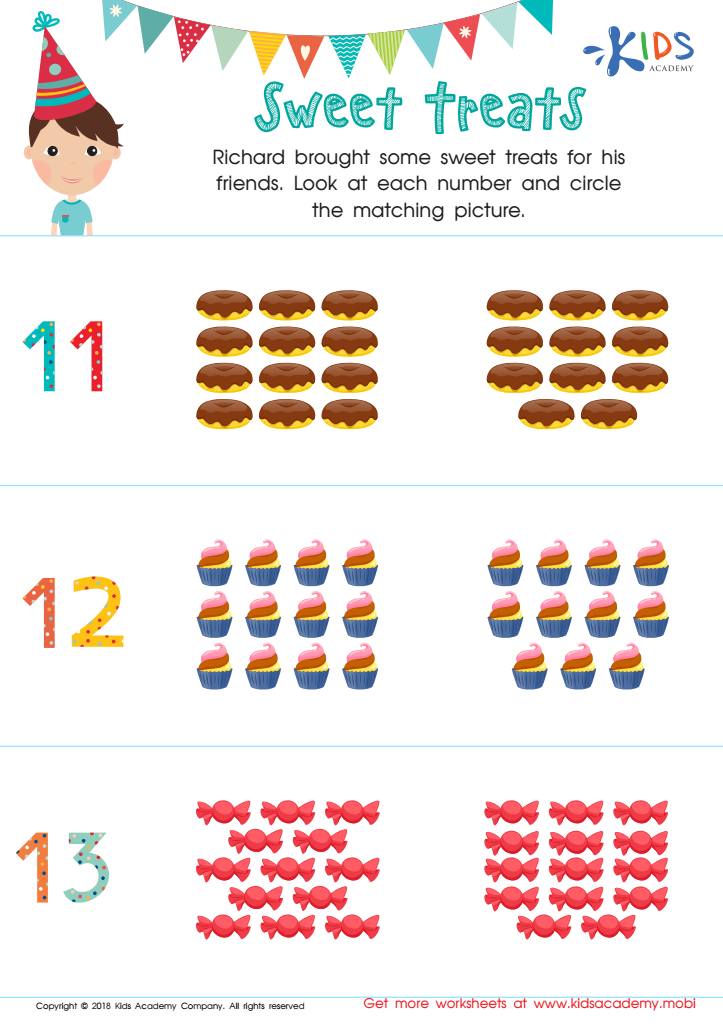
Kindergarten Math Worksheet Matching Numbers
 Assign to My Students
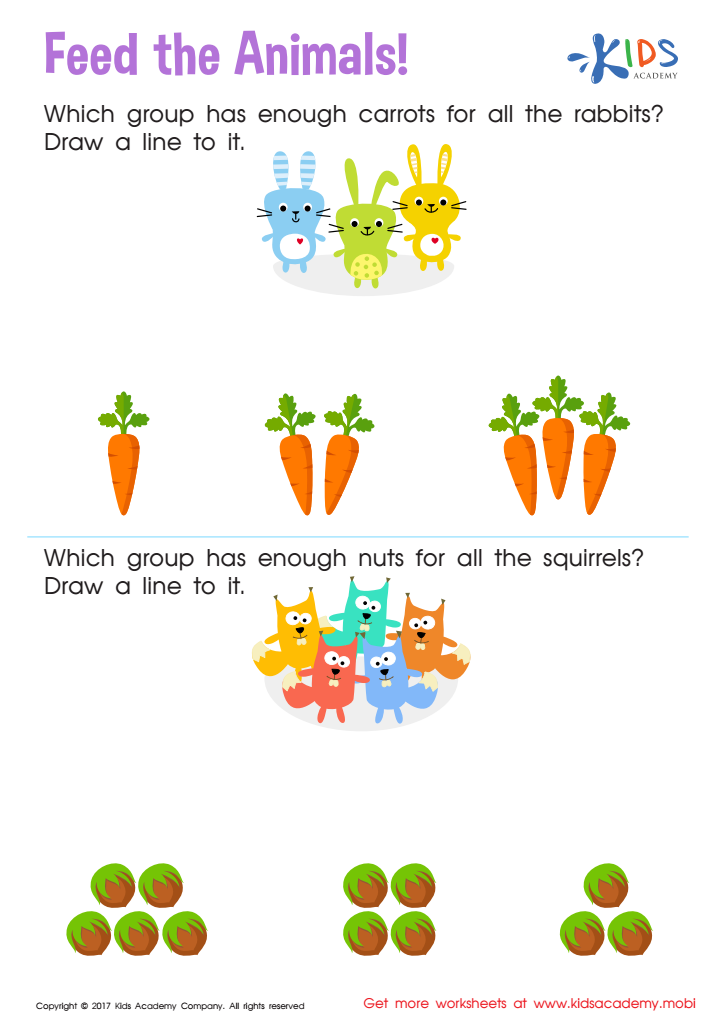
Count and Match: Feed the Animals Worksheet
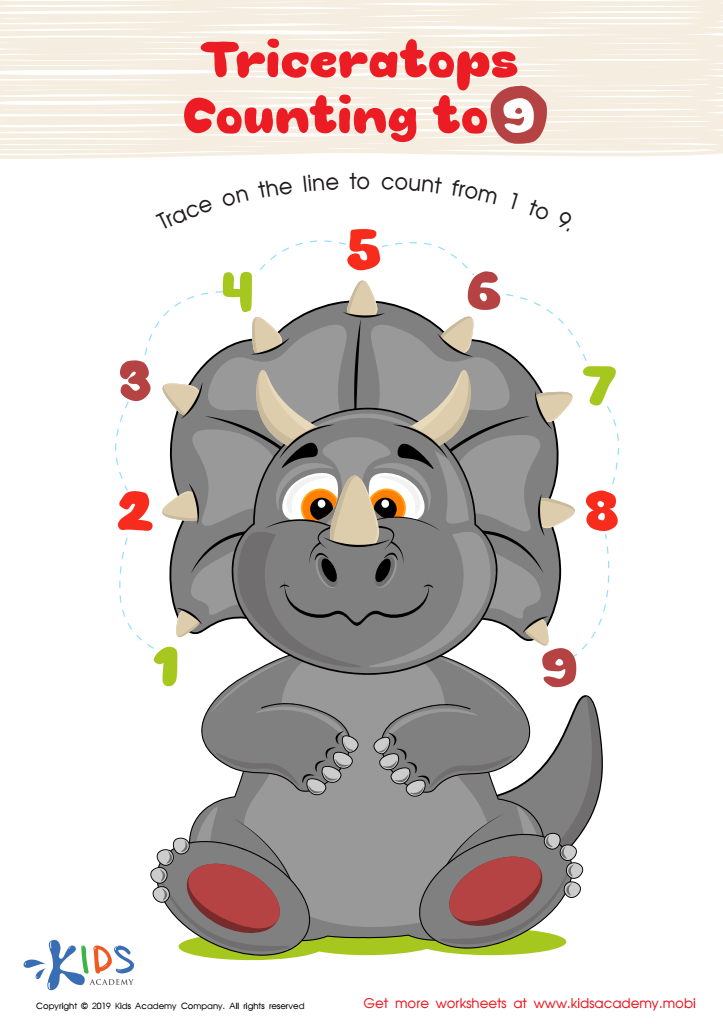
Triceratops Counting to 9 Worksheet
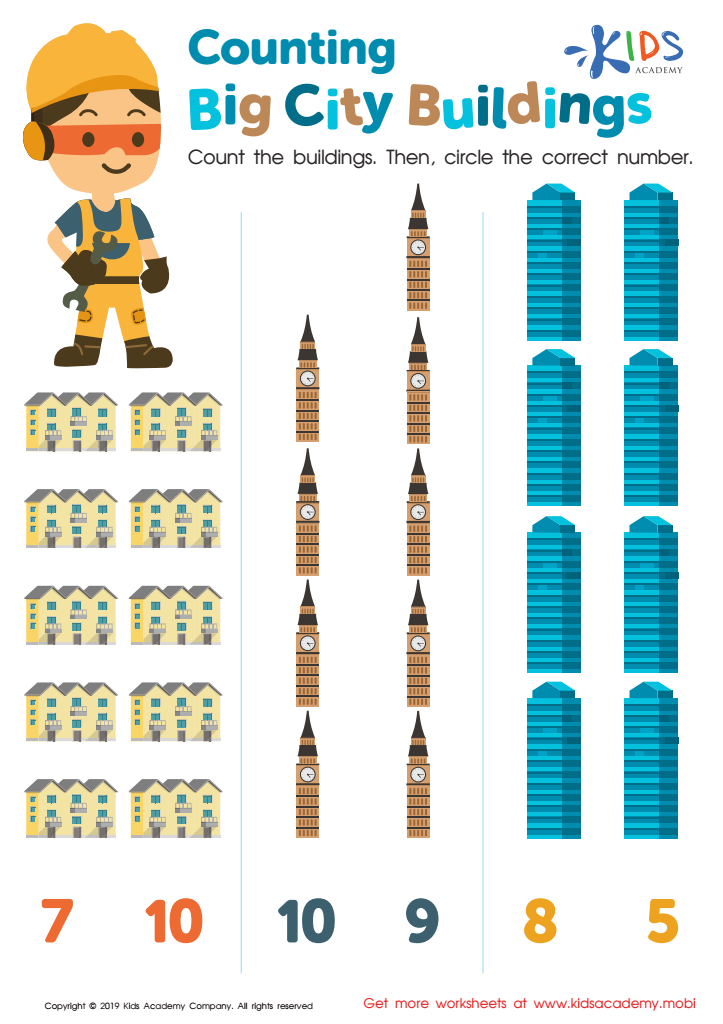
Counting Big City Buildings Worksheet

Night Sky Numbers Worksheet








Cognitive development in children aged 4-5 is crucial as it lays the foundation for future learning and problem-solving skills. During this period, children's brains undergo significant growth, and they start to think more logically, understand concepts like numbers and time, and form the ability to reason. This is the prime age for developing early math skills, which include recognizing numbers, counting, and understanding basic operations like addition and subtraction.
Parents and teachers should care about cognitive development numbers for this age group because enhanced cognitive skills positively correlate with academic success later in life. Engaging children in activities such as counting games, puzzles, and conversation fosters improved attention spans and creativity. Moreover, children begin to develop social skills during this stage, such as sharing and collaboration, which are vital for cooperative learning.
Monitoring cognitive development using age-appropriate benchmarks allows parents and teachers to identify any potential learning delays early, providing opportunities for timely interventions. Research indicates that strong cognitive foundations influence a child's confidence, motivation, and more substantial emotional well-being. In summary, promoting cognitive development in young children is essential for nurturing well-rounded, resilient learners who are prepared to face future educational challenges successfully.








