Shape Recognition Numbers Worksheets for Ages 4-5
6 filtered results
-
From - To
Discover our engaging Shape Recognition Numbers Worksheets designed specifically for children ages 4-5. These interactive sheets foster early math skills by combining number recognition with exciting shape identification activities. Your little learners will enjoy colorful illustrations and fun exercises that make learning numbers an enjoyable experience. Each worksheet provides a variety of activities, including matching shapes to numbers and tracing, helping to develop fine motor skills alongside cognitive abilities. Perfect for teachers, parents, or homeschooling, our Shape Recognition Numbers Worksheets offer an effective and entertaining way to introduce young minds to basic math concepts. Start your child's educational journey today!
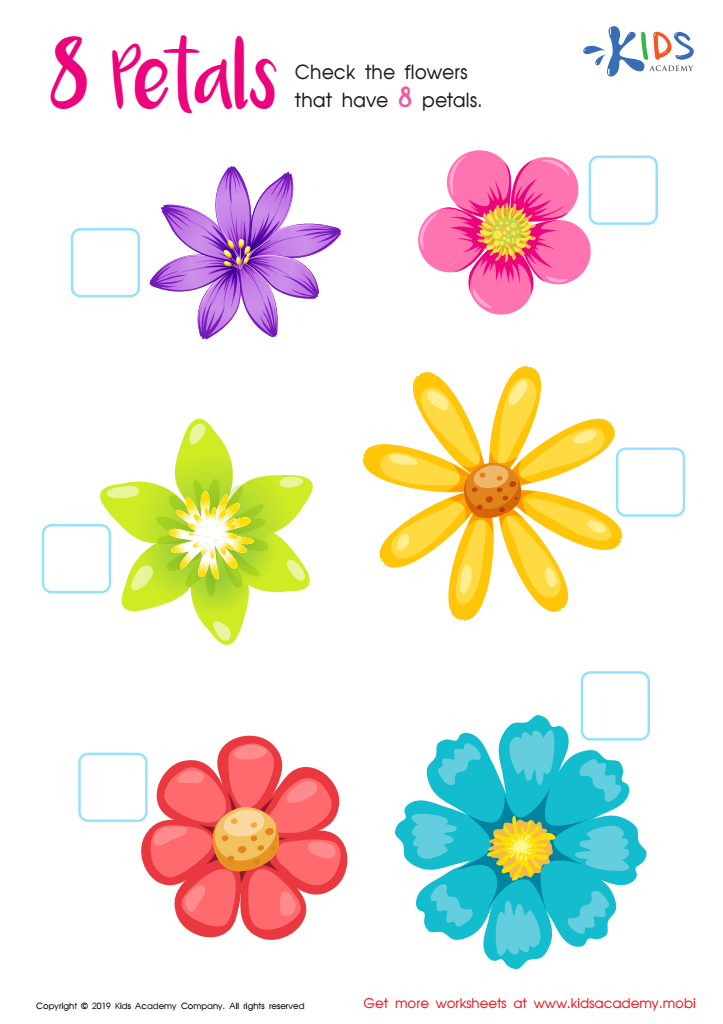
8 Petals Worksheet
 Assign to My Students
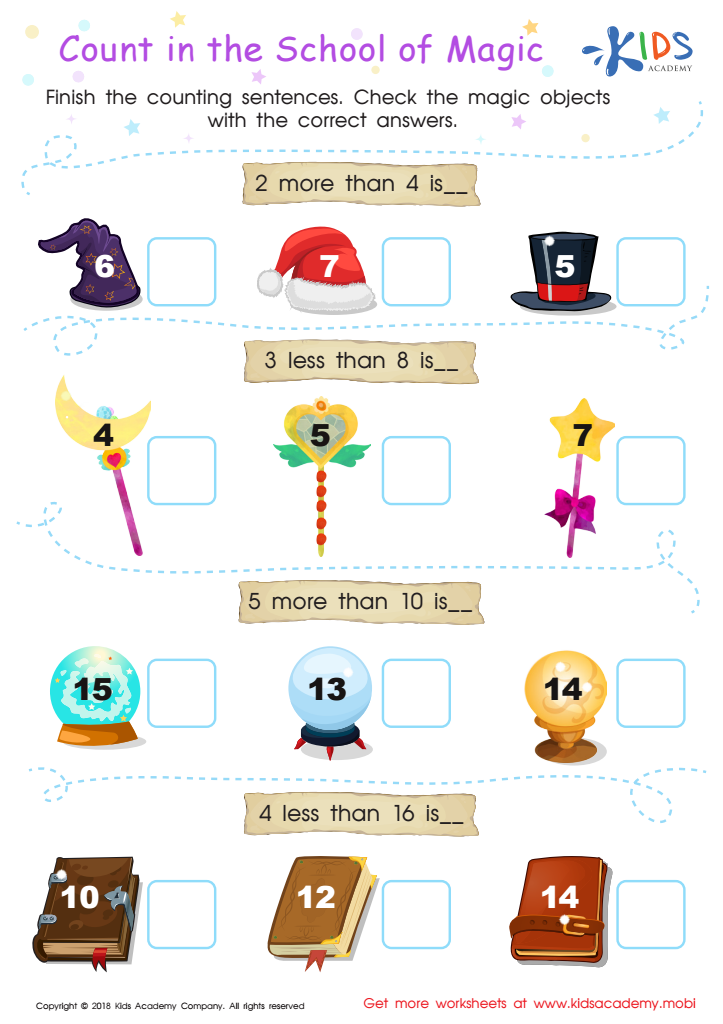
Count in the School of Magic Worksheet
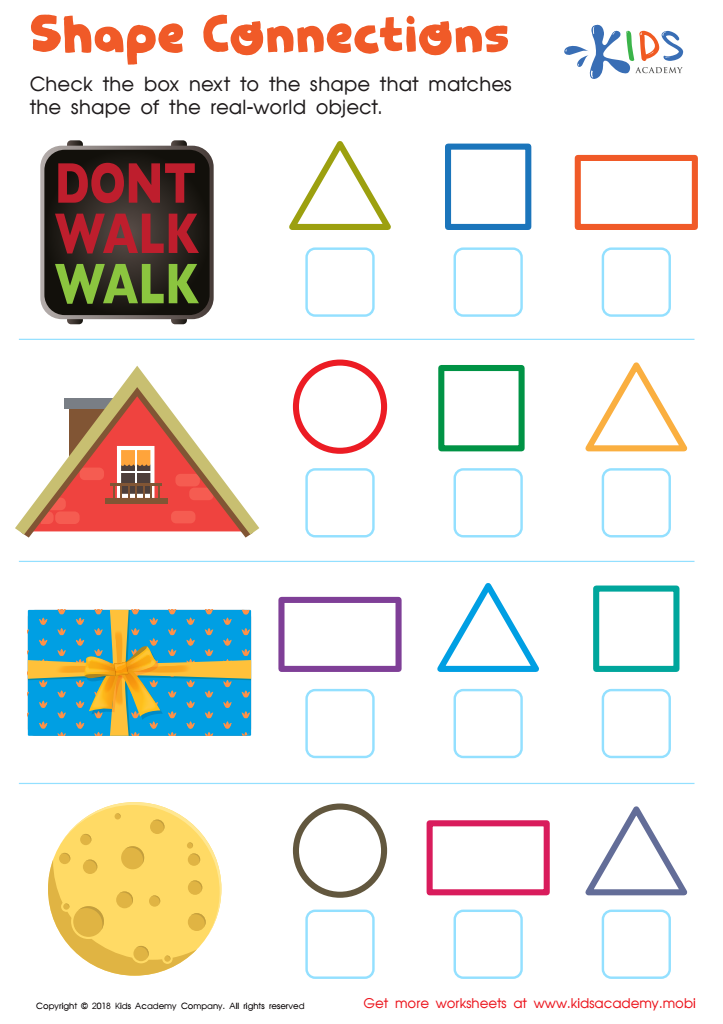
Shape Connections Worksheet
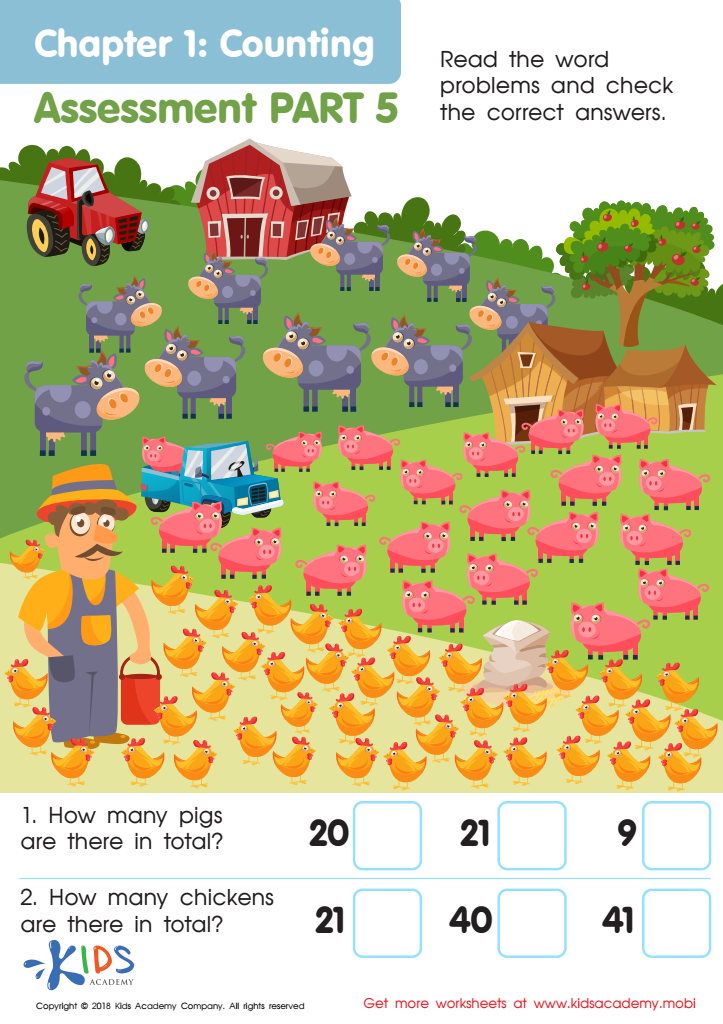
Counting: Assessment 5 Worksheet
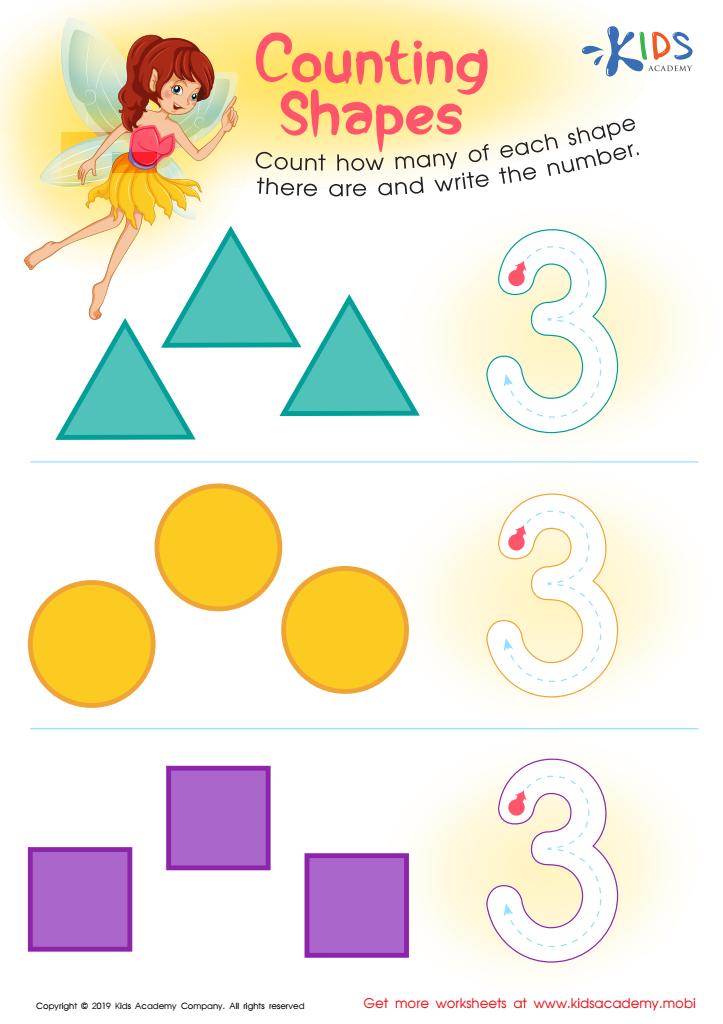
Counting Shapes Worksheet
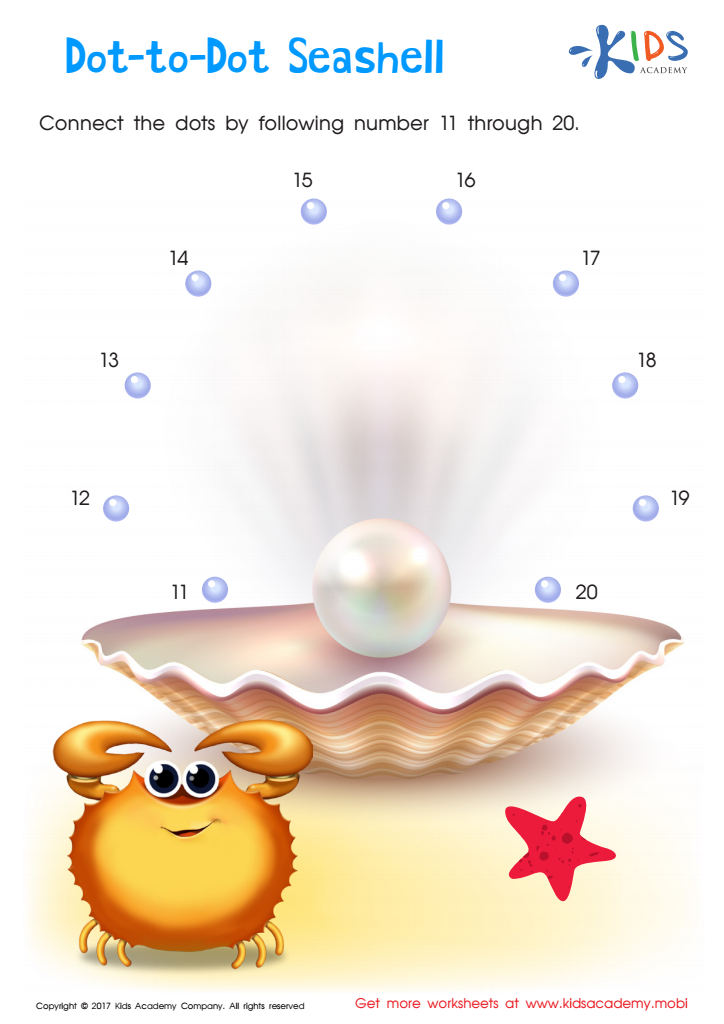
Ordering 11–20: Dot–to–dot Seashell Printable








Shape recognition is a foundational skill for young children aged 4-5 that significantly impacts their cognitive and academic development. Understanding shapes helps children develop essential mathematical concepts, enhancing skills such as counting, comparing, and categorizing. For parents and teachers, fostering shape recognition in preschoolers sets the groundwork for later geometric understanding and problem-solving.
Moreover, learning about shapes supports children's spatial awareness, enabling them to visualize and manipulate objects in their environment. This developmental milestone is crucial as it contributes to skills necessary in everyday life, from organizing toys to understanding maps and layouts.
Additionally, shape recognition is closely linked to language development. As children learn to identify and name various shapes, they expand their vocabulary and improve their communication skills, which enhances their overall literacy.
Discussing shapes provides opportunities for interactive play and creative expression, both vital to emotional and social development. Parents and teachers should actively engage children in shape recognition activities, turning learning into a fun and stimulating experience that lays the groundwork for their future academic success. Thus, prioritizing shape recognition can yield long-term benefits in various areas of children's learning and development.








