Check out this FREE Trial Lesson on Math for age 4-5!

Match Exactly the Same

Favorites
With answer key
Interactive
  • 4-5
  • Basic Addition Skills
  • Math
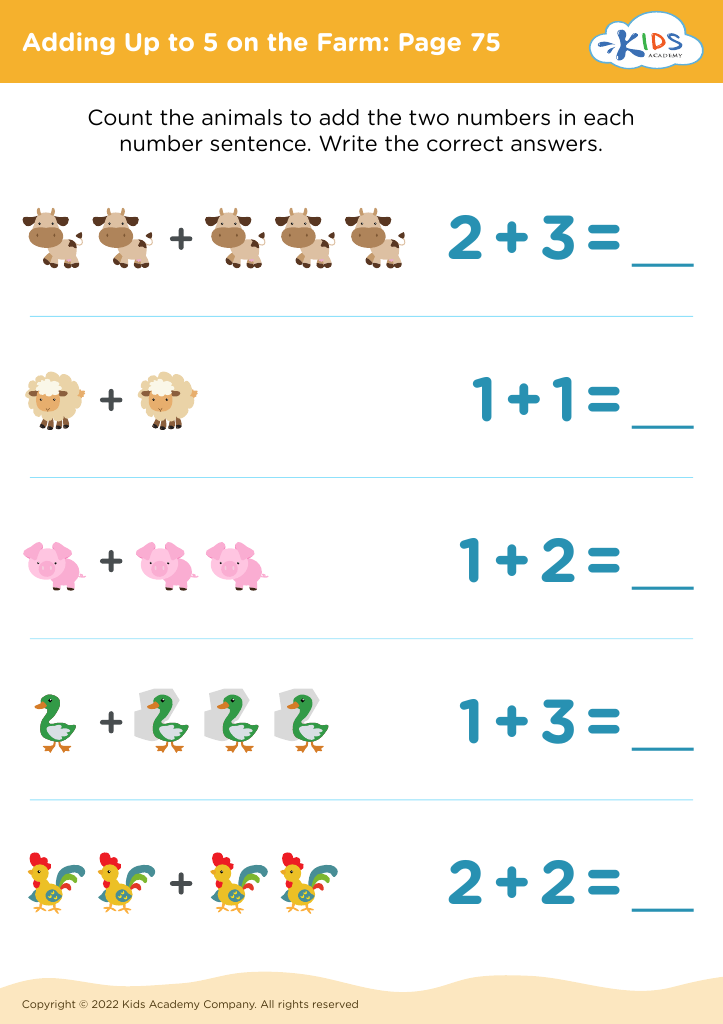
Adding Up to 5 on the Farm: Page 75
Worksheet
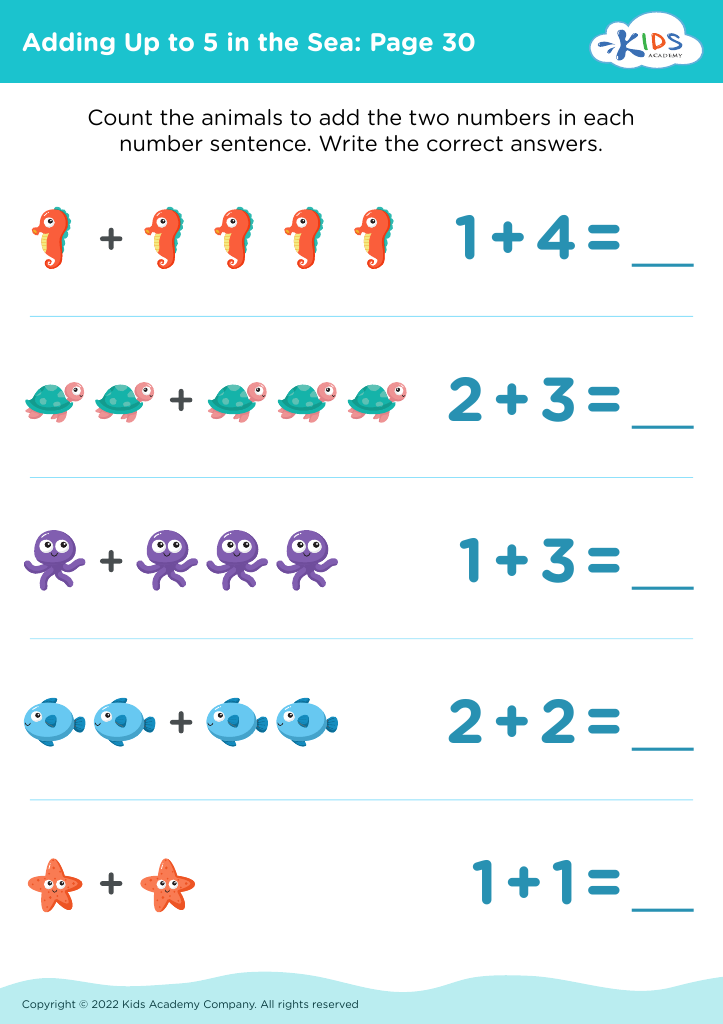
Adding Up to 5 in the Sea: Page 30
Worksheet
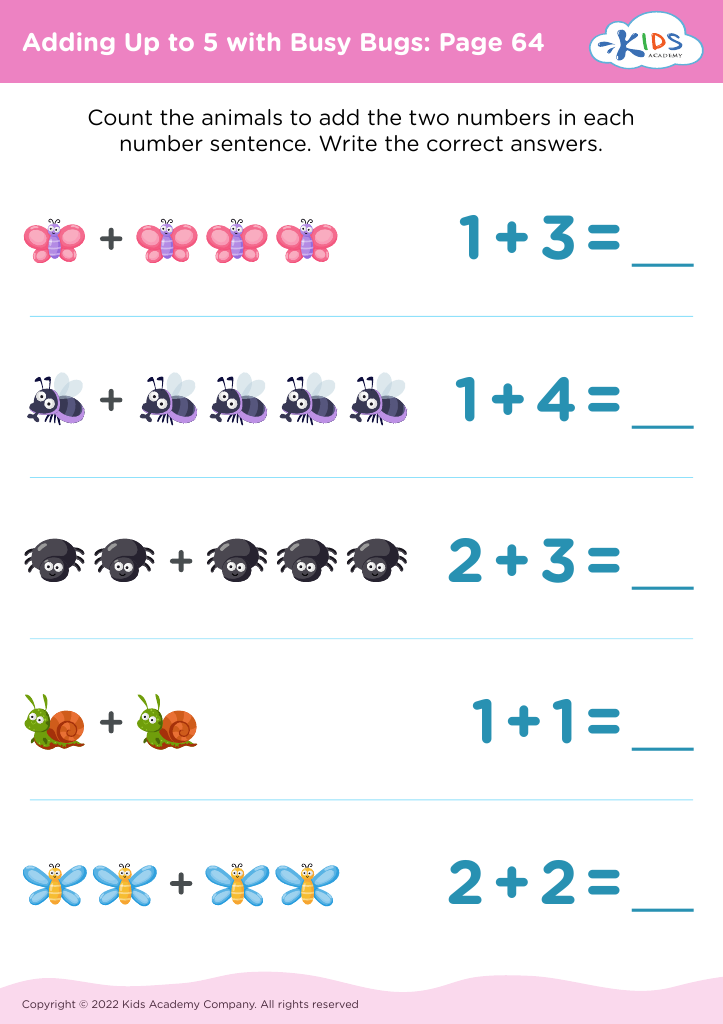
Adding Up to 5 with Busy Bugs: Page 64
Worksheet
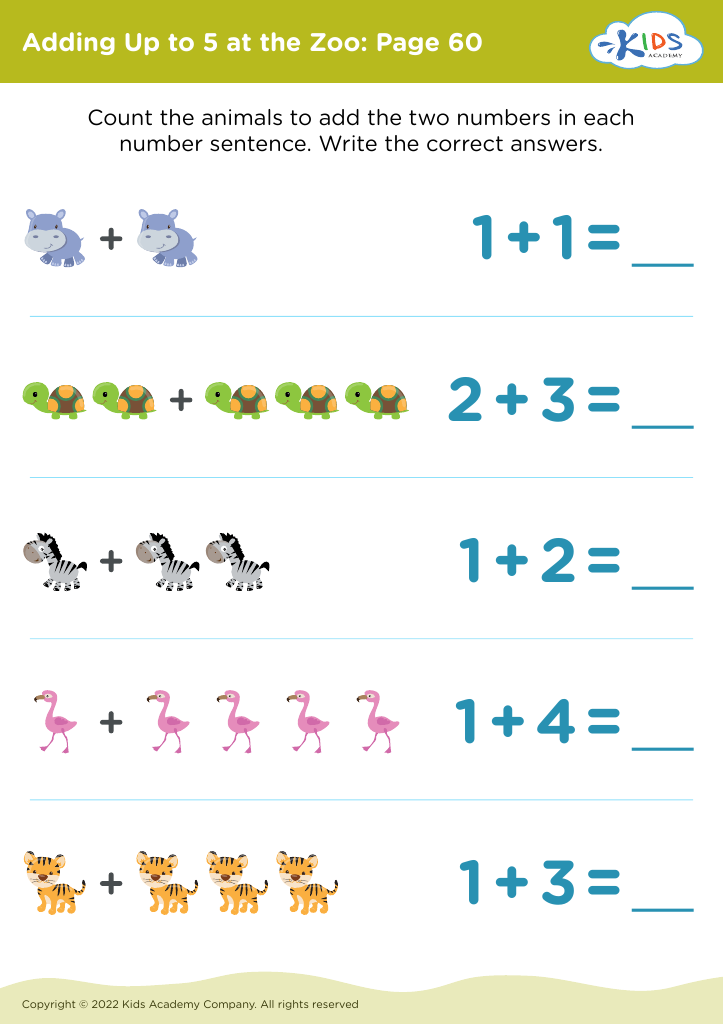
Adding Up to 5 at the Zoo: Page 60
Worksheet
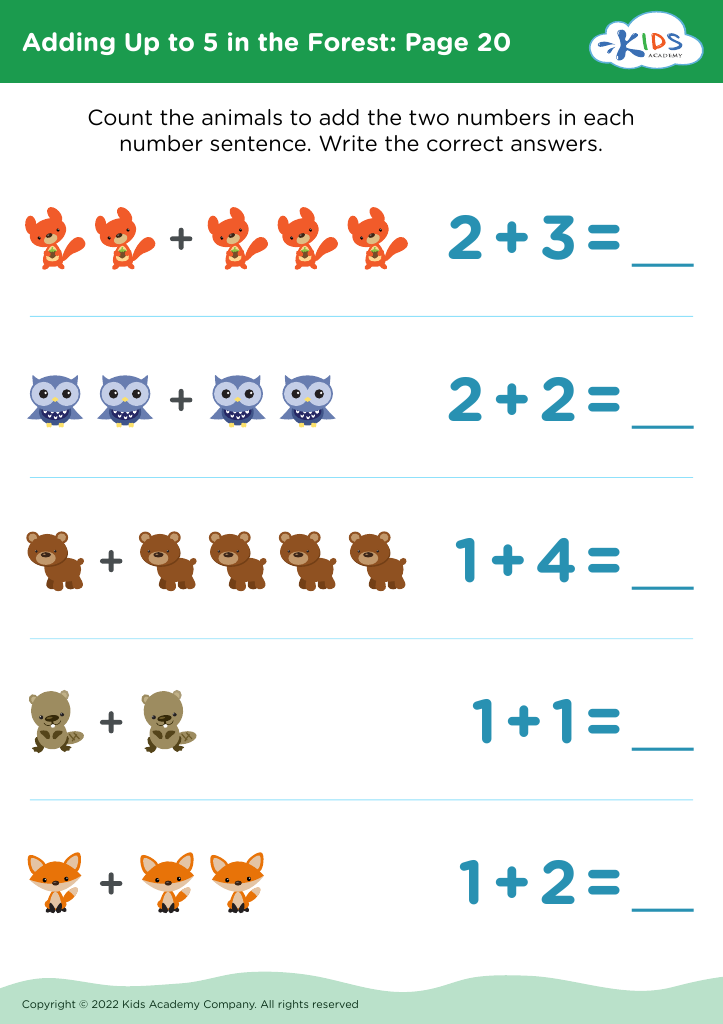
Adding Up to 5 in the Forest: Page 20
Worksheet
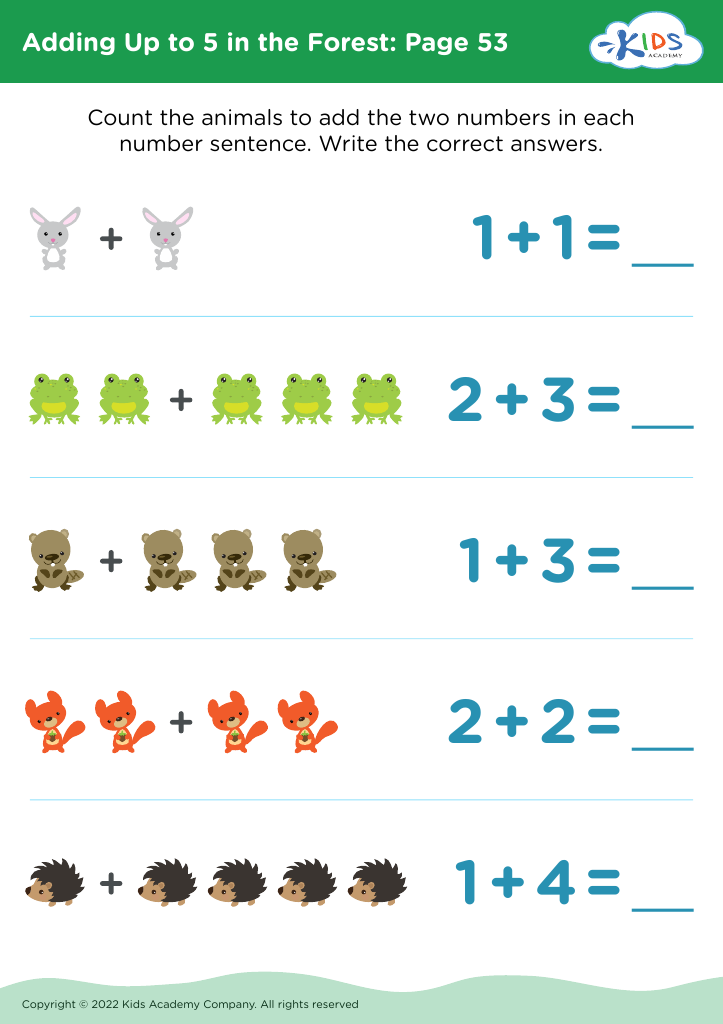
Adding Up to 5 in the Forest: Page 53
Worksheet
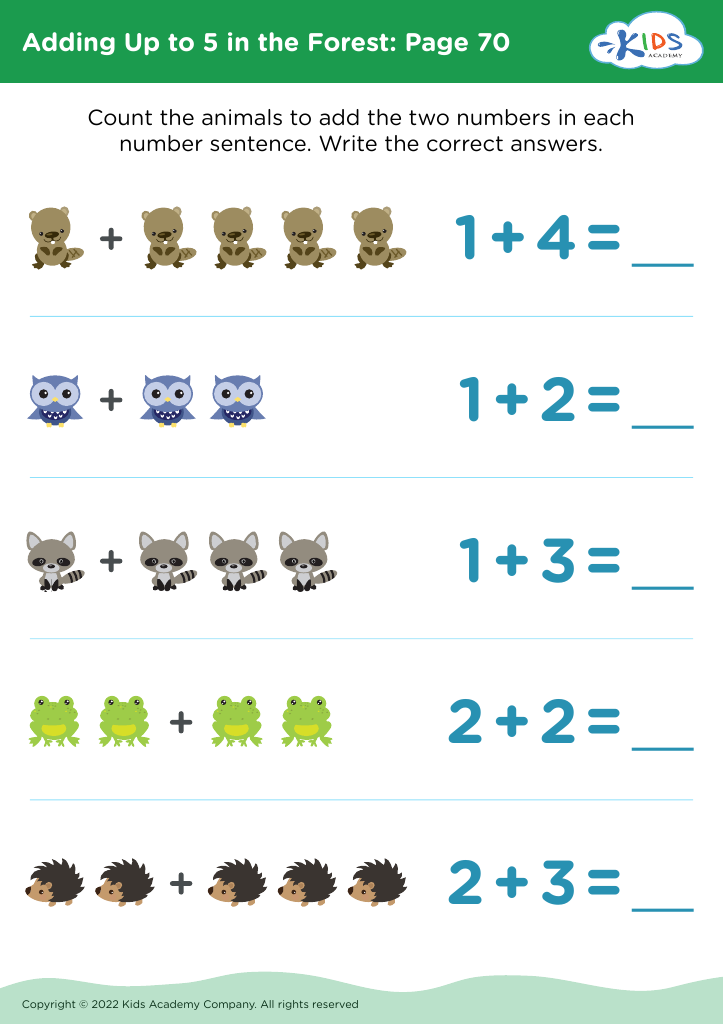
Adding Up to 5 in the Forest: Page 70
Worksheet
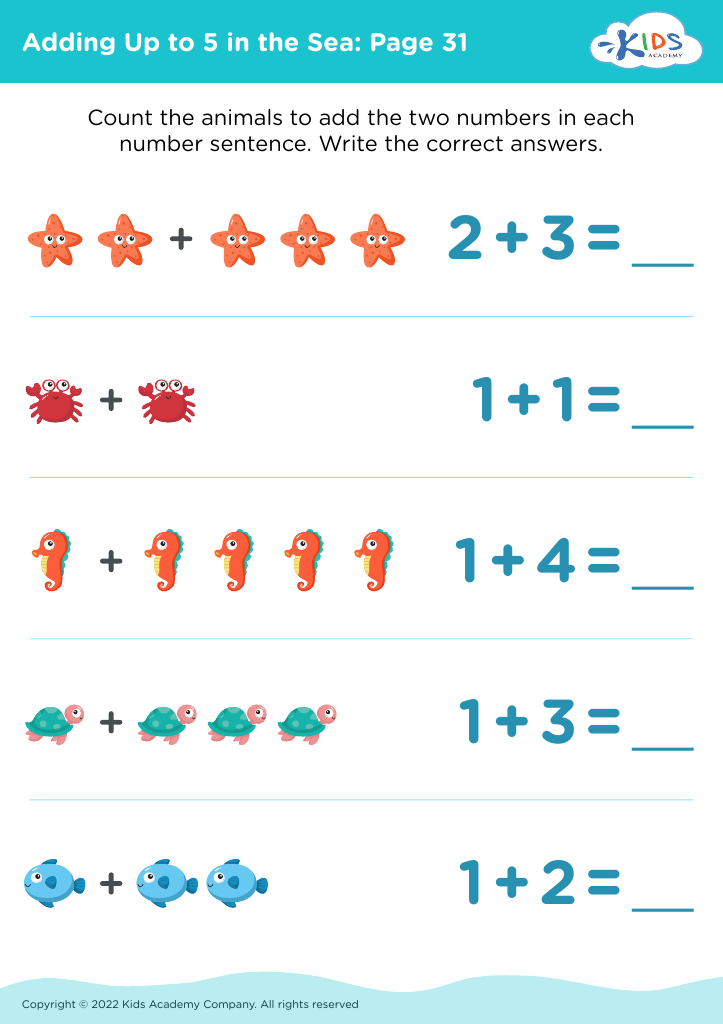
Adding Up to 5 in the Sea: Page 31
Worksheet
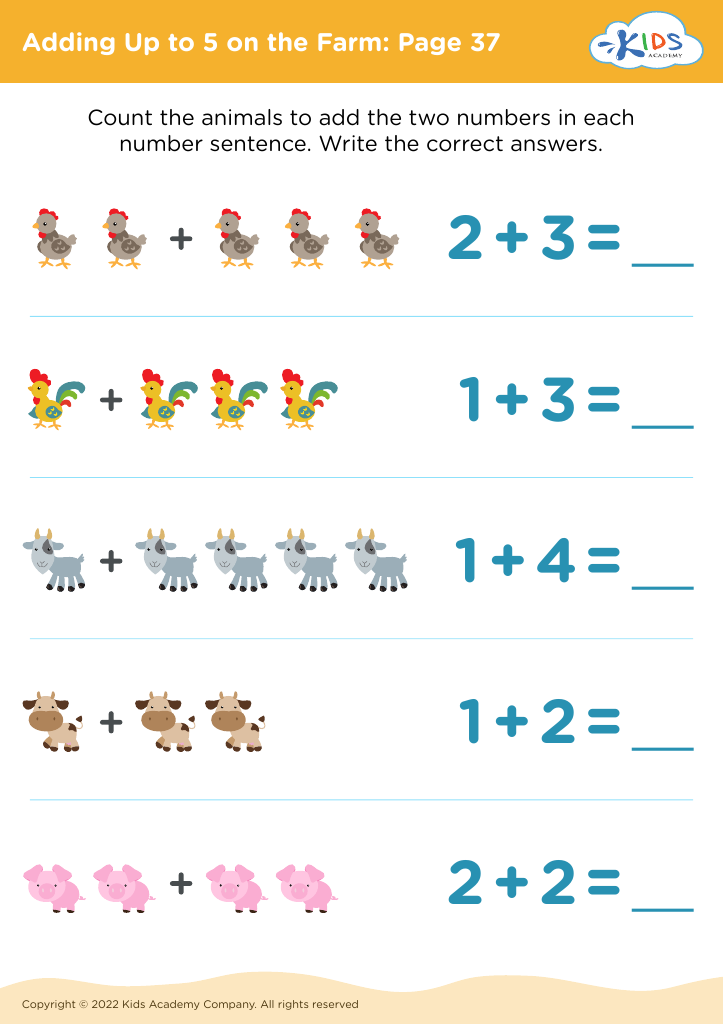
Adding Up to 5 on the Farm: Page 37
Worksheet
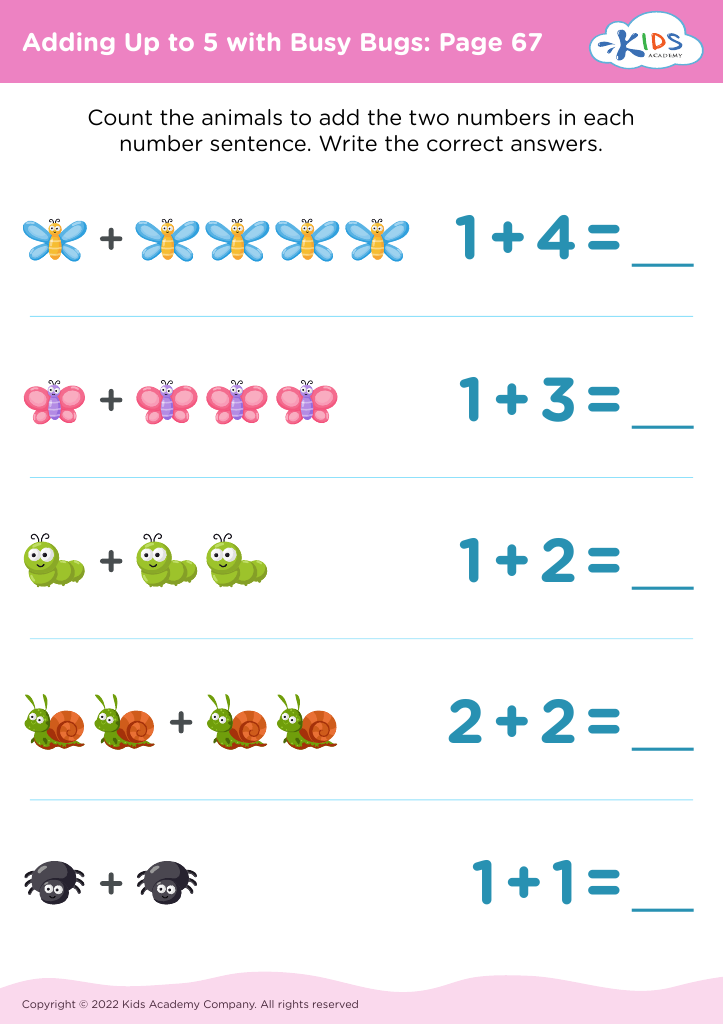
Adding Up to 5 with Busy Bugs: Page 67
Worksheet
Dot to Dot Numbers Printables

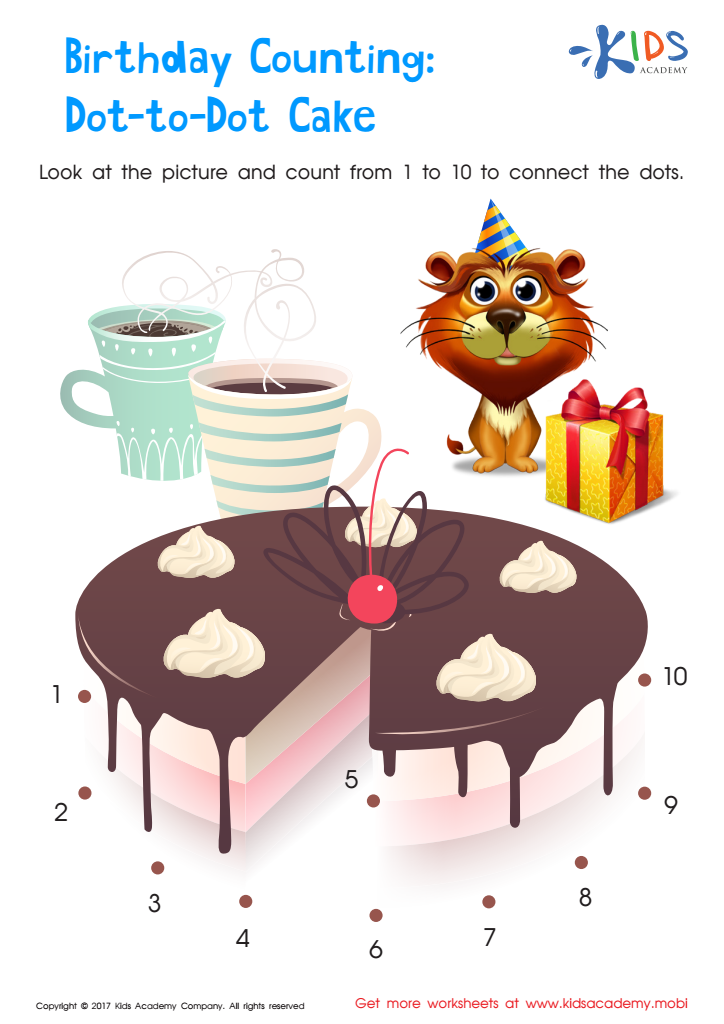
Birthday Counting Connect Dots Worksheet

Help your child count to ten and draw curved lines with this birthday cake dot to dot! Practice numeracy and problem solving skills, and enjoy the fun of creating a picture. Then, use it as a reminder for your child’s birthday and learn about the days and months of the year.
Birthday Counting Connect Dots Worksheet
Worksheet
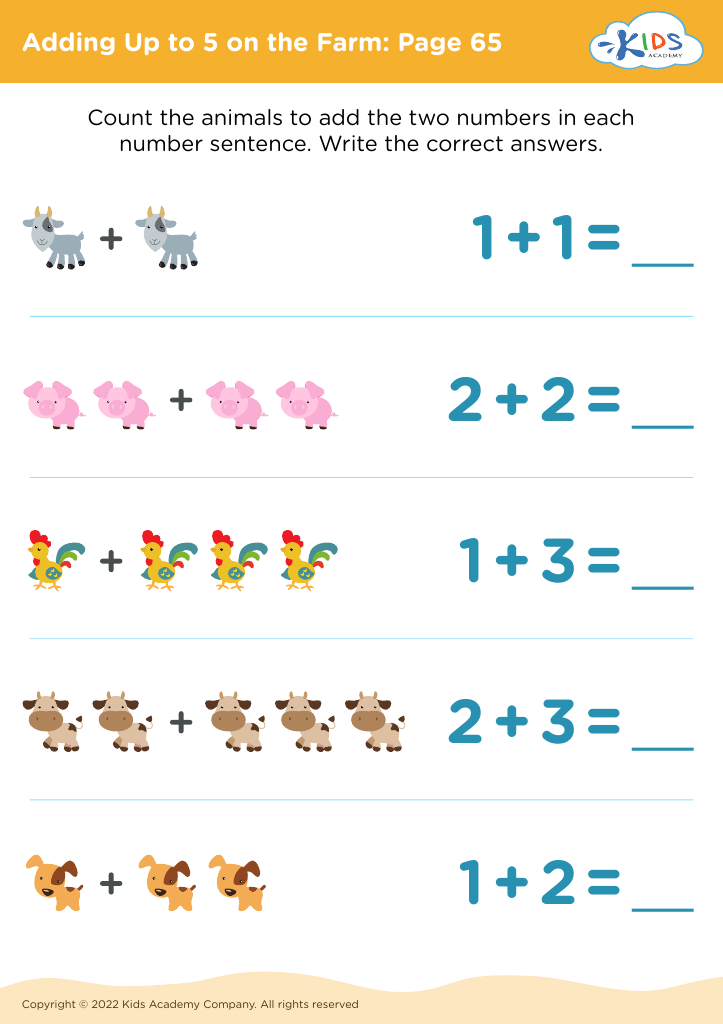
Adding Up to 5 on the Farm: Page 65
Worksheet
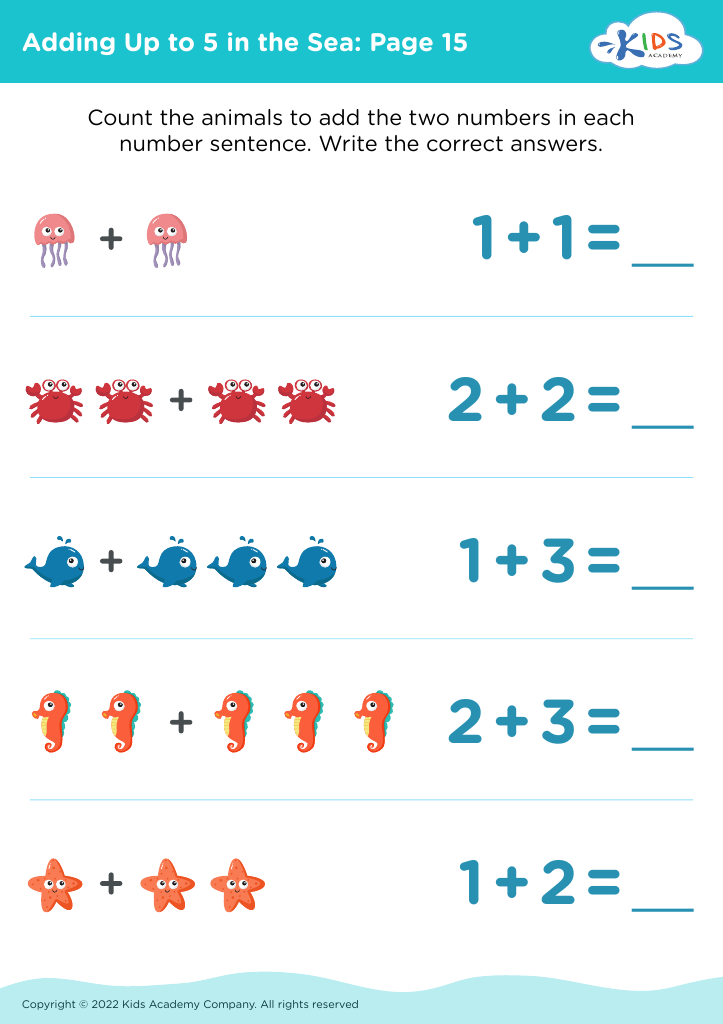
Adding Up to 5 in the Sea: Page 15
Worksheet
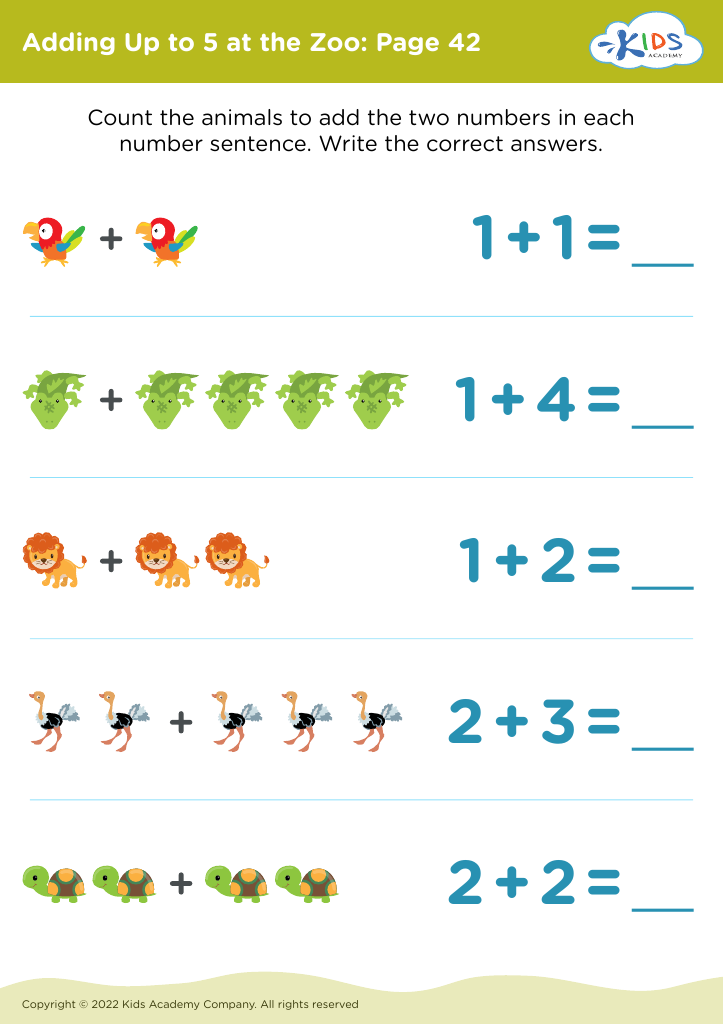
Adding Up to 5 at the Zoo: Page 42
Worksheet
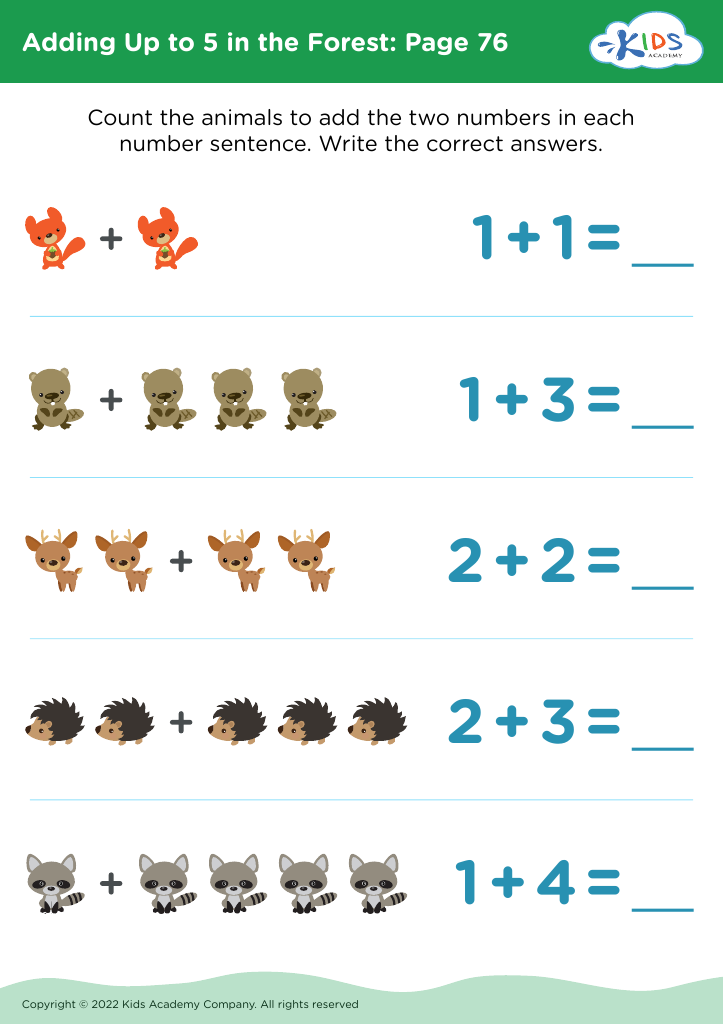
Adding Up to 5 in the Forest: Page 76
Worksheet
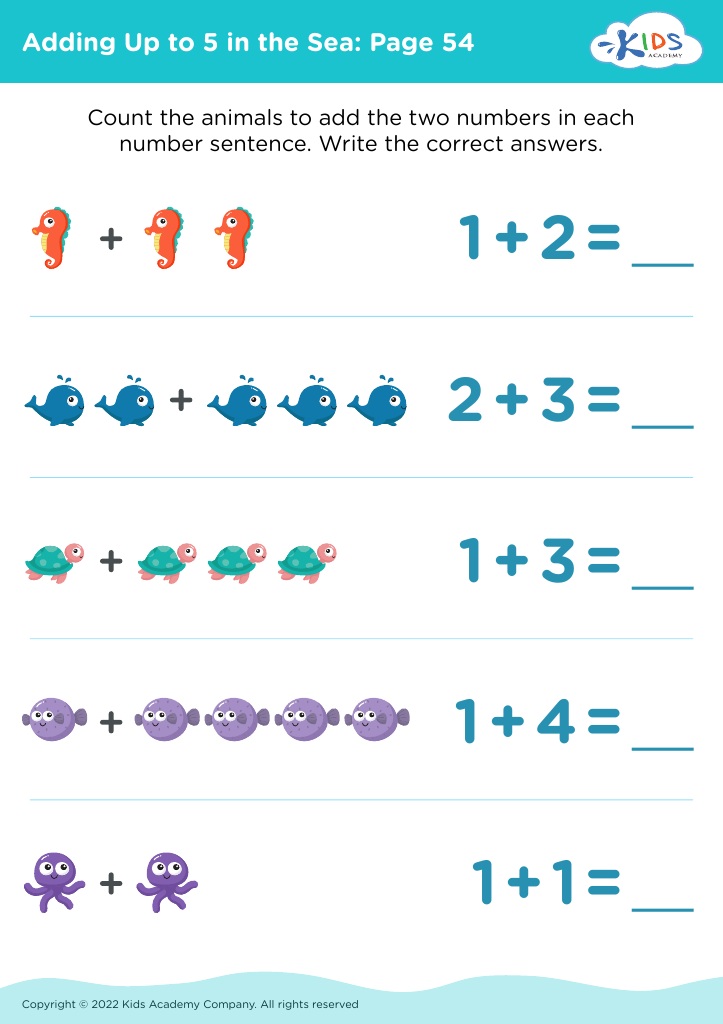
Adding Up to 5 in the Sea: Page 54
Worksheet
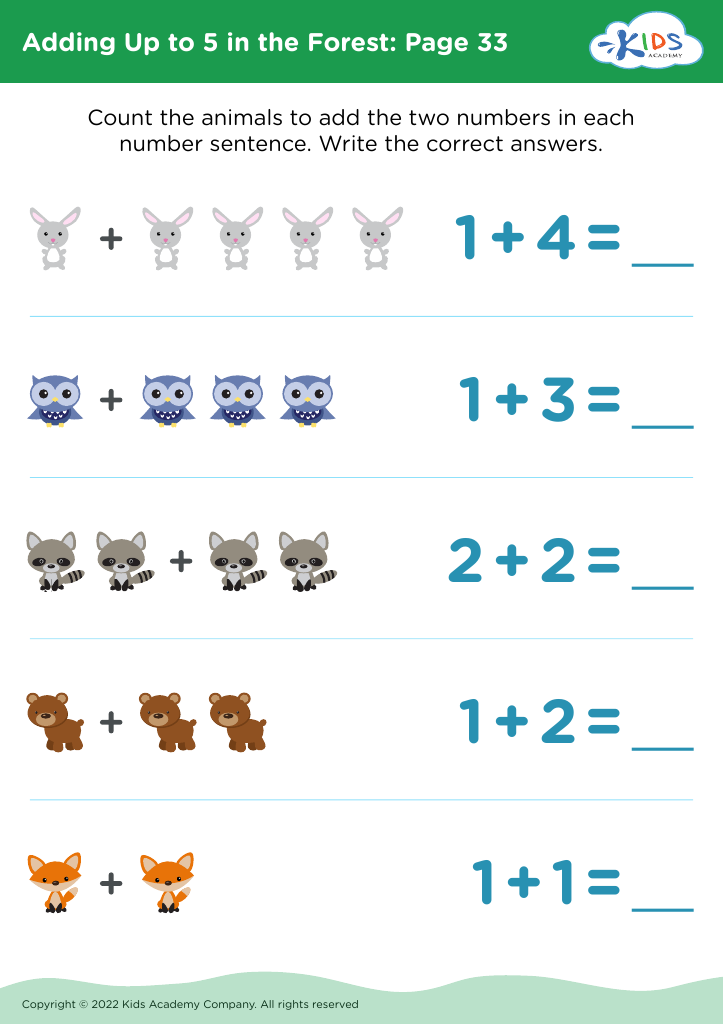
Adding Up to 5 in the Forest: Page 33
Worksheet
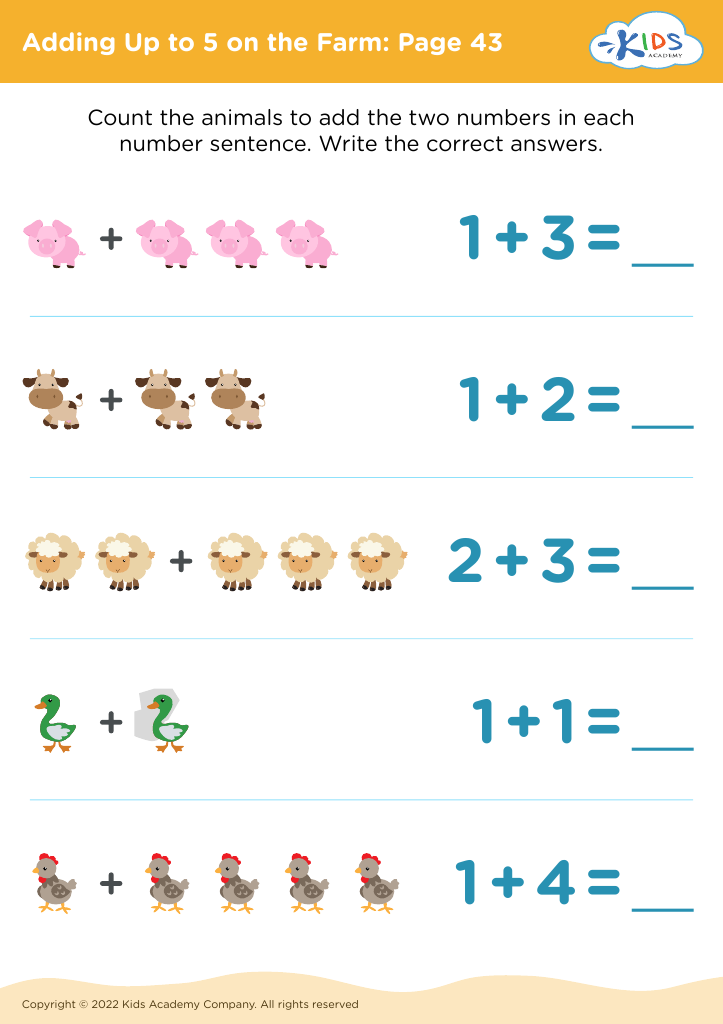
Adding Up to 5 on the Farm: Page 43
Worksheet
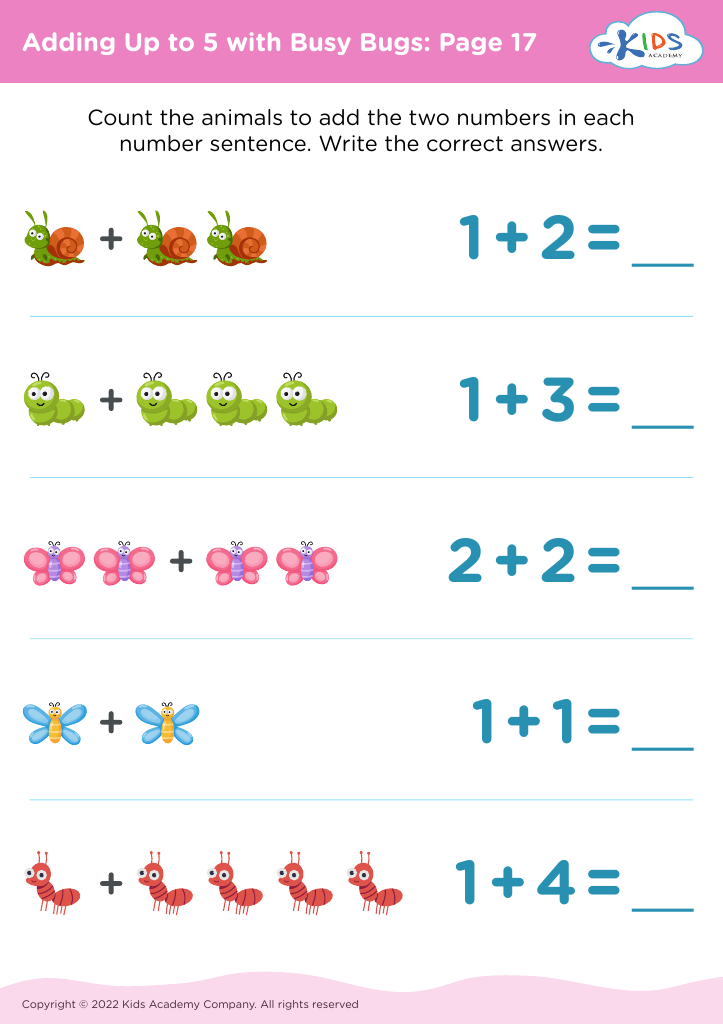
Adding Up to 5 with Busy Bugs: Page 17
Worksheet
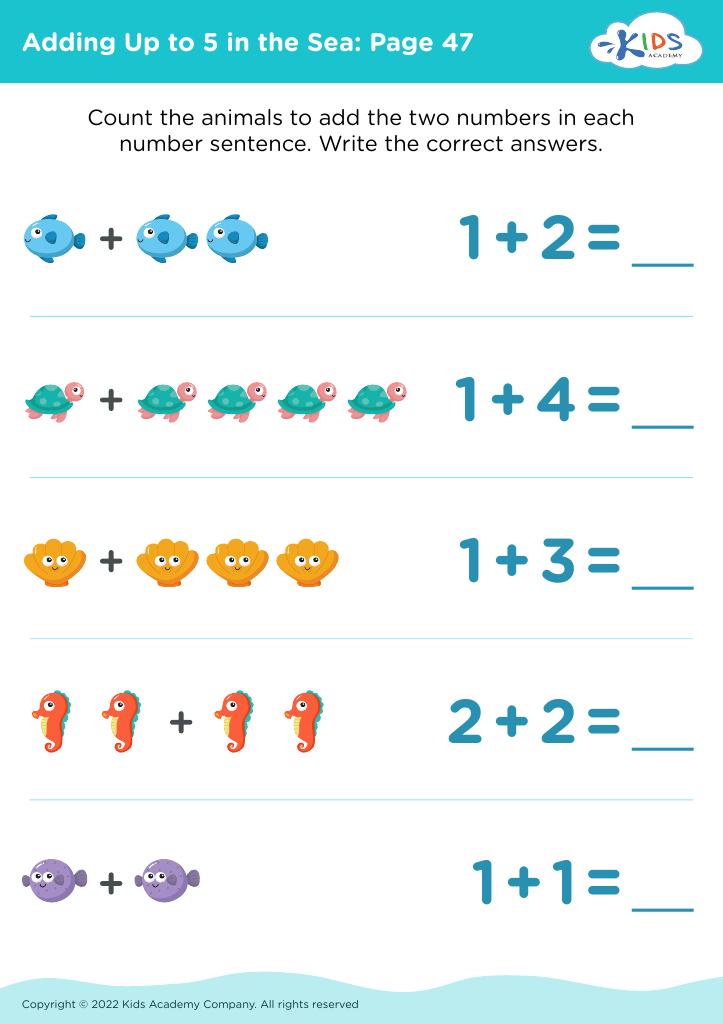
Adding Up to 5 in the Sea: Page 47
Worksheet
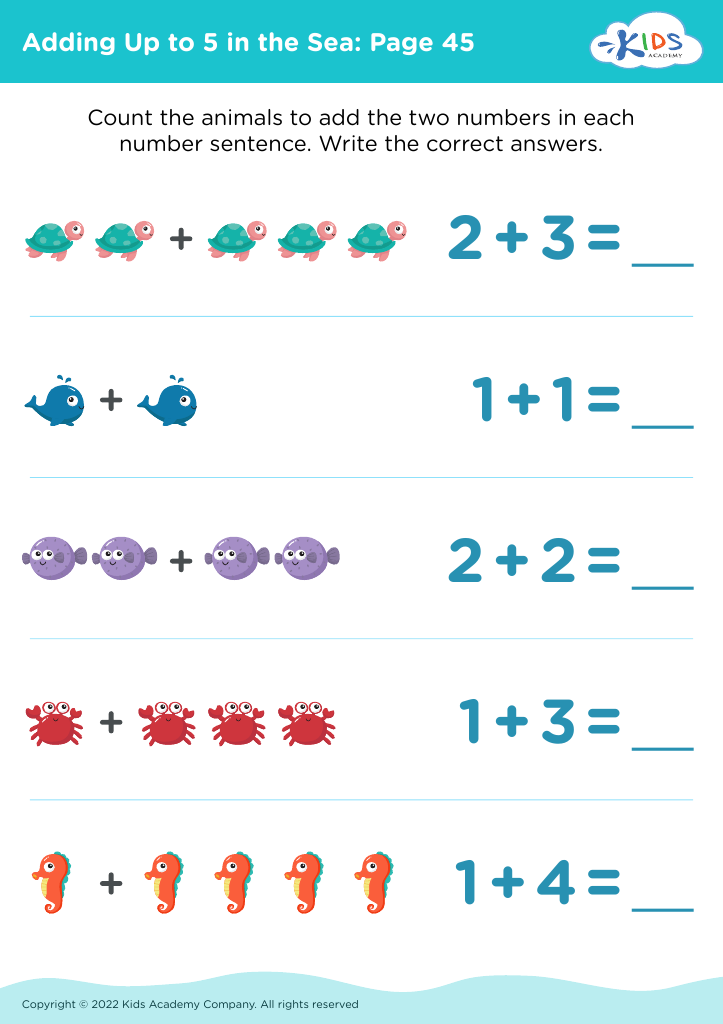
Adding Up to 5 in the Sea: Page 45
Worksheet
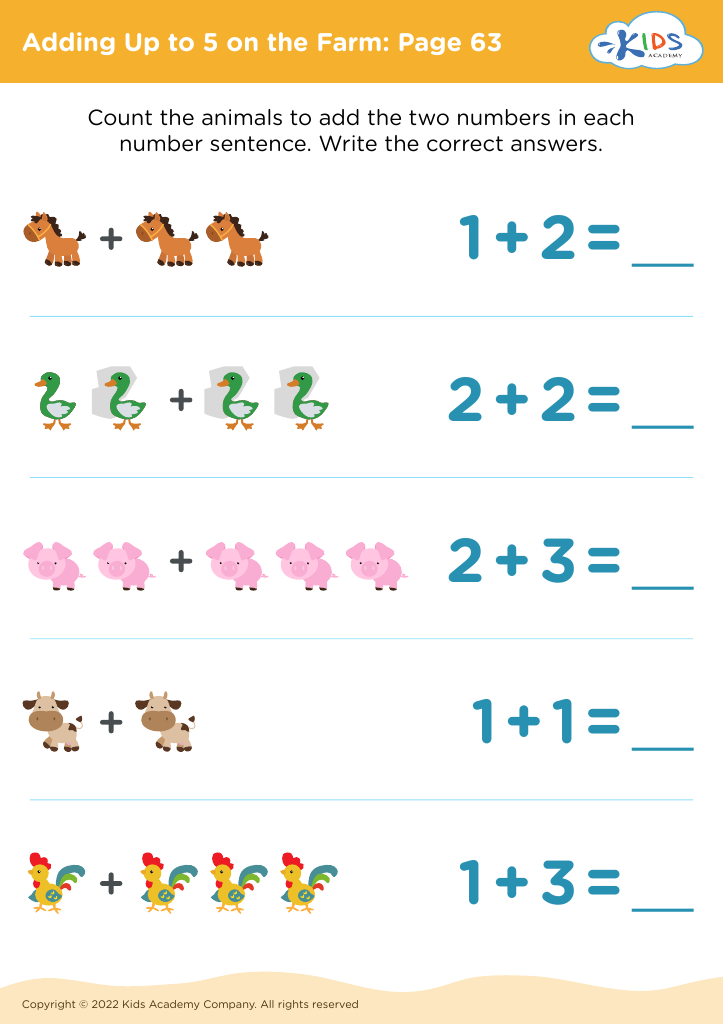
Adding Up to 5 on the Farm: Page 63
Worksheet
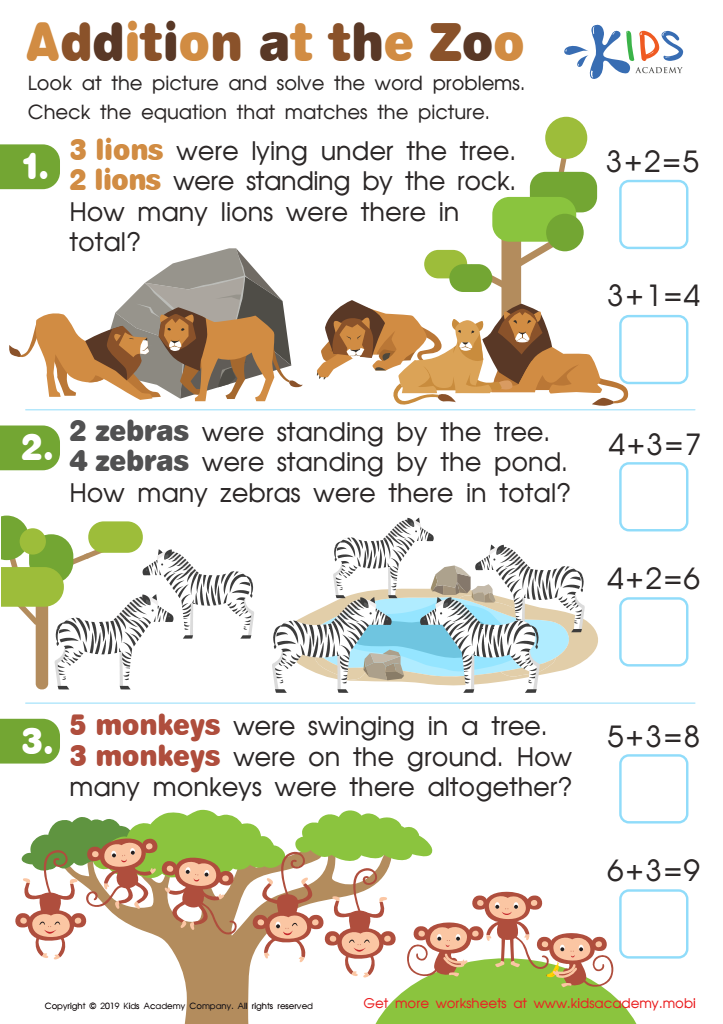
Addition at the Zoo Worksheet

Addition at the Zoo Worksheet

Visit the zoo with your kids and point out all the different animals. Ask them to name their favorites and identify animals on a worksheet. Challenge them to solve word problems related to the pictures. Ask them for the equation that fits the picture and check the answer.
Addition at the Zoo Worksheet

Worksheet
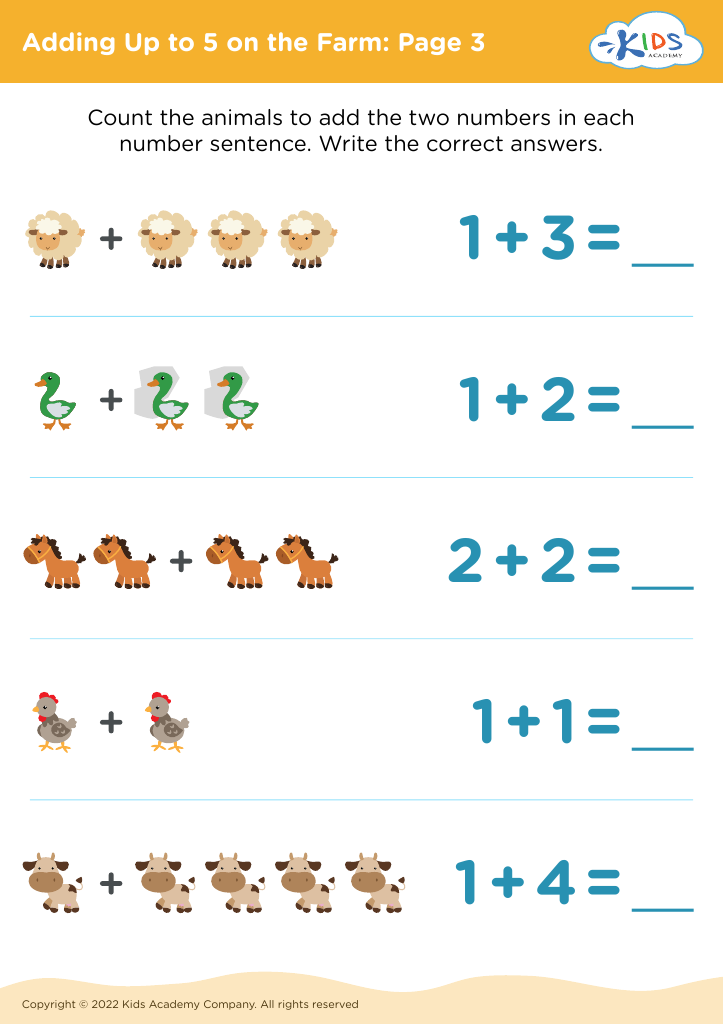
Adding Up to 5 on the Farm: Page 3
Worksheet


Parents and teachers play a critical role in cultivating foundational math skills, particularly with basic addition, in children ages 4-5. At this early stage, math is not just about numbers; it fosters essential cognitive development, such as logical thinking and problem-solving abilities. Basic addition serves as a fundamental building block for more complex math concepts that children will encounter later in their academic journey, including subtraction, multiplication, and division.

Teaching addition at this age helps instill a sense of confidence and competence in children, encouraging a positive attitude toward math. It promotes a child's ability to recognize patterns, relationships, and their significance in everyday life. For instance, learning that 2 apples plus 2 apples equal 4 apples makes abstract concepts more tangible.

Moreover, mastering basic math skills early on is linked to better performance in other subjects and standardized tests. It equips children with the tools needed to process information, make decisions, and think critically. By investing time in teaching basic addition, parents and teachers help set the groundwork for lifelong learning and academic success. Additionally, early math skills correlate with better social-emotional development, as children learn to share joy and success with their peers through collaborative problem-solving activities.