Counting proficiency Math Worksheets for Ages 4-5
12 filtered results
-
From - To
Discover our Counting Proficiency Math Worksheets designed specifically for children ages 4-5! These engaging and interactive worksheets effectively introduce fundamental counting skills, helping young learners grasp essential math concepts while having fun. Each worksheet offers vibrant illustrations and age-appropriate activities that encourage kids to practice counting, number recognition, and basic math operations. Perfect for homeschooling, classroom use, or extra practice at home, our resources foster a love for learning in a playful context. Enhance your child's confidence and abilities in early math with our thoughtfully crafted worksheets that promote artistic expression alongside numerical skills. Start their math journey today!
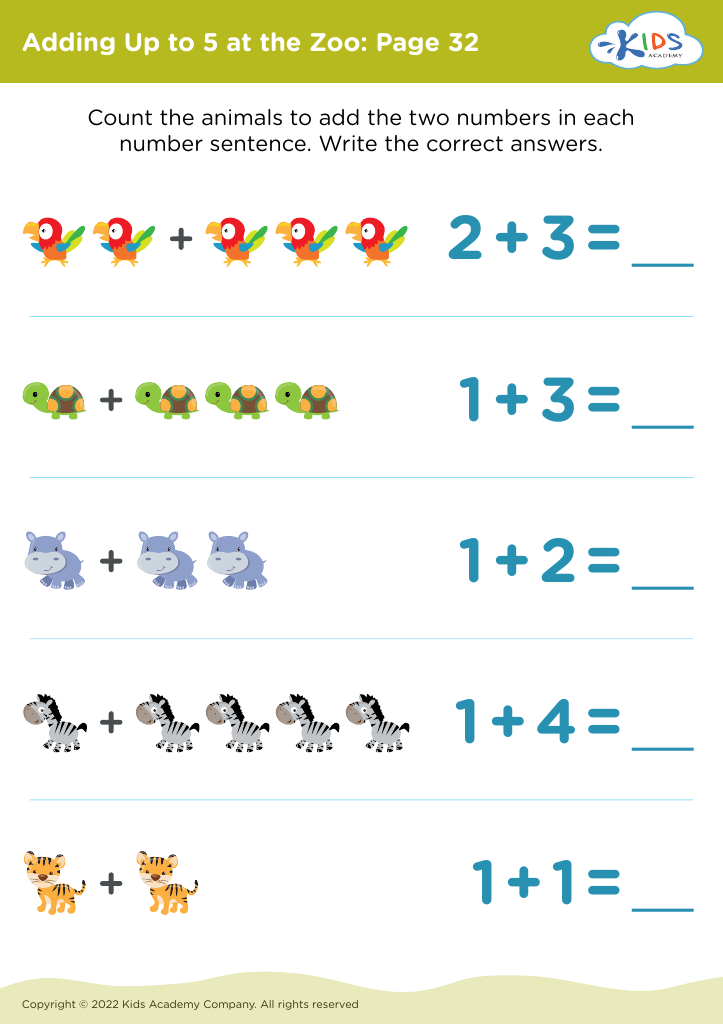
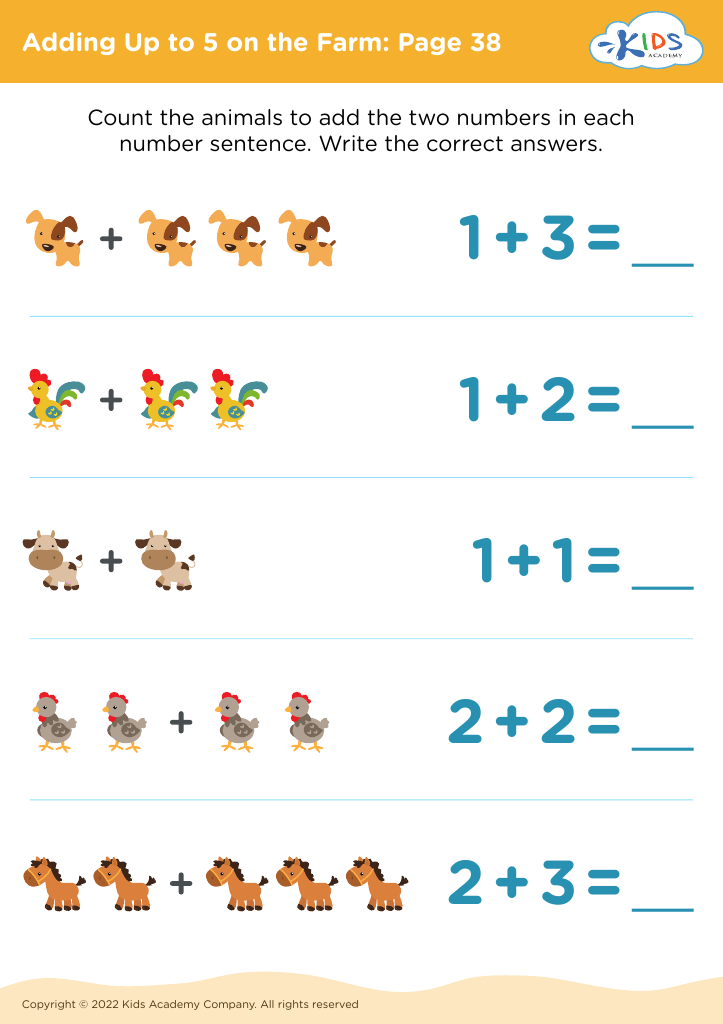
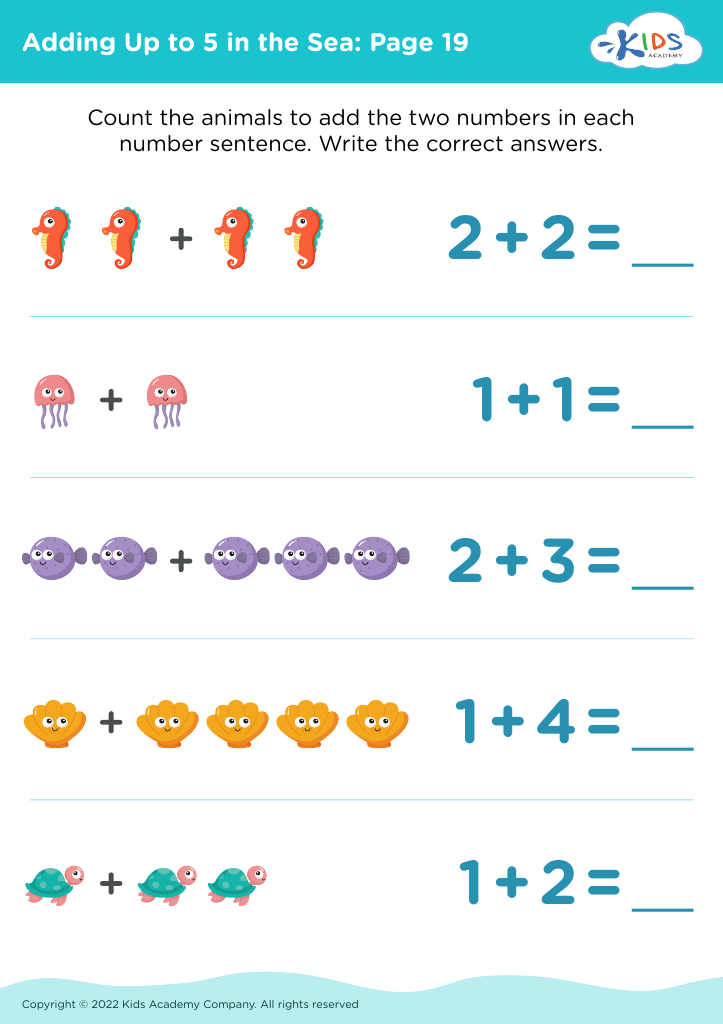
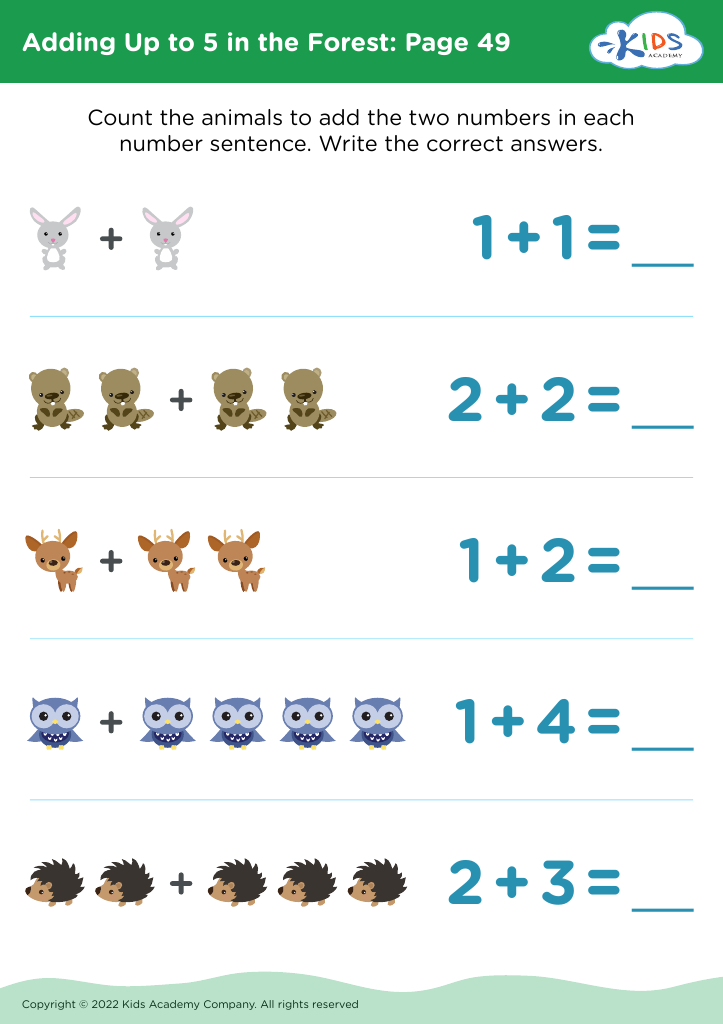
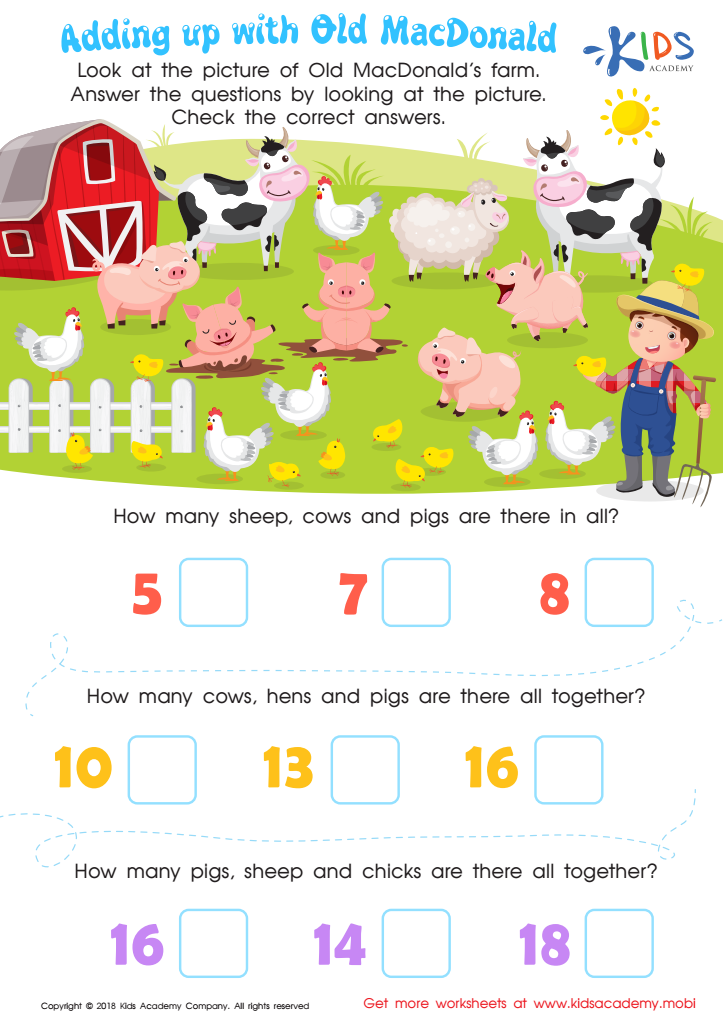
Adding Up with Old MacDonald Worksheet
 Assign to My Students
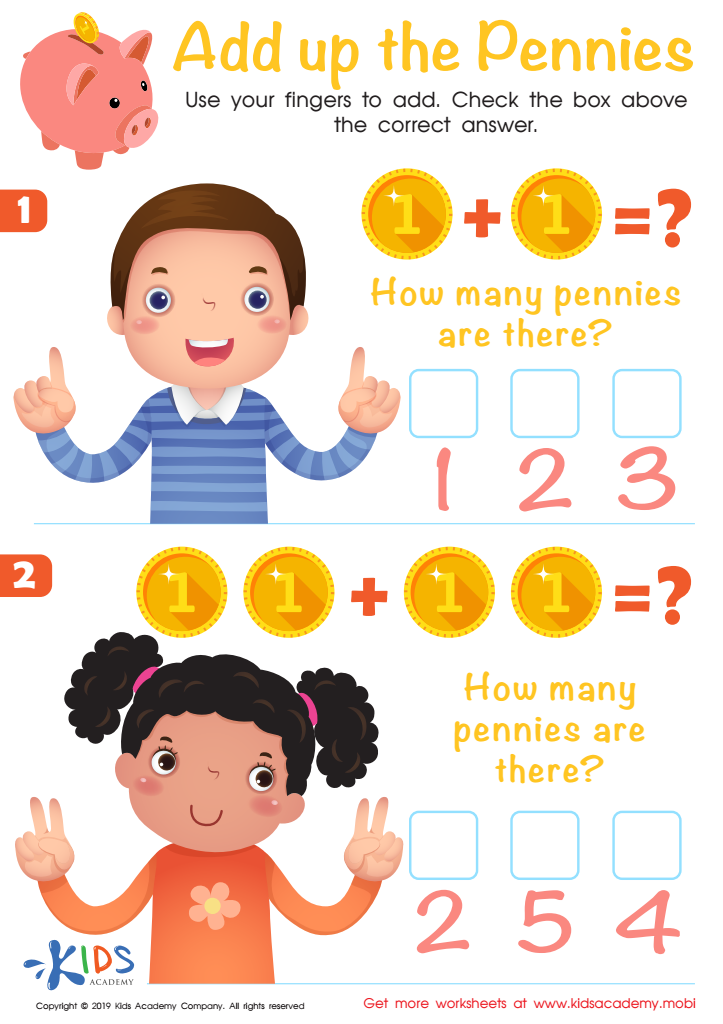
Add up the Pennies Worksheet
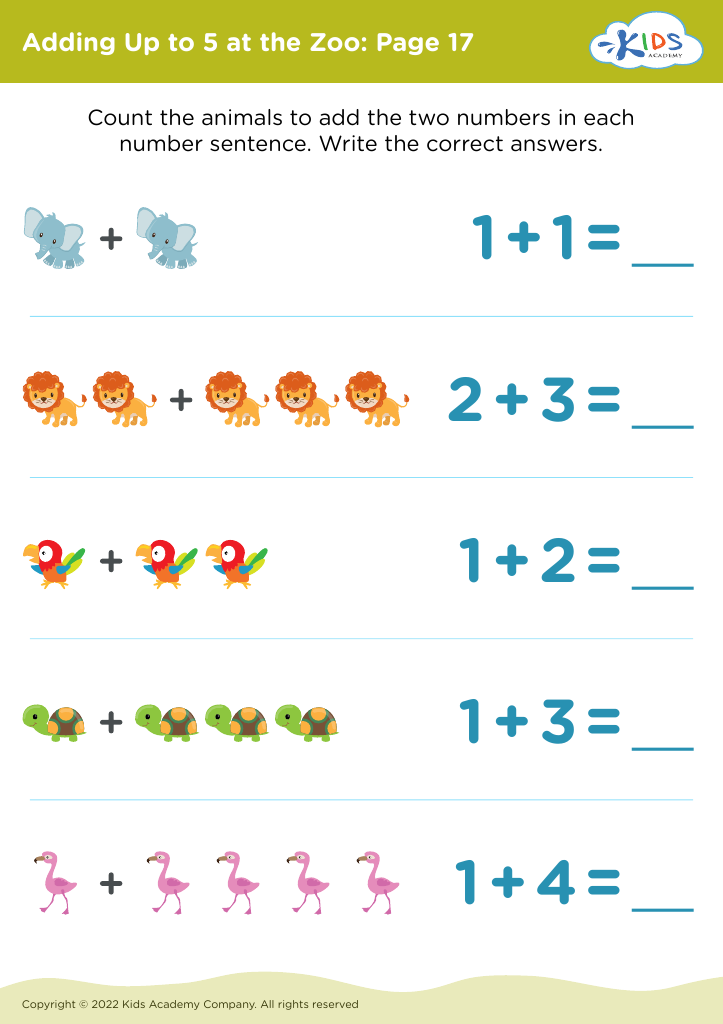
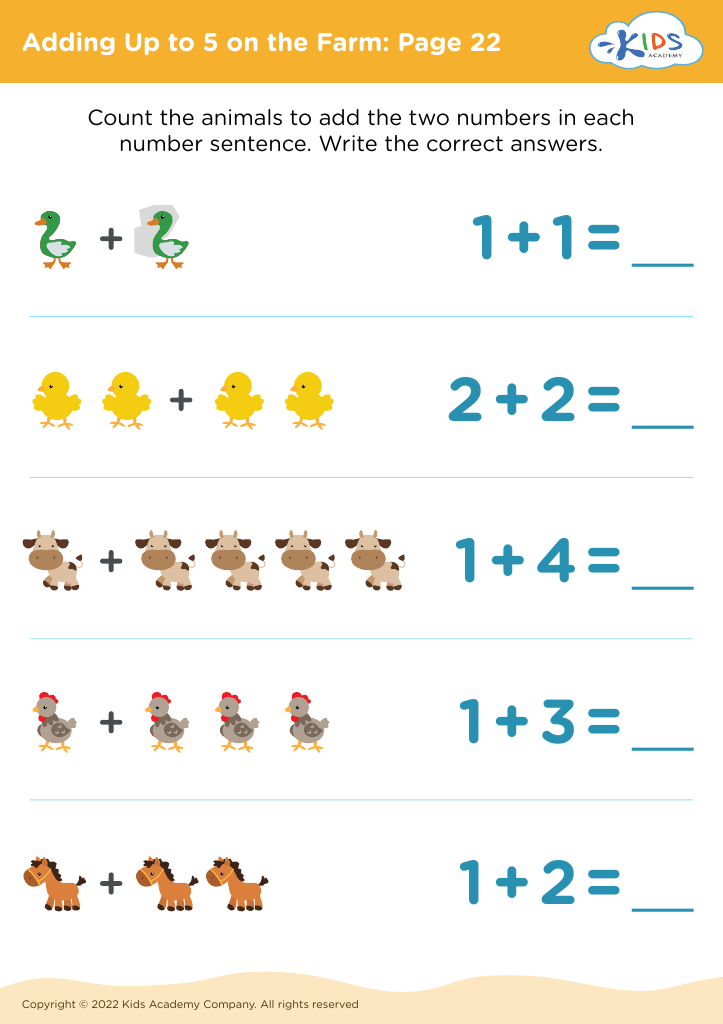
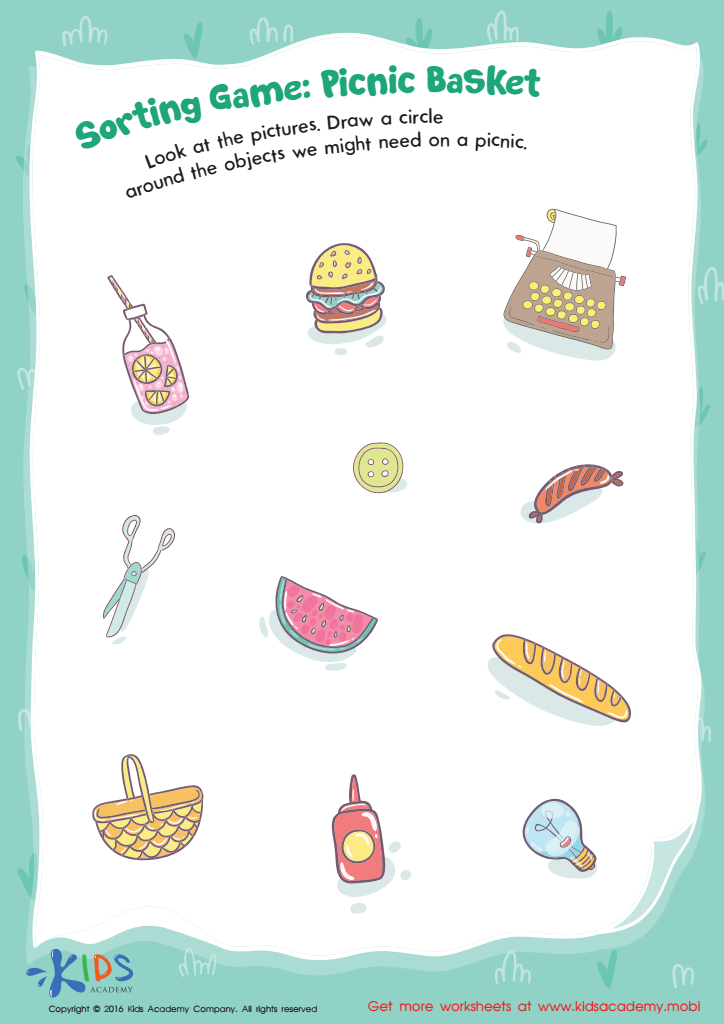
Picnic Basket Sorting Worksheet
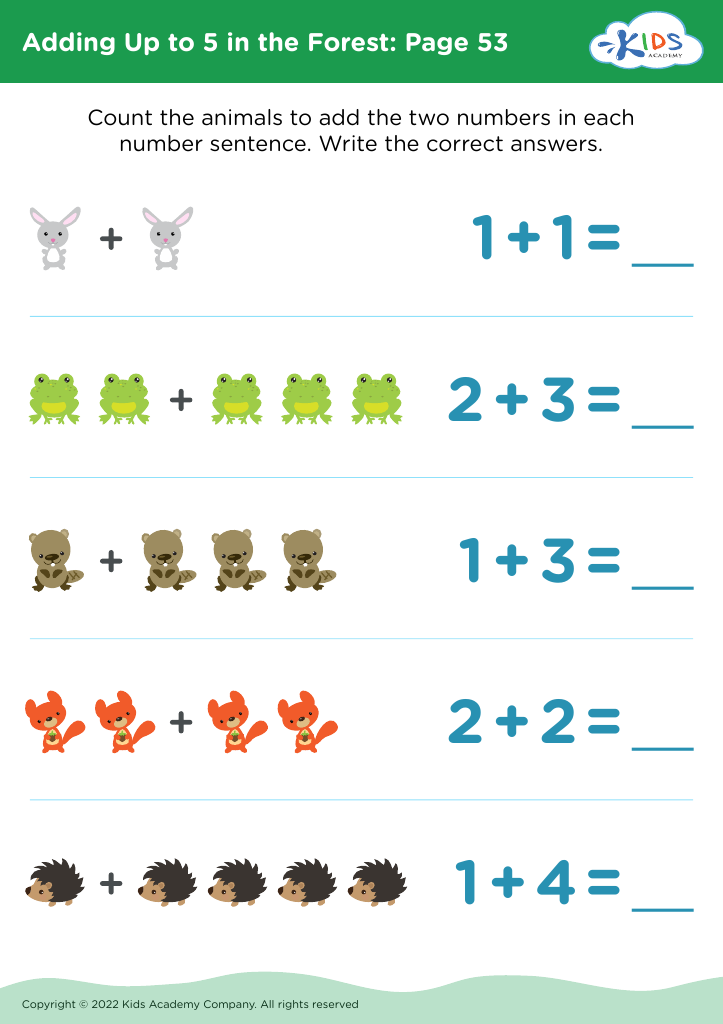
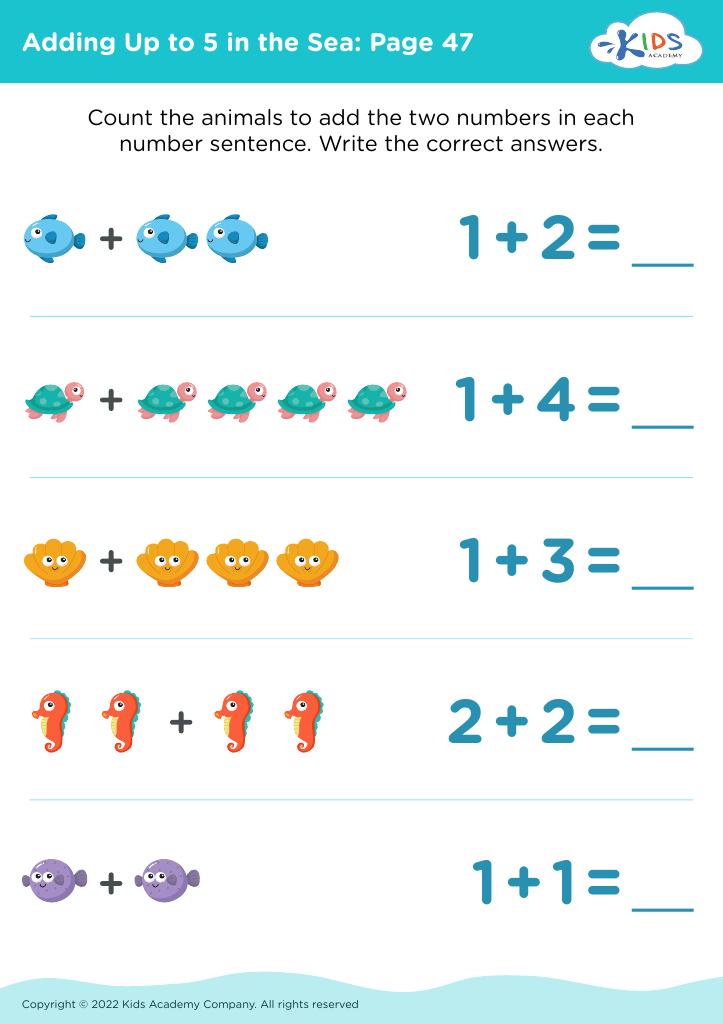
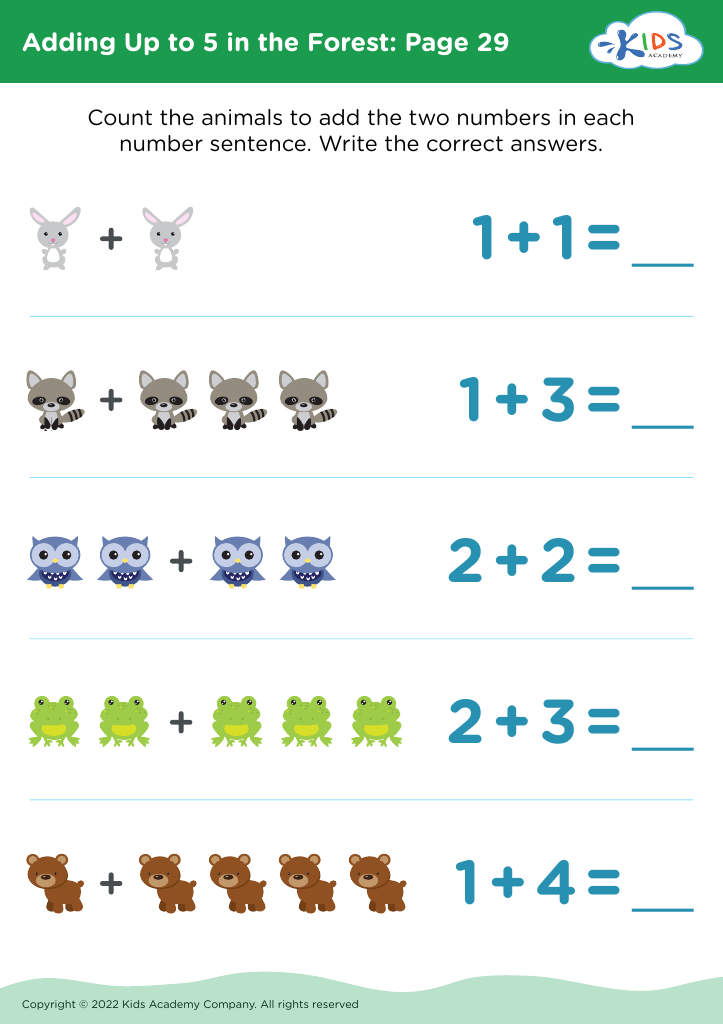








Counting proficiency is foundational for young learners aged 4-5, setting the stage for future mathematics understanding. At this developmental stage, children are naturally curious and eager to learn, making it the perfect time to introduce counting skills. When parents and teachers prioritize counting proficiency, they foster stronger cognitive abilities and problem-solving skills in children.
Counting not only helps children recognize numbers and understand their order but also promotes one-to-one correspondence, where each object is counted individually. This concept is essential for grasping more complex mathematics later on, such as addition and subtraction.
Moreover, counting activities often integrate various learning domains, enhancing language development through vocabulary enrichment and improving fine motor skills through hands-on experiences. Engaging children in counting games and everyday situations further promotes interest and joy in learning.
Additionally, a child's confidence and sense of accomplishment grow as they grasp counting skills, which can enhance their overall engagement in school. Recognizing these skills in early childhood boosts mathematical readiness, equipping children with the tools they need to tackle future challenges. With the right support, parents and teachers can nurture a strong mathematical foundation ensuring children's success in school and beyond.








