Pattern recognition Math Worksheets for Ages 4-5
16 filtered results
-
From - To
Discover our engaging Pattern Recognition Math Worksheets for children ages 4-5, designed to enhance early math skills through fun activities! Our worksheets help young learners identify and create patterns using vibrant illustrations and familiar objects. With a variety of exercises, your child will develop critical thinking and problem-solving skills while sharpening their attention to detail. Each worksheet aligns with early learning standards, making it easy to incorporate into your child's daily routine. Stimulate your child's curiosity and pave the way for future mathematical success with our thoughtfully crafted, entertaining pattern recognition worksheets. Explore the joyful world of math for your little ones today!
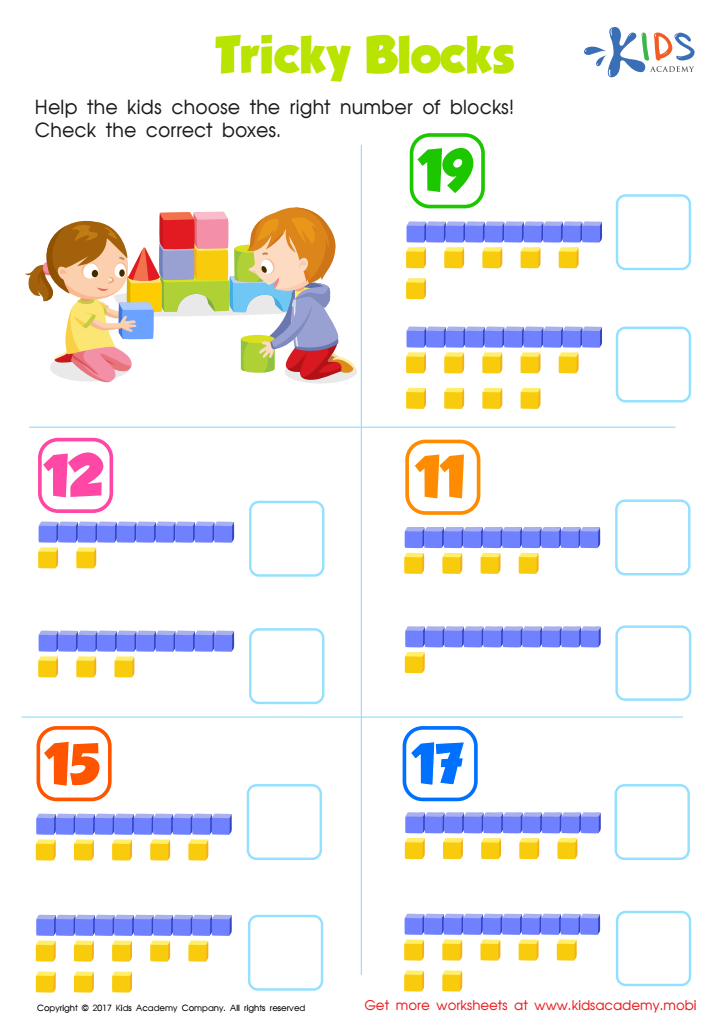
Tricky Blocks Worksheet
 Assign to My Students
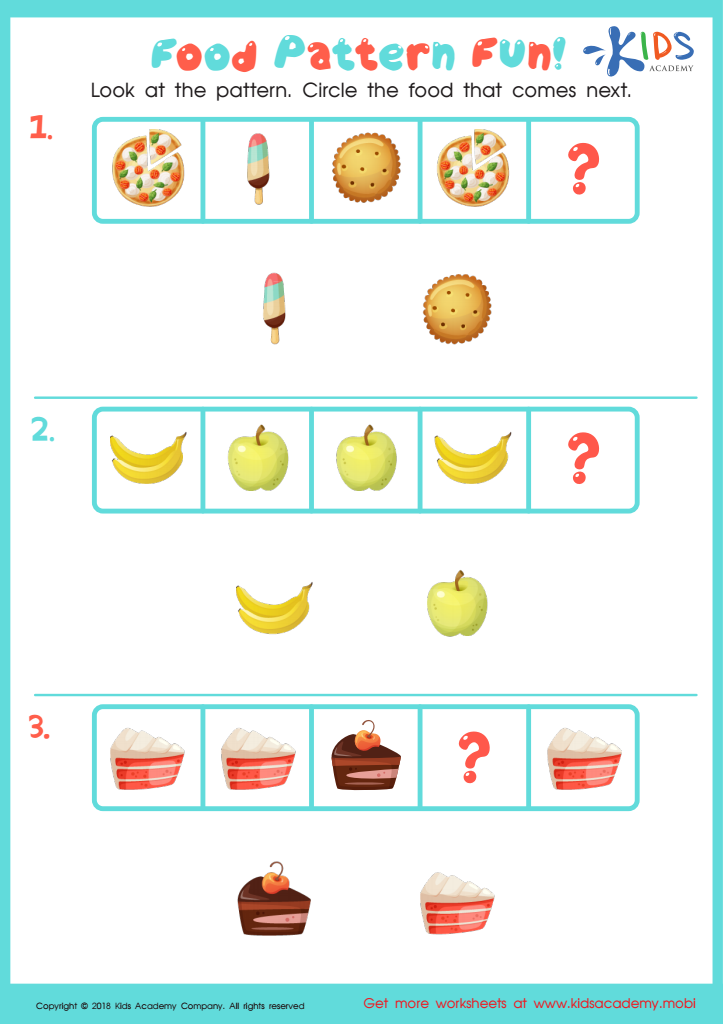
Food Pattern Fun Worksheet
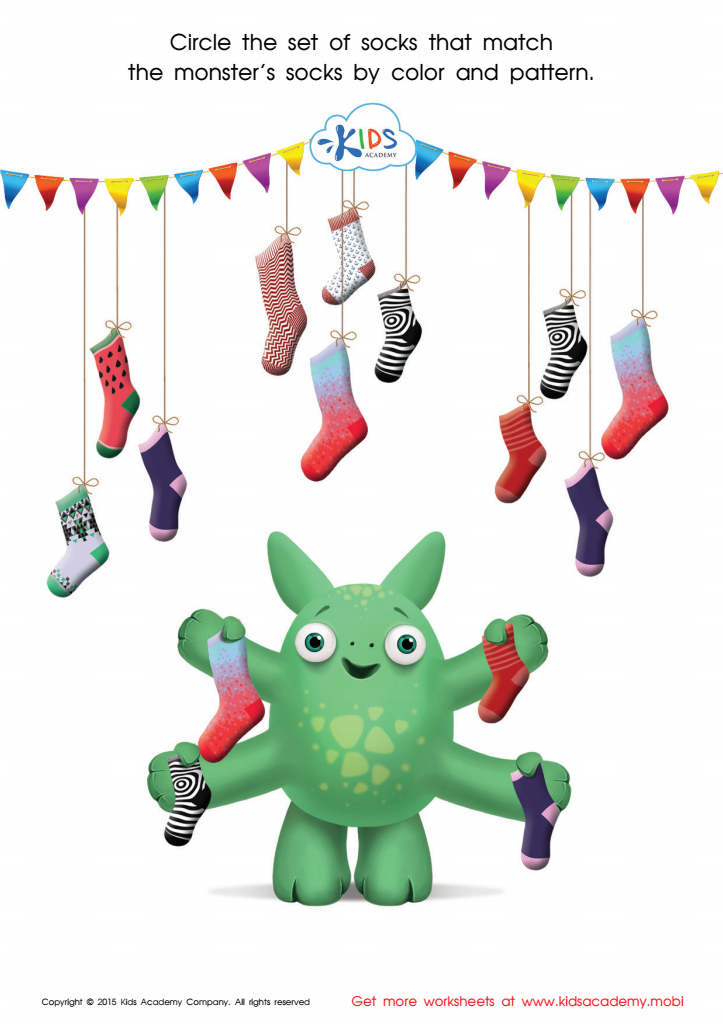
Sort the Monster's Socks Worksheet
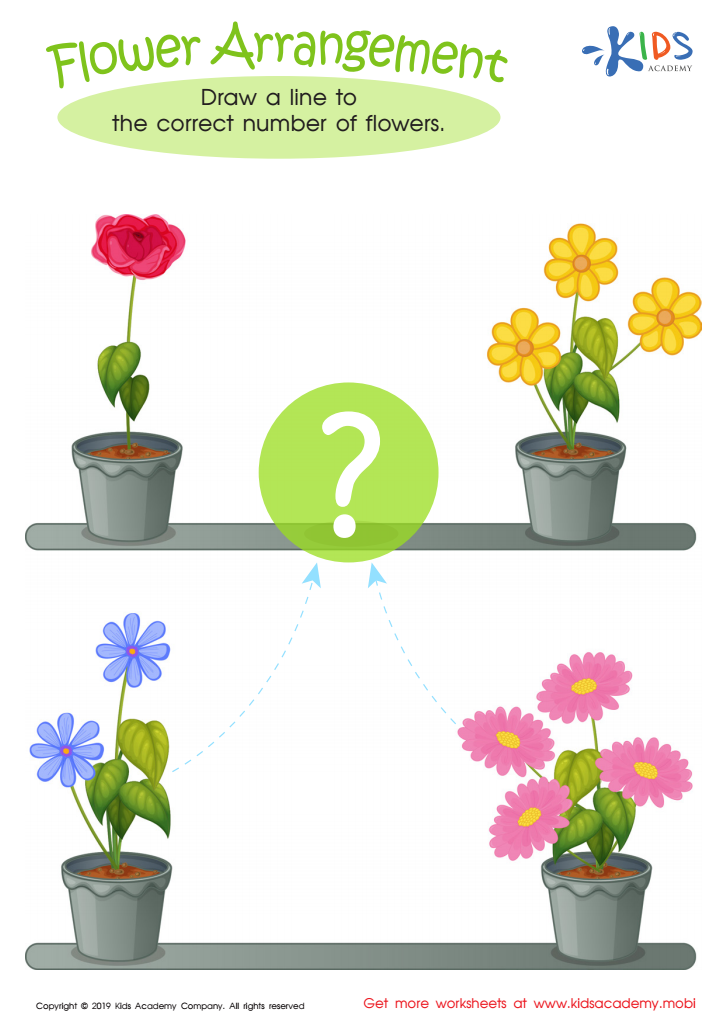
Flower Arrangement Worksheet
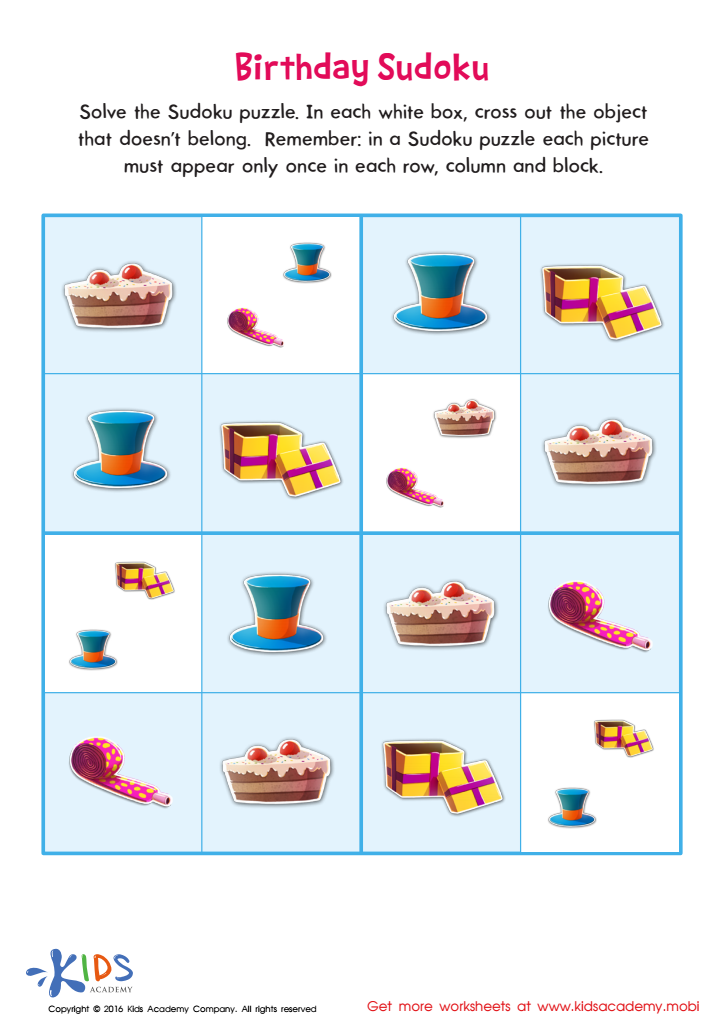
Birthday Sudoku Sorting Worksheet
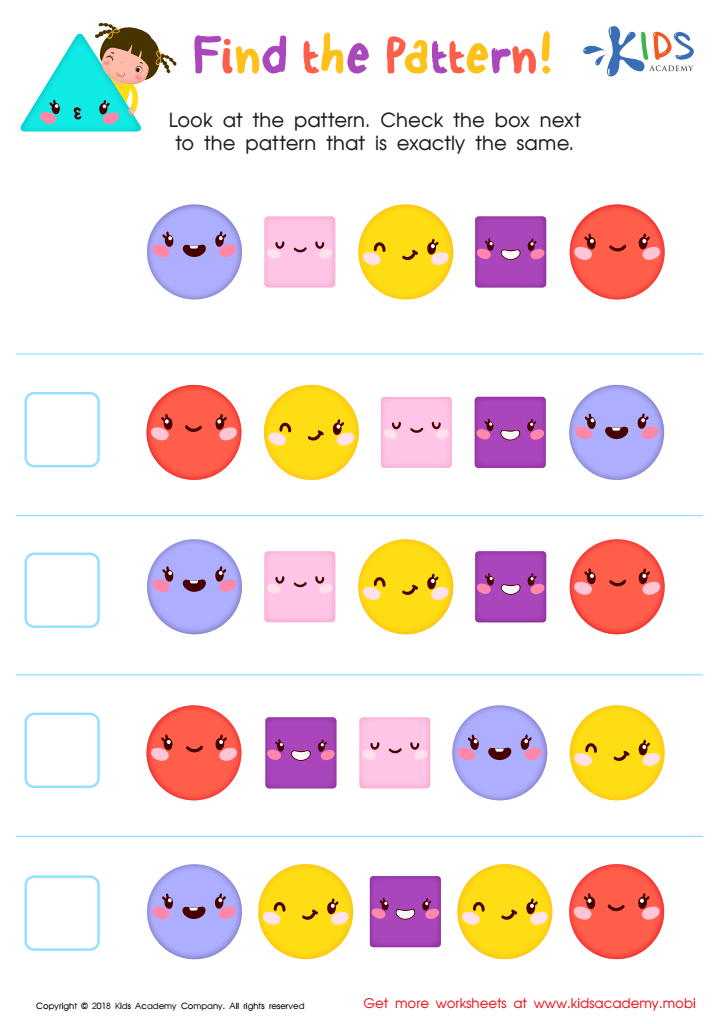
Find the Pattern Worksheet
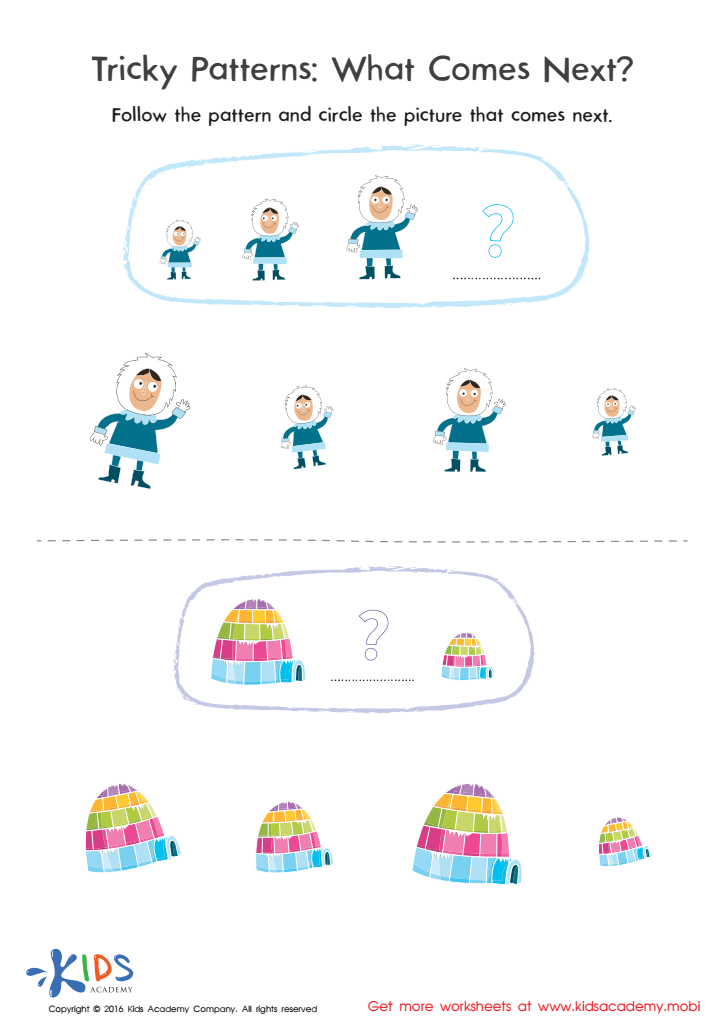
Tricky Patterns Size Worksheet
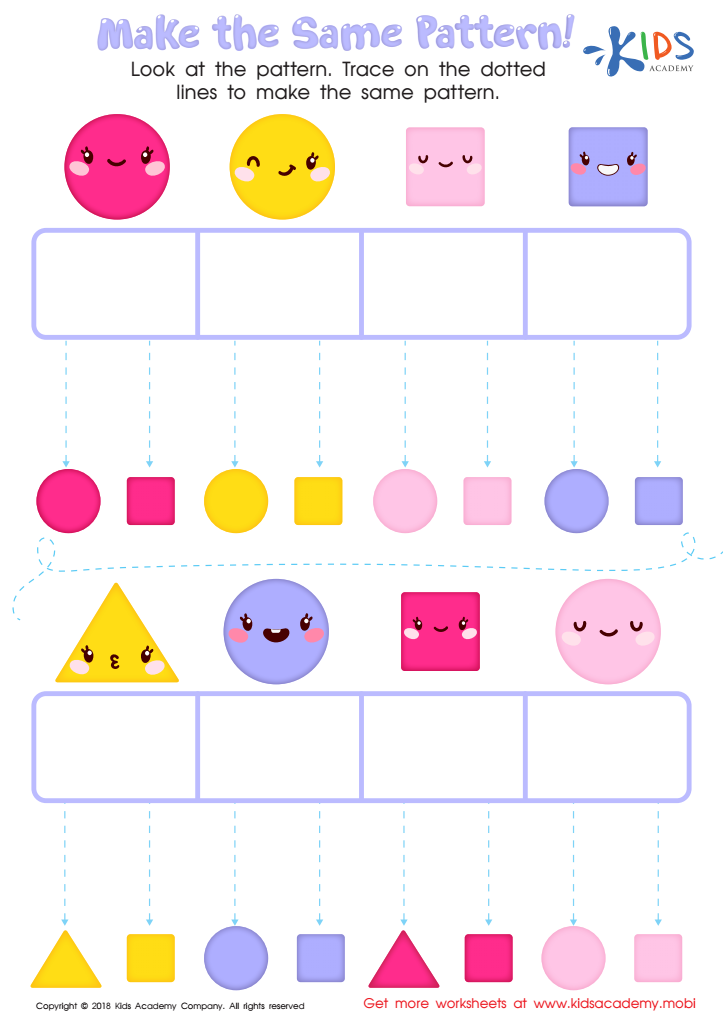
Make the Same Pattern Worksheet
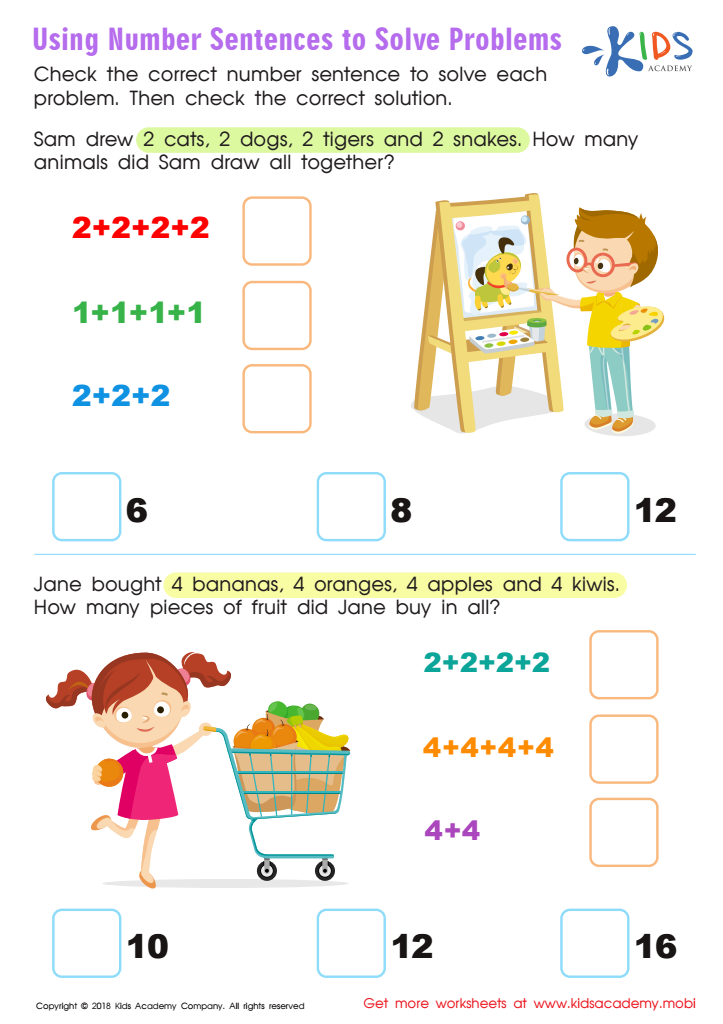
Using Number Sentences to Solve Problems Worksheet
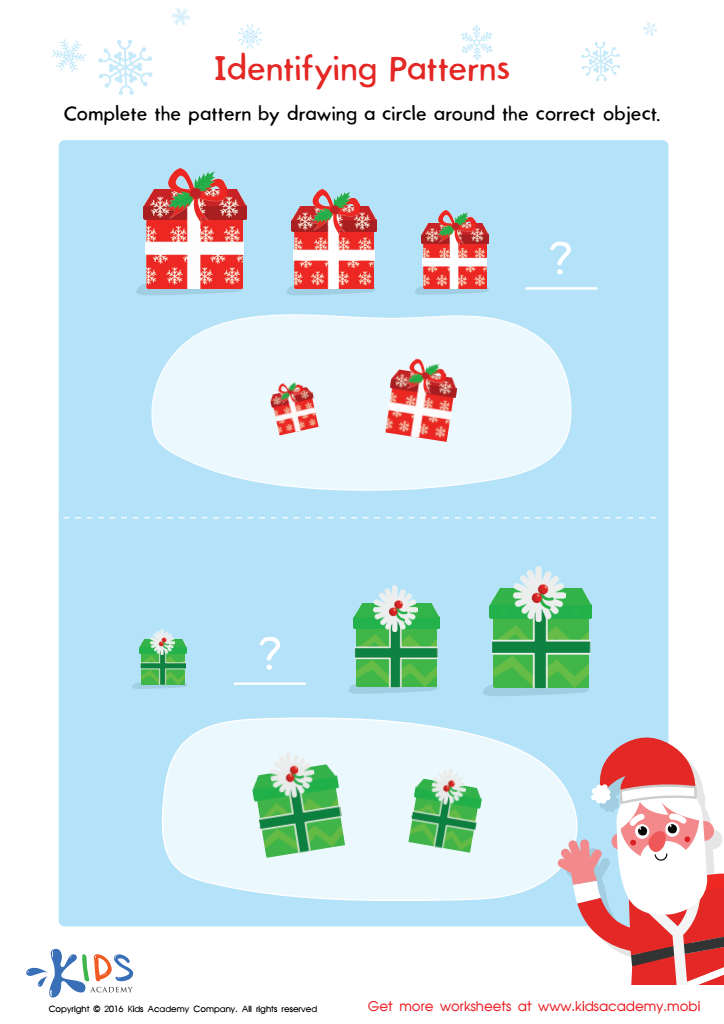
Identifying Patterns Worksheet
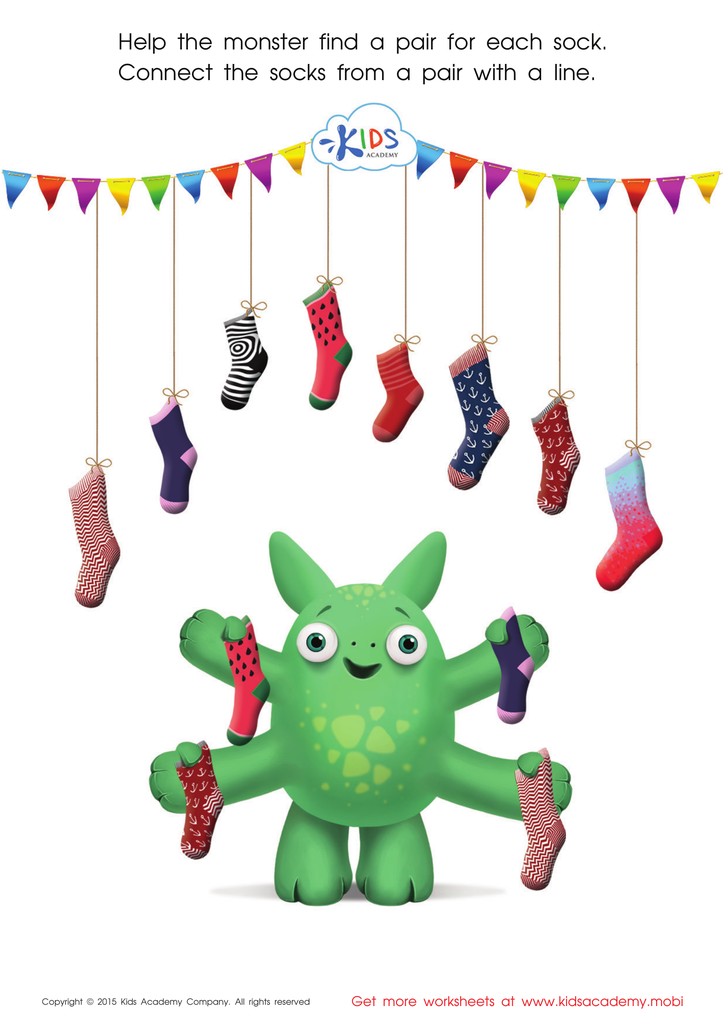
Math Matching Game: Monsterв's Socks Worksheet
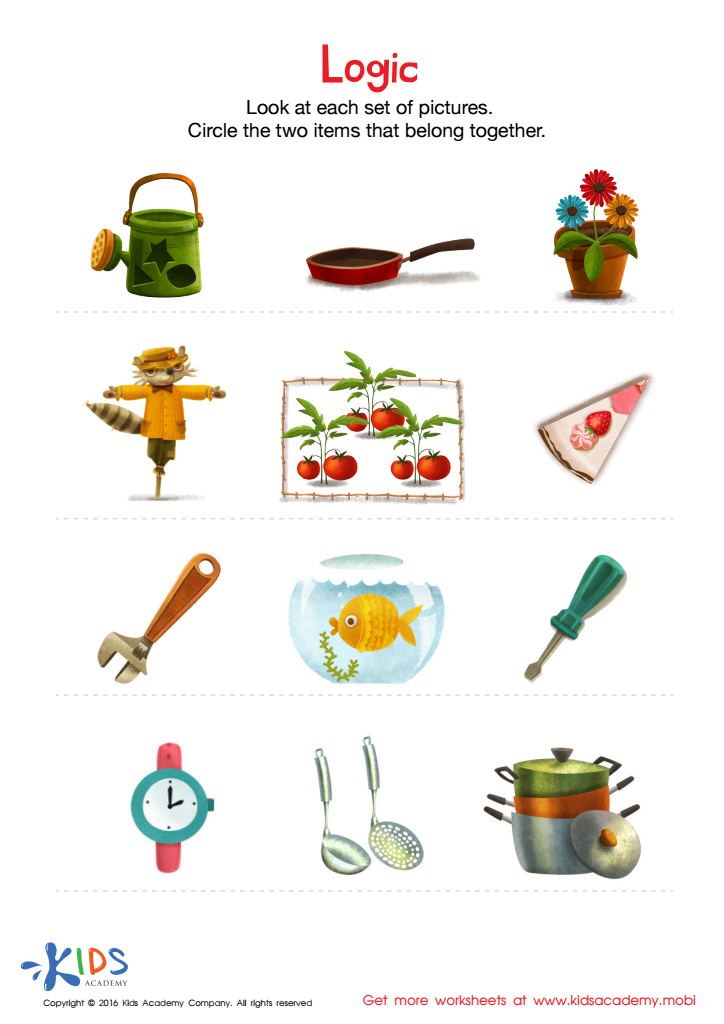
Logic Game Sorting Worksheet
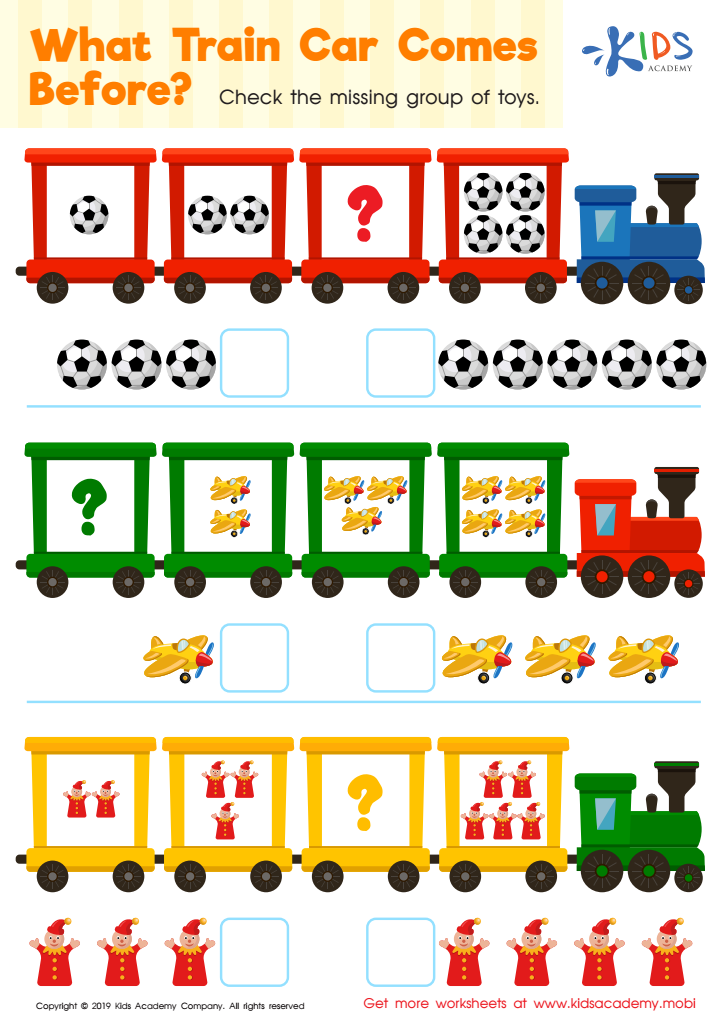
What Train Car Comes Before? Worksheet
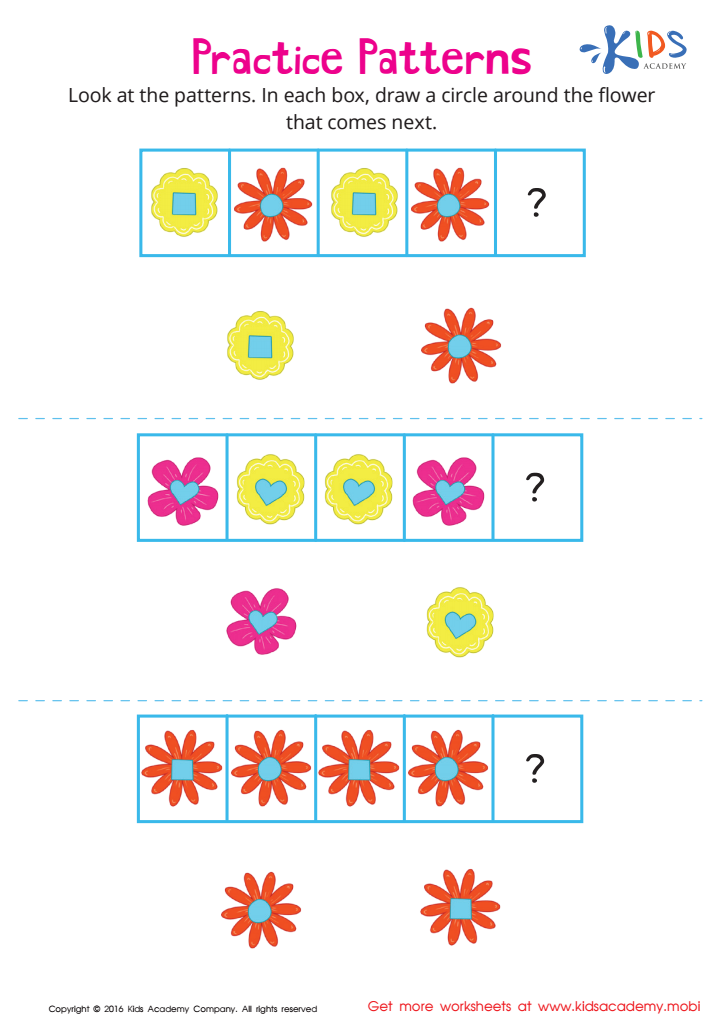
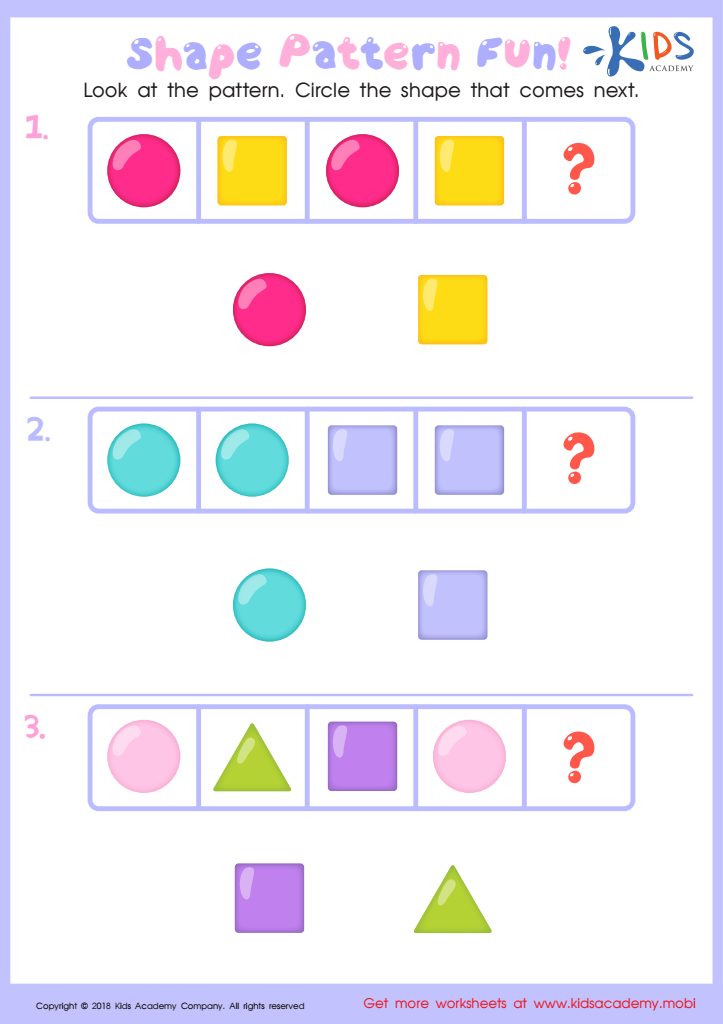
Shape Pattern Fun Worksheet
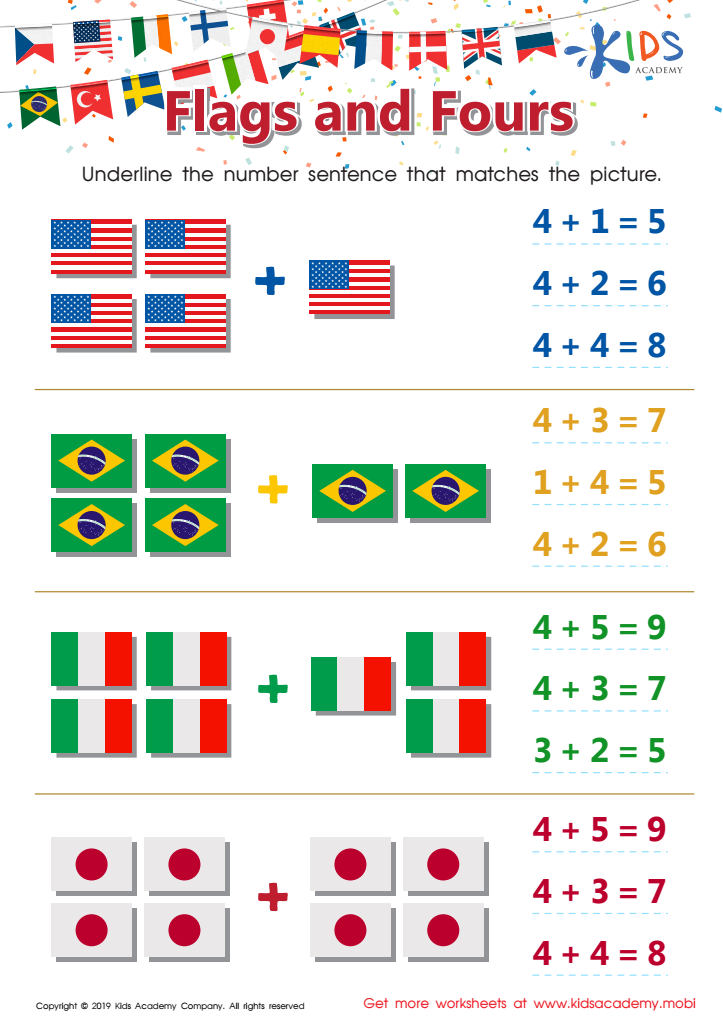
Flags and Fours Worksheet







Pattern recognition in math plays a crucial role in laying the foundation for early mathematical understanding in children aged 4-5. At this developmental stage, children are naturally curious and eager to explore connections, making it an opportune time to introduce them to patterns. Recognizing patterns enhances their cognitive skills, helping them to classify, predict, and generalize. These skills are essential not only in math but also in problem-solving and logical reasoning across various subjects.
When parents and teachers encourage pattern recognition, they assist children in developing a framework for more complex mathematical concepts, such as addition, subtraction, and even algebra, in later years. Engaging with patterns can support language development as children learn to describe sequences and relationships in a verbal context.
Moreover, activities involving patterns foster critical thinking and creativity, as children experiment with arranging objects and predicting outcomes. By nurturing these skills, adults empower children to build confidence in their mathematical abilities. In an increasingly data-driven world, a strong early foundation in recognizing patterns is invaluable for future learning and application in science, technology, engineering, and math (STEM) fields. Ultimately, emphasizing pattern recognition prepares children not only for academic success but also for everyday decision-making.








