Shape Recognition Math Worksheets for Ages 4-5 - Page 2
45 filtered results
-
From - To
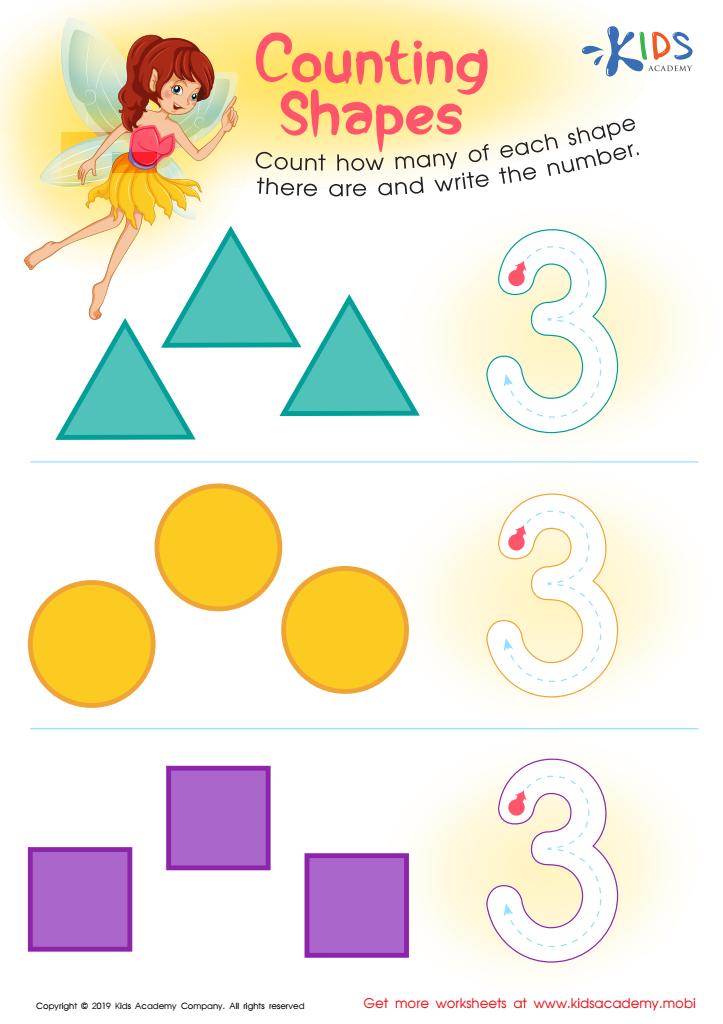
Counting Shapes Worksheet
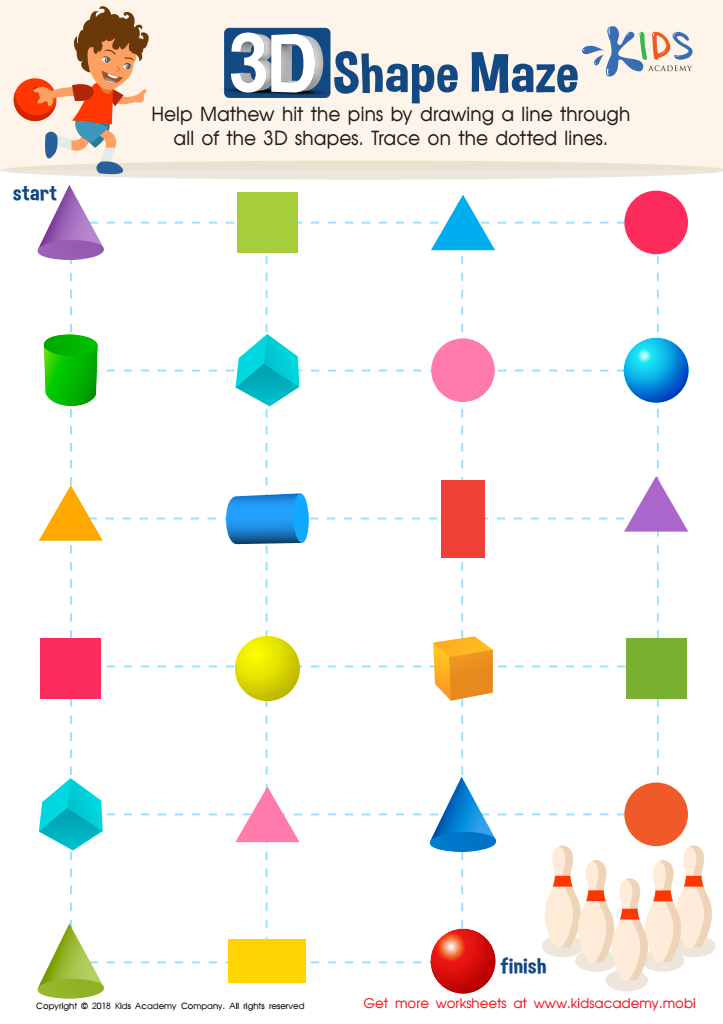
Shapes Maze Geometry Worksheet
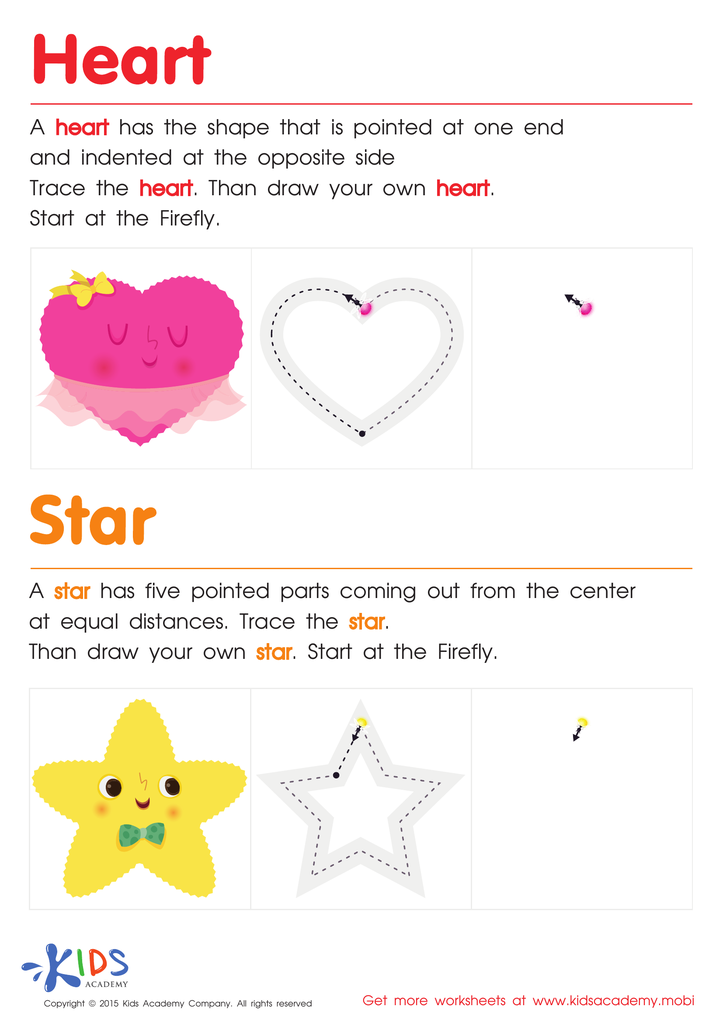
Let's Learn to Draw Hearts And Stars Printable
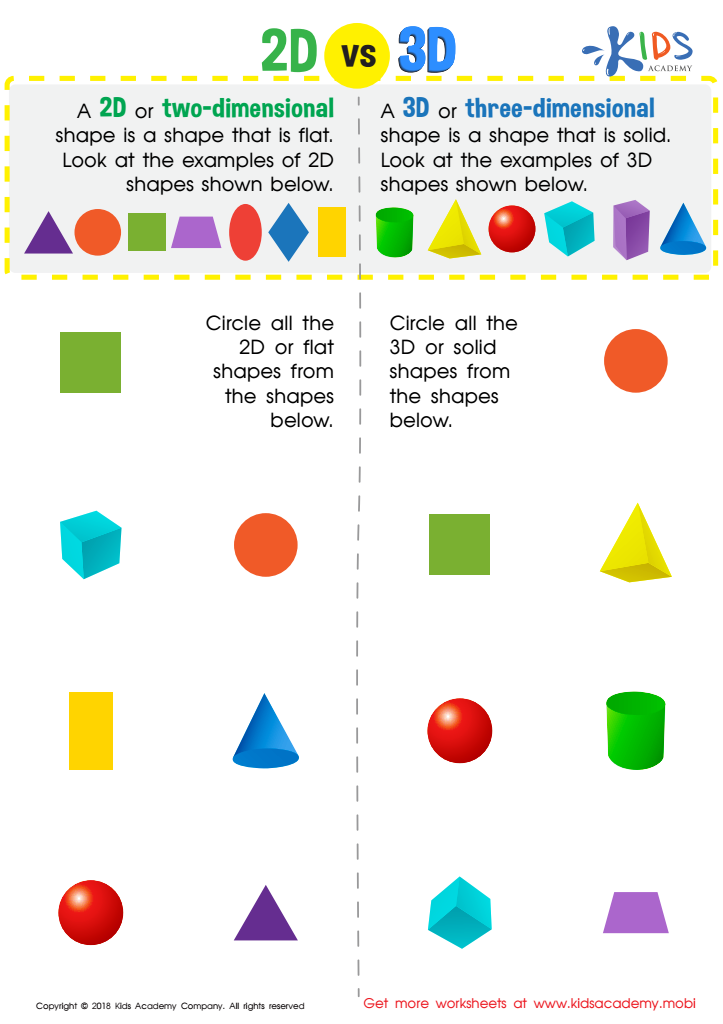
2D vs 3D Shapes Worksheet
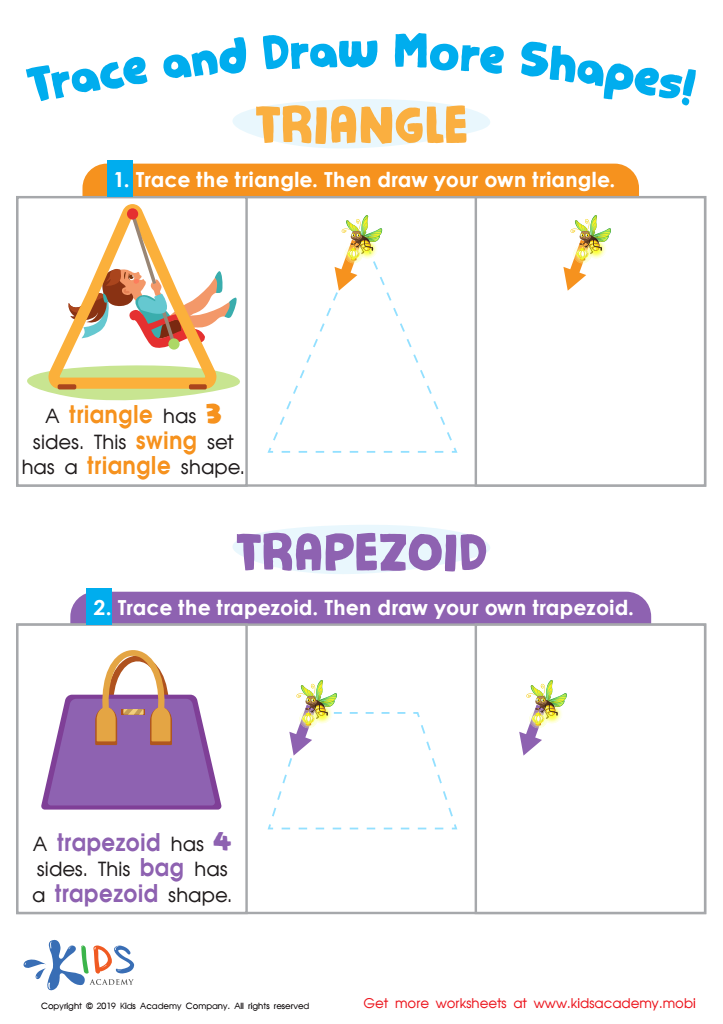
Trace and Draw More Shapes Worksheet
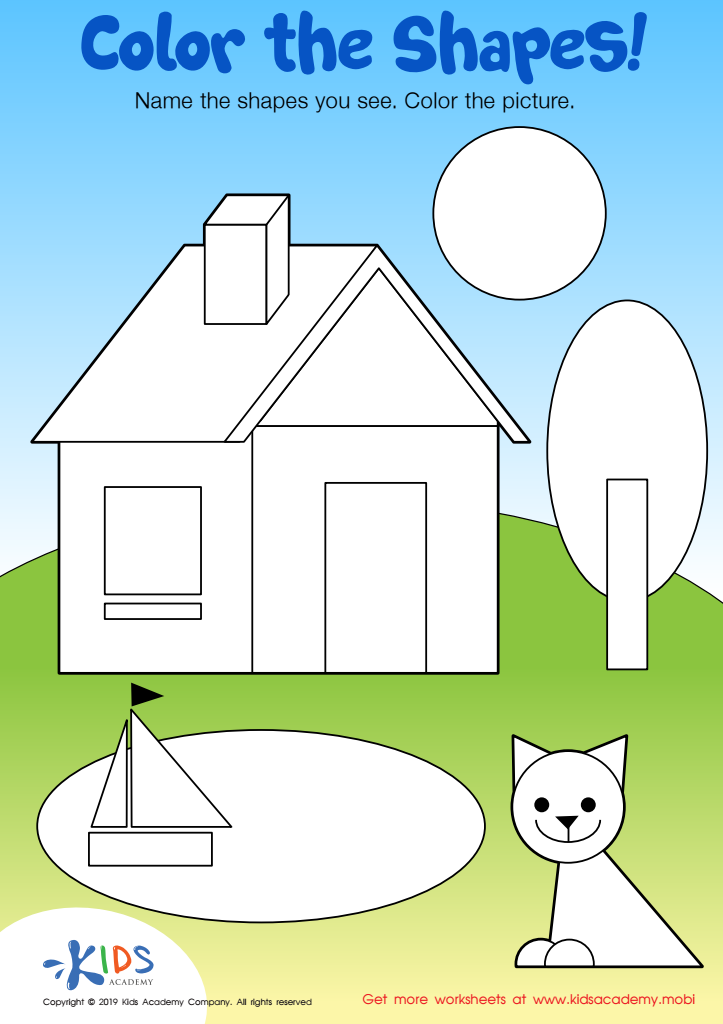
Color the Shapes Worksheet
 Assign to My Students
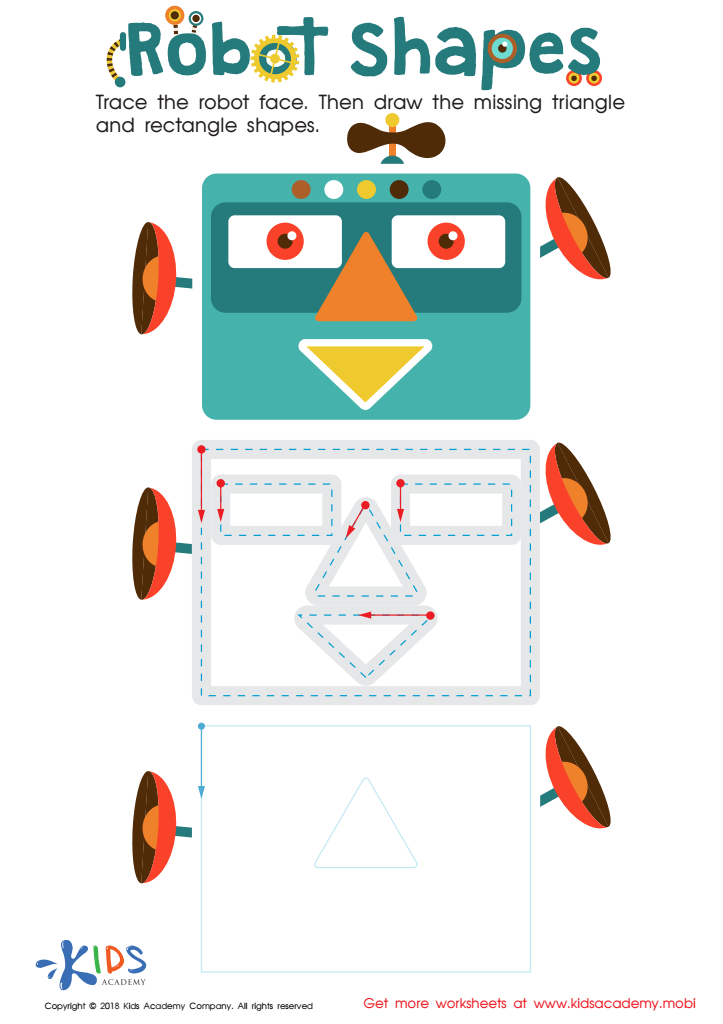
Robot Shapes Worksheet
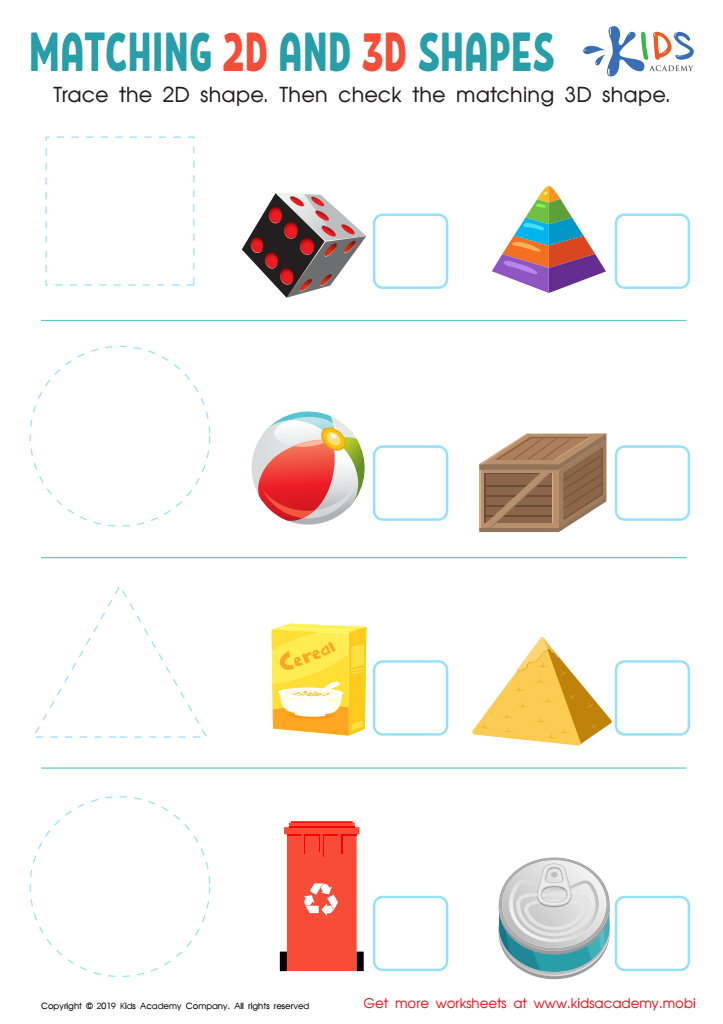
Matching 2D and 3D Shapes Worksheet
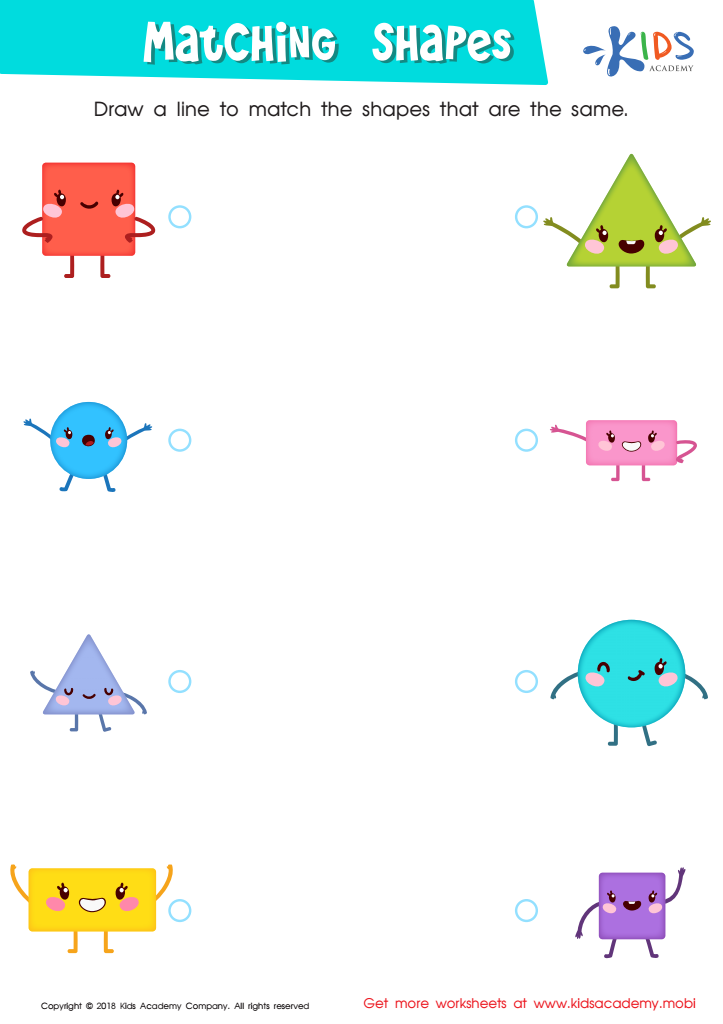
Matching Shapes Worksheet
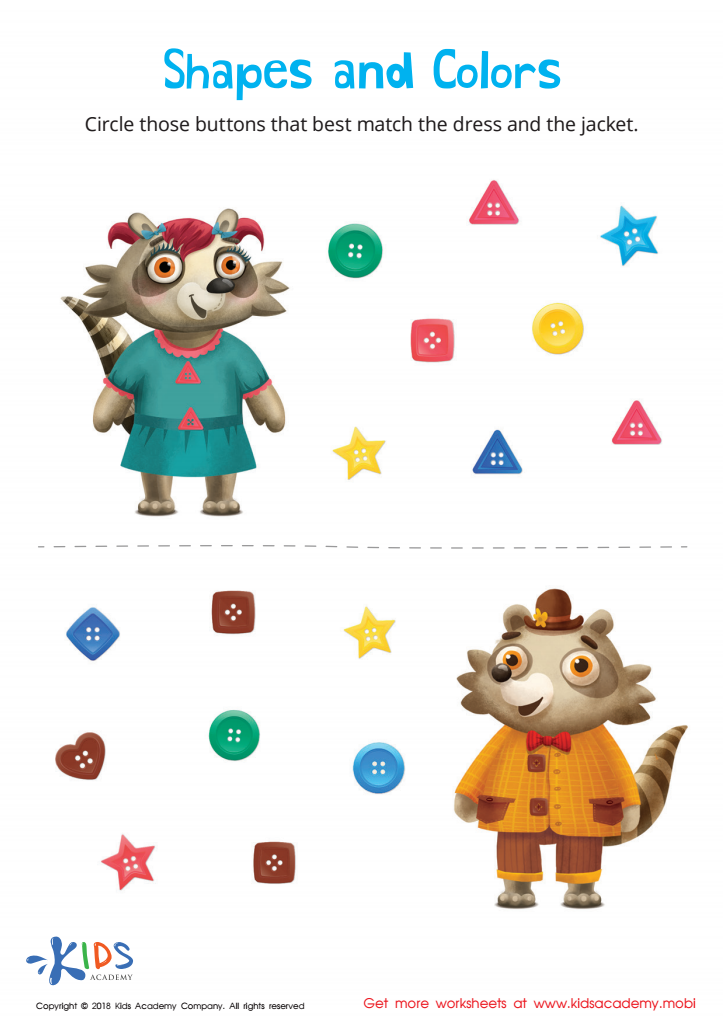
Shapes and Colors Worksheet
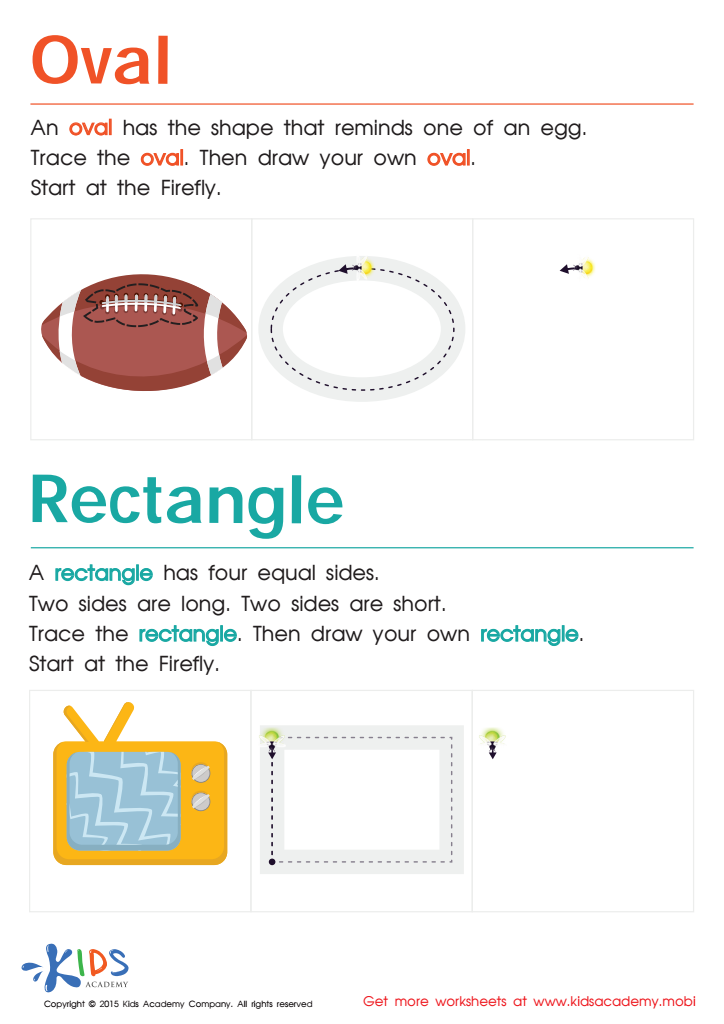
Easy Drawing of Ovals And Rectangles Worksheet
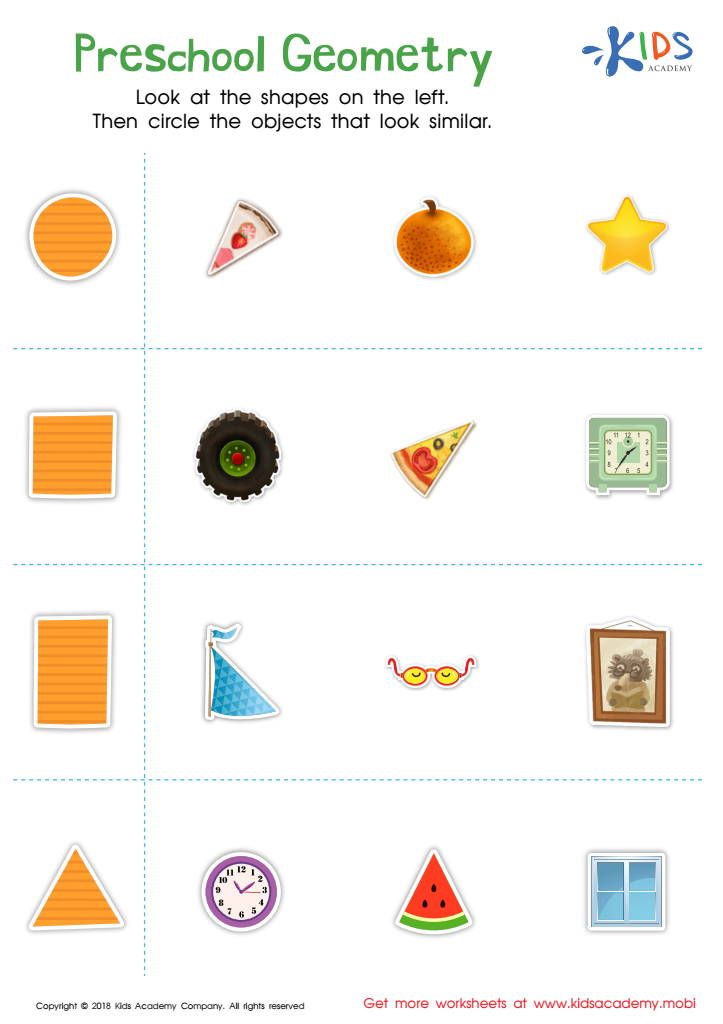
Preschool Geometry Worksheet
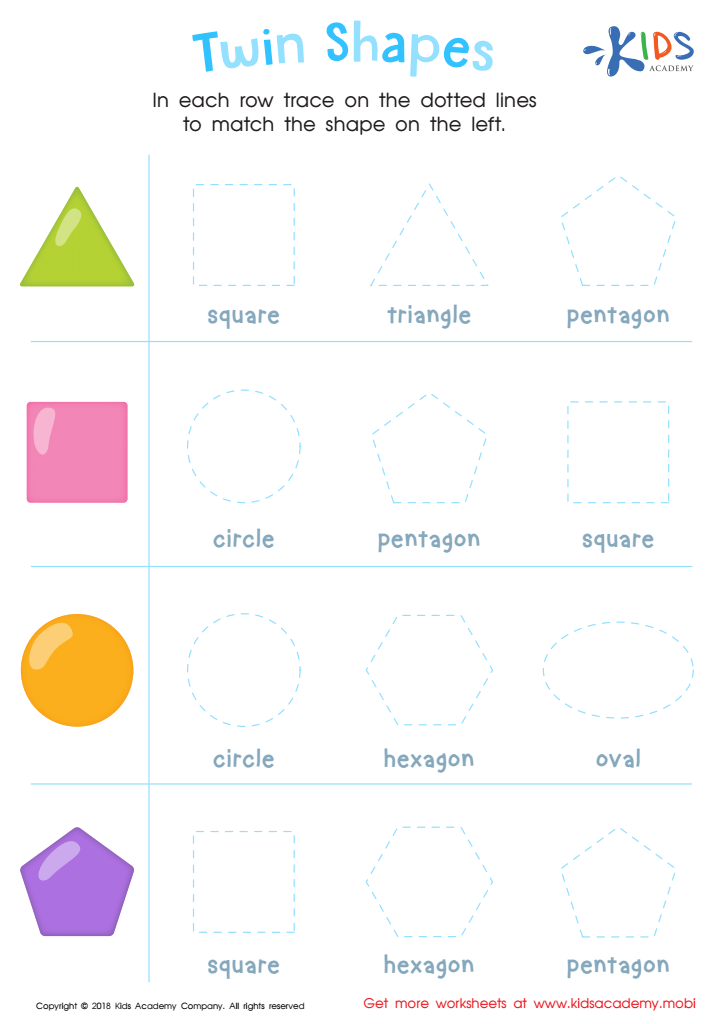
Twin Shapes Dot-to-Dot Worksheet
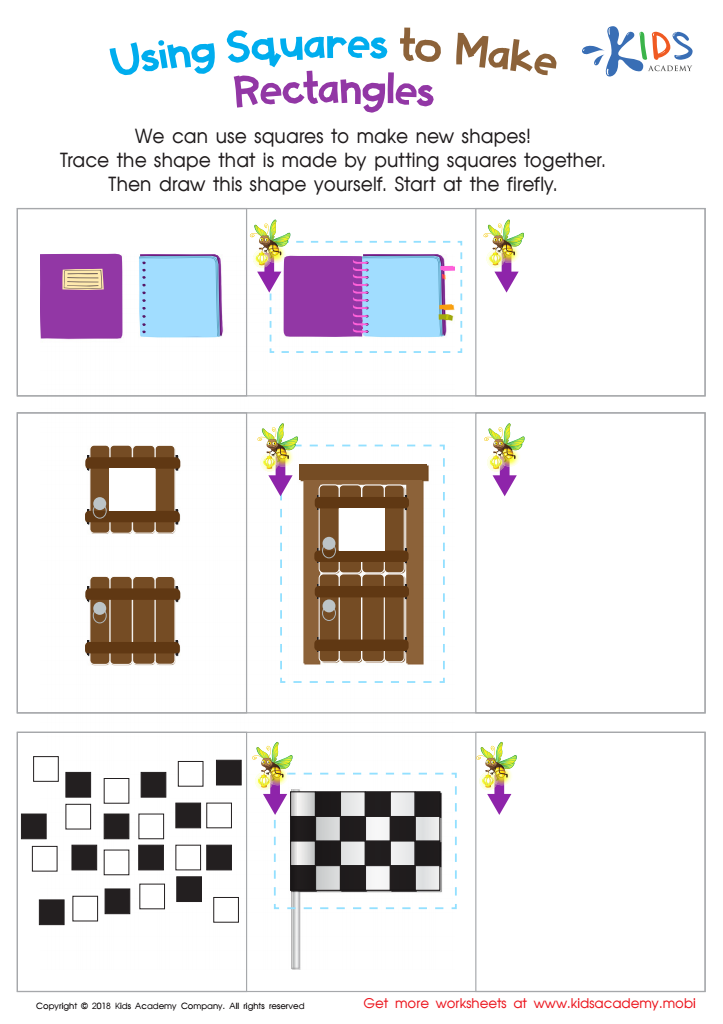
Using Squares to Make Rectangles Worksheet
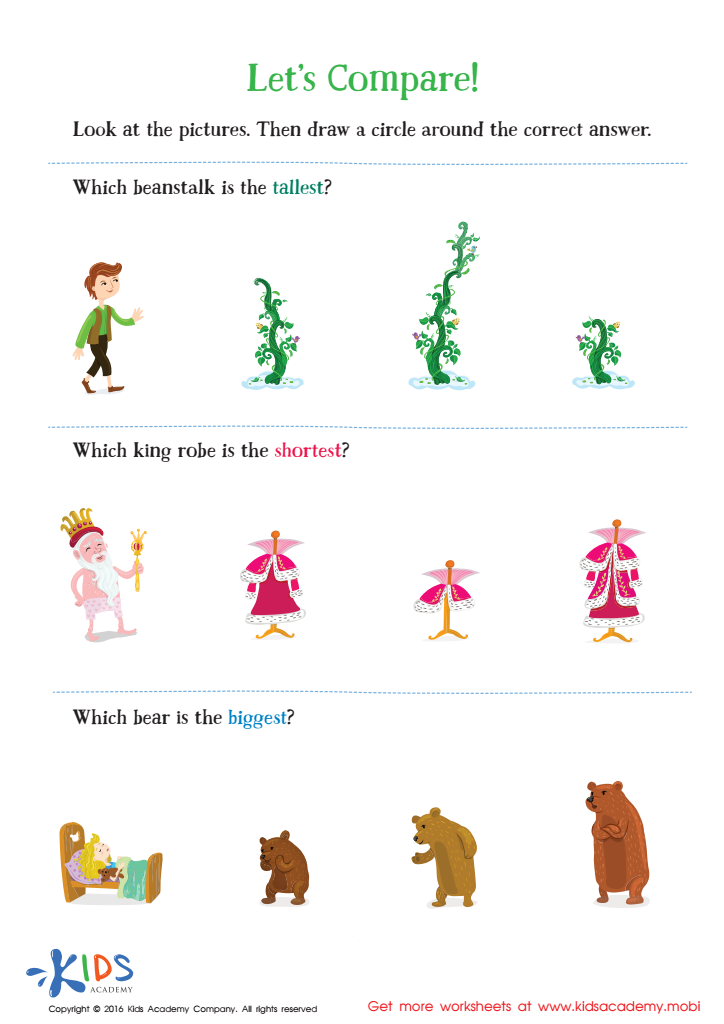
Fairy Tale Worksheet: Let's Compare
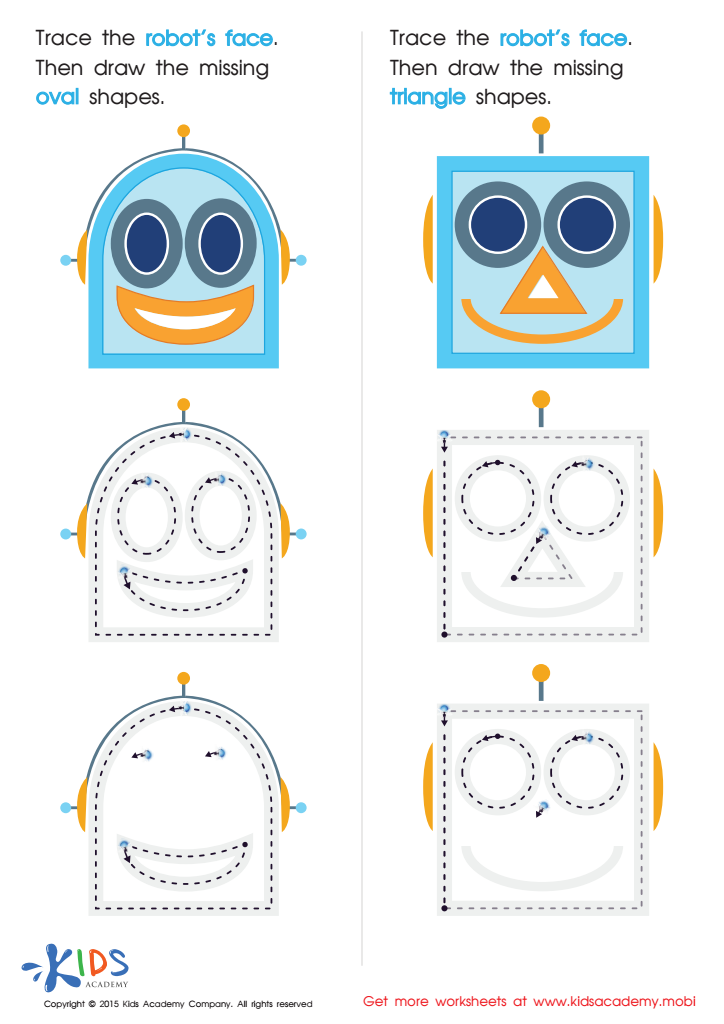
Drawing Ovals And Triangles with Fun Printable
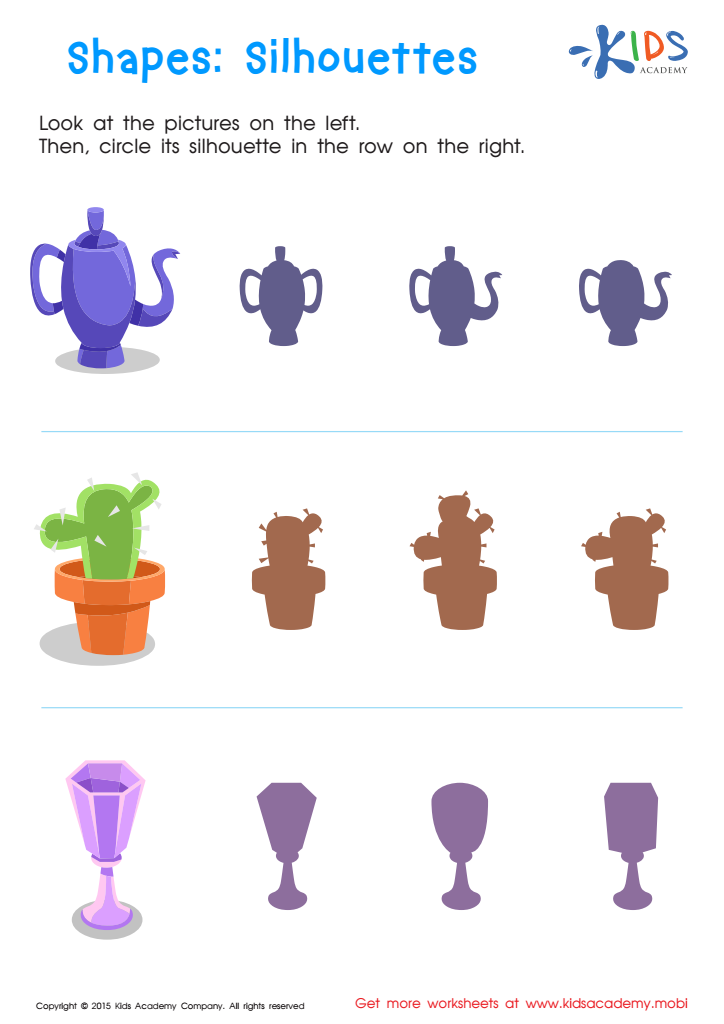
Silhouettes – Shapes Worksheet
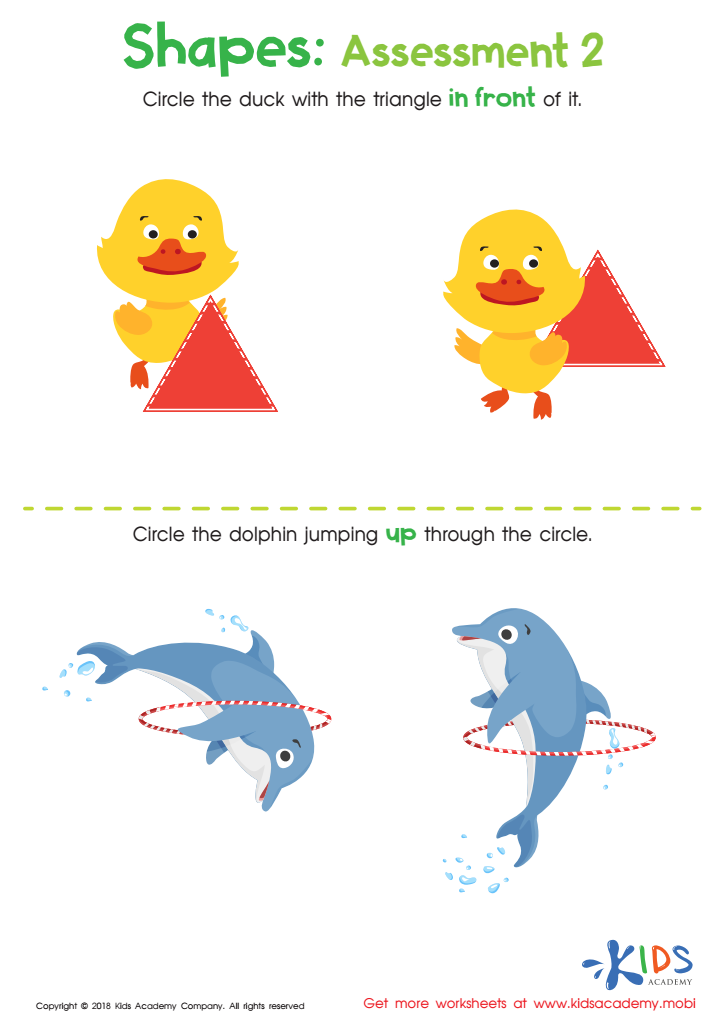
Geometry – Assessment 2 Worksheet
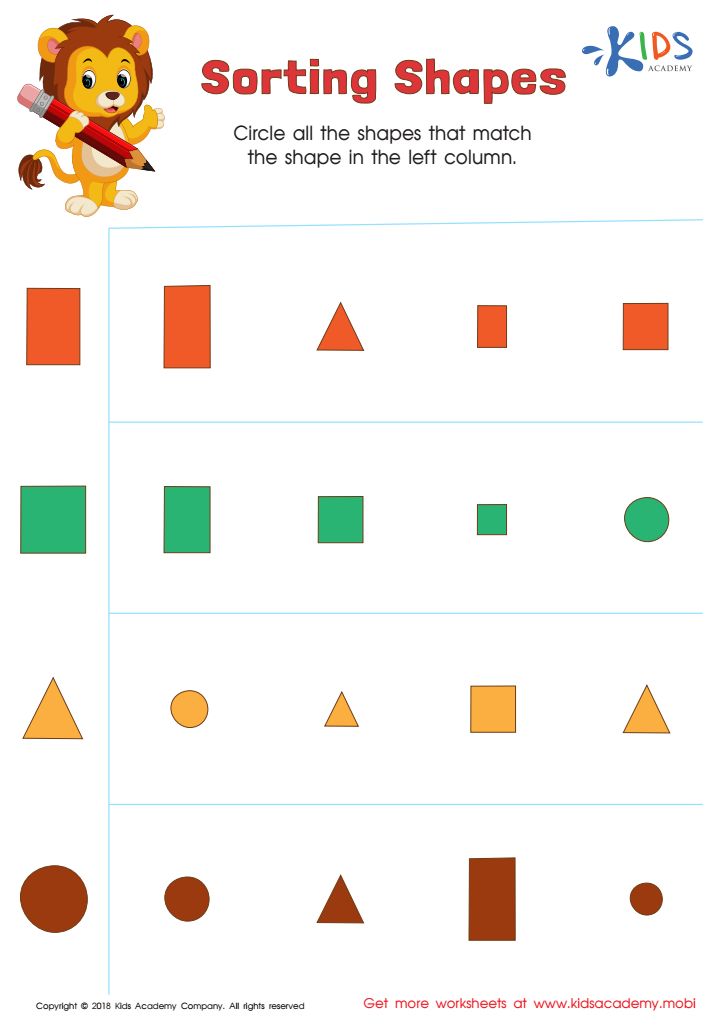
Sorting Shapes - Part 2 Worksheet
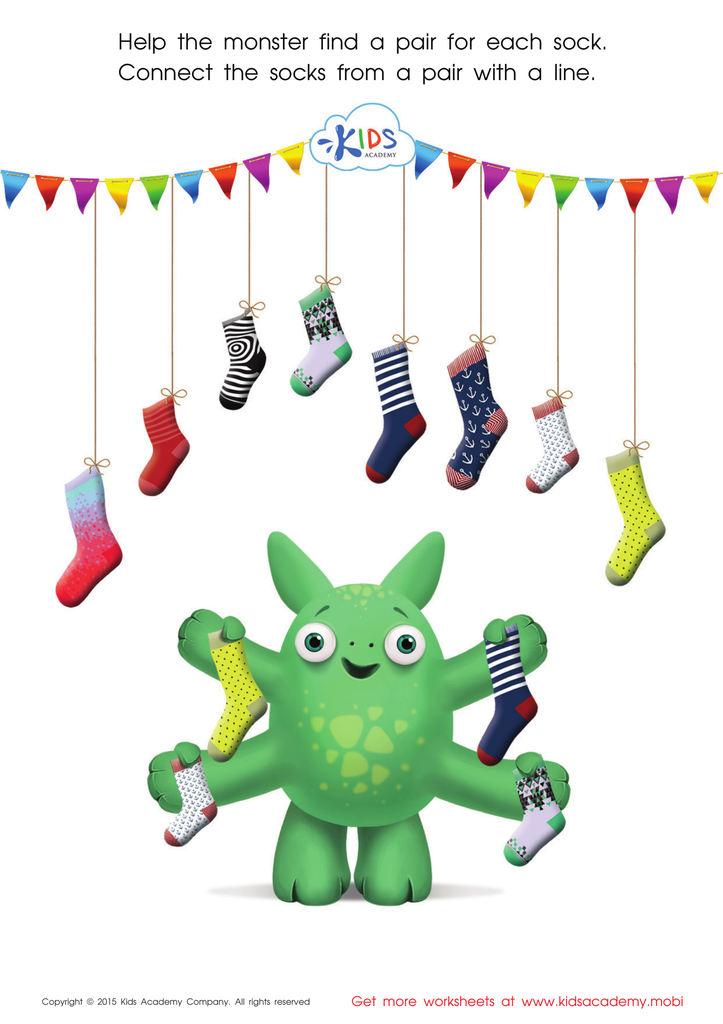
Math Matching Pairs Game: Monsterв's Socks Worksheet
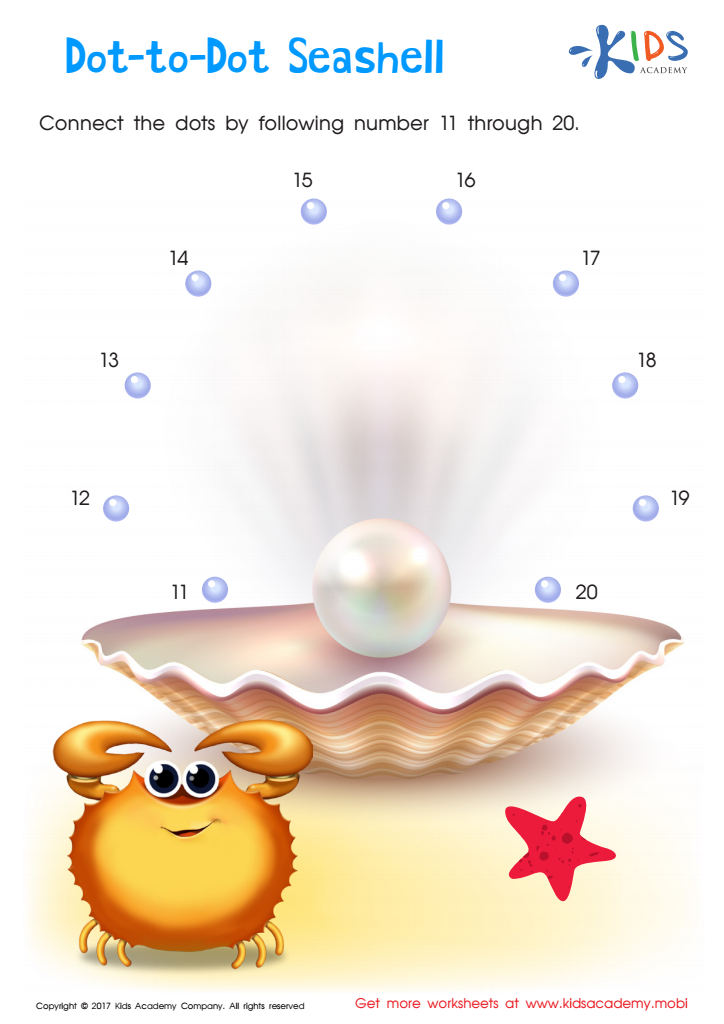
Ordering 11–20: Dot–to–dot Seashell Printable




.jpg)



Shape recognition is a crucial component of early mathematics education for children aged 4-5, and both parents and teachers should prioritize its development for several reasons. First, recognizing shapes is foundational to spatial awareness. Understanding different shapes enables children to navigate their environments more effectively and improves their overall problem-solving skills.
Second, shape recognition fosters cognitive development. Engaging with shapes helps enhance critical thinking, memory, and attention skills. As children identify, compare, and categorize shapes, they cultivate analytical abilities that will benefit them in future learning experiences.
Additionally, familiarity with shapes can enhance creativity. Activities such as drawing, building, and crafting with shapes encourage imaginative expression, allowing children to combine mathematics with art and storytelling.
Moreover, shape recognition is integral to more advanced mathematical concepts. As children progress in their education, their comprehension of geometry, measurement, and patterns will rely on their ability to identify and understand shapes.
Lastly, these skills promote social interaction, as kids often participate in group activities that involve discussing shapes. Therefore, by emphasizing shape recognition, parents and teachers equip young learners with critical tools and skills that form the basis of more complex mathematical thinking and real-world application.








