Vocabulary Building Math Worksheets for Ages 4-5
10 filtered results
-
From - To
Enhance your child's language skills with our engaging Vocabulary Building Math Worksheets designed specifically for ages 4-5. These worksheets combine playful learning with foundational math concepts, fostering both vocabulary expansion and mathematical understanding. Your little learners will enjoy fun activities that introduce essential terms related to numbers, shapes, and patterns. Our worksheets promote critical thinking while reinforcing recognition and usage of new words in context. Ideal for preschool and early kindergarten students, these resources will not only boost their vocabulary but also set a solid foundation for future learning success in math. Download now and watch your child's confidence grow!
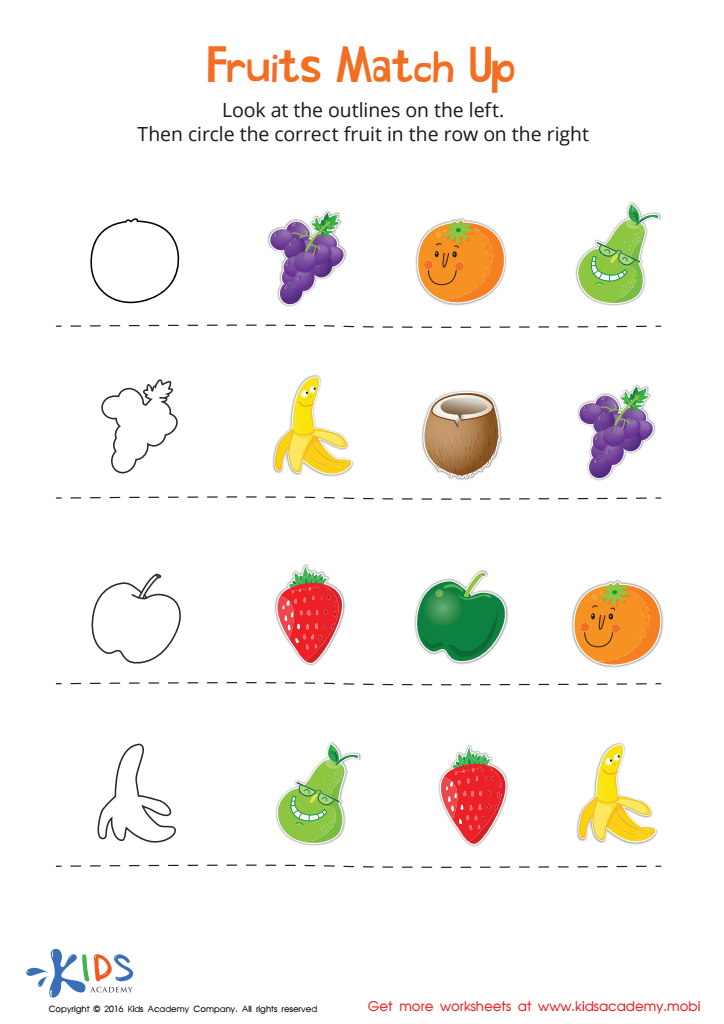
Fruits Match Up Worksheet
 Assign to My Students
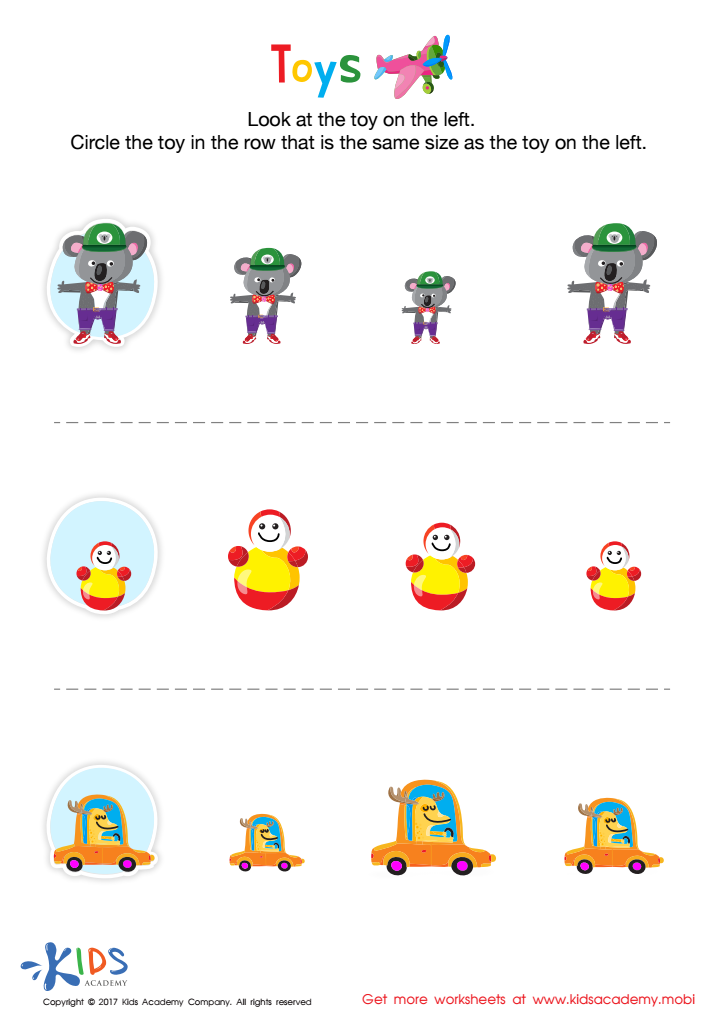
Matching: Classifying Toys by Size Worksheet
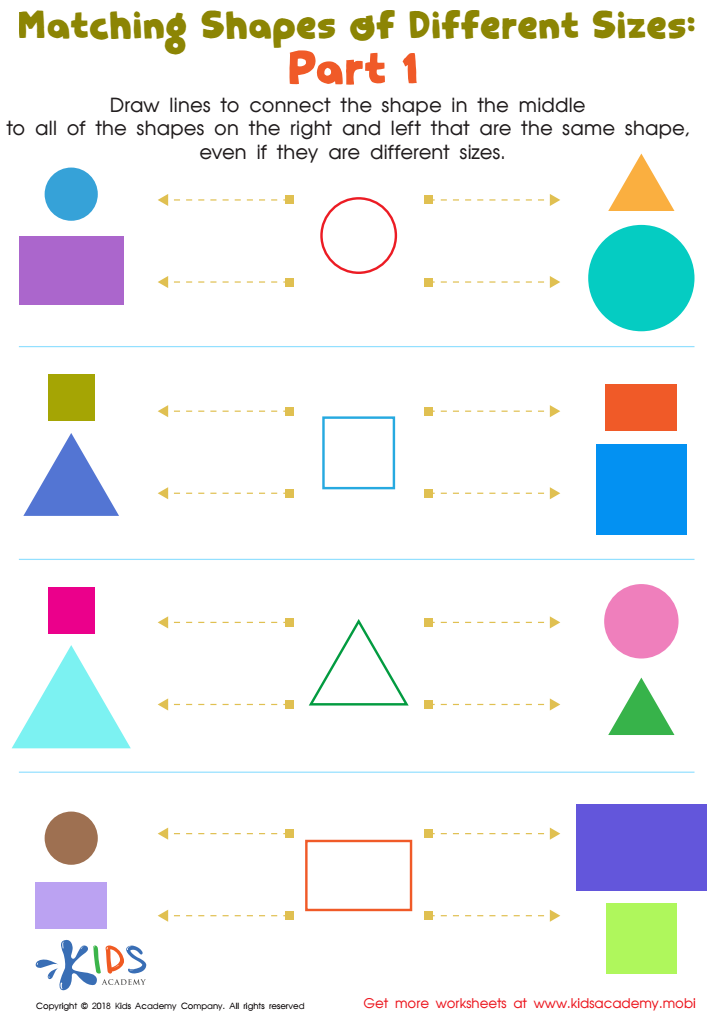
Geometry: part 1 Worksheet
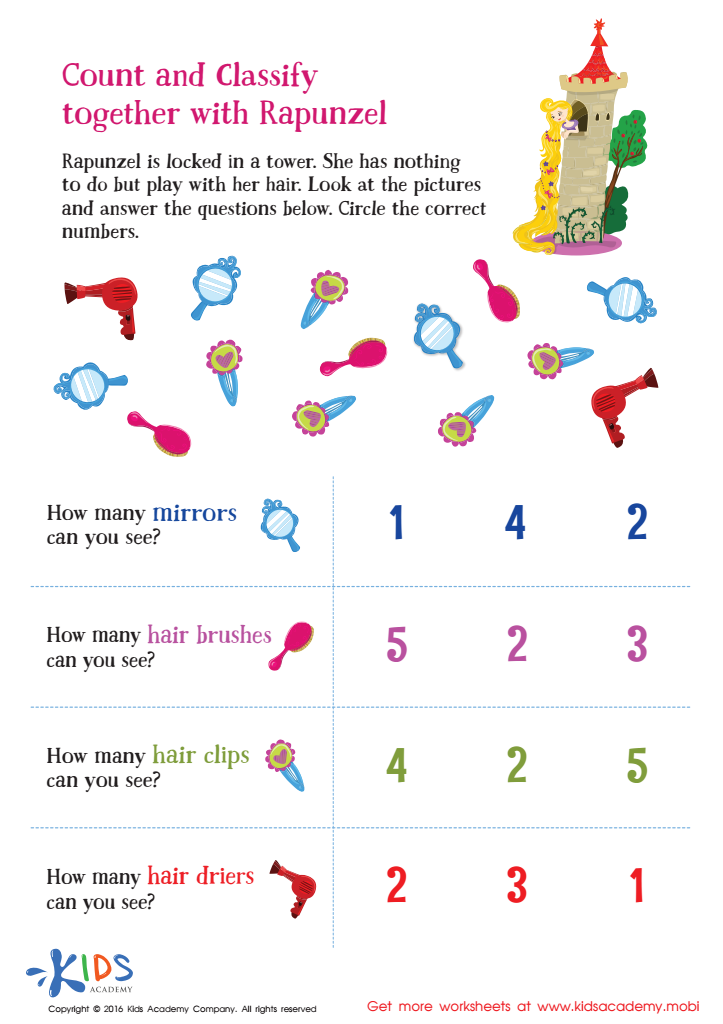
Fairy Tale Worksheet: Count and Classify with Rapunzel
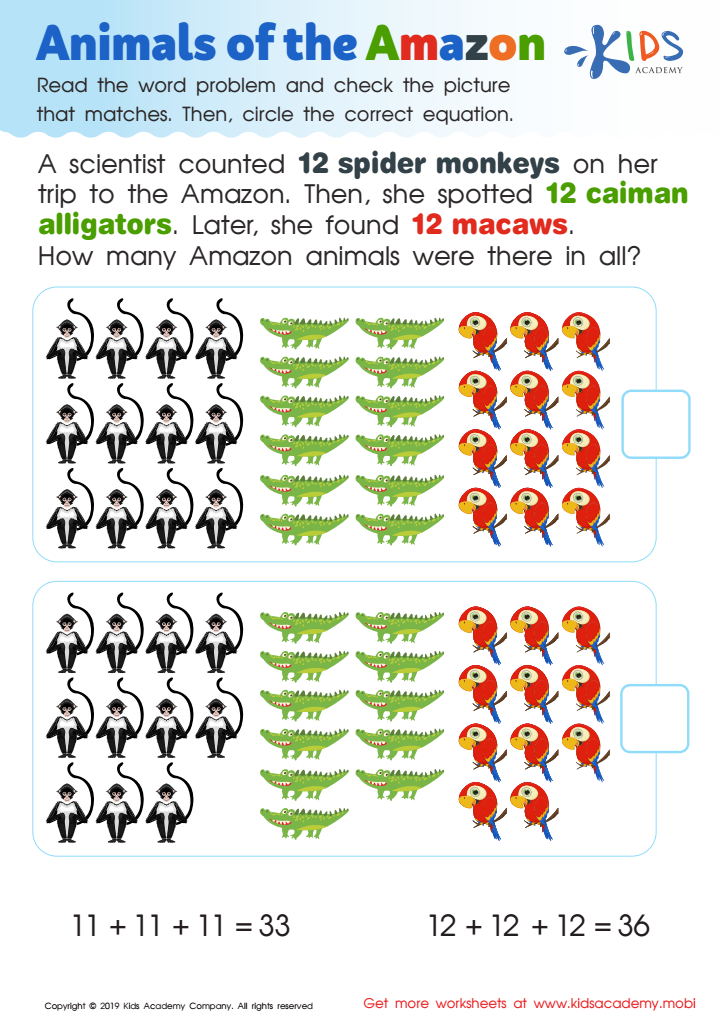
Animals of Amazon Worksheet
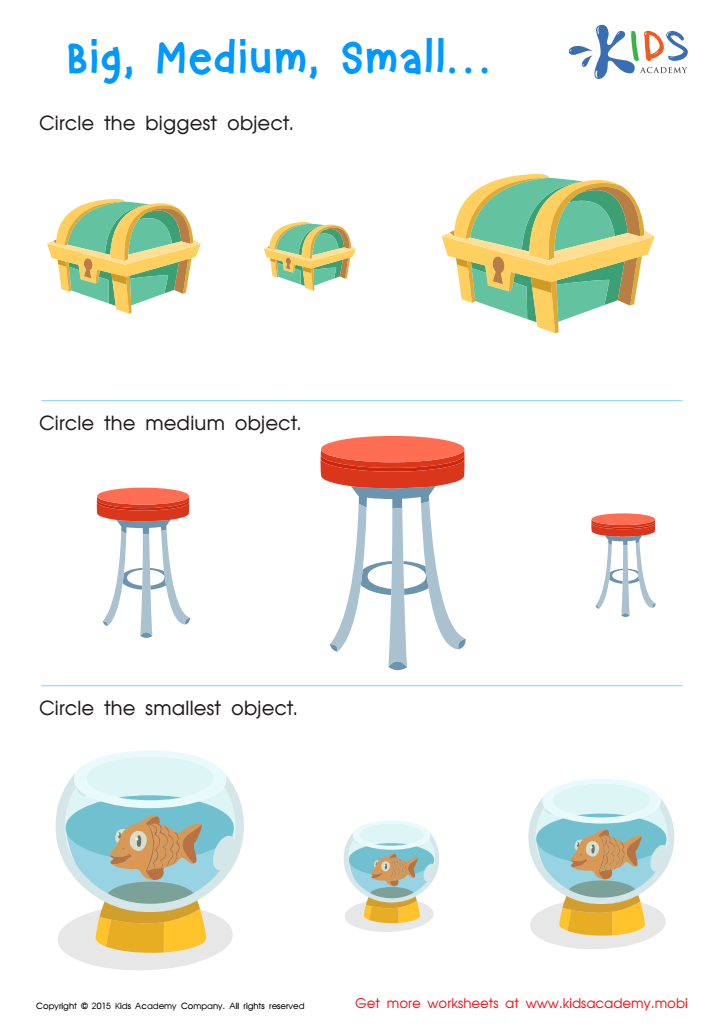
Big Medium Small Worksheet
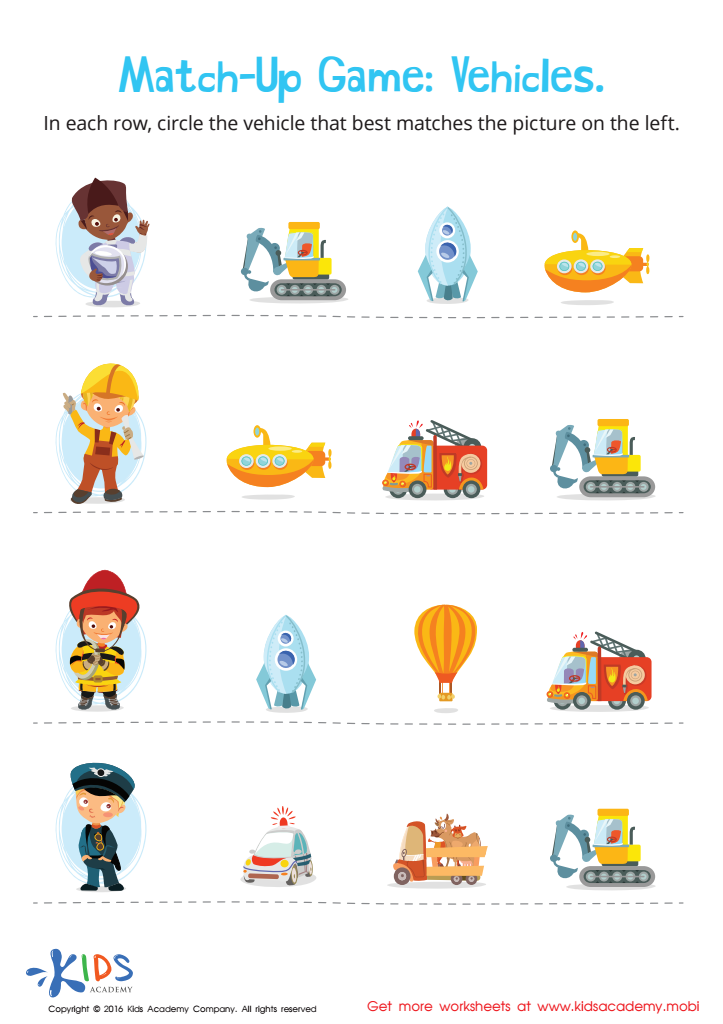
Vehicles Worksheet
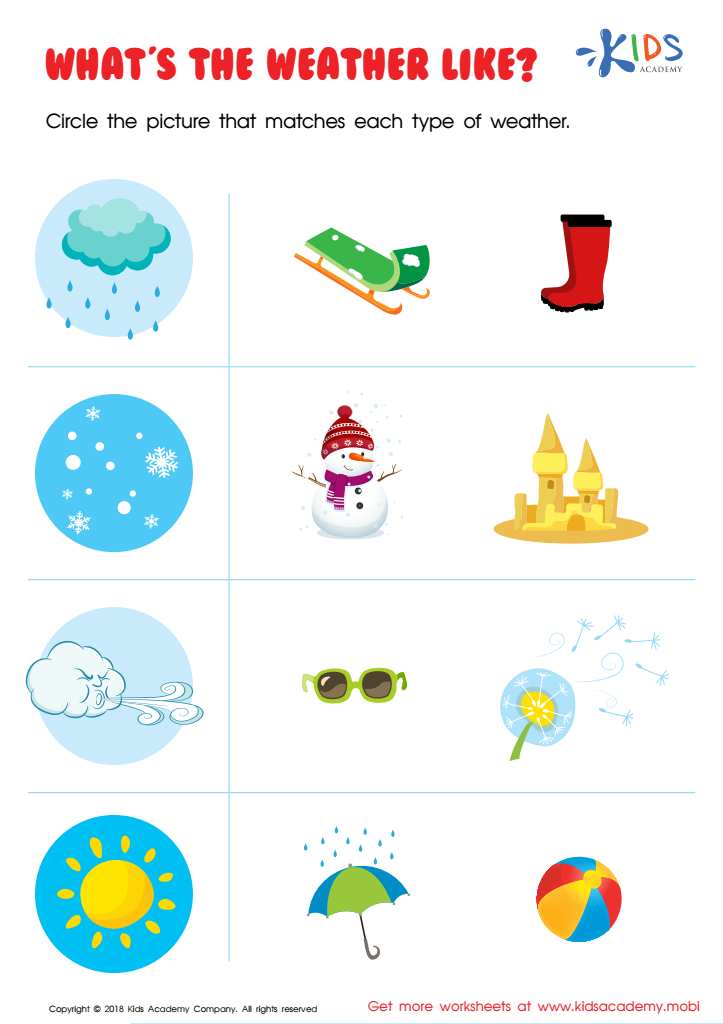
What's the Weather Like? Worksheet
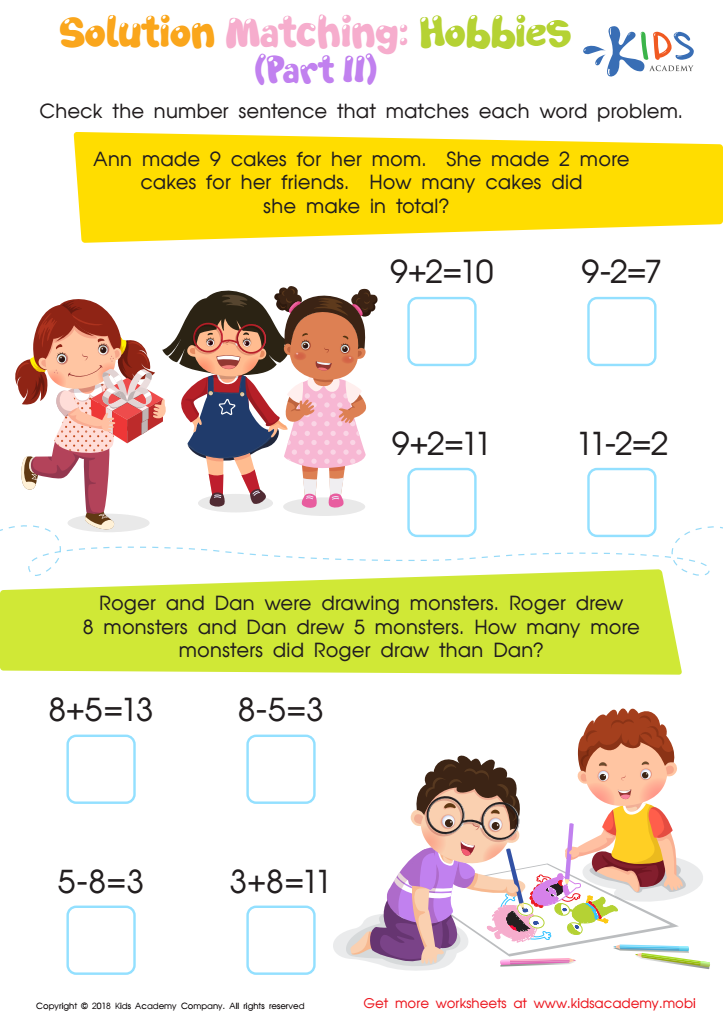
Solution Matching: Hobbies. Part 2 Worksheet


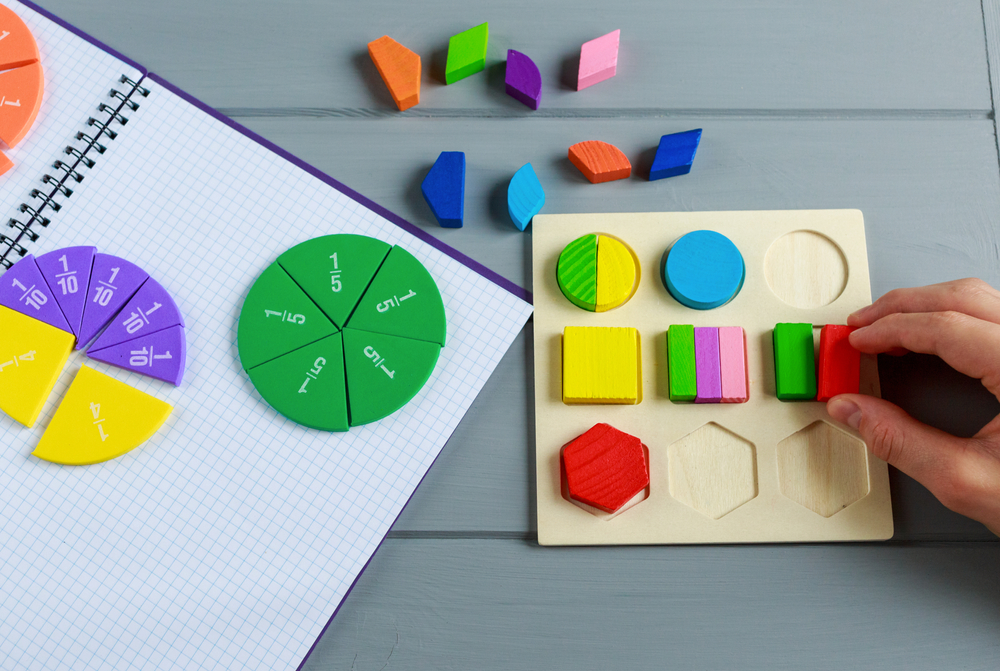





Vocabulary building in math for children aged 4-5 is crucial for several reasons. Firstly, it lays the foundation for early numeracy skills, helping children understand mathematical concepts more effectively. Young learners are just beginning to grasp words like "more," "less," "add," and "subtract," which are foundational for their math learning. Introducing age-appropriate math vocabulary equips them to articulate their thinking and engage in meaningful discussions about numbers, shapes, and patterns.
Furthermore, strong vocabulary skills enhance cognitive development. As children learn to express math concepts verbally, they also strengthen comprehension skills needed for reading and comprehension in other subjects later on. This foundational language supports problem-solving abilities, enabling them to approach tasks with confidence.
Additionally, engaging math vocabulary activities, such as playful dialogues, songs, and games, can make learning enjoyable, reducing math anxiety and fostering a positive attitude towards the subject. When parents and teachers prioritize vocabulary building in math, they contribute to a holistic educational approach that champions linguistic and cognitive growth. This investment not only supports current learning but also sets children on a path to academic success in the future, empowering them to tackle more complex math concepts as they progress.








