Animal recognition Reading Worksheets for Ages 4-5
5 filtered results
-
From - To
Explore our engaging Animal Recognition Reading Worksheets designed specifically for children aged 4-5! These fun and interactive worksheets help young learners identify various animals while enhancing their reading skills. Each activity features colorful illustrations and age-appropriate content, making learning enjoyable and effective. With a focus on animal names, sounds, and characteristics, children can build their vocabulary and comprehension in a lively way. Perfect for home or classroom use, our worksheets promote early literacy and encourage a love for reading. Contribute to your child's development by integrating these entertaining and educational resources into their learning routine today!
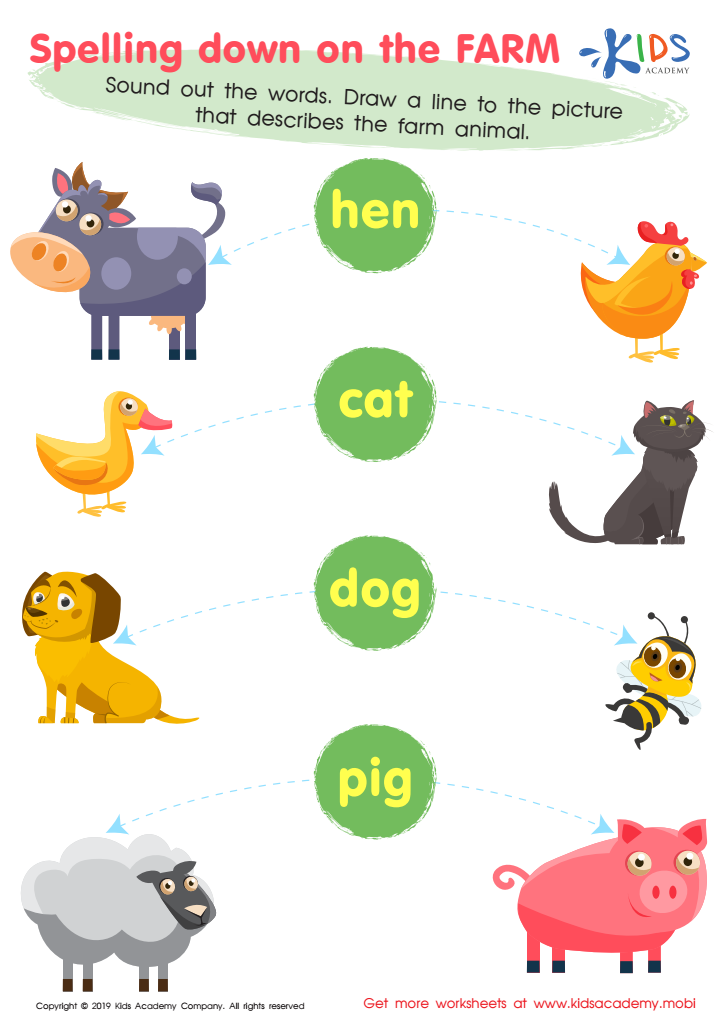
Spelling Down on the Farm Worksheet
 Assign to My Students
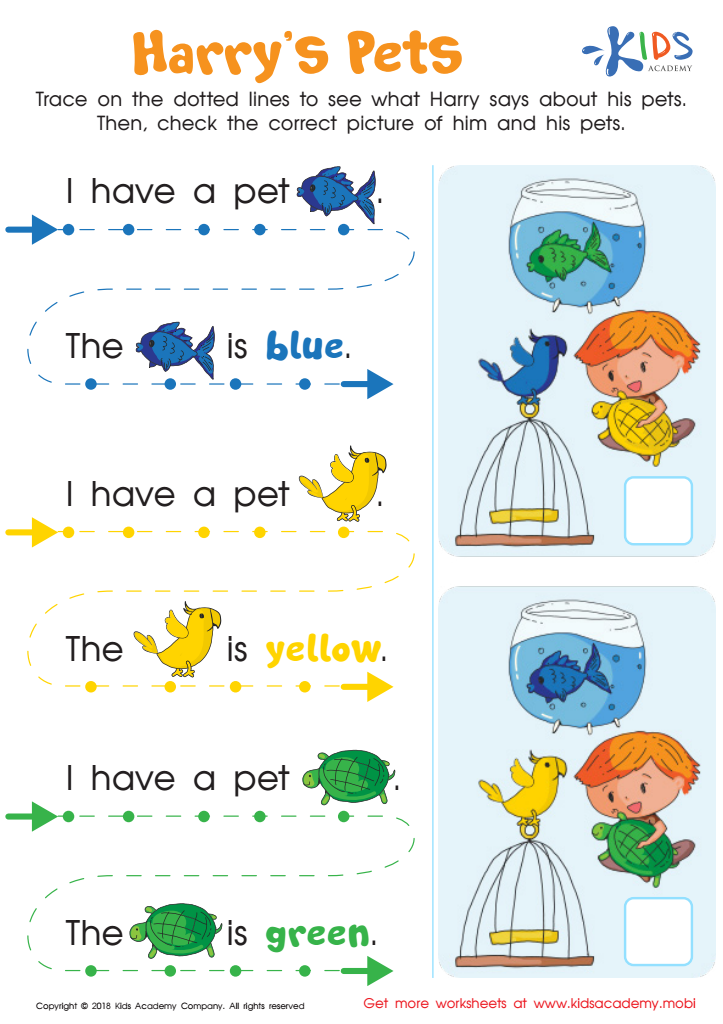
Read from Left to Right: Harry's Pets Worksheet
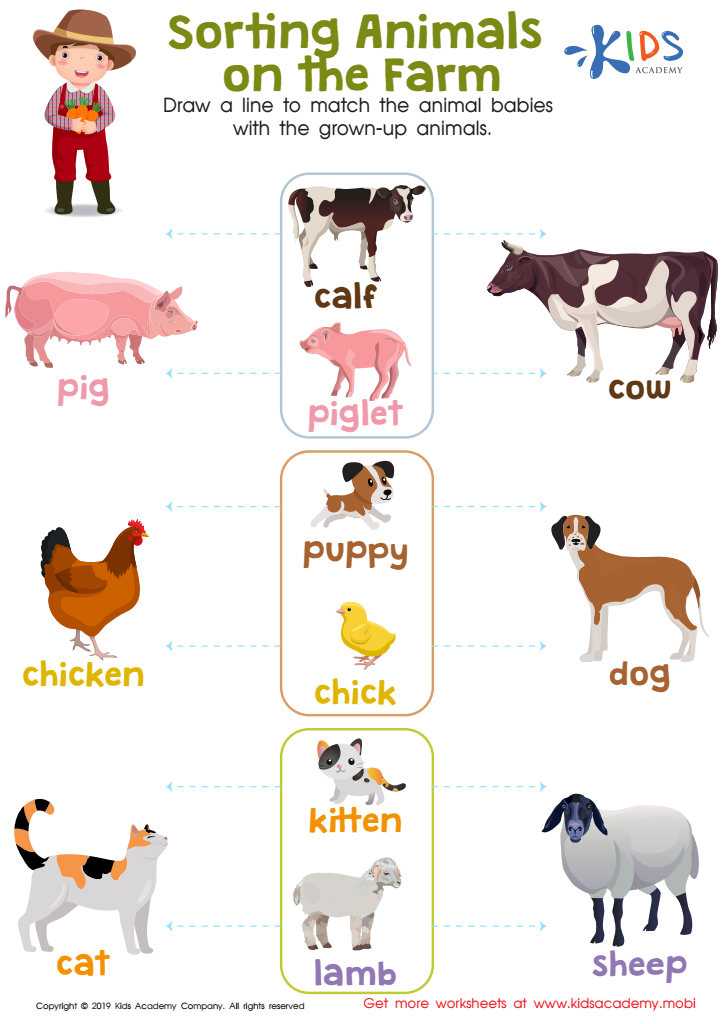
Sorting Animals on the Farm Worksheet
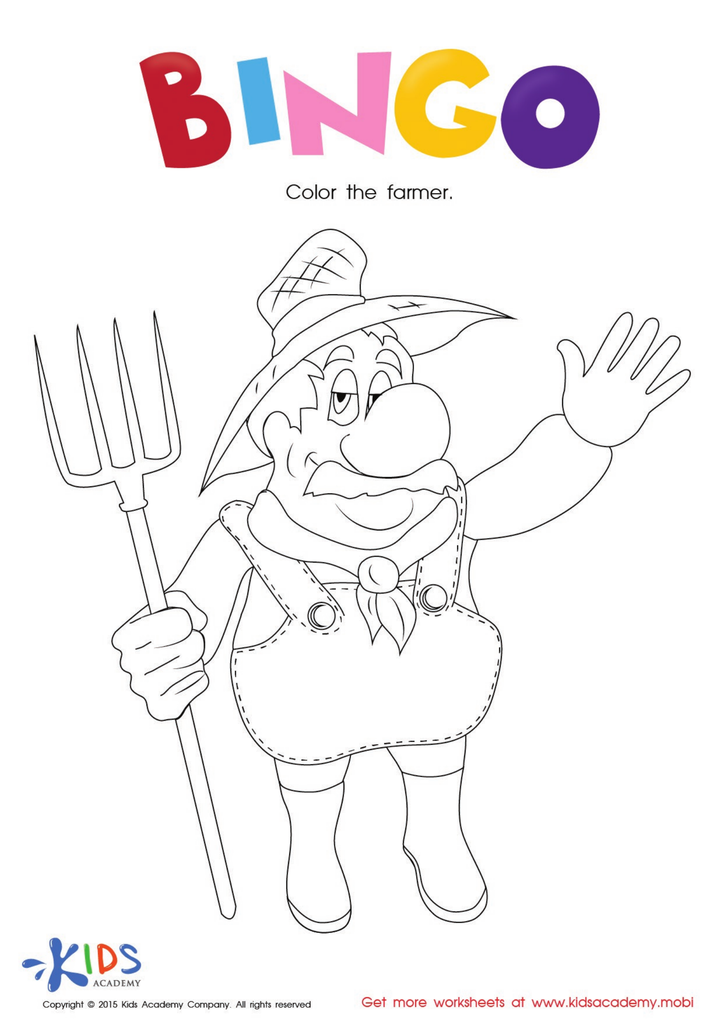
The Bingo Song: Coloring The Farmer Worksheet
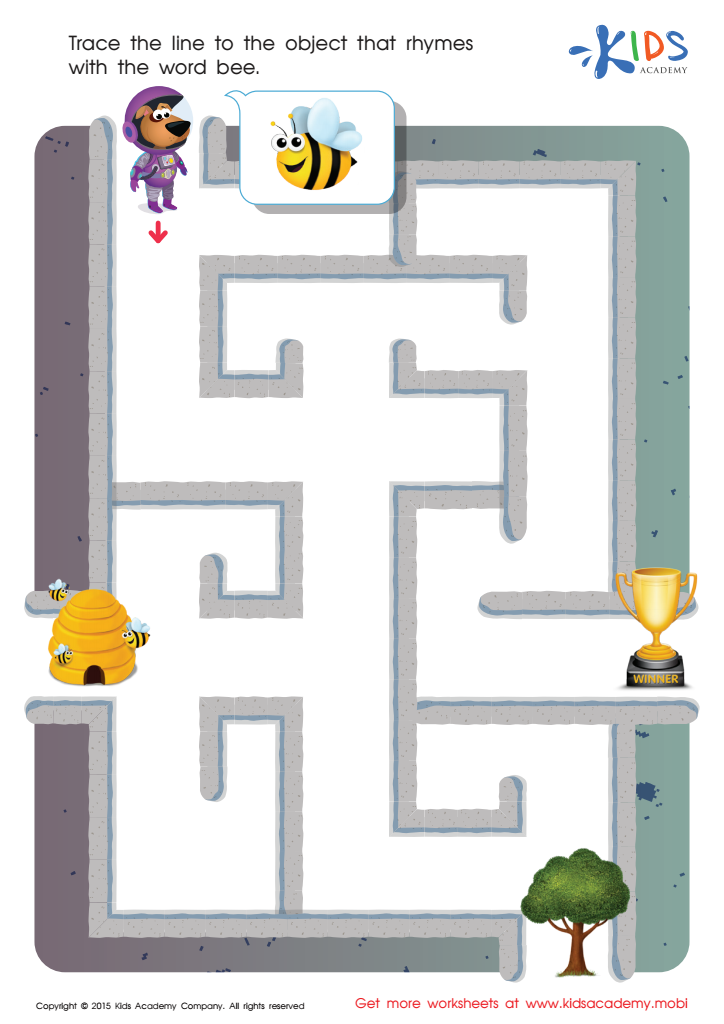
Bee Rhyming Words Worksheet


.jpg)



Animal recognition reading for children ages 4-5 is an essential aspect of early literacy development that parents and teachers should prioritize. At this developmental stage, children are naturally curious and eager to explore the world around them. Introducing them to animal recognition through reading not only captivates their interest but also fosters critical cognitive skills.
Reading about different animals enhances vocabulary, as children learn names, characteristics, and behaviors associated with various species. This early exposure to language and concepts forms the foundation for future literacy skills, including comprehension and storytelling. Moreover, animal books often incorporate vivid illustrations, stimulating visual learning and encouraging children to make connections between the text and images.
Additionally, such reading fosters emotional intelligence as children learn about empathy and the importance of care for living creatures. It inspires curiosity and encourages discussions about habitats, ecosystems, and conservation. Through engaging stories, children can also explore social dynamics present in animal behaviors, providing valuable lessons in cooperation and understanding.
Ultimately, by investing time in animal recognition reading, parents and teachers nurture a love for learning, enhance literacy skills, and cultivate a deeper understanding of the world, setting a strong educational foundation for lifelong learning.








