Shape Recognition Reading Worksheets for Ages 4-5
7 filtered results
-
From - To
Introduce young learners to the world of shapes with our engaging Shape Recognition Reading Worksheets designed for ages 4-5! These worksheets provide a fun and interactive way for children to develop essential reading skills while exploring a variety of shapes. Each worksheet features delightful illustrations and simple language to capture the attention of early learners, fostering both shape recognition and vocabulary building. Perfect for home or classroom use, these printables encourage critical thinking and creativity as children identify, color, and connect shapes with related words. Help your child build a strong foundational understanding of shapes and improve their reading skills with our thoughtfully crafted resources!
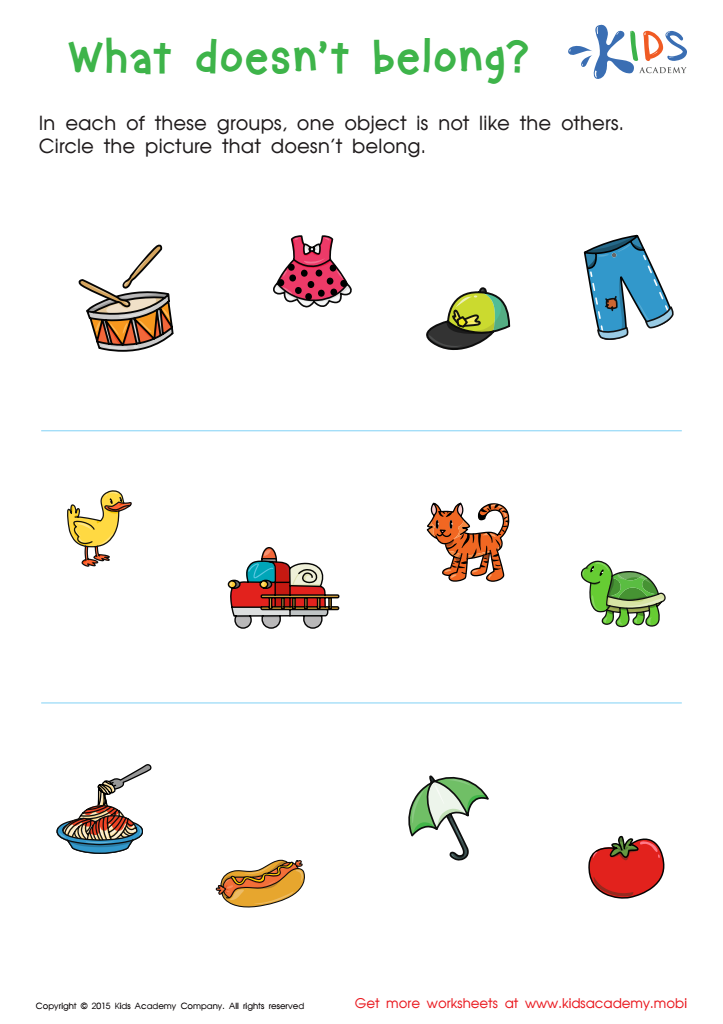
First Words: What Doesn't Belong Worksheet
 Assign to My Students
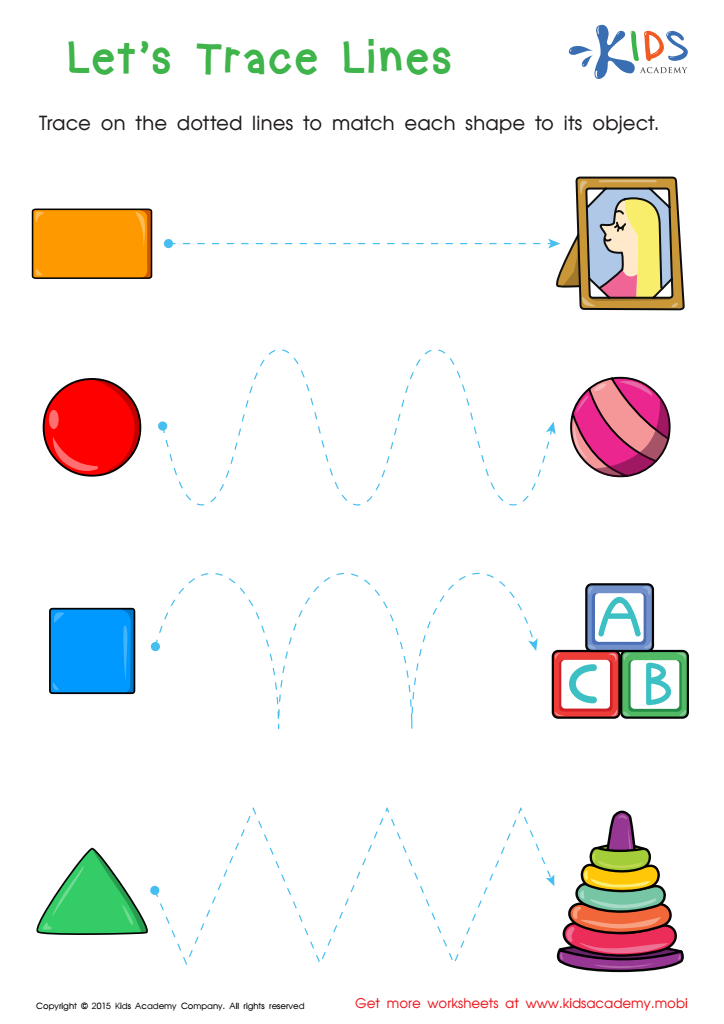
First Words: Let's Trace Lines Worksheet
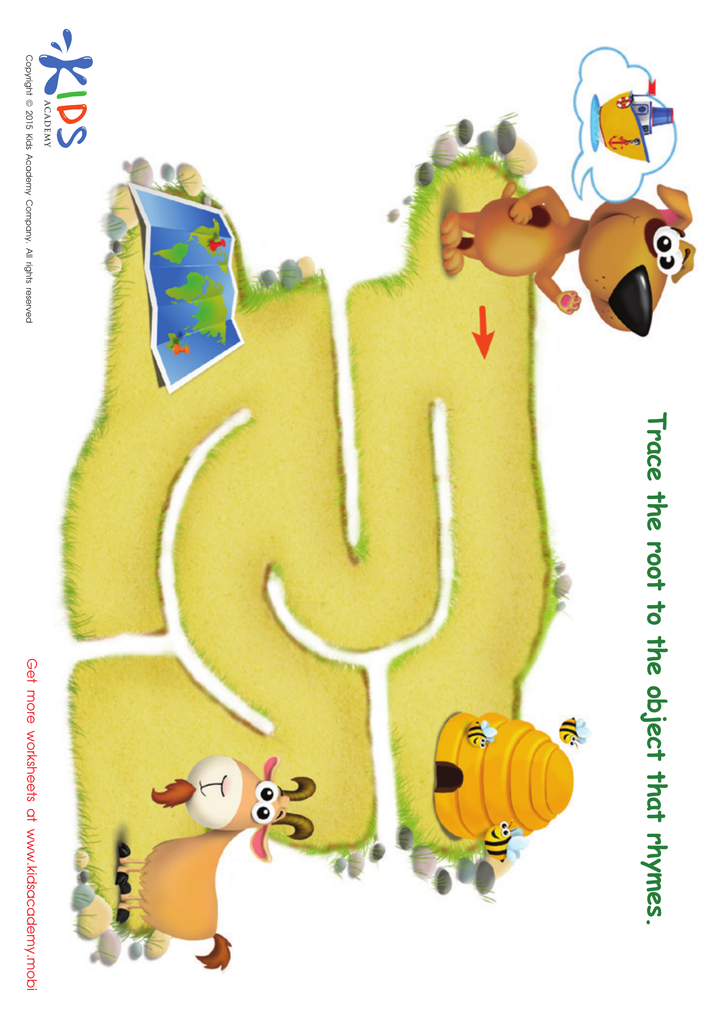
Boat Rhyming Words Worksheet
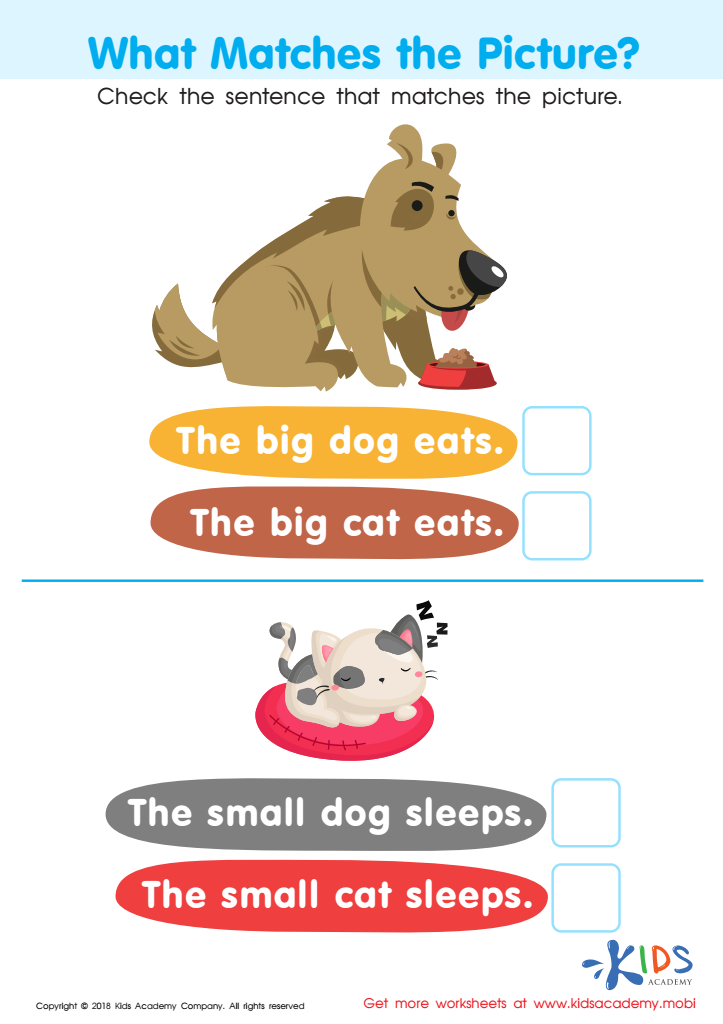
What Matches the Picture? Worksheet
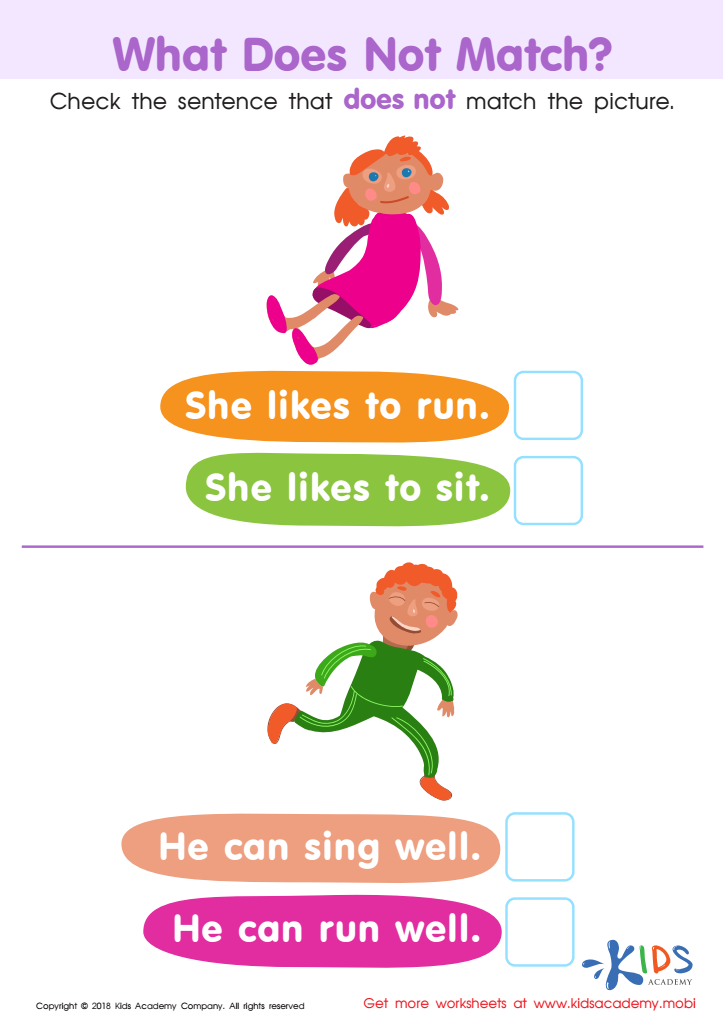
What Does Not Match? Worksheet
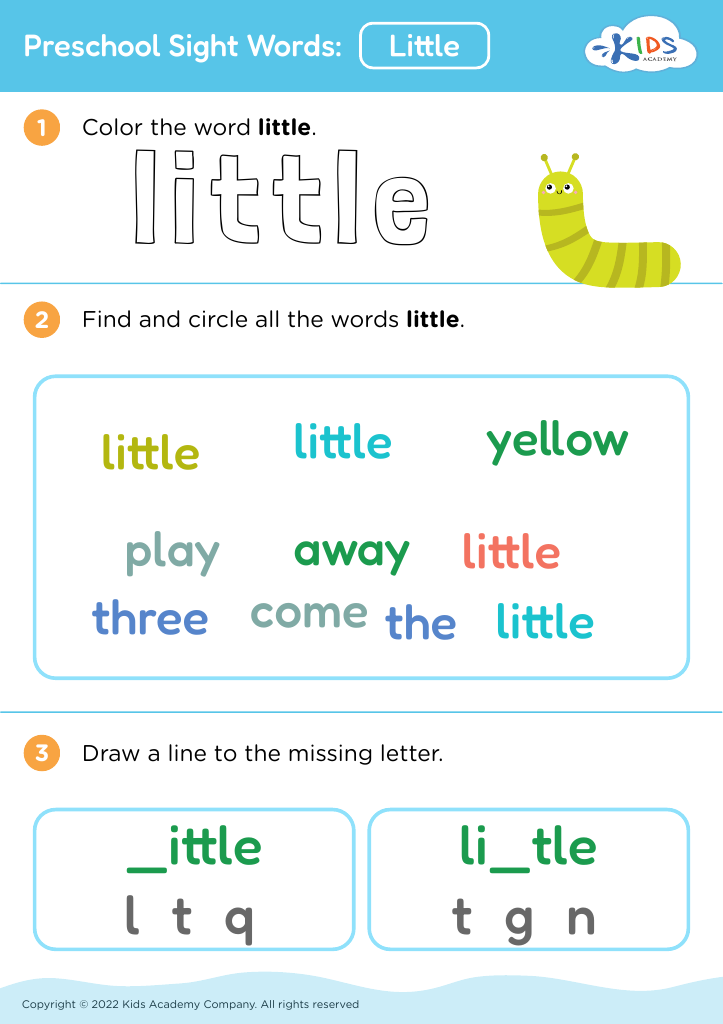
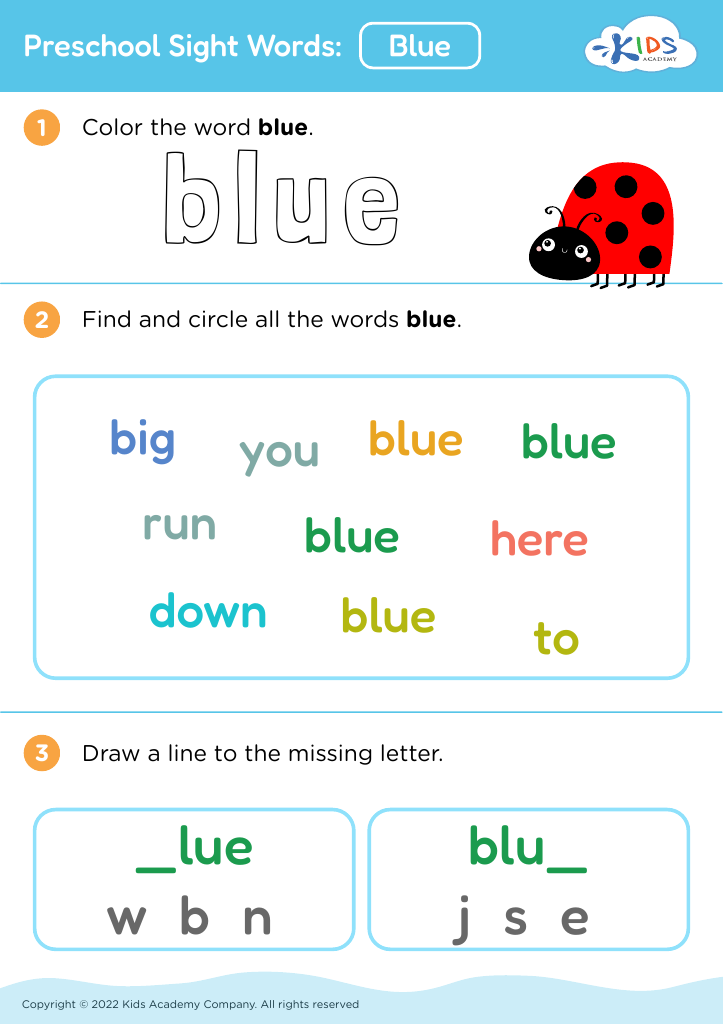








Shape recognition is a critical foundational skill for children aged 4-5. It serves as a building block for more complex cognitive processes, influencing their readiness for reading and math. Understanding shapes enhances children’s ability to identify patterns, categorize objects, and ultimately recognize letters and words, as many letters are composed of basic geometric shapes like circles and lines.
When parents and teachers prioritize shape recognition, they are fostering essential visual discrimination skills necessary for reading. Early experiences with shapes can also facilitate language development, as children learn to articulate shapes and describe their attributes. This vocabulary expansion helps create more complex storytelling and comprehension capabilities in literacy.
Moreover, engaging with shapes is fun and interactive, making learning enjoyable and relatable. Games, songs, and hands-on activities can reinforce these concepts naturally, promoting a positive attitude toward learning.
By establishing strong shape recognition skills, parents and teachers are not just developing future readers but also nurturing critical thinking, problem-solving skills, and the cognitive flexibility needed for lifelong learning. Ultimately, shape recognition is much more than a basic concept; it is a stepping stone to a wide range of academic and personal skills that children will use throughout their lives.








