Vocabulary Building Reading Worksheets for Ages 4-5
5 filtered results
-
From - To
Our engaging Vocabulary Building Reading Worksheets for ages 4-5 make learning new words exciting and fun. Through a variety of interactive activities, children will enhance their vocabulary, boost reading comprehension, and cultivate a love for language. These printable worksheets are expertly designed to support early learners in identifying, understanding, and using new words in various contexts. By integrating playful illustrations and relatable scenarios, our resources ensure that vocabulary development feels natural and enjoyable. Perfect for preschoolers and kindergartners, these worksheets provide the foundation for confident communication and bring future academic success within your child’s reach. Discover endless learning possibilities today!
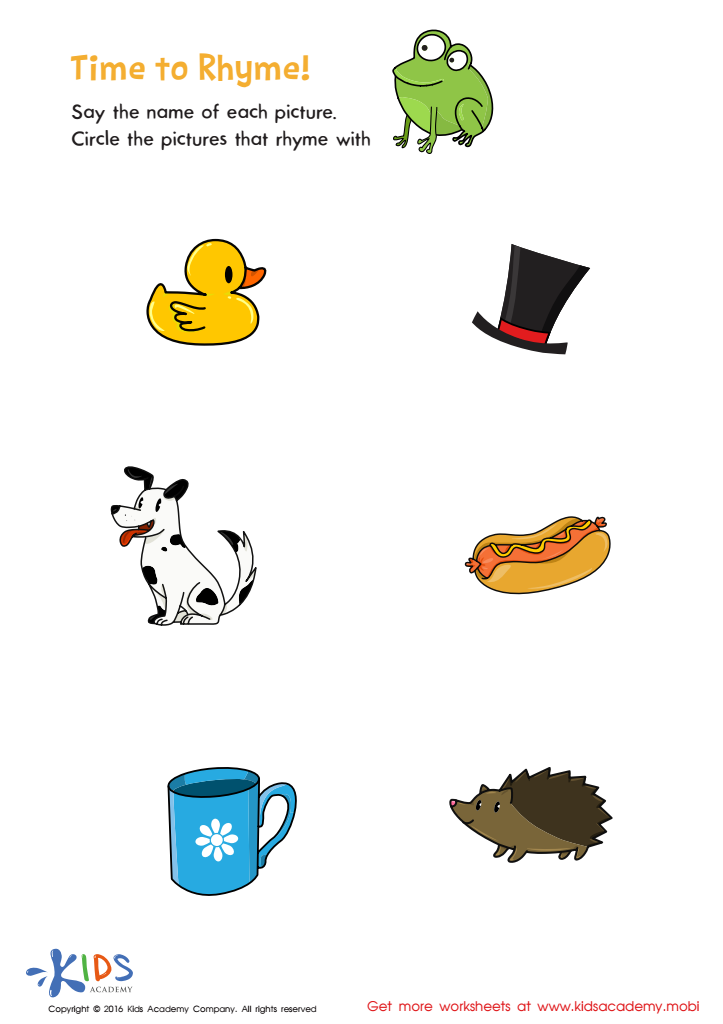
Rhyming Worksheet: Time to Rhyme Rhyming Worksheet
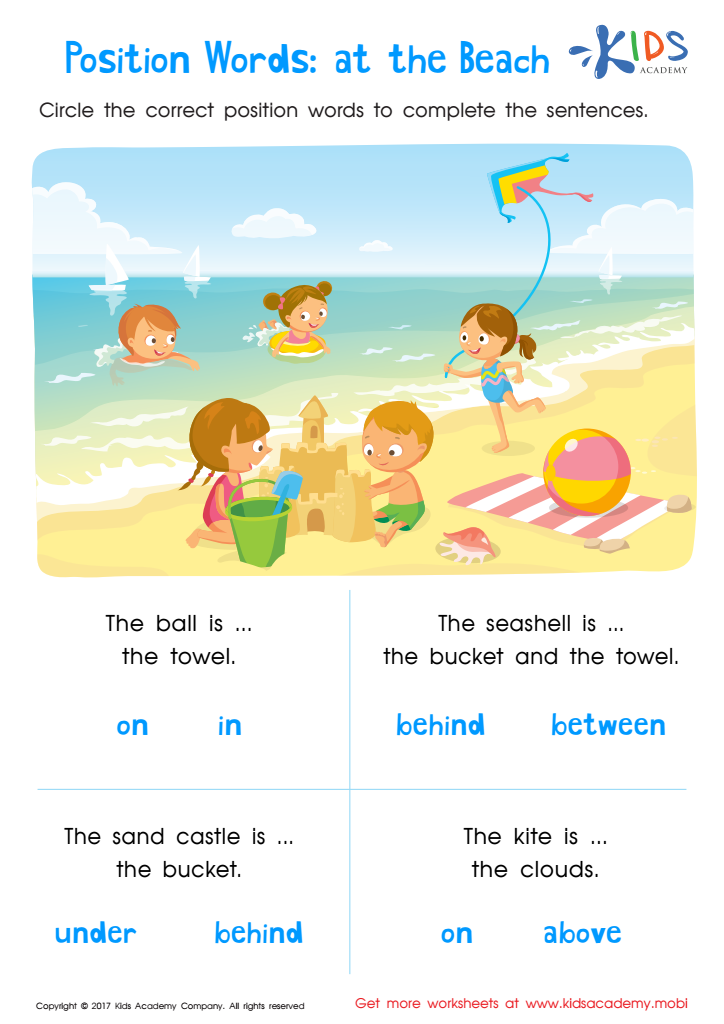
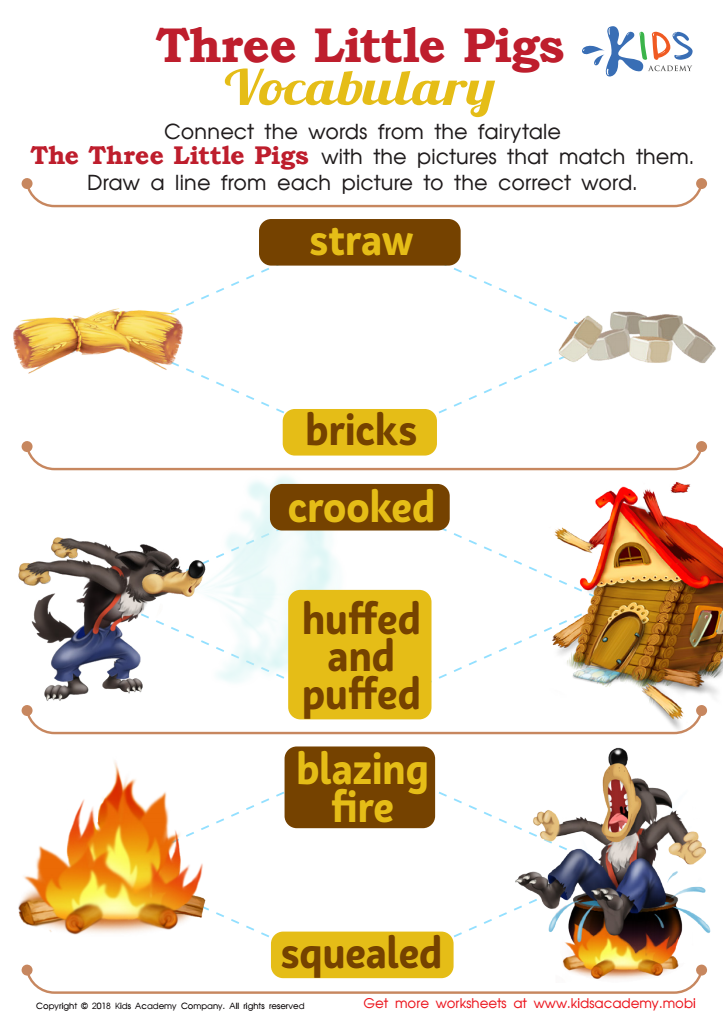
Three Little Pigs Vocabulary Worksheet
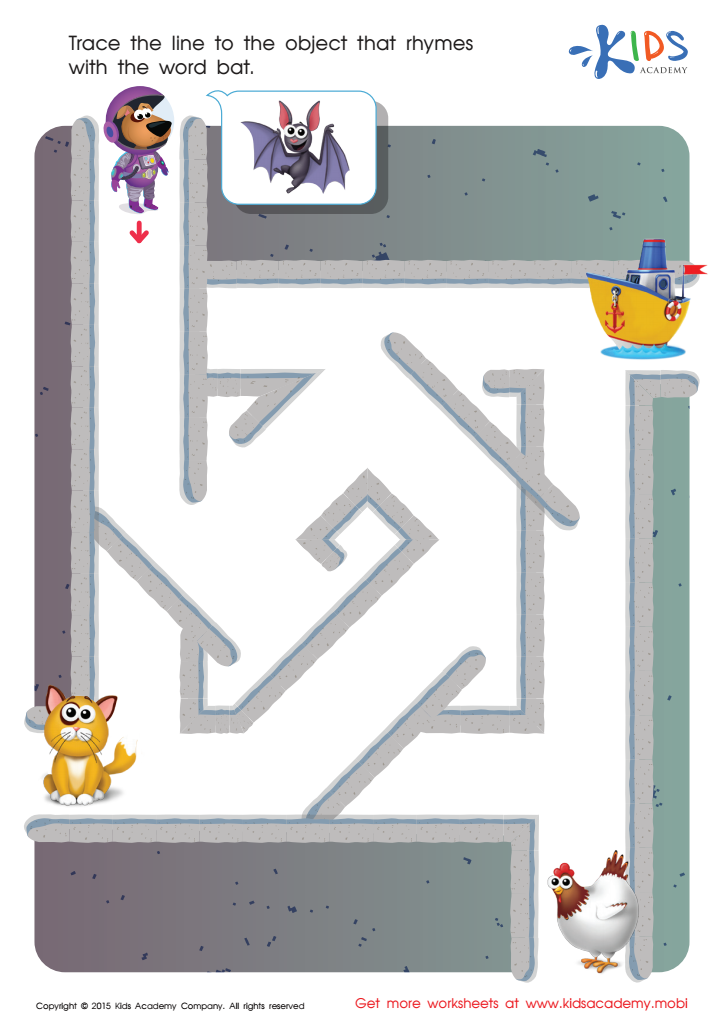
Bat Rhyming Words Worksheet
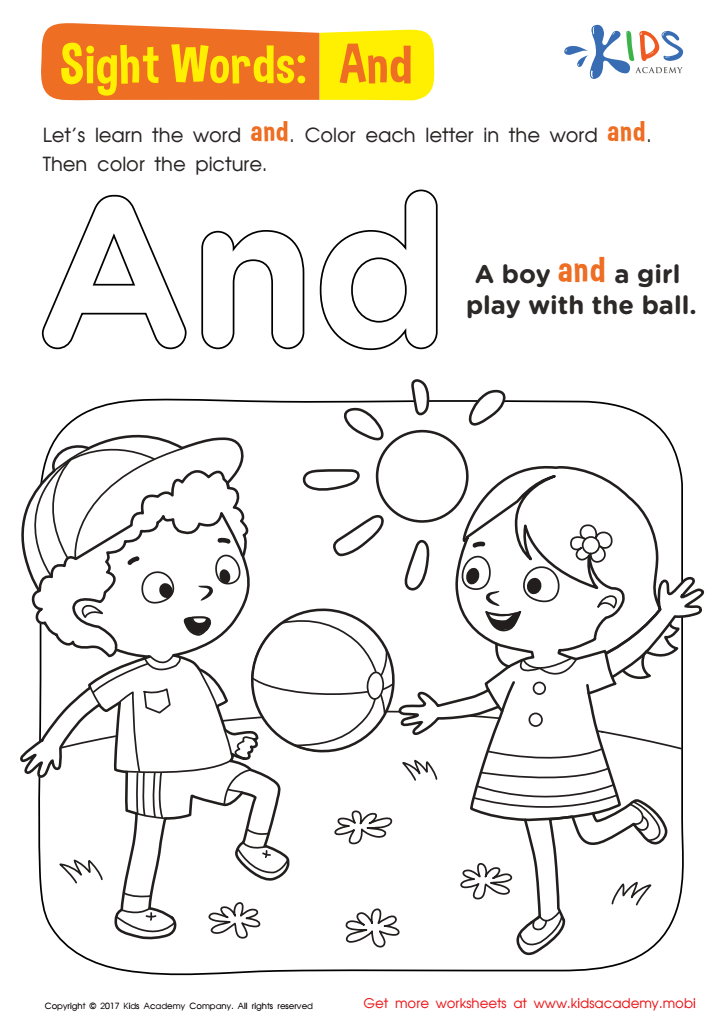
And Worksheet Sight Words Worksheet
 Assign to My Students





Vocabulary building at ages 4-5 is immensely significant for children's overall development. At this age, children's brains are rapidly developing, and they are highly receptive to learning new words. Developing a robust vocabulary early on helps children express their thoughts, emotions, and needs clearly, which in turn boosts their confidence and social skills.
For parents and teachers, focusing on vocabulary building also lays the groundwork for future academic success. A rich vocabulary improves reading comprehension, an essential skill for all other learning areas. When children understand the words they read, they are better able to grasp complex concepts in science, math, and social studies later on.
Moreover, engaging in vocabulary-rich activities, such as reading aloud or interactive storytelling, fosters a love for reading and learning. This helps create positive associations with education from an early age, potentially influencing lifelong learning habits.
In summary, prioritizing vocabulary building for children aged 4-5 is crucial because it supports their cognitive development, enhances communication skills, and sets the stage for academic and social success. Parents and teachers should therefore integrate rich, varied language experiences into young children's daily activities to unlock their full potential.








