Cognitive Development Geometry Worksheets for Ages 4-6
18 filtered results
-
From - To
Explore our engaging Cognitive Development Geometry Worksheets designed specifically for children ages 4-6! These worksheets promote essential cognitive skills while introducing young learners to the fascinating world of shapes and spatial awareness. Through fun activities like tracing, sorting, and pattern recognition, children will enhance their critical thinking and problem-solving abilities. Our thoughtfully crafted materials cater to varying skill levels, ensuring that every child can learn at their own pace. Perfect for both classroom and home use, these worksheets provide a valuable resource for nurturing a strong foundation in geometry while fostering a love for learning in your child. Start shaping young minds today!
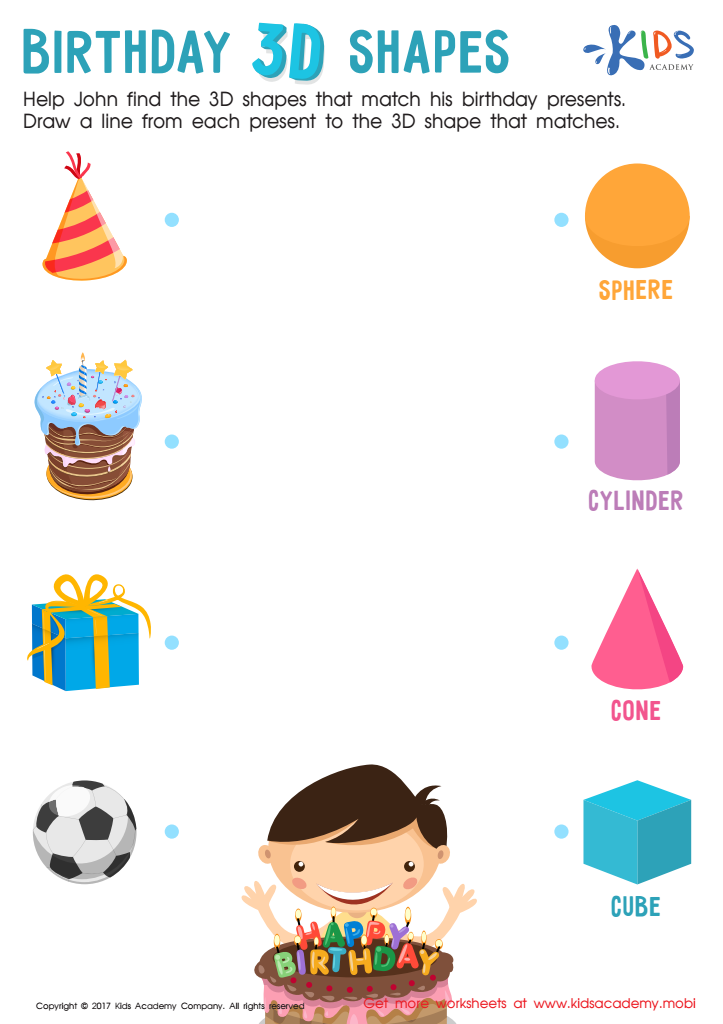
Birthday 3D Shapes Worksheet
 Assign to My Students











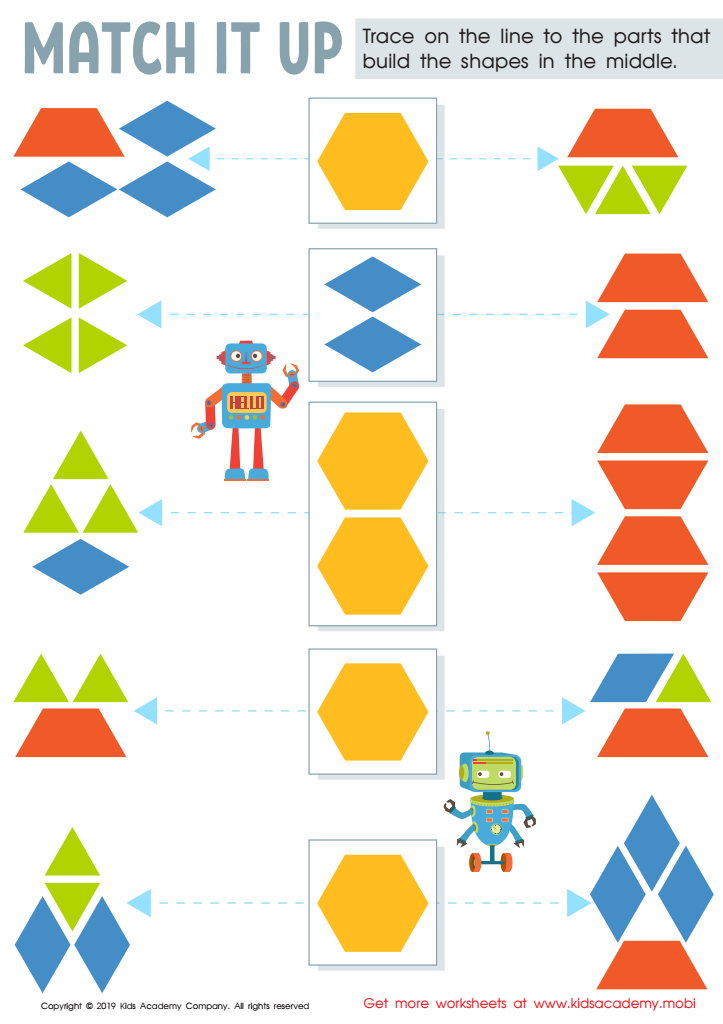
Match It up Worksheet
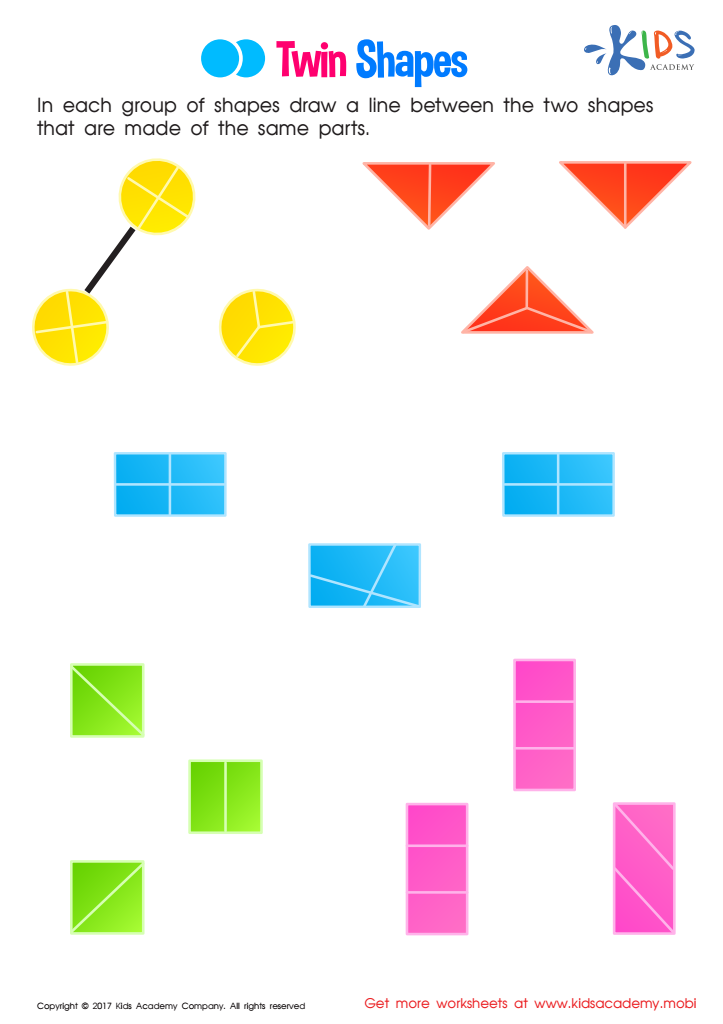
Twin Shapes Worksheet
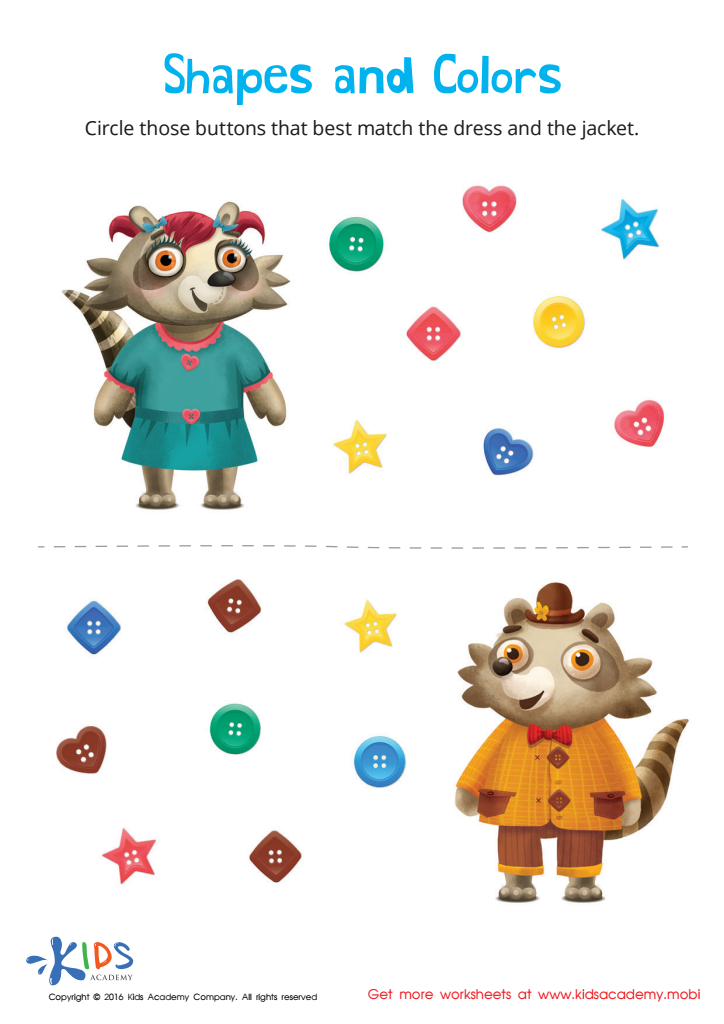
Matching: Shapes and Colors Worksheet
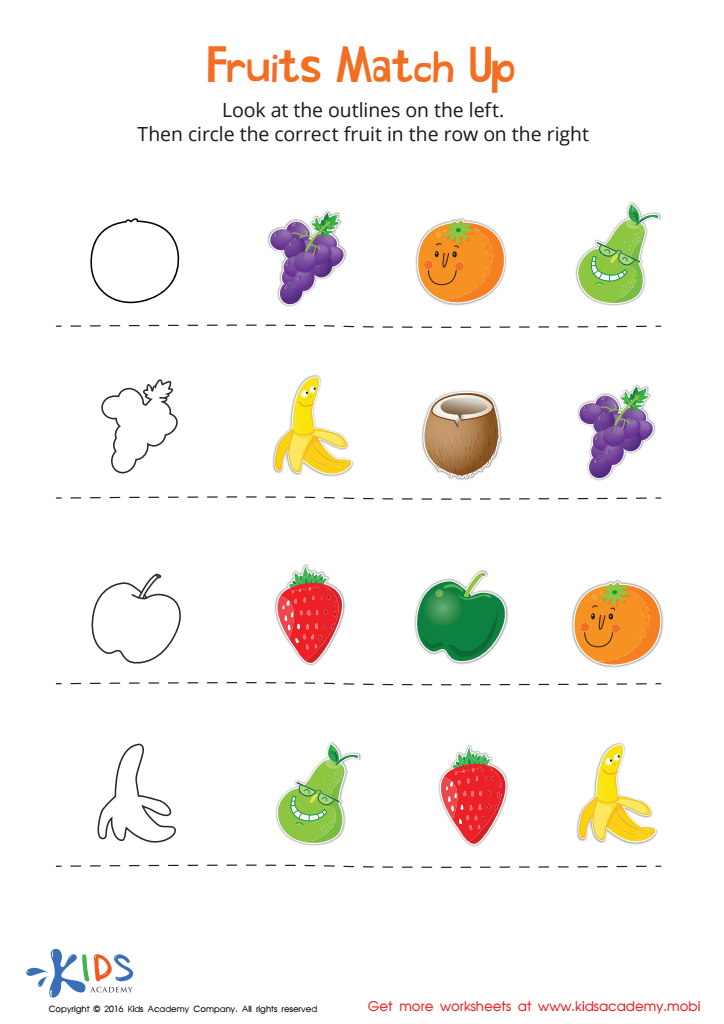
Fruits Match Up Worksheet
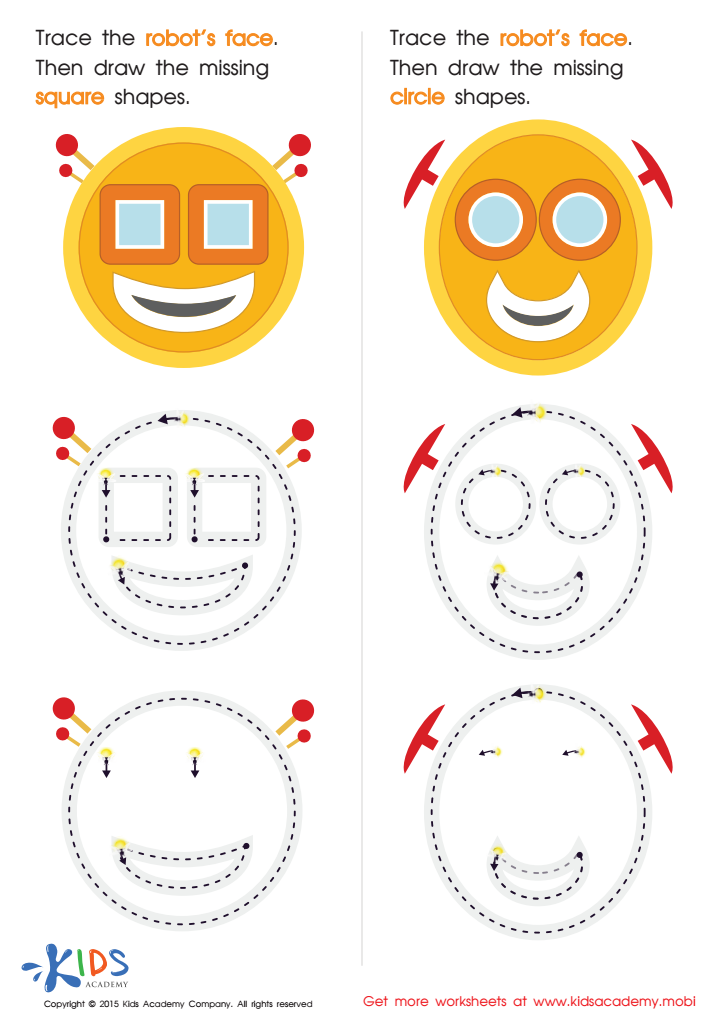
Practicing to Draw Circles And Squares Printable
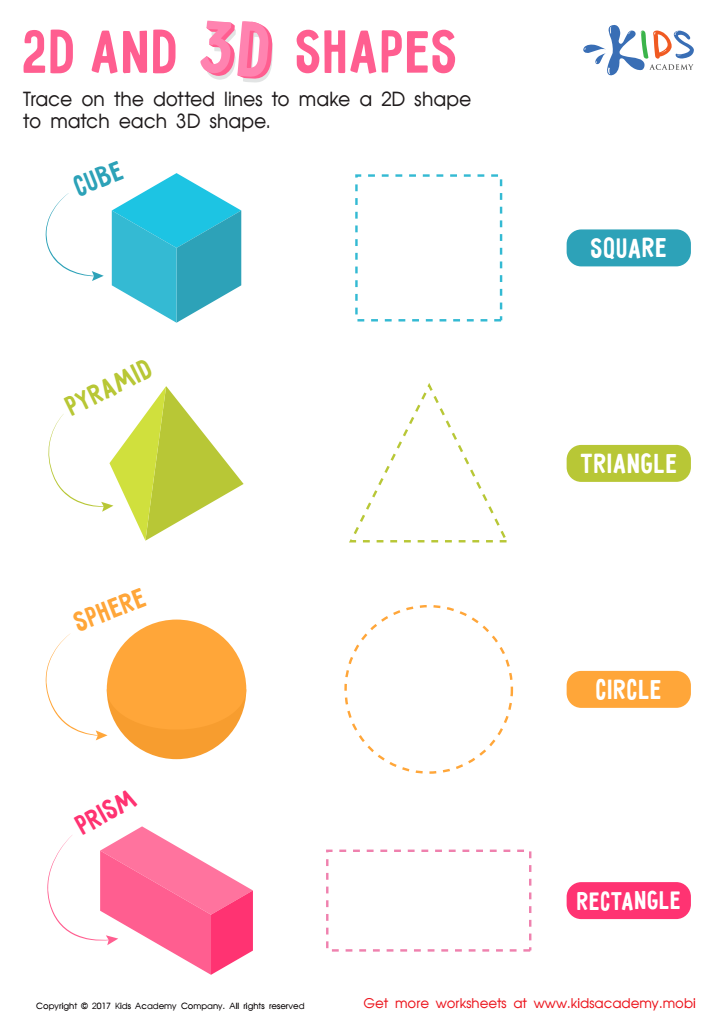
2D and 3D Shapes Worksheet
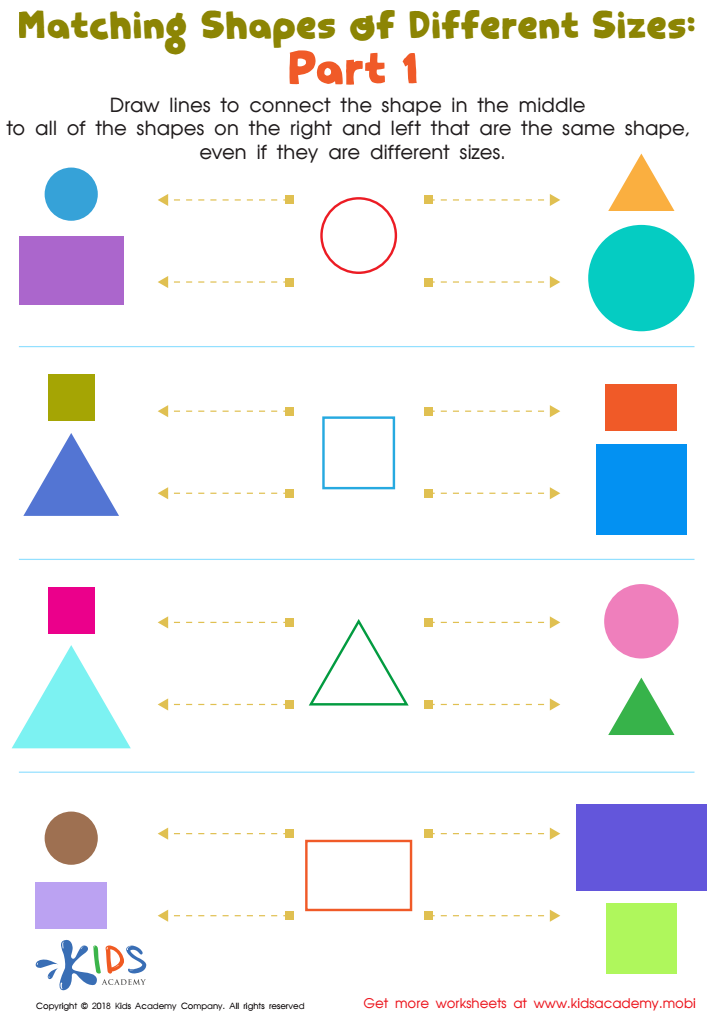
Geometry: part 1 Worksheet
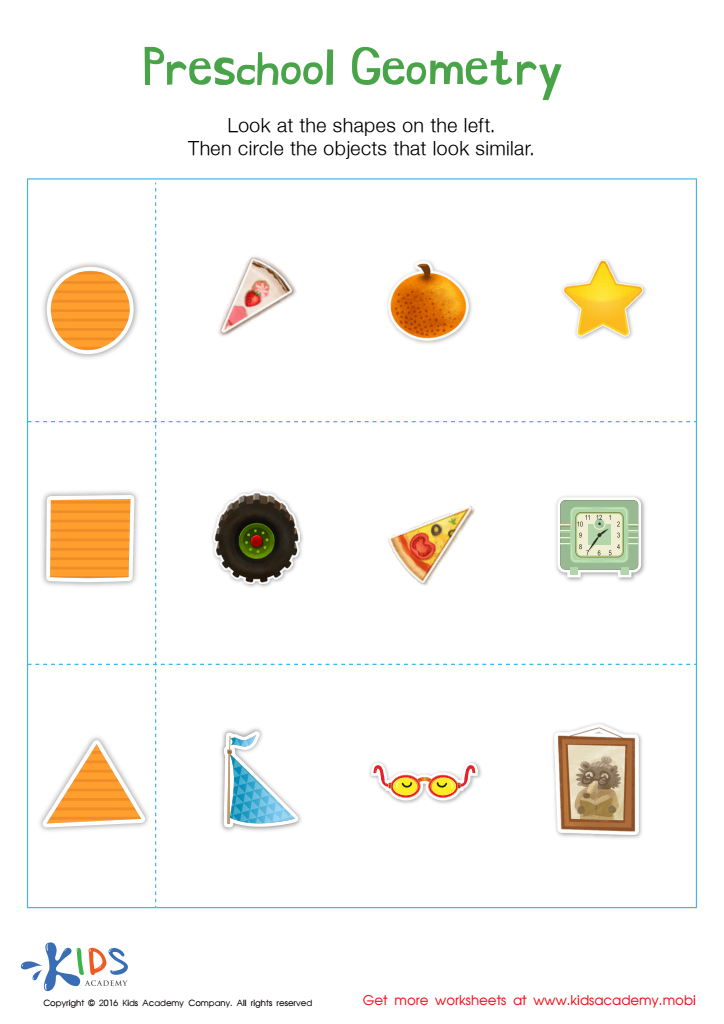
Preschool Geometry Match Up Worksheet
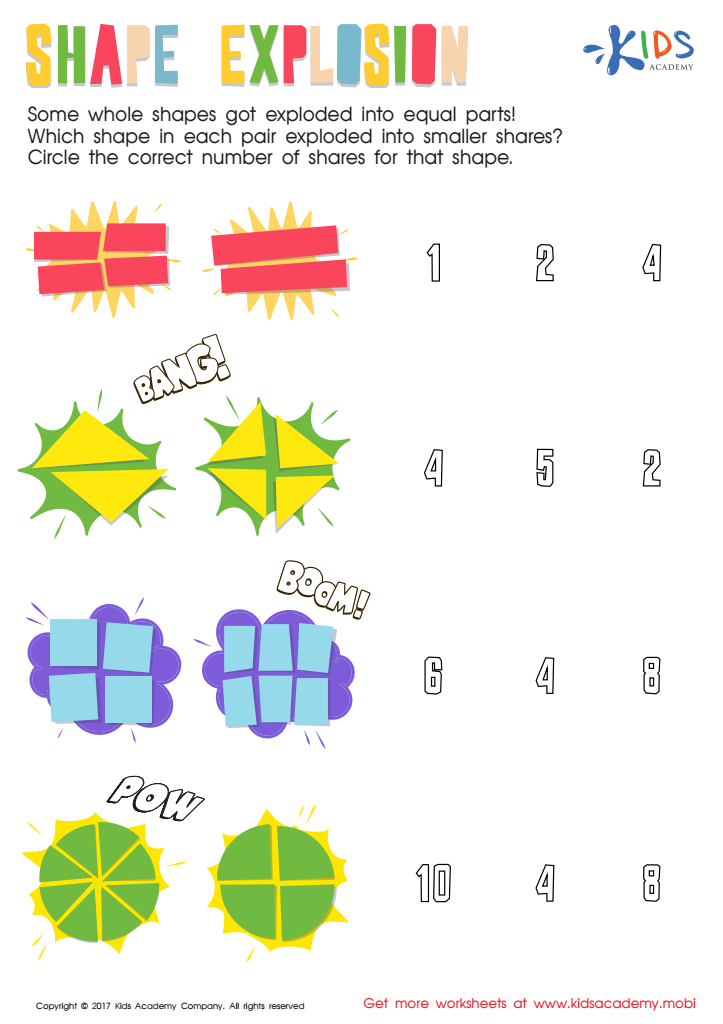
Shape Explosion Worksheet
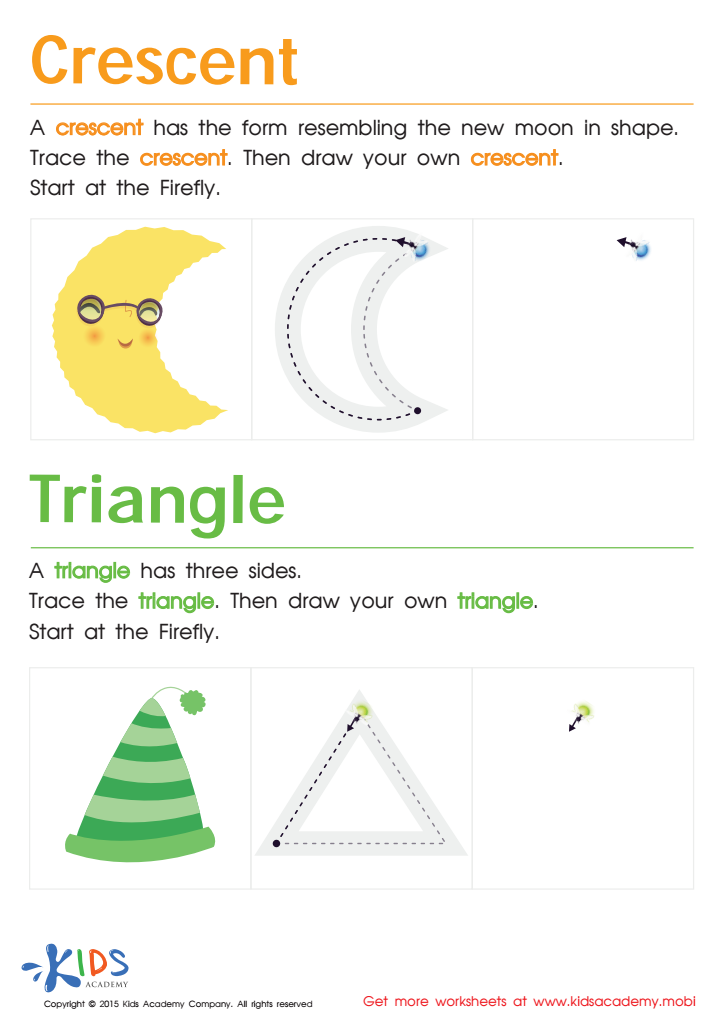
Learning to Draw Crescents And Triangles Worksheet
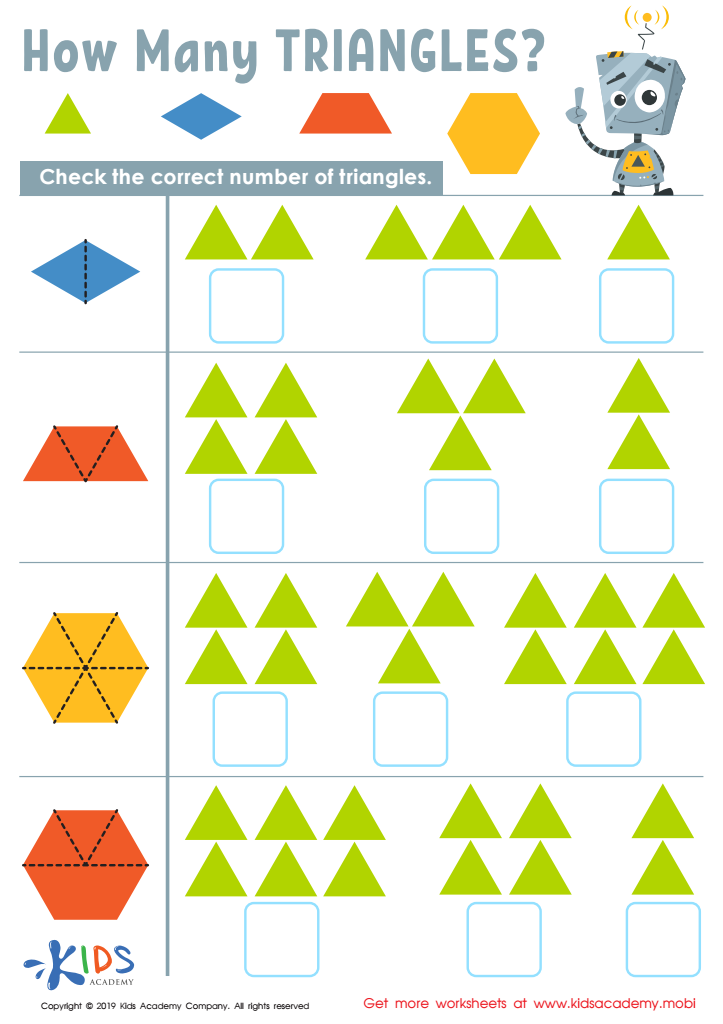
How Many Triangles Worksheet
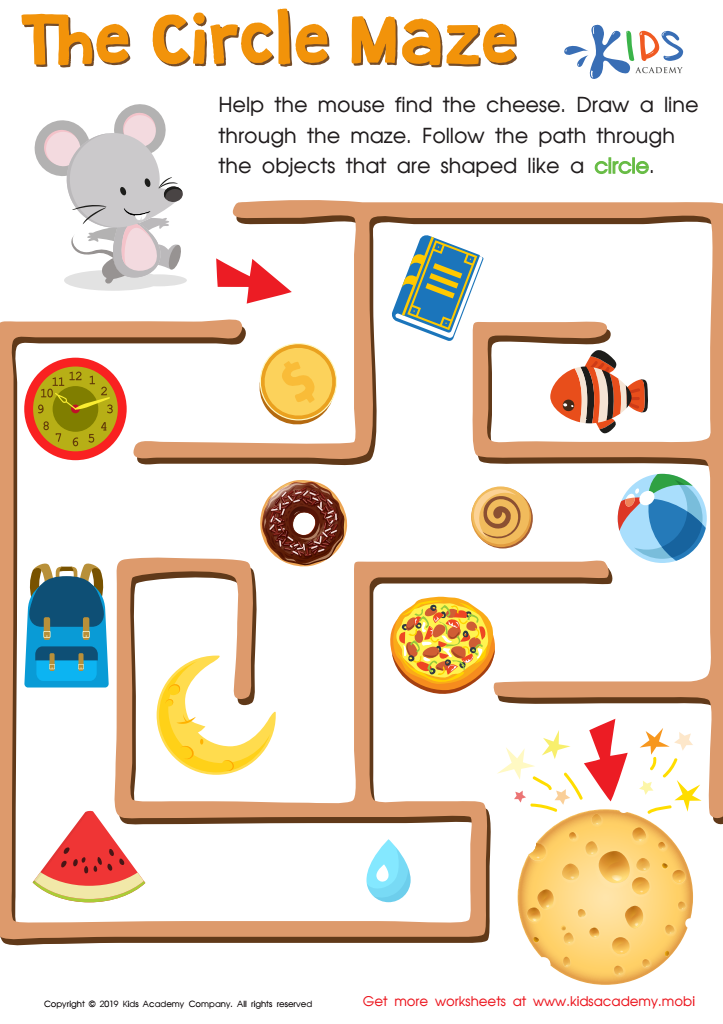
The Circle Maze Worksheet
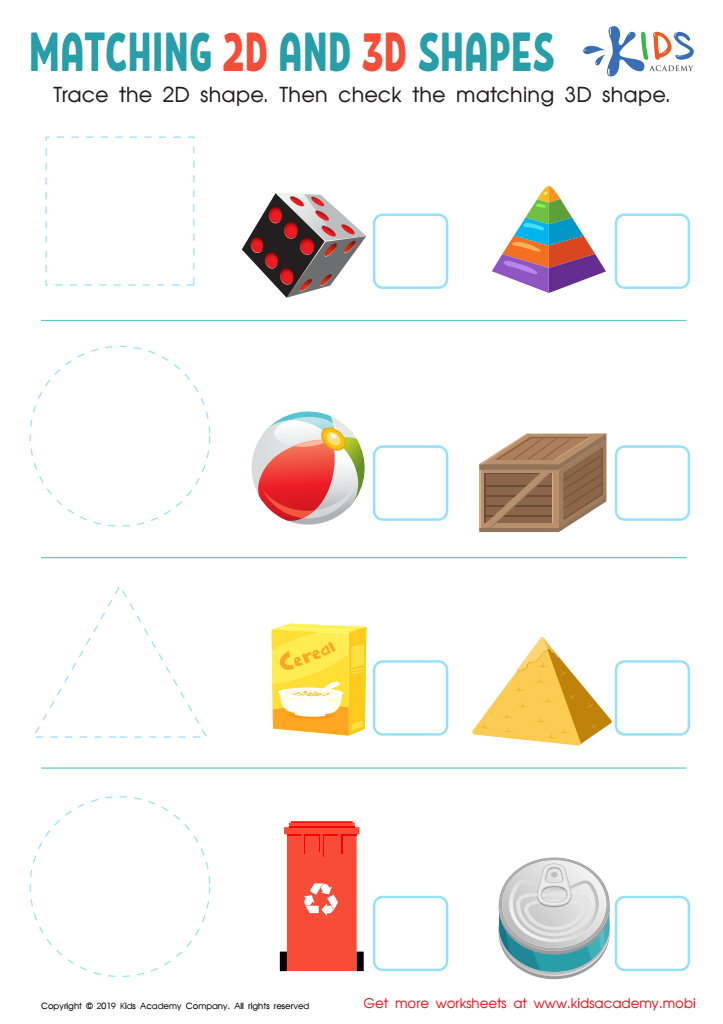
Matching 2D and 3D Shapes Worksheet
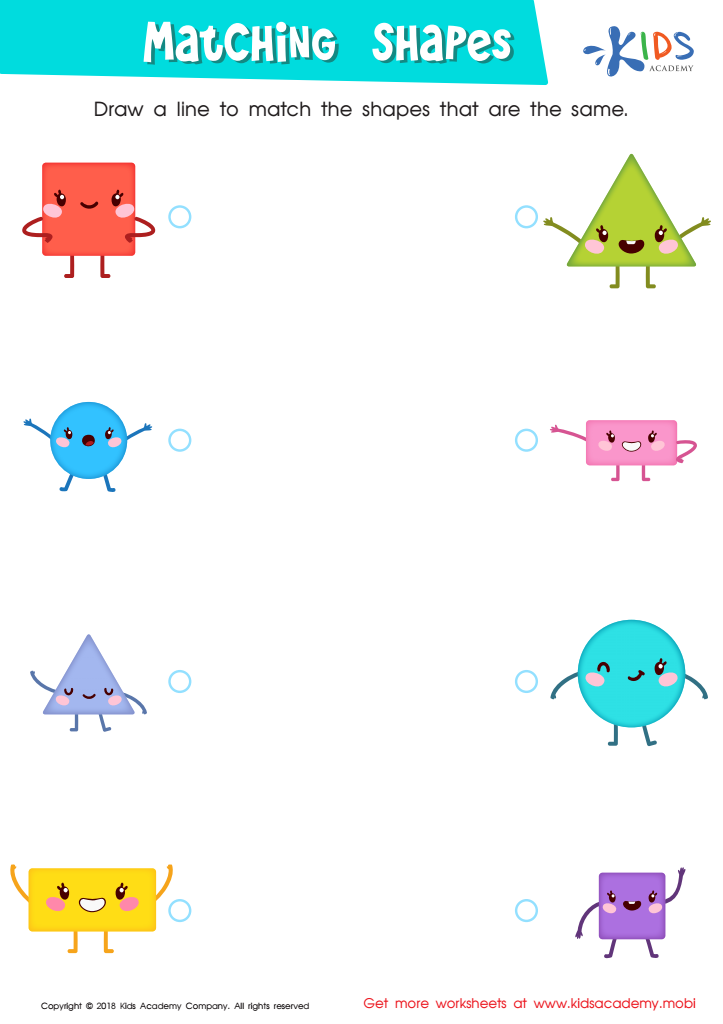
Matching Shapes Worksheet
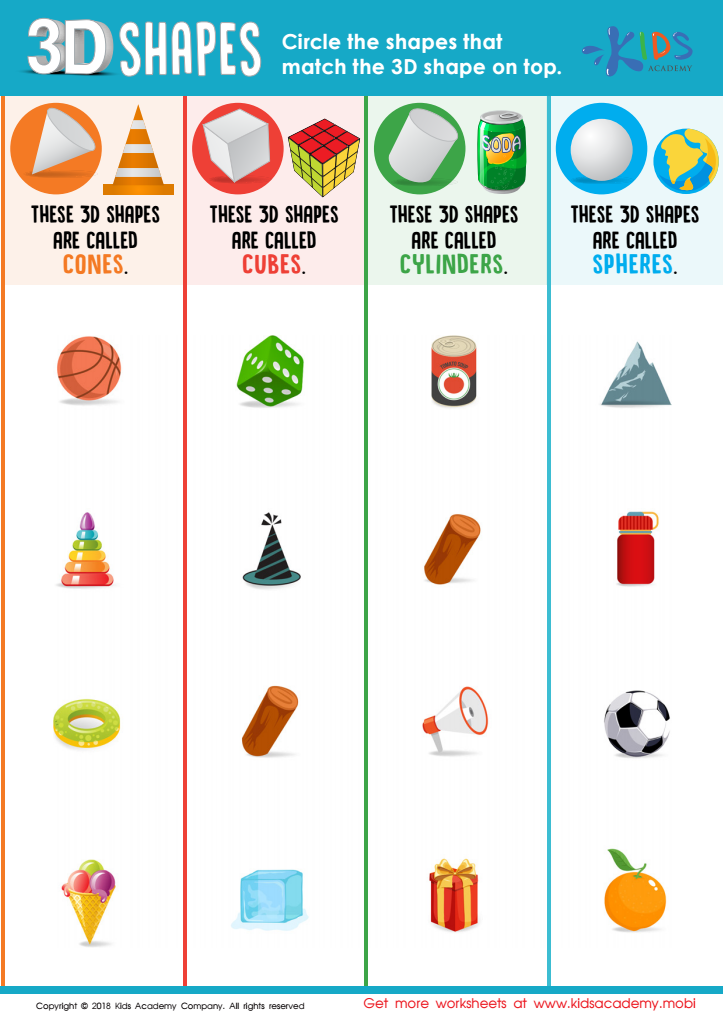
3D Shapes Worksheet
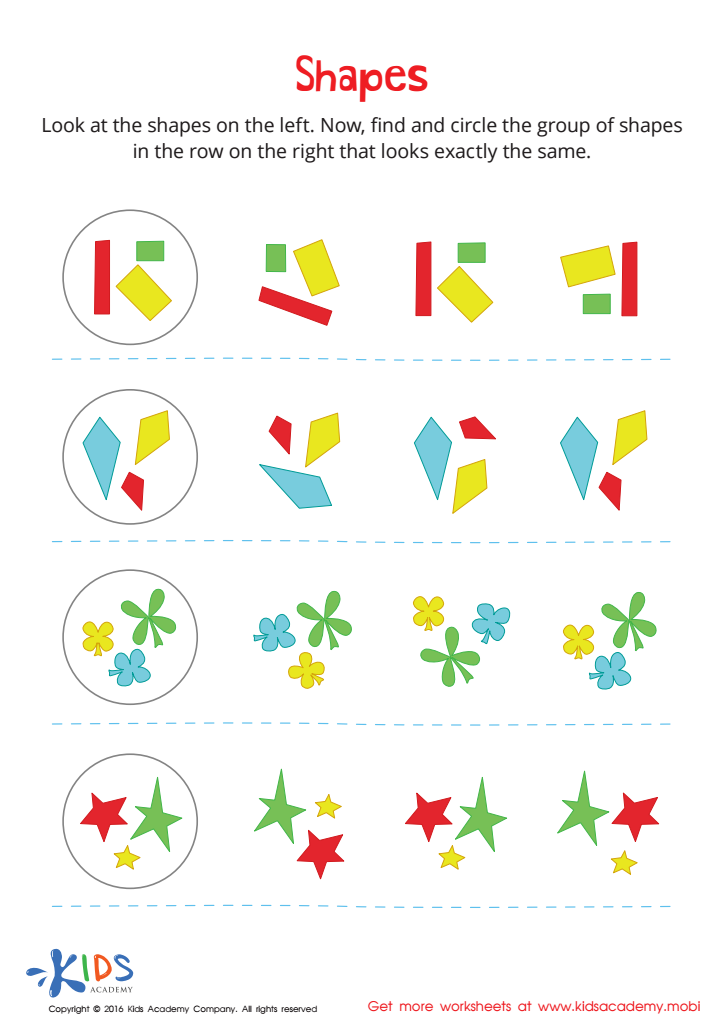
Shapes Worksheet
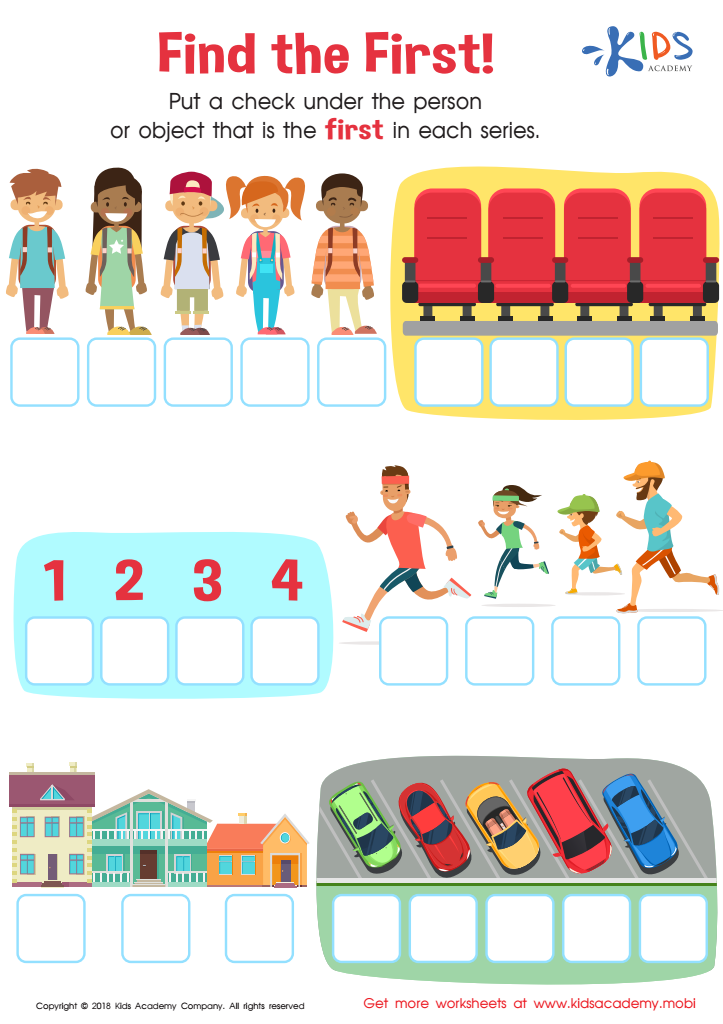
Find the First! Worksheet








Cognitive development in geometry for children ages 4-6 is essential for fostering critical thinking and spatial awareness. During this early developmental stage, children are incredibly receptive to learning new concepts and skills that set the foundation for future academic success. Understanding basic geometric shapes, spatial relationships, and properties of objects enhances their problem-solving abilities and encourages logical reasoning.
Parents and teachers should prioritize geometric exploration not only to develop math skills but also to enrich children's cognitive and language skills. Engaging with geometry encourages children to describe objects and relationships, which bolsters vocabulary and communication skills. Additionally, activities involving shapes and spatial reasoning promote fine motor skills as children manipulate shapes during play and crafts.
Children who learn geometrical concepts early on tend to excel in school as they develop a robust foundation for more complex mathematical ideas in later grades. Moreover, through play and exploration, children learn to classify, compare, and analyze, fostering creativity and innovation. By supporting cognitive development in geometry, parents and teachers contribute to holistic growth, preparing children for future challenges—both academic and in everyday life. Investing in these foundational skills helps shape confident learners who are equipped to thrive in an increasingly complex world.








