Hand-eye Coordination Math Worksheets for Ages 4-6 - Page 2
51 filtered results
-
From - To
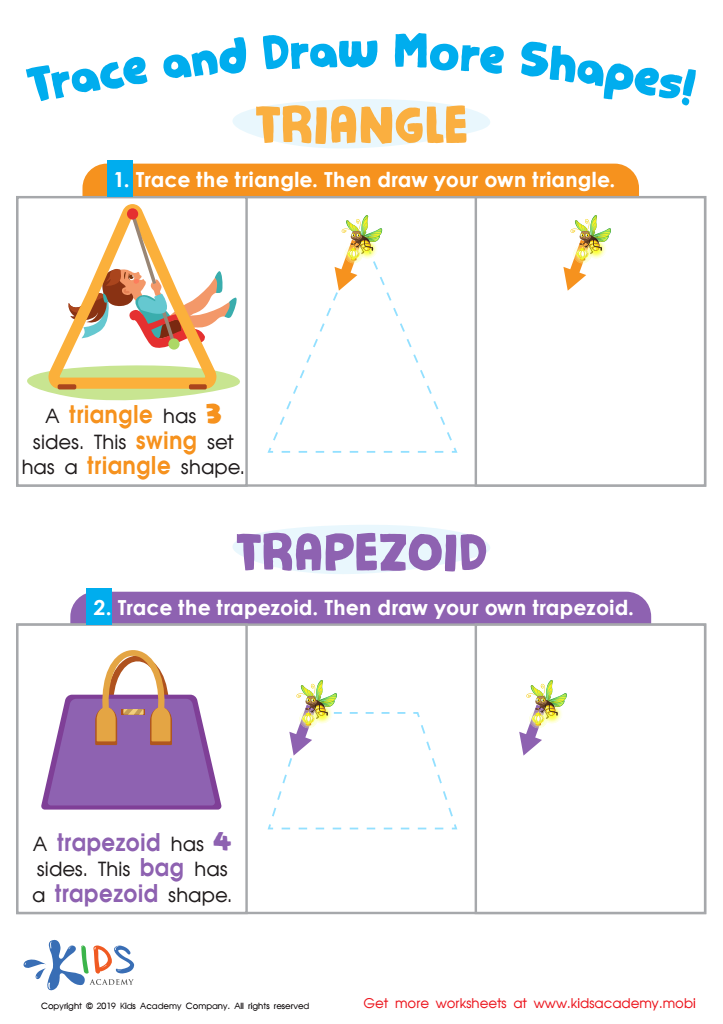
Trace and Draw More Shapes Worksheet
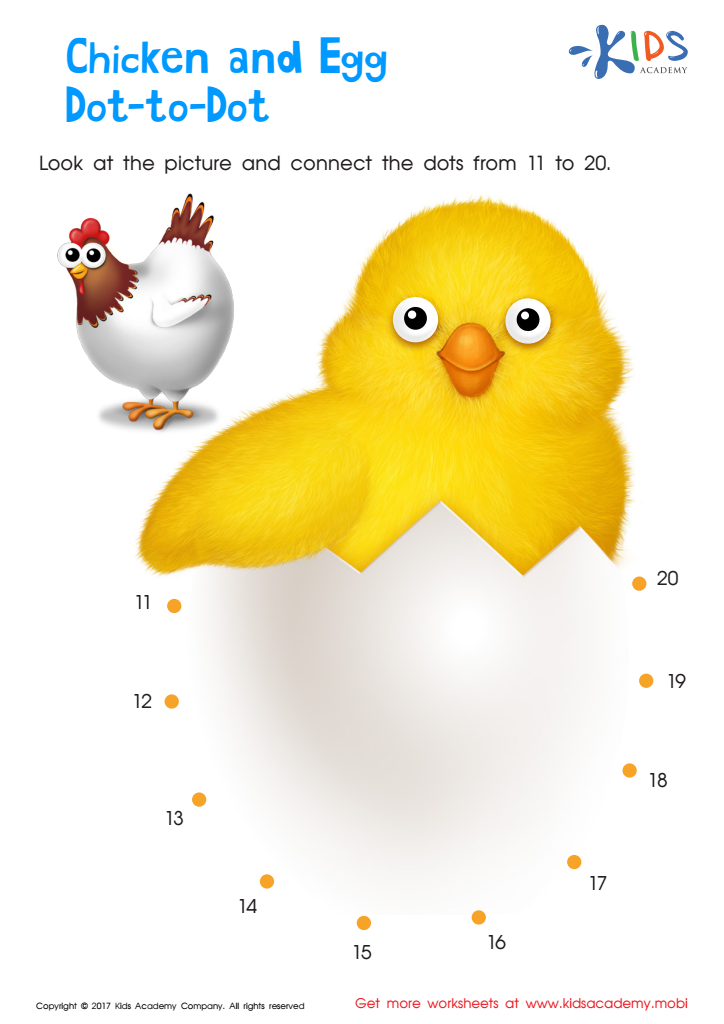
Ordering 11–20: Chicken & Egg Dot–to–dot Worksheet
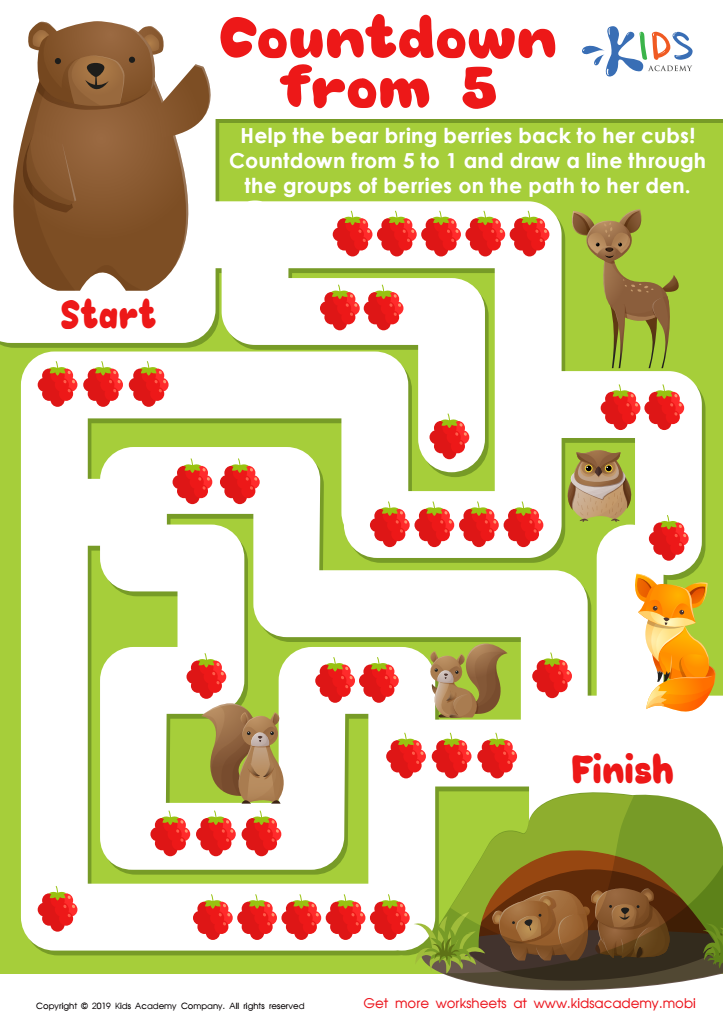
Countdown from 5 Worksheet
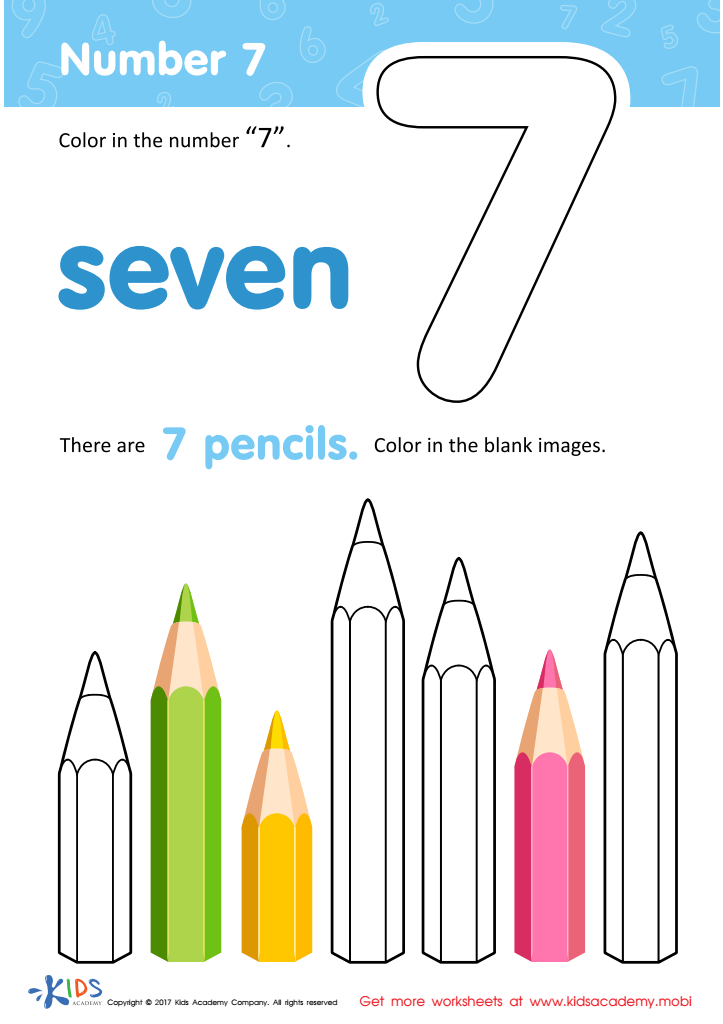
Number 7 Worksheet
 Assign to My Students
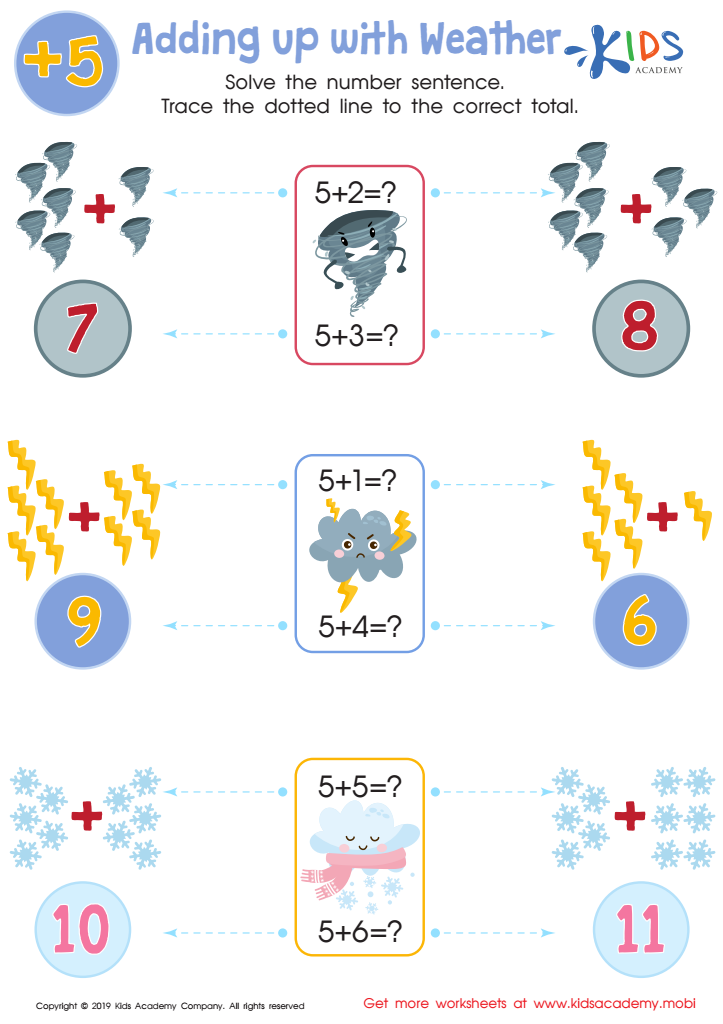
Adding up With Water Worksheet
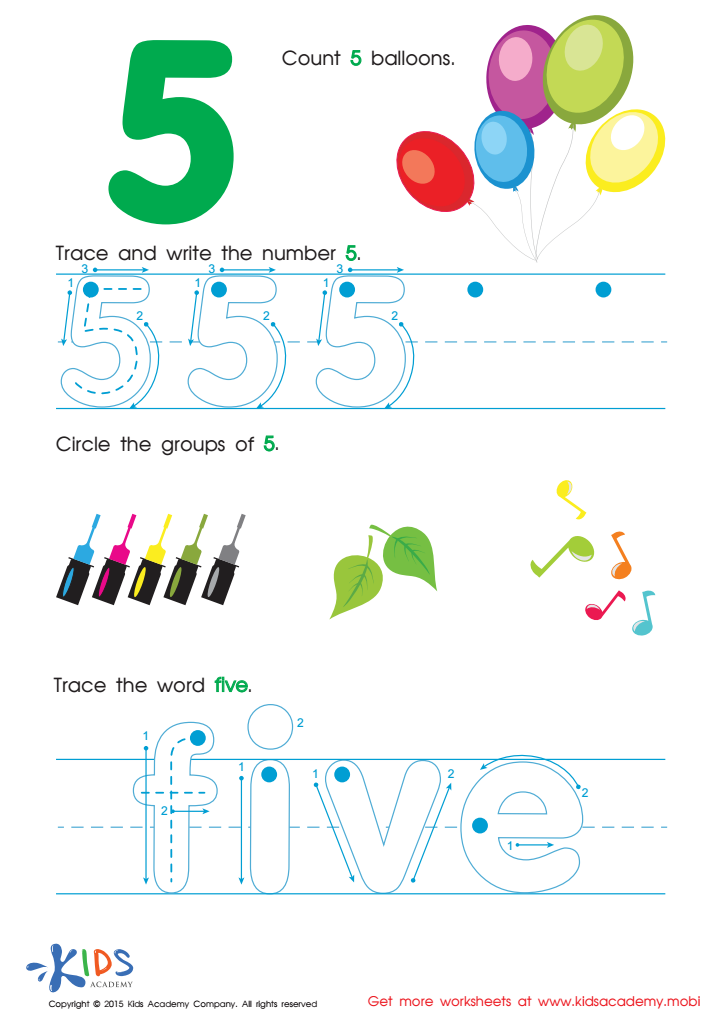
Practice Writing Number 5 Worksheet
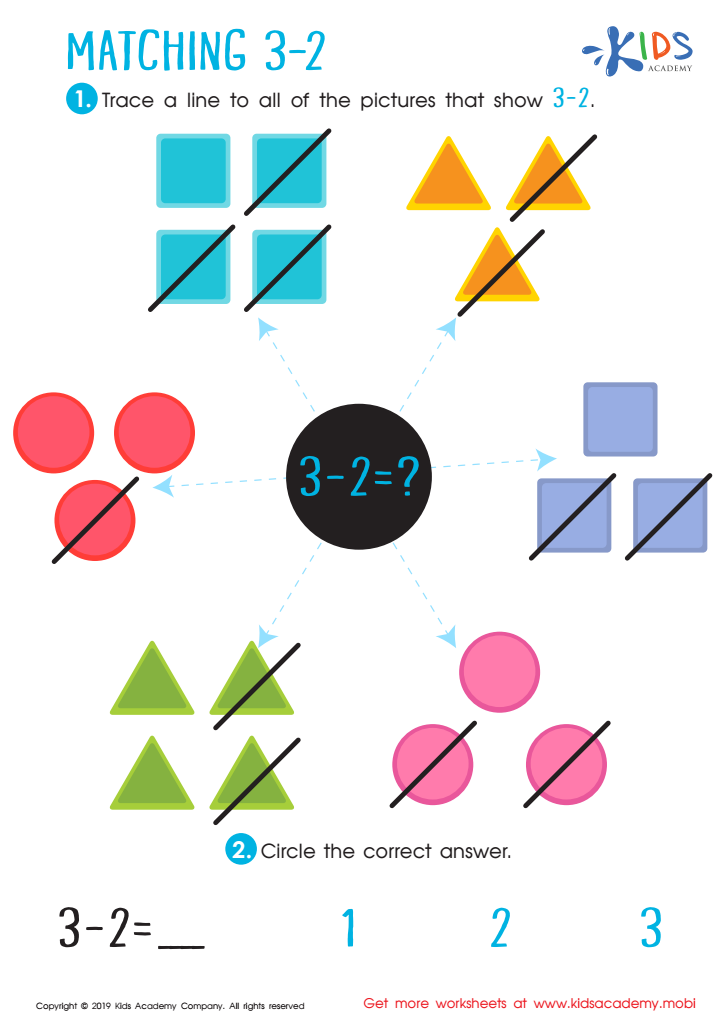
Matching 3-2 Worksheet
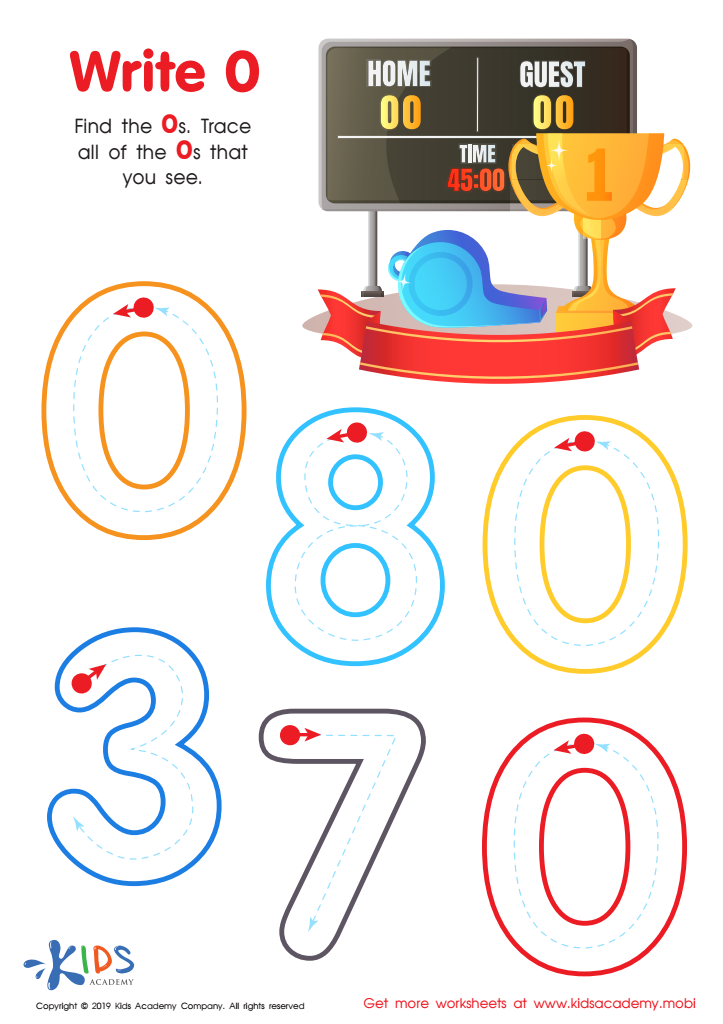
Write 0 Worksheet
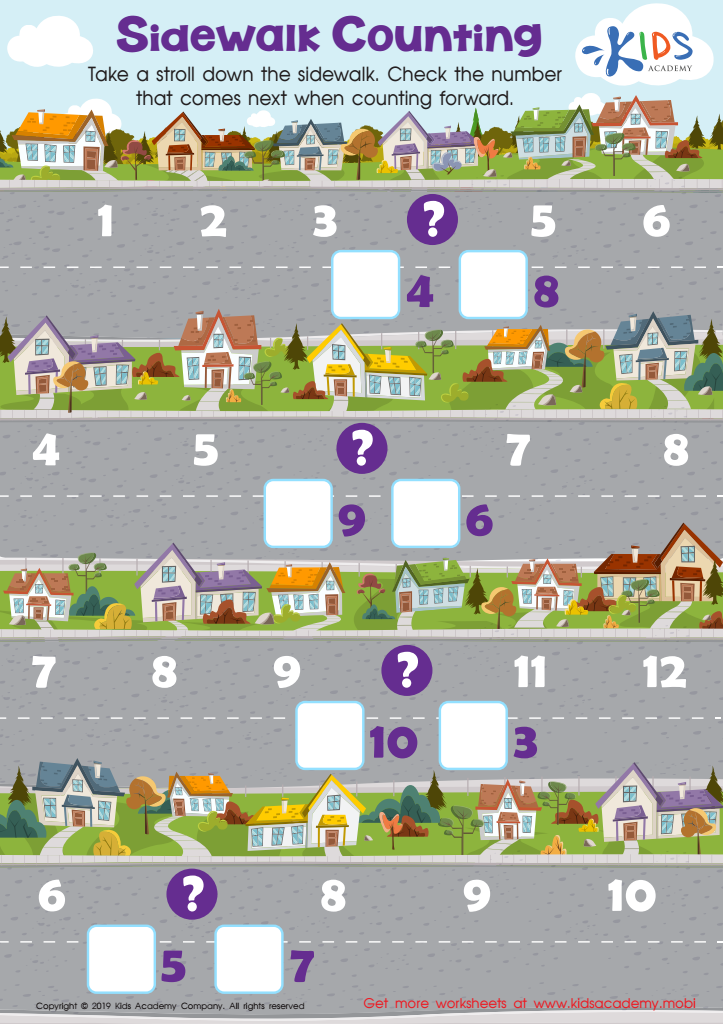
Sidewalk Counting Worksheet
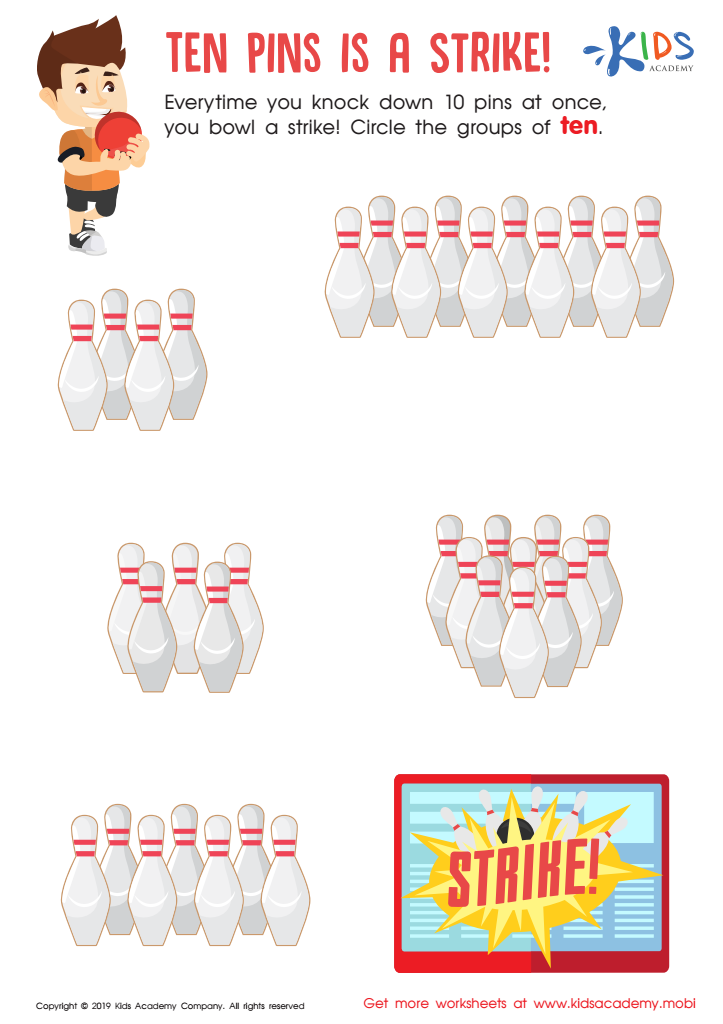
Ten Pins is a Strike Worksheet
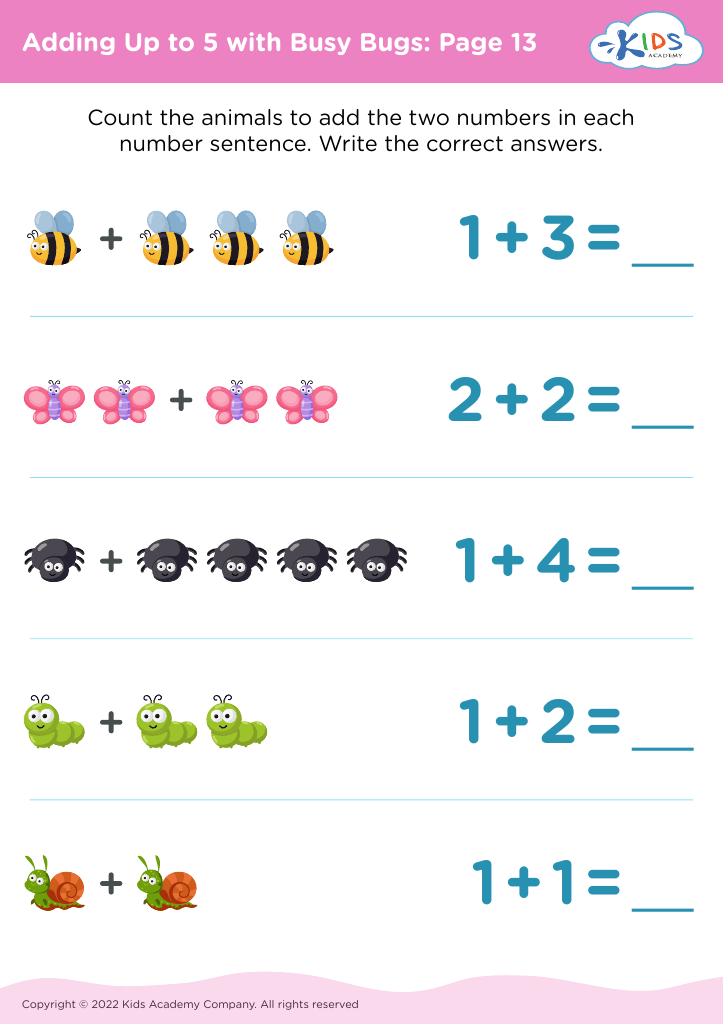
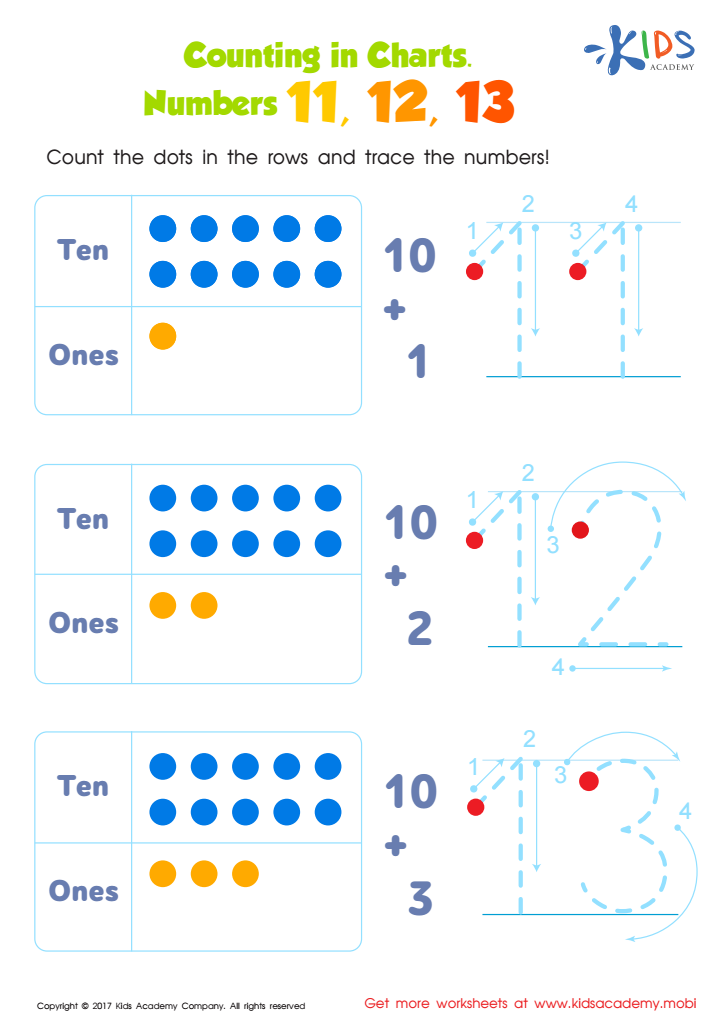
Number Tracing Worksheet For Kindergarten
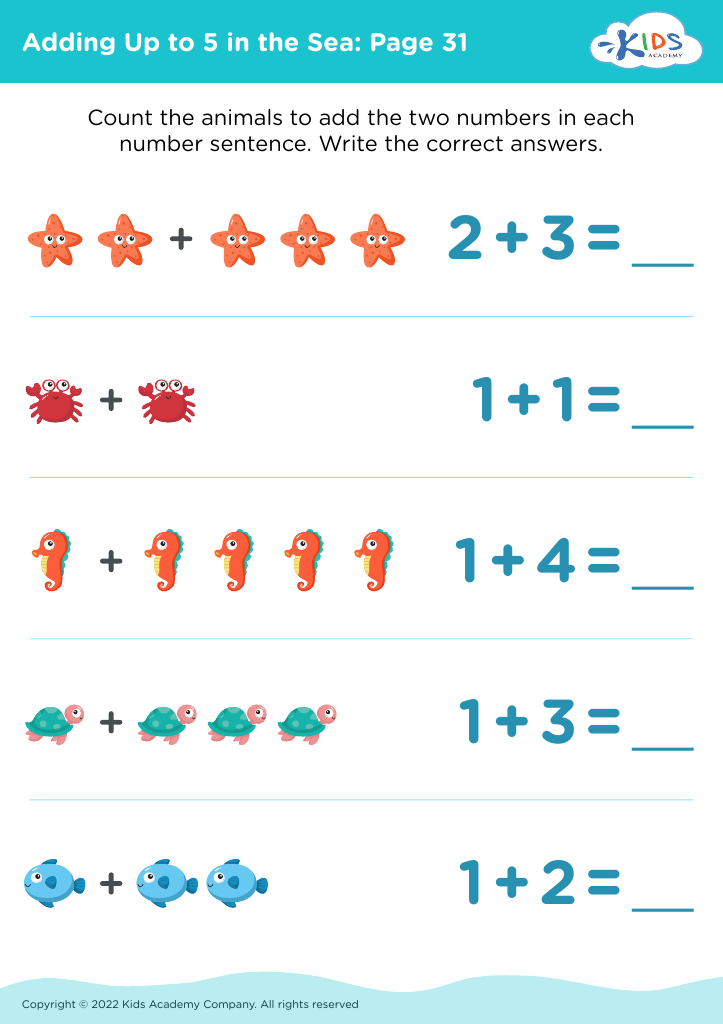
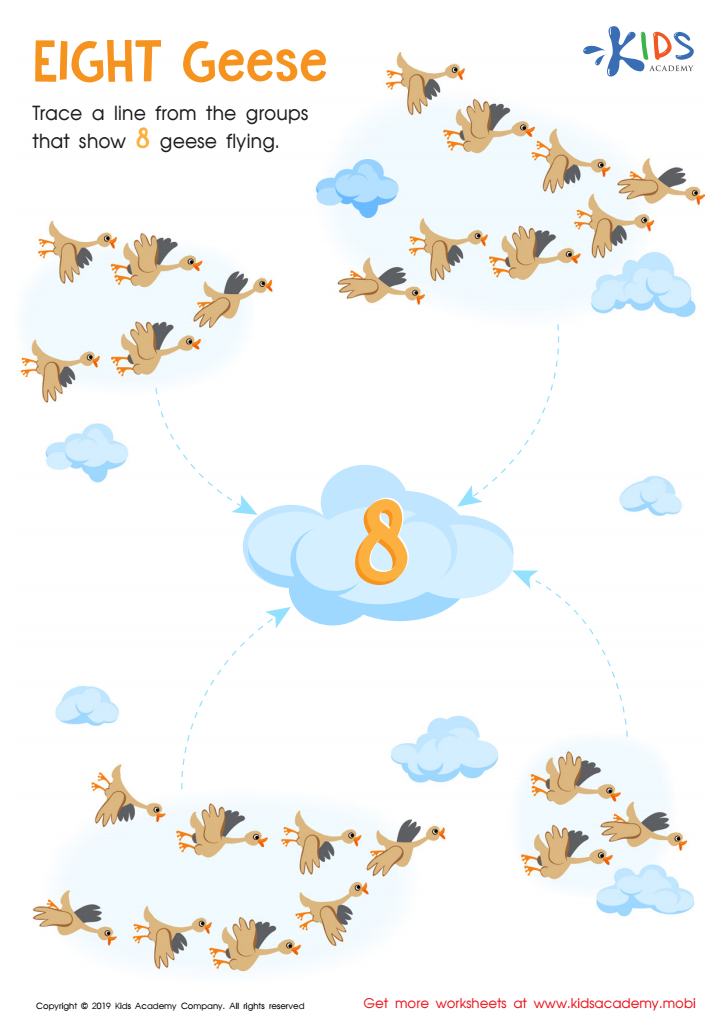
Eight Geese Worksheet
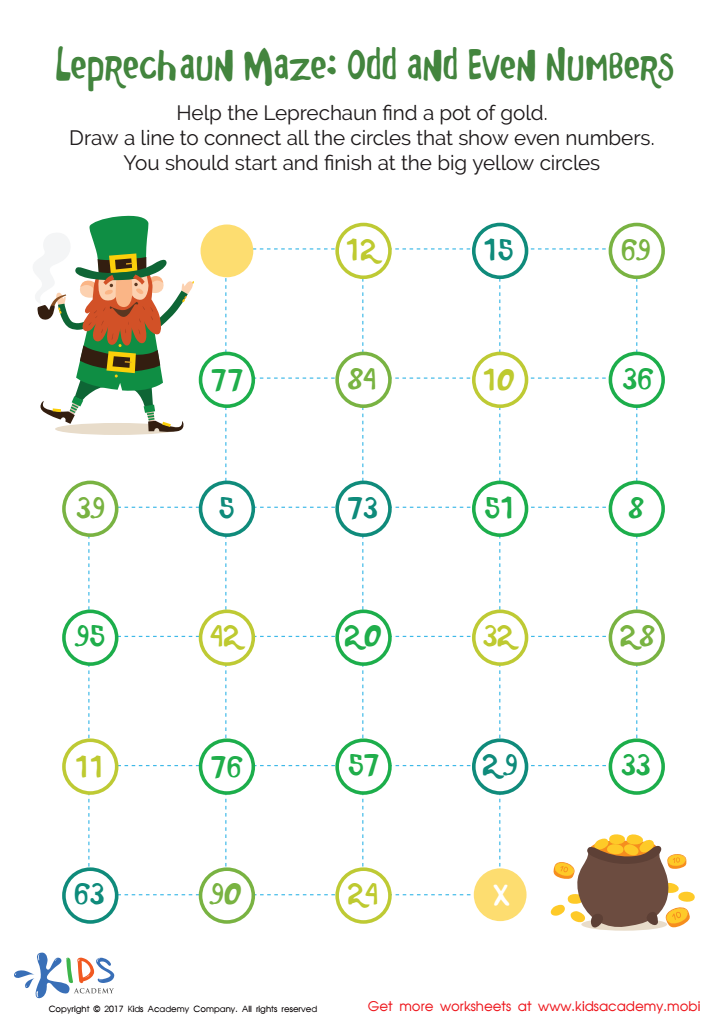
Leprechaun Maze Printable
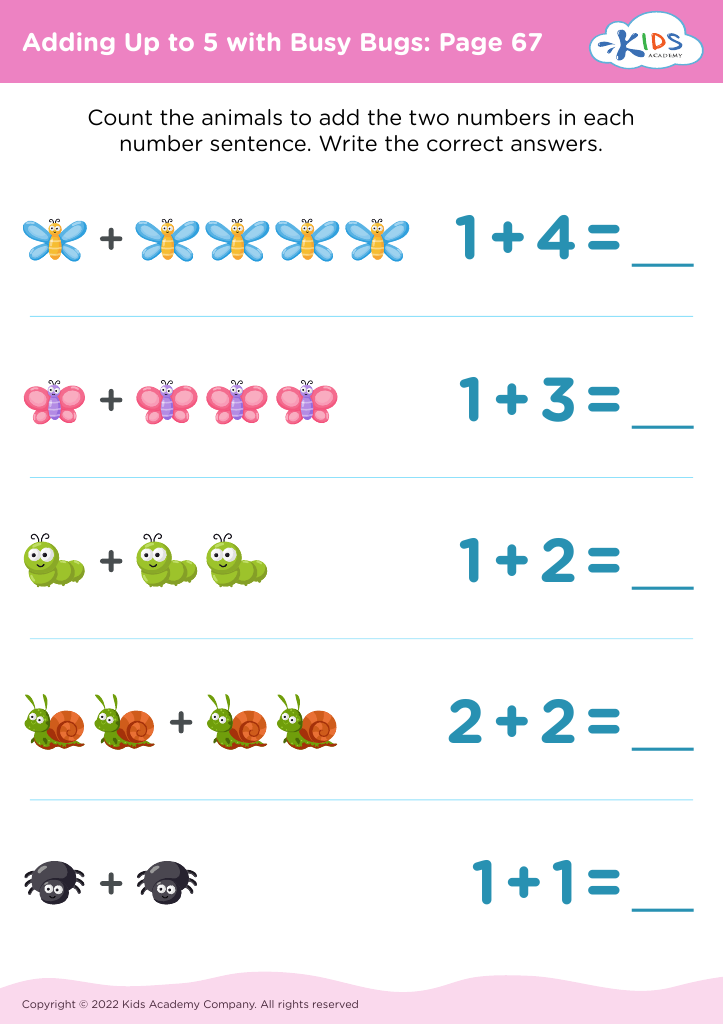
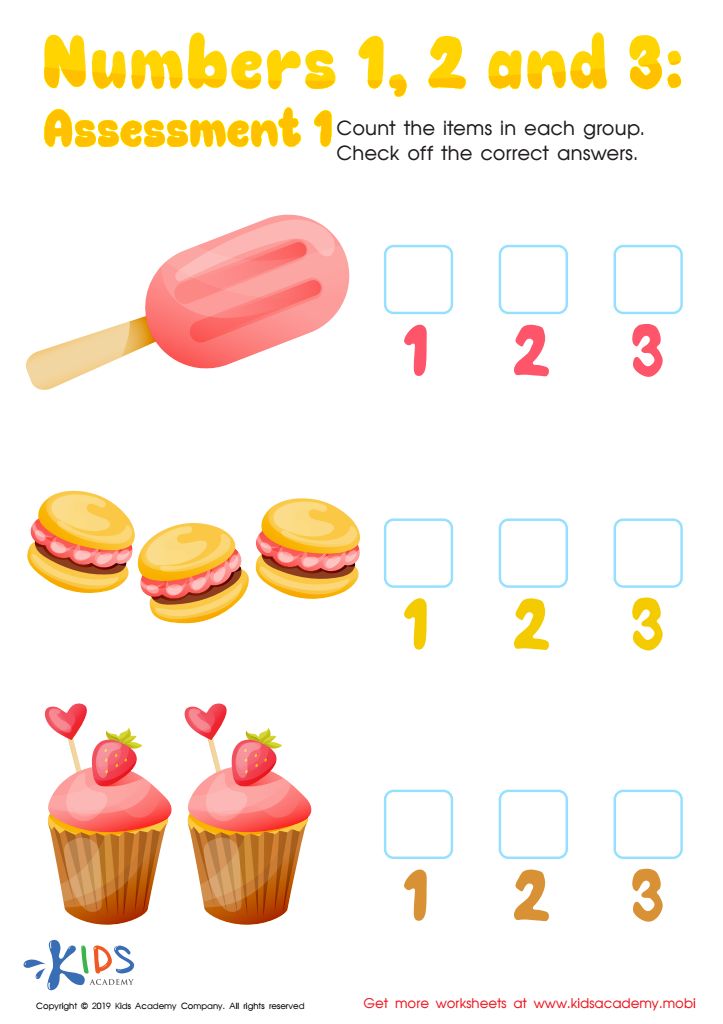
Numbers 1, 2 and 3: Assessment 1 Worksheet
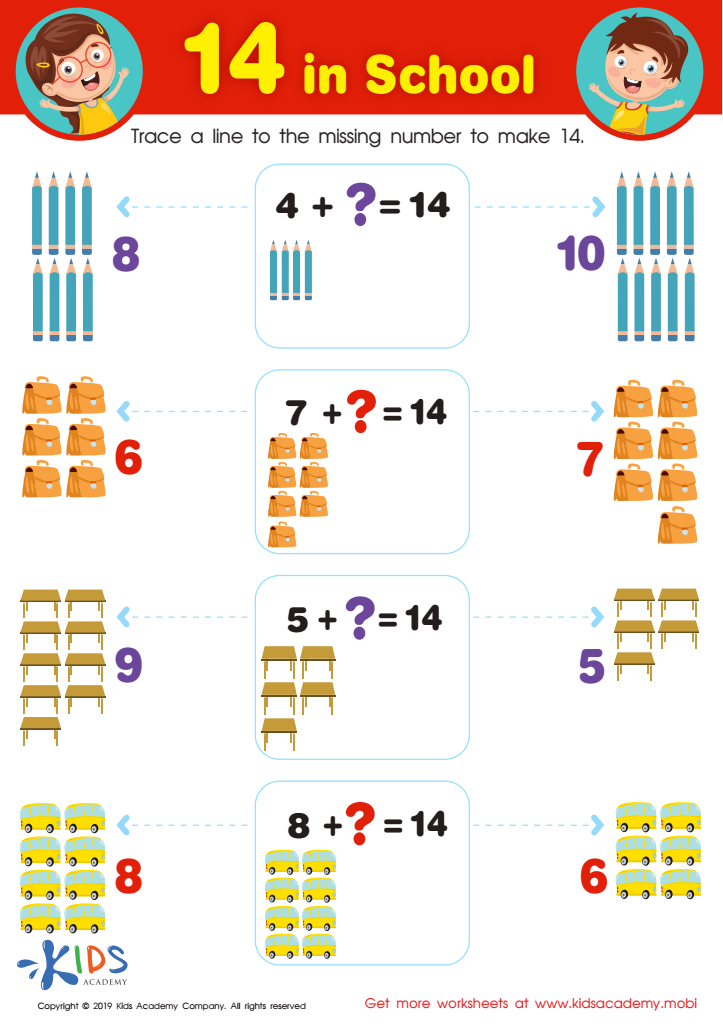
14 in School Worksheet
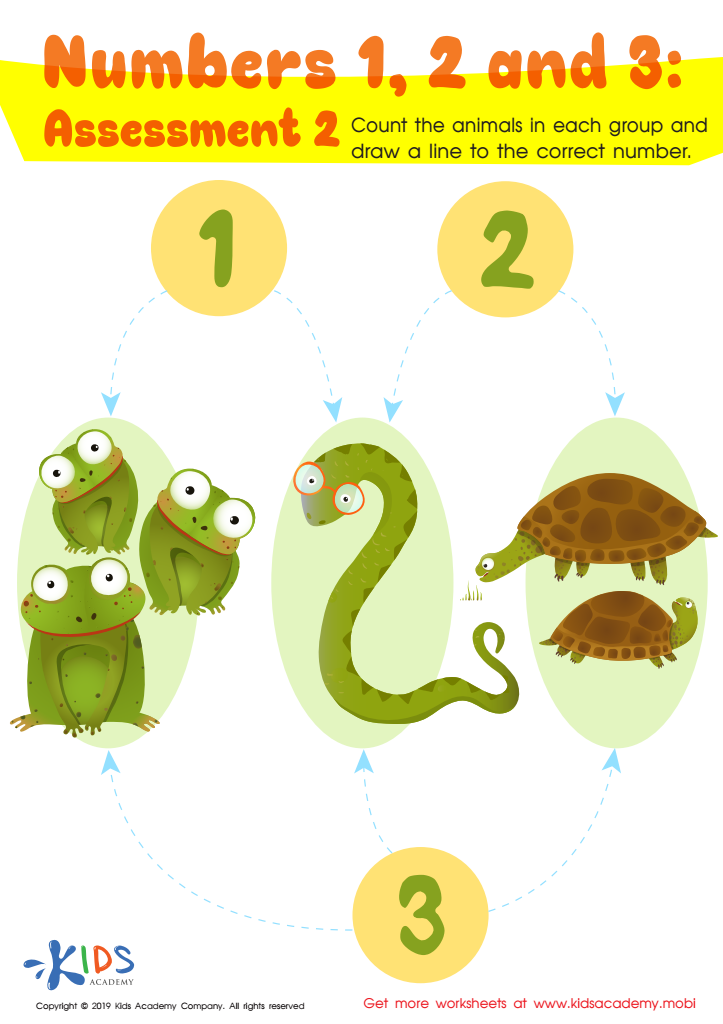
Numbers 1, 2 and 3: Assessment 2 Worksheet
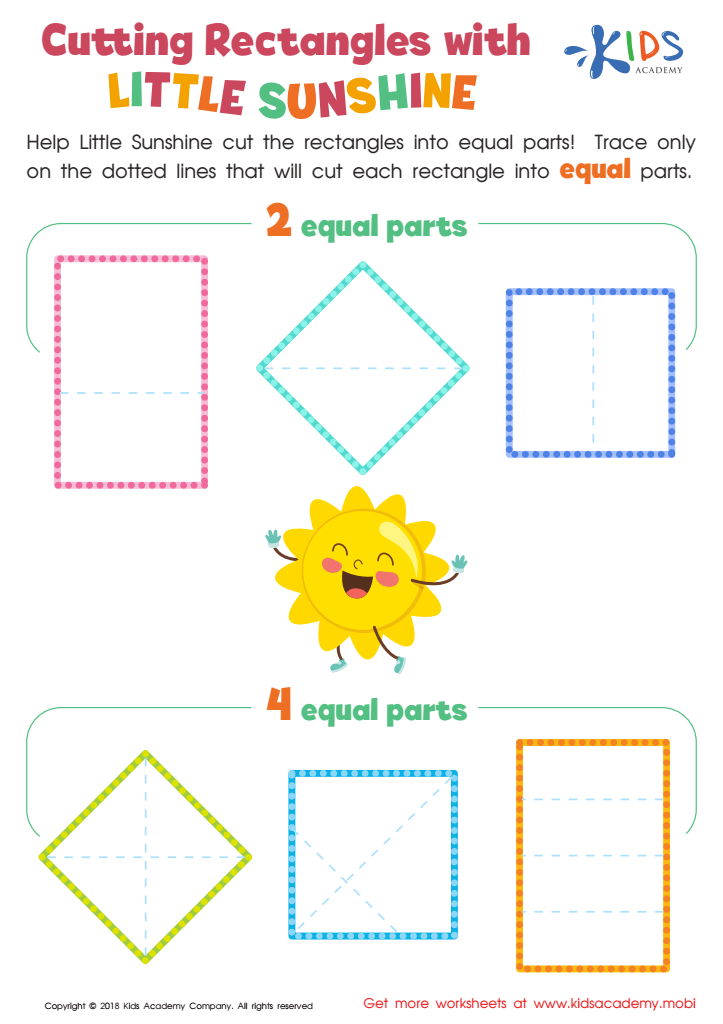
Cutting Rectangles with Little Sunshine Worksheet
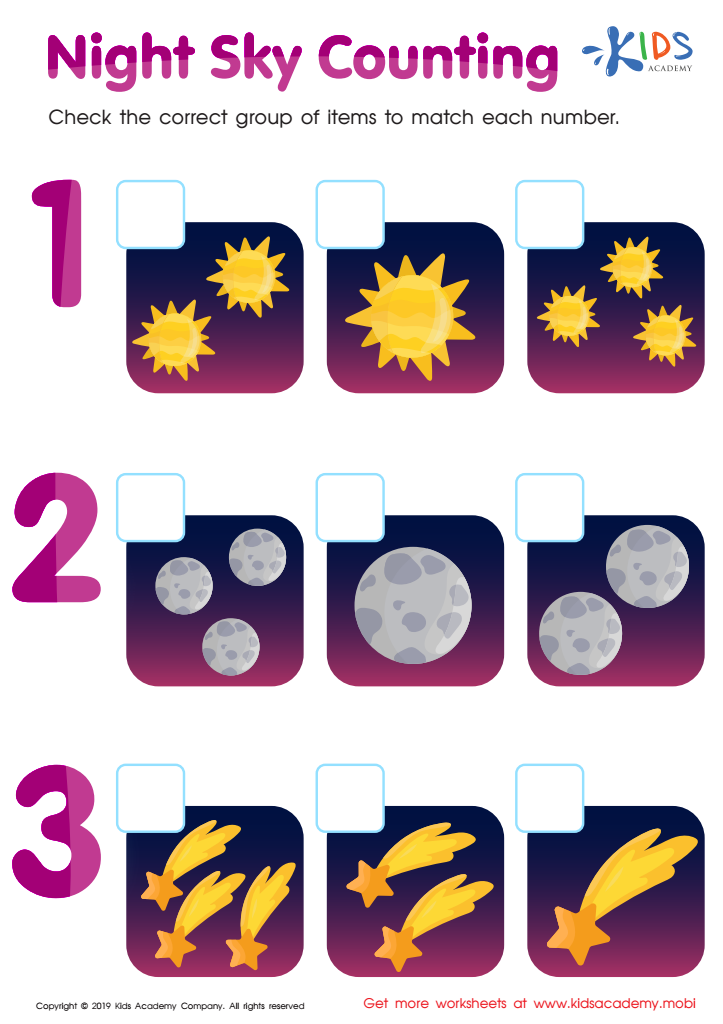
Night Sky Counting Worksheet
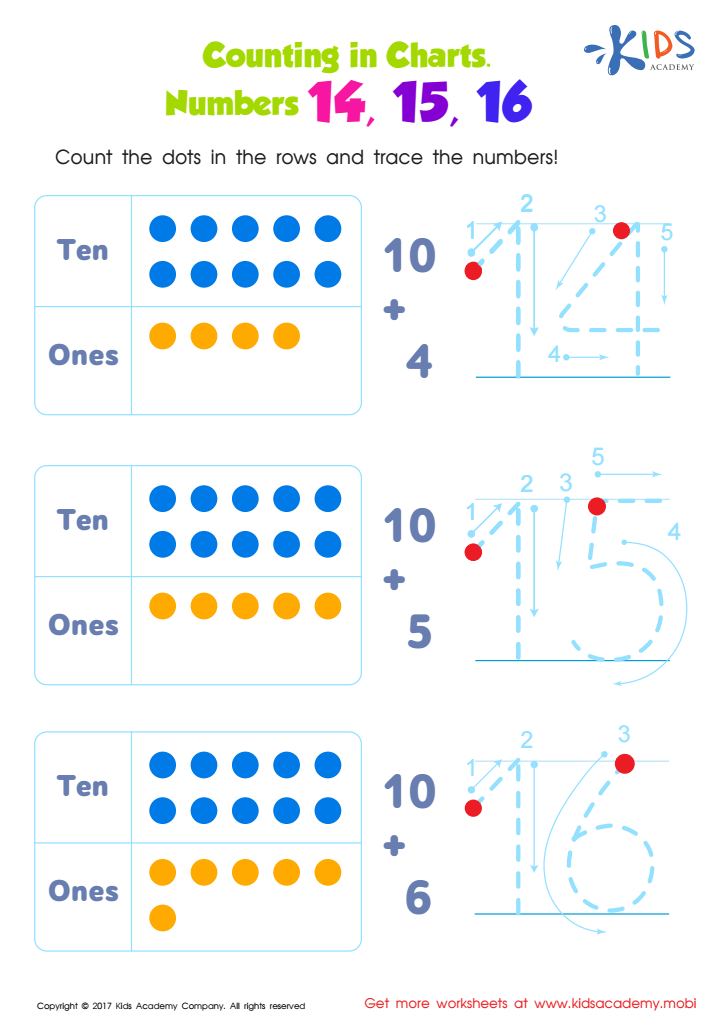
Number Tracing Worksheet




.jpg)

.jpg)

Hand-eye coordination is a fundamental skill that significantly impacts a child's development, particularly in the early years of education. For children aged 4 to 6, honing this coordination can enhance both fine and gross motor skills, fostering confidence and independence during various activities.
Incorporating hand-eye coordination into math learning at this age can make abstract concepts more tangible. Activities such as using manipulatives—like counting blocks or beads—allow children to physically engage with numbers, improving their numerical literacy while developing dexterity. Games that require tracking motions, such as throwing and catching, also help build spatial awareness, critical for understanding basic geometric shapes and measurement.
Furthermore, the blend of movement with cognitive learning caters to diverse learning styles. It creates a multi-sensory experience that is enjoyable, making math feel less daunting and more like play. Interactive activities can capture children's attention, fostering a love for learning.
Hence, parents and teachers who prioritize hand-eye coordination within the context of math understand it as a crucial investment in a child's future success. Supporting these skills early on can lead to increased confidence, improved academic performance, and a foundation for further learning in mathematics and other subjects.








