Vocabulary enhancement Math Worksheets for Ages 4-6
28 filtered results
-
From - To
Introducing our engaging Vocabulary Enhancement Math Worksheets, specially designed for children aged 4-6. These innovative worksheets blend math concepts with vocabulary-building activities, encouraging young learners to explore numbers while expanding their language skills. Each worksheet features vibrant illustrations and simple instructions, making learning fun and interactive. Ideal for parents and educators, these resources help kids master essential math vocabulary, improve their comprehension, and boost their confidence. With a variety of themes and difficulty levels, our worksheets cater to different learning styles and encourage critical thinking. Set your child on the path to success with our creative, curriculum-aligned math vocabulary worksheets!
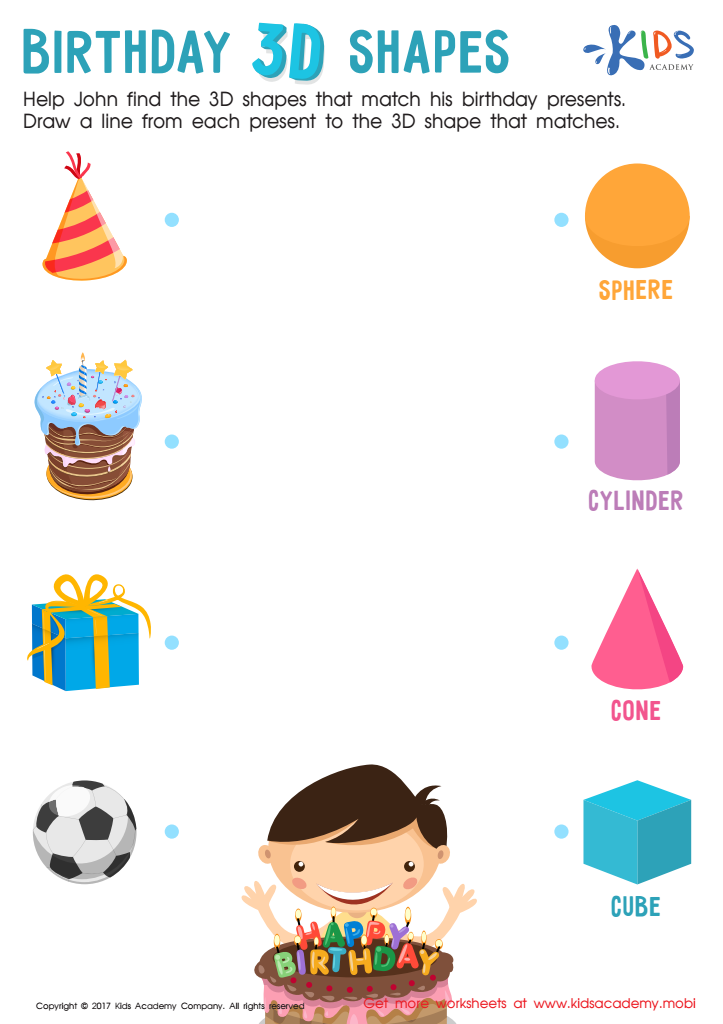
Birthday 3D Shapes Worksheet
 Assign to My Students
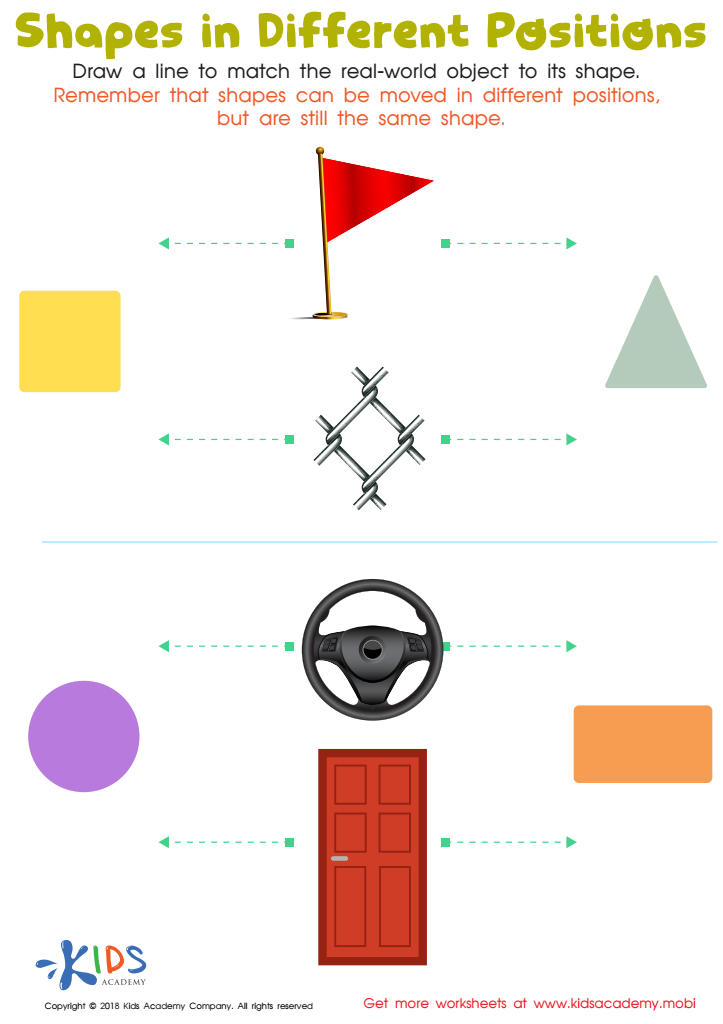
Shapes in Different Positions Worksheet
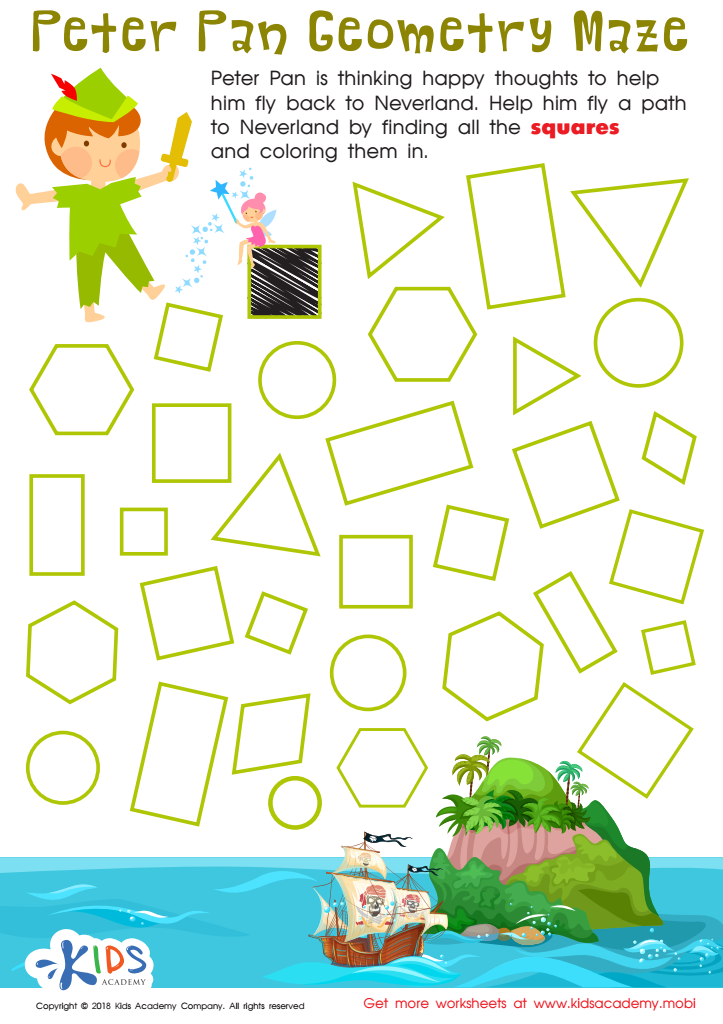
Peter Pan Worksheet
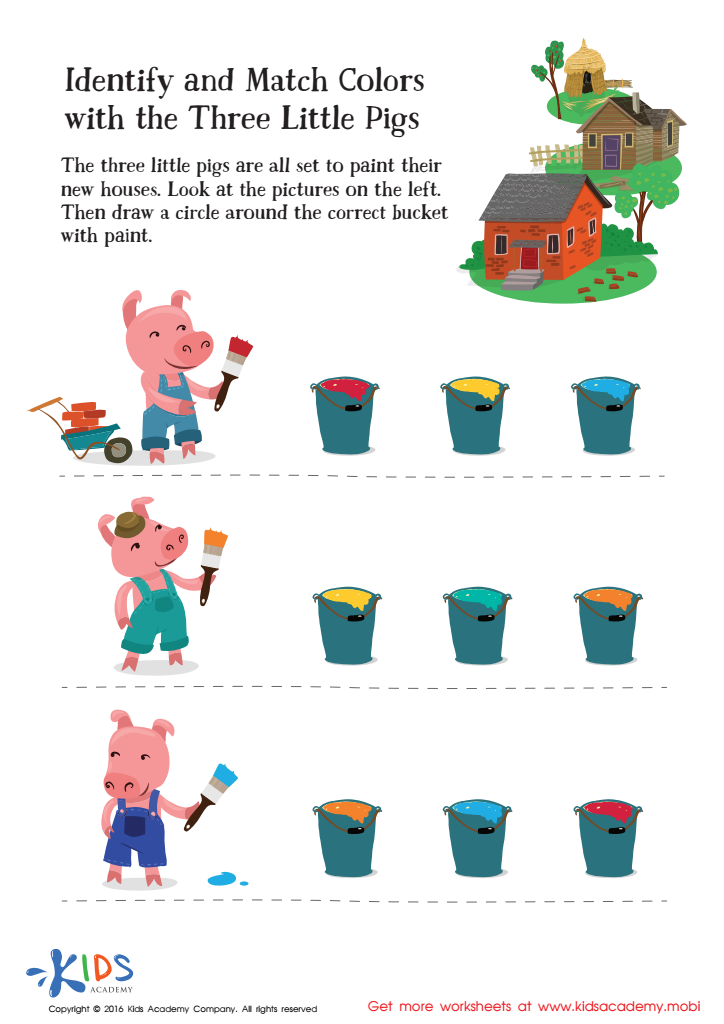
Fairy Tale Worksheet: Identify and Match Colors with Three Little Pigs
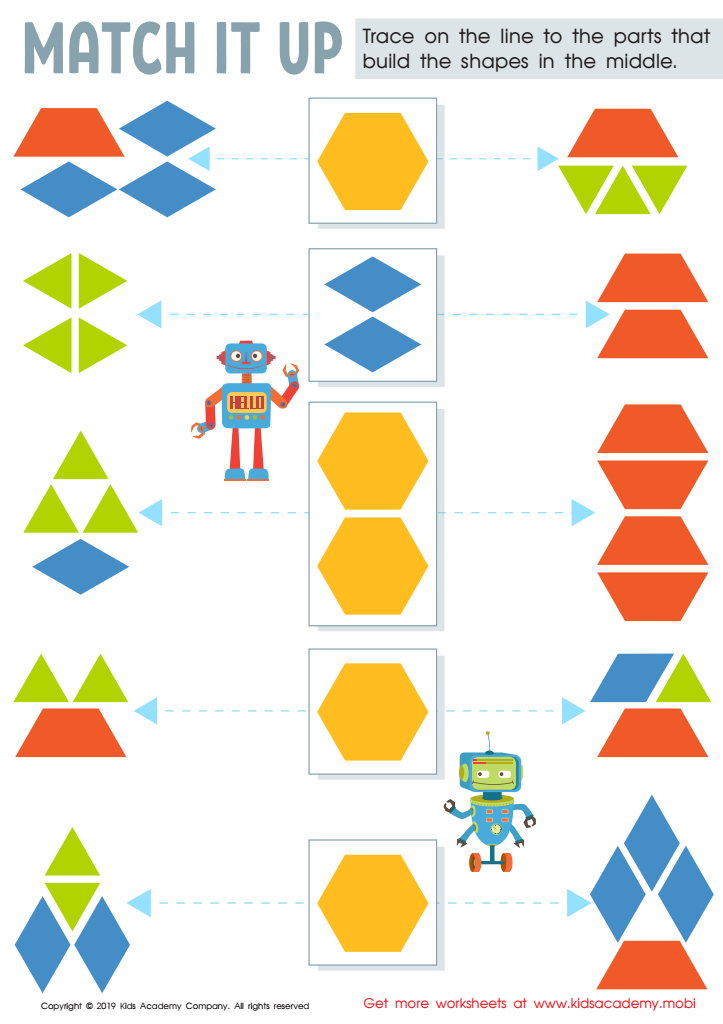
Match It up Worksheet
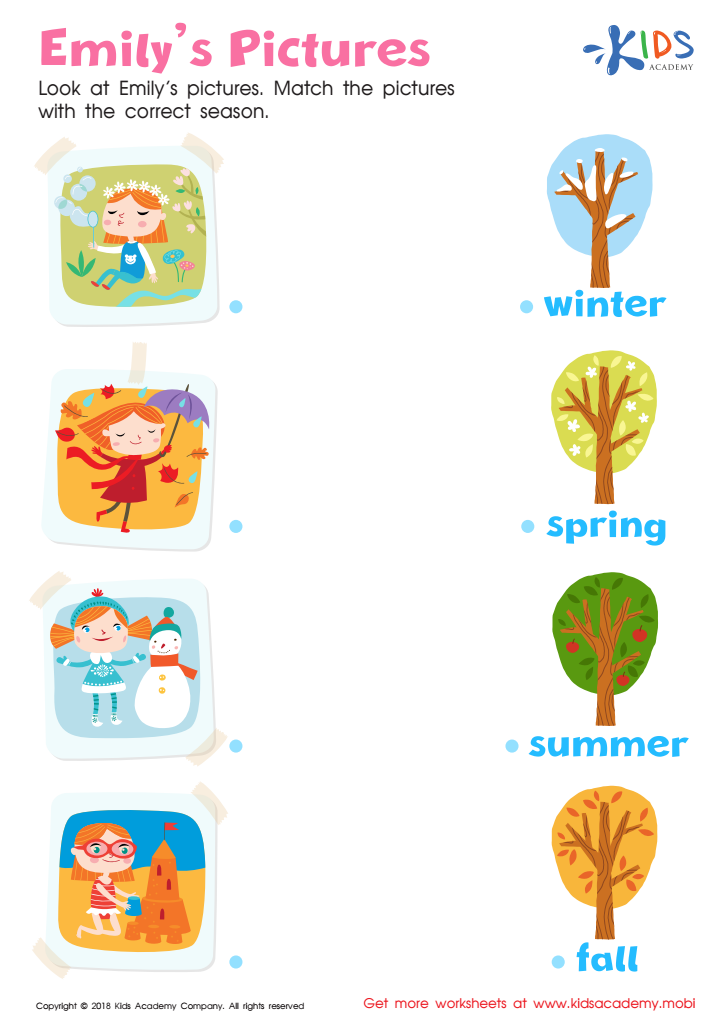
Emily's Pictures Worksheet
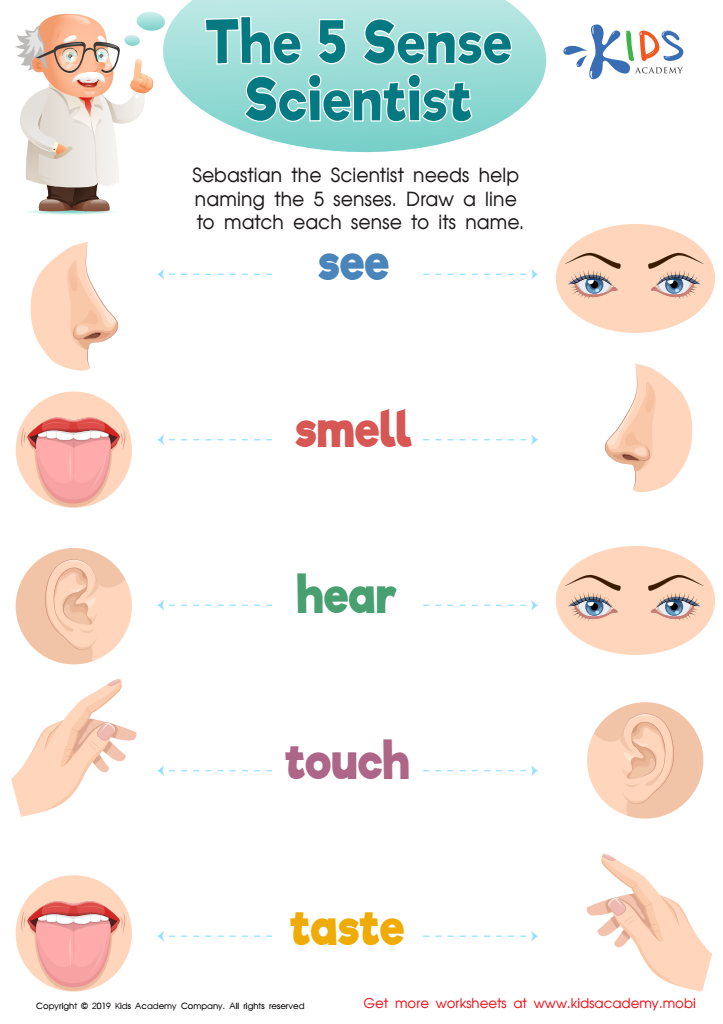
The 5 Sense Scientist Worksheet
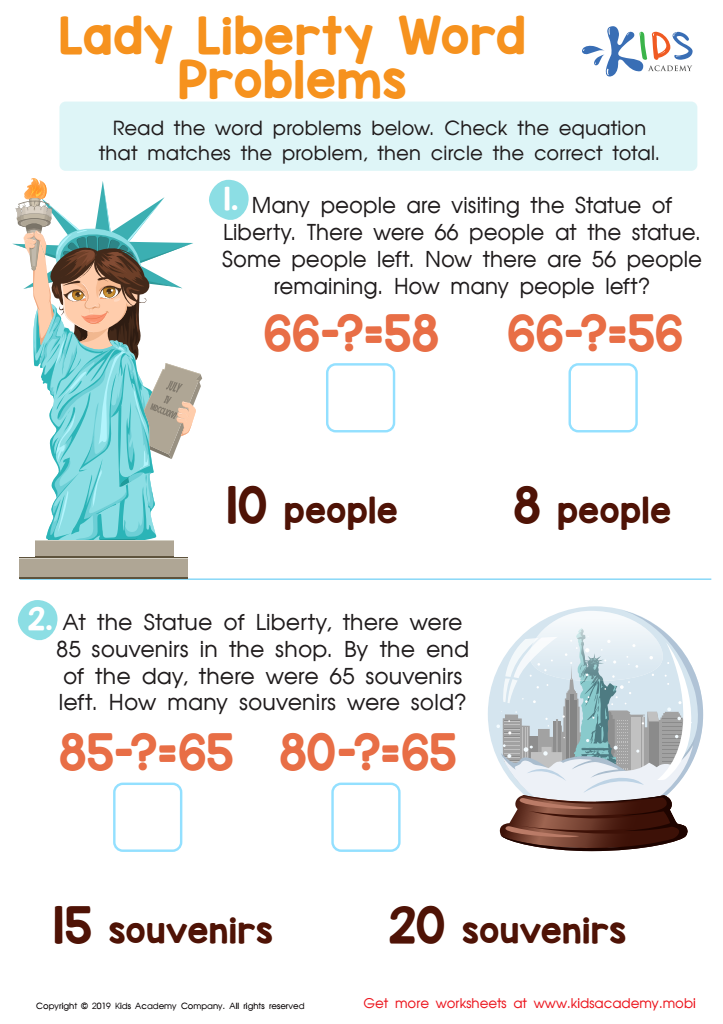
Lady Liberty Worksheet
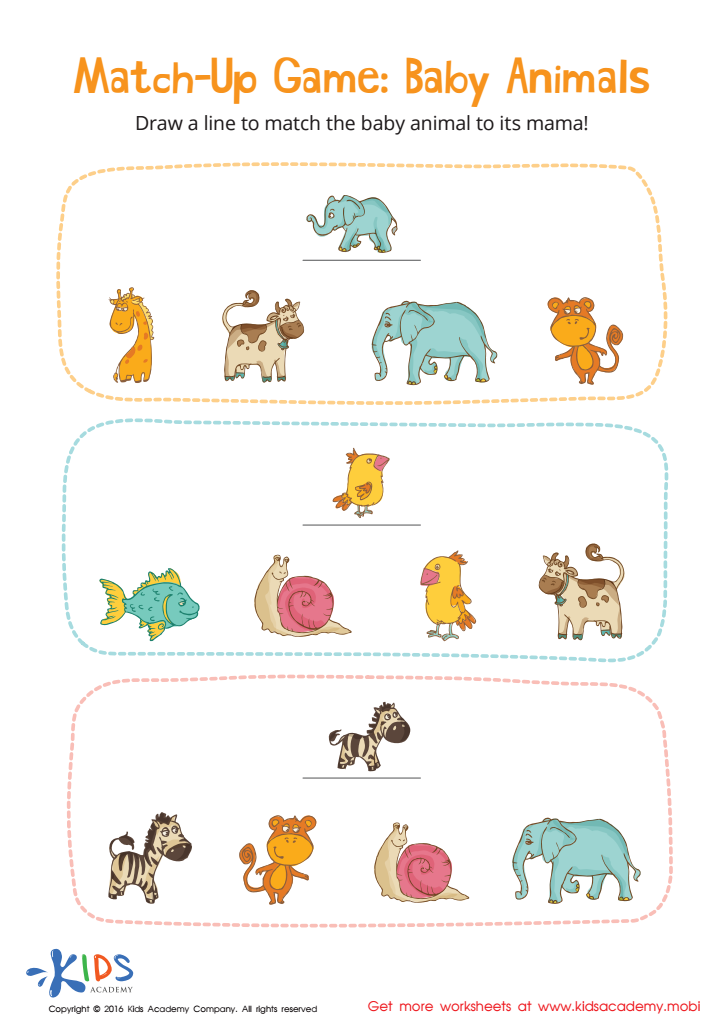
Baby Animals Match-Up Worksheet
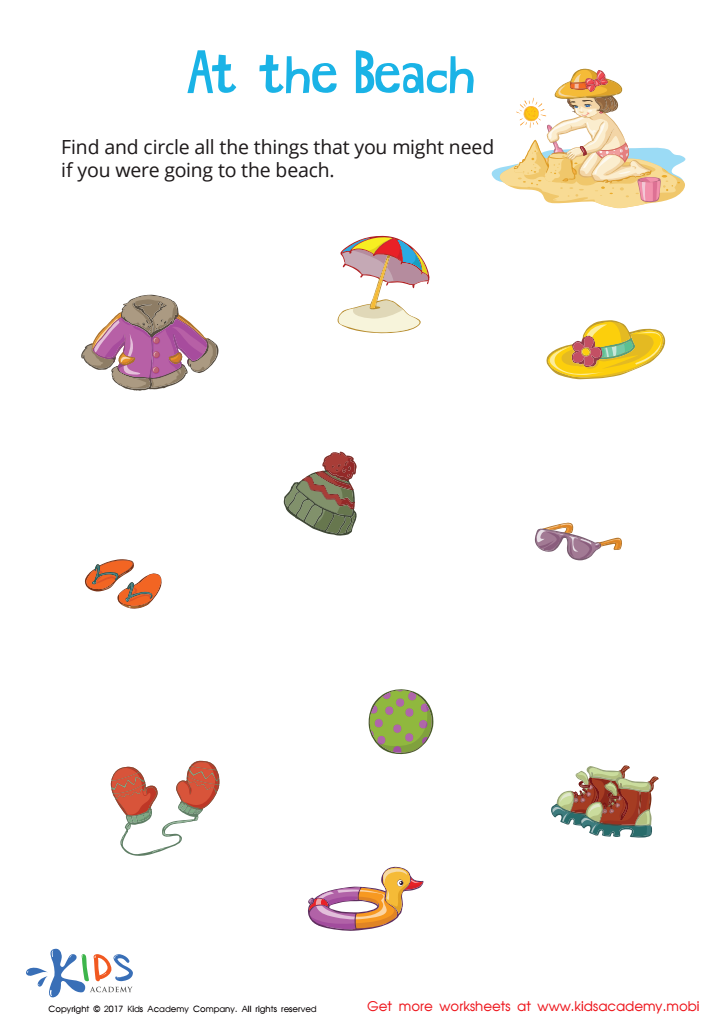
At the Beach Sorting Worksheet
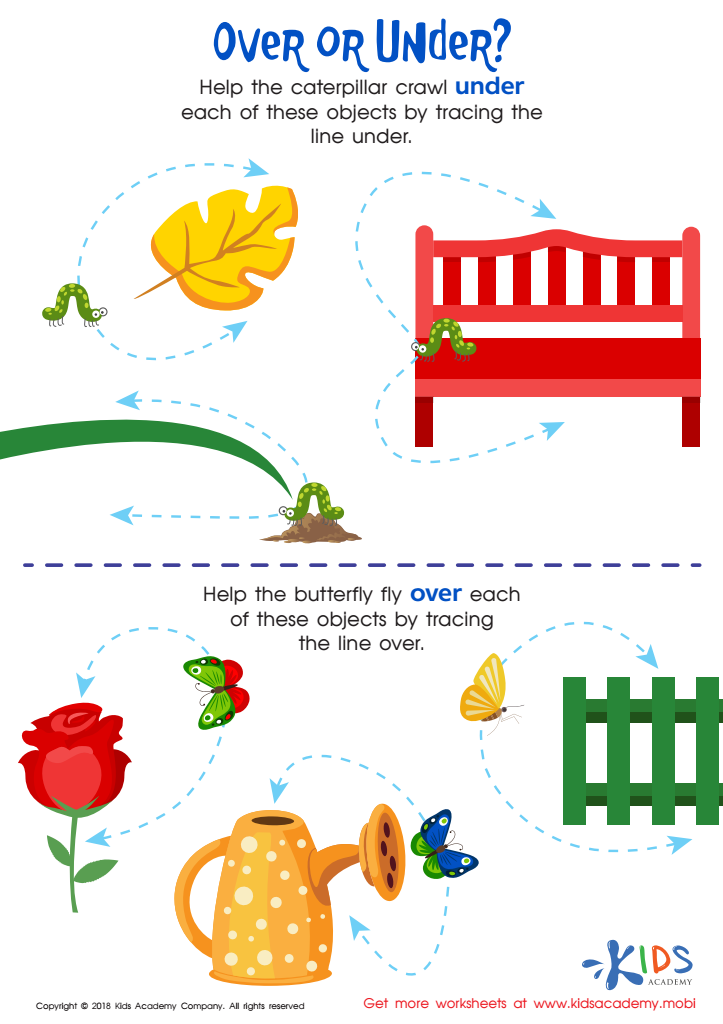
Over or Under? Worksheet
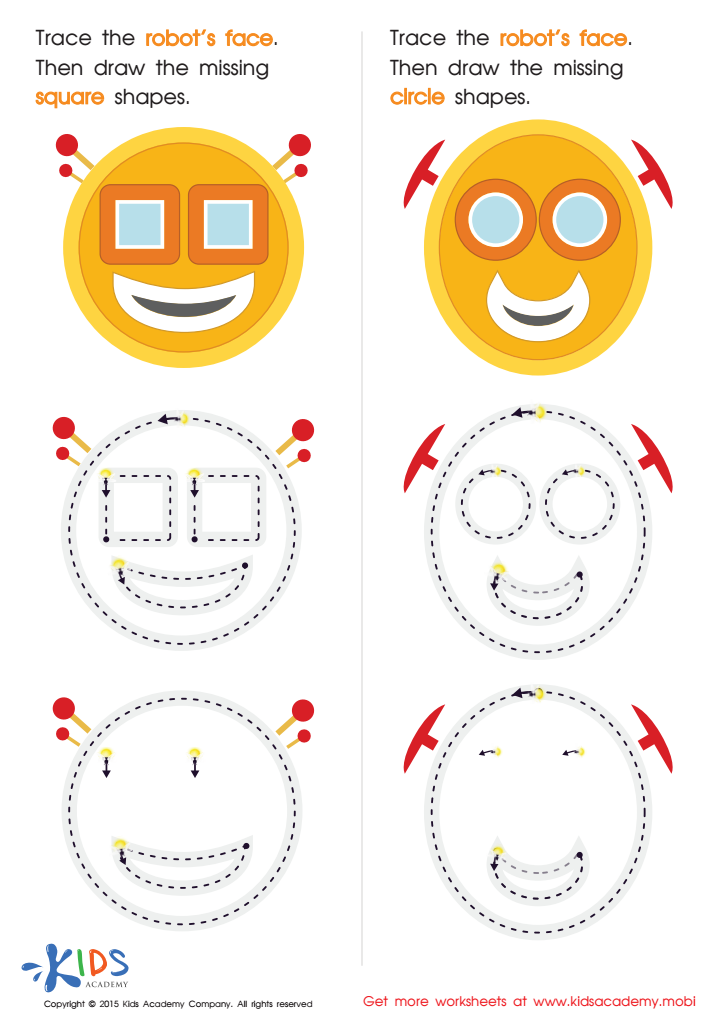
Practicing to Draw Circles And Squares Printable
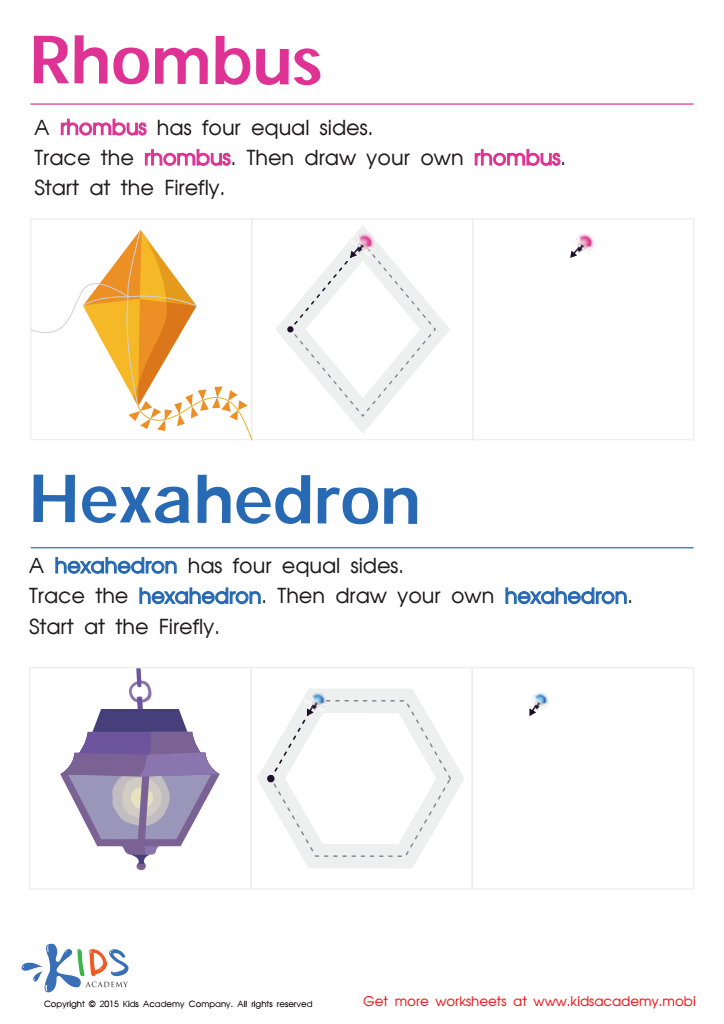
Draw a Rhombus And a Hexahedron Printable
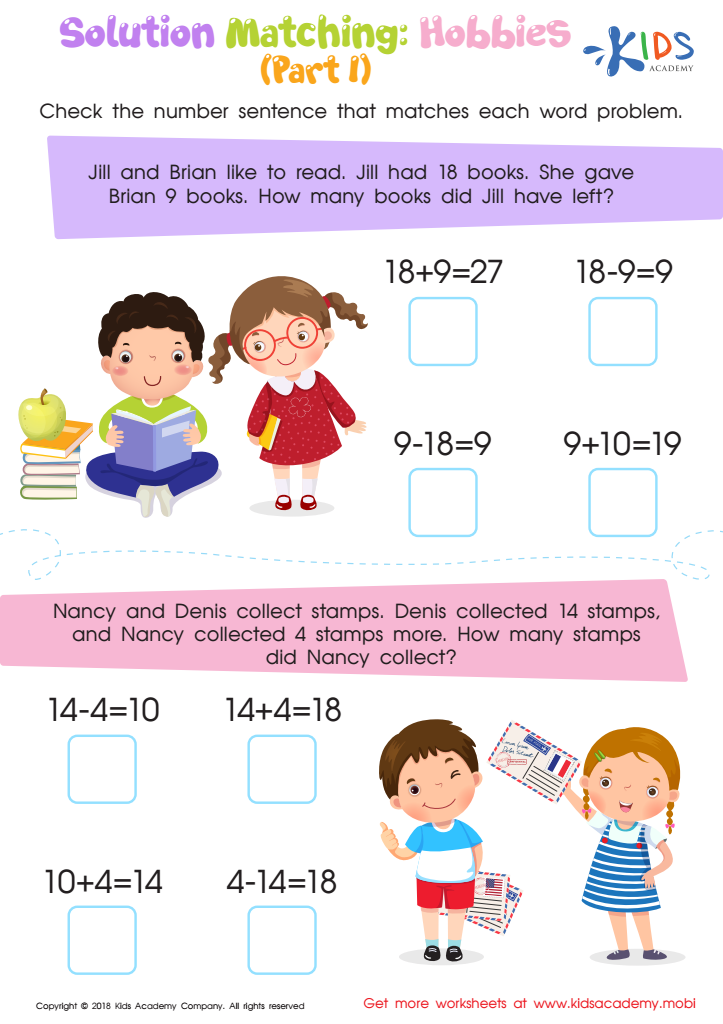
Solution Matching: Hobbies. Part 1 Worksheet
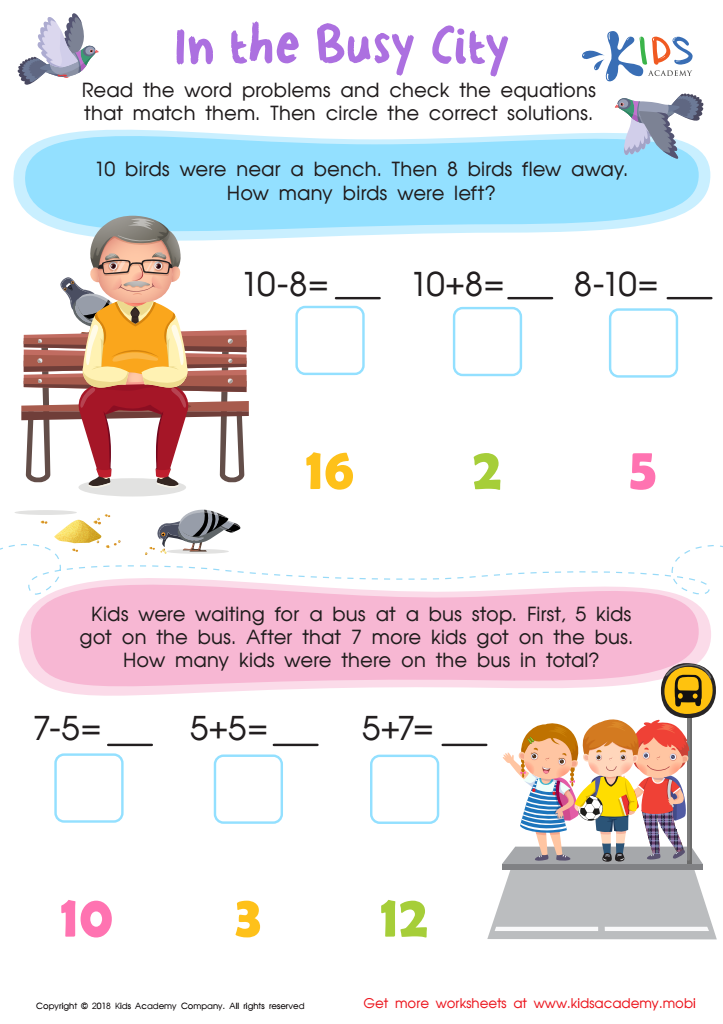
In the Busy City Word Problems Worksheet
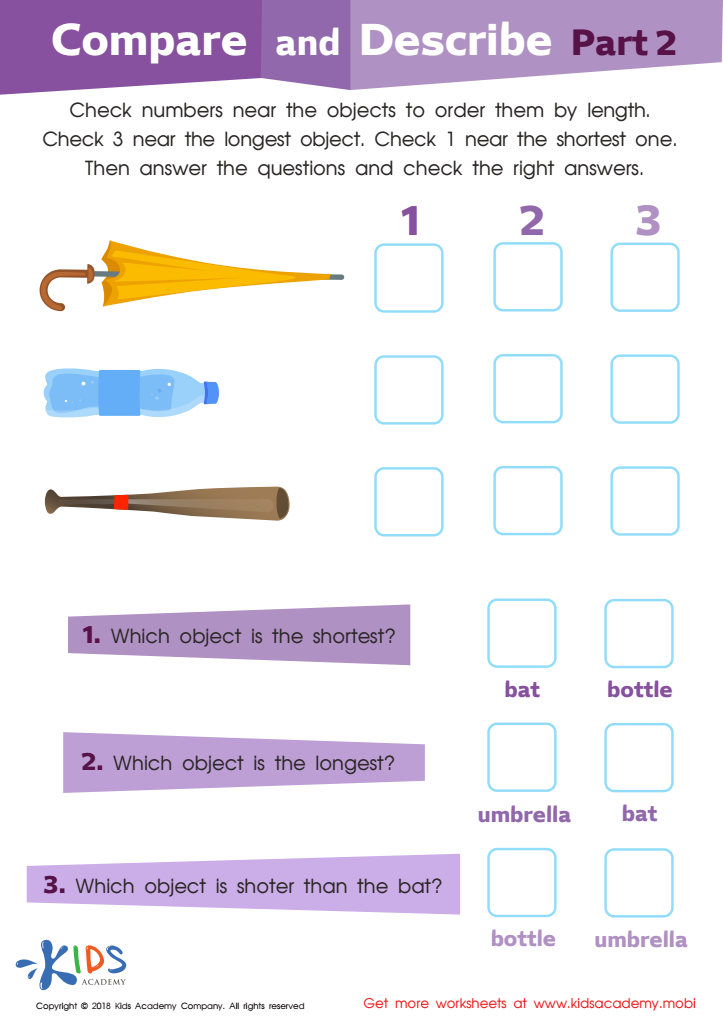
Compare and Describe: Part 2 Worksheet
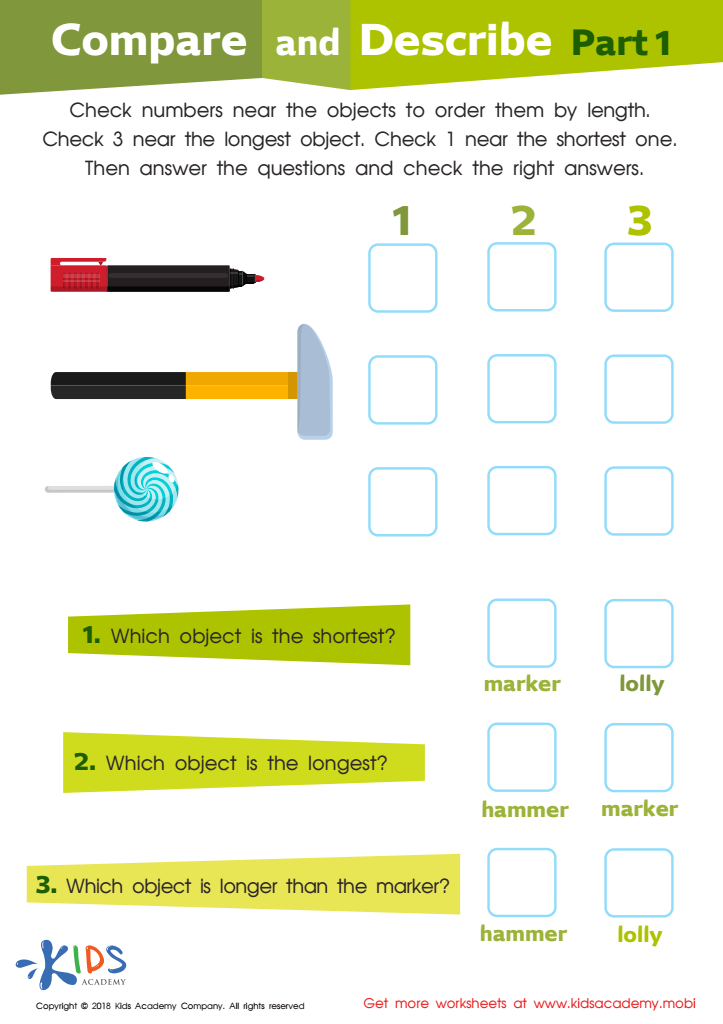
Compare and Describe: Part 1 Worksheet
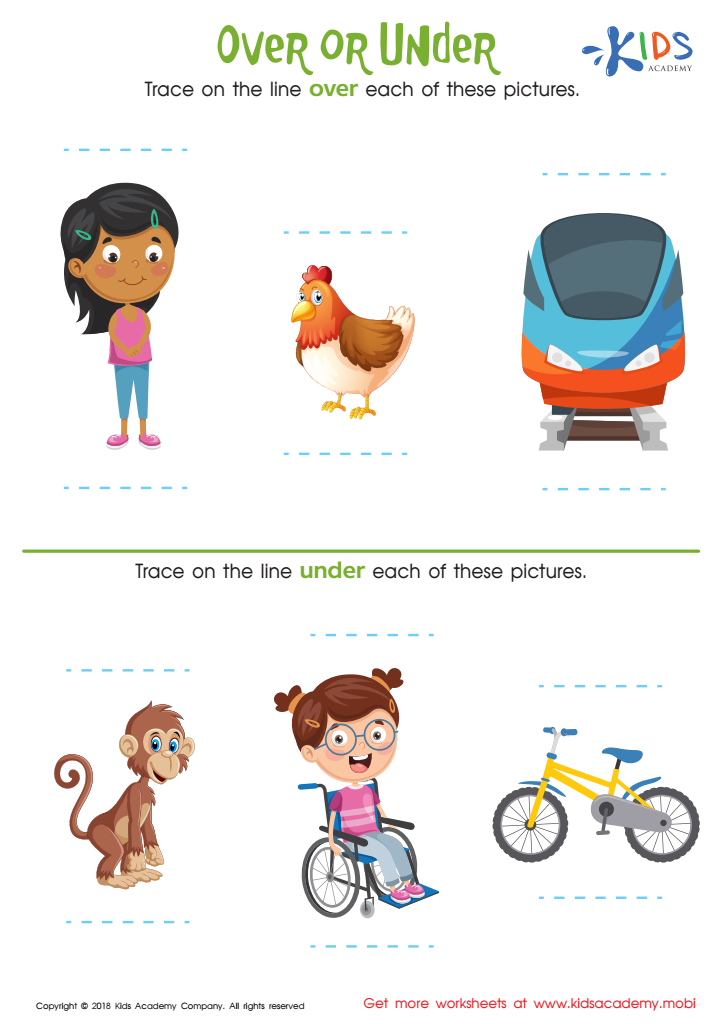
Over or Under Worksheet
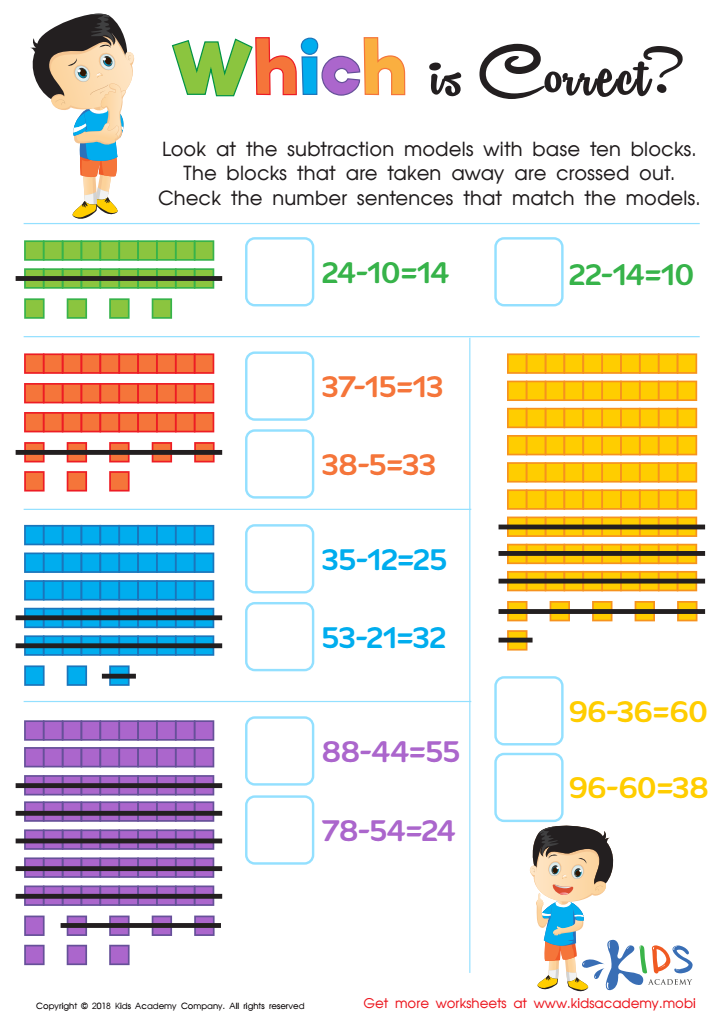
Which Is Correct? Math Worksheet
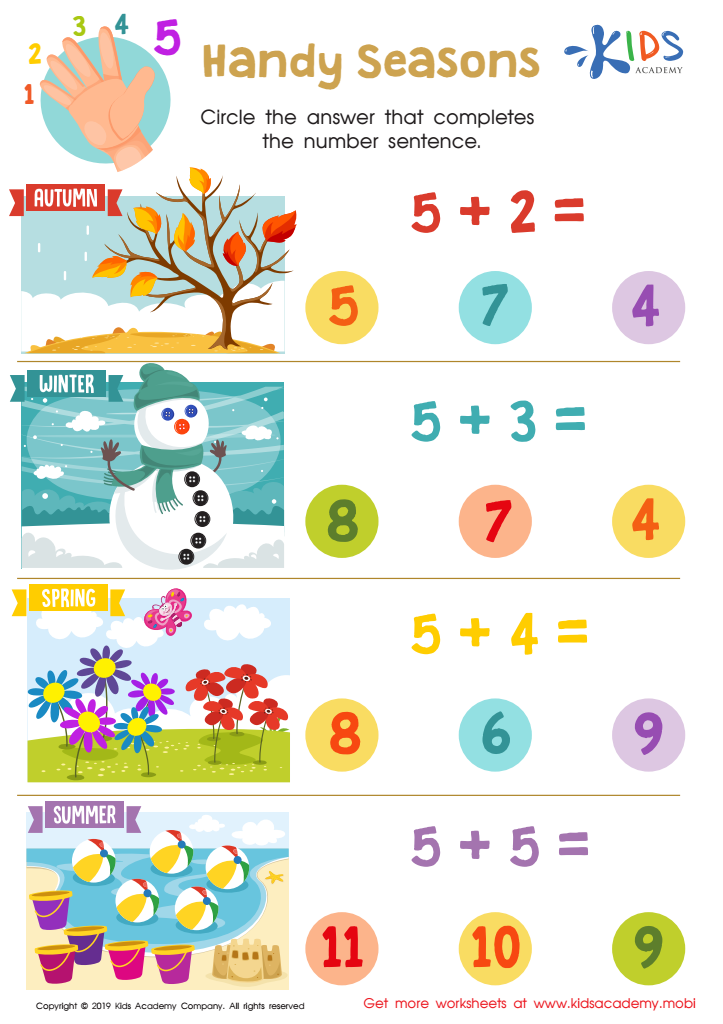
Handy Seasons Worksheet
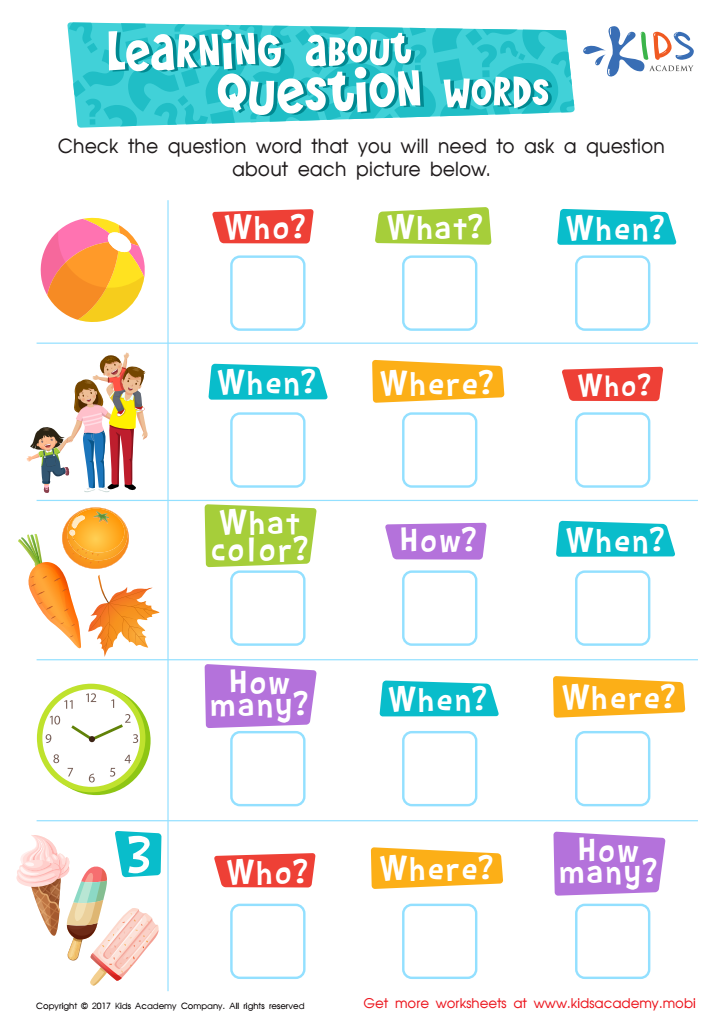
Learning about Question Words Worksheet
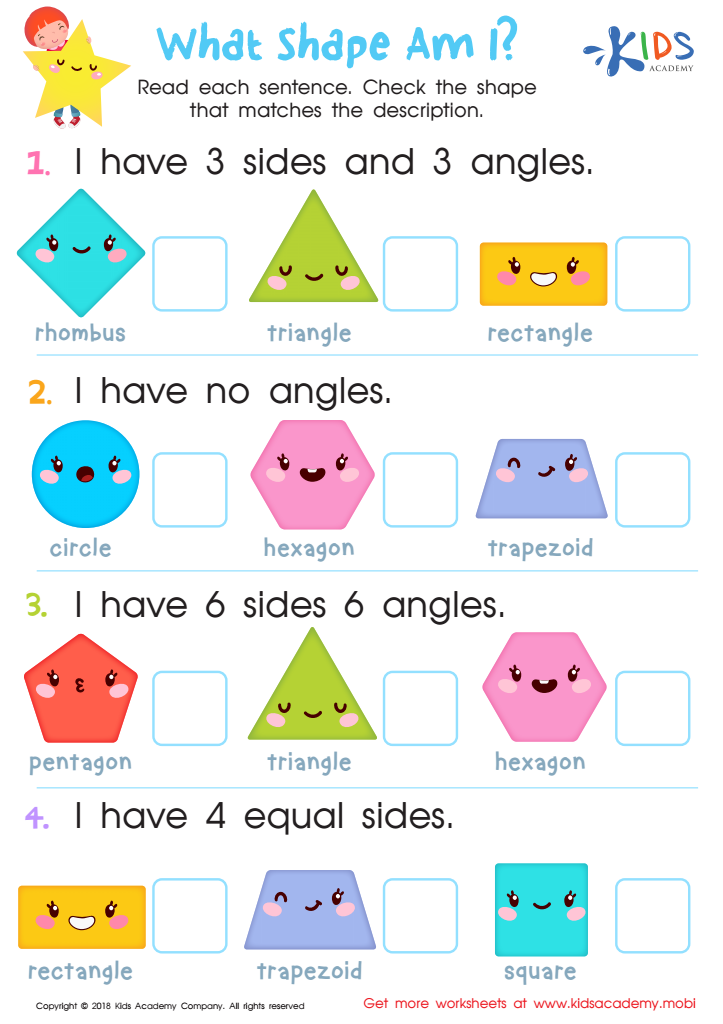
What Shape Am I? Worksheet
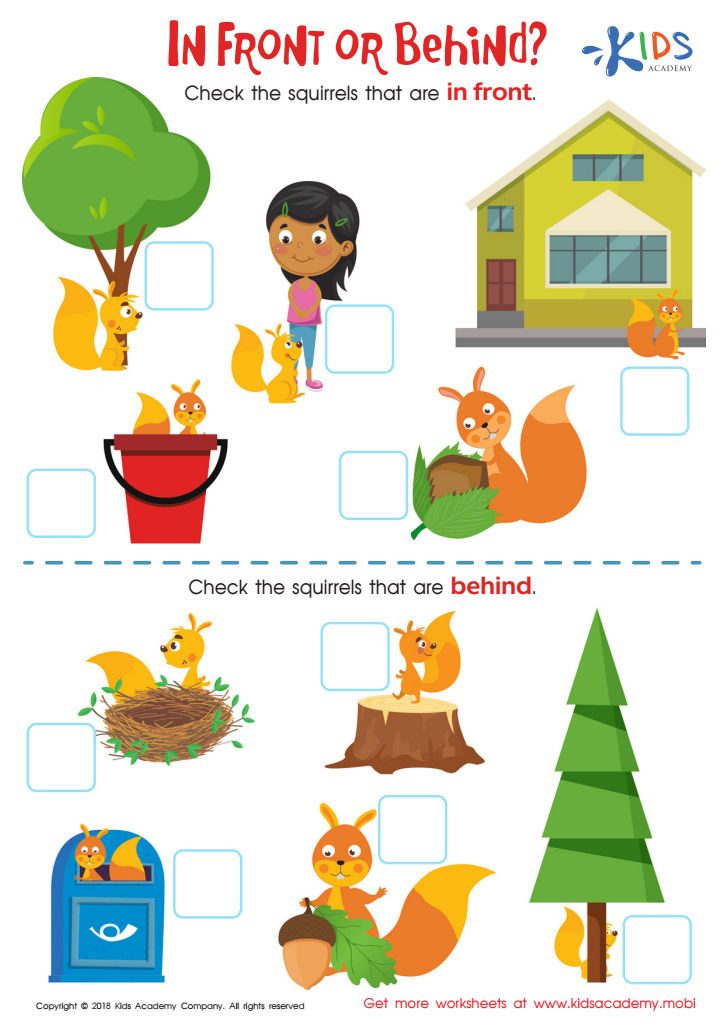
In Front or Behind: Part 2 Worksheet
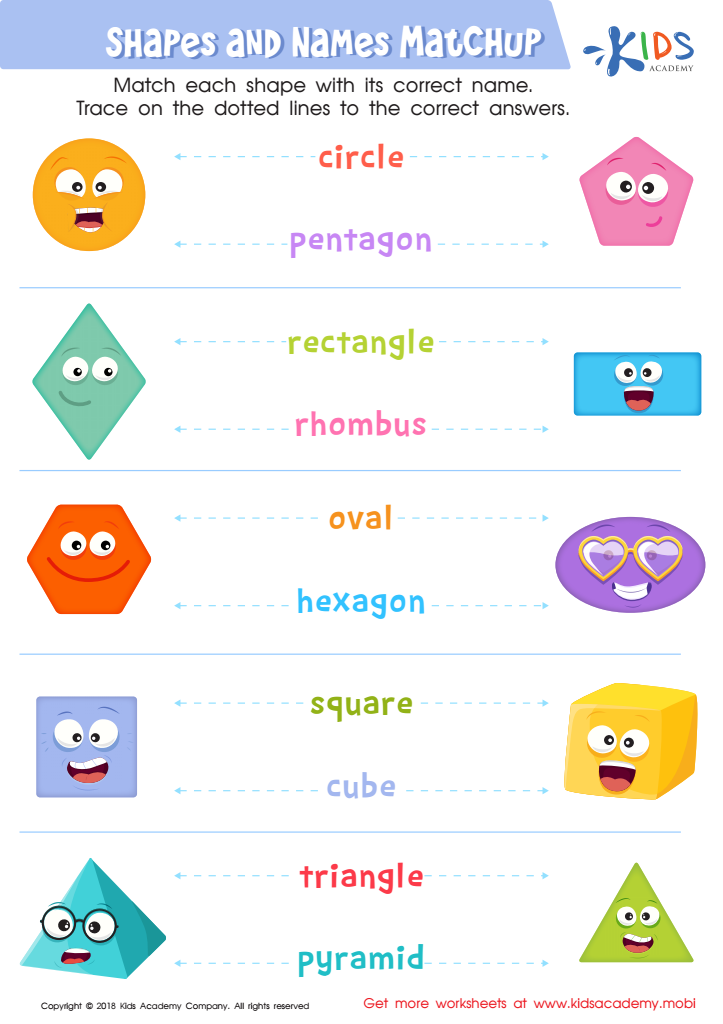
Shapes and Names Matchup Worksheet







Vocabulary enhancement in math for children aged 4-6 is crucial as it lays the foundation for both mathematical understanding and overall literacy skills. During these formative years, children are beginning to grasp basic mathematical concepts such as counting, addition, and shapes. By infusing rich vocabulary in these lessons, parents and teachers foster a deeper understanding of mathematical language and concepts.
Introducing vocabulary such as “more,” “less,” “add,” “subtract,” and descriptive words for shapes helps children articulate their thoughts and observations. This not only aids in their ability to solve problems but also strengthens their communication skills. When children can express their reasoning, they build confidence, critical thinking, and problem-solving skills.
Moreover, enhancing vocabulary within a math context supports vocabulary acquisition in general. As children learn to describe quantities and patterns, they are simultaneously improving their overall language development, which is essential for reading and writing success later on.
Lastly, engaging children in mathematical vocabulary enriches their learning experience, making math more relatable and understandable. It boosts their enthusiasm for learning, setting a positive tone for future education. Involving parents in these activities can also strengthen the home-school connection essential for holistic learning.








