Phonics Skills Alphabet Worksheets for Ages 4-7 - Page 3
66 filtered results
-
From - To
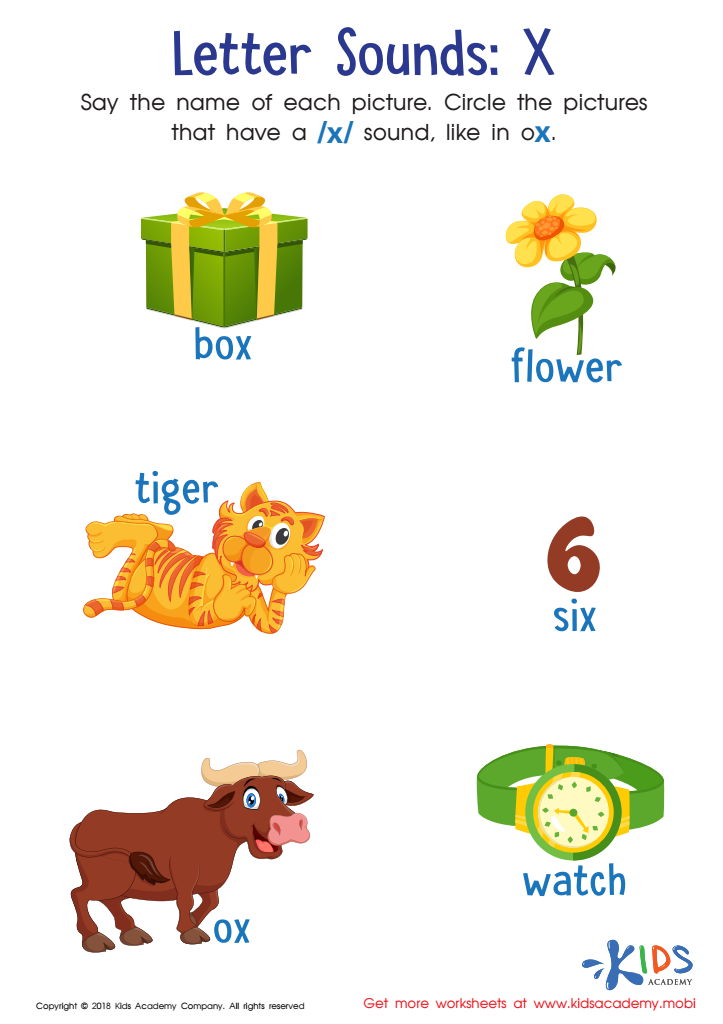
Letter X Sounds Worksheet
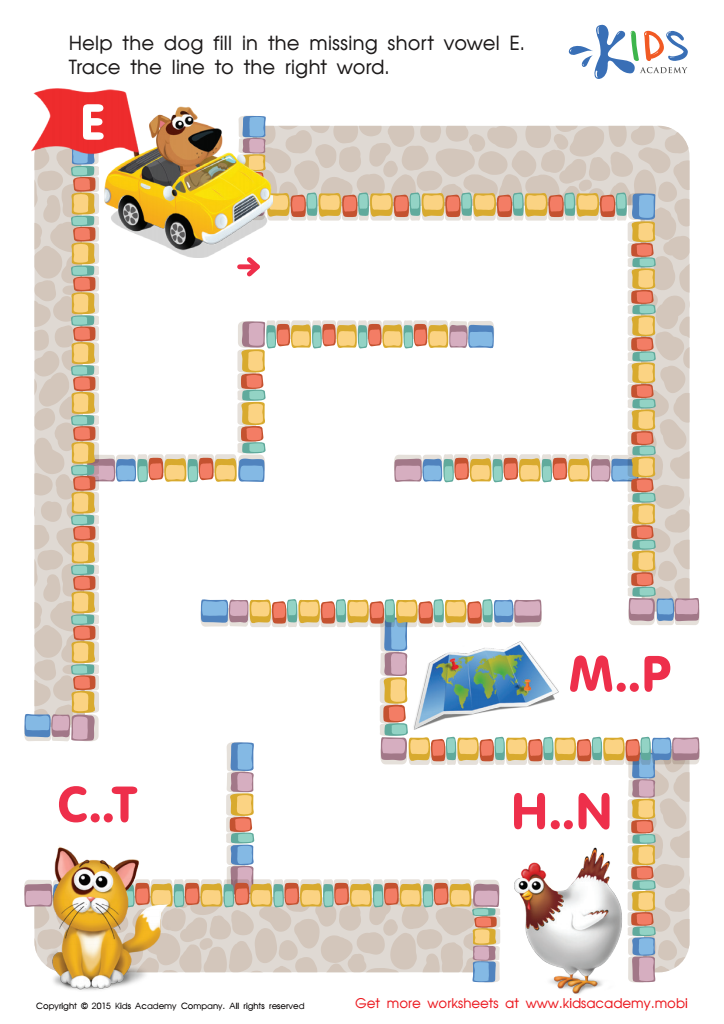
Short Vowel Sound E Worksheet
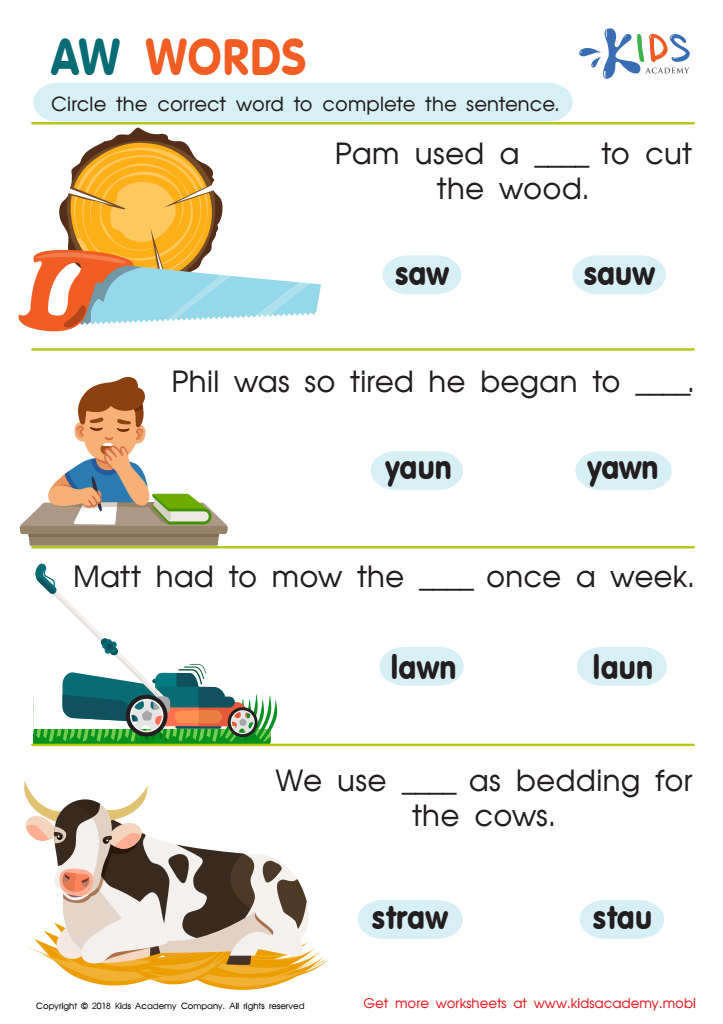
Reading: AW Words Worksheet
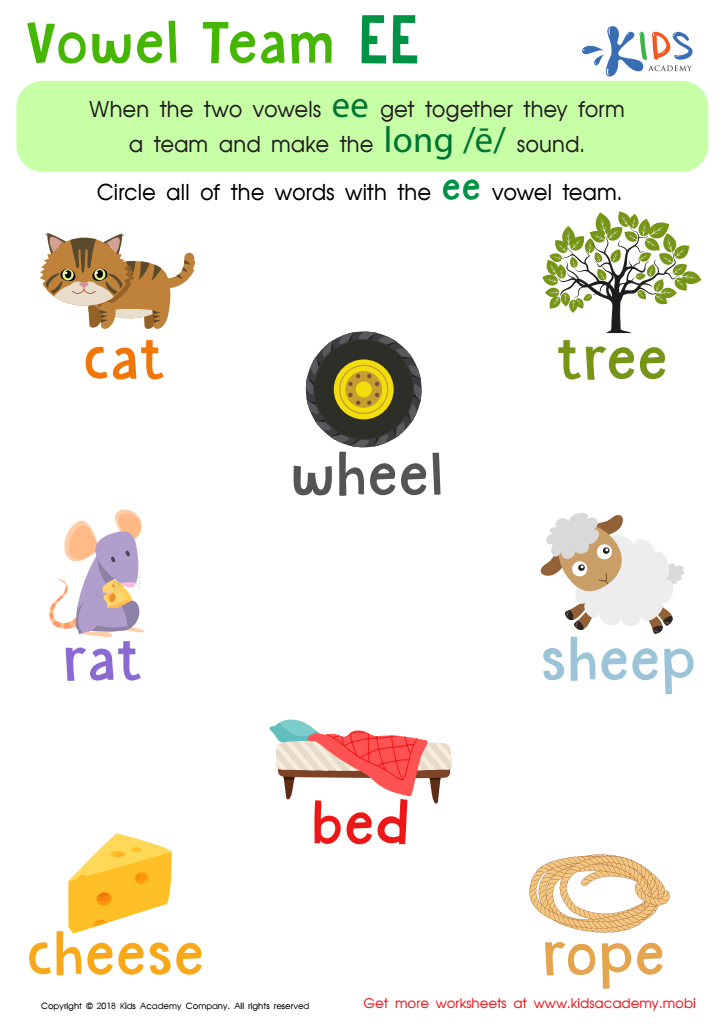
Reading: Vowel Team EE Worksheet
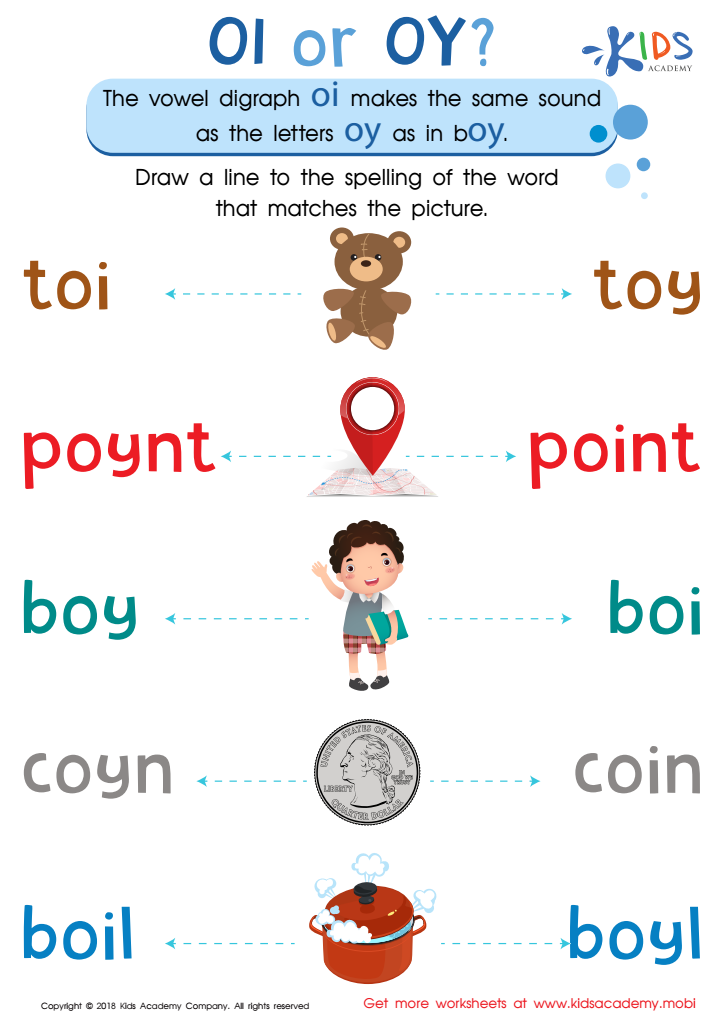
Reading: OI and OY Worksheet
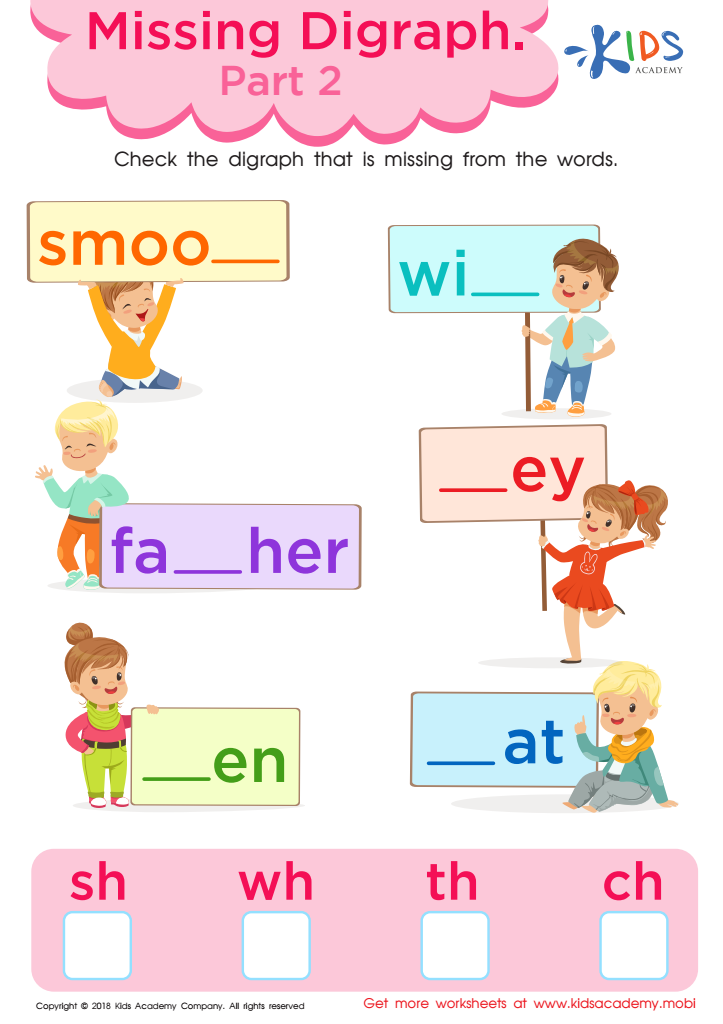
Missing Digraph: Part 2 Worksheet
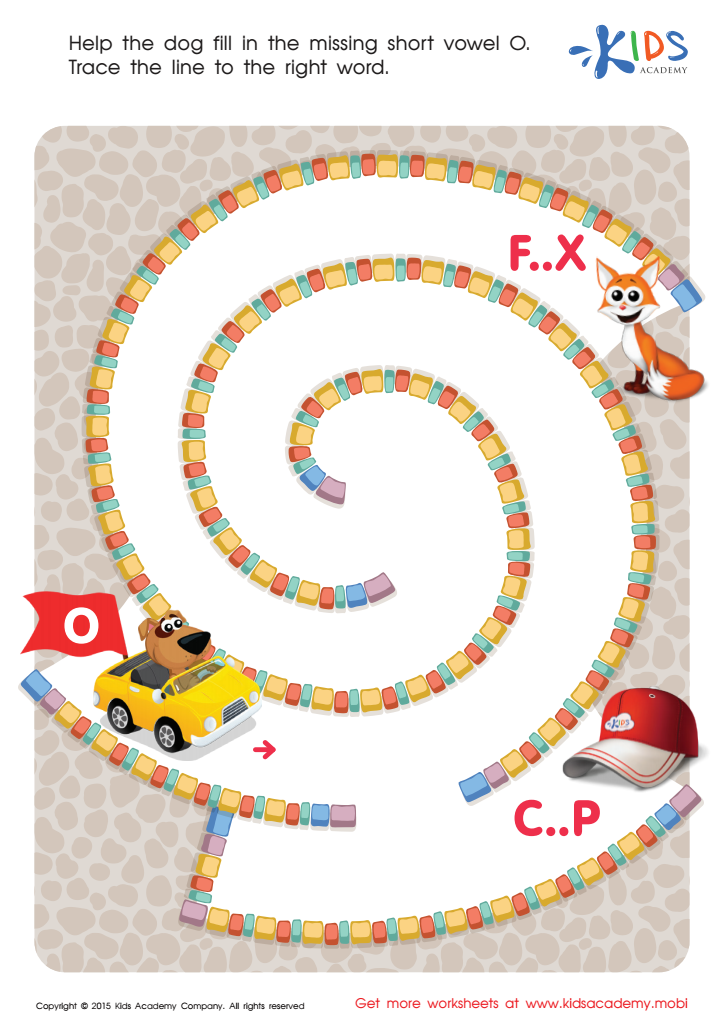
Short Vowel Sound O Worksheet
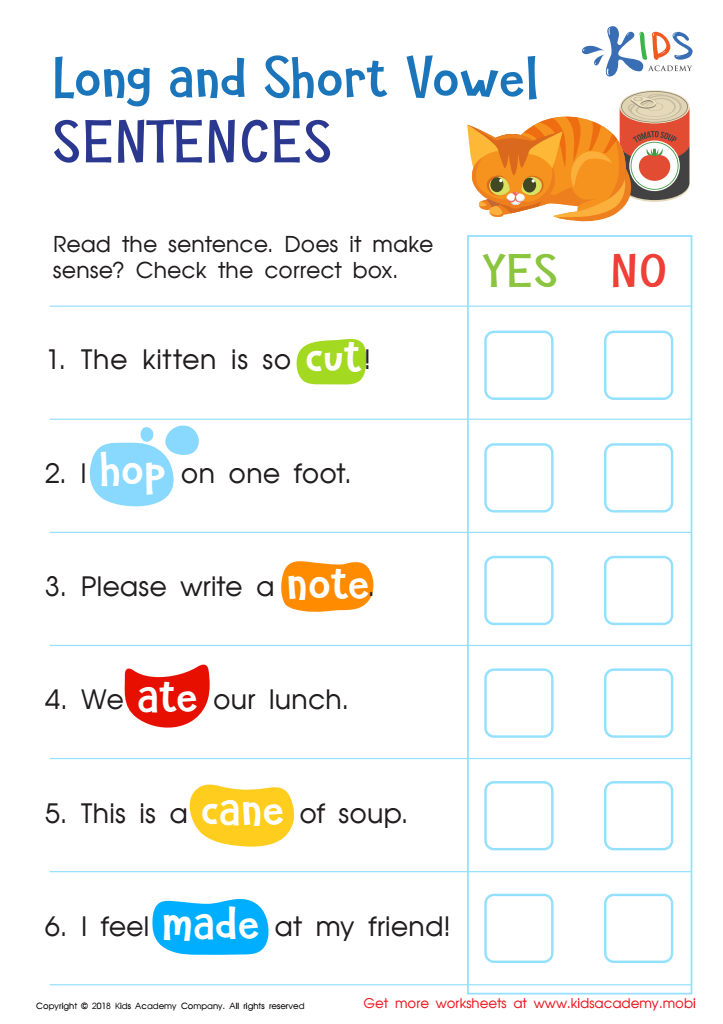
Long and Short Vowel Sentences: Assessment Worksheet
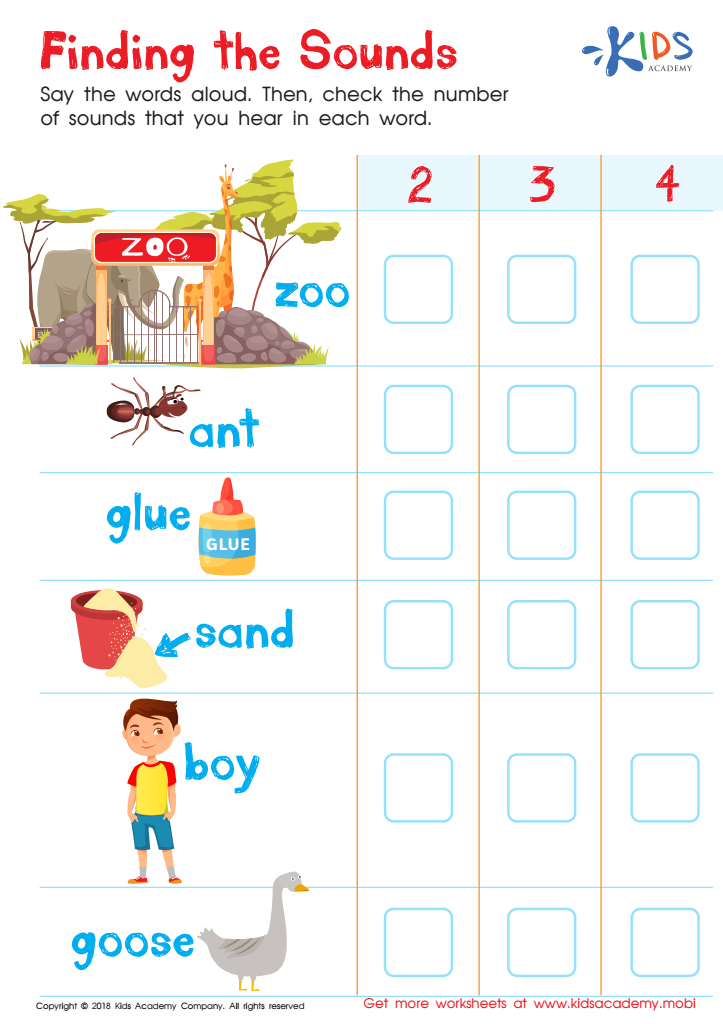
Finding the Sounds Worksheet
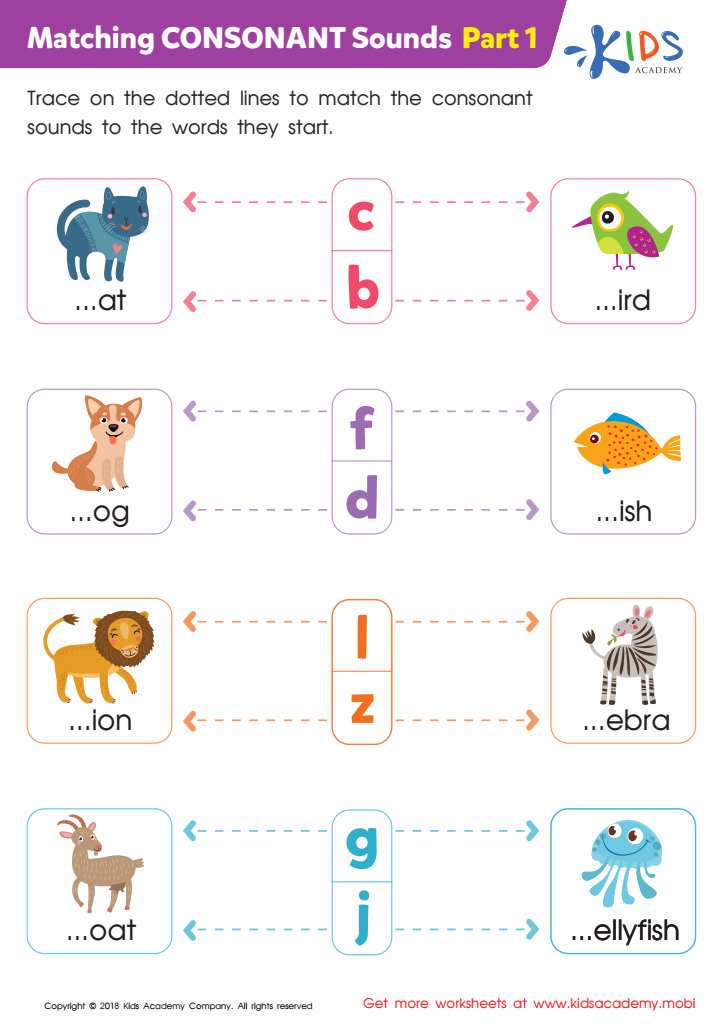
Matching Consonant Sounds: Part 1 Worksheet
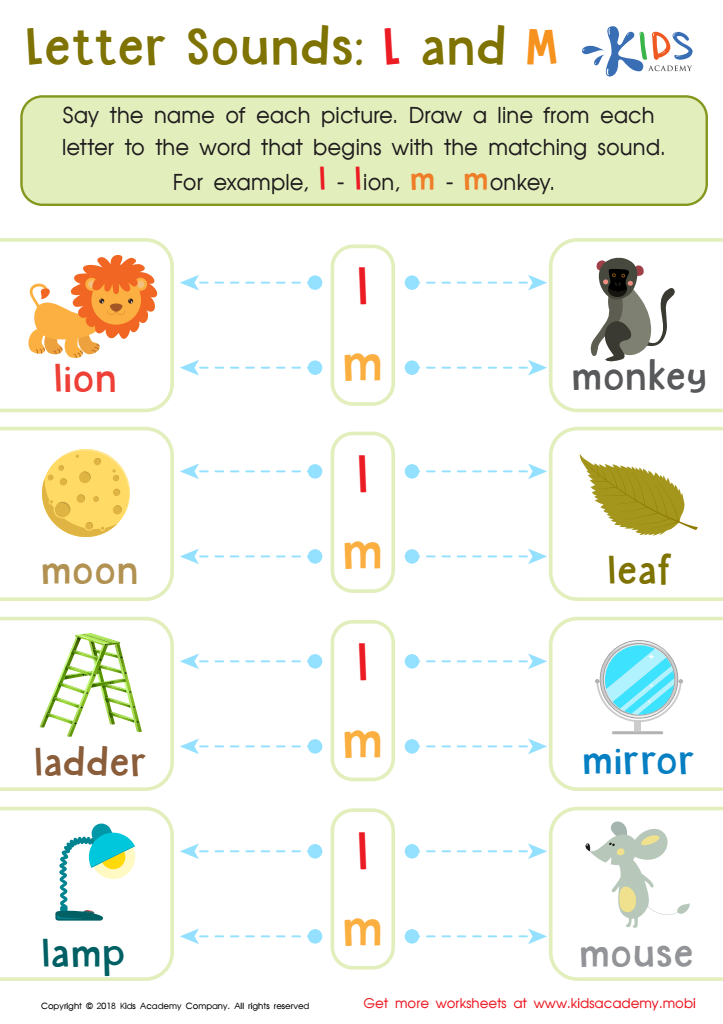
Letter l and M Sounds Worksheet
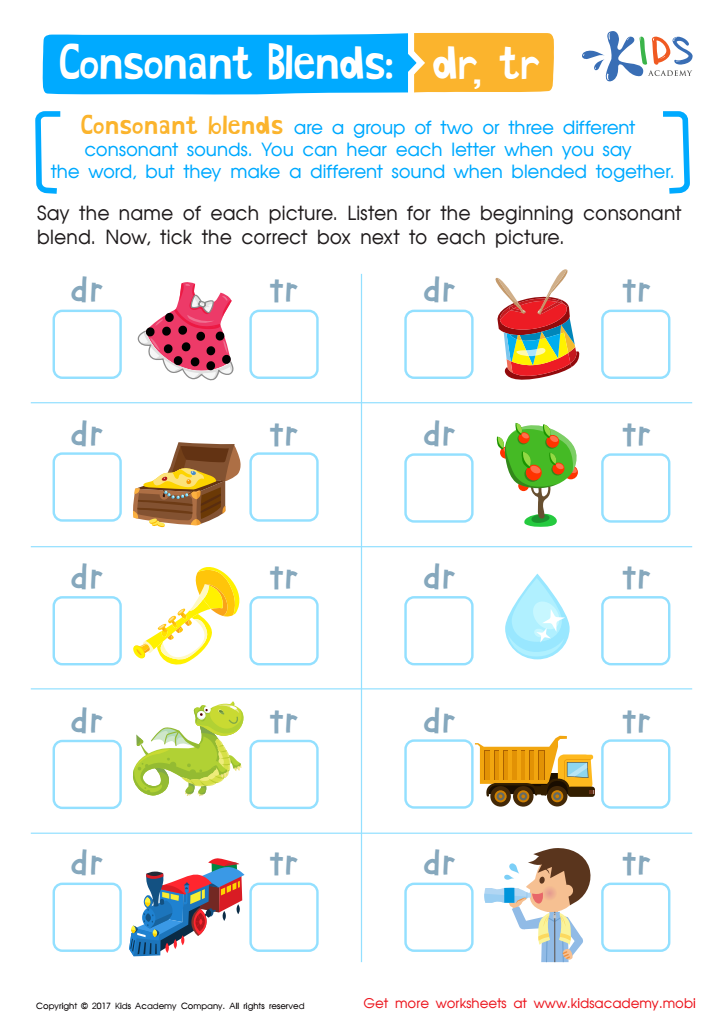
Consonant Blends: "Dr" and "Tr" Printable

Long and Short E Worksheet
 Assign to My Students
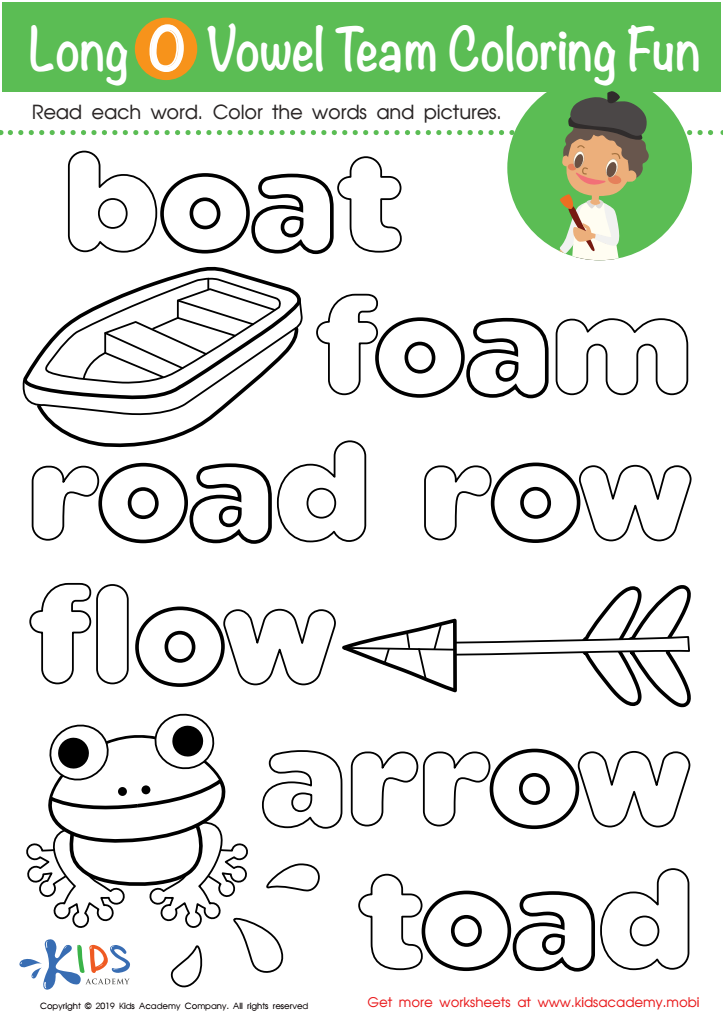
Long O Vowel Team Coloring Worksheet
Assign to My Students
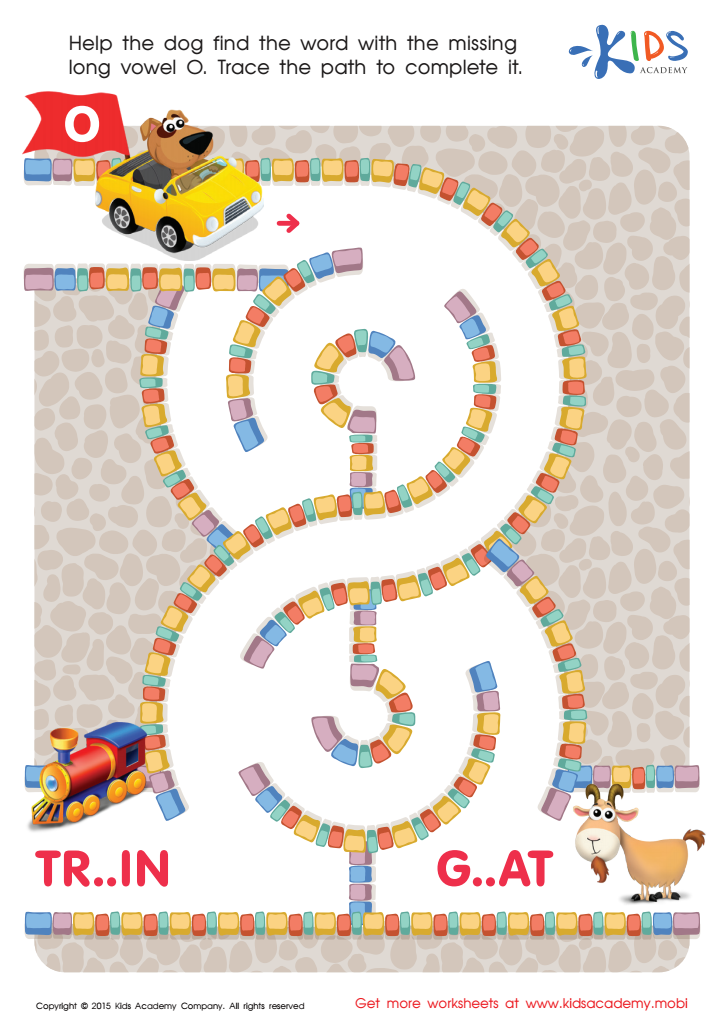
Long Vowel Sound O Worksheet
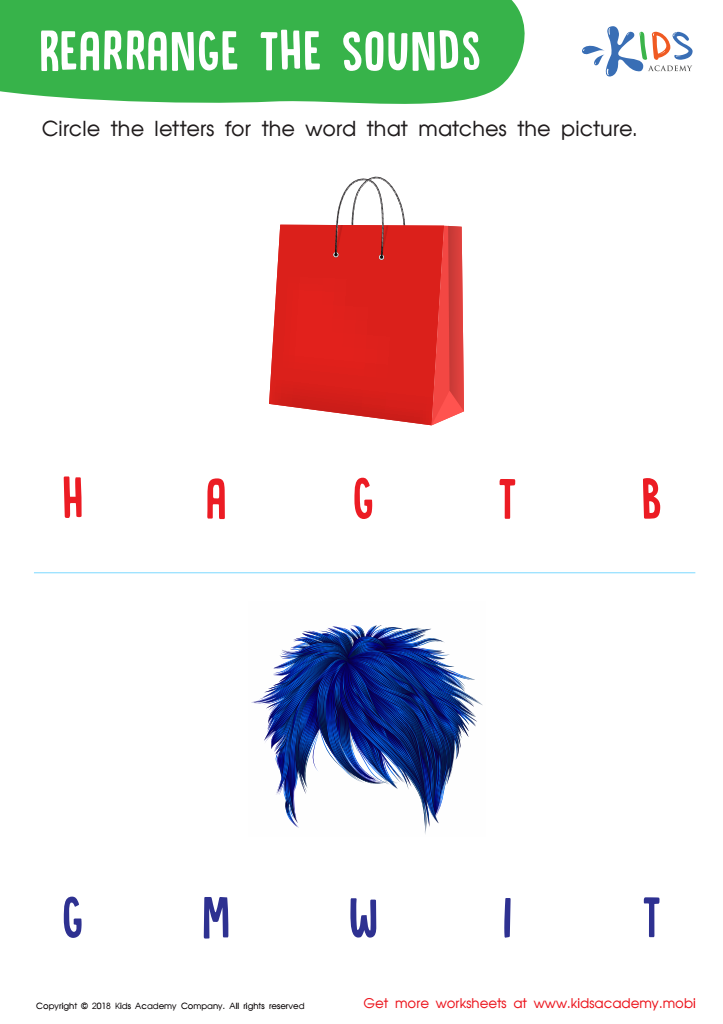
Rearrange the Sounds Worksheet
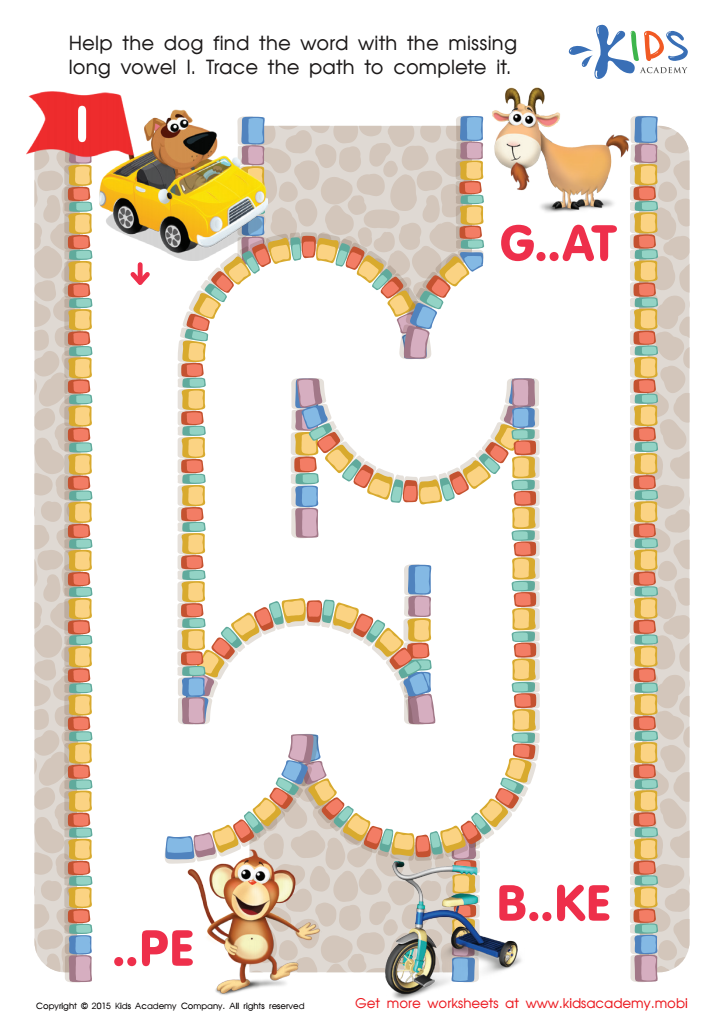
Long Vowel Sound I Worksheet
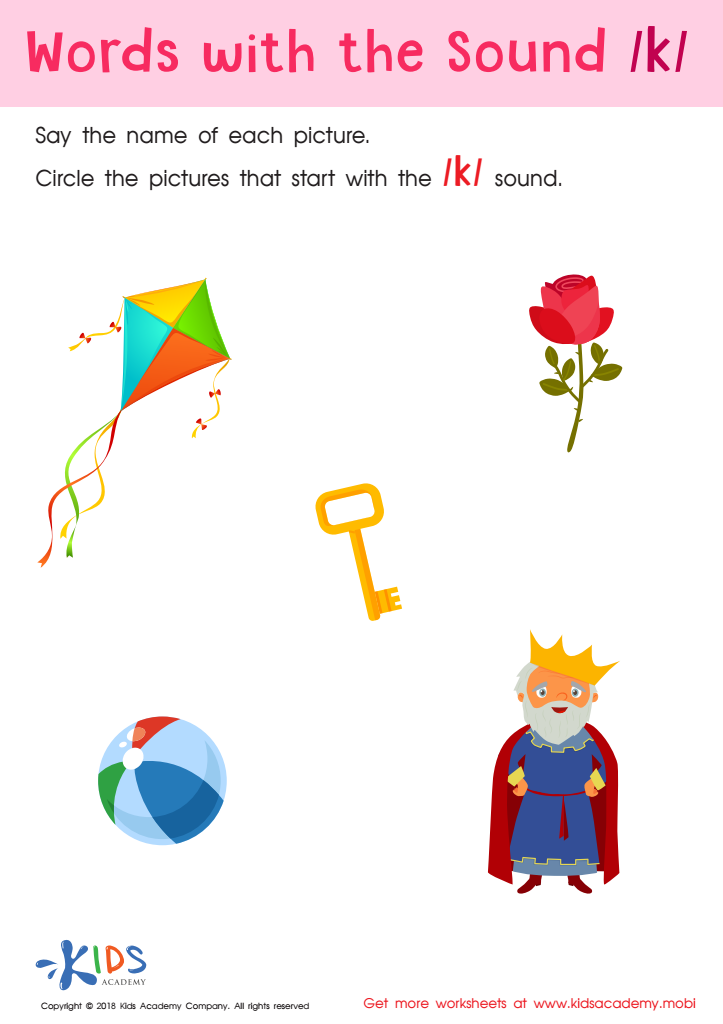
Words with sound k Reading Worksheet





.jpg)


Parents and teachers should prioritize phonics skills for children aged 4-7 because these foundational skills are essential for early literacy development. Phonics instruction teaches children the relationship between letters and sounds, enabling them to decode words, which is crucial for reading fluency and comprehension. At this age, children's brains are highly receptive to learning and developing skills that will support their academic journey.
By embedding phonics into their learning, children can build a strong foundation for their reading and writing abilities, which are pivotal in their educational success. Early mastery of phonics can enhance vocabulary development, spelling, and overall confidence in language use.
Moreover, proficiency in phonics helps reduce reading difficulties later on. Children who struggle with phonics are often at a higher risk for challenges in reading comprehension, limiting their potential in other subjects that rely on textual understanding. By fostering phonics skills, parents and teachers can create more equitable learning opportunities and promote a lifelong love of reading.
Investing time and resources into phonics education is critical, as it lays the groundwork for academic achievement, social skills, and cognitive growth, empowering children to succeed both in school and beyond.







