Long Vowels Worksheets for Ages 4-7 - Page 2
36 filtered results
-
From - To
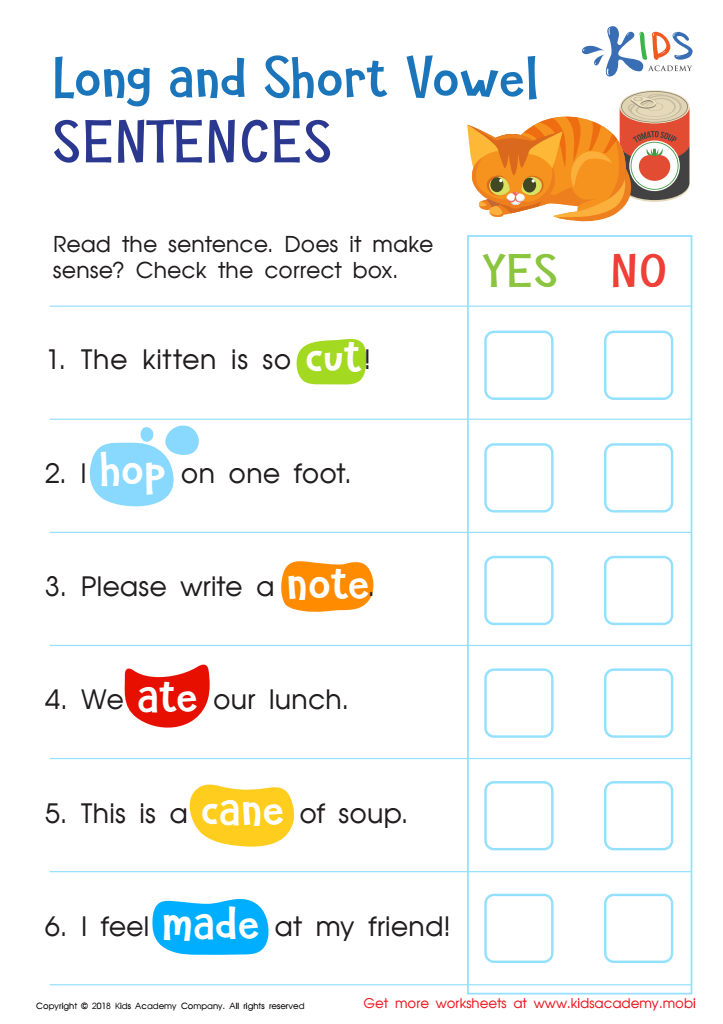
Long and Short Vowel Sentences: Assessment Worksheet
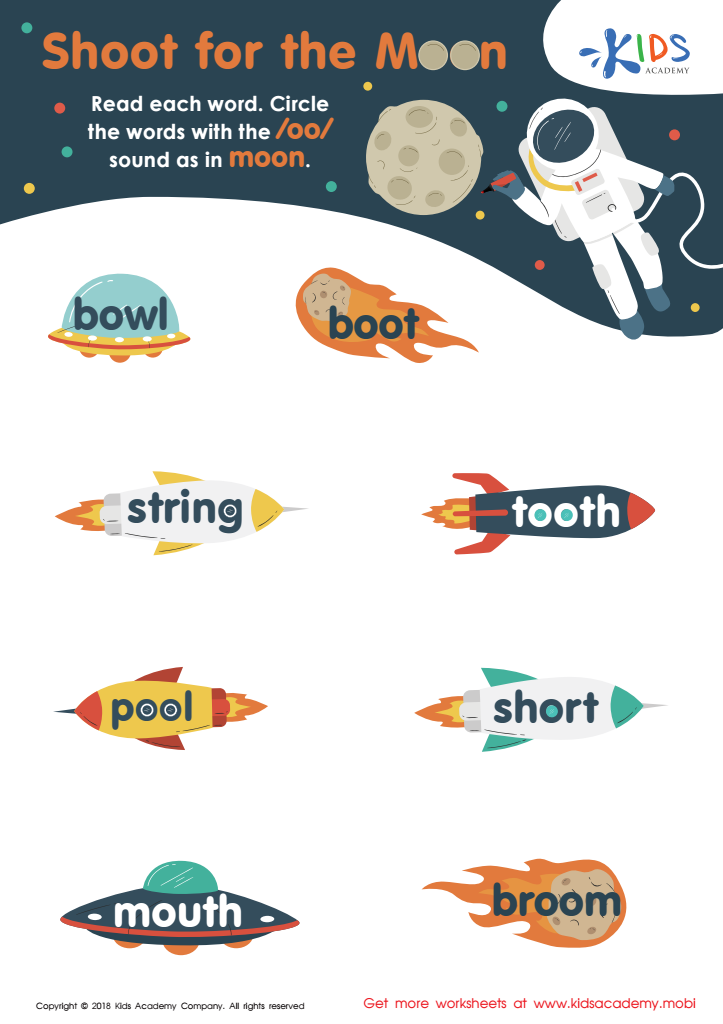
Reading: Shoot for the Moon Worksheet
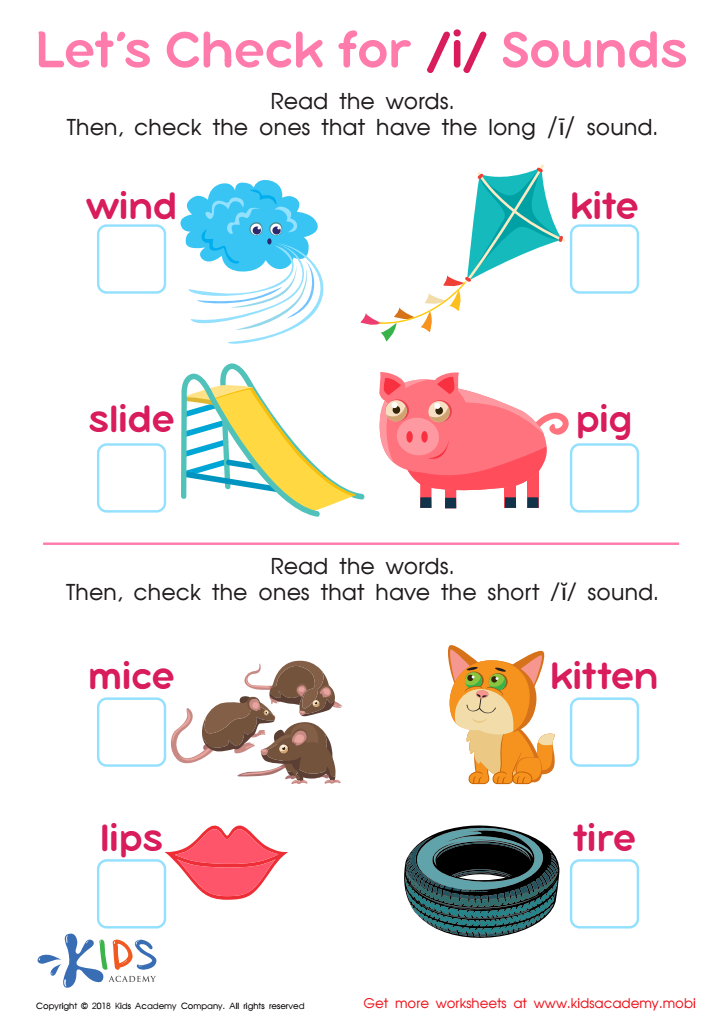
Let's Check for «i» Sounds Worksheet

Long and Short E Worksheet
 Assign to My Students
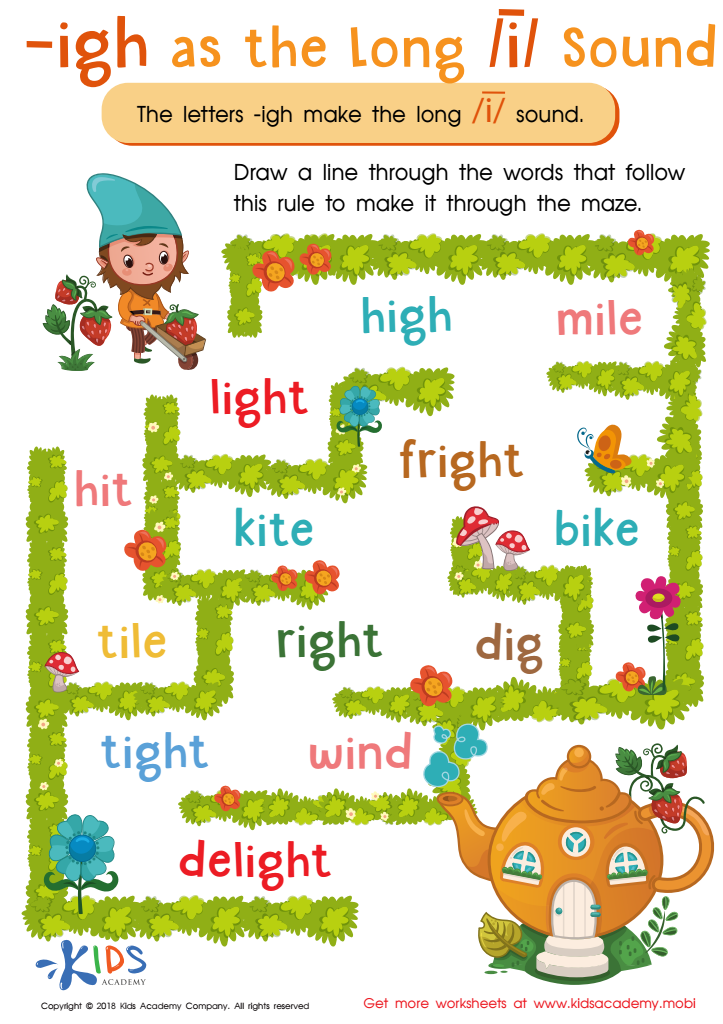
Reading: IGH as Long I Worksheet
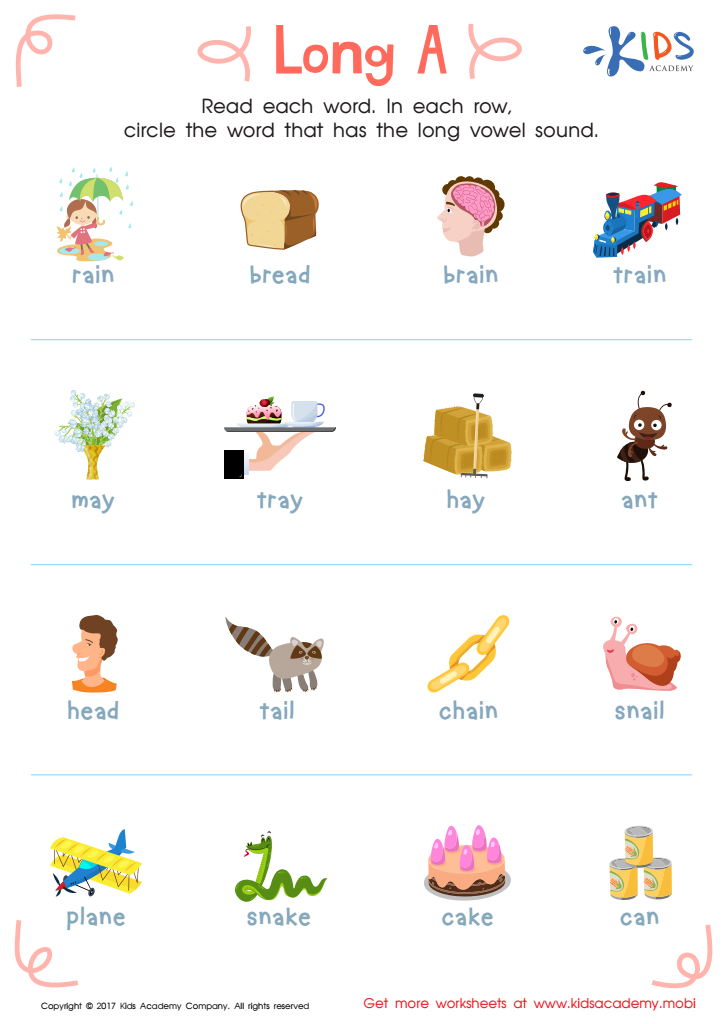
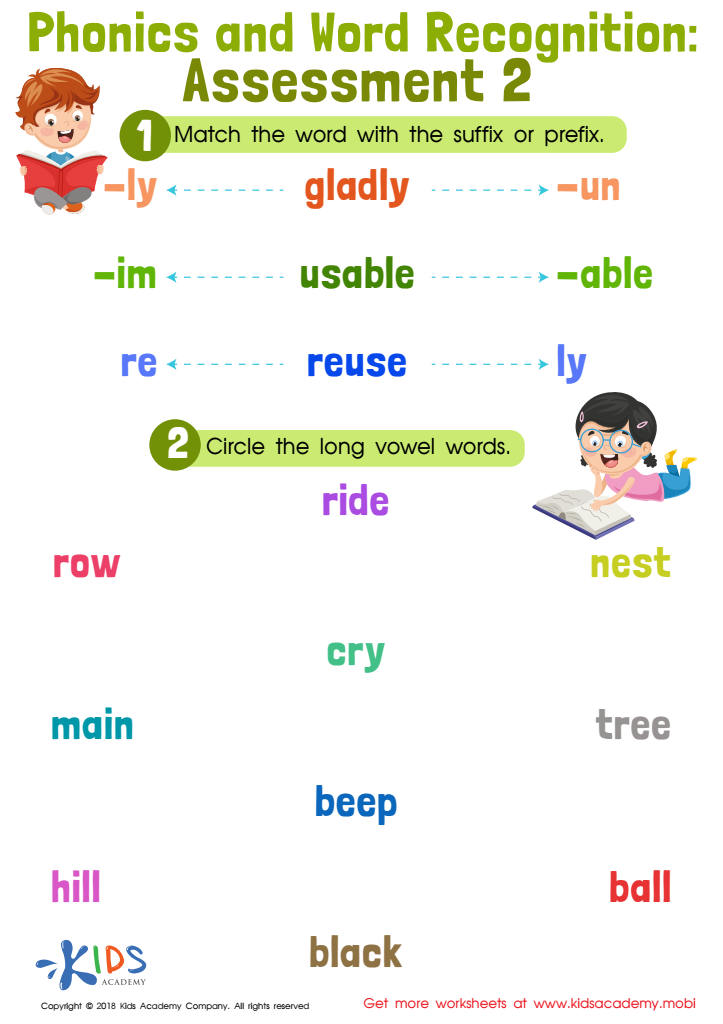
Phonics and Word Recognition: Assessment 2
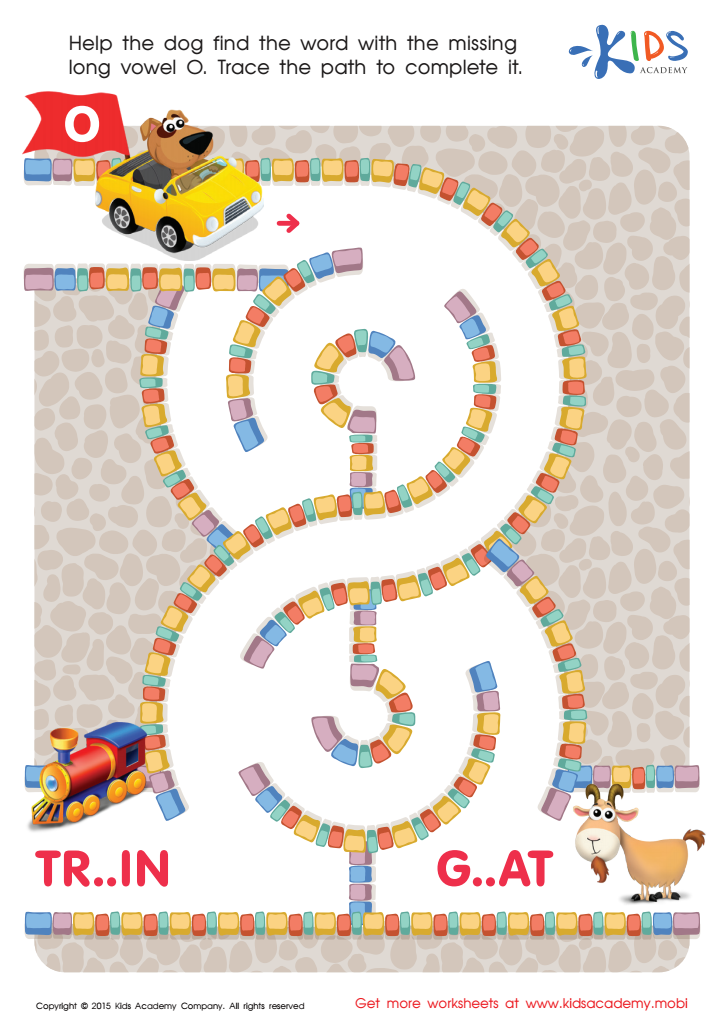
Long Vowel Sound O Worksheet
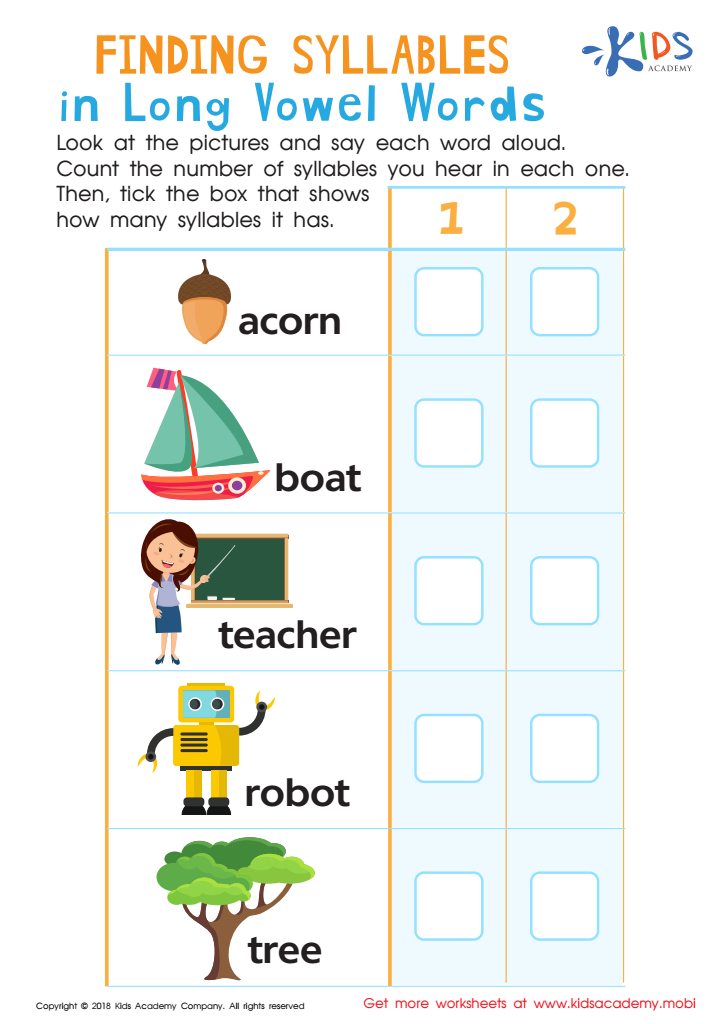
Finding Syllables in Long Vowel Words Worksheet
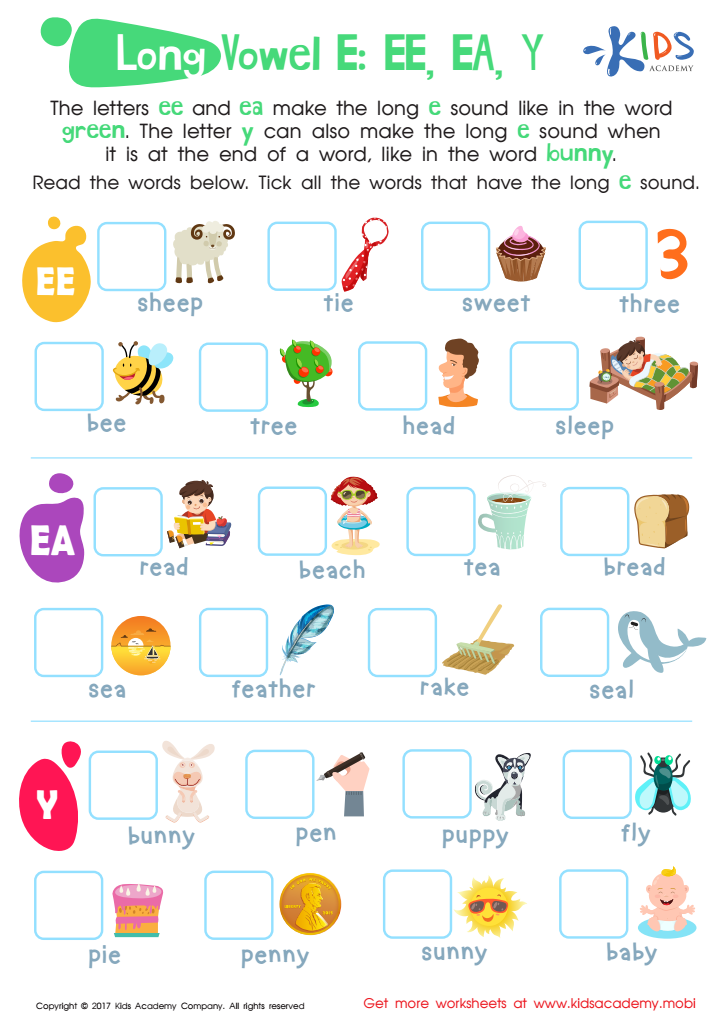
Long Vowel E Printable
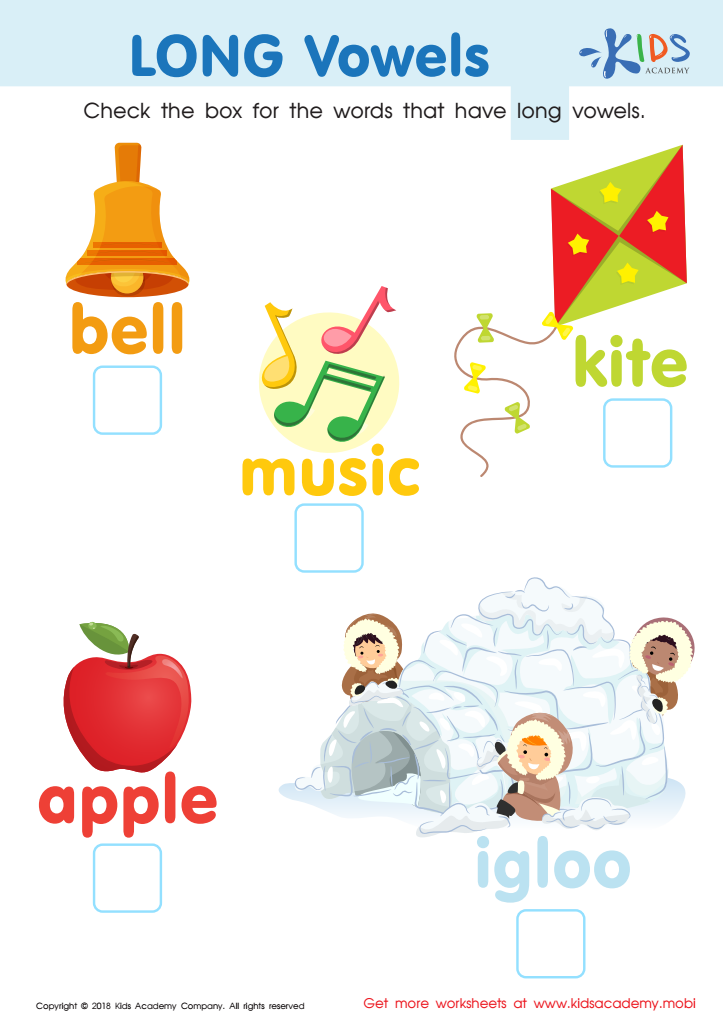
long vowels Worksheet
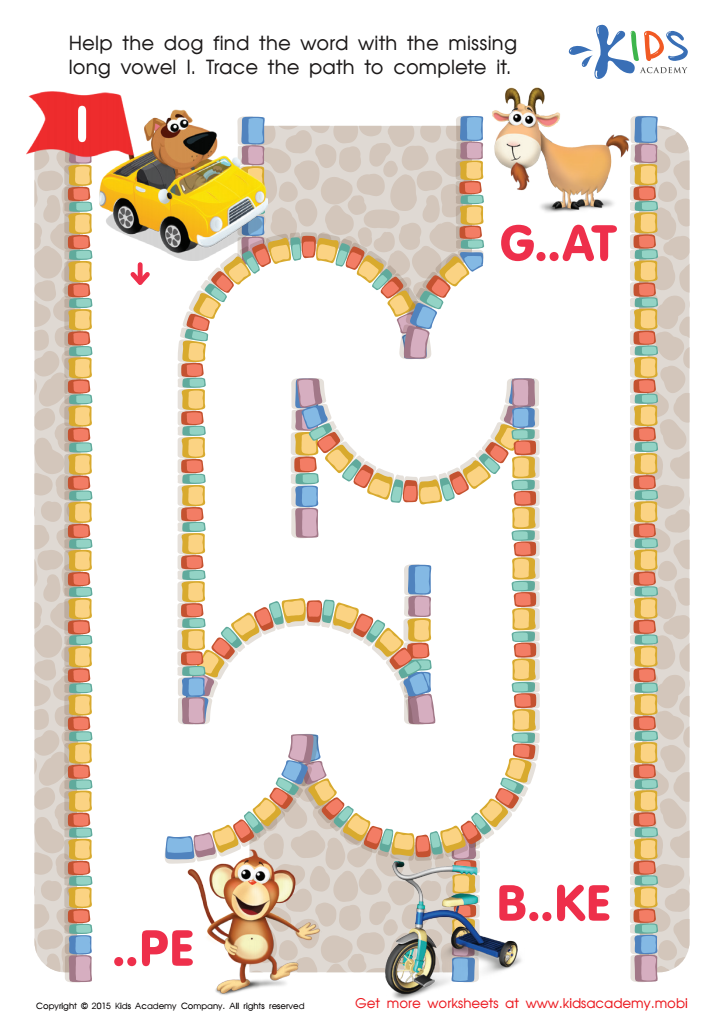
Long Vowel Sound I Worksheet



Long vowels are essential in early literacy development, particularly for children aged 4-7, when foundational reading and writing skills are established. Understanding long vowels enhances children’s phonemic awareness, helping them recognize the different sounds that vowels can make. This understanding is pivotal for accurate word decoding and spelling.
When children grasp the concept of long vowels—where the vowel sounds like its name, such as the "a" in "cake" or the "e" in "meet"—they become more proficient readers. This increased proficiency reduces frustration and builds confidence, fostering a love for reading. Long vowels also play a crucial role in comprehension, as they help children distinguish between words that might otherwise sound the same, like "bit" and "bite."
For parents and teachers, supporting the mastery of long vowels ensures children develop strong reading skills early on, impacting their overall academic success. Activities like reading books with a focus on vowel sounds, playing phonics games, and practicing vowel-specific worksheets can make learning long vowels engaging and effective. By investing time in teaching long vowel sounds, parents and teachers set the stage for children to become fluent readers, capable spellers, and confident learners, essentially laying a foundation for future learning and communication skills.