Phonics Worksheets for Ages 4-7 - Page 11
243 filtered results
-
From - To
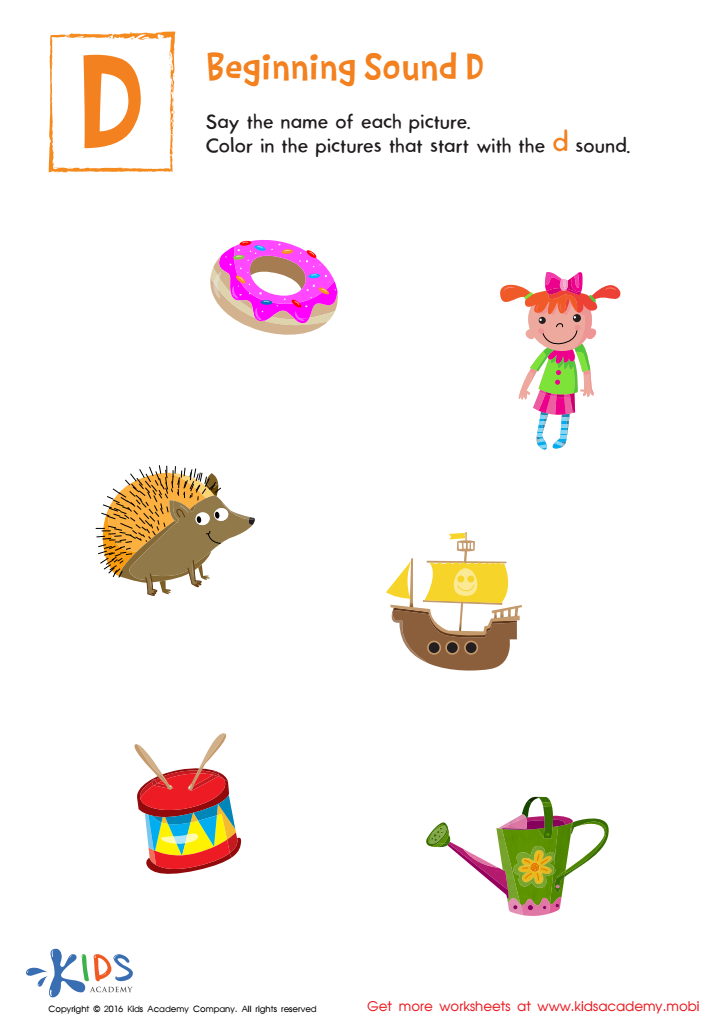
Beginning Sound D Worksheet
 Assign to My Students
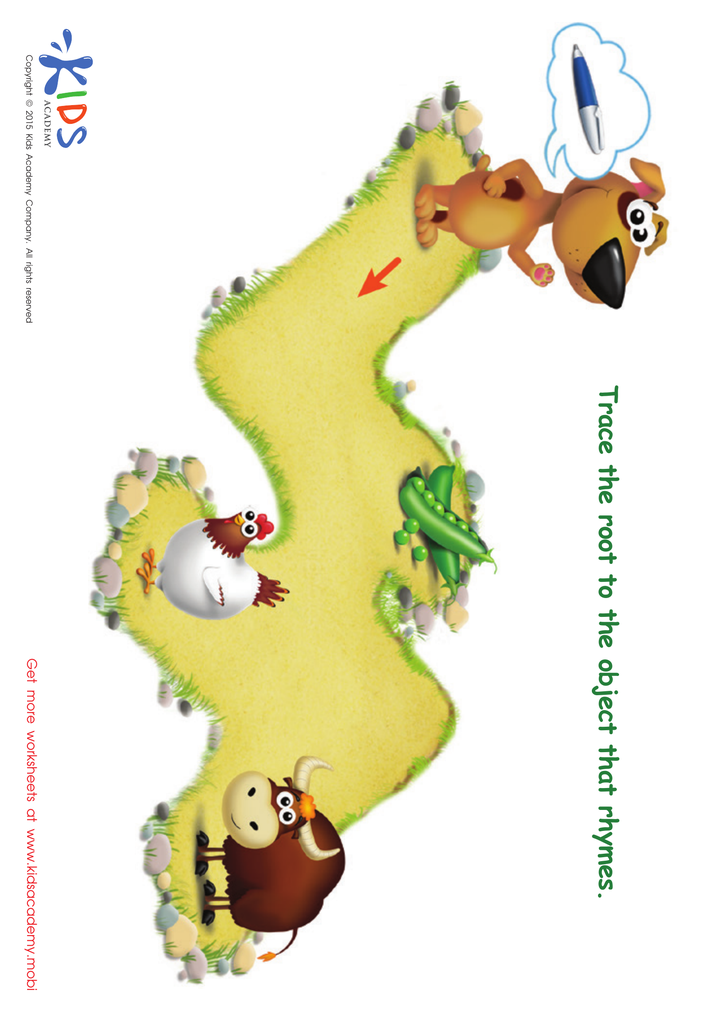
Pen Rhyming Words Worksheet
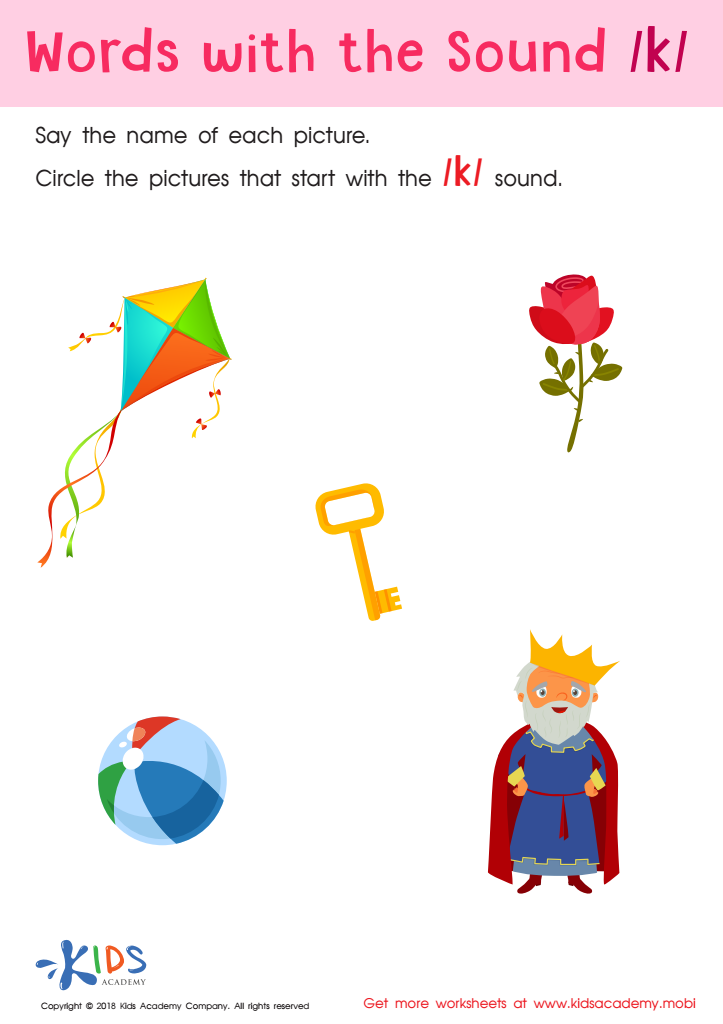
Words with sound k Reading Worksheet








Phonics is crucial for children aged 4-7 as it lays the foundation for reading and writing skills. At this early stage, children are developing their understanding of sounds (phonemes) and how these sounds correlate with letters and letter combinations (graphemes). A strong phonics foundation helps children decode words, enabling them to read fluently and confidently.
By emphasizing phonics, parents and teachers can enhance children’s literacy skills, fostering a love for reading that can last a lifetime. Moreover, phonics instruction is especially beneficial for children learning to tackle unfamiliar words, which boosts their independence and self-esteem.
Research shows that children who grasp phonics are more likely to achieve academic success, as reading ability is directly tied to educational outcomes across subjects. Early phonics instruction can also identify and support children who may struggle with reading, allowing for timely intervention.
Additionally, understanding phonics equips parents and teachers with strategies for effective communication as they guide children through the complexities of language. Ultimately, prioritizing phonics during these formative years can spark curiosity, enhance cognitive development, and set the stage for future academic achievements, making it a vital component of early education.







