Critical Thinking Worksheets for Ages 4-7 - Page 4
132 filtered results
-
From - To
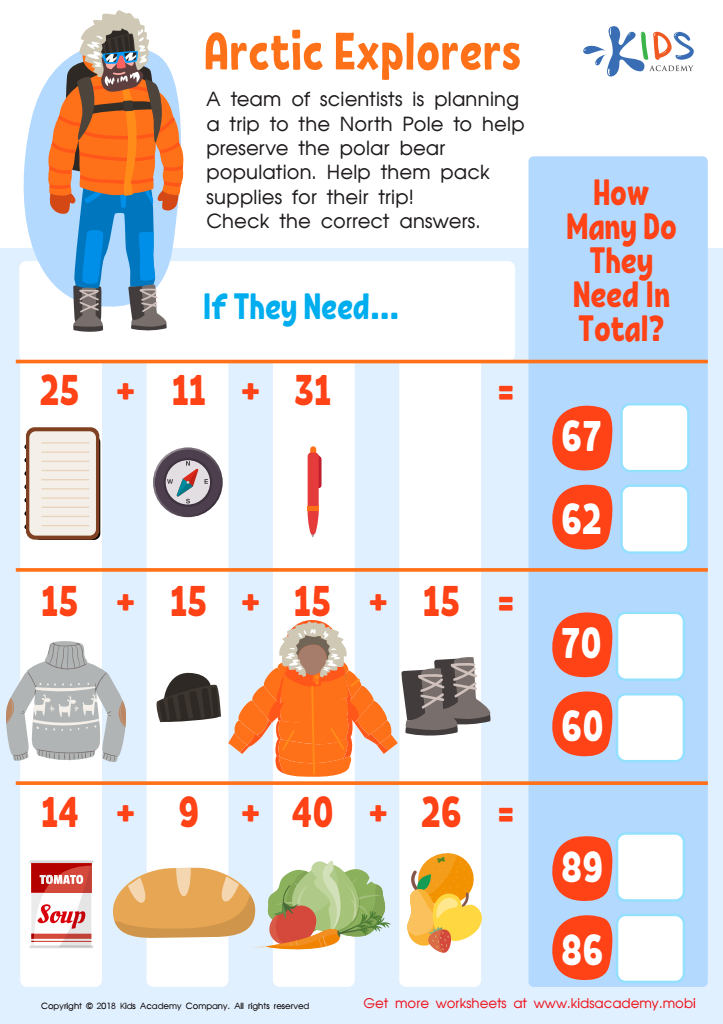
Arctic Explorers Worksheet
 Assign to My Students
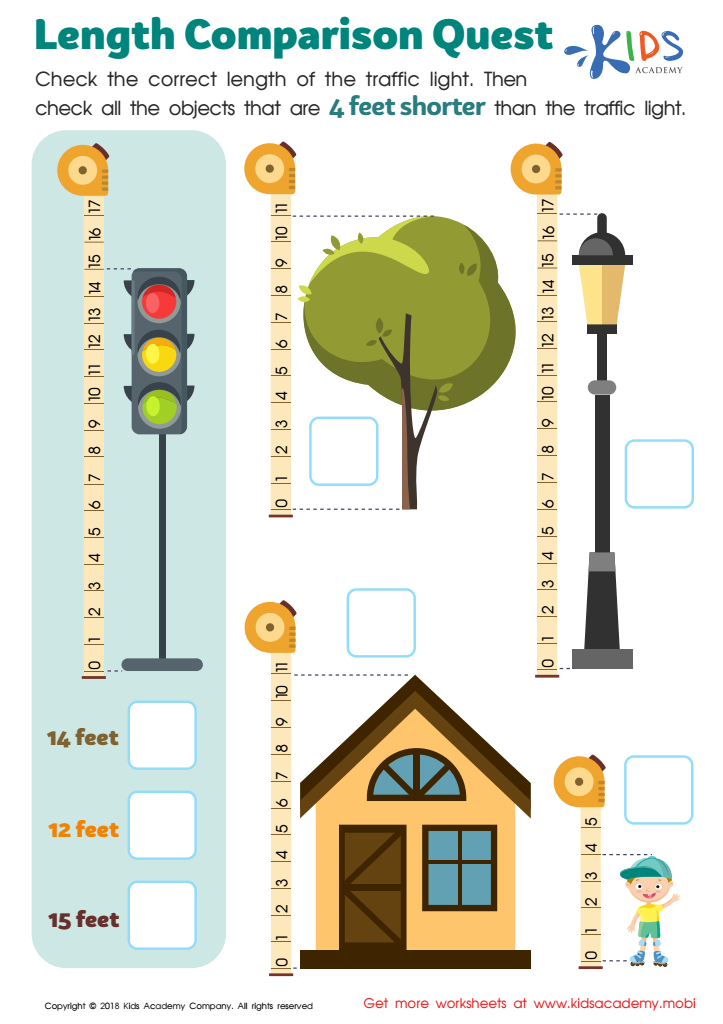
Length Comparison Quest Worksheet
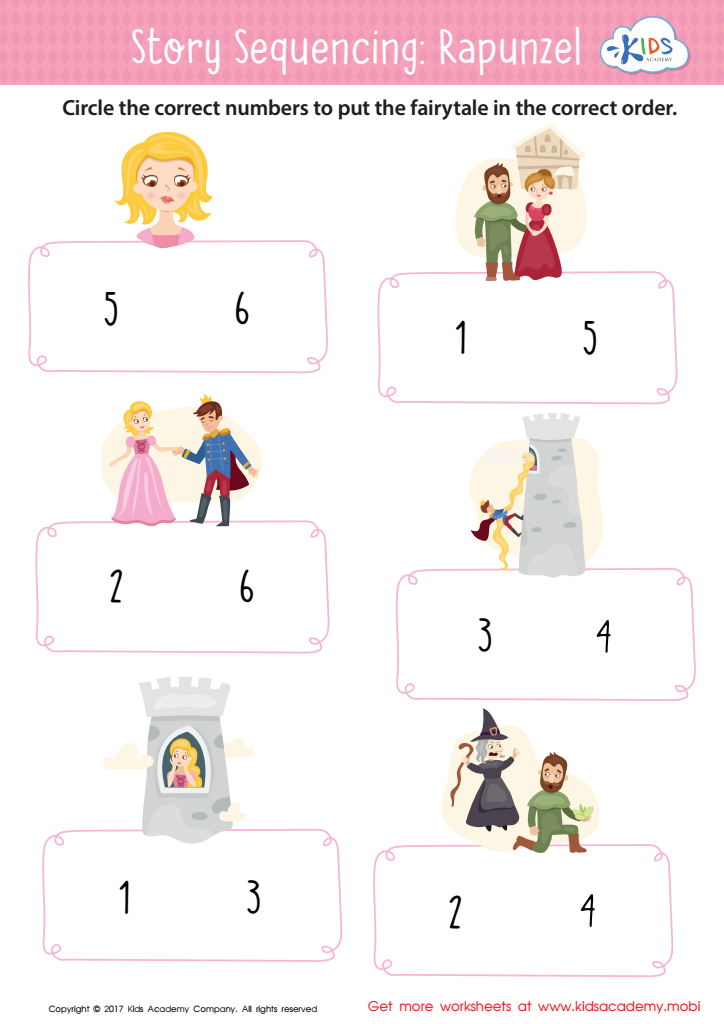
Rapunzel Story Sequencing Worksheet
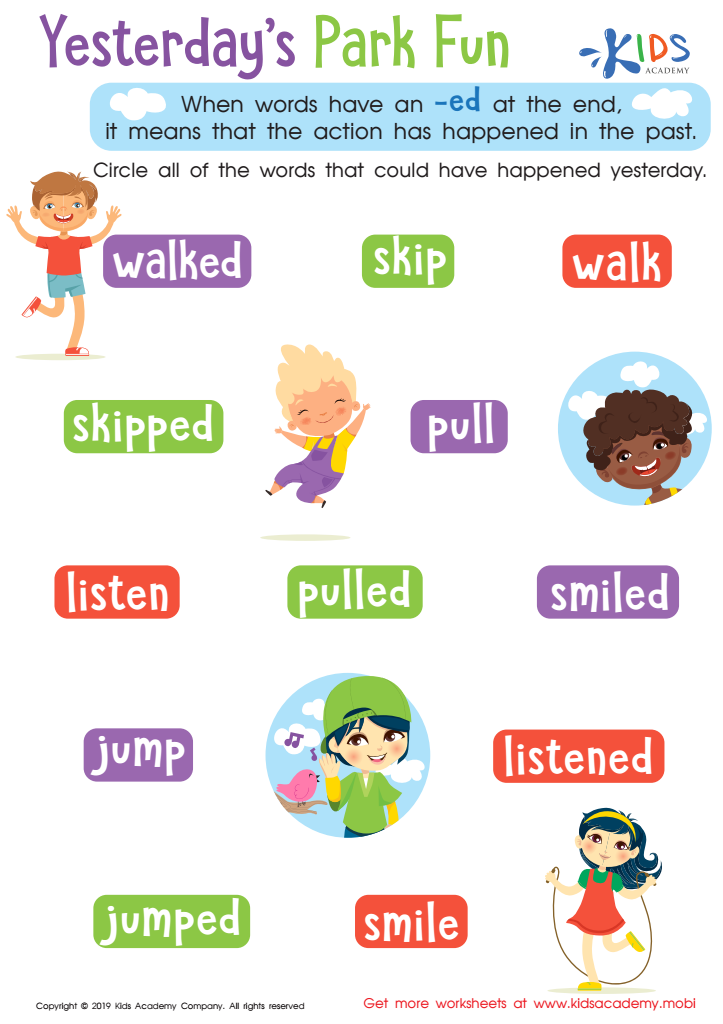
Yesterday's Park Fun Worksheet
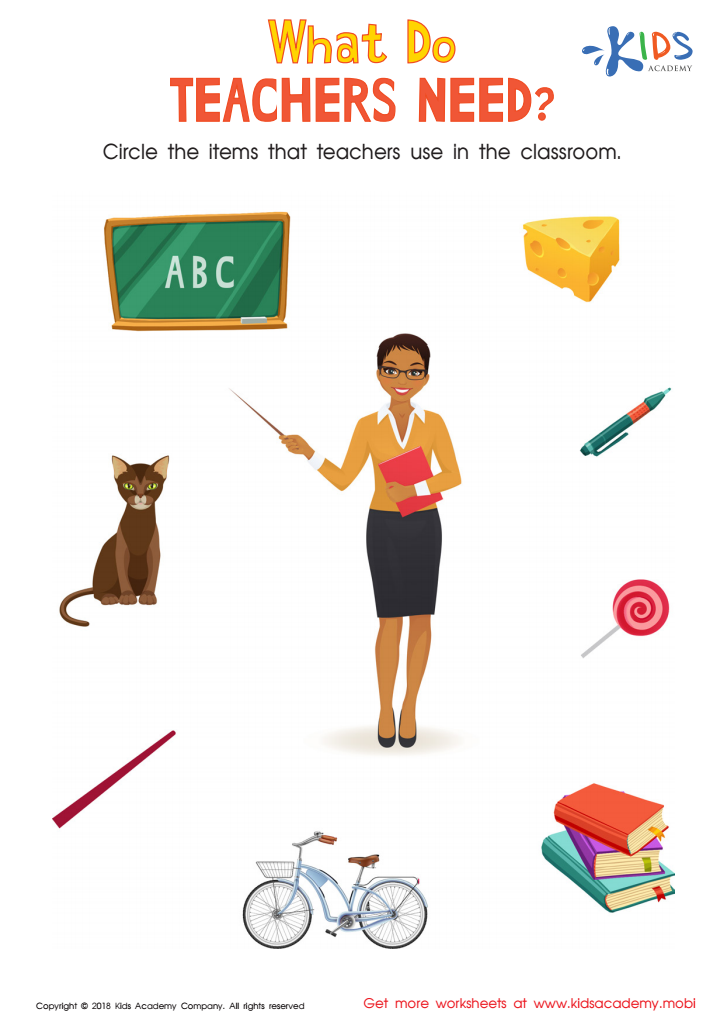
What Do Teachers Need Worksheet

Traditional Music Worksheet
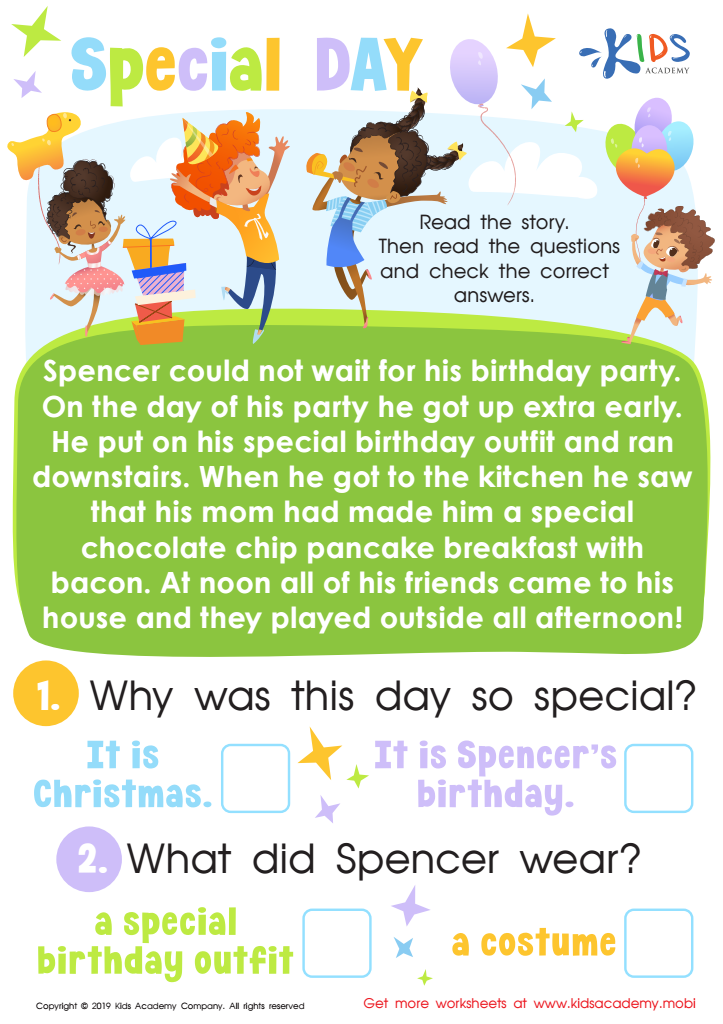
Special Day Worksheet
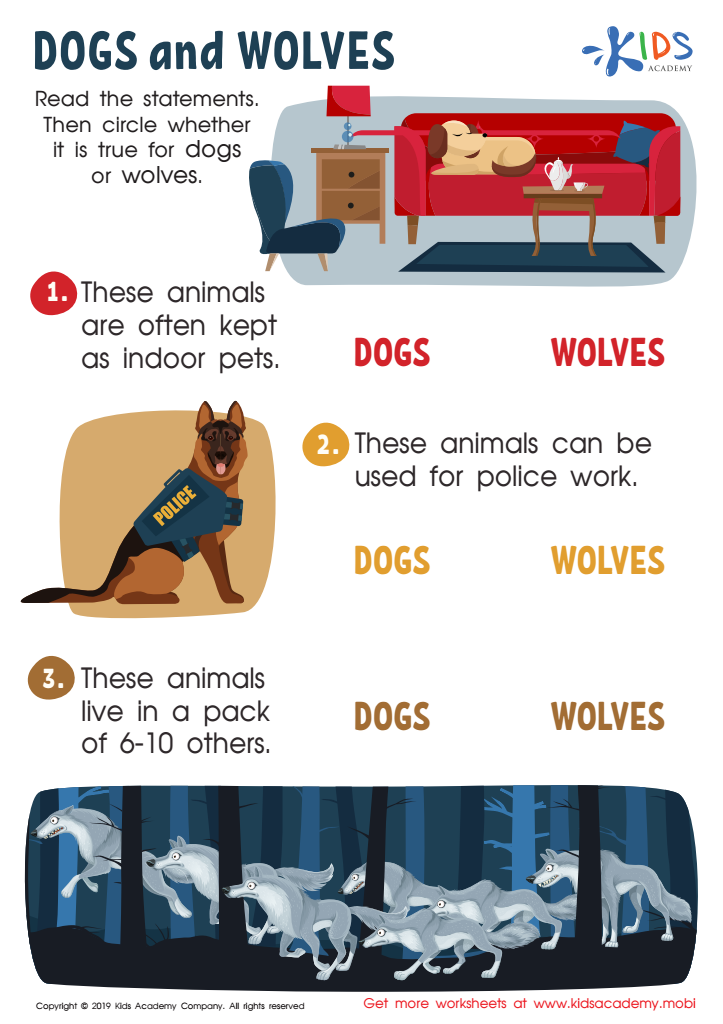
Dogs and Wolves Worksheet
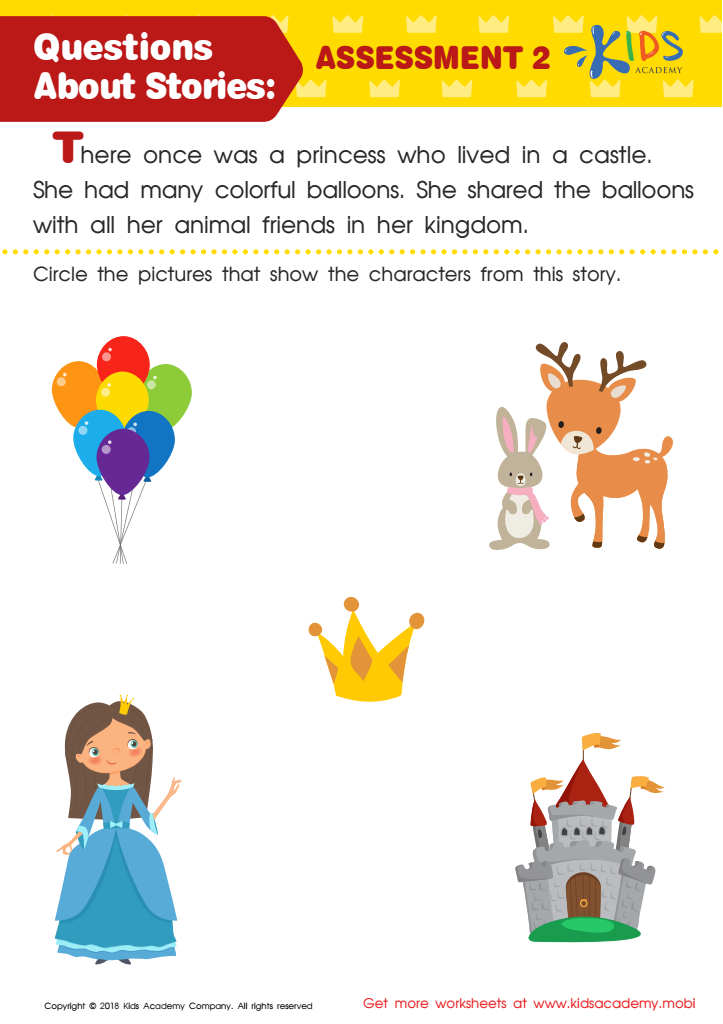
Questions About Stories: Assessment 2 Worksheet
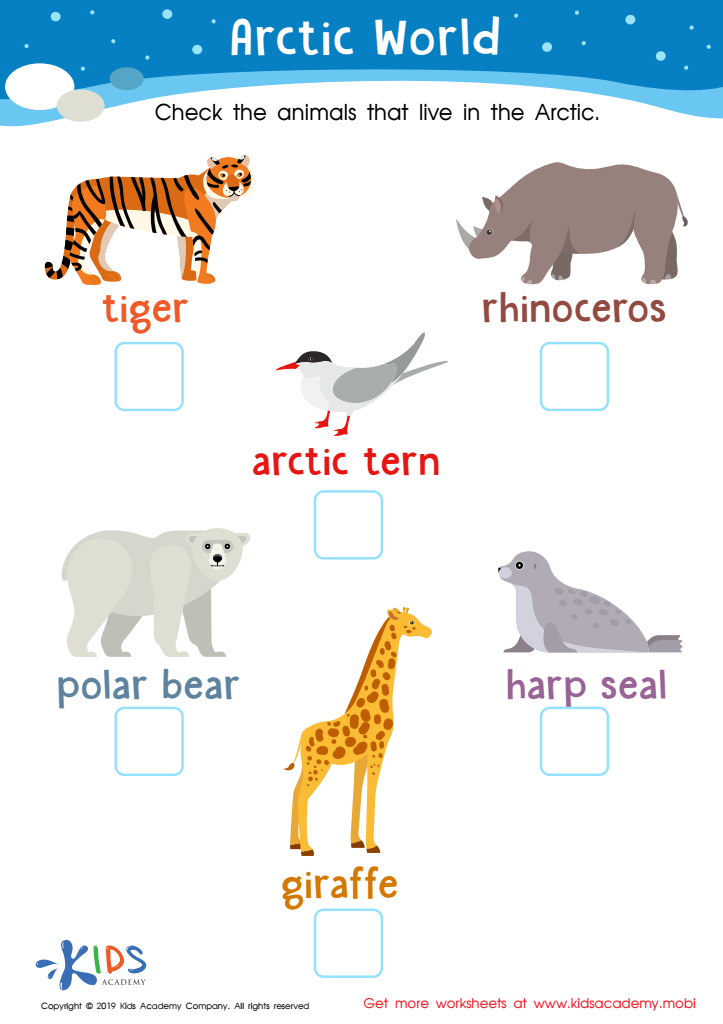
Arctic World Worksheet
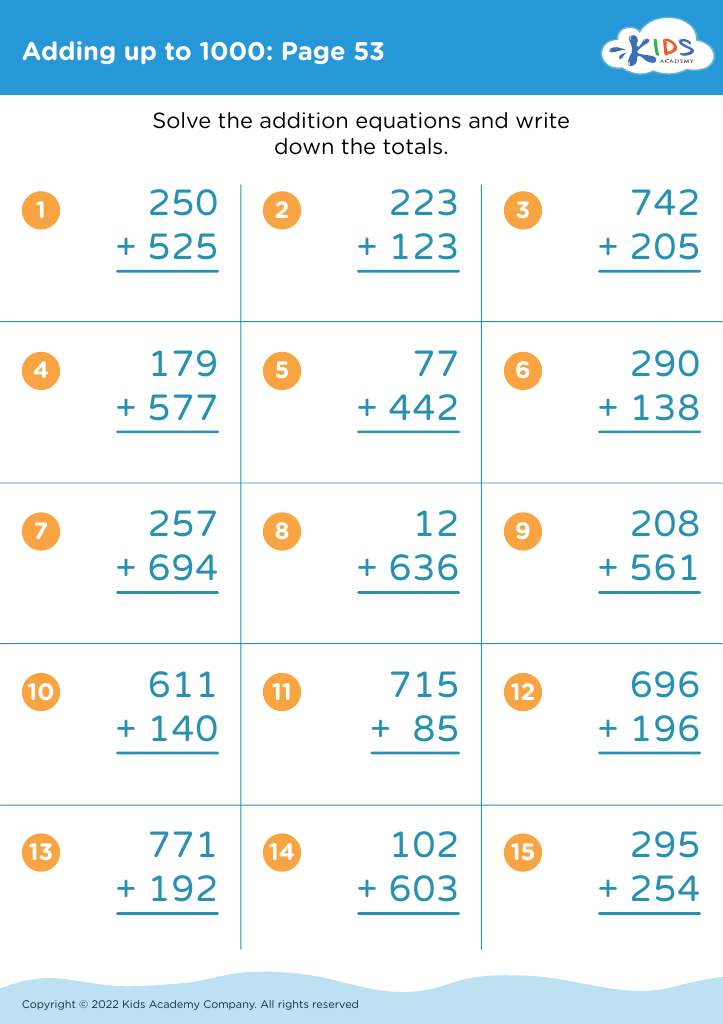
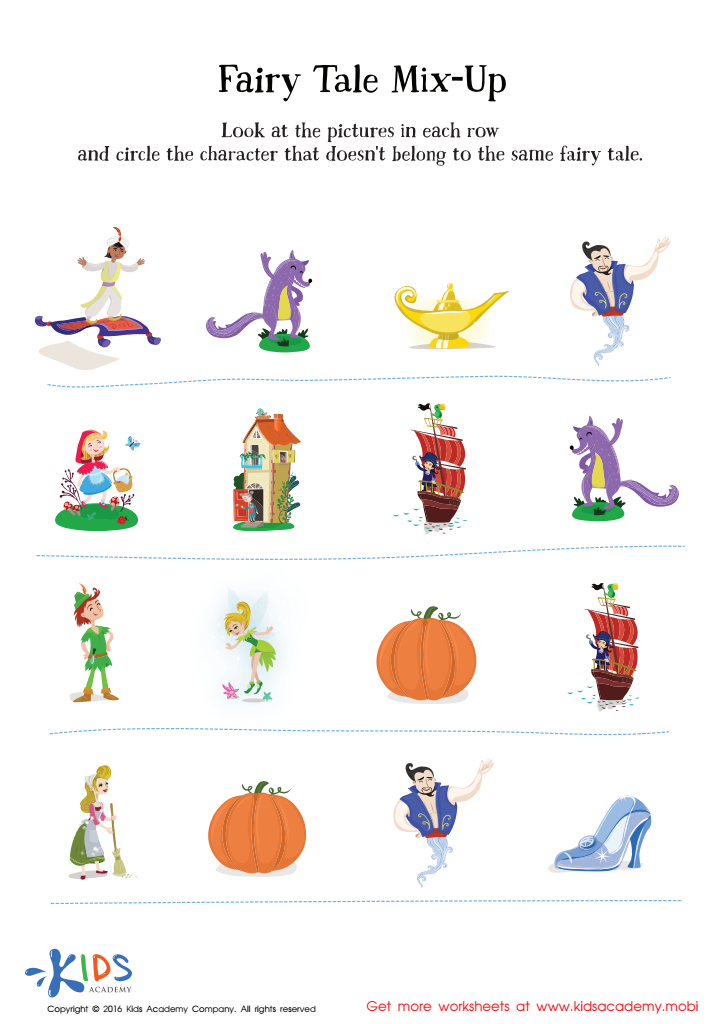
Fairy Tale Worksheet: Story Mix Up
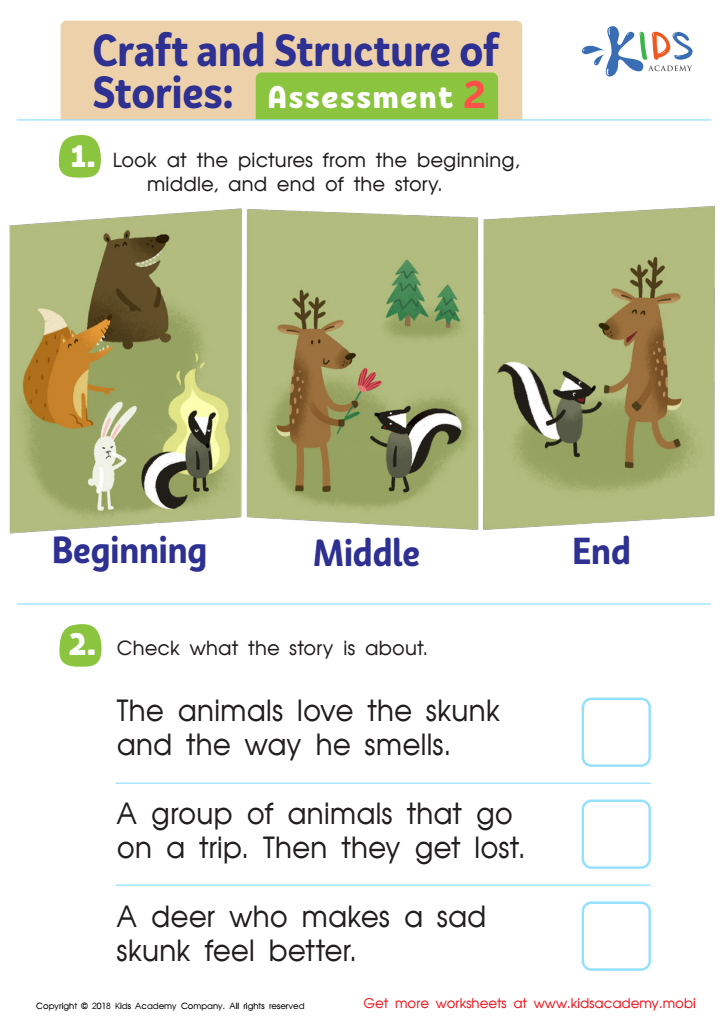
Craft and Structure of Stories: Assessment 2 Worksheet
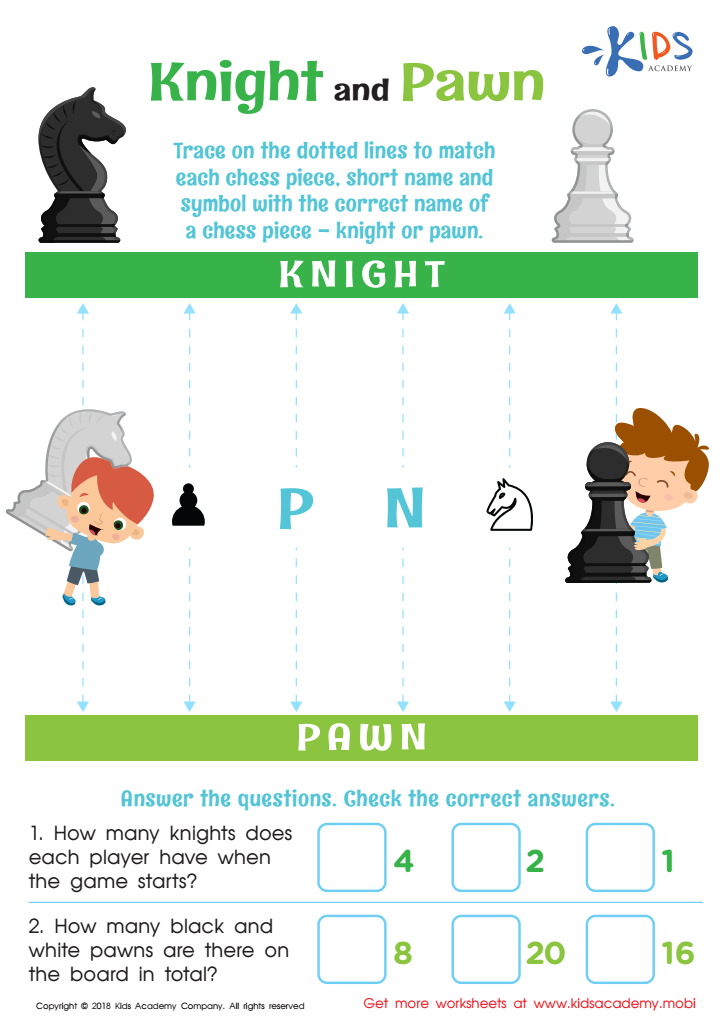
Knight and Pawn Worksheet
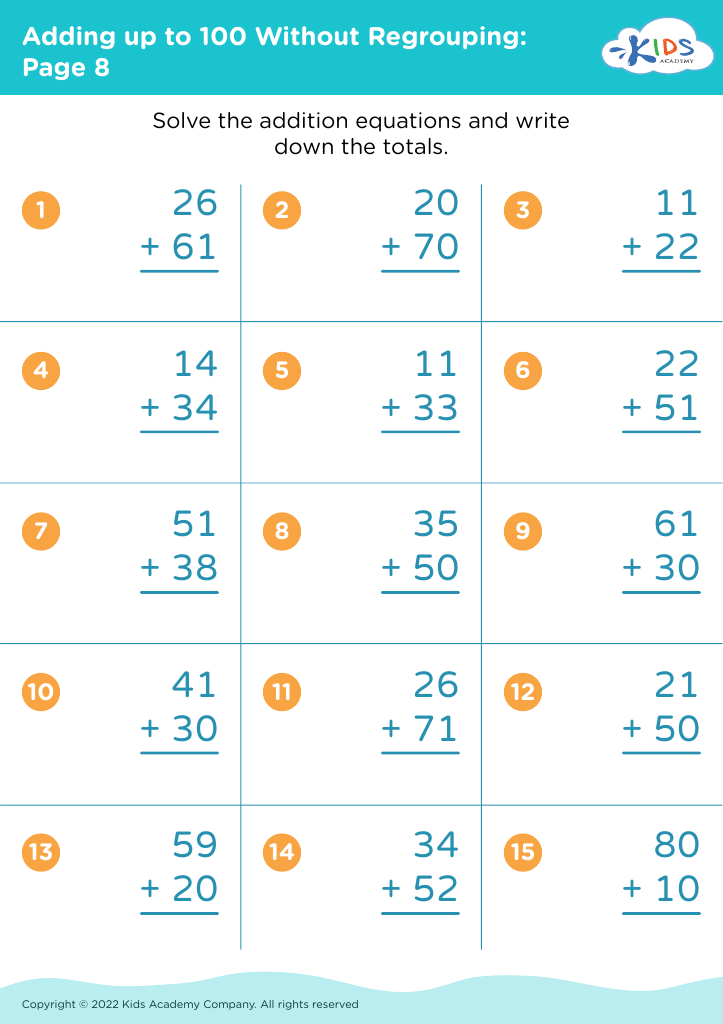
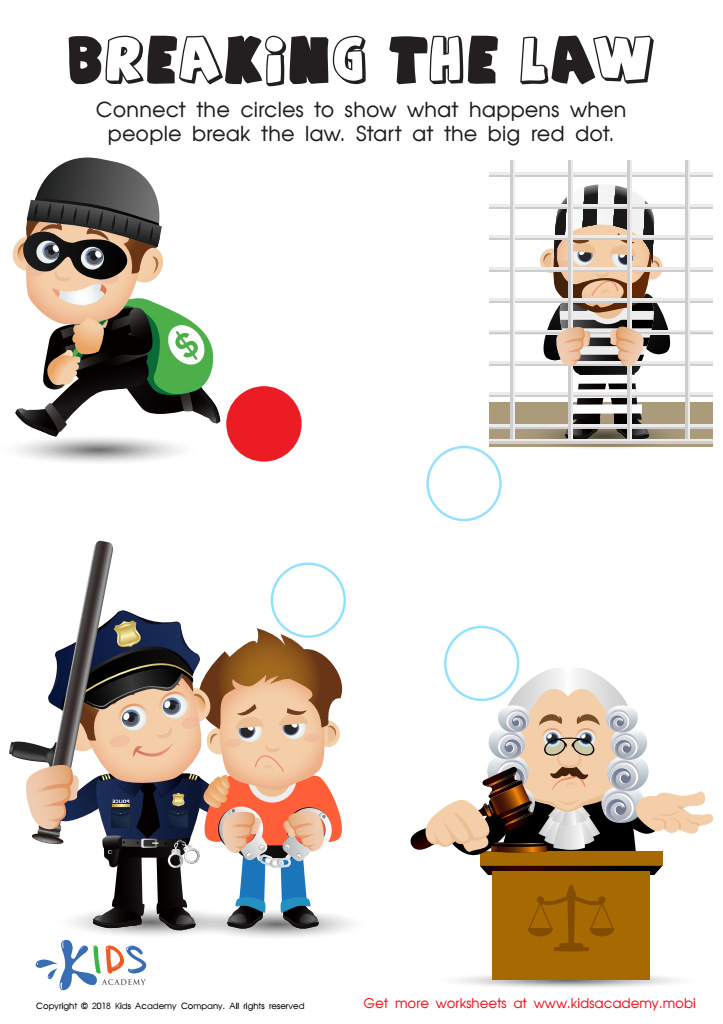
Breaking the Law Worksheet
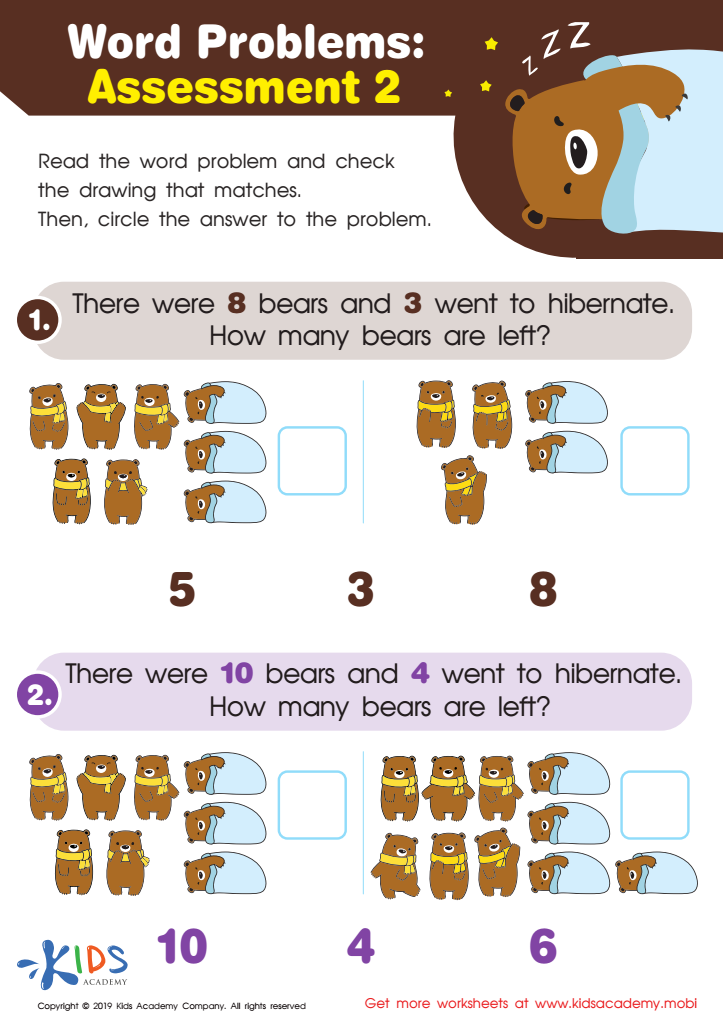
Word Problems: Assessment 2 Worksheet

Picture Books Worksheet
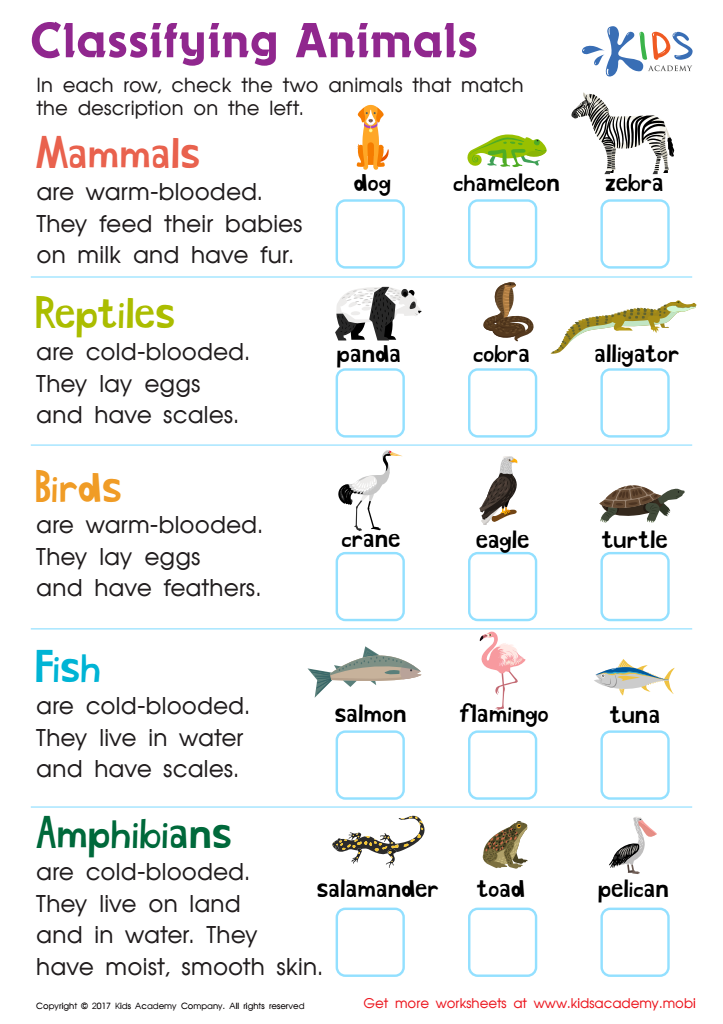
Classifying Animals Worksheet
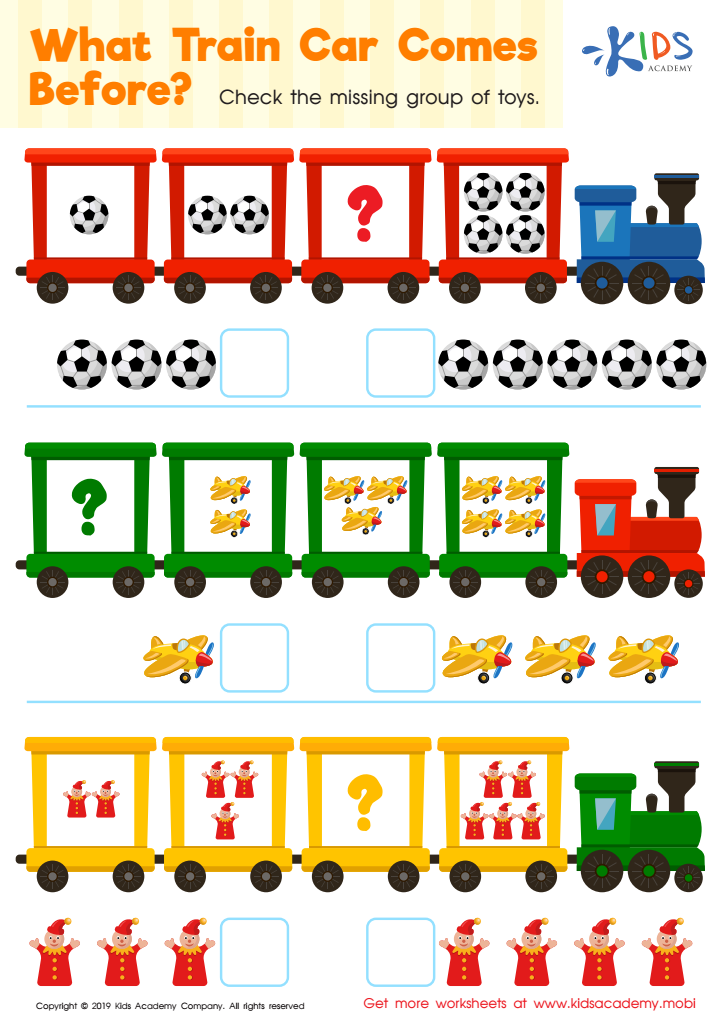
What Train Car Comes Before? Worksheet
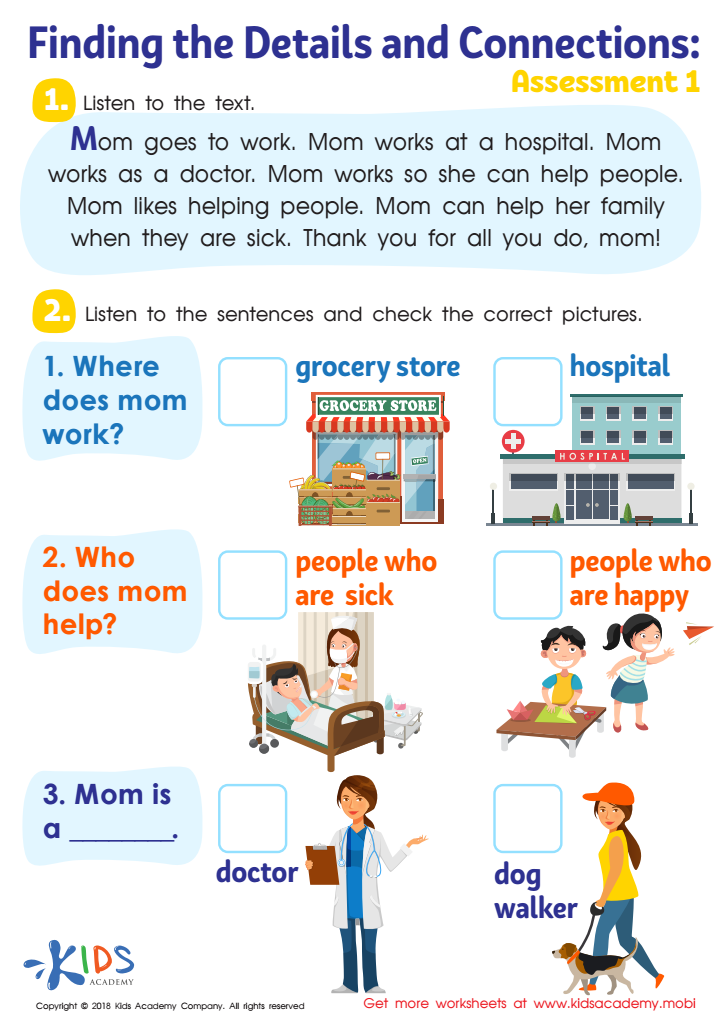
Finding the Details and Connections: Assessment 1 Worksheet
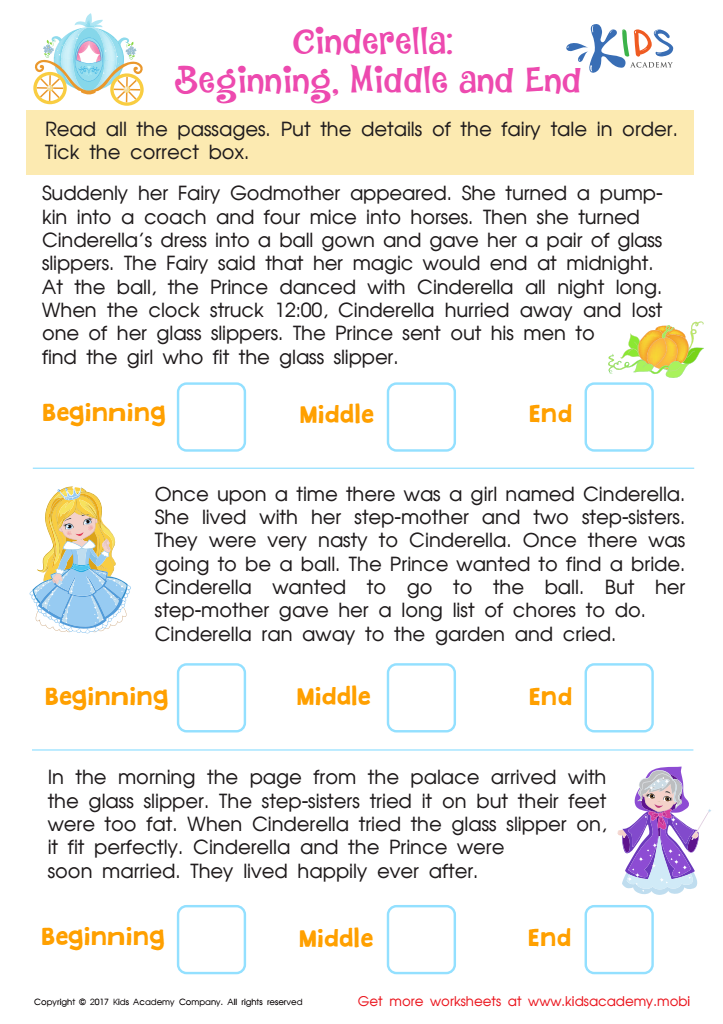
Cinderella: Beginning, Middle and End Worksheet
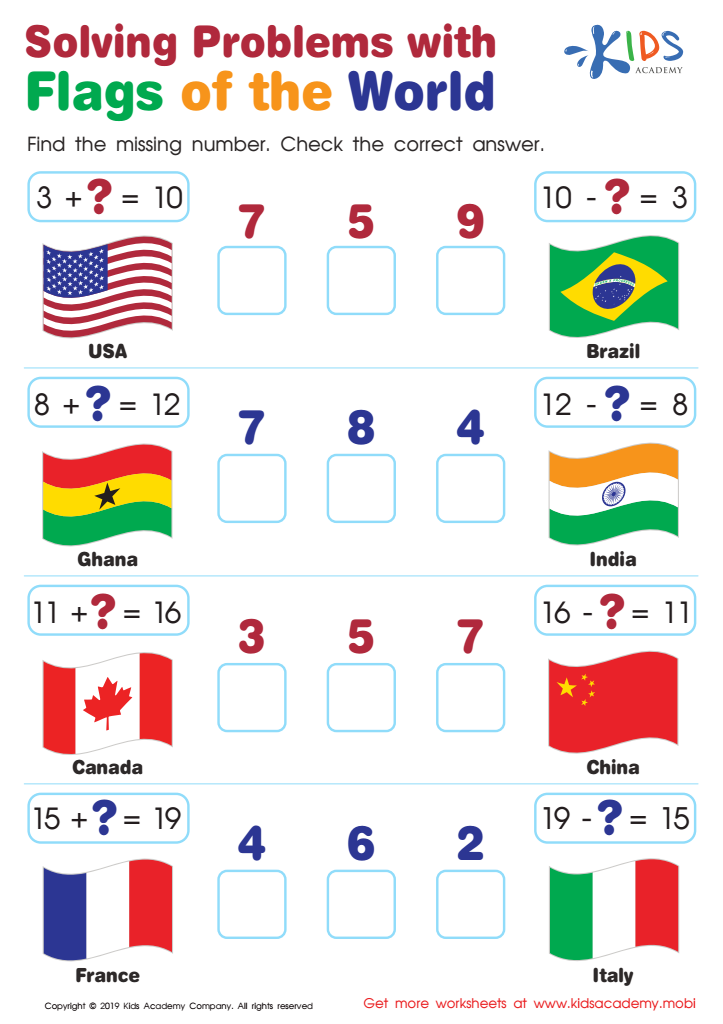
Solving Problems with Flags of the World Worksheet
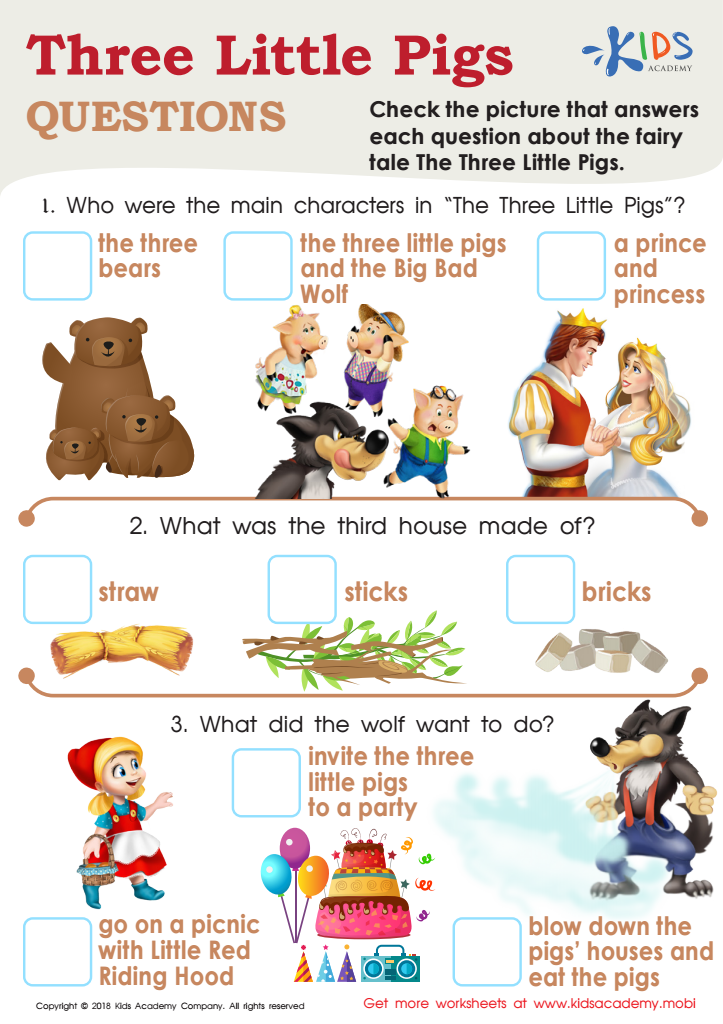
Three Little Pigs Questions Worksheet






Critical thinking is crucial for children ages 4-7 as it lays the foundation for their lifelong learning and problem-solving skills. At this developmental stage, children are naturally curious and eager to explore the world around them. Encouraging critical thinking allows them to ask questions, reason logically, and analyze information, leading to better understanding and retention of knowledge.
Parents and teachers play a vital role in fostering this kind of thinking by creating an environment that values inquiry and exploration. Engaging children in discussions, encouraging them to share ideas, and guiding them in making connections between concepts empowers them to think independently. This not only enhances their cognitive skills but also builds confidence and curiosity.
Moreover, critical thinking helps children navigate social situations, resolve conflicts, and make informed choices, essential skills for their interpersonal relationships and emotional development. As society becomes increasingly complex, nurturing a generation of critical thinkers prepares them to tackle future challenges creatively and effectively.
By prioritizing critical thinking in early education, parents and teachers contribute significantly to a child's overall growth, helping them become adaptable, thoughtful individuals who are equipped to succeed in all aspects of life.








