Shape Recognition Worksheets for Ages 4-7 - Page 3
132 filtered results
-
From - To
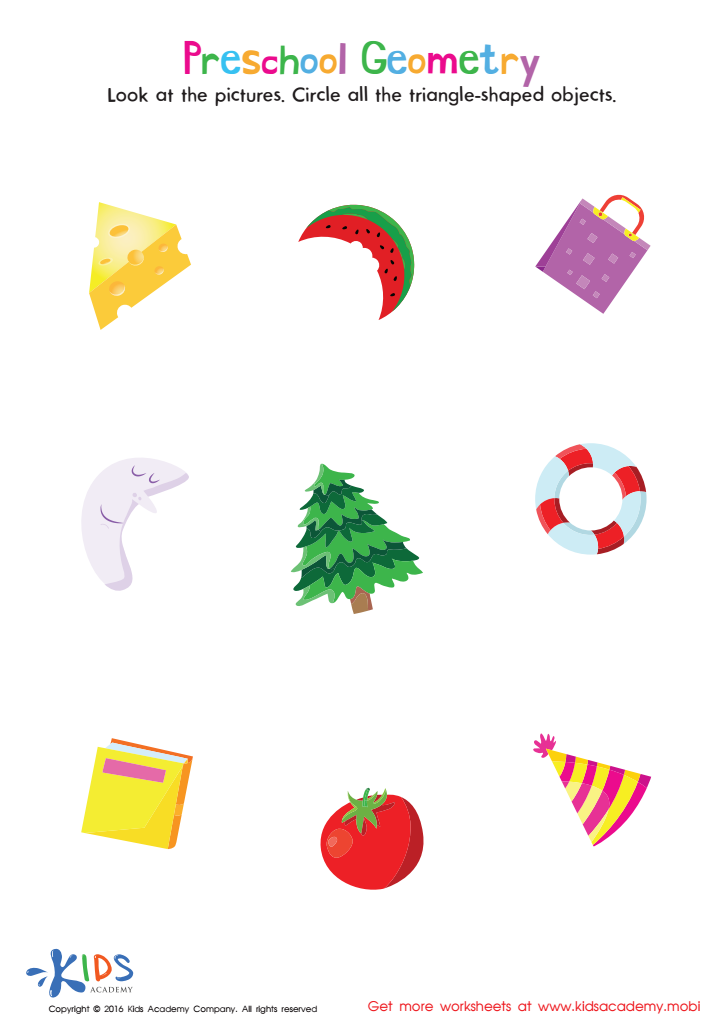
 Assign to My Students
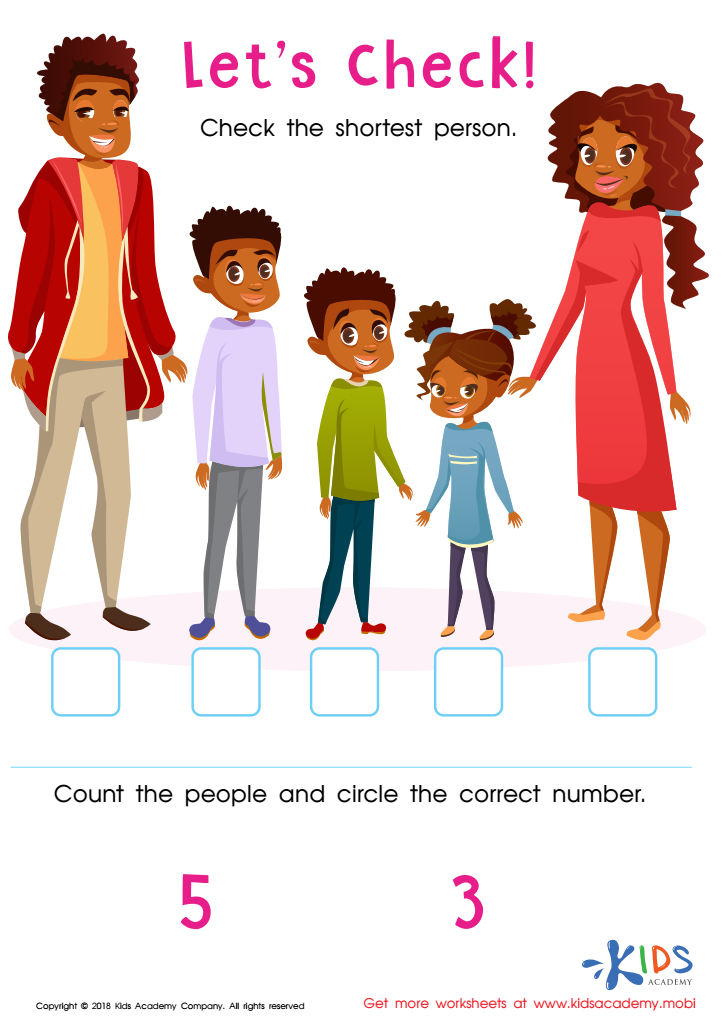
Let's Check! Assessment Worksheet
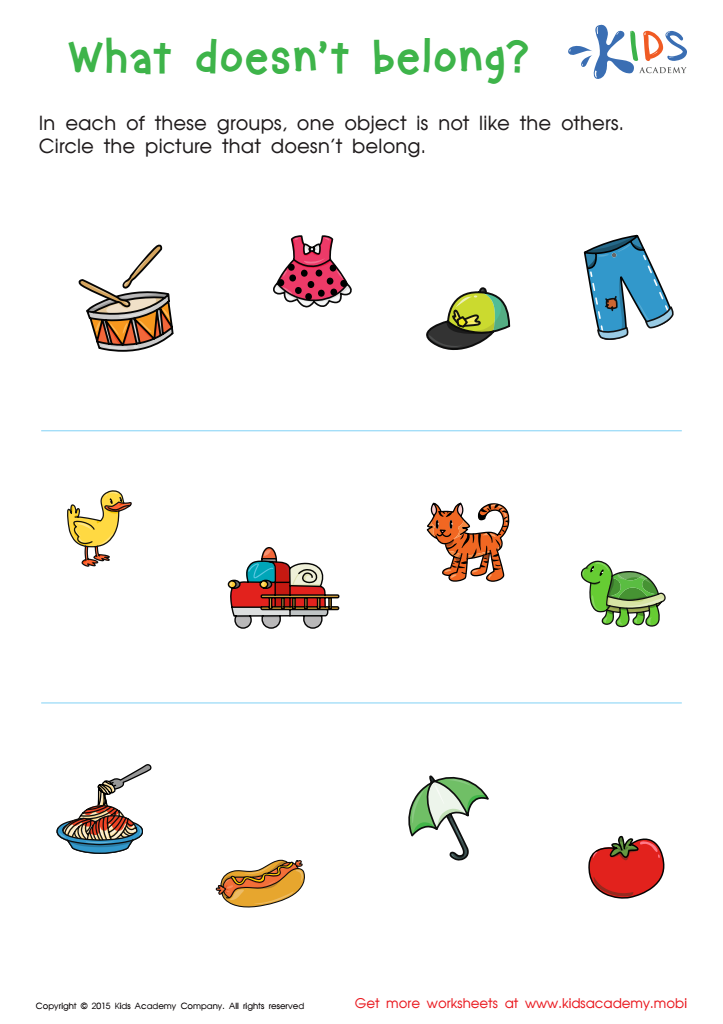
First Words: What Doesn't Belong Worksheet
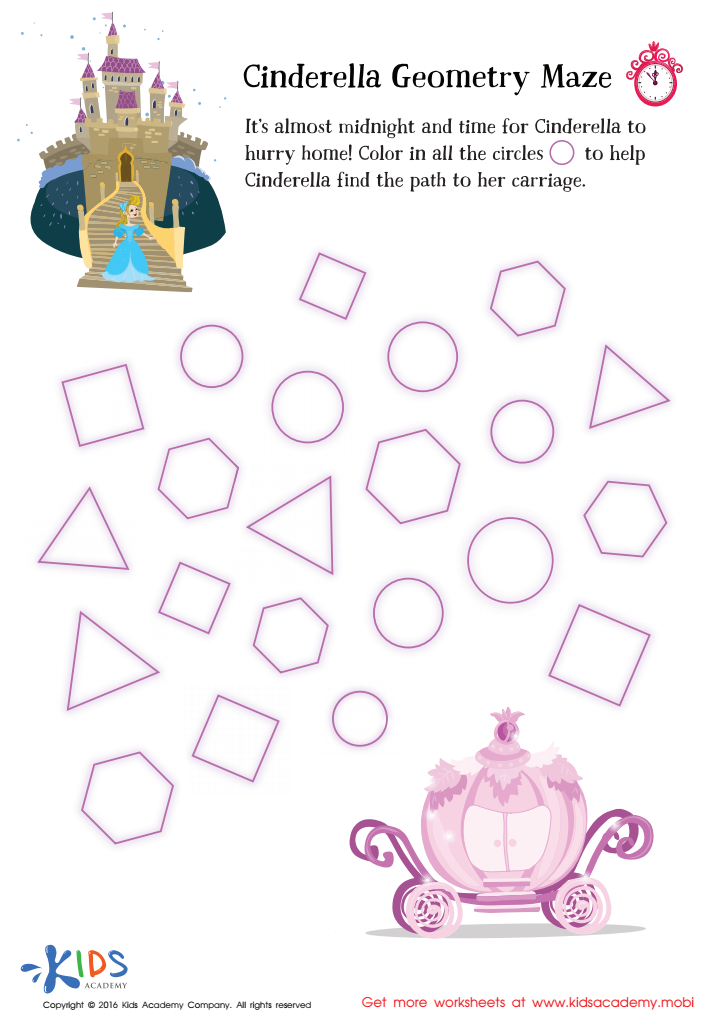
Cinderella Geometry Maze Worksheet
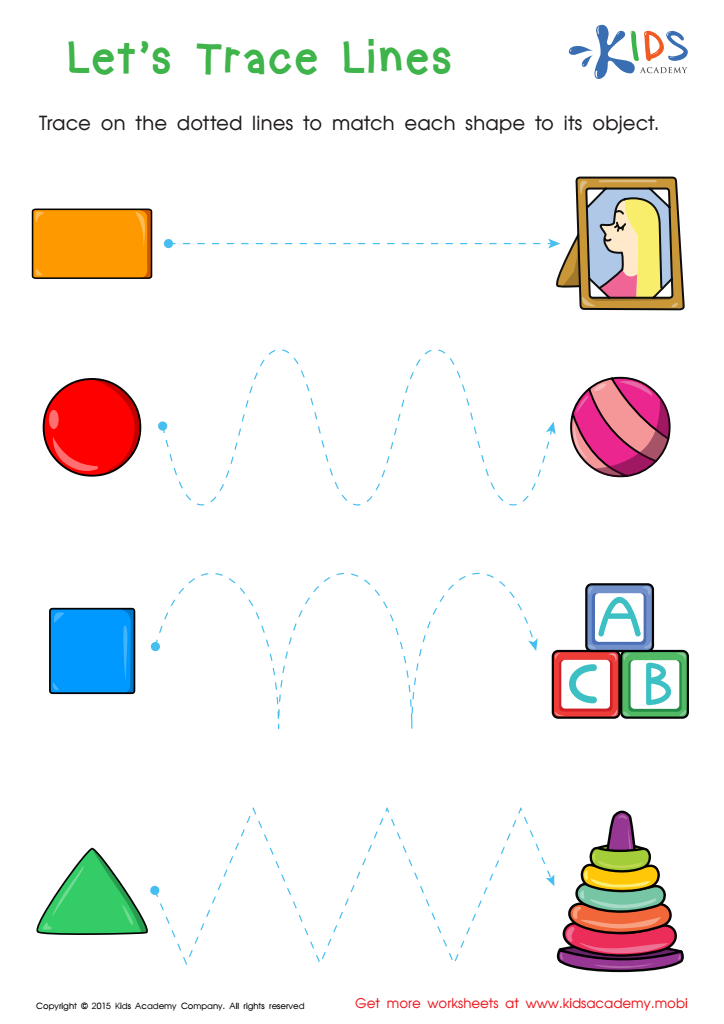
First Words: Let's Trace Lines Worksheet
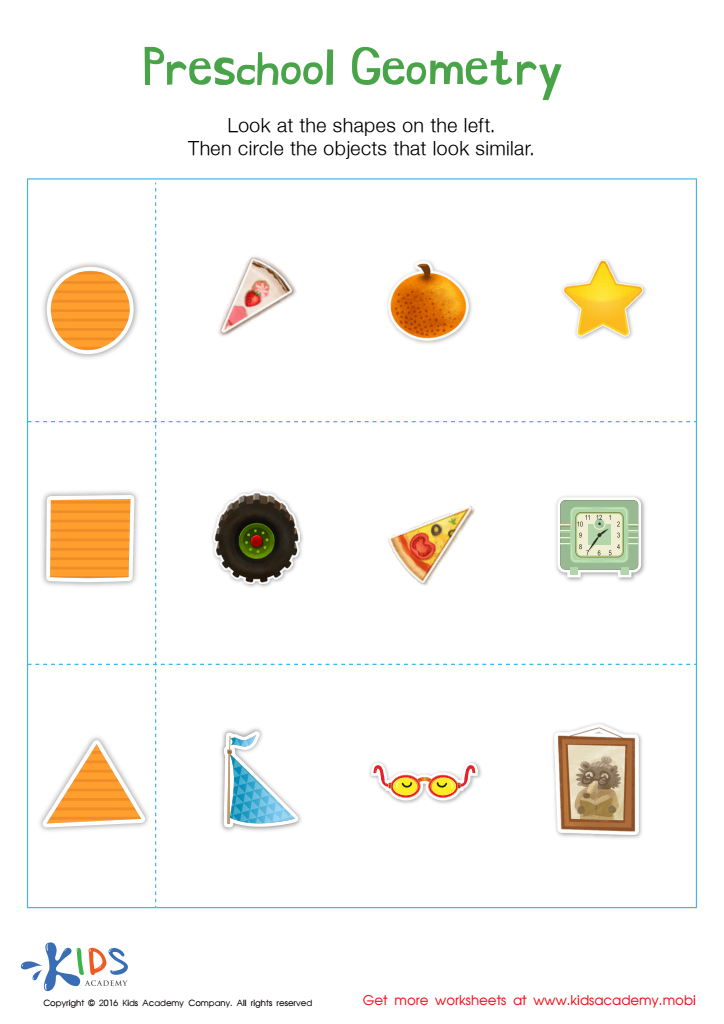
Preschool Geometry Match Up Worksheet
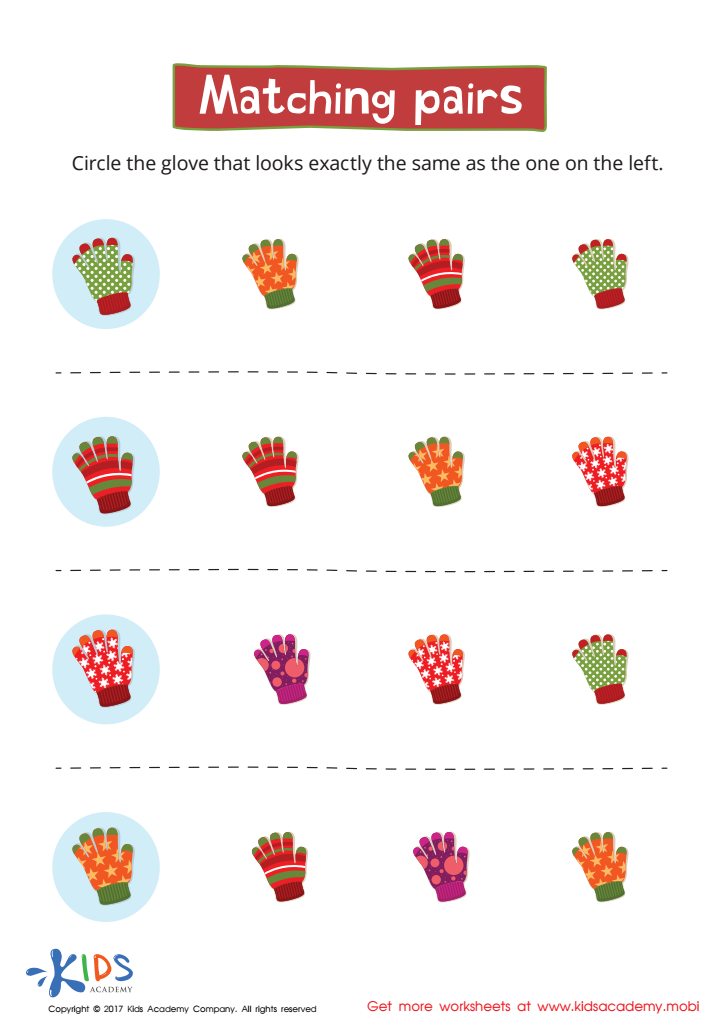
Matching: Matching Pairs Worksheet
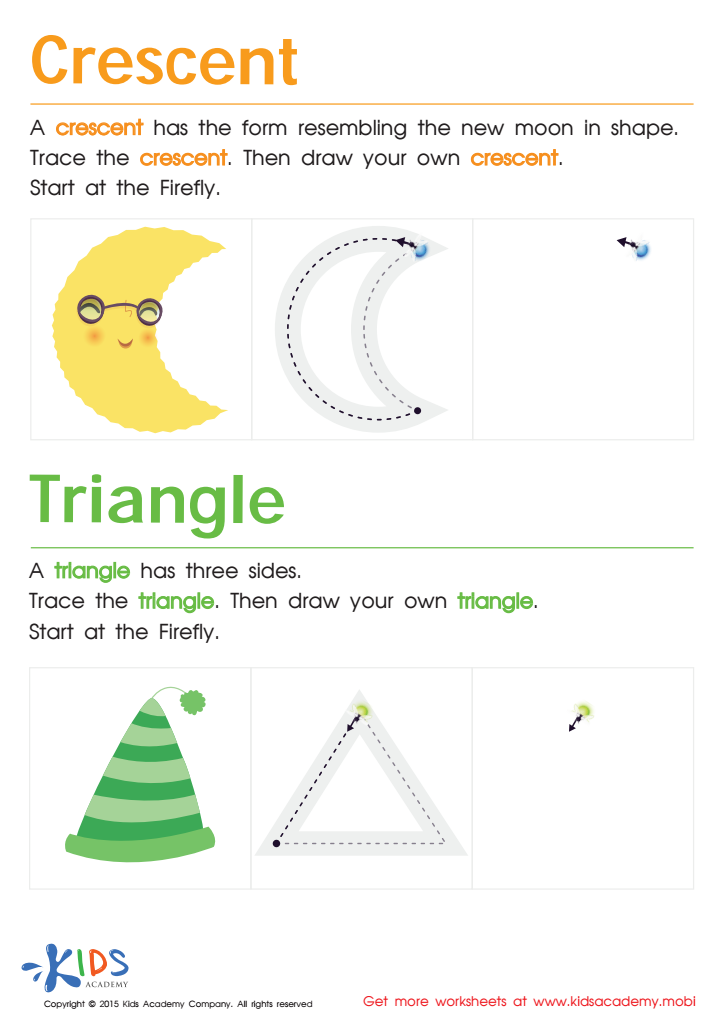
Learning to Draw Crescents And Triangles Worksheet
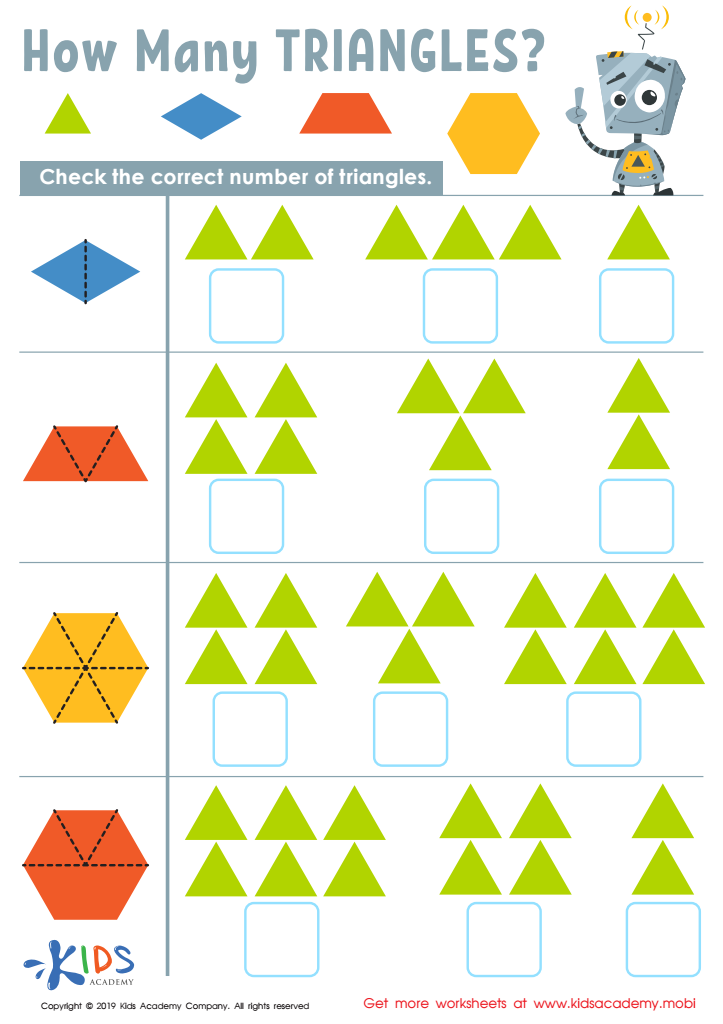
How Many Triangles Worksheet
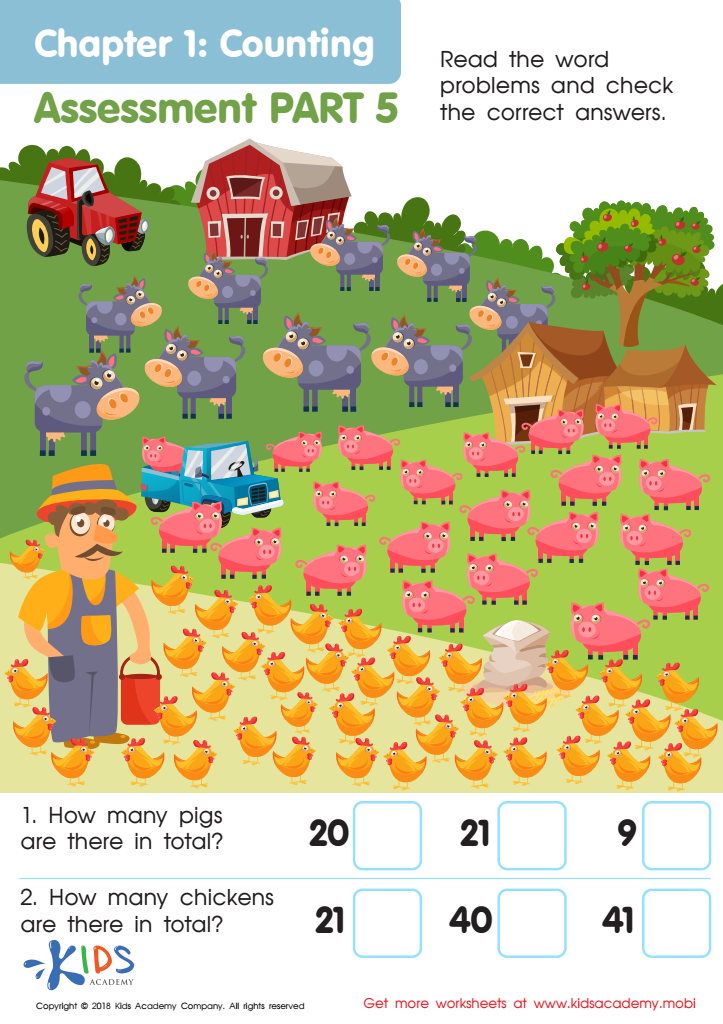
Counting: Assessment 5 Worksheet
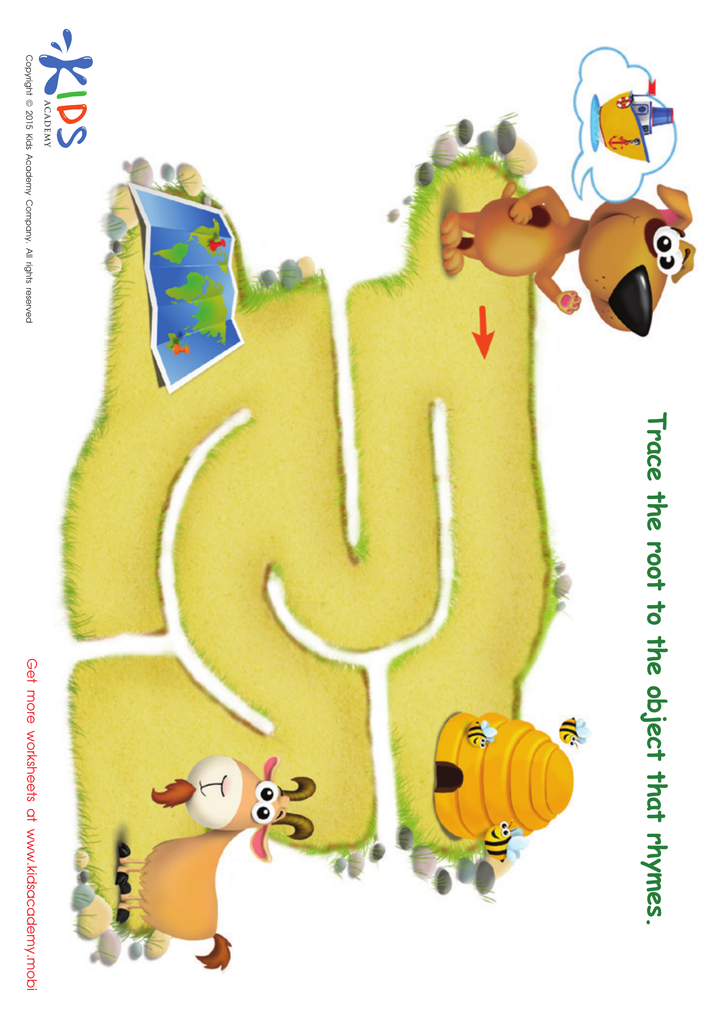
Boat Rhyming Words Worksheet
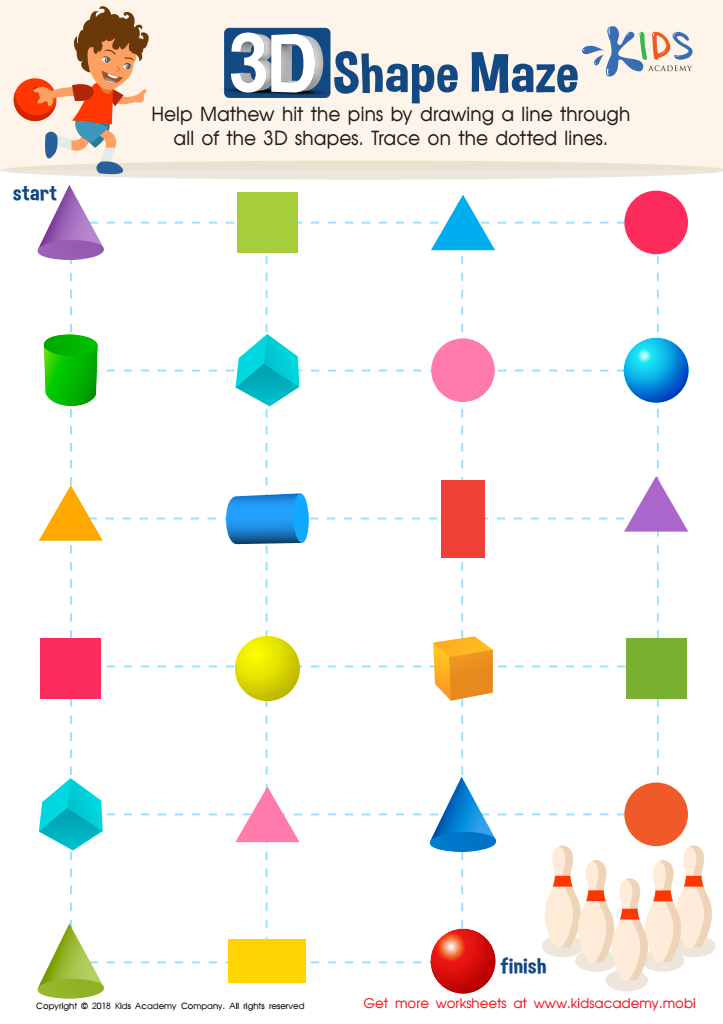
Shapes Maze Geometry Worksheet
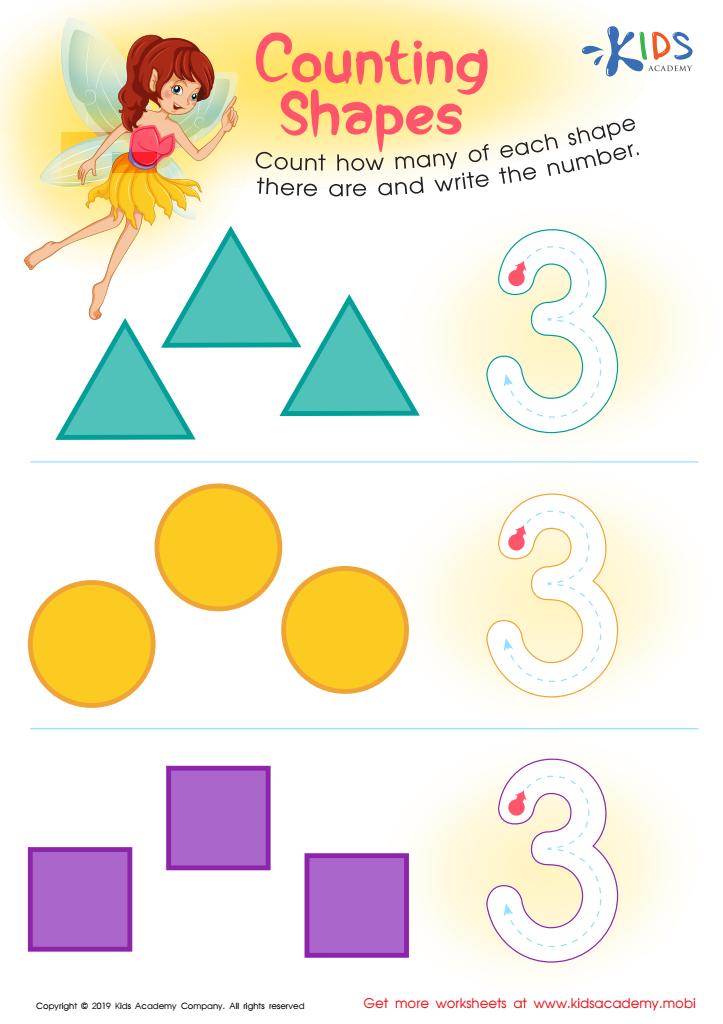
Counting Shapes Worksheet
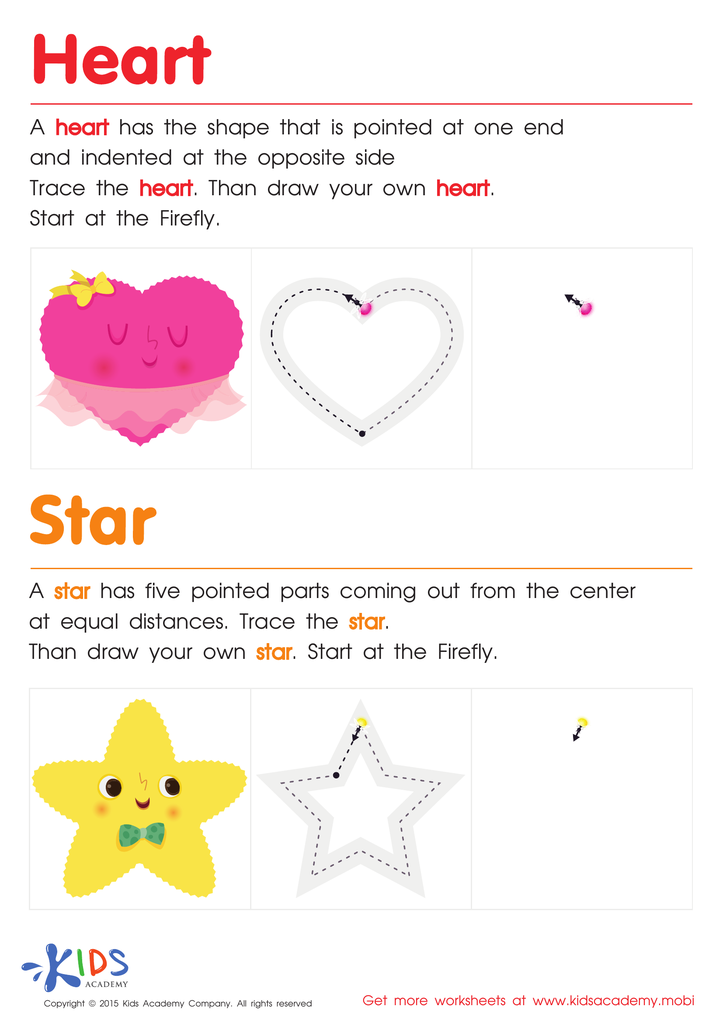
Let's Learn to Draw Hearts And Stars Printable
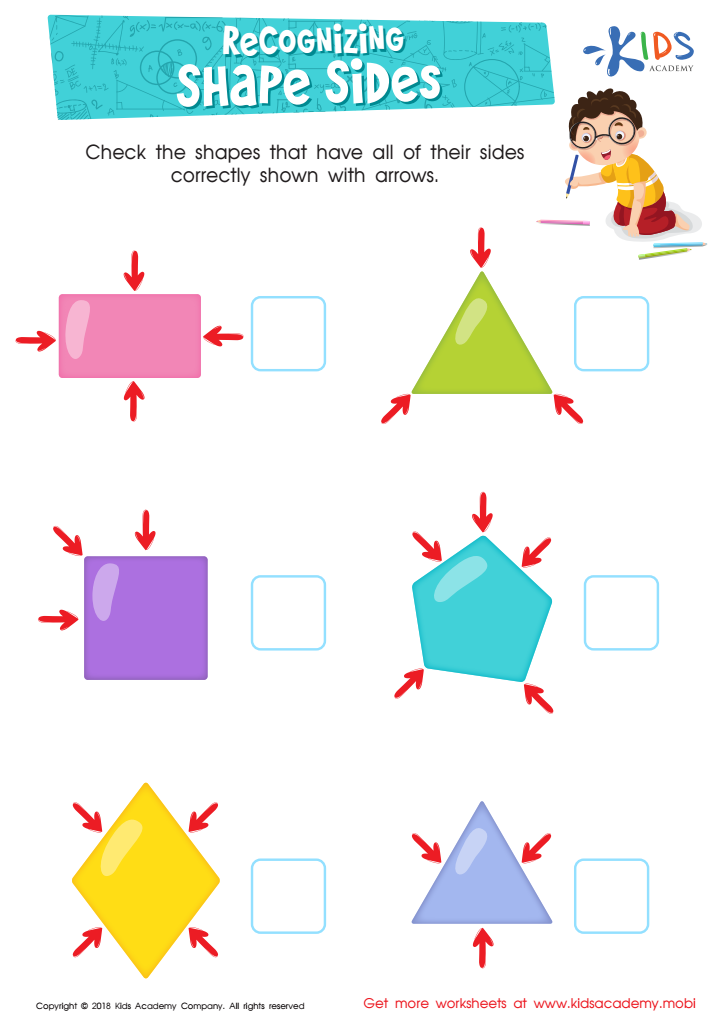
Recognizing Shape Sides Worksheet
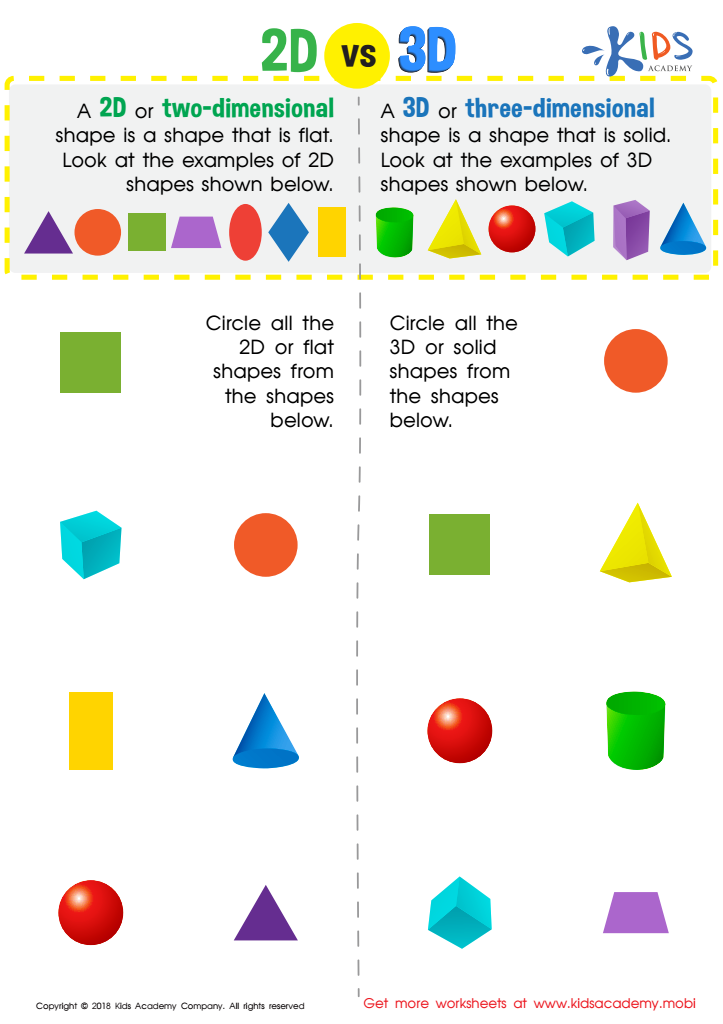
2D vs 3D Shapes Worksheet
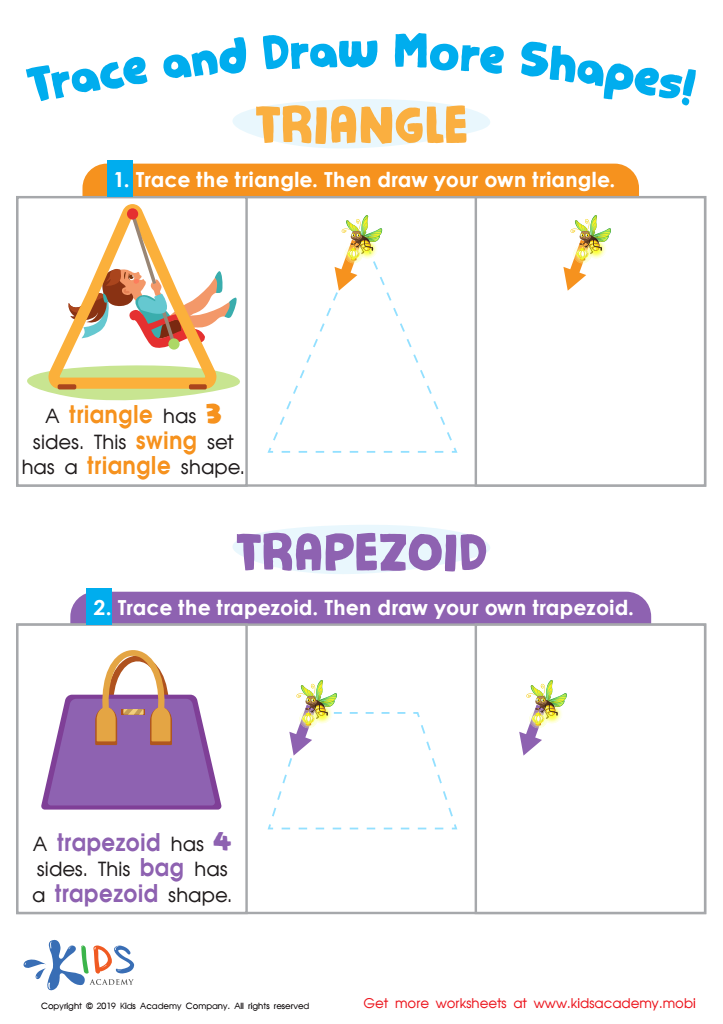
Trace and Draw More Shapes Worksheet
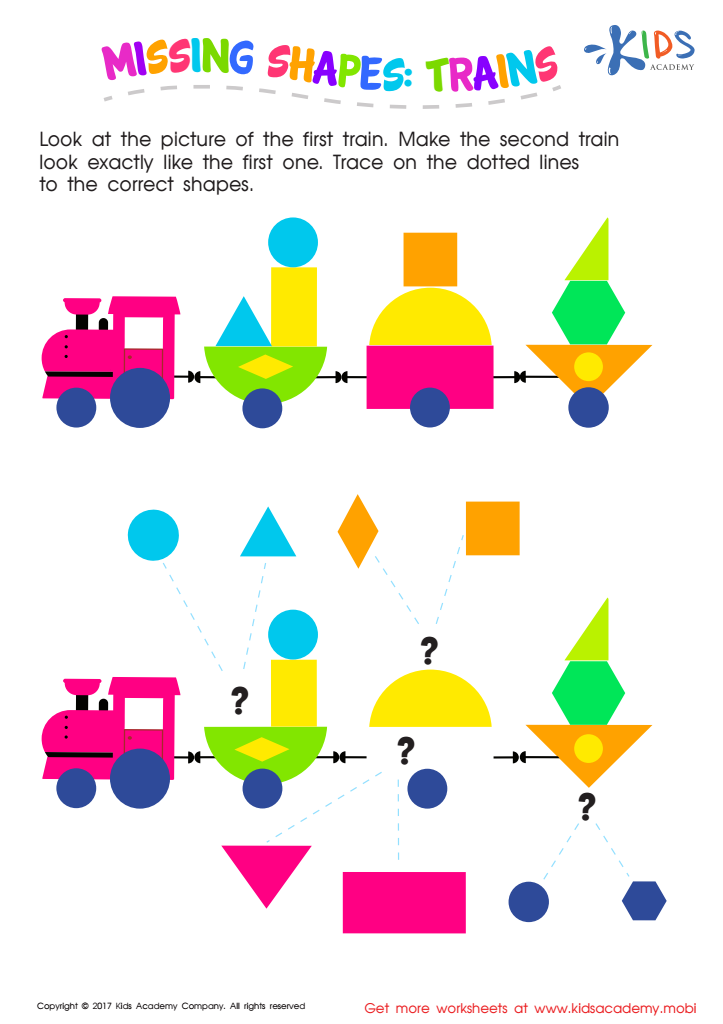
Missing Shapes: Trains Worksheet








Shape recognition is an essential foundational skill that parents and teachers should nurture in children aged 4-7 for several critical reasons. Firstly, understanding shapes forms the basis of more advanced mathematical concepts such as geometry, measurement, and spatial reasoning. When children can identify and differentiate between shapes, they develop the skills required to comprehend size, weight, and how different shapes relate to each other in space.
Early shape recognition also supports cognitive development by honing visual perception and memory. Kids start to recognize patterns, improving their ability to categorize and organize information, which is a crucial part of problem-solving and critical thinking skills. Additionally, shape recognition aids in language development, as children learn the names and attributes of various shapes, enriching their vocabulary and ability to describe the world around them.
Furthermore, artistic abilities are sharpened when children work with shapes, boosting creativity and fine motor skills through activities like drawing, cutting, and assembling shapes. This also enhances hand-eye coordination, an essential skill for writing and day-to-day tasks.
Emotionally, mastering shape recognition can give children a sense of accomplishment, boosting their self-esteem and motivation for learning. Collectively, these skills set a solid foundation for future academic success, making it crucial for parents and teachers to prioritize shape recognition activities during early childhood.








