Fine Motor Skills 2D Shapes Worksheets for Ages 4-7
12 filtered results
-
From - To
Explore our engaging Fine Motor Skills 2D Shapes Worksheets designed for children ages 4-7! These printable resources source fun activities that not only introduce young learners to essential 2D shapes but also enhance their fine motor abilities. Each worksheet features tracing, cutting, and coloring tasks that align with early math learning, promoting hand-eye coordination and precision. Ideal for both classroom and home use, our worksheets encourage creativity and independent thinking while laying the foundation for crucial dexterity skills. Help your child build confidence as they master shapes through playful exploration and structured learning. Download now to get started!
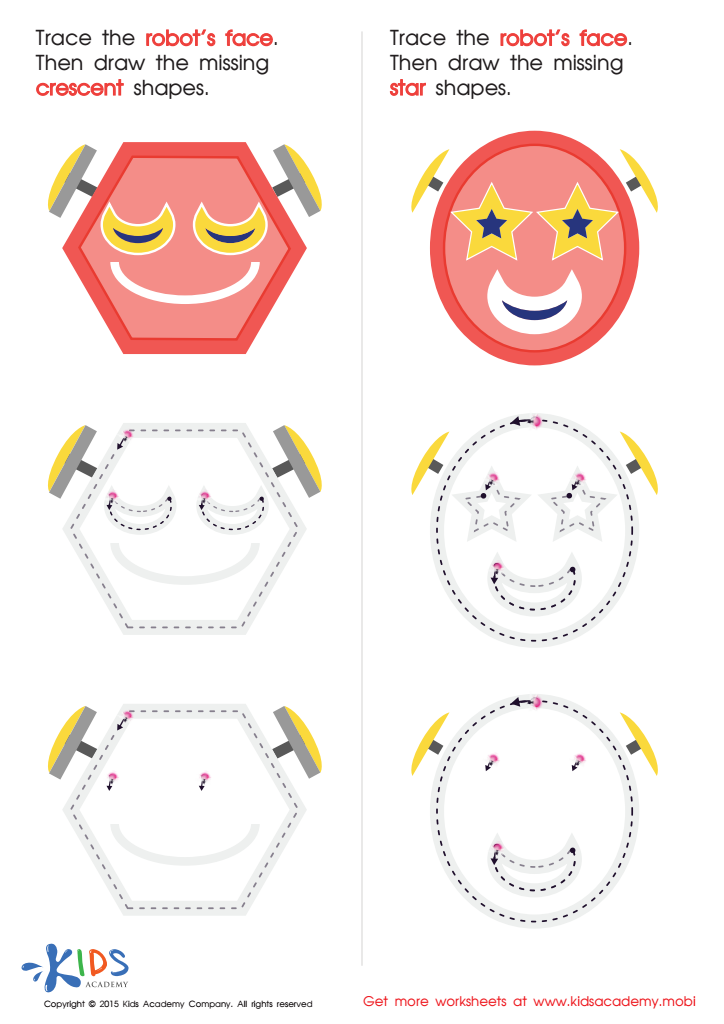
Composing a Robot's Face of Crescents And Stars Worksheet
 Assign to My Students










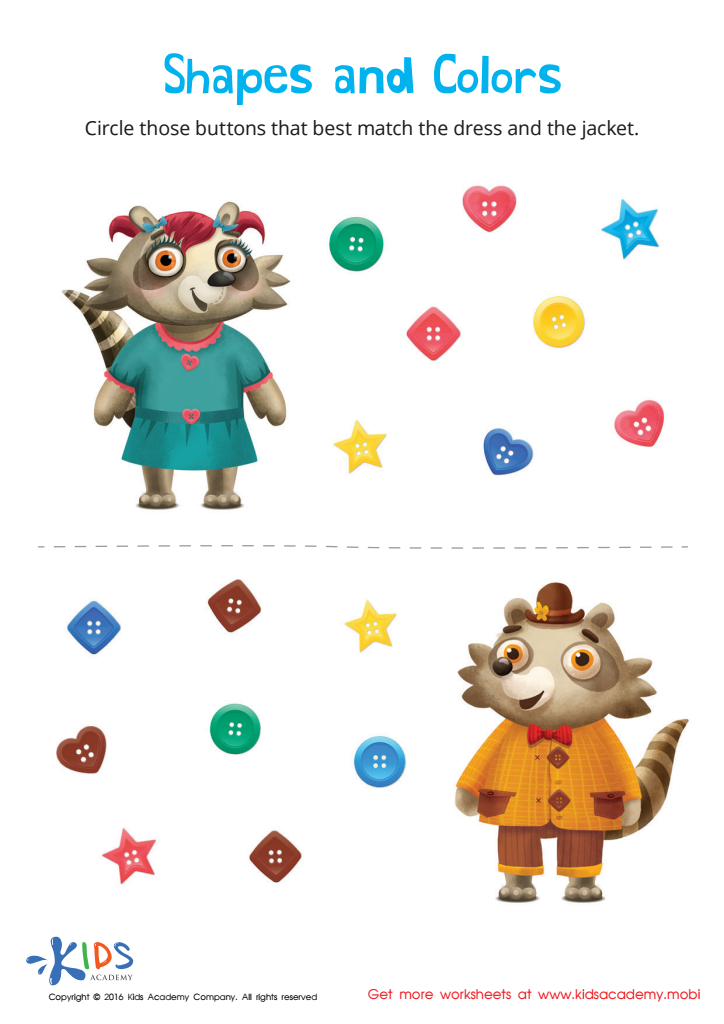
Matching: Shapes and Colors Worksheet
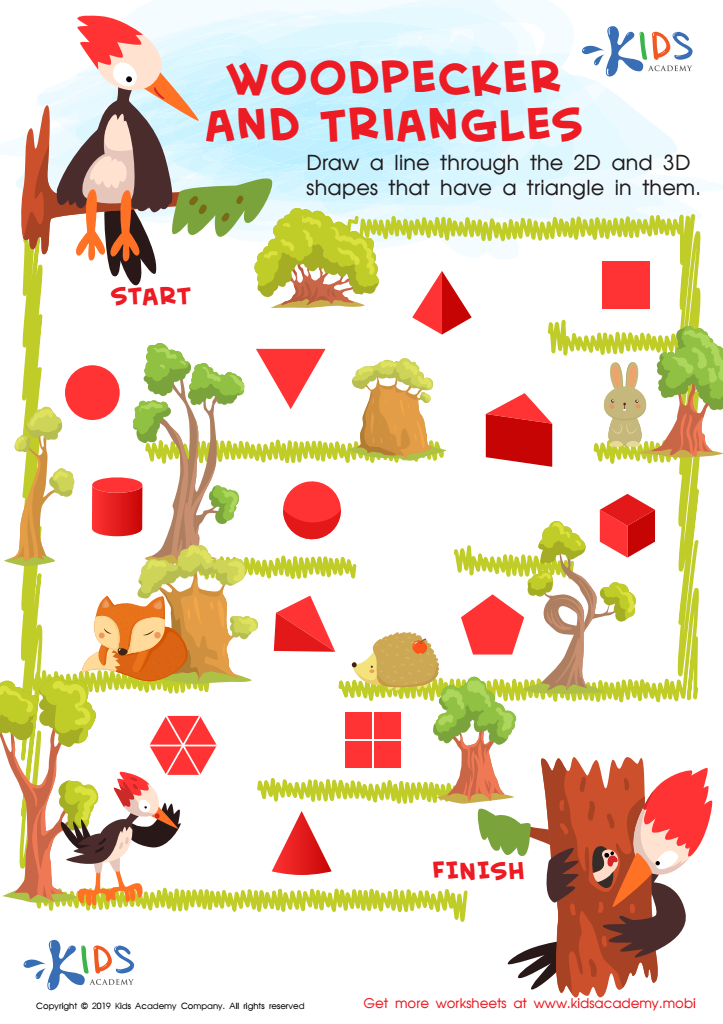
Woodpecker and Triangles Worksheet
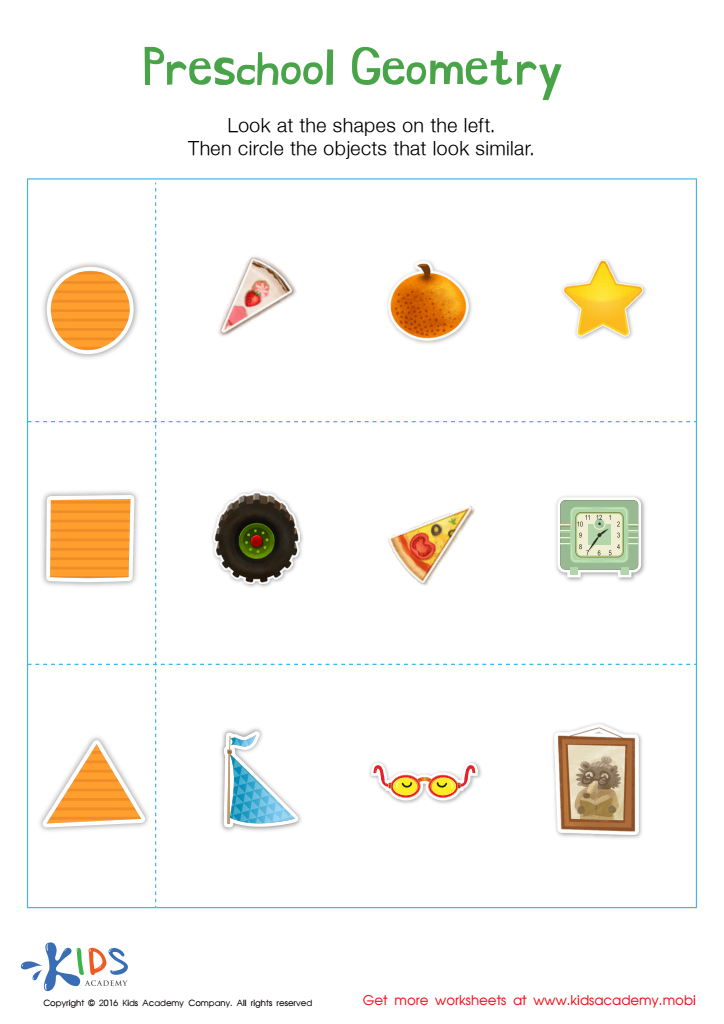
Preschool Geometry Match Up Worksheet
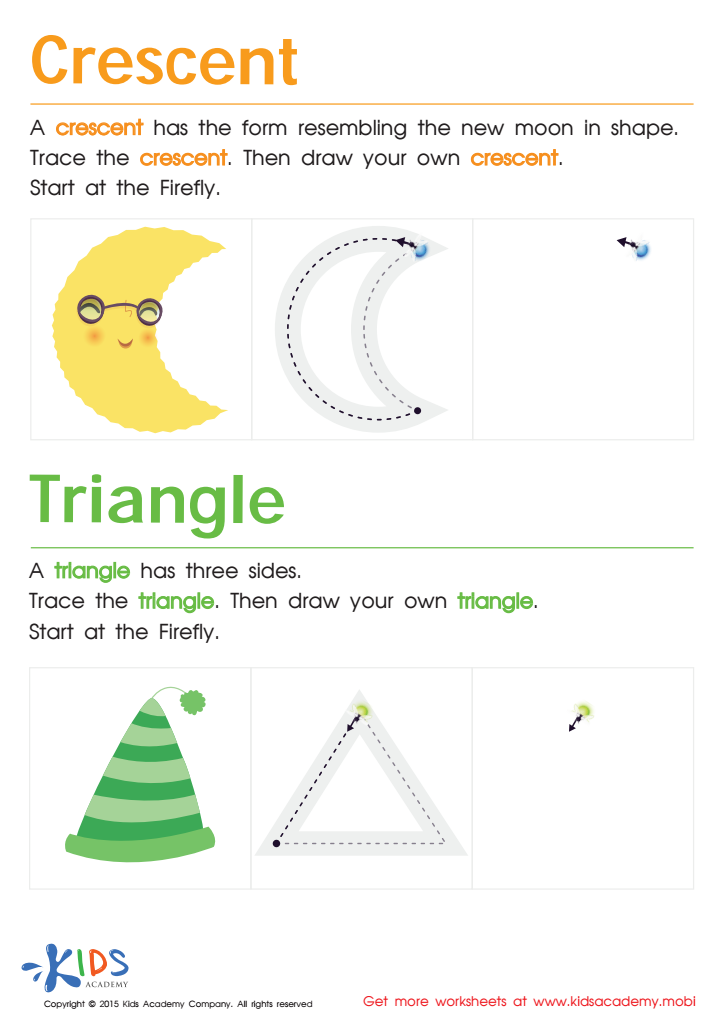
Learning to Draw Crescents And Triangles Worksheet
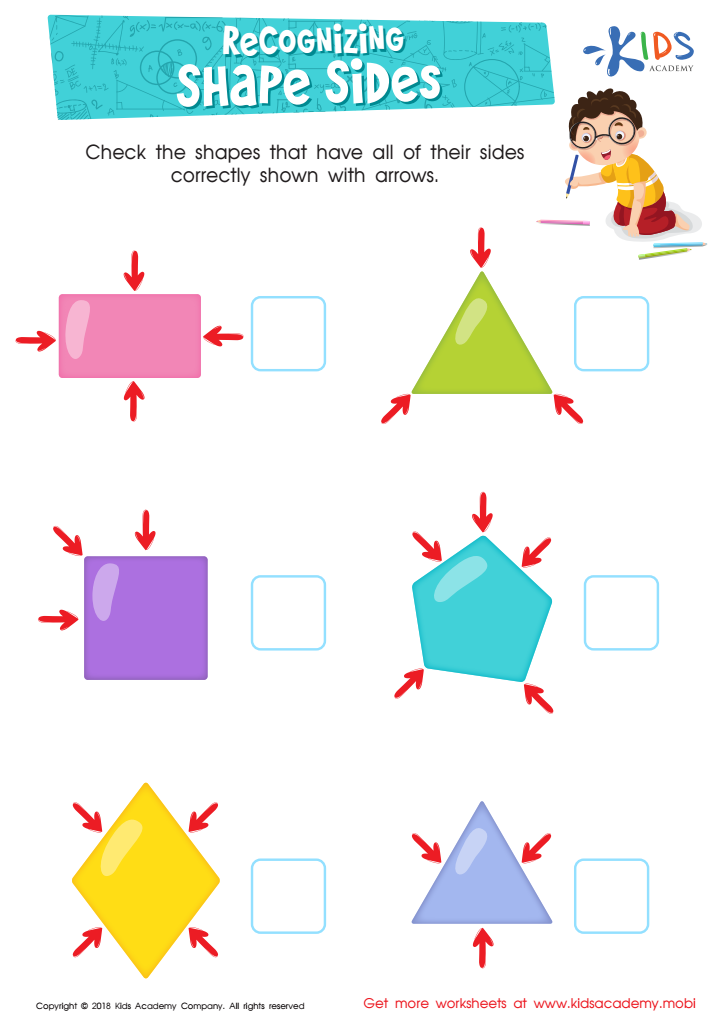
Recognizing Shape Sides Worksheet
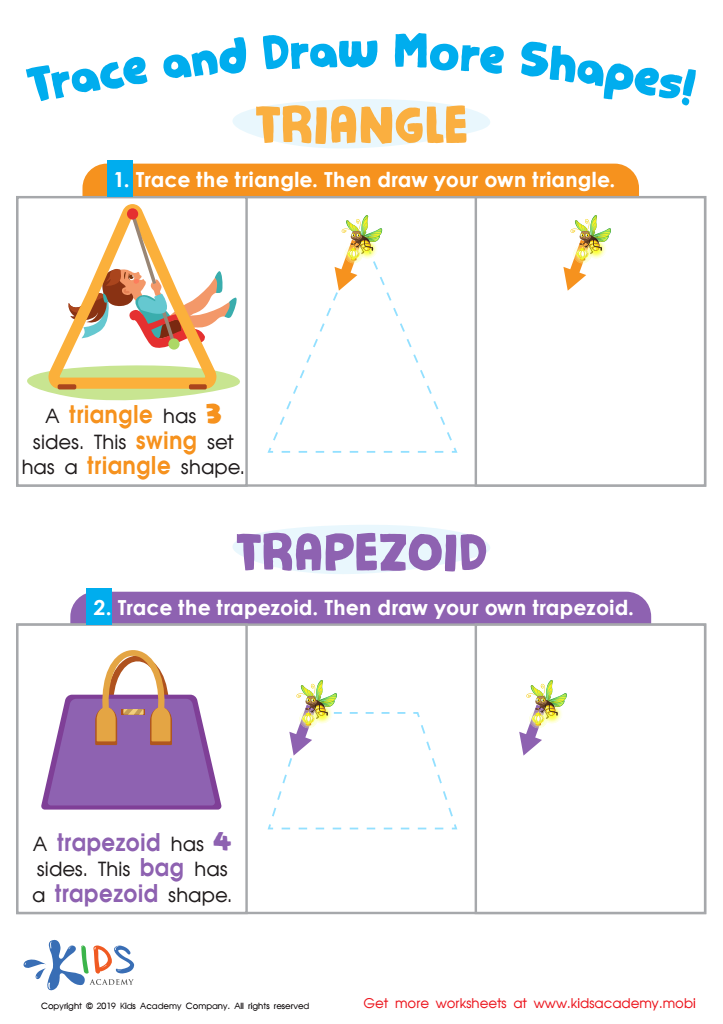
Trace and Draw More Shapes Worksheet

Bicycle Shapes Worksheet
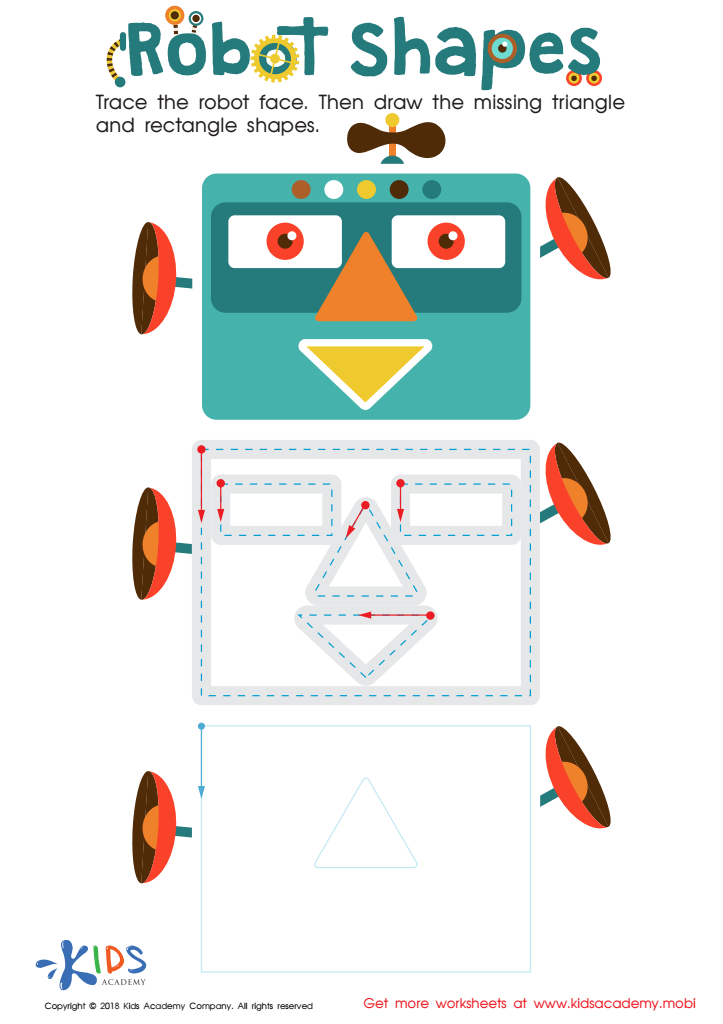
Robot Shapes Worksheet
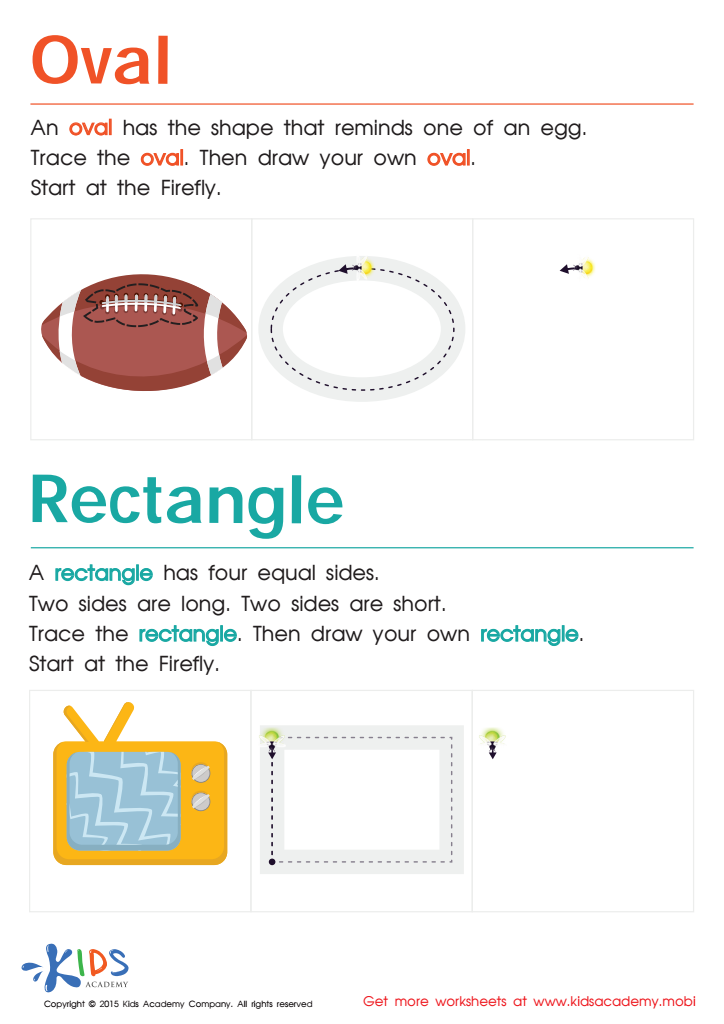
Easy Drawing of Ovals And Rectangles Worksheet
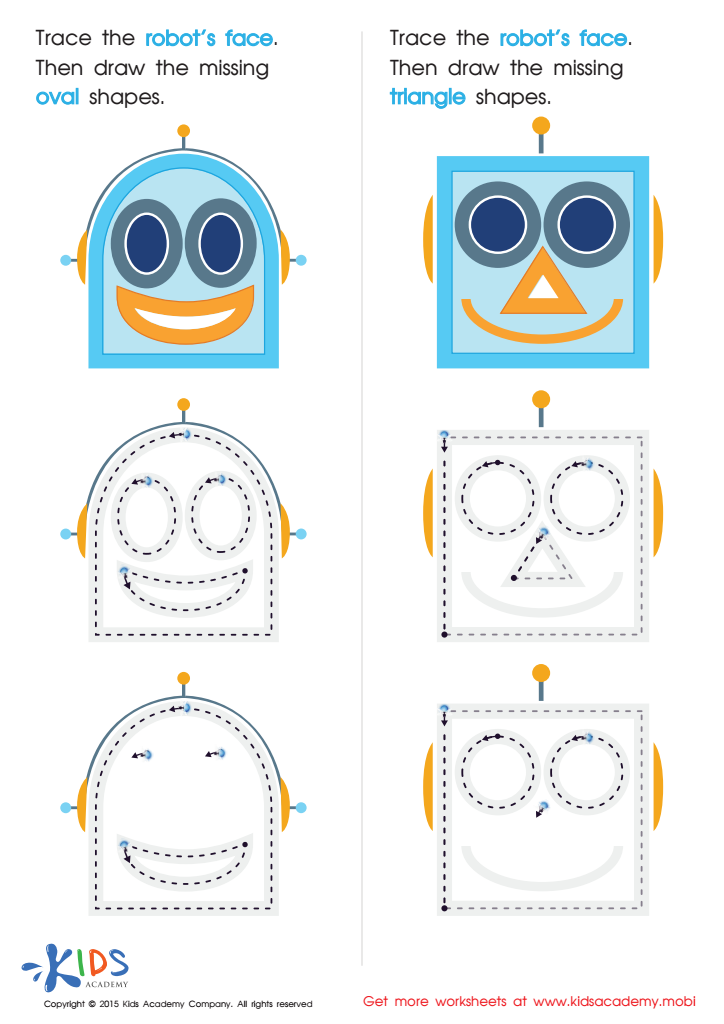
Drawing Ovals And Triangles with Fun Printable
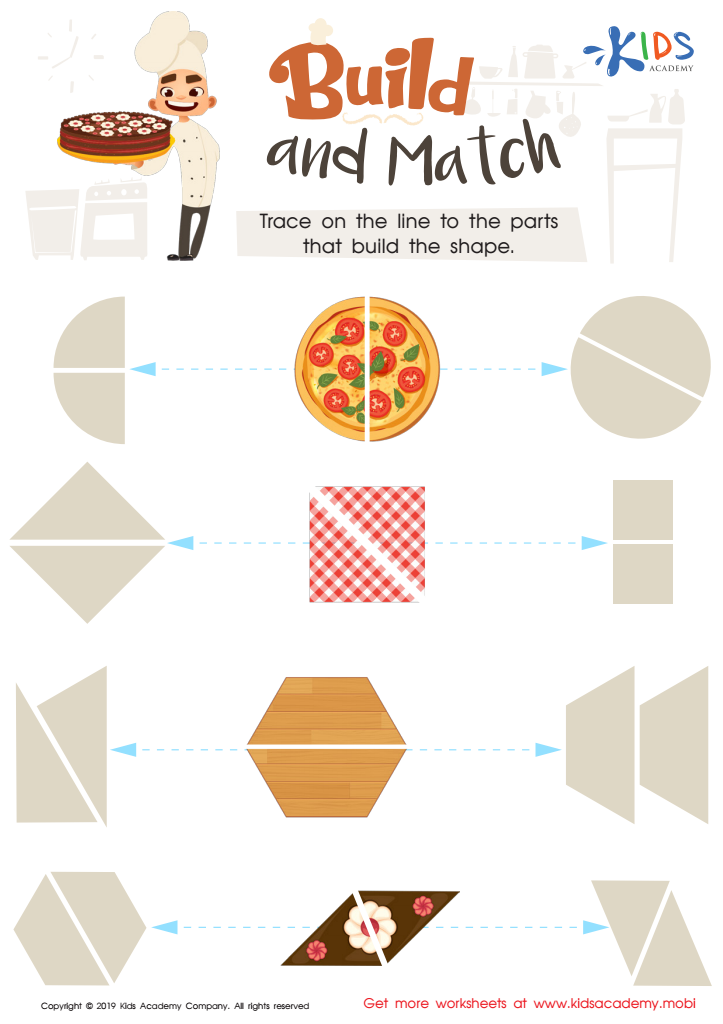
Build and Match Worksheet








Fine motor skills and an understanding of 2D shapes are essential developmental milestones for children aged 4-7 years. These skills form the backbone of various academic and daily life activities. Parents and teachers should prioritize nurturing these abilities for several reasons.
Firstly, fine motor skills involve the coordination of small muscles in hands and fingers, which are crucial for tasks like writing, cutting, and manipulating small objects. Proficient fine motor skills build confidence and independence, enabling children to perform daily activities and engage in arts and crafts, which stimulate creativity.
Understanding 2D shapes enhances spatial awareness and cognitive abilities. Recognizing and categorizing shapes helps children make connections between mathematical concepts and the world around them, paving the way for geometry and understanding symmetry and patterns. Moreover, integrating shape identification into daily activities encourages children to observe their environment, fostering curiosity.
By focusing on fine motor skills and 2D shape recognition, parents and teachers equip children with foundational skills necessary for academic success. These competencies contribute to overall cognitive development and improve concentration and problem-solving abilities, ensuring children are well-prepared for future learning experiences. Early interventions in these areas can lead to lifelong benefits, making it crucial for caregivers to be involved.