Community Worksheets for Ages 4-7 - Page 6
121 filtered results
-
From - To
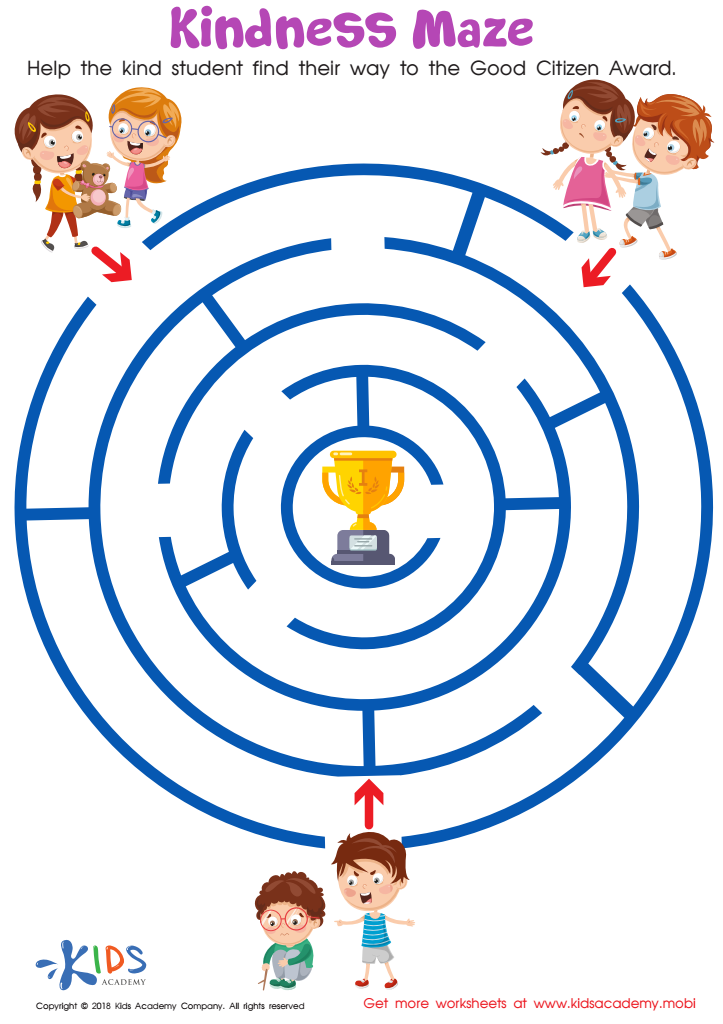
Kindness Maze Worksheet
 Assign to My Students








Parents and teachers should prioritize fostering a sense of community for children ages 4-7 because it lays the groundwork for their emotional, social, and cognitive development. Young children thrive when they feel connected to their peers and the adults around them. A strong community helps them develop essential social skills, such as sharing, empathy, and cooperation. These interactions are crucial during this formative stage, setting the stage for healthy relationships as they grow older.
Moreover, being part of a supportive community creates an environment where children feel valued and understood. This sense of belonging boosts their self-esteem and confidence, encouraging them to take risks and explore new learning opportunities. When children know that they are part of a community that supports and celebrates their achievements, they become more engaged and motivated learners.
For parents and teachers, community involvement also means better support systems. It encourages communication and collaboration among caregivers, enabling a more consistent and integrated approach to each child's education and well-being. This cooperative atmosphere can lead to more meaningful educational experiences and a shared sense of responsibility.
In essence, a strong community for children ages 4-7 benefits not only the children but also the adults involved, creating a nurturing environment where everyone can thrive together.