Shape identification Worksheets for Ages 4-8
40 filtered results
-
From - To
Discover engaging shape identification worksheets for children aged 4-8! Our carefully crafted activities enhance visual perception and develop essential math skills in a fun and interactive way. Perfect for preschool and early grade education, these worksheets help young learners recognize and distinguish various shapes, including circles, squares, triangles, and more. With colorful illustrations and age-appropriate tasks, kids will enjoy exploring through tracing, coloring, and matching exercises. These resources support foundational learning while making math enjoyable. Empower your child’s educational journey today and watch them build confidence in shape recognition with our delightful worksheets!
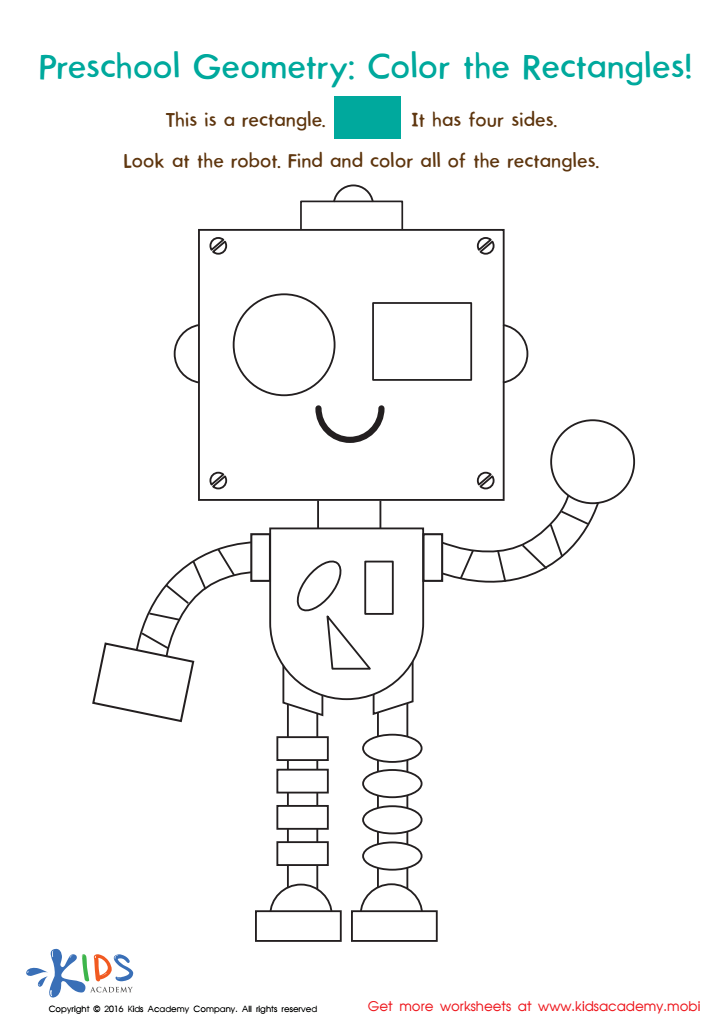
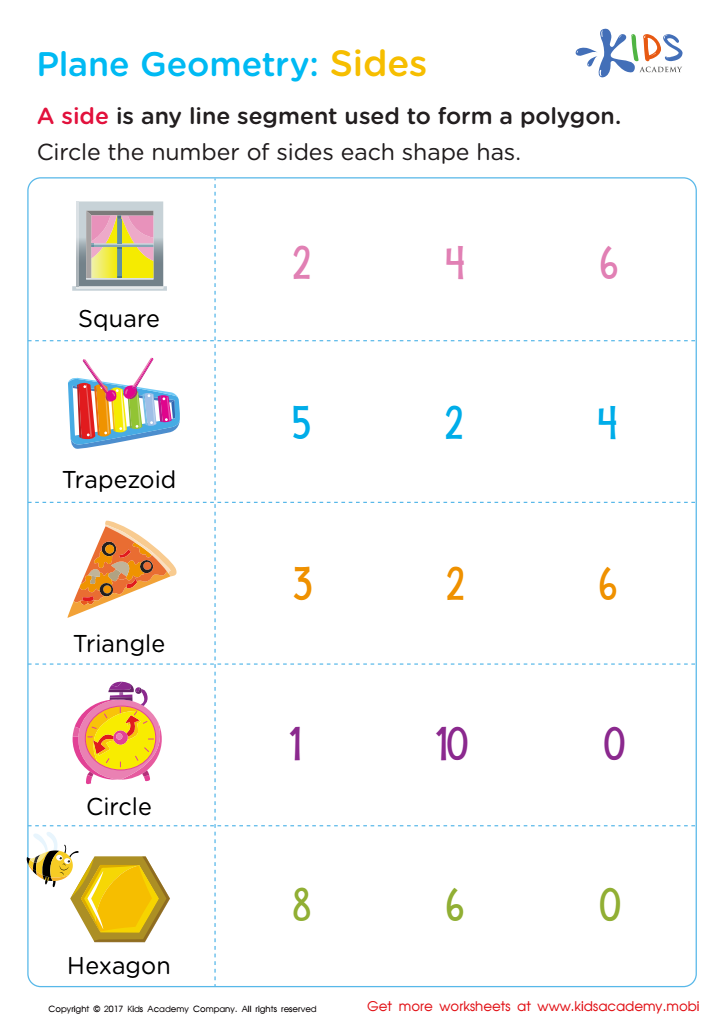
Geometry Worksheet
 Assign to My Students
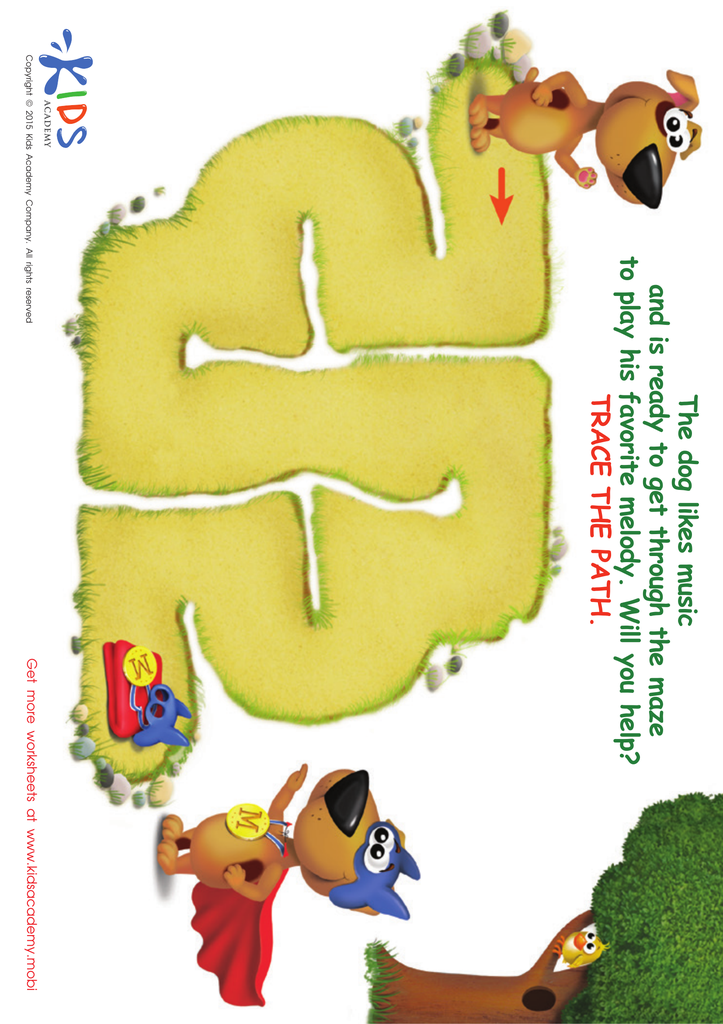
Superman Maze Worksheet
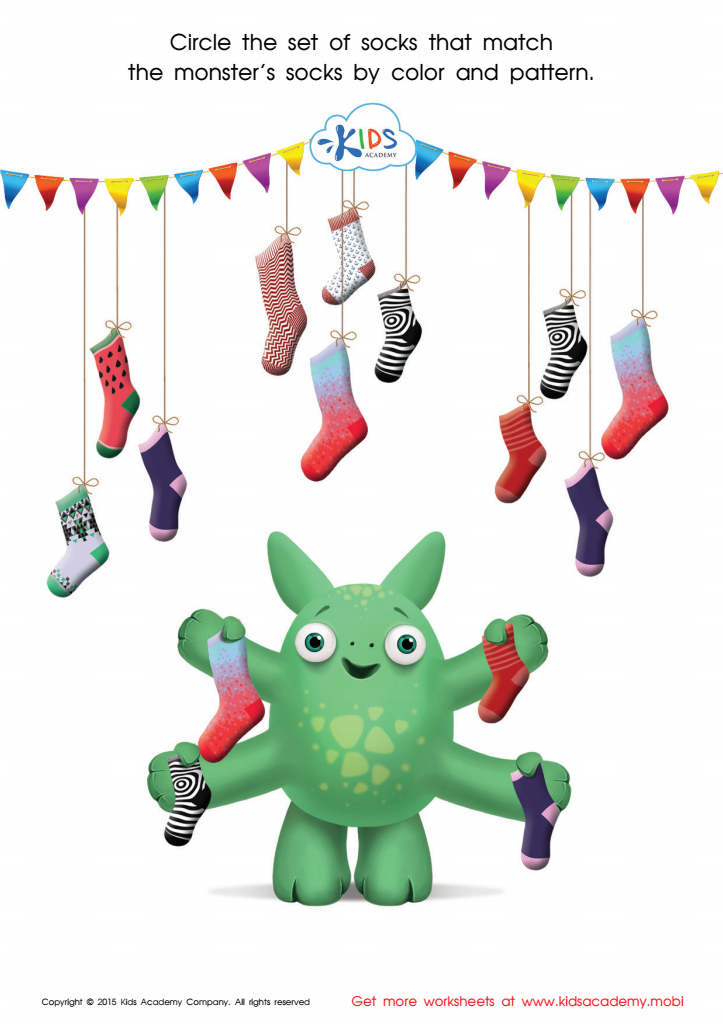
Sort the Monster's Socks Worksheet
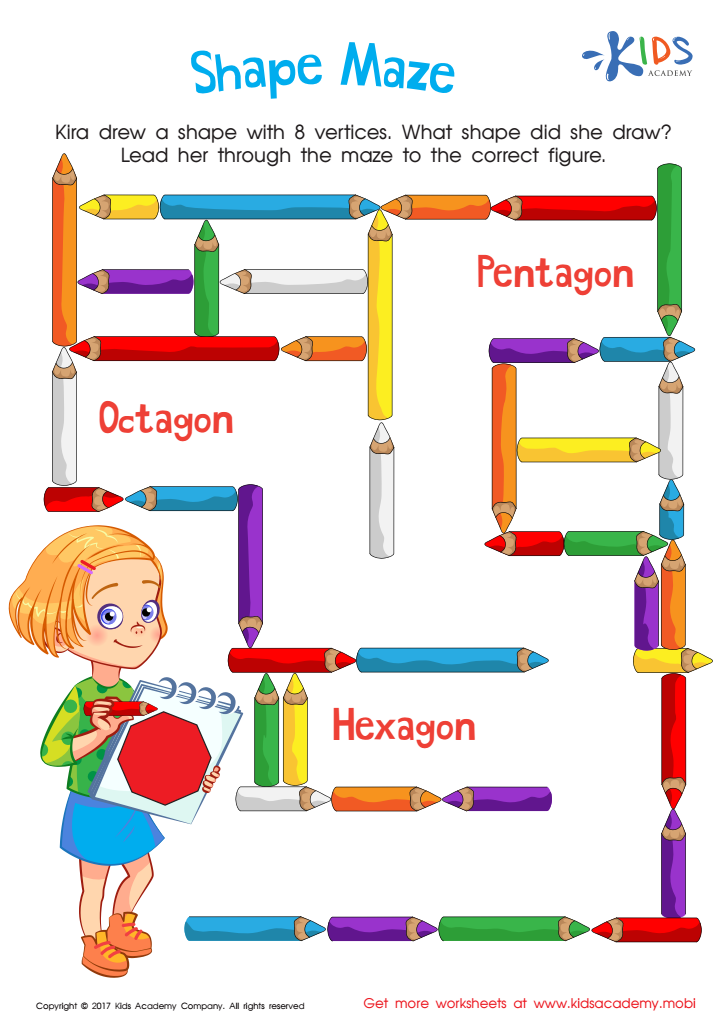
Shape Maze Worksheet
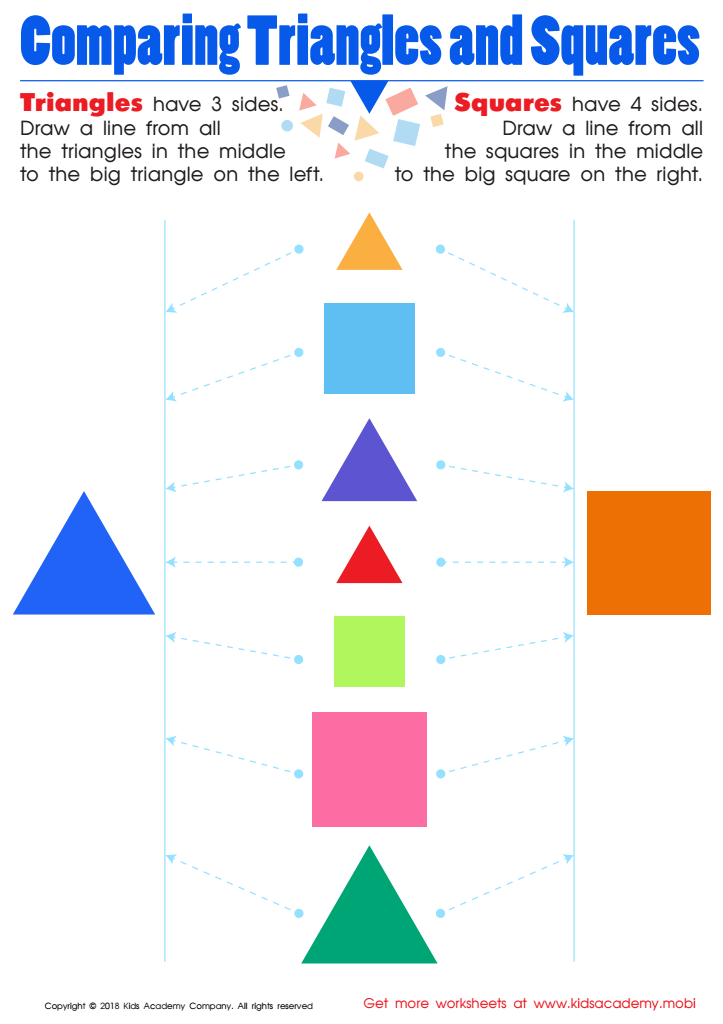
Comparing Triangles Squares Worksheet
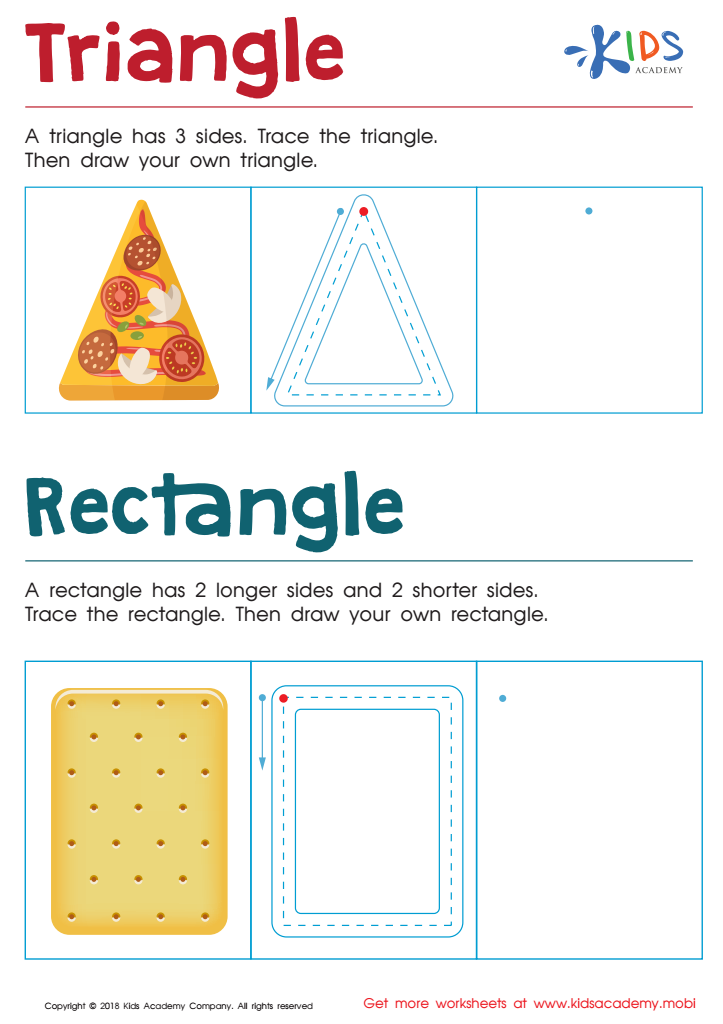
Triangle Rectangle Worksheet
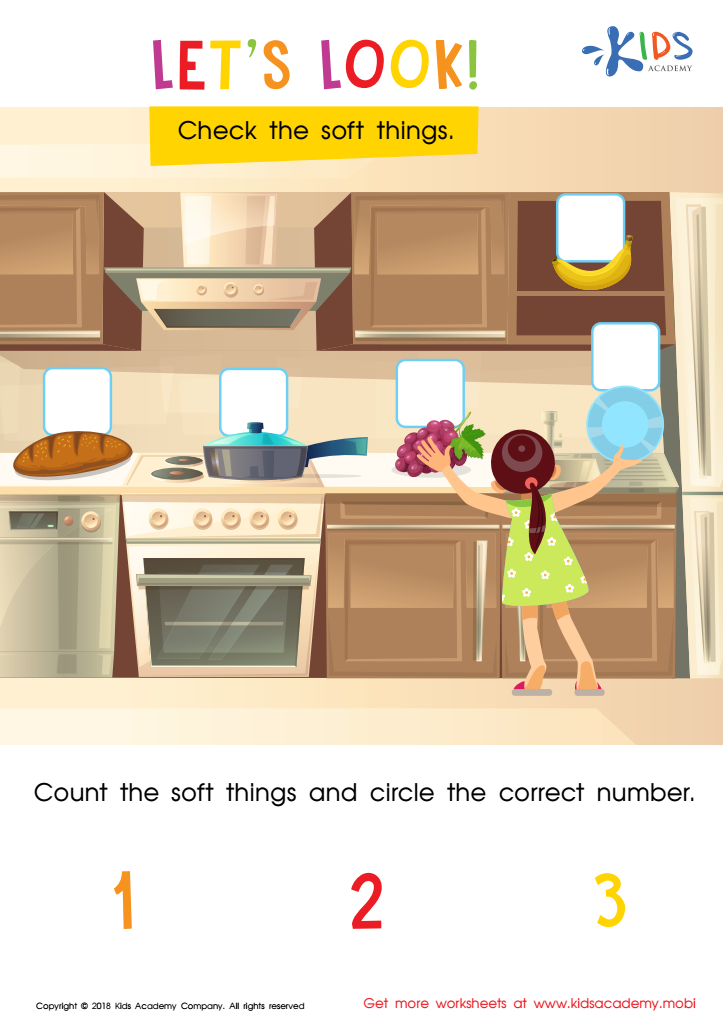
Let's Look! Assessment Worksheet
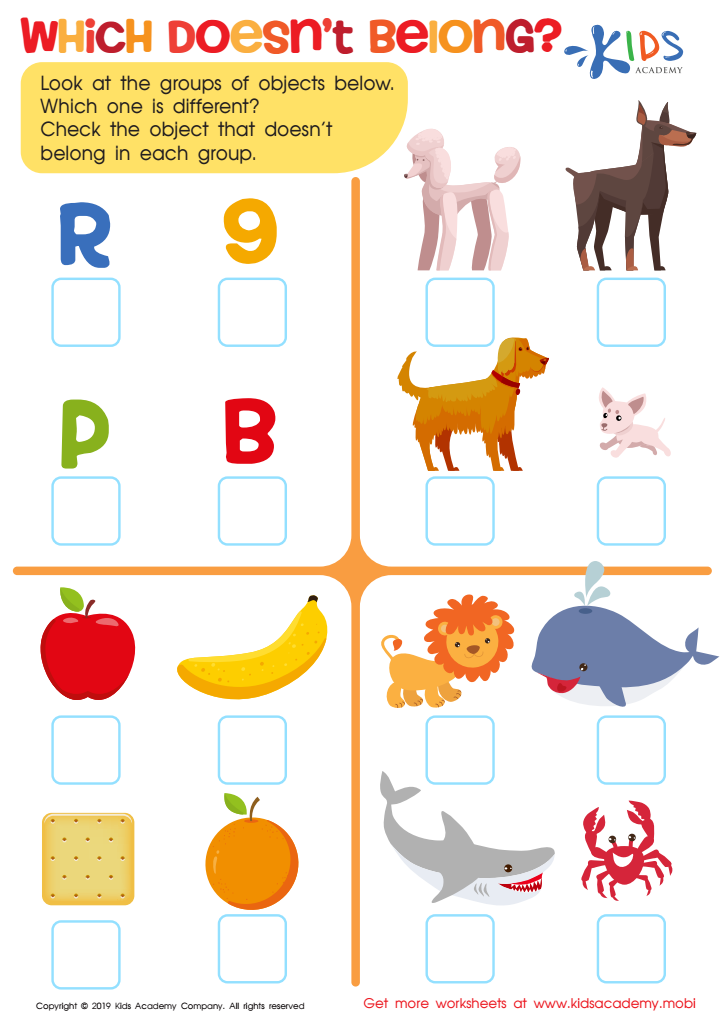
Which Doesn't Belong? Worksheet
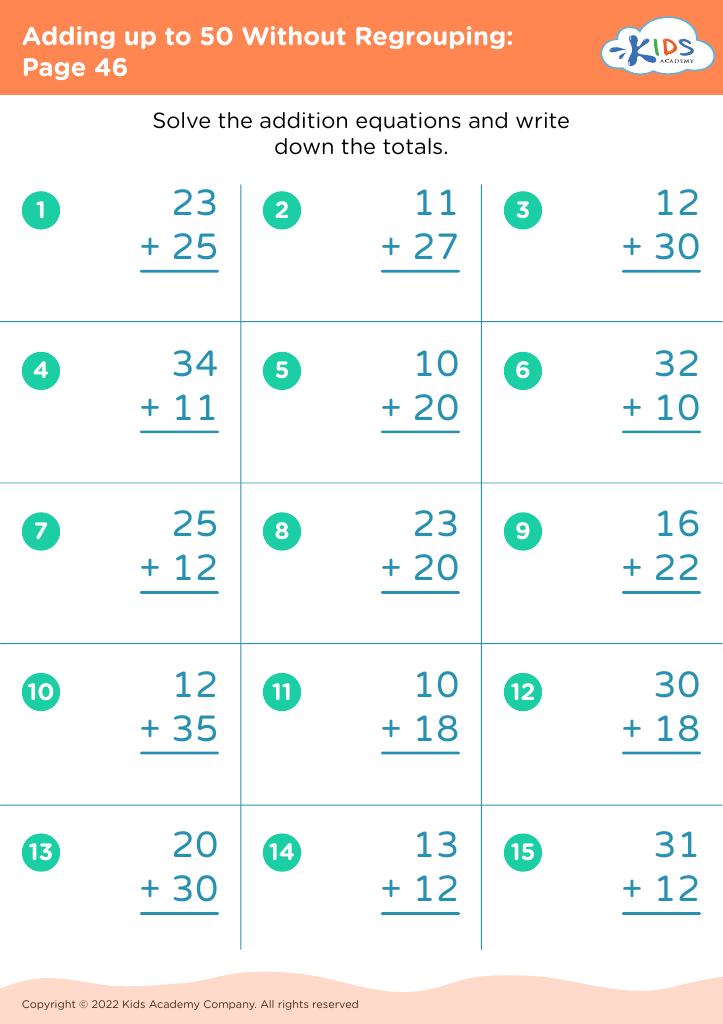
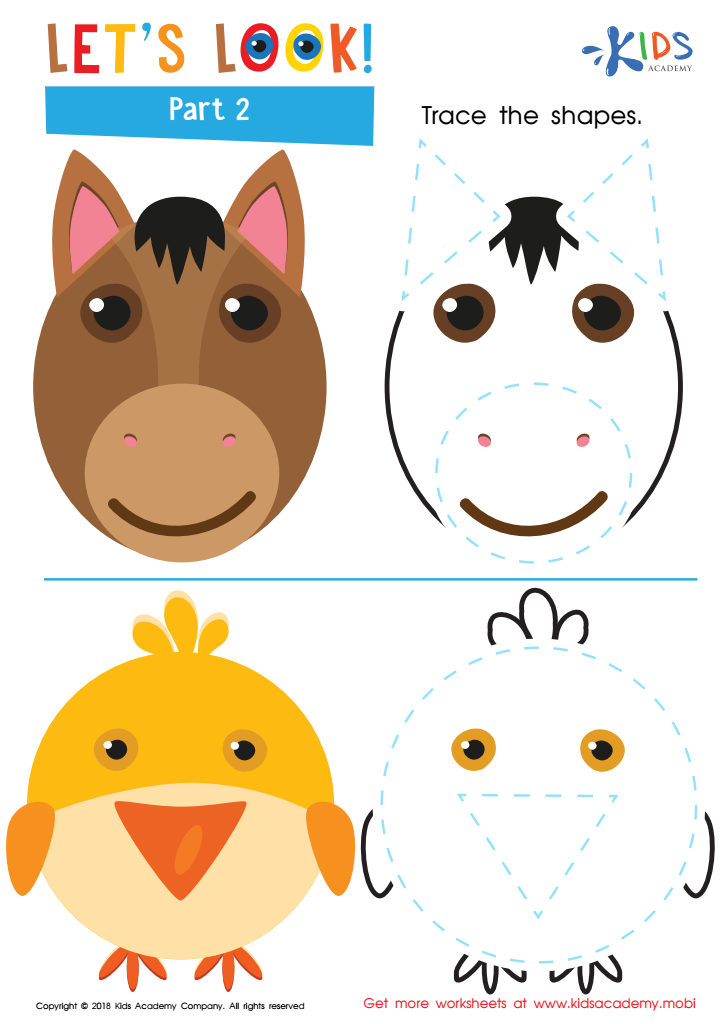
Let's Look! Part 2 Worksheet
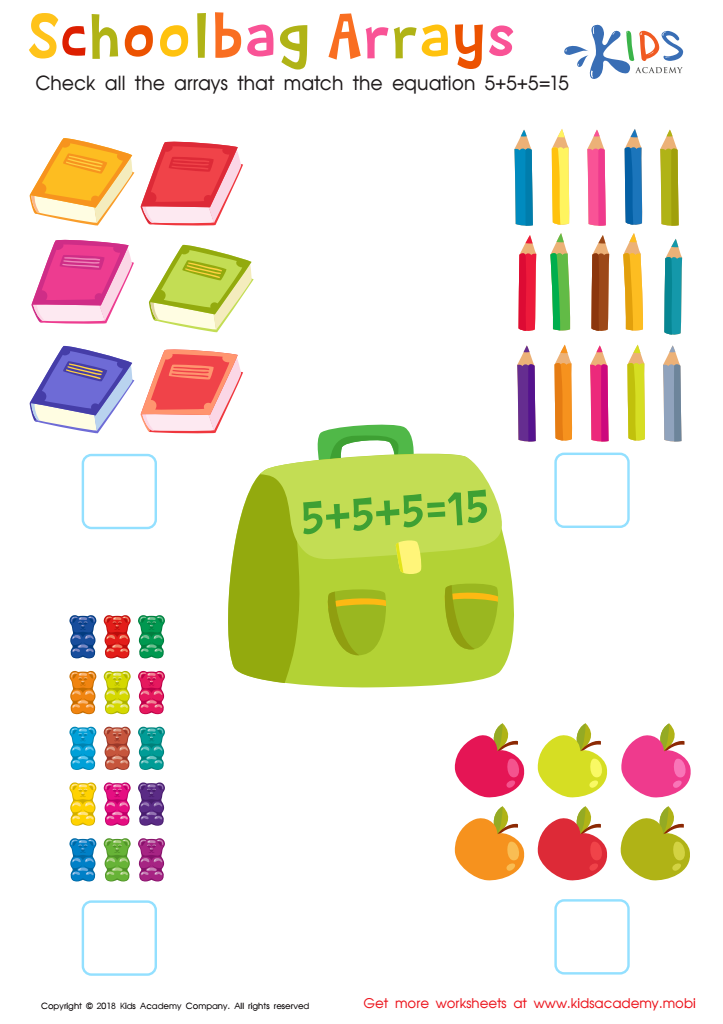
Schoolbag Arrays Worksheet
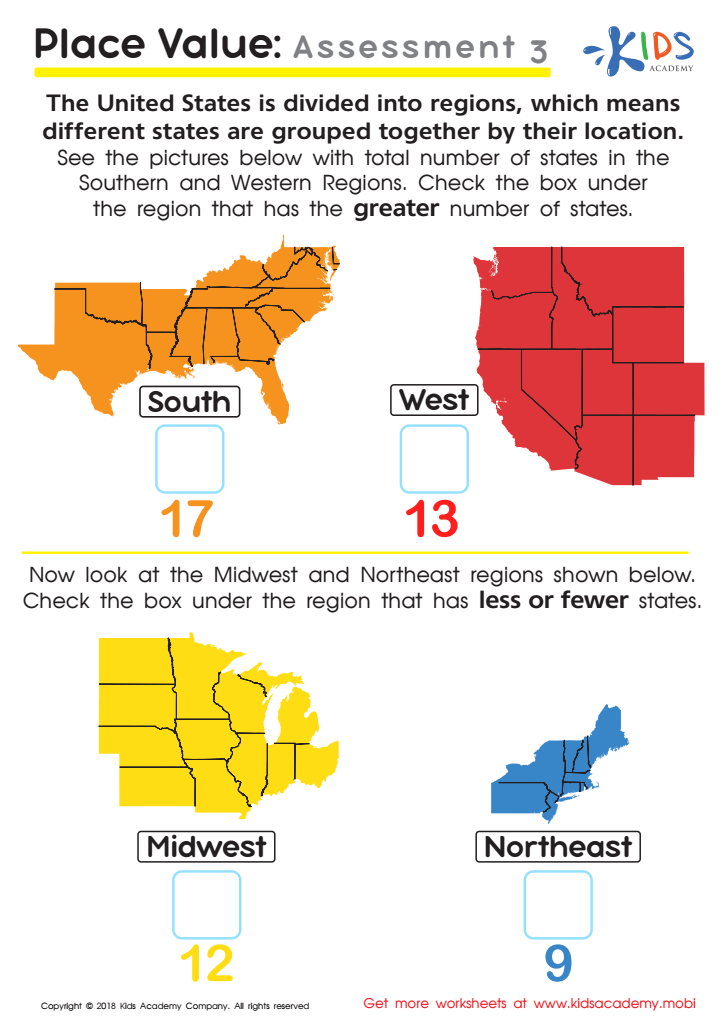
Place Value: Assessment 3 Worksheet
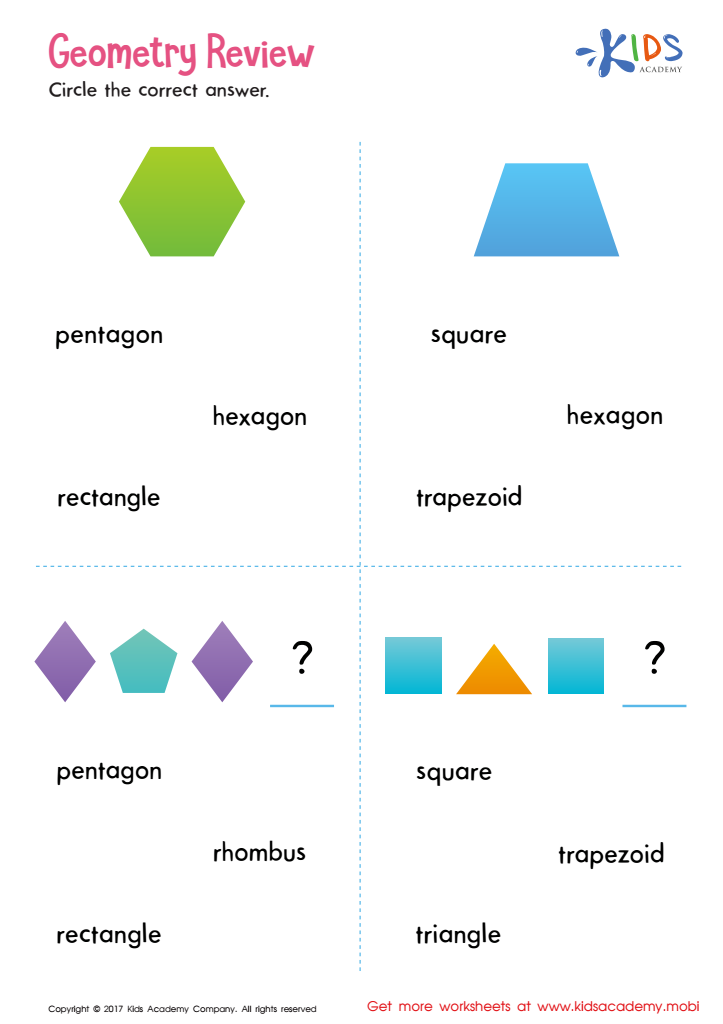
Geometry Review Printable
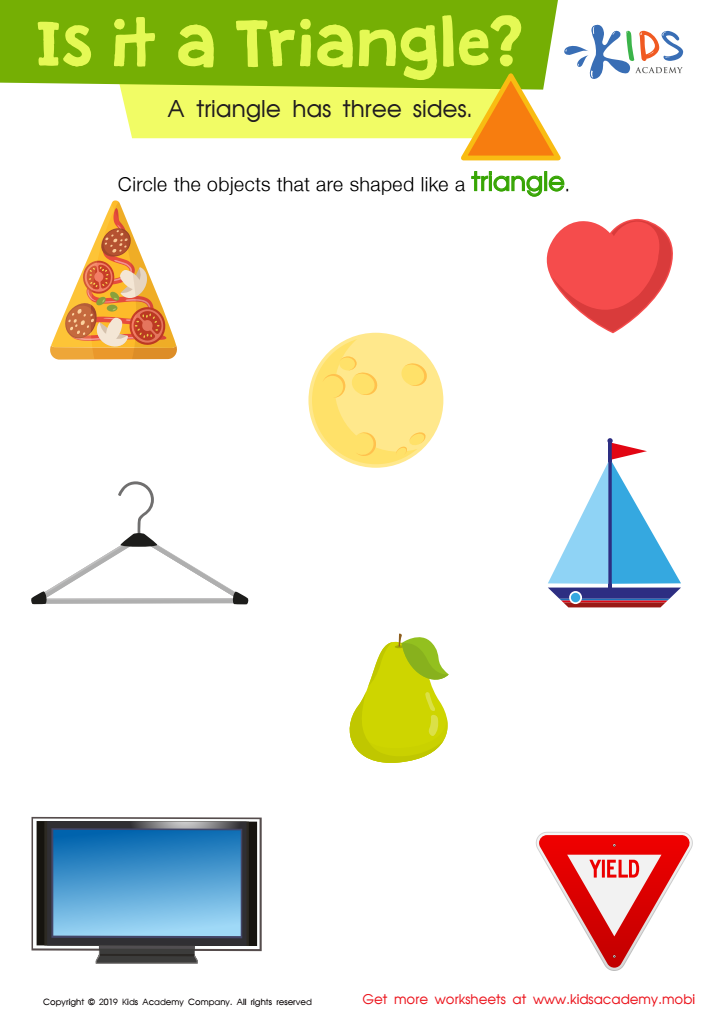
Is It a Triangle? Worksheet


.jpg)


.jpg)


Shape identification is a fundamental aspect of early childhood education, crucial for children aged 4 to 8 as they develop their cognitive, spatial, and mathematical skills. Parents and teachers should care about this topic because recognizing shapes forms the basis of understanding more complex concepts in geometry, mathematics, and everyday life.
At this stage of development, children are naturally curious and eager to explore their environment. Identifying shapes helps them make connections between objects and their attributes, enhancing critical thinking and problem-solving abilities. Understanding shapes also fosters fine motor skills as children manipulate various objects in their play.
Moreover, shape recognition plays a vital role in language development. By naming and describing shapes, children expand their vocabulary and learn to categorize information, which is essential for their overall learning journey. Early exposure to shape identification can boost confidence in mathematical skills, setting the foundation for future academic success.
In addition, shape activities provide opportunities for social interaction, collaboration, and communication among peers, further enriching a child's educational experience. By prioritizing shape identification, parents and teachers can inventively support holistic development while satisfying young children's natural inclination to explore and play.








