Time calculation Worksheets for Ages 4-8
4 filtered results
-
From - To
Discover our engaging Time Calculation Worksheets designed specifically for ages 4-8! These meticulously crafted printable worksheets make learning to tell time both fun and educational. They help young learners grasp fundamental concepts of hours, minutes, and days through interactive exercises and colorful visuals. Ideal for home or classroom use, our worksheets support cognitive development, enhance problem-solving skills, and promote confidence in time management. Perfect for early learners, these activities cater to various skill levels, ensuring every child’s success. Start your child’s journey towards mastering time calculation today with our vibrant, thoughtfully designed resources.
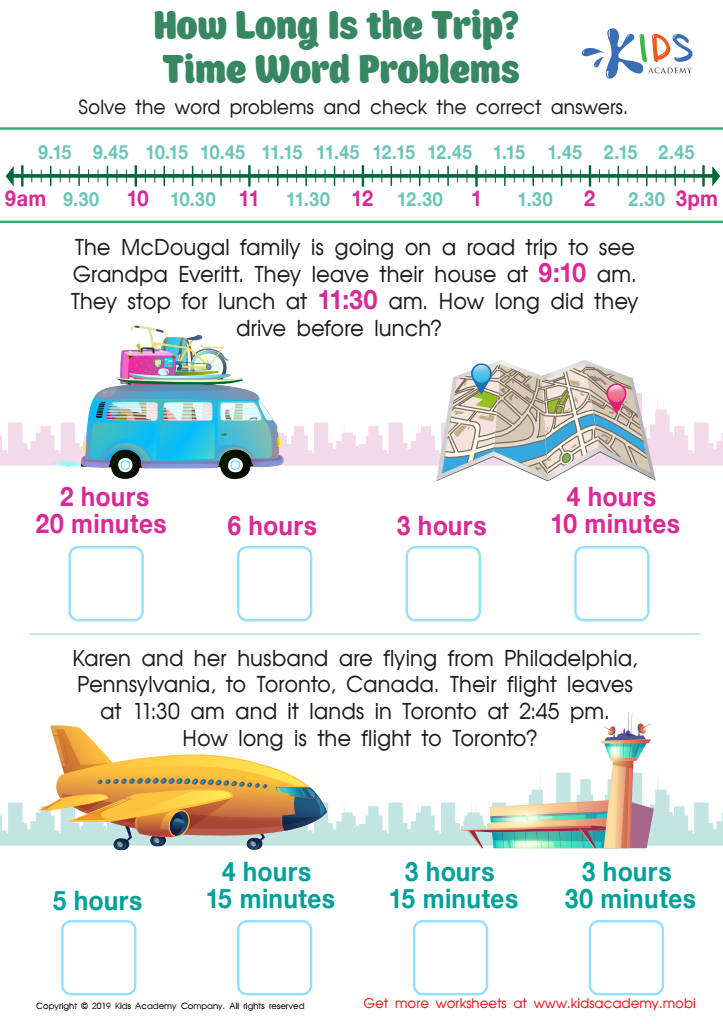
How long is the Trip? Time Word Problems Worksheet
 Assign to My Students
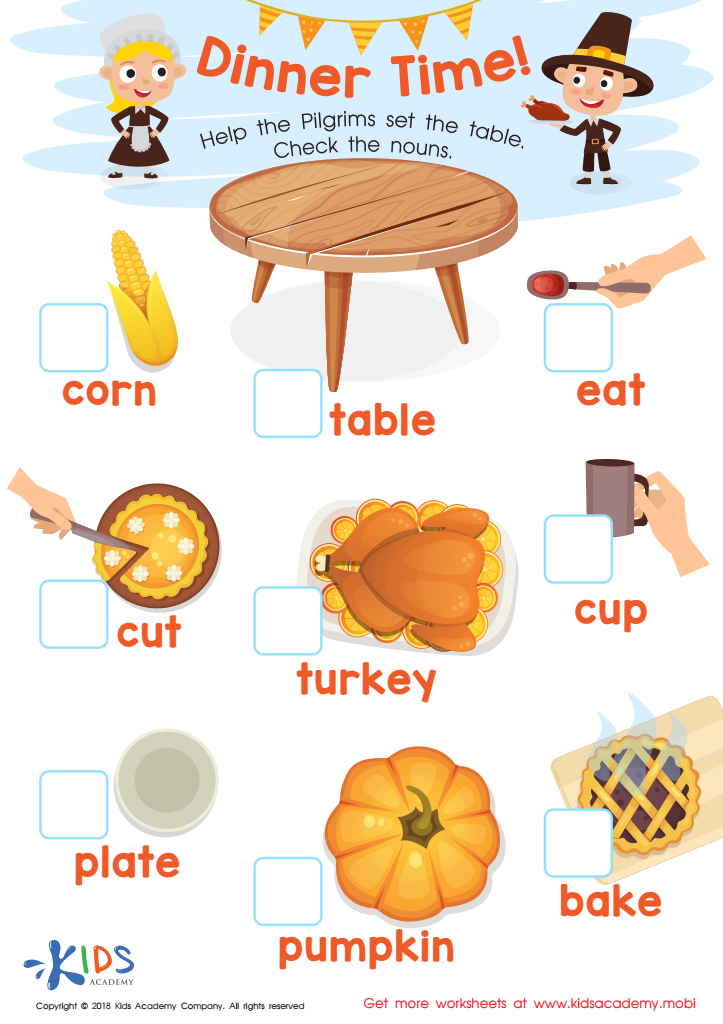
Dinner Time! Worksheet
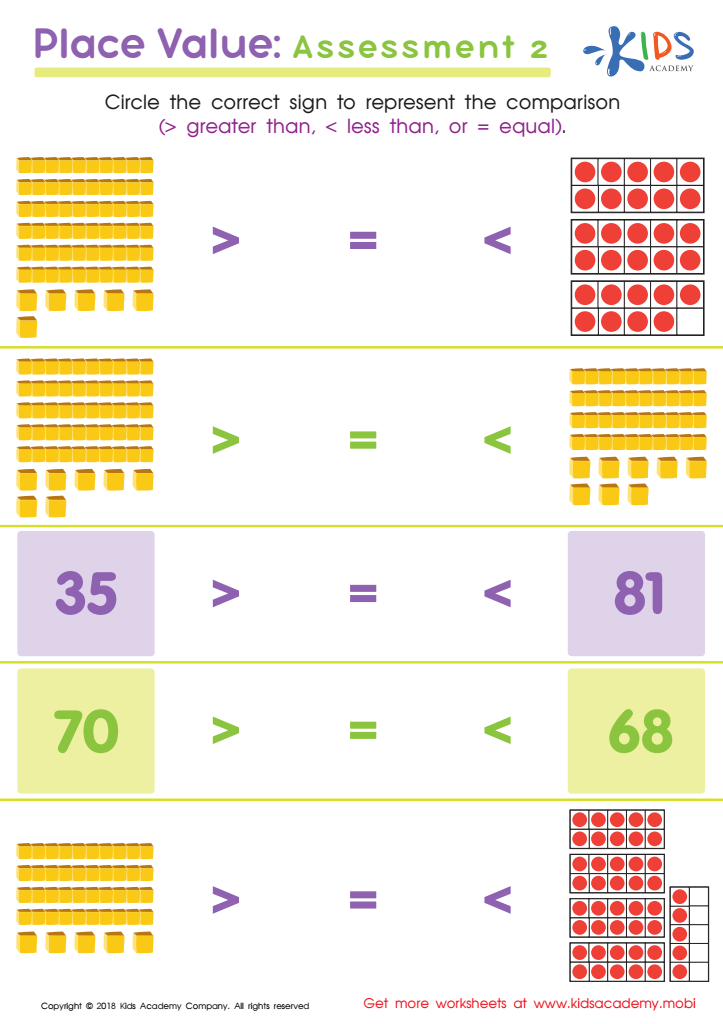
Place Value: Assessment 2 Worksheet
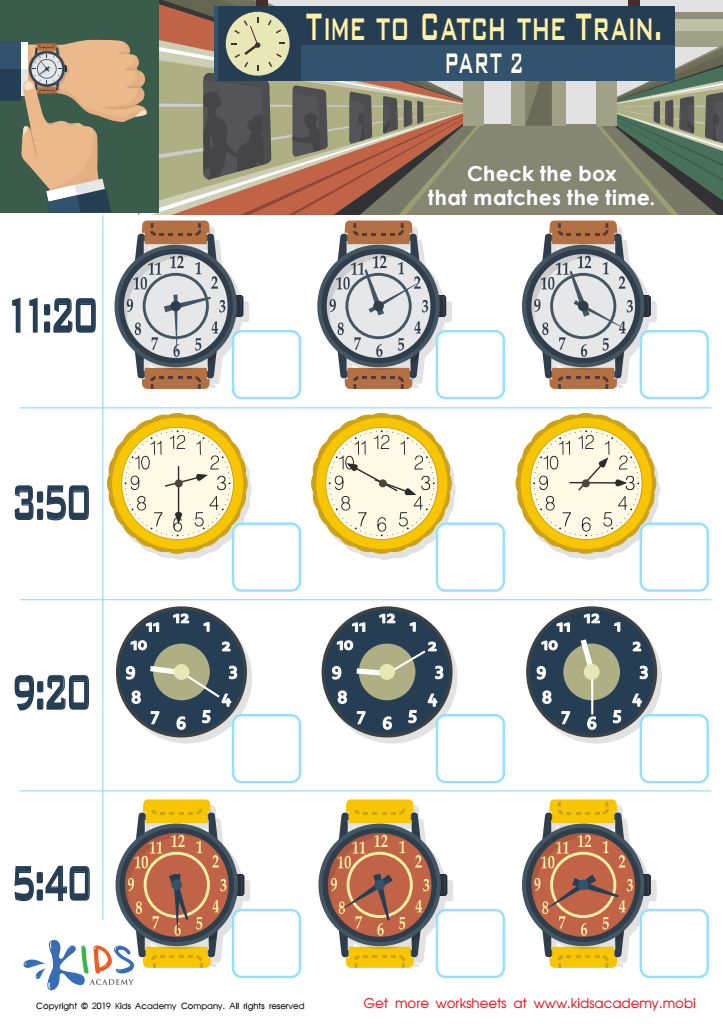
Time to Catch the Train Part 2 Worksheet







Teaching young children, ages 4-8, how to calculate time is crucial for several reasons. First, understanding time is a fundamental life skill that supports daily routines and planning. Teaching time calculation helps children grasp concepts like morning, afternoon, evening, and the structure of their day, enhancing their sense of security and independence.
Second, learning to tell time integrates mathematical thinking, as it involves recognizing numbers, counting by fives, and understanding sequences. This foundational skill can boost their overall numeracy skills and confidence with math, fostering a positive attitude towards learning.
Third, time calculation promotes problem-solving and critical thinking. Tracking time teaches children to anticipate and manage activities, helping them develop better focus and time management habits early on. These skills are invaluable for academic success and personal growth.
Moreover, talking about past, present, and future events while learning time helps enhance language development and sequencing abilities. This explicit interaction provides context for conversations about "what happened," "what's happening," and "what will happen."
Lastly, learning to calculate time is enjoyable for children and can be turned into fun, engaging activities using clocks, stories, and games, making learning meaningful and interactive. Involving parents in these activities strengthens the parent-child bond and shows children that their learning is supported at home.








