Addition Practice Numbers Worksheets for Ages 4-8
32 filtered results
-
From - To
Welcome to our Addition Practice Numbers Worksheets for Ages 4-8! Designed to make early math learning fun and engaging, our worksheets provide a variety of addition problems tailored for young learners. These activities enhance mathematical skills by combining visual aids, number lines, and interactive challenges to support your child’s understanding of addition. Ideal for both classroom and home use, our printable resources encourage practice and reinforce foundational concepts. Whether your child is just starting or gaining confidence, our worksheets cater to different skill levels, ensuring a comprehensive learning experience. Explore our collection today and watch your child excel in addition!
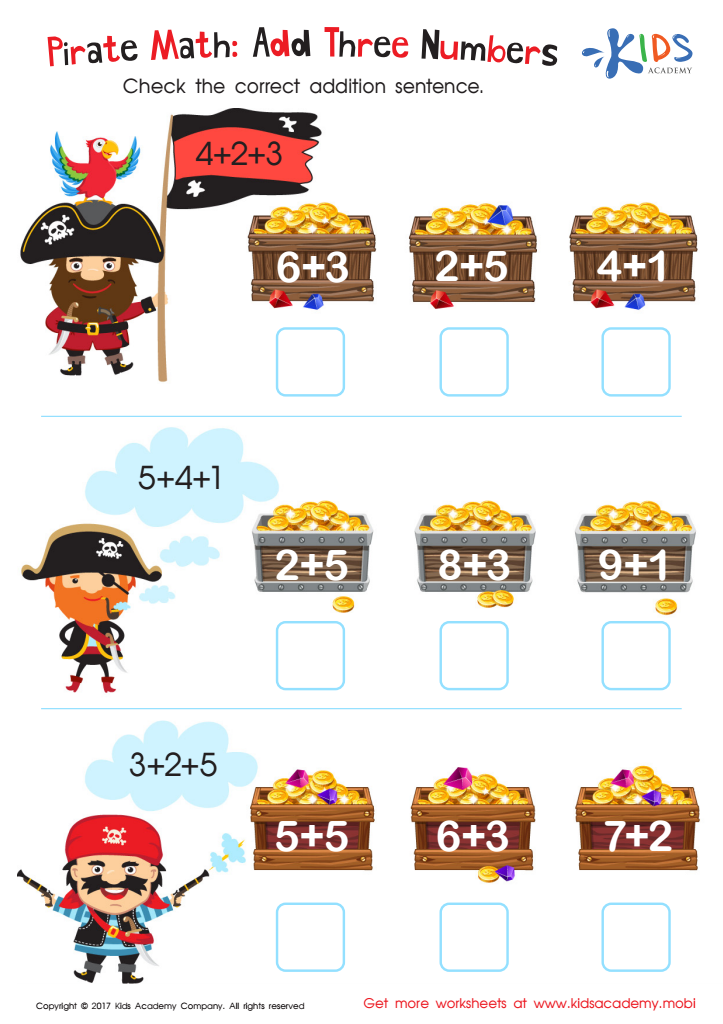
Pirate Math Printable
 Assign to My Students
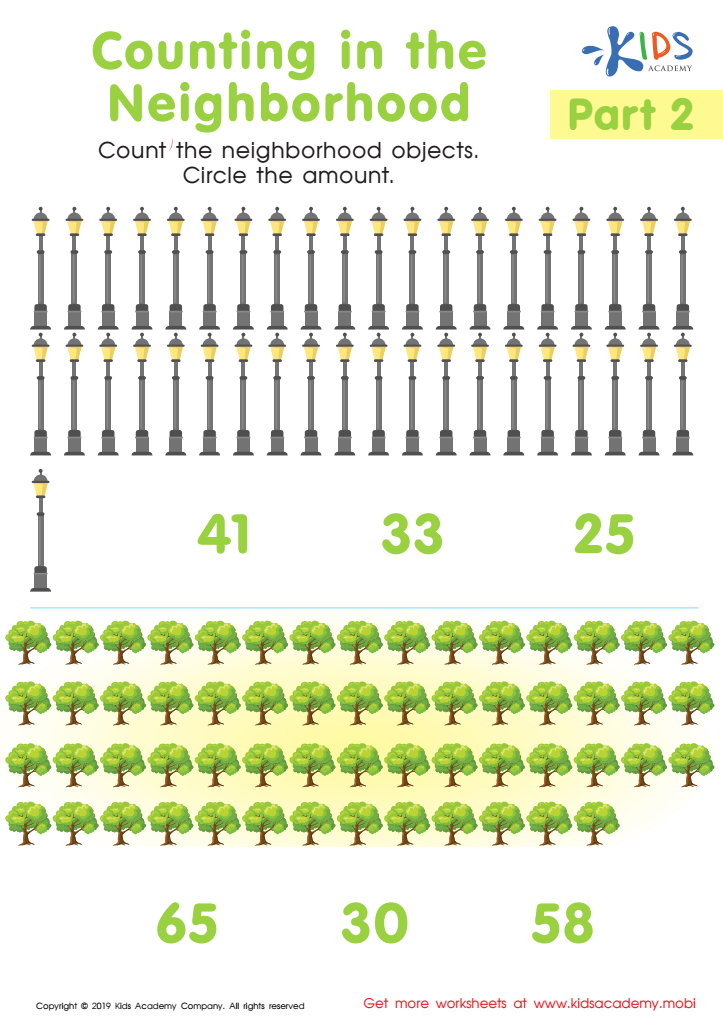
Counting In The Neighborhood Part 2 Worksheet
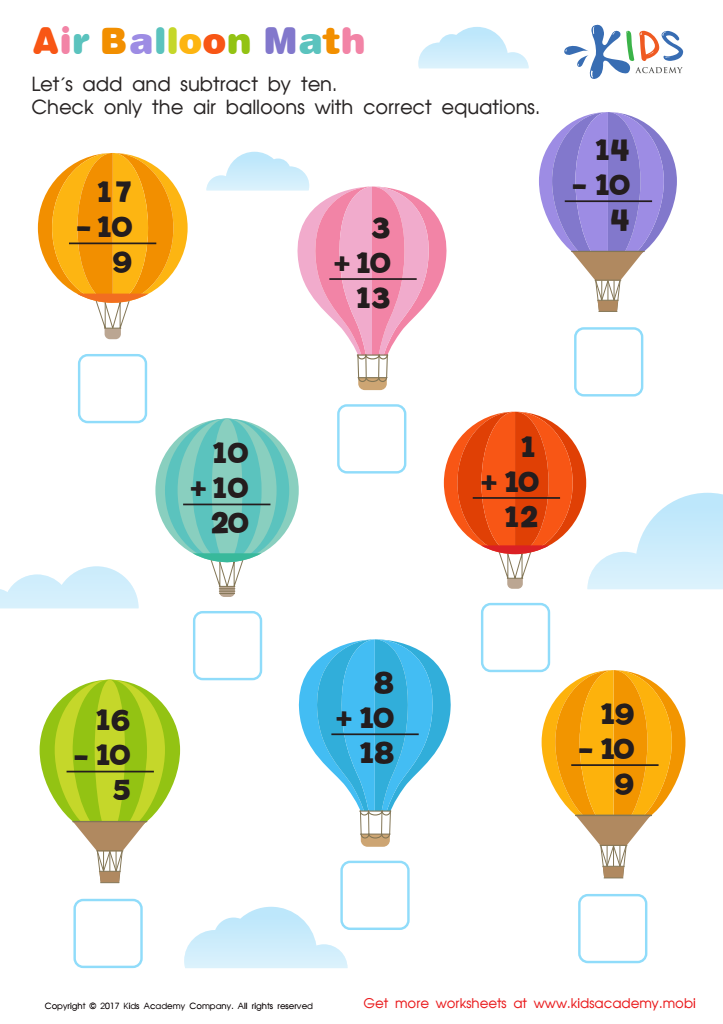
Air Balloon Math Worksheet
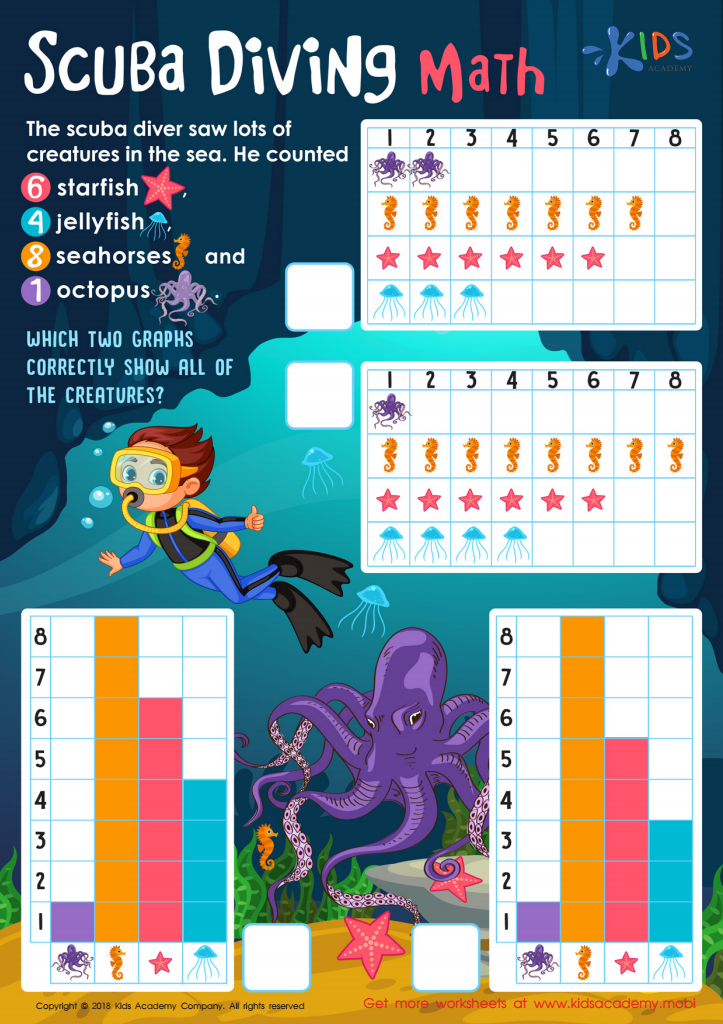
Scuba Diving Math Worksheet
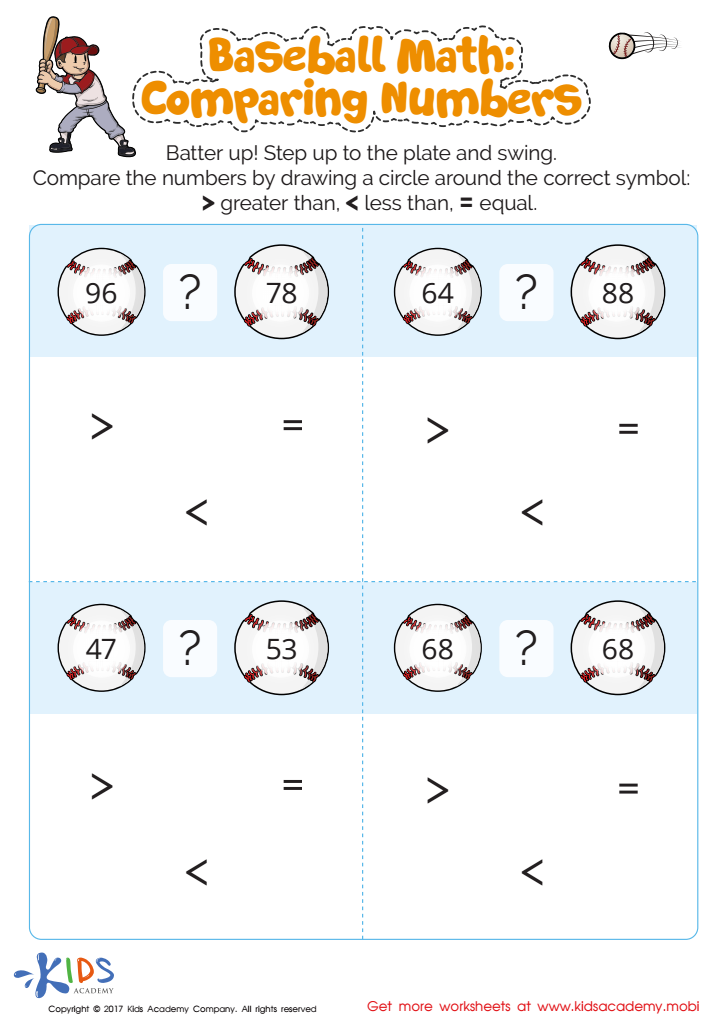
Compare Numbers Printable
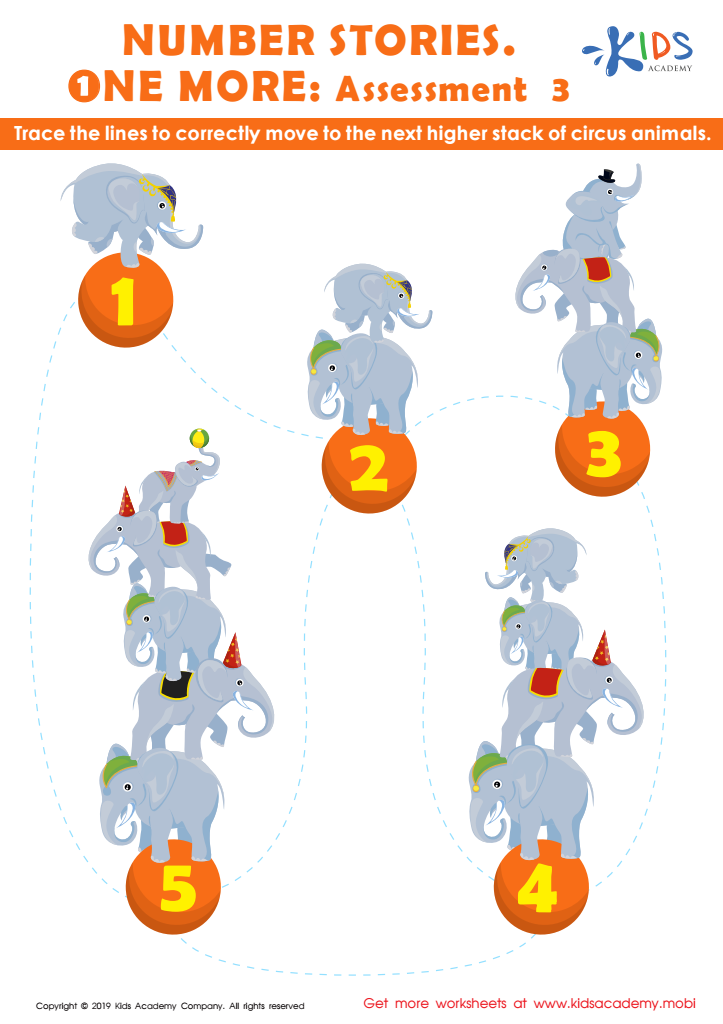
Number Stories One More: Assessment 3 Worksheet
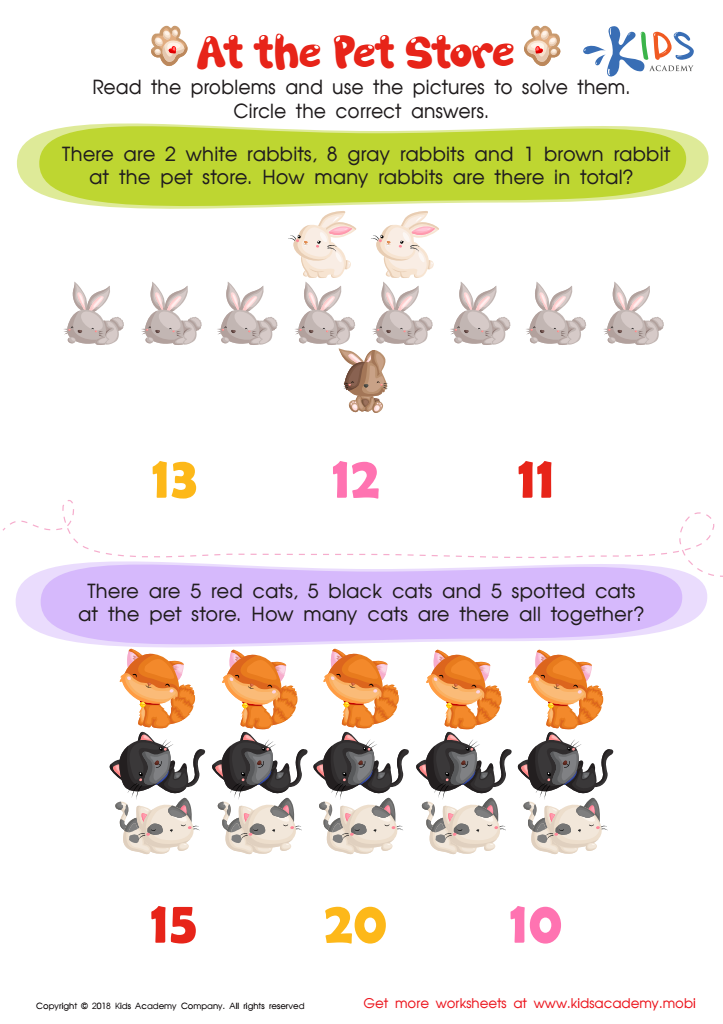
At the Pet Store Word Problems Worksheet
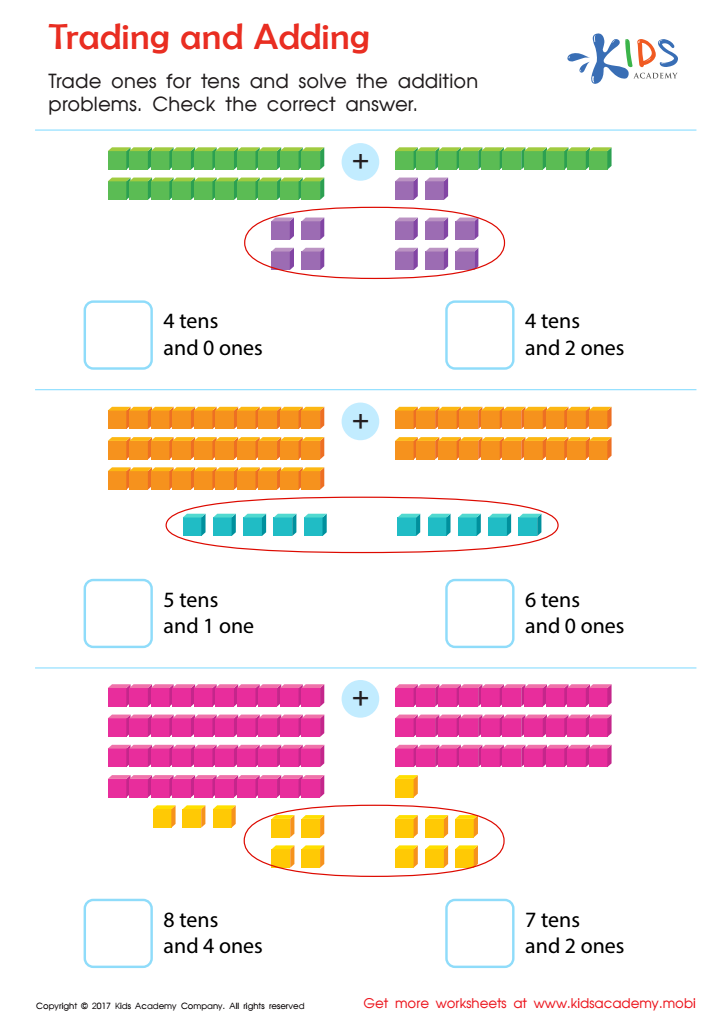
Trading and Adding Worksheet
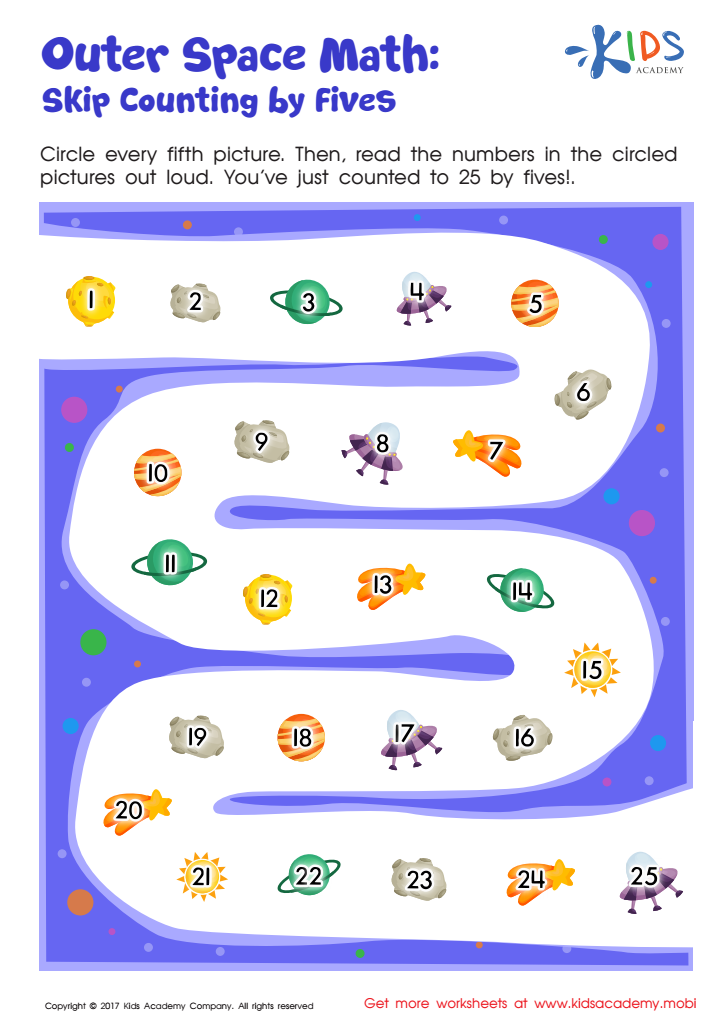
Skip Counting by 5s: Outer Space Math Printable
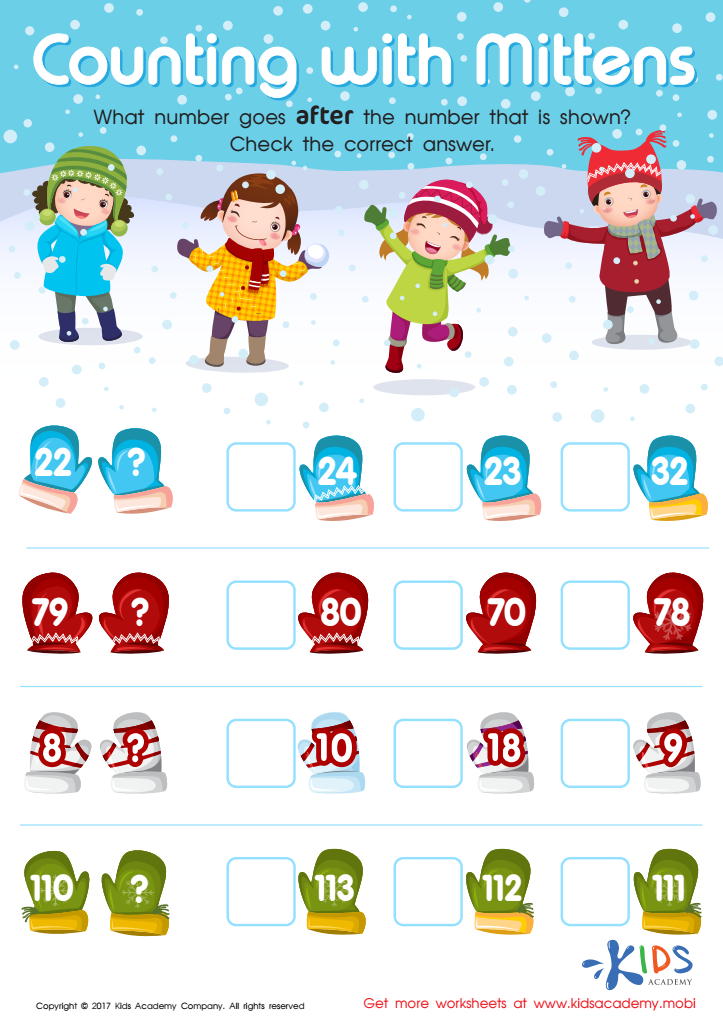
Counting with Mittens Worksheet
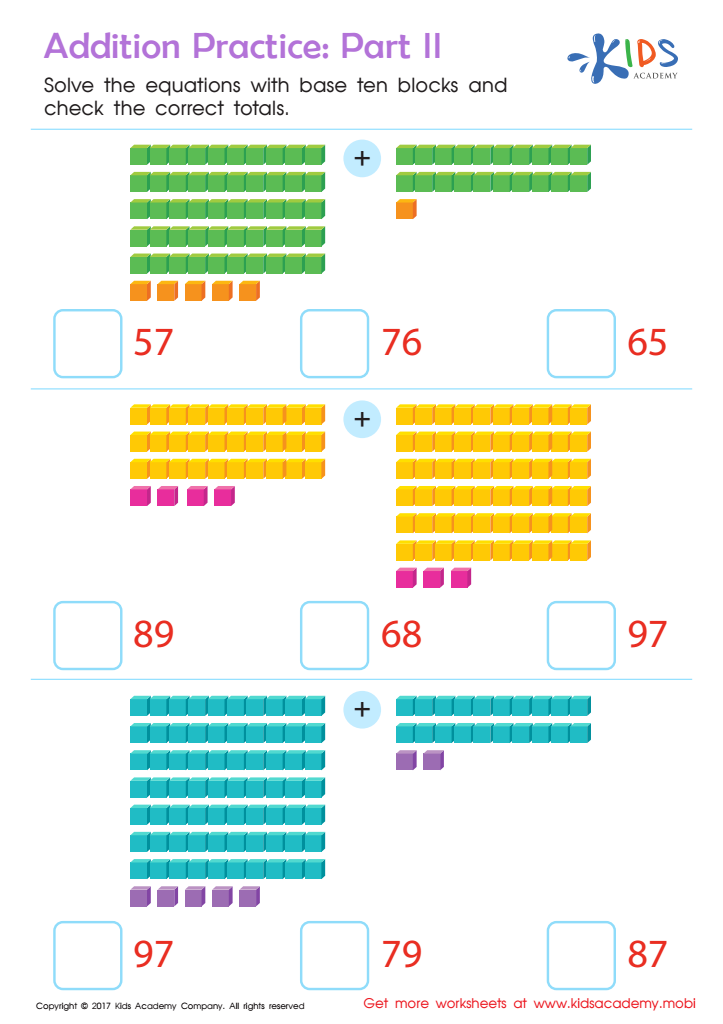
Addition Practice Sheet: Part 2
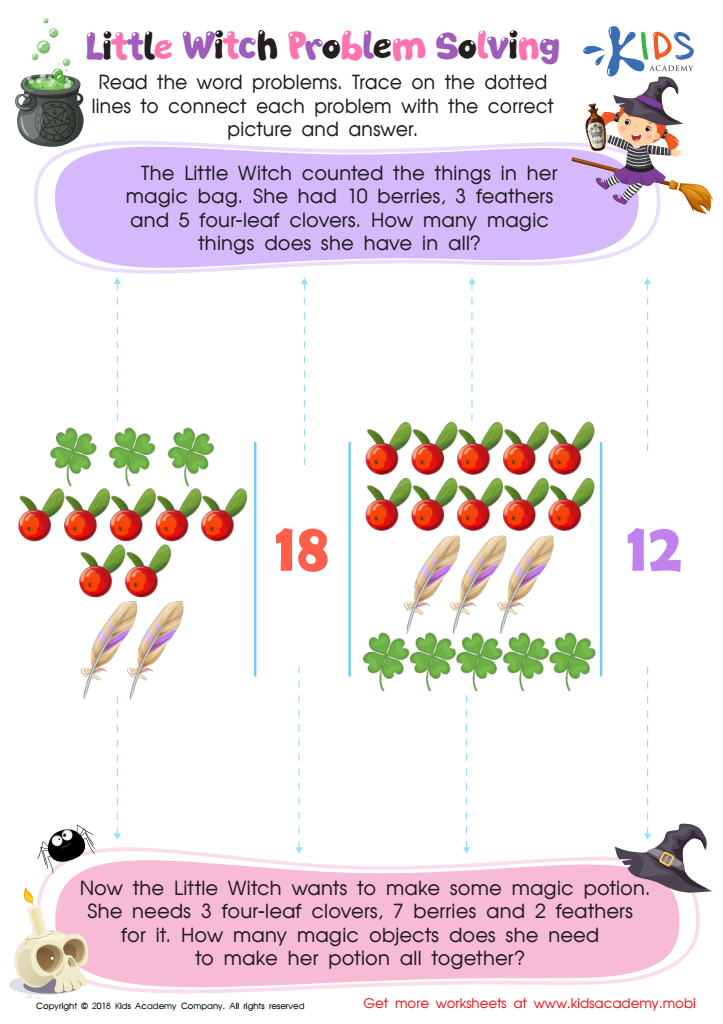
Little Witch Problem Solving Worksheet
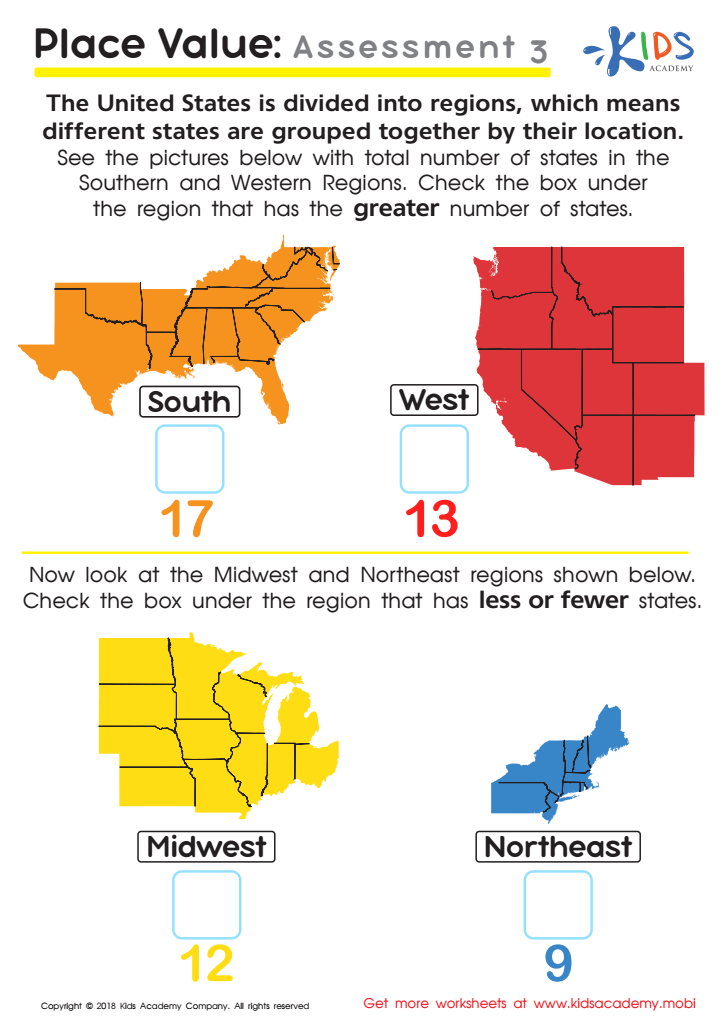
Place Value: Assessment 3 Worksheet
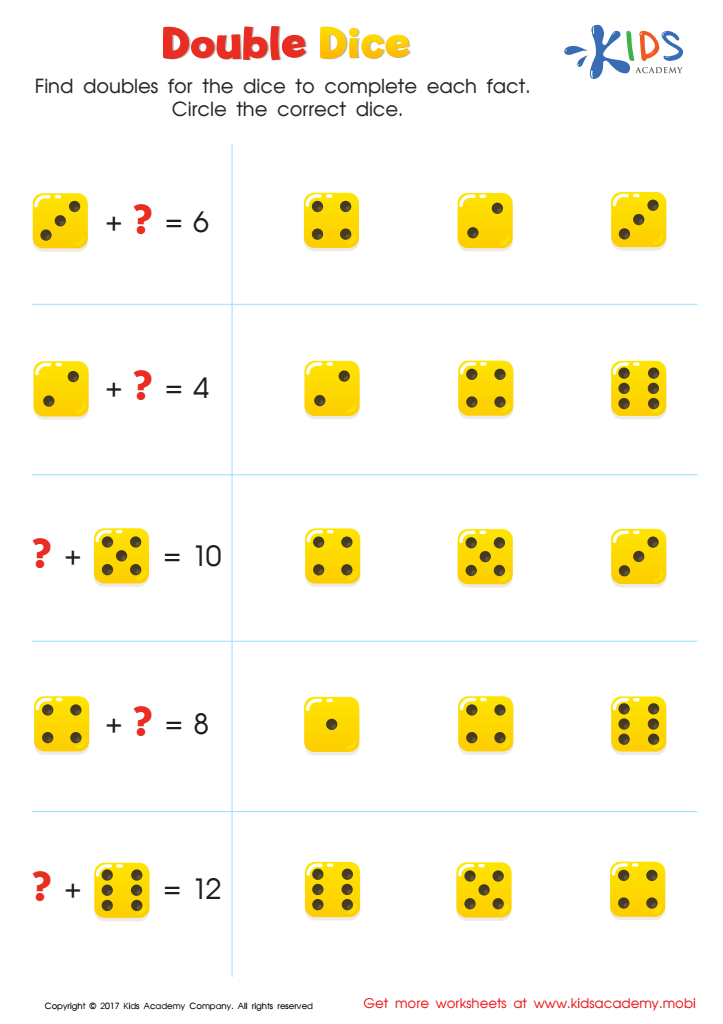
Addition Facts: Double Dice Worksheet
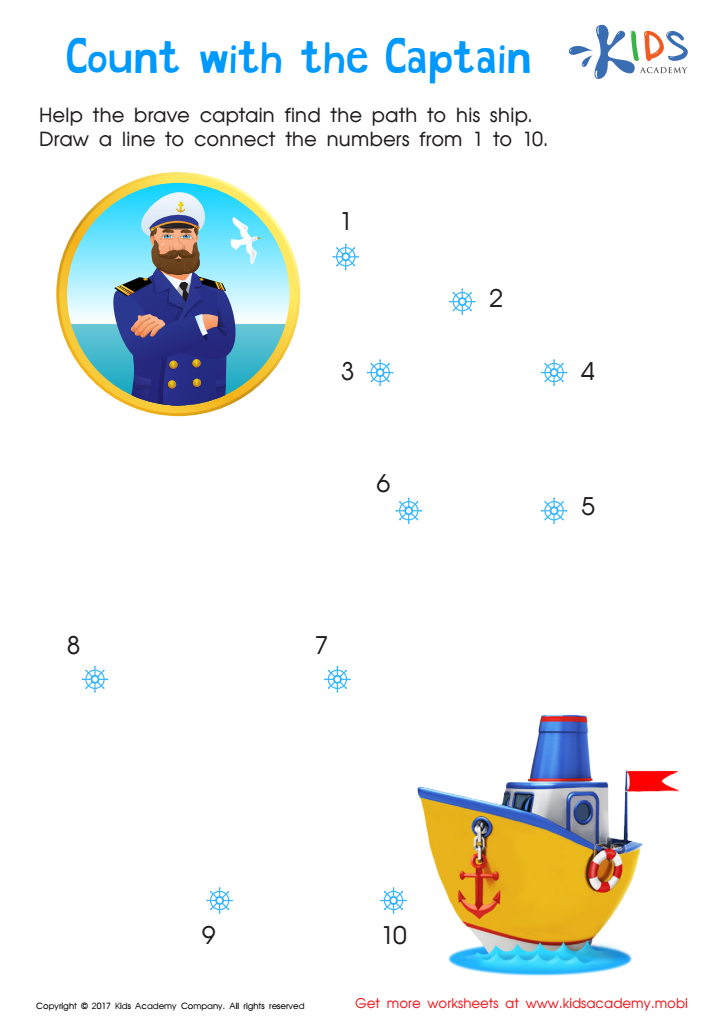
Count with the Captain Connect Dots Worksheet
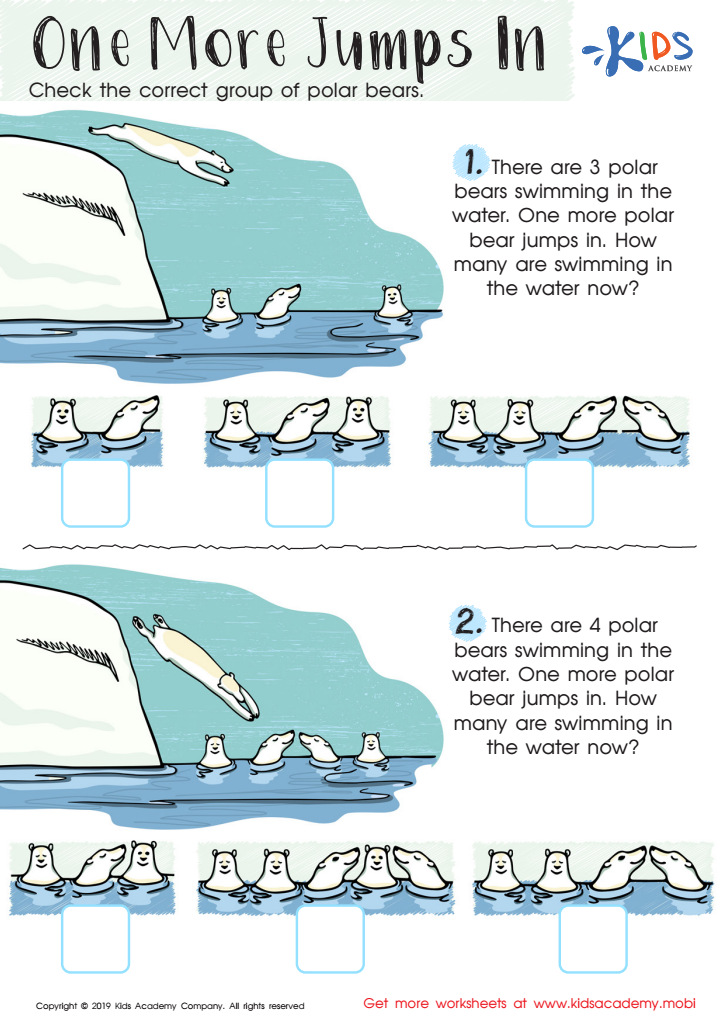
One More Jumps In Worksheet
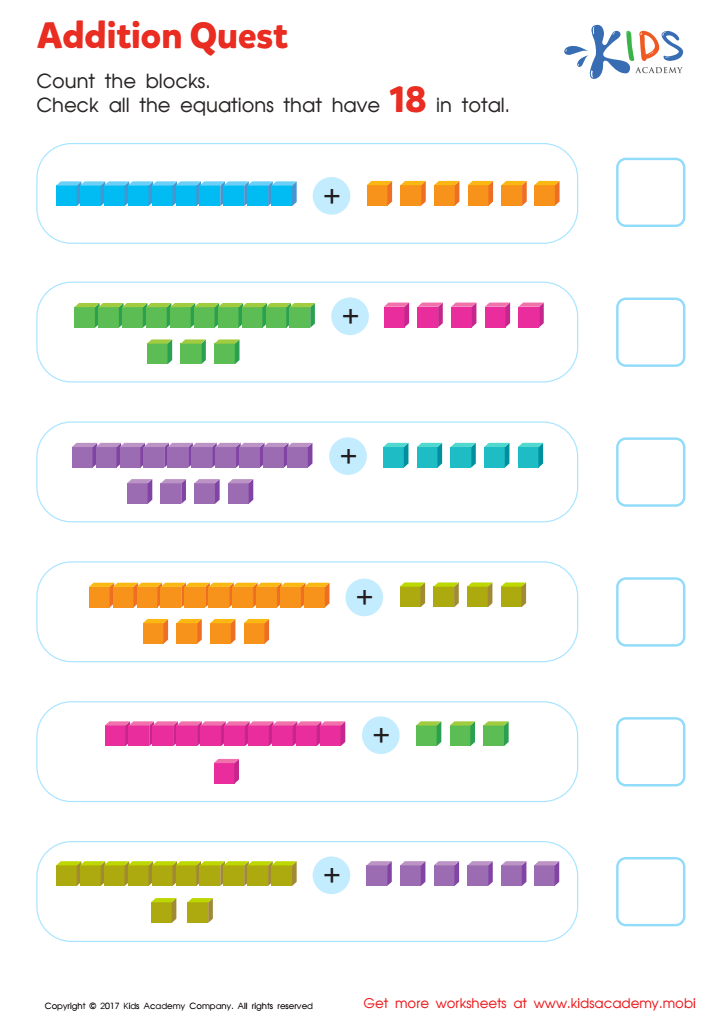
Addition Quest Worksheet: Part 2
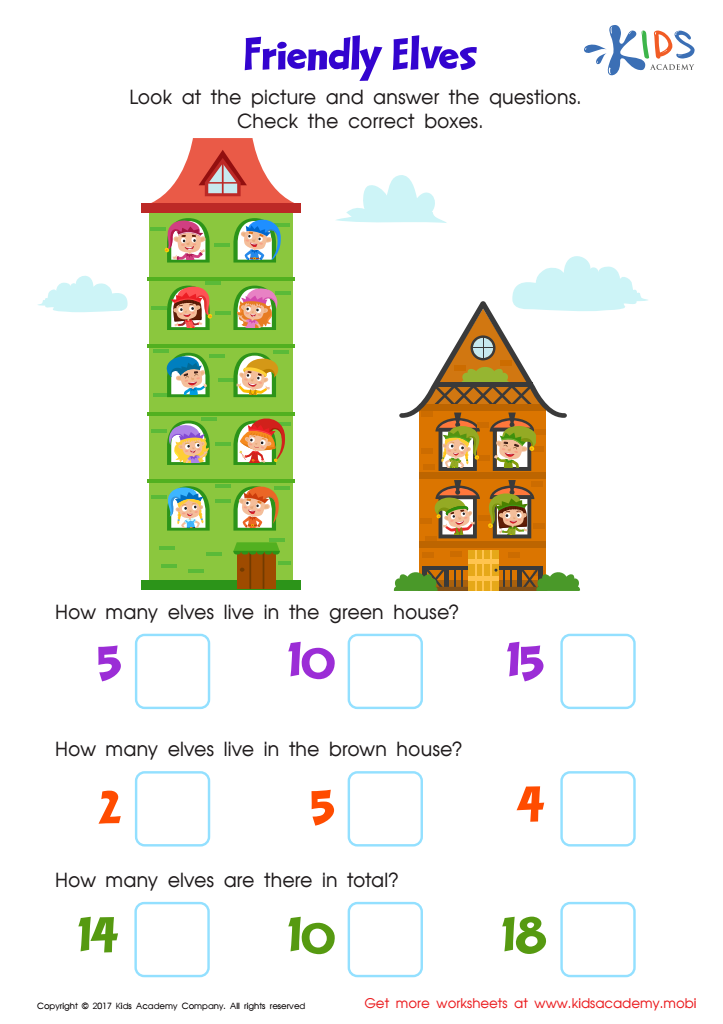
Place Value: Friendly Elves Worksheet
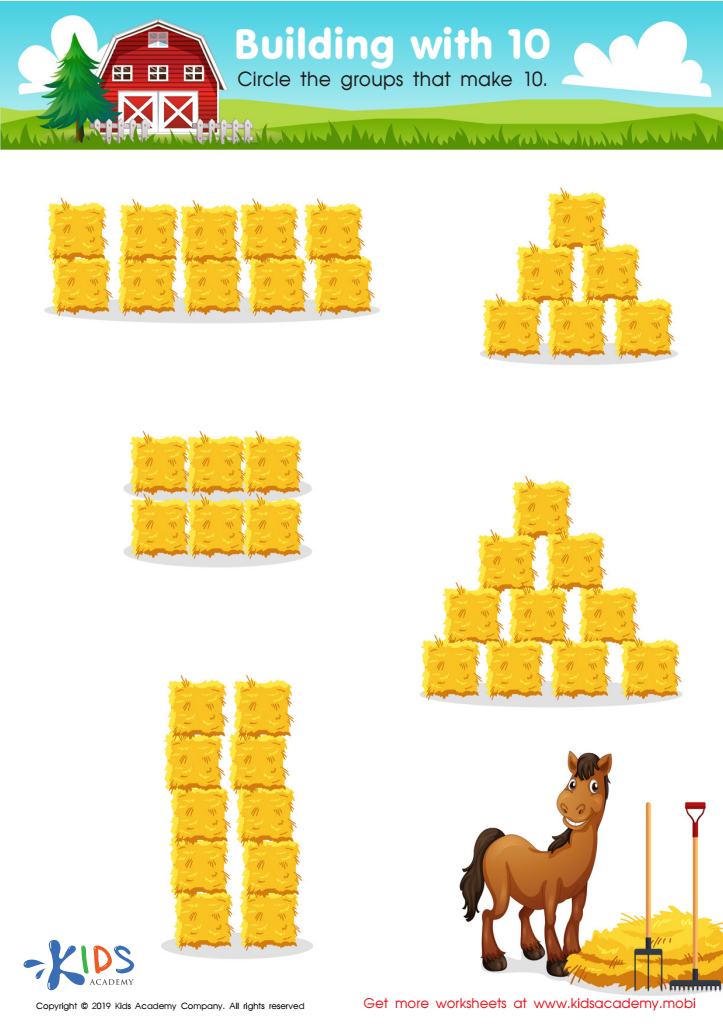
Building with 10 Worksheet
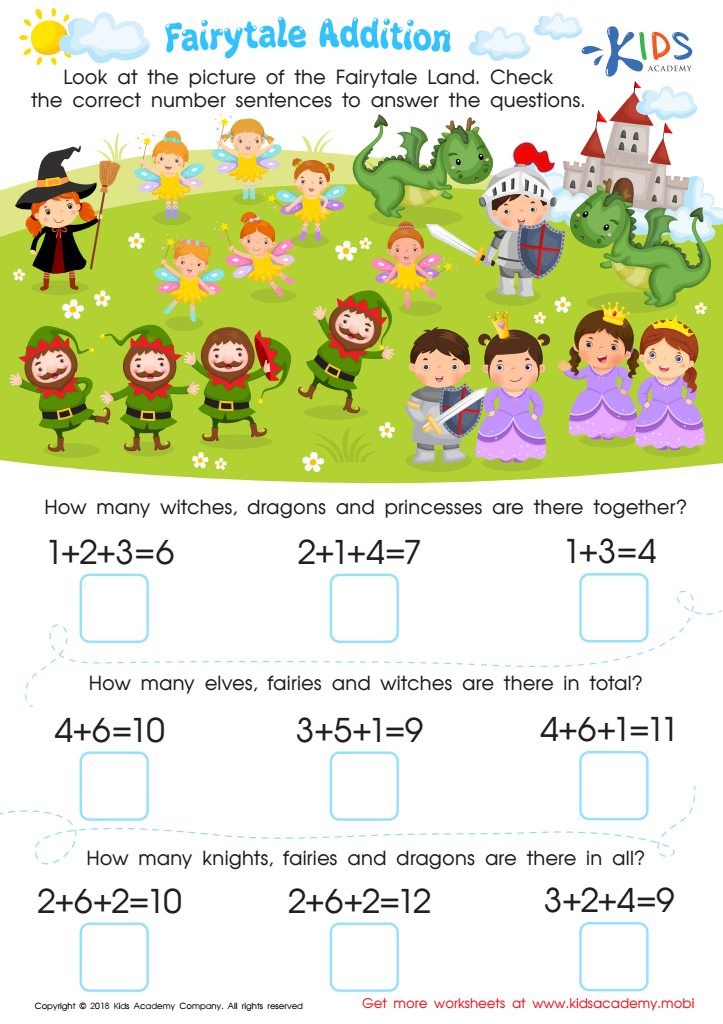
Fairytale Addition Worksheet
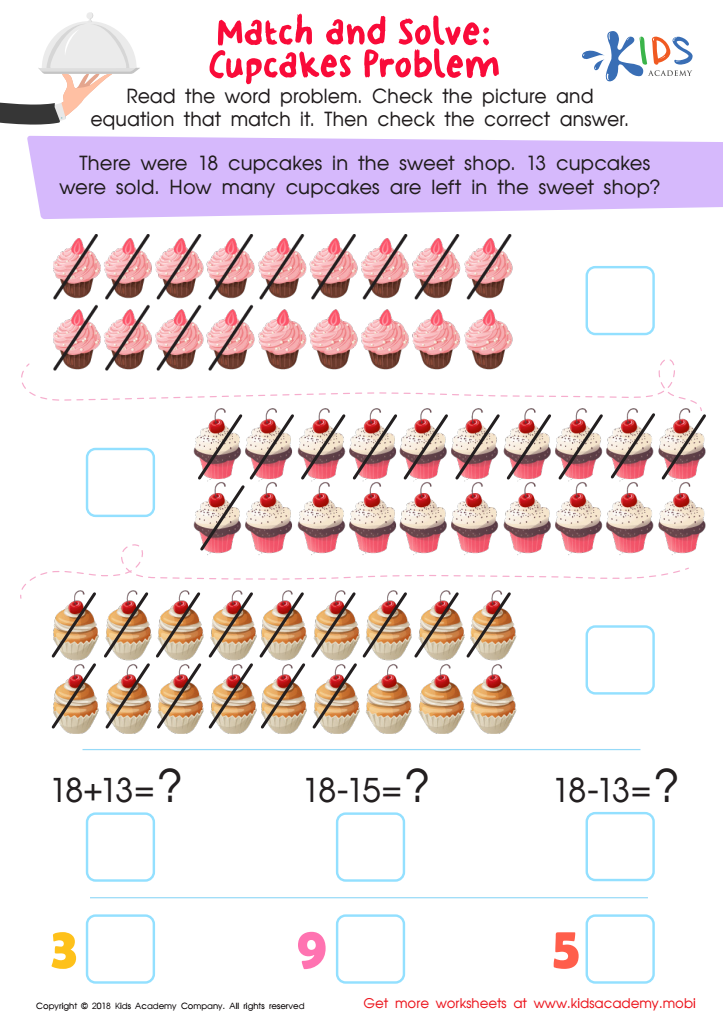
Match and Solve: Cupcakes Problem Worksheet
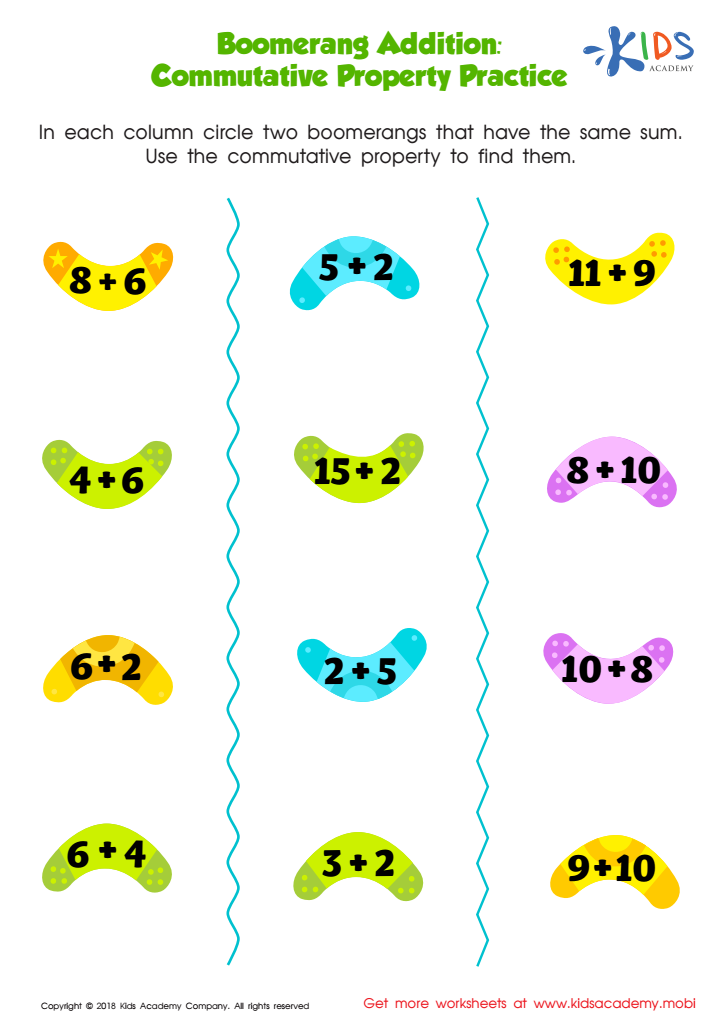
Boomerang Addition Worksheet
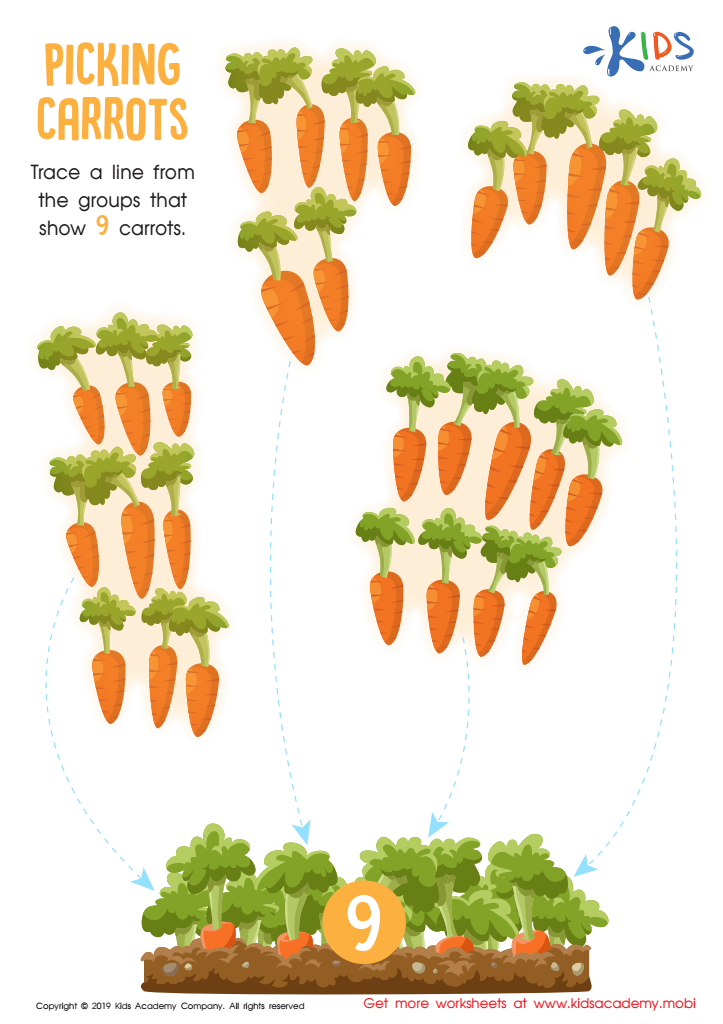
Picking Carrots Worksheet
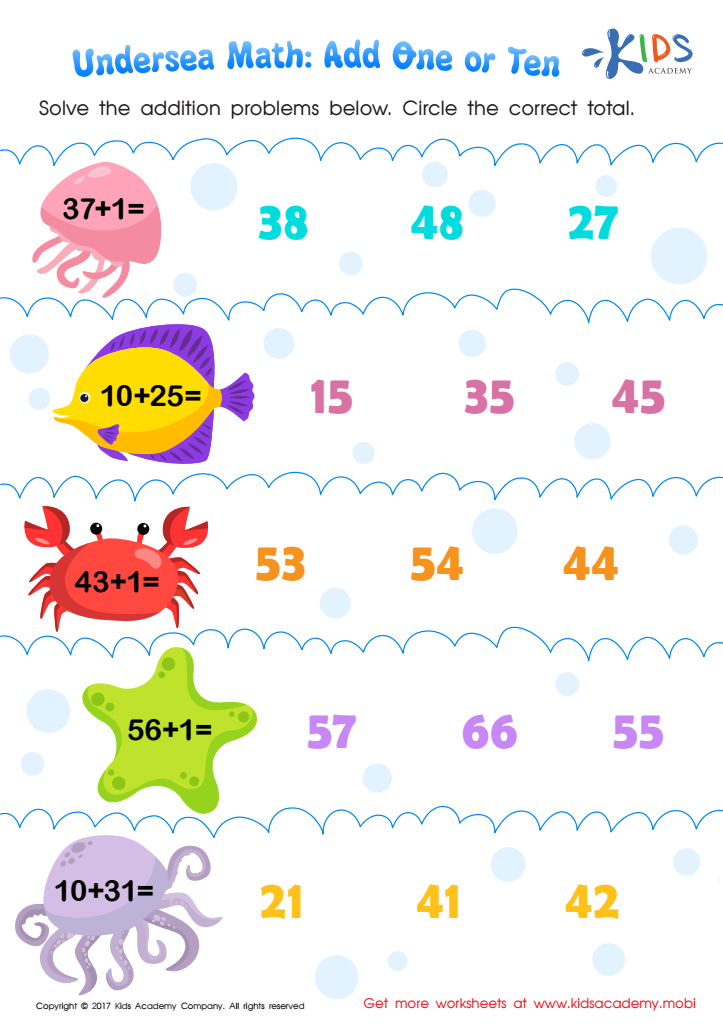
Undersea Math Worksheet








Parents and teachers should prioritize addition practice for children ages 4-8 because it lays the foundation for essential math skills that are crucial for academic success. At this age, children develop their cognitive abilities rapidly, and introducing them to basic addition concepts nurtures critical thinking and problem-solving skills. Mastery of addition not only helps them in mathematics but also boosts their confidence and promotes a positive attitude toward learning.
Regular addition practice fosters numerical fluency, allowing kids to manipulate numbers easily and apply them in real-life situations, such as shopping, sharing, or measuring. Furthermore, establishing strong foundational skills in addition is vital for mastering more complex mathematical concepts they will encounter in later grades, such as subtraction, multiplication, and division.
Additionally, engaging children in fun and interactive addition activities can enhance their engagement with math. Educational games, visual aids, and hands-on learning experiences make the practice enjoyable, turning a potentially challenging subject into an exciting challenge. Ultimately, supporting children's addition skills at this critical developmental stage prepares them for future academic achievements and life skills, reinforcing the importance of mathematics in everyday contexts. This investment in their early years creates well-rounded learners equipped for success.








