Subtraction practice Numbers Worksheets for Ages 4-8
14 filtered results
-
From - To
Improve your child's subtraction skills with our engaging worksheets designed specifically for ages 4-8! Our subtraction practice worksheets offer a variety of fun activities and exercises that make learning subtraction enjoyable and effective. These resources include colorful illustrations and interactive challenges that encourage young learners to grasp essential math concepts. Suitable for home or classroom use, these worksheets help build confidence in subtraction and promote problem-solving skills. Whether your child is just starting to learn numbers or looking to strengthen their math abilities, our subtraction practice worksheets provide the perfect foundation for future learning success. Start your child's math journey today!
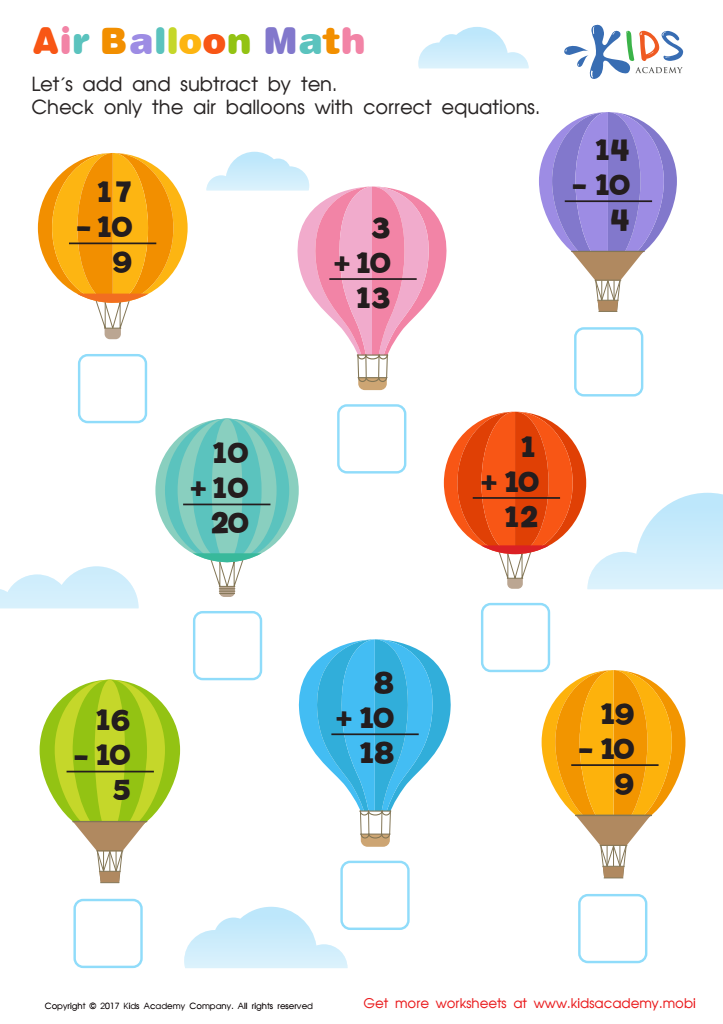
Air Balloon Math Worksheet
 Assign to My Students
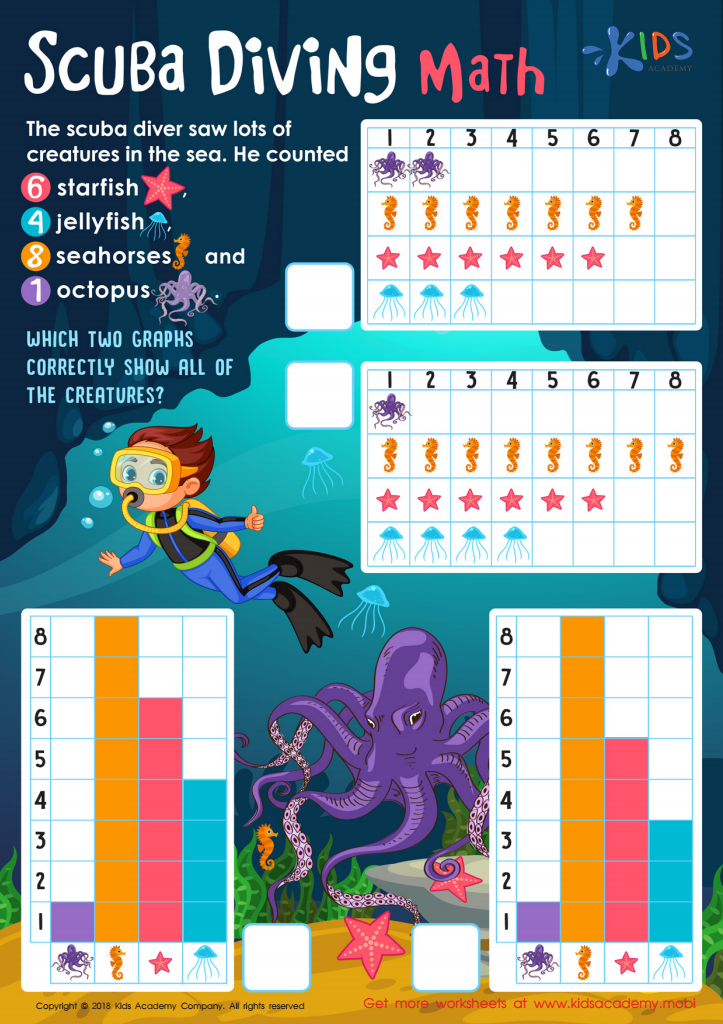
Scuba Diving Math Worksheet
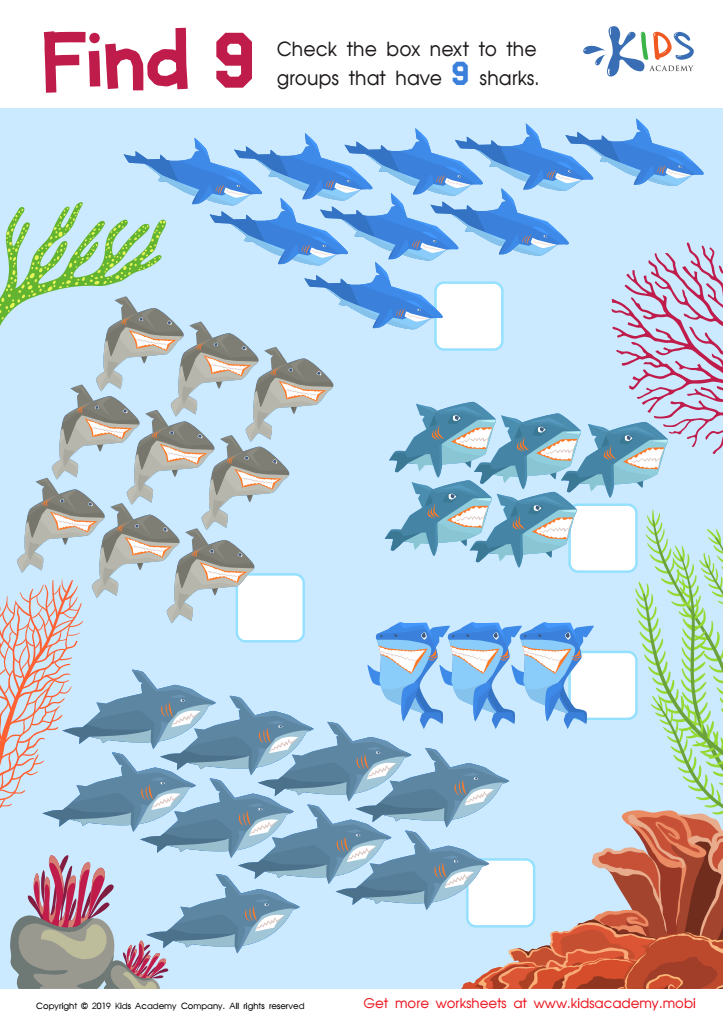
Find 9 Worksheet
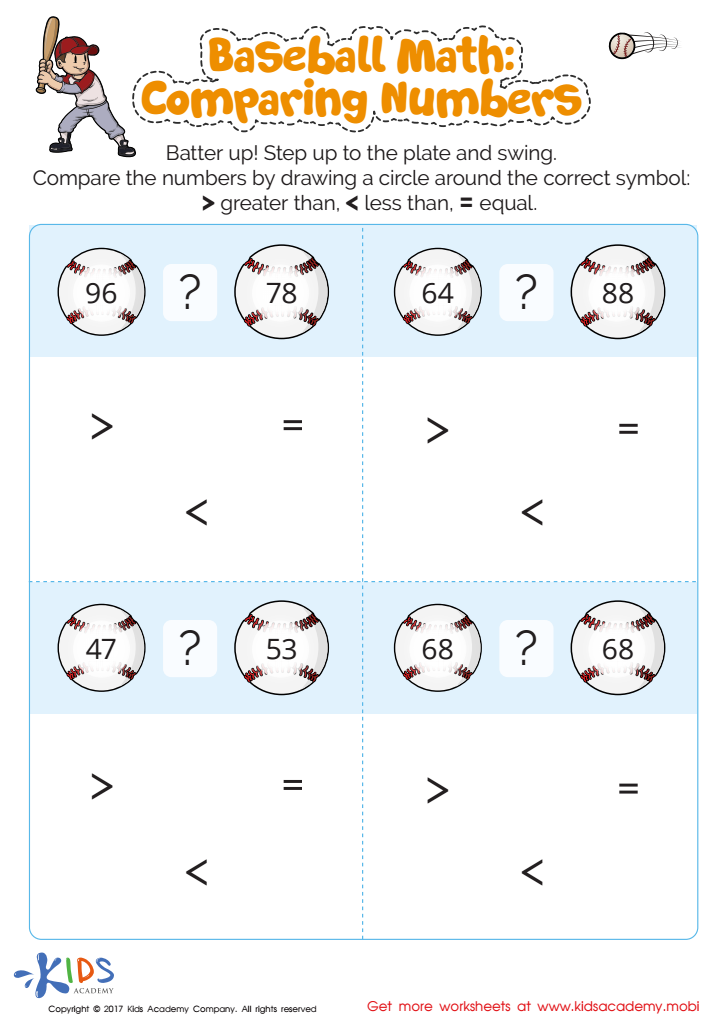
Compare Numbers Printable
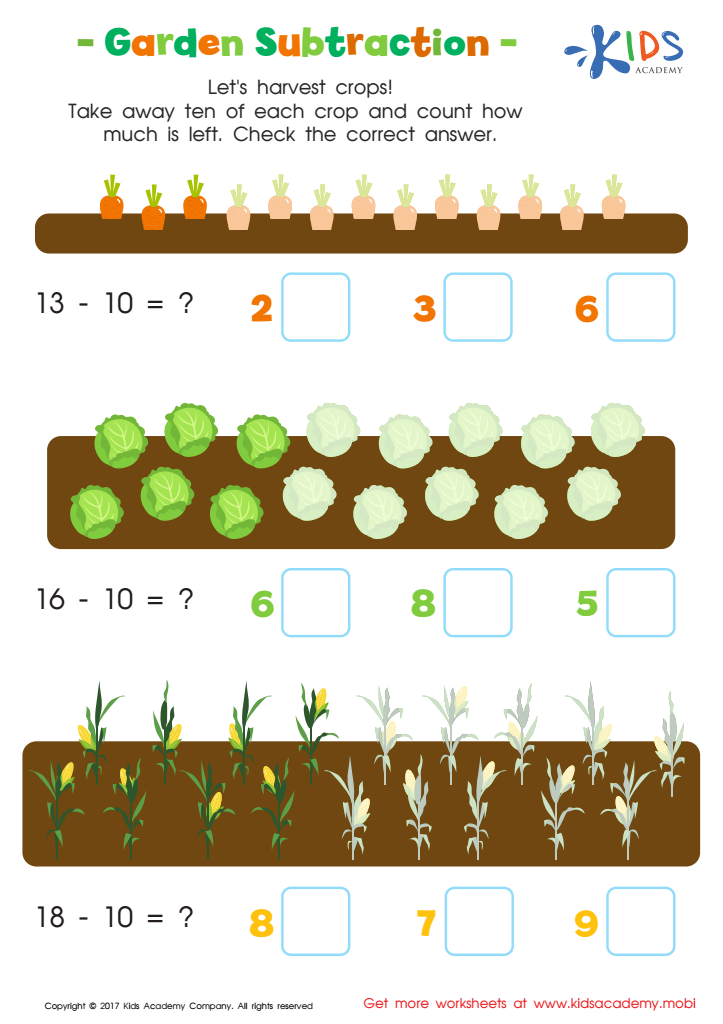
Garden Subtraction Worksheet
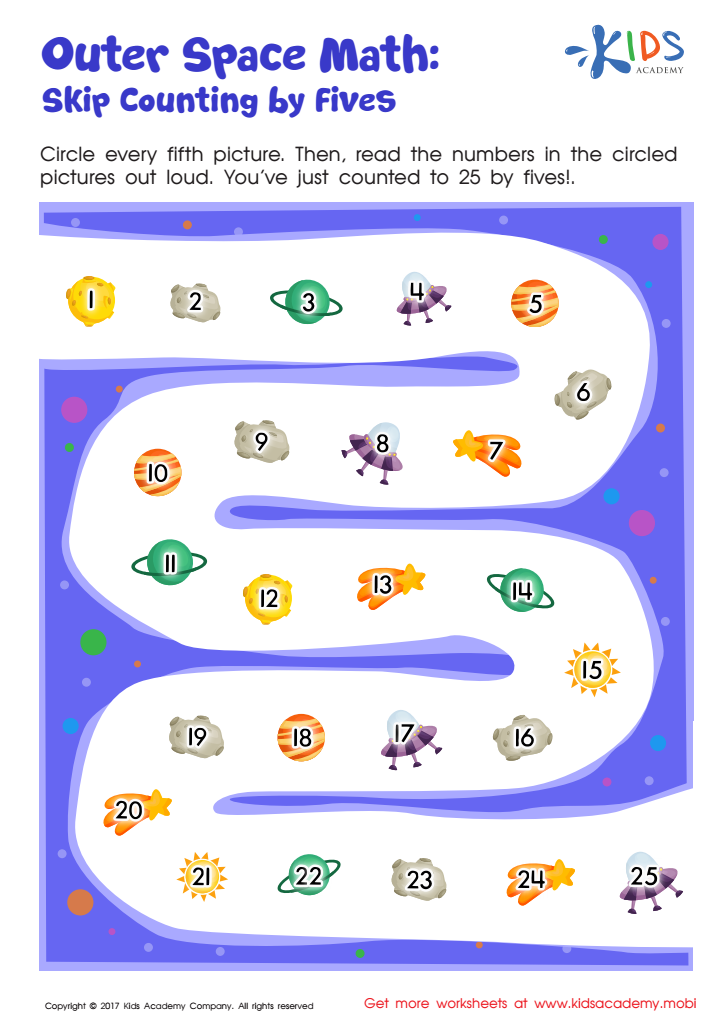
Skip Counting by 5s: Outer Space Math Printable
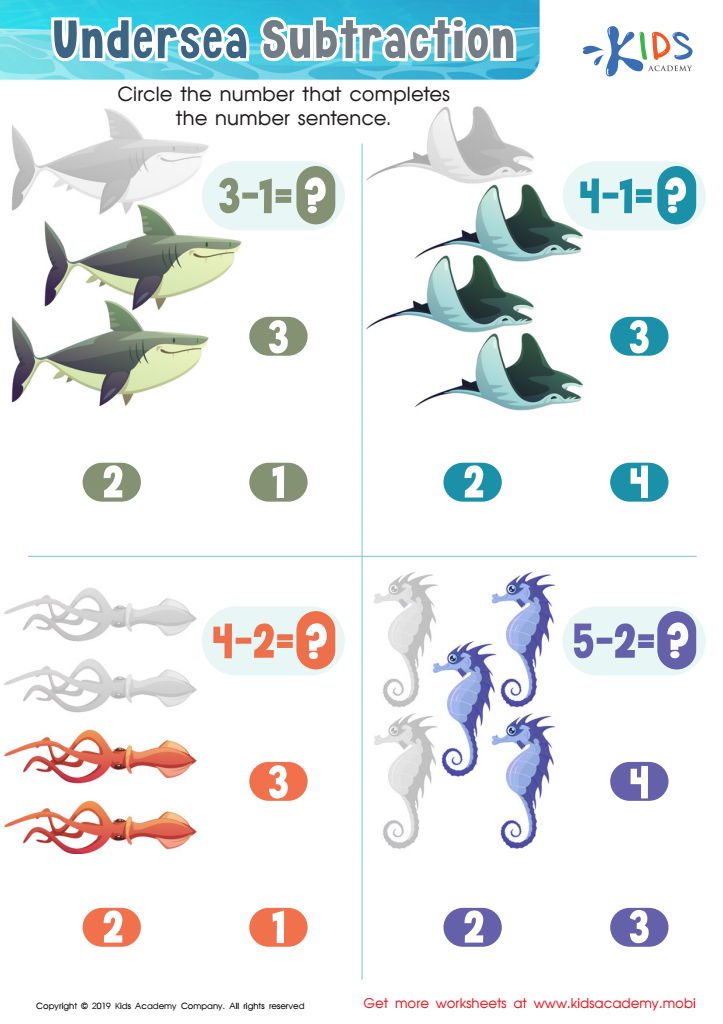
Undersea Subtraction Worksheet
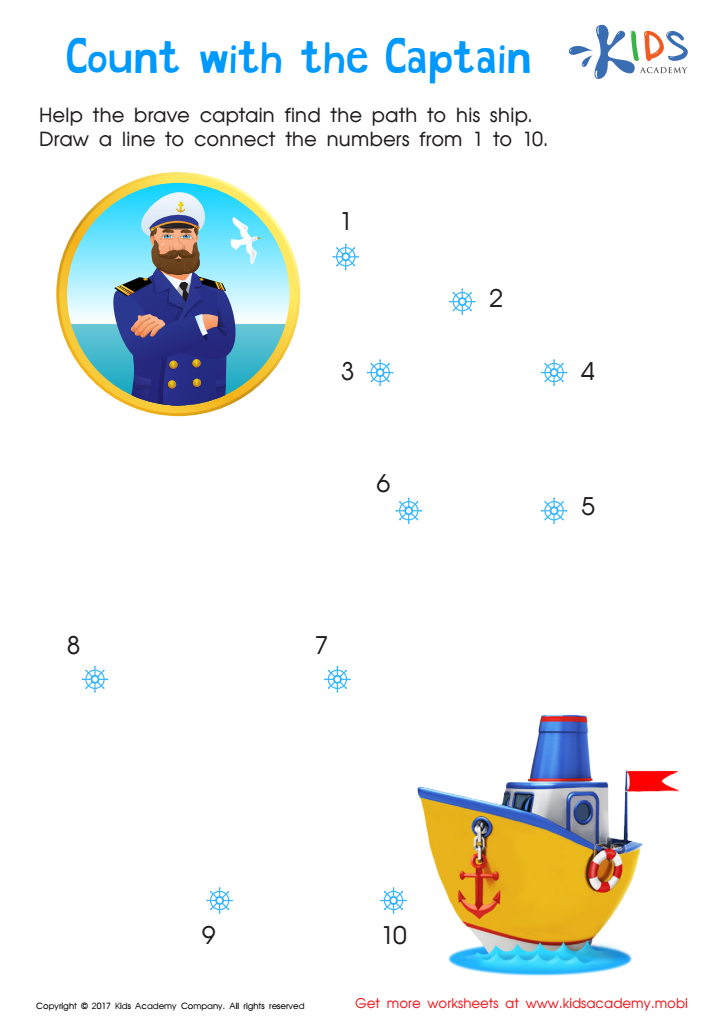
Count with the Captain Connect Dots Worksheet
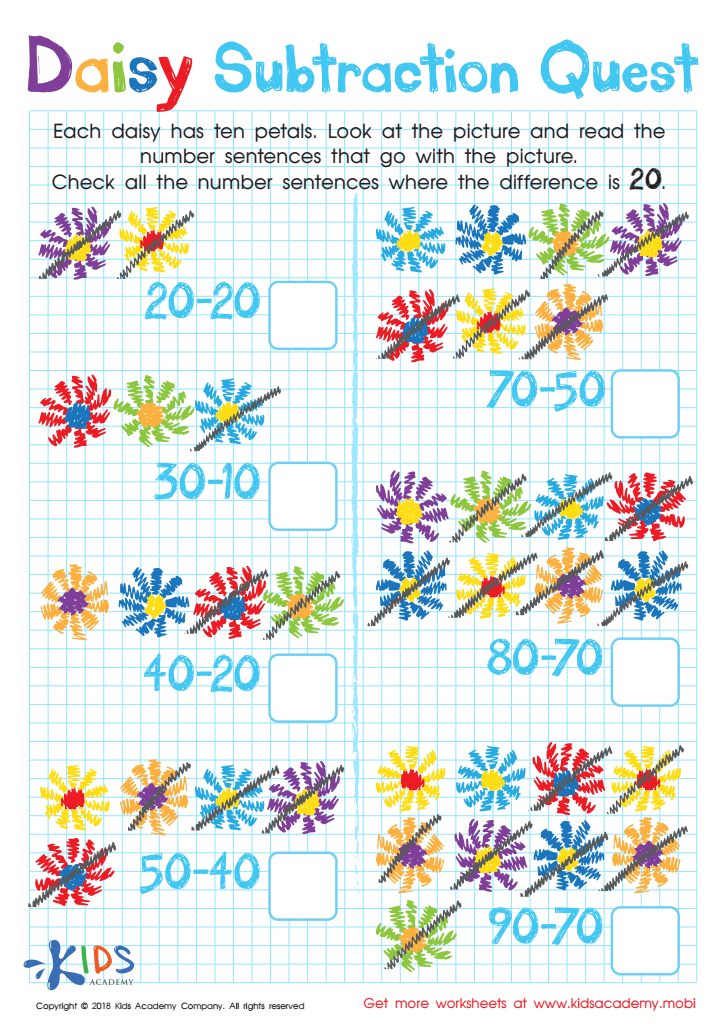
Daisy Subtraction Quest Worksheet
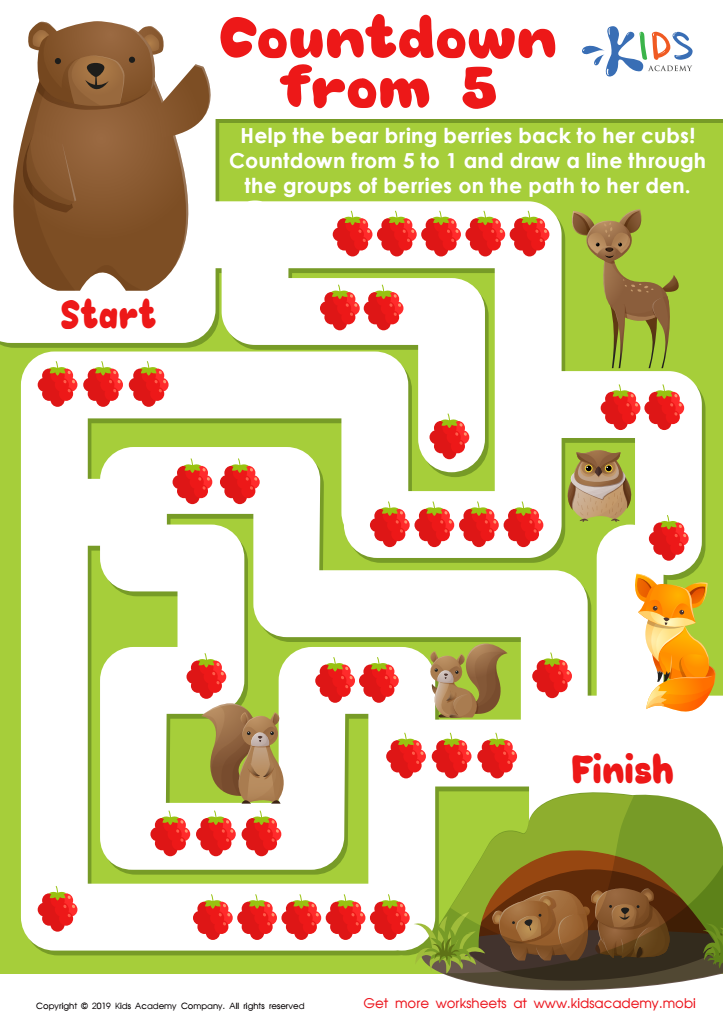
Countdown from 5 Worksheet
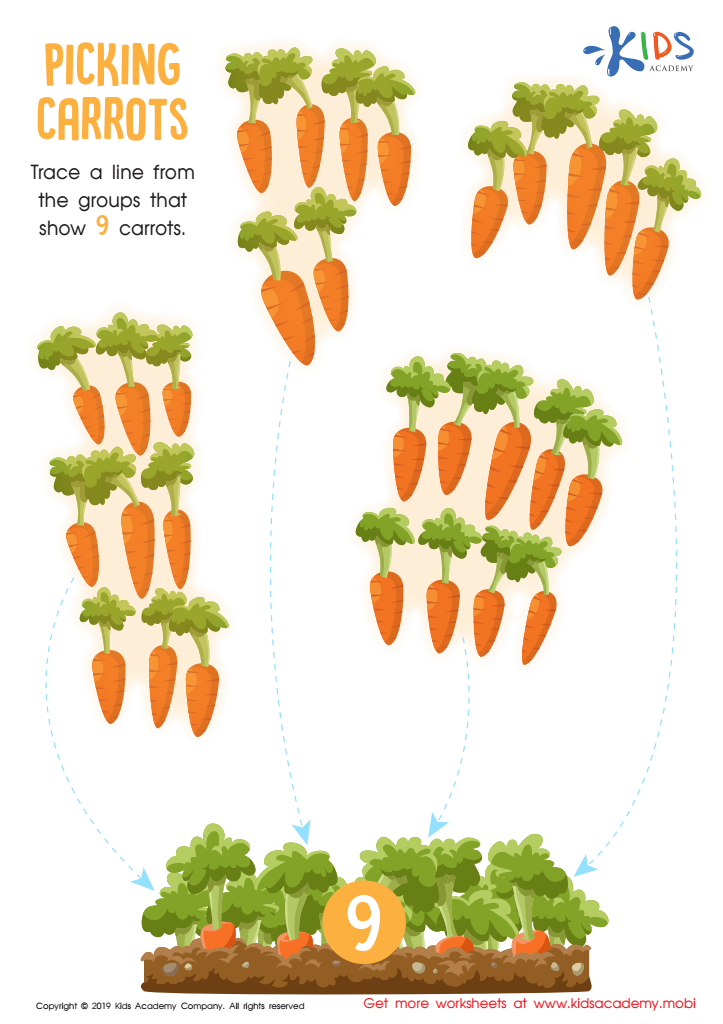
Picking Carrots Worksheet
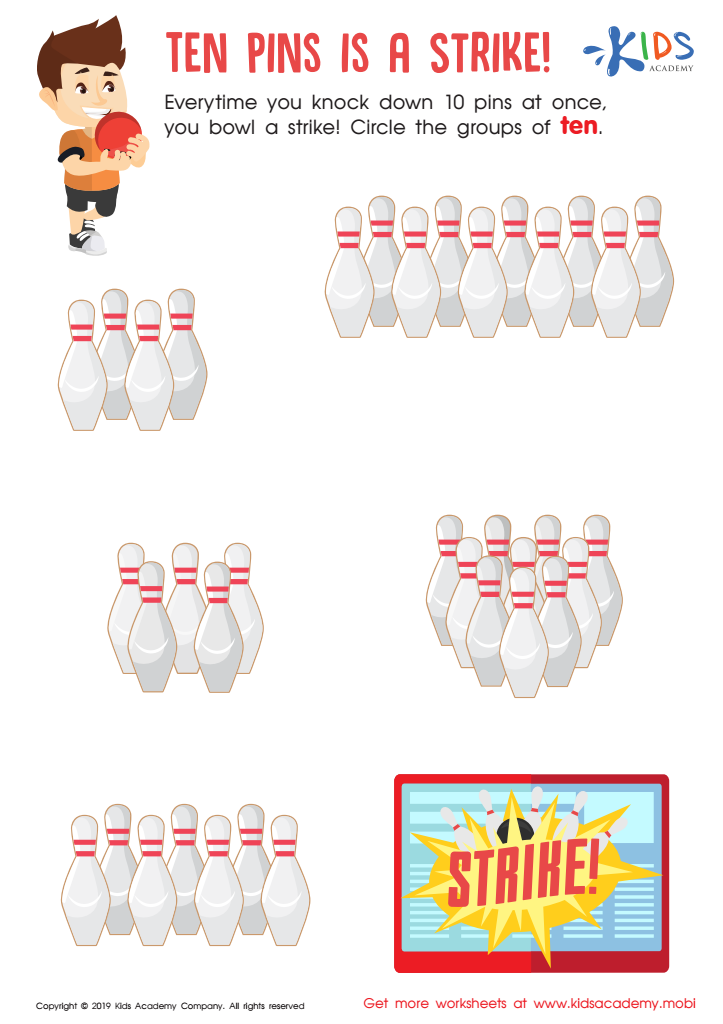
Ten Pins is a Strike Worksheet
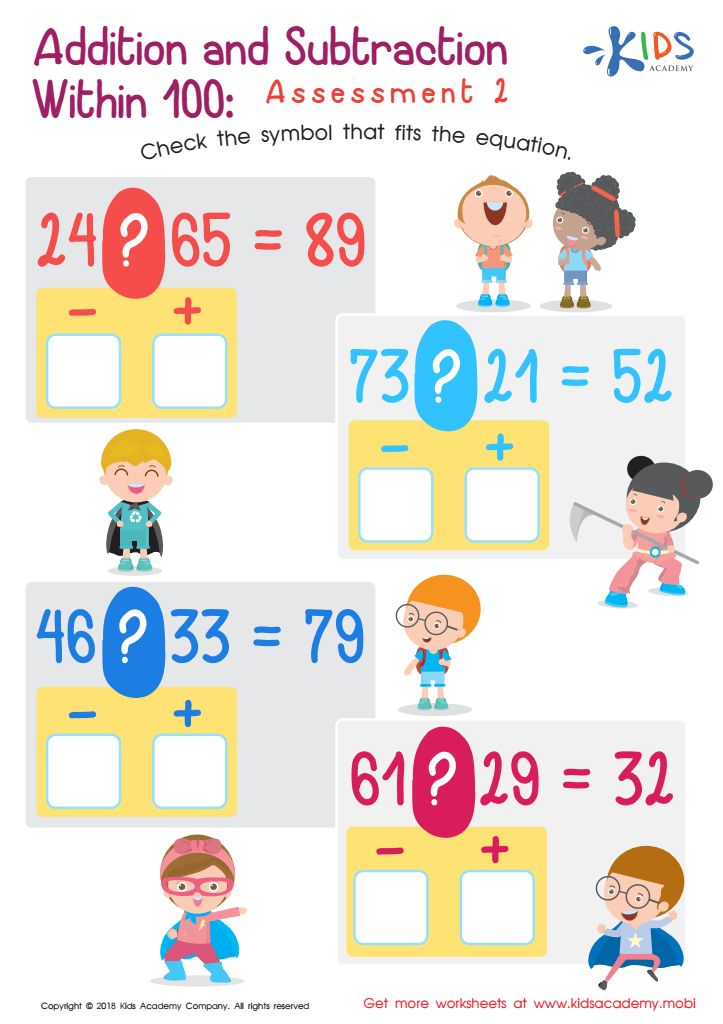
Addition and Subtraction Within 1: Assessment 2 Worksheet
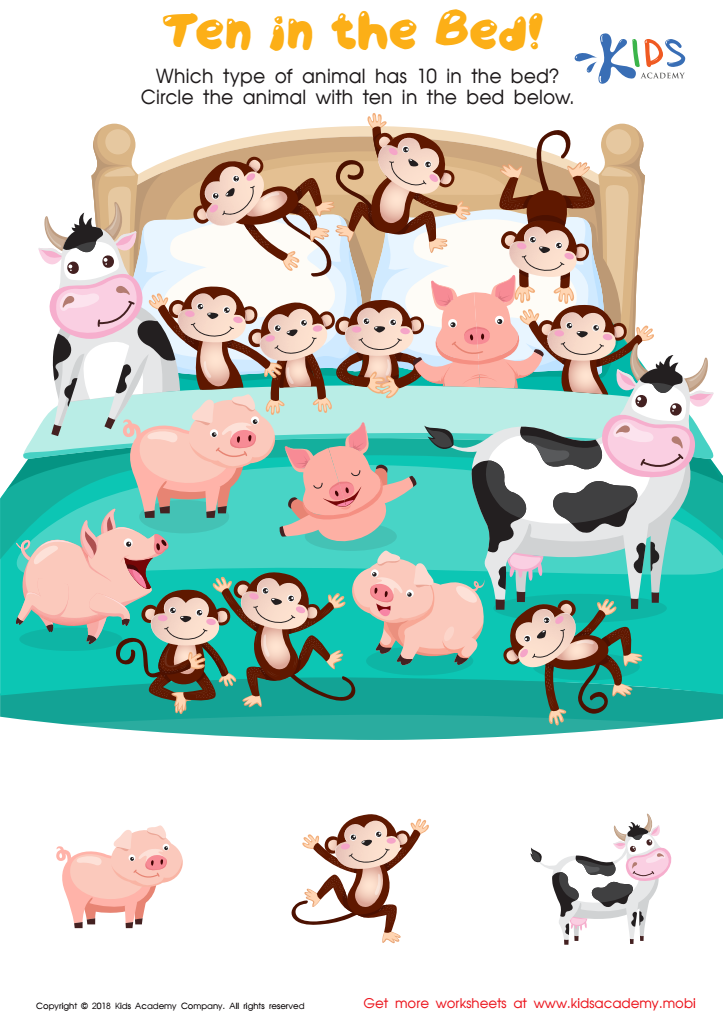
Ten in the Bed Worksheet








Parents and teachers should prioritize subtraction practice for children aged 4-8 because this foundational skill is crucial for enhancing cognitive development and building numeracy. Mastering subtraction encourages critical thinking, problem-solving, and logical reasoning. As children engage with numbers, they learn not just to subtract, but to comprehend relationships between quantities, which prepares them for more complex mathematics in the future.
Additionally, developing subtraction skills at an early age boosts children's confidence in their abilities. When children overcome challenges in understanding subtraction concepts, they experience a sense of achievement that fosters a positive attitude towards learning. Furthermore, subtraction practice is highly applicable in real-life situations, from sharing food to managing pocket money, reinforcing its relevance and utility.
Moreover, fun and engaging subtraction activities can promote a love of learning, making it easier to introduce more advanced math concepts later. Collaborative games and hands-on activities also facilitate social skills development, as children learn to work together and communicate effectively. By supporting subtraction practice, parents and teachers lay the groundwork for well-rounded mathematicians while also nurturing essential life skills in young learners. Investing time in this area of learning reaps benefits that extend well beyond arithmetic.








