Logical thinking Math Worksheets for Ages 4-8
20 filtered results
-
From - To
Unlock the power of logical thinking with our engaging math worksheets for children ages 4-8! Designed to inspire young minds, these printable activities enhance critical thinking and problem-solving skills through fun exercises. Our carefully crafted worksheets encourage kids to identify patterns, make connections, and develop reasoning abilities essential for future academic success. Perfect for classrooms or at-home learning, each worksheet complements various math concepts, fostering a holistic understanding of numbers and logic. Empower your child’s learning journey with our user-friendly resources, promoting confidence and creativity as they explore the world of math through logical challenges. Start their adventure in learning today!
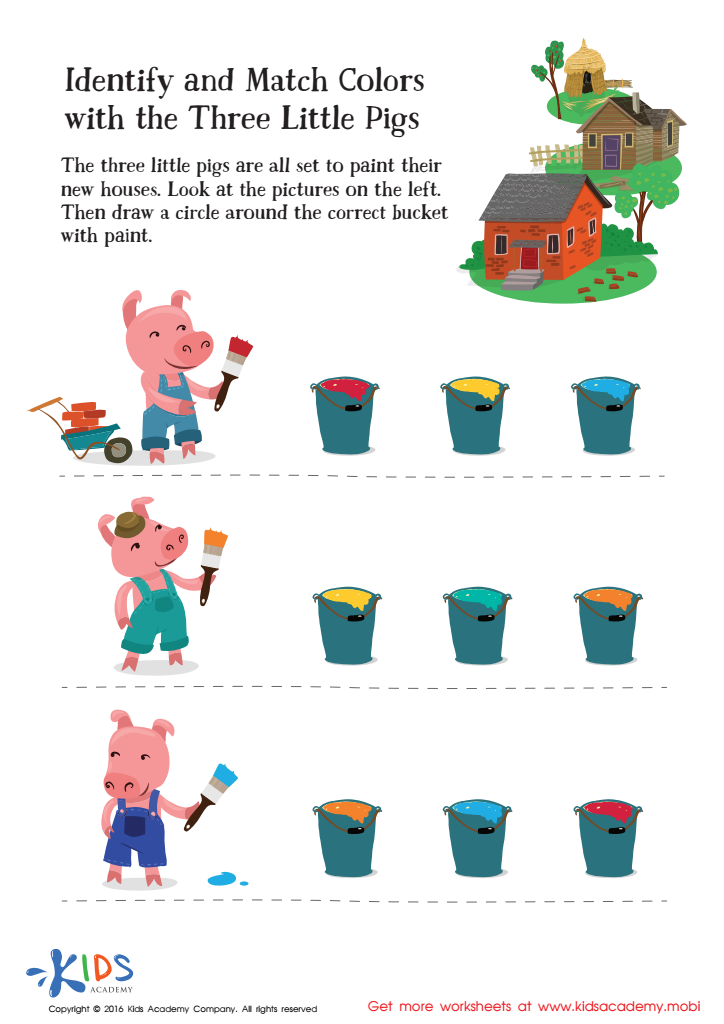
Fairy Tale Worksheet: Identify and Match Colors with Three Little Pigs
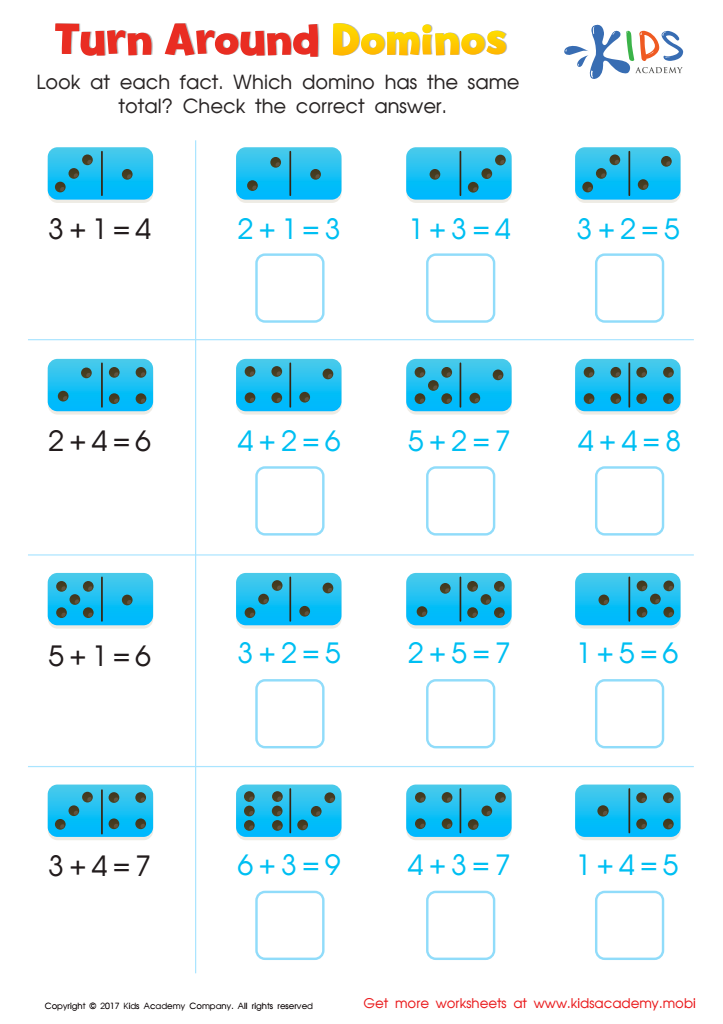
Turn Around Dominos Worksheet
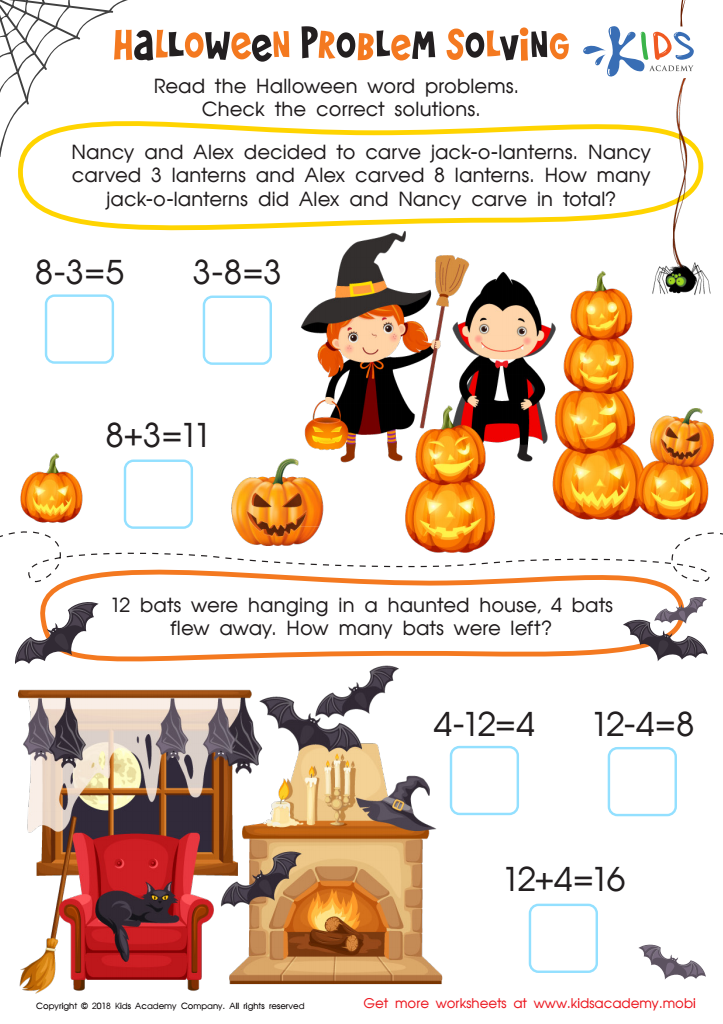
Halloween Problem Solving Worksheet
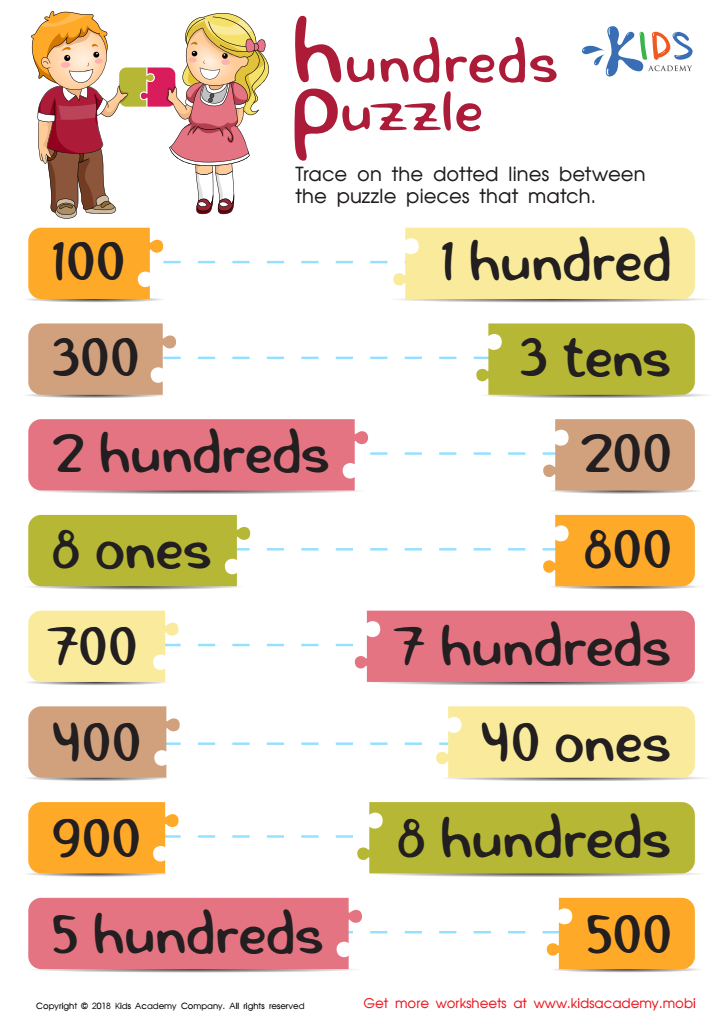
Hundreds Puzzle Worksheet
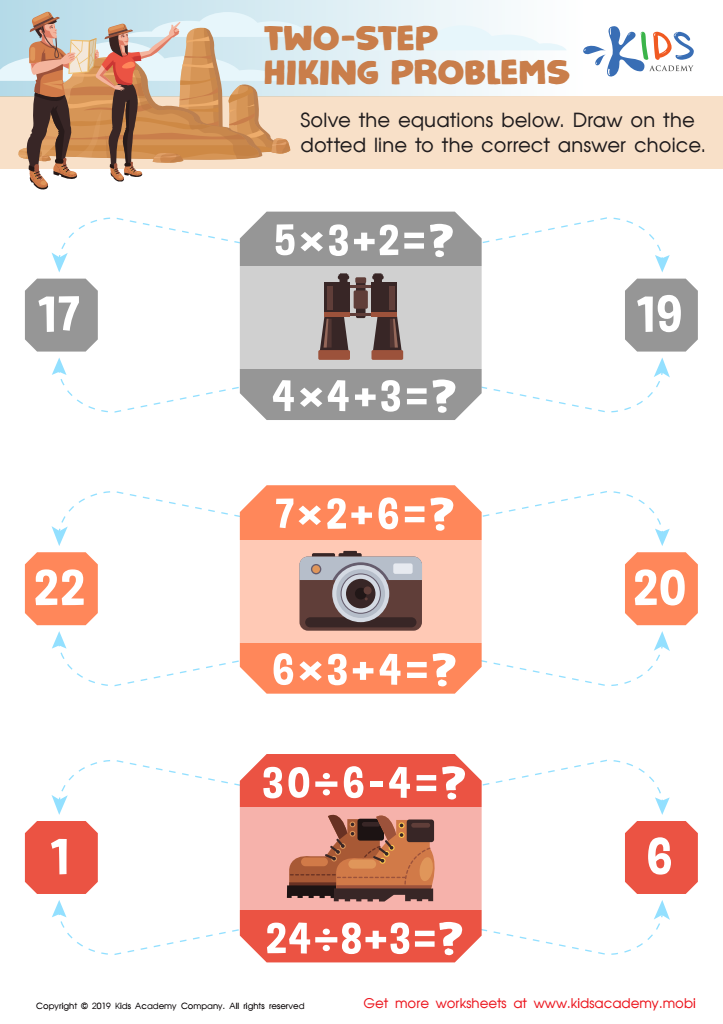
Two-Step Hiking Problems Worksheet
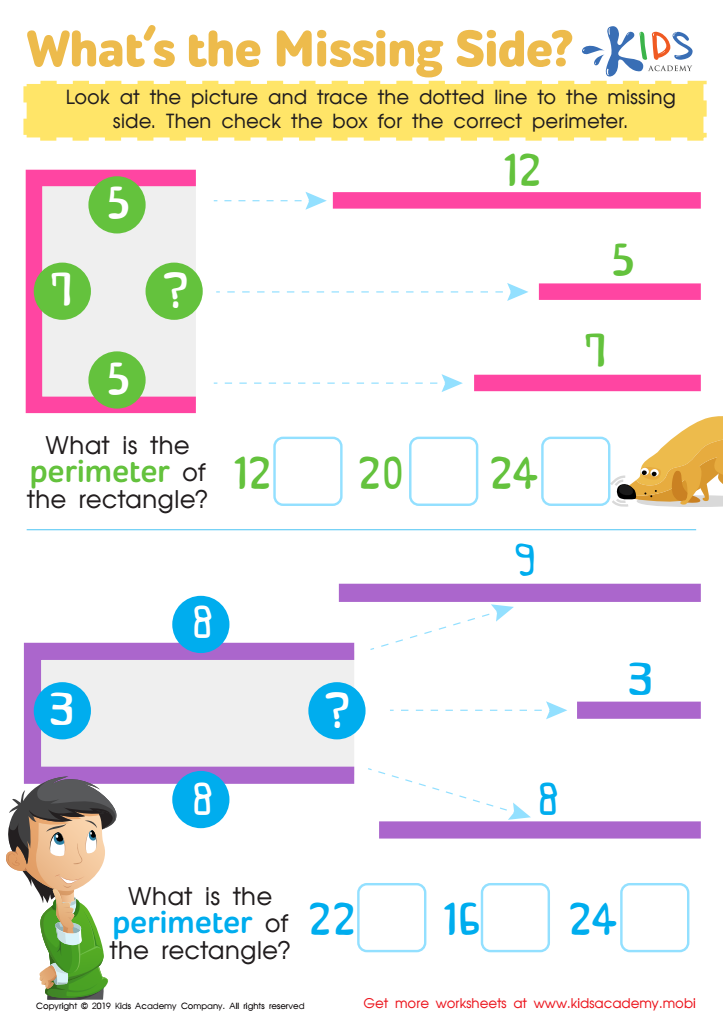
What's the Missing Side Worksheet
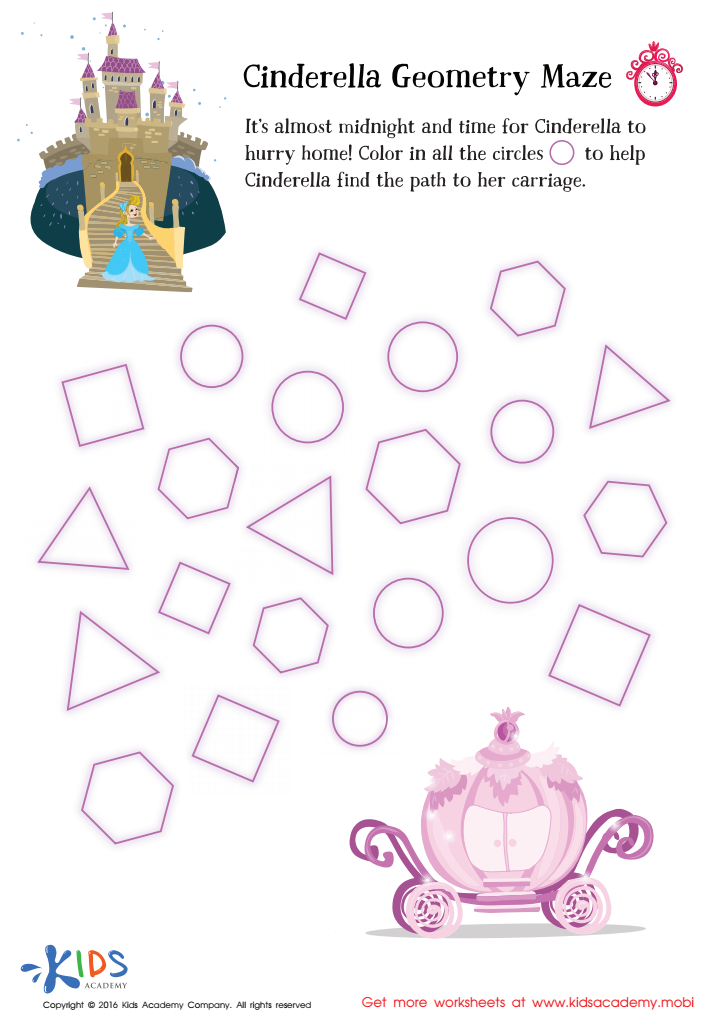
Cinderella Geometry Maze Worksheet
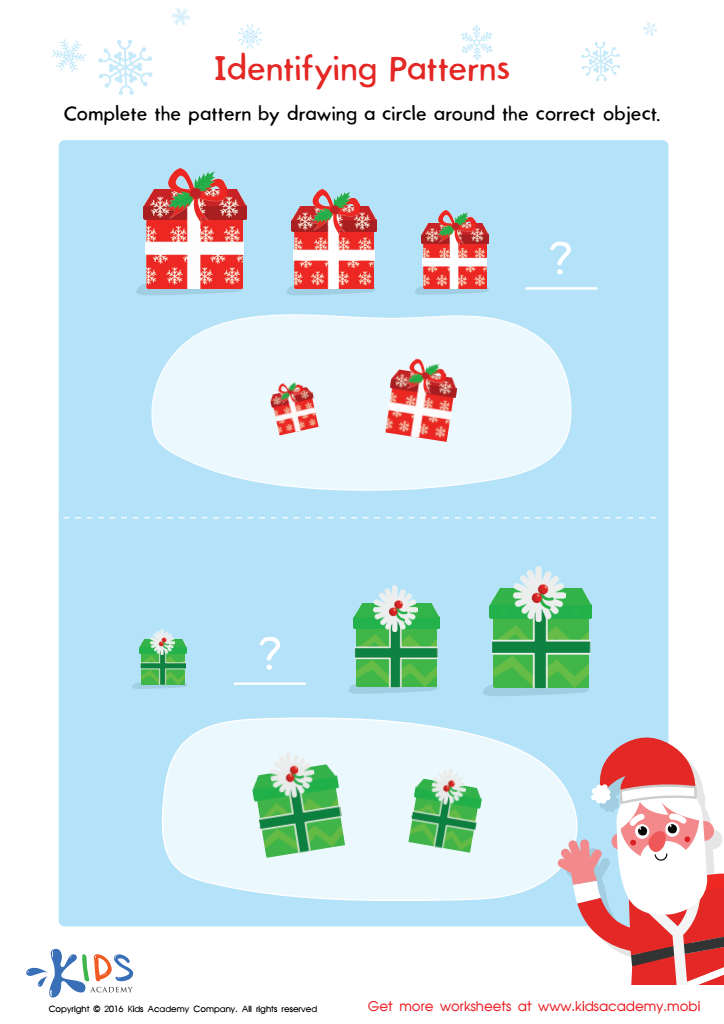
Identifying Patterns Worksheet
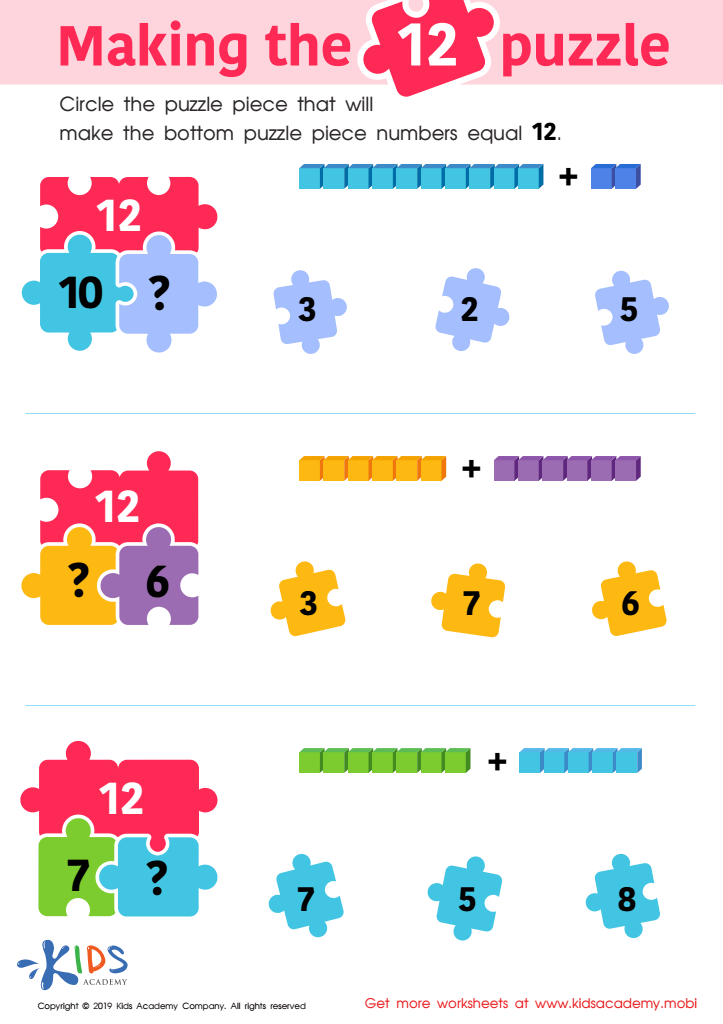
Making the 12 Puzzle Worksheet
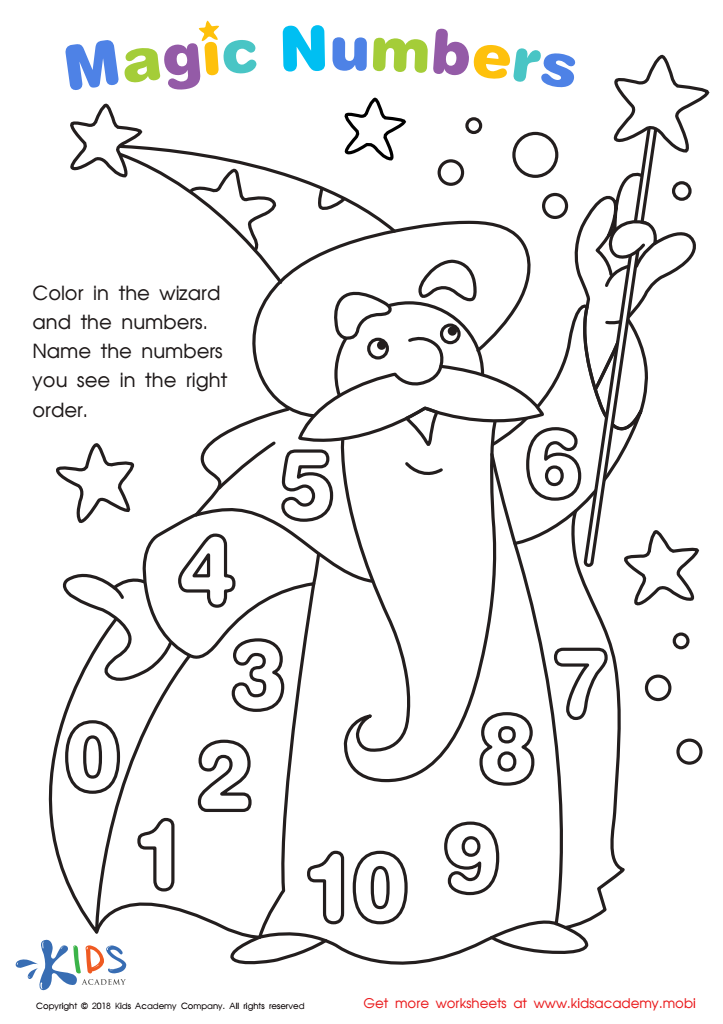
Magic Numbers Worksheet
 Assign to My Students
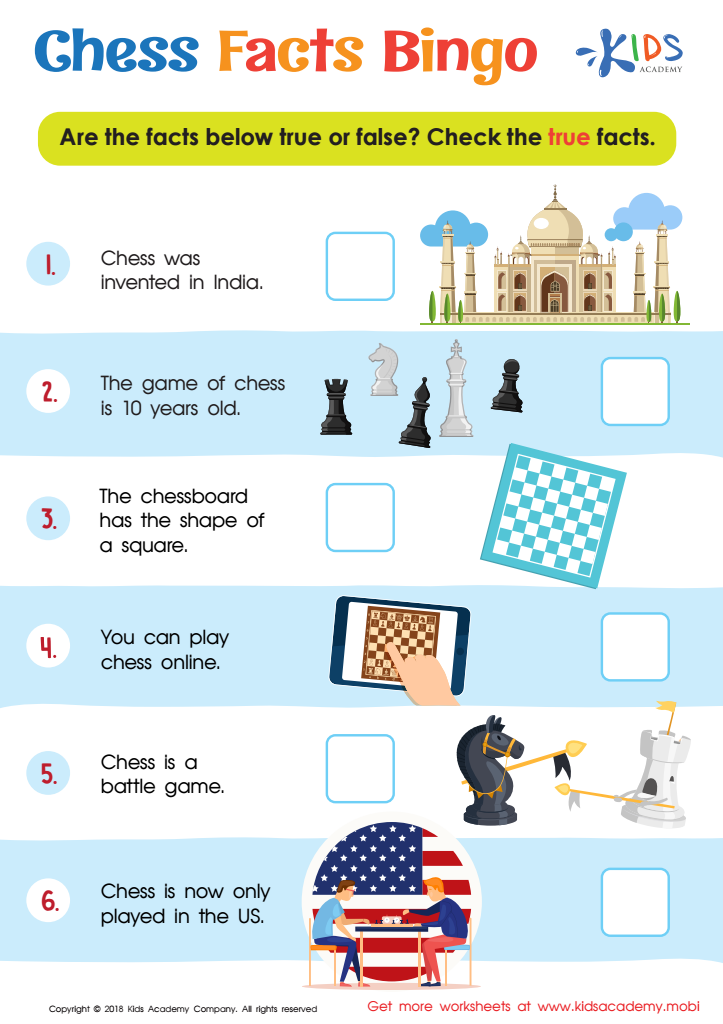
Chess Facts Bingo Worksheet
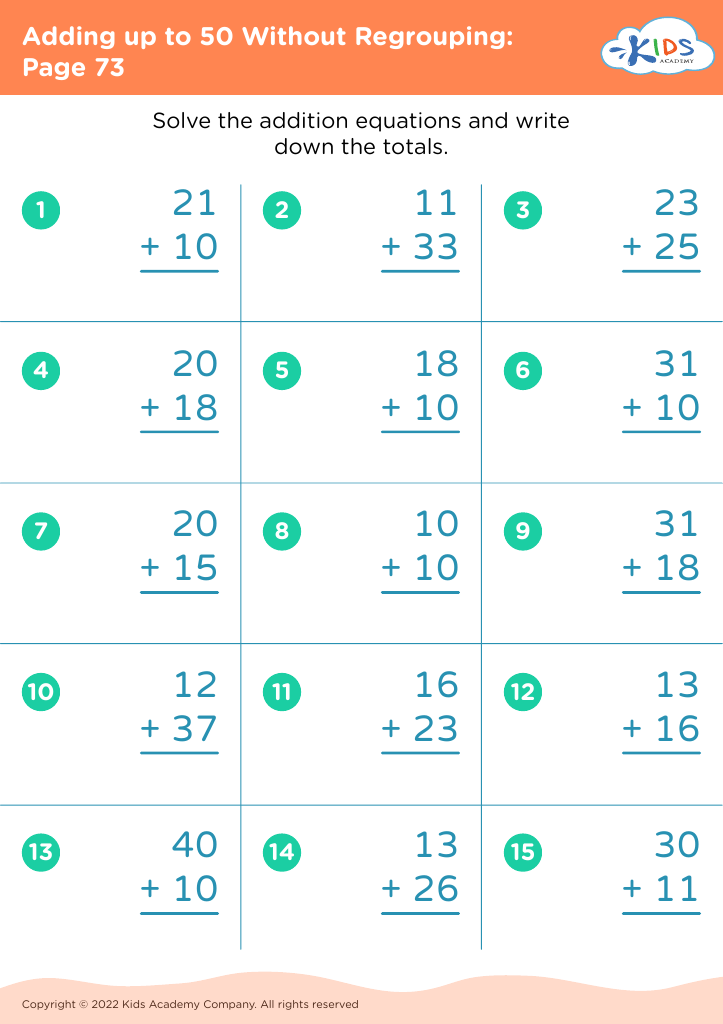
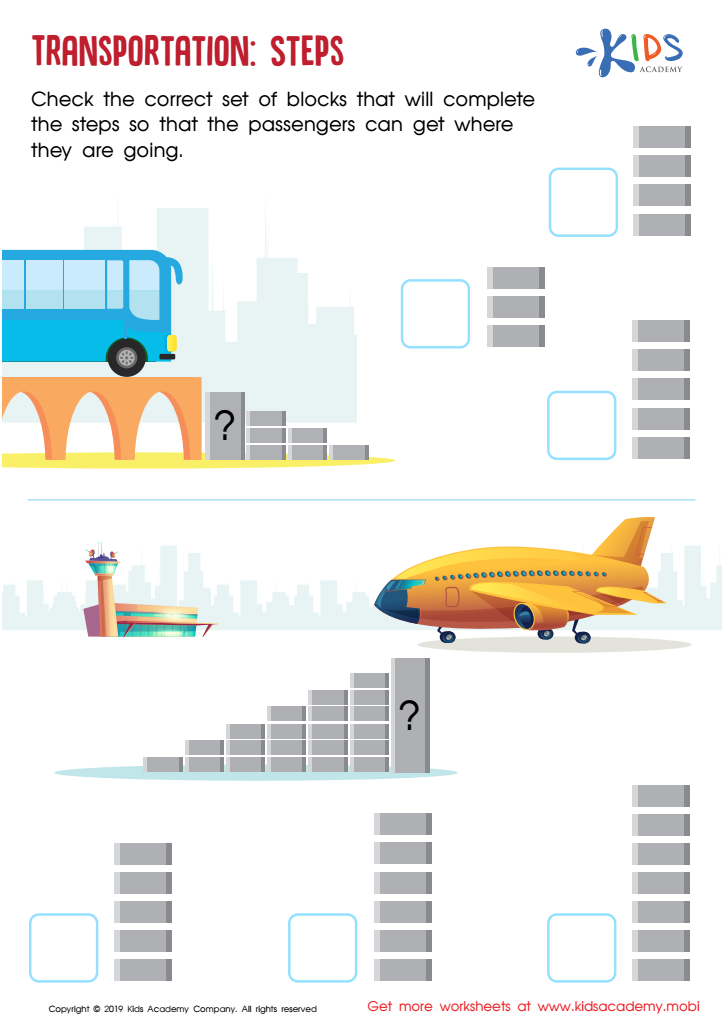
Transportation: Steps Worksheet
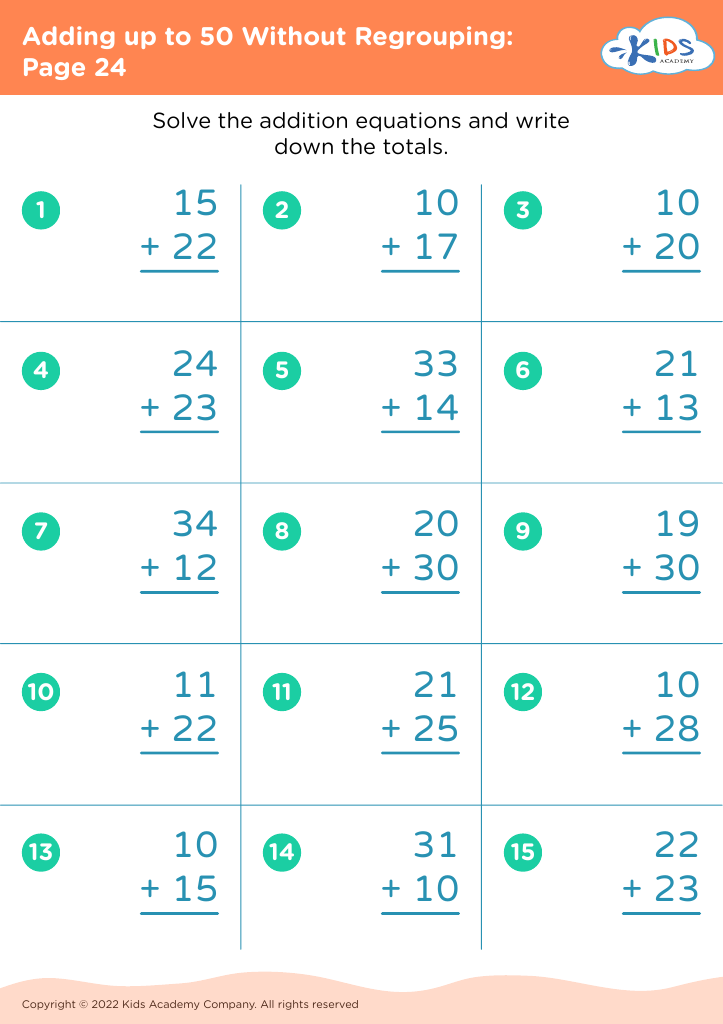
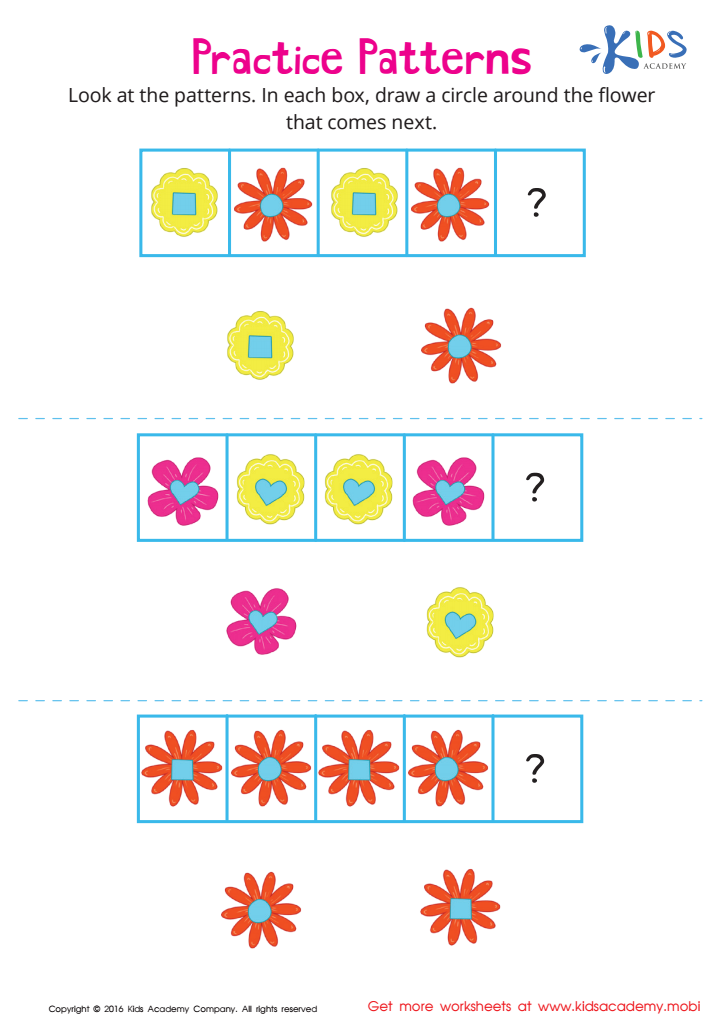
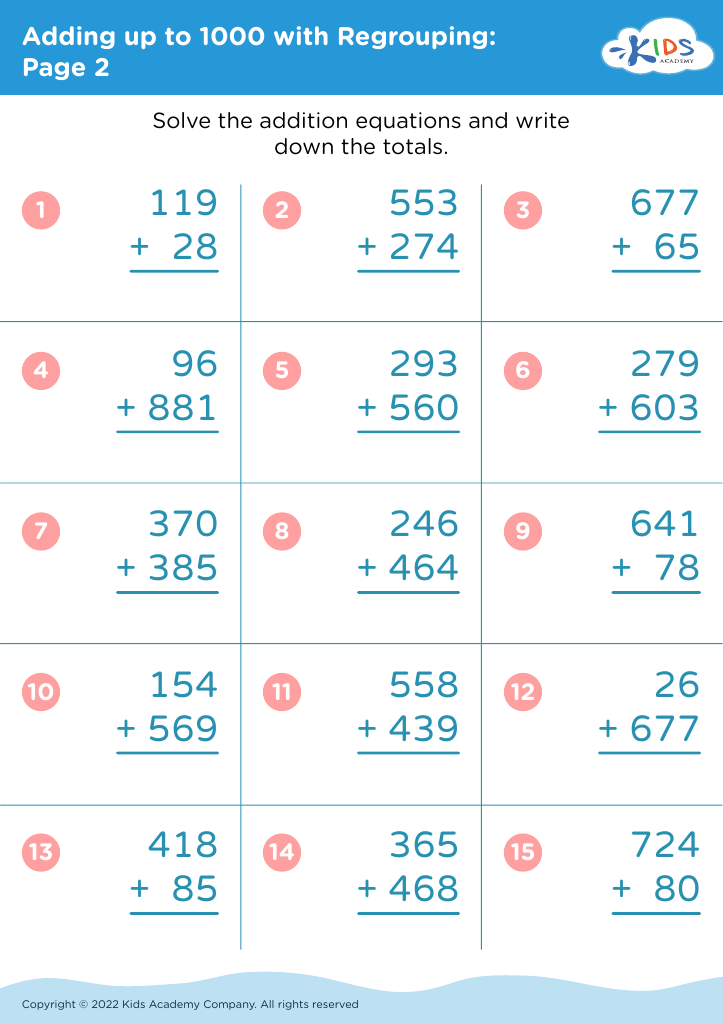






.jpg)

Parents and teachers should prioritize logical thinking in math for children aged 4-8 because it lays a crucial foundation for their cognitive development. At this age, children are naturally curious and eager to explore concepts. Introducing logical thinking helps them make connections between ideas, solve problems, and understand mathematical concepts in a meaningful way.
Building logical reasoning skills enhances a child’s ability to think critically, which is essential not just in math, but across all subjects and real-life situations. Engaging in activities that promote logical thinking—such as pattern recognition, sequencing, and simple puzzles—encourages children to think systematically and approach challenges with a problem-solving mindset.
Moreover, these skills boost self-confidence. When children successfully navigate logical challenges, they develop a sense of accomplishment that can motivate them to tackle more complex problems in the future.
Fostering logical thinking also aligns with the goals of early education, promoting a love for learning through interactive and enjoyable experiences. As we prepare children for a rapidly evolving world, equipping them with strong logical thinking abilities is essential, ensuring they not only excel academically but also become effective decision-makers in their daily lives.








