Number Sequencing Numbers up to 100 Worksheets for Ages 4-8
6 filtered results
-
From - To
Welcome to our engaging collection of Number Sequencing Worksheets designed for children ages 4 to 8! These interactive resources help young learners develop essential math skills as they practice counting, ordering, and recognizing numbers up to 100. Our carefully crafted worksheets feature a variety of fun activities, including number lines, fill-in-the-blank sequences, and playful illustrations that capture children's interest. Ideal for home or classroom use, these worksheets build a strong foundation in early math concepts while encouraging a love for numbers. Explore our resources today and empower your child with confidence in their number sequencing abilities!
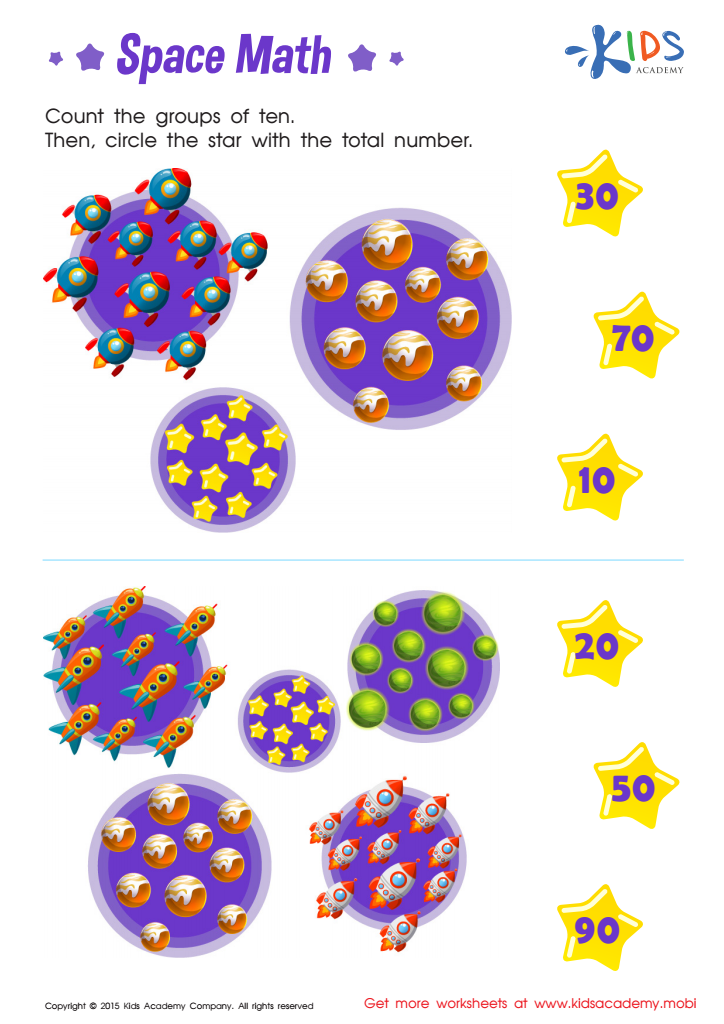
Learn dozens: Space math Worksheet
 Assign to My Students
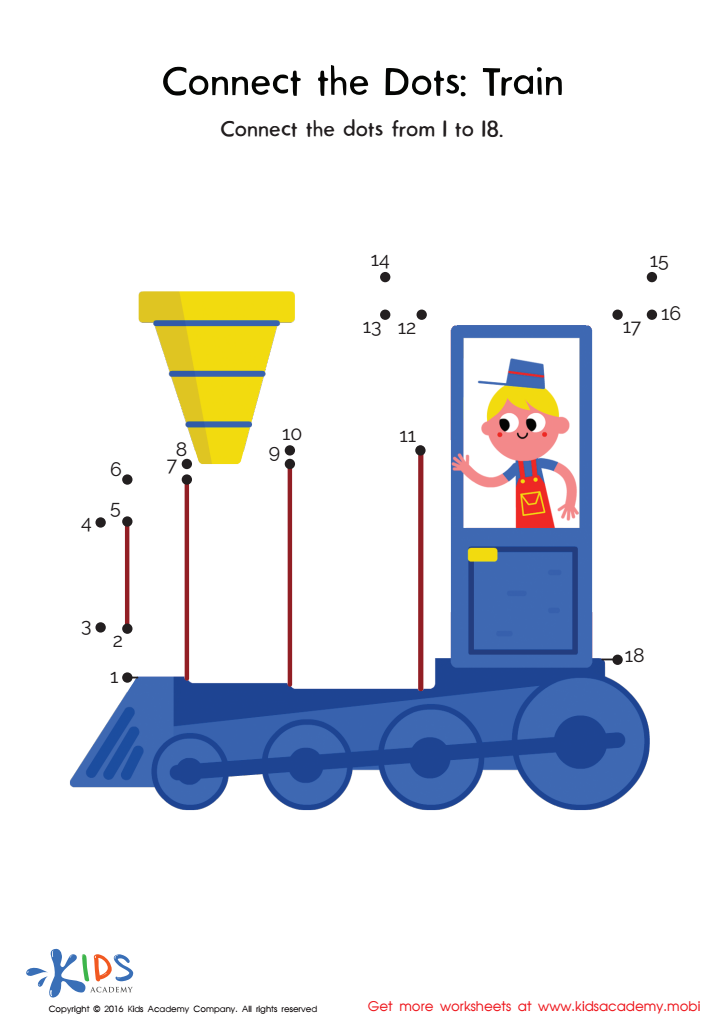
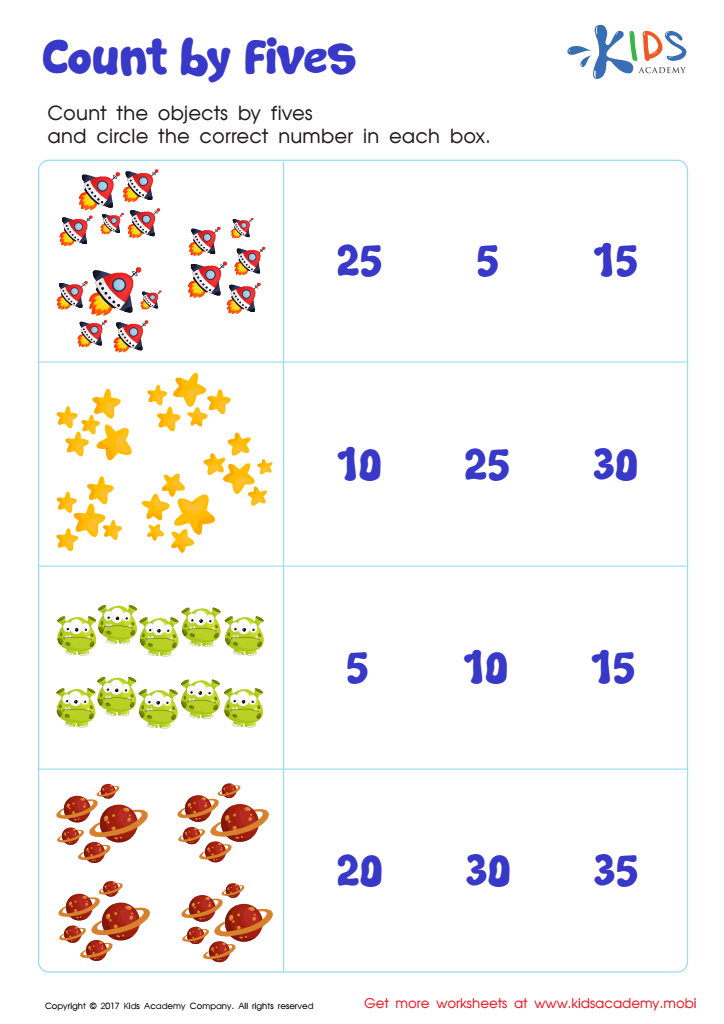
Skip Counting by 5s: Space Math Printable
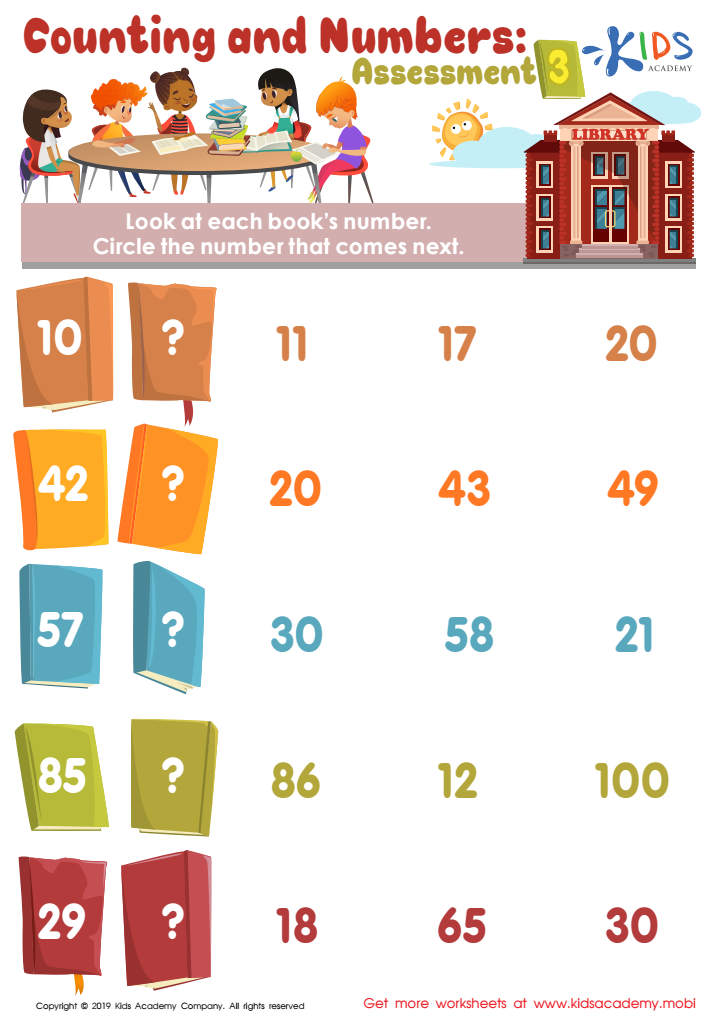
Counting and Numbers: Assessment Worksheet
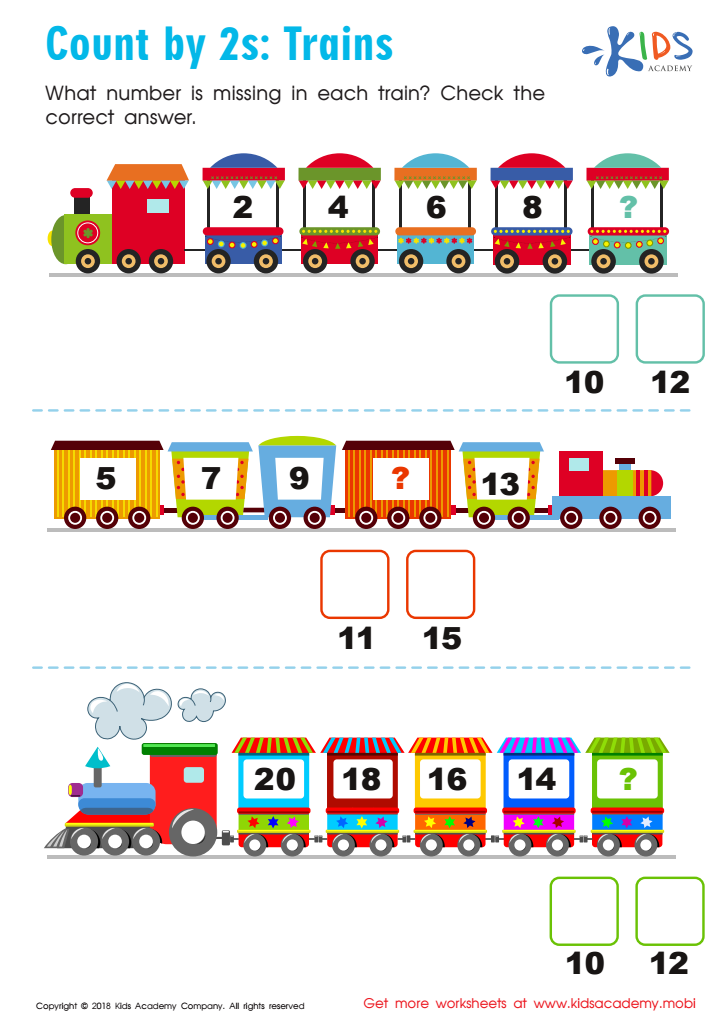
Count by 2's: Trains Worksheet
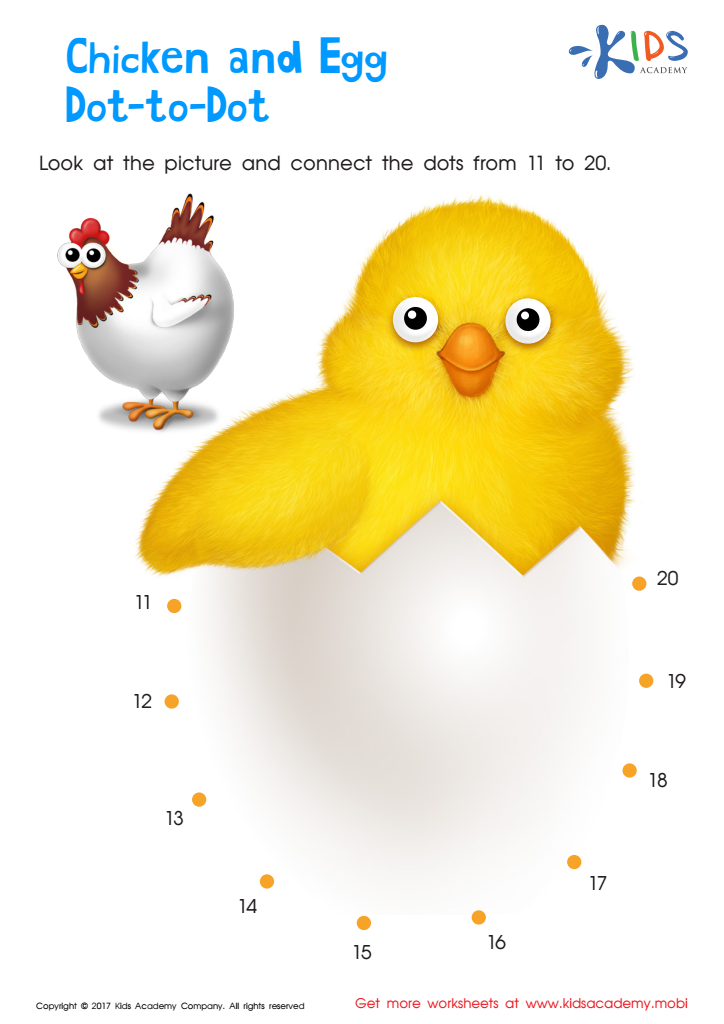
Ordering 11–20: Chicken & Egg Dot–to–dot Worksheet






%20(1).jpg)

Number sequencing is a foundational skill for children aged 4-8 that significantly impacts their mathematical development and understanding of the world. Parents and teachers should care about this skill because it lays the groundwork for more complex mathematical concepts, such as addition, subtraction, and pattern recognition. By mastering number sequencing up to 100, children improve their ability to understand order, which is crucial not just in math, but also in everyday problem-solving and critical thinking.
Moreover, number sequencing fosters cognitive skills, enhancing memory and concentration as children learn to recognize numerical patterns. This ability translates into better self-regulation as children gain skills in following routines and directions, crucial in a classroom setting. Engaging in number sequencing activities can also build a child’s confidence in math, making them more enthusiastic about learning.
Furthermore, number sequencing aids in developing early literacy skills, as many songs, stories, and games incorporate numbers and ordering concepts. Encouraging these skills during the ages of 4-8 sets children on a path to success not only in mathematics but in their overall academic journey. Overall, attending to number sequencing is essential in providing young learners with the tools they need for future learning and community engagement.








