Problem-Solving Skills Word Problems Worksheets for Ages 4-8 - Page 2
44 filtered results
-
From - To
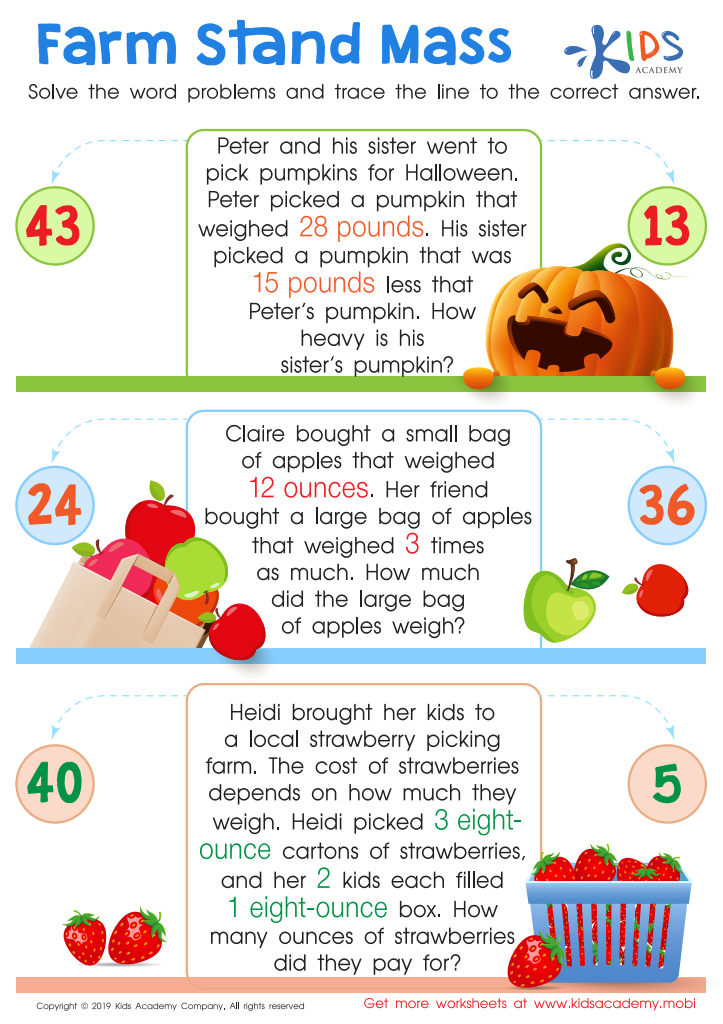
Farm Stand Mass Worksheet
 Assign to My Students
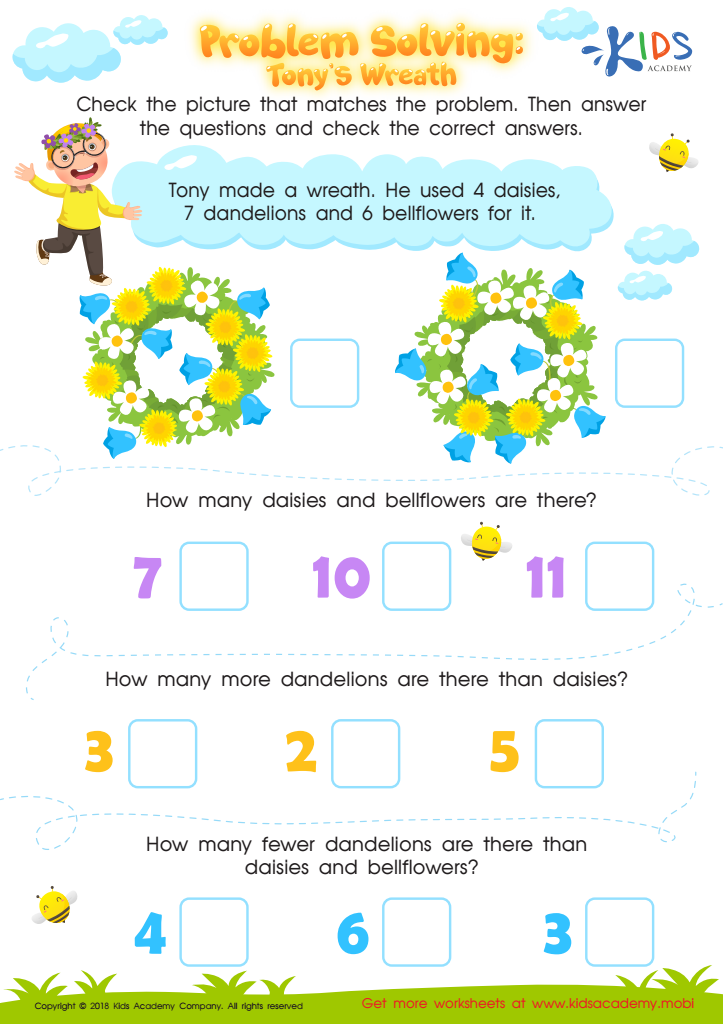
Problem Solving: Tony's Wreath Worksheet
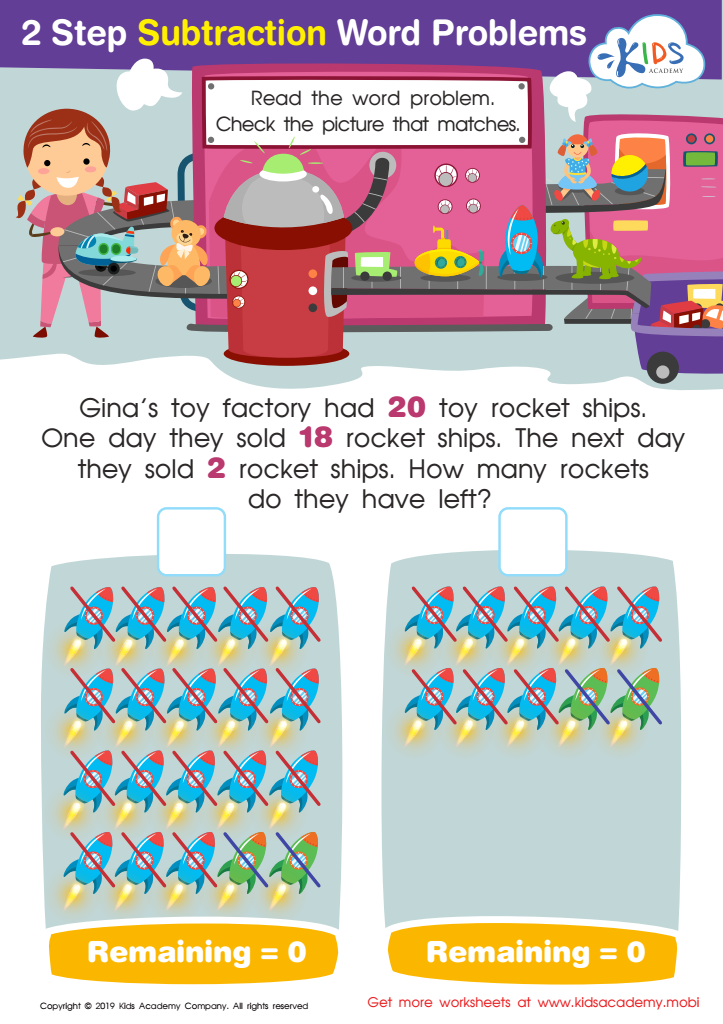
Step Subtraction Word Problems Worksheet
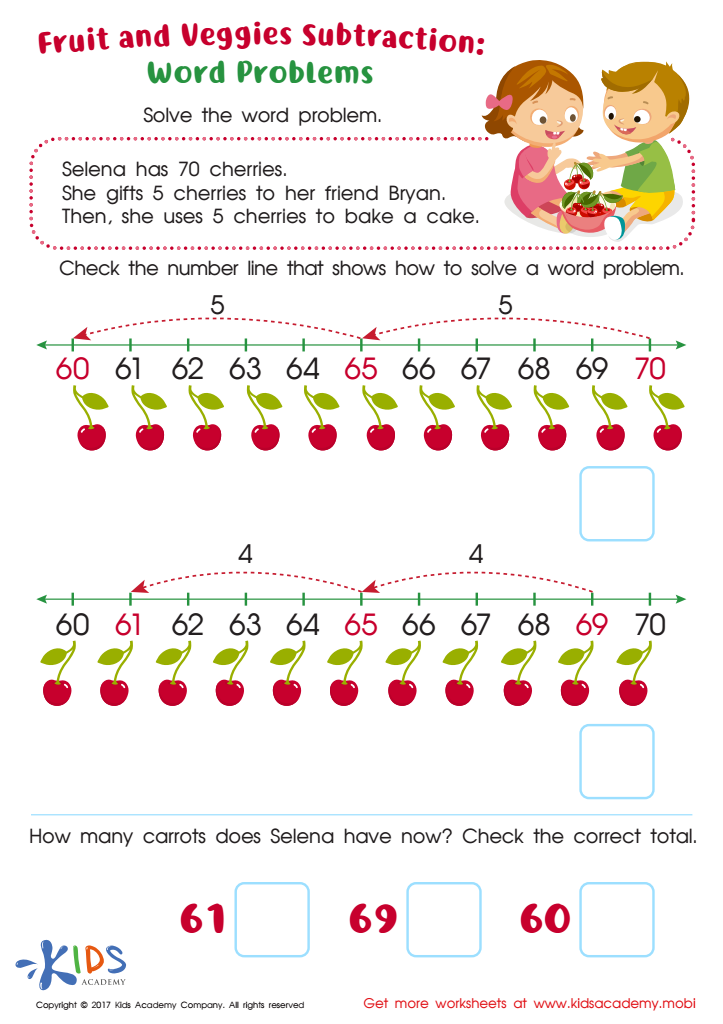
Subtraction Word Problems Free Printable
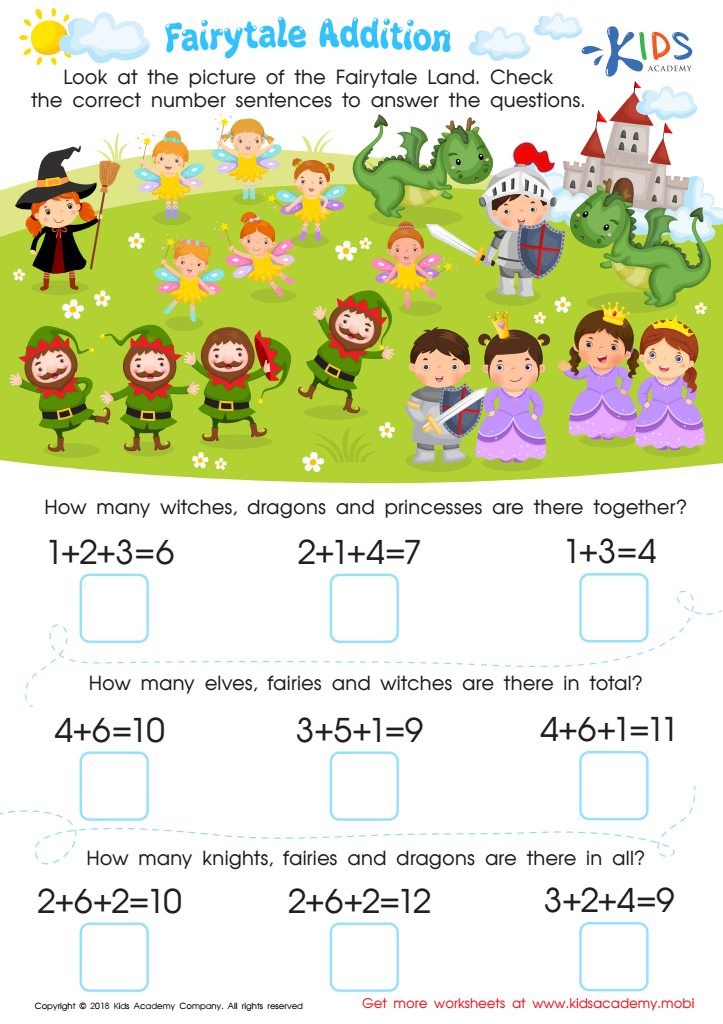
Fairytale Addition Worksheet
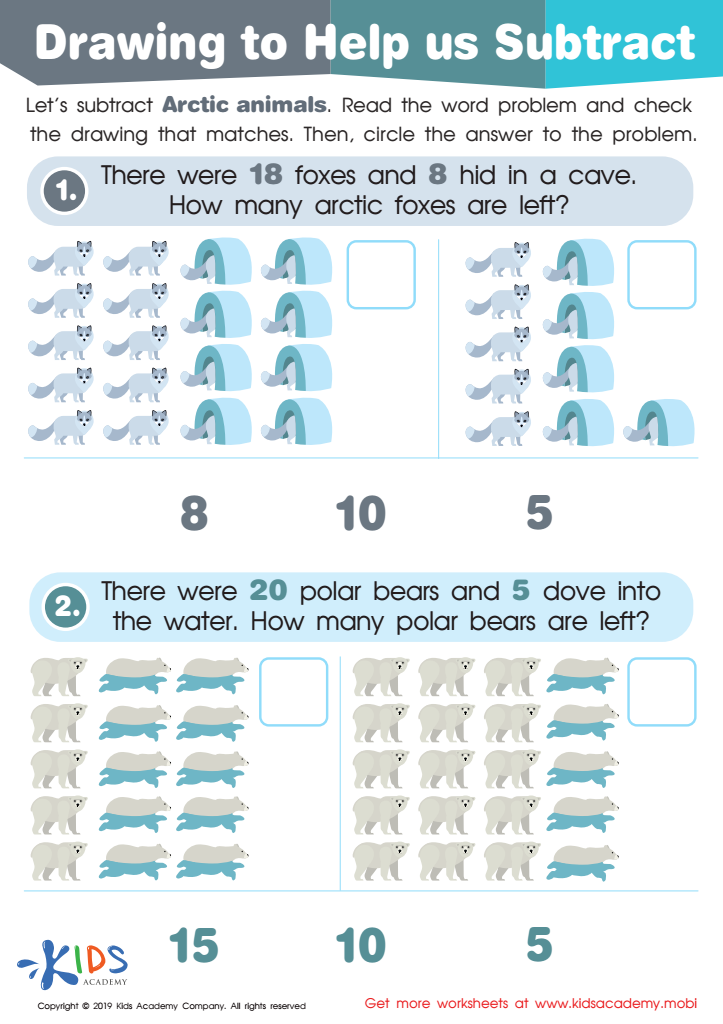
Drawing to Help Us Subtract Worksheet
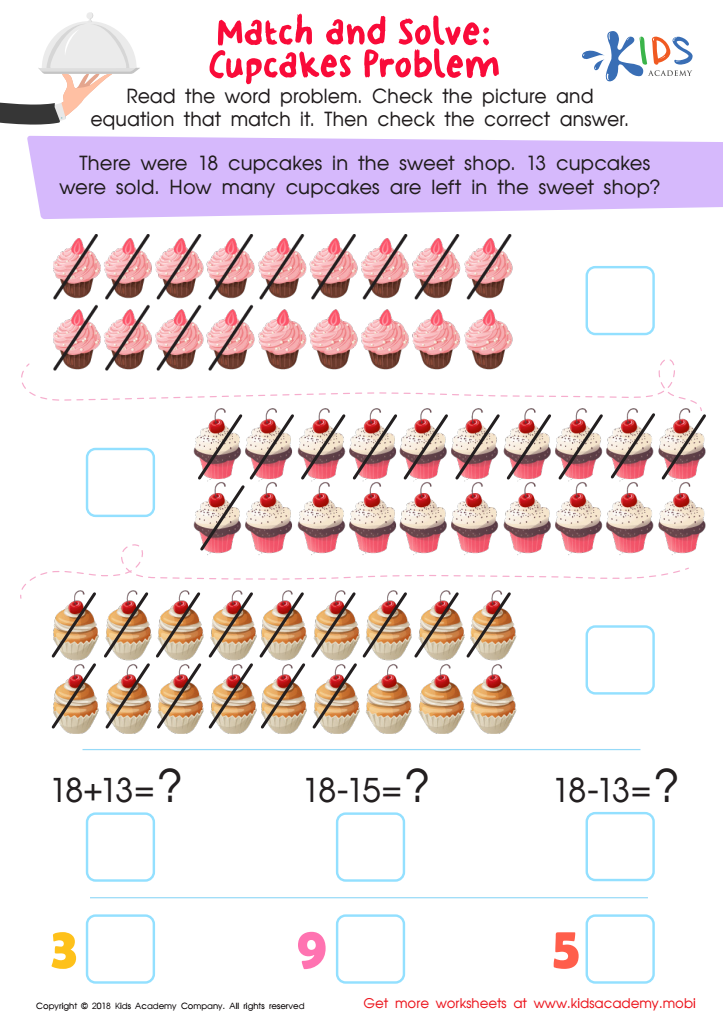
Match and Solve: Cupcakes Problem Worksheet
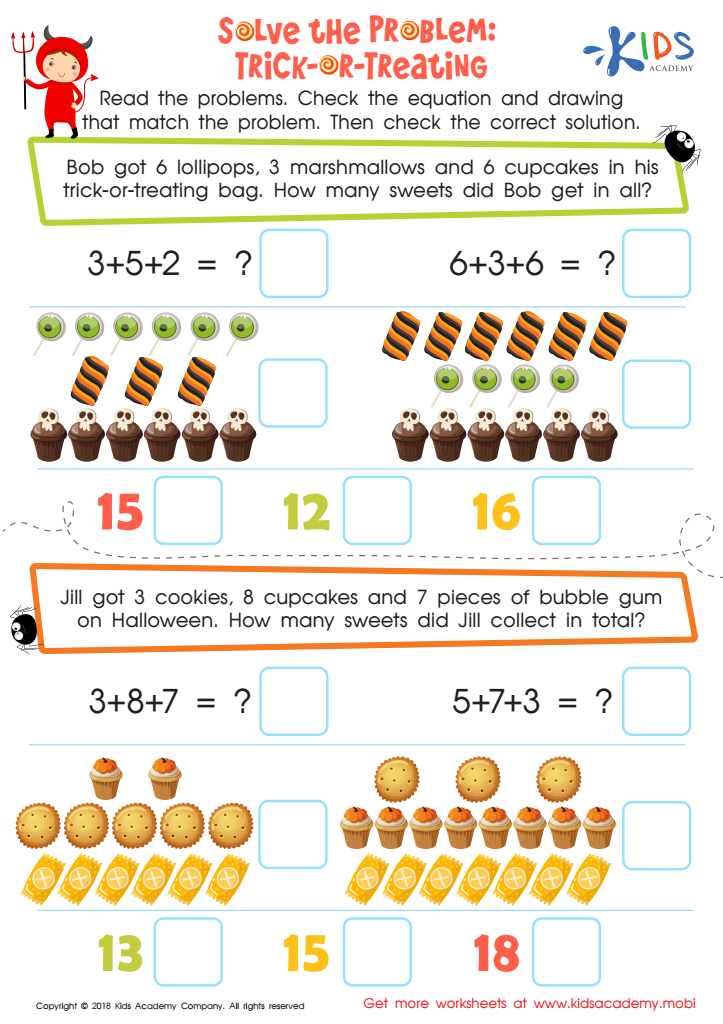
Solve the Problem: Trick–or–treating Worksheet
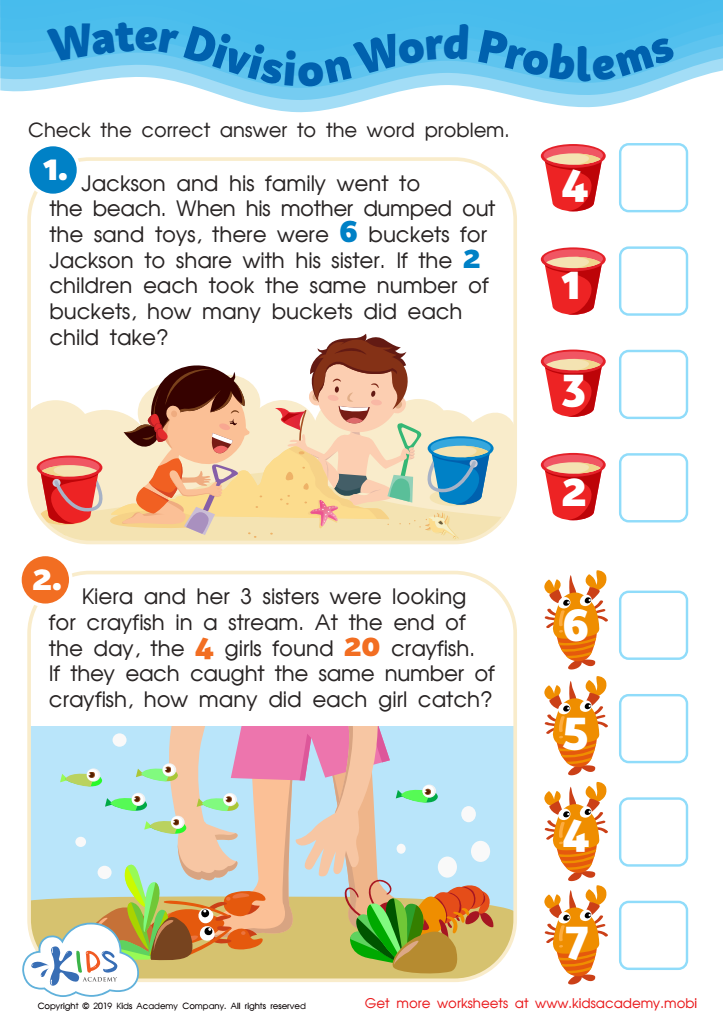
Water Division Word Problems Worksheet
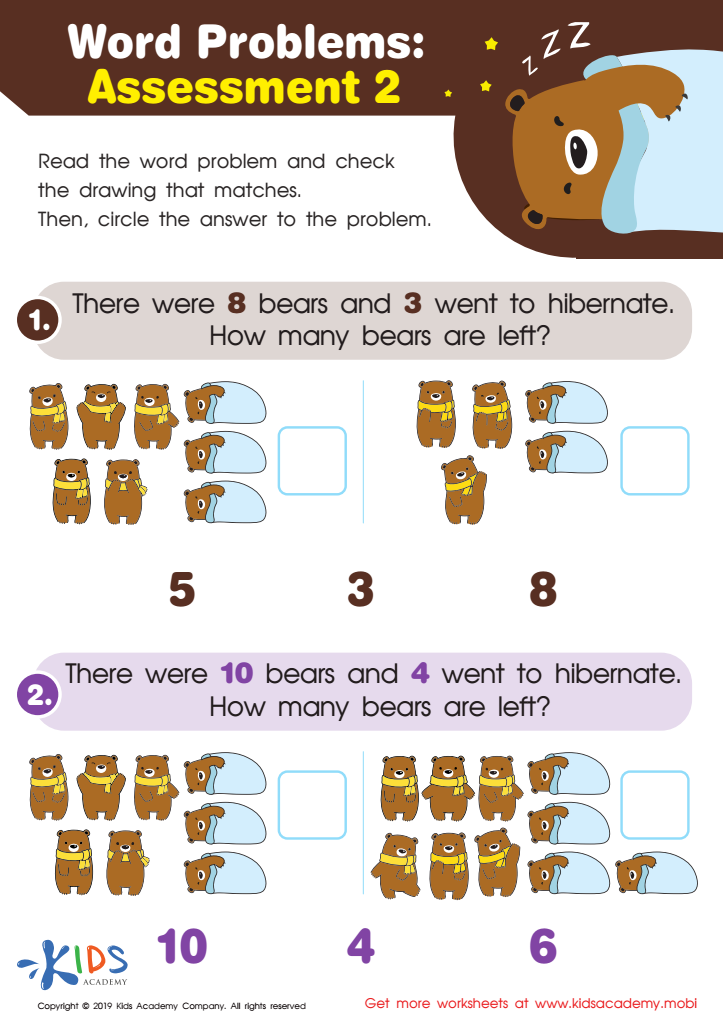
Word Problems: Assessment 2 Worksheet
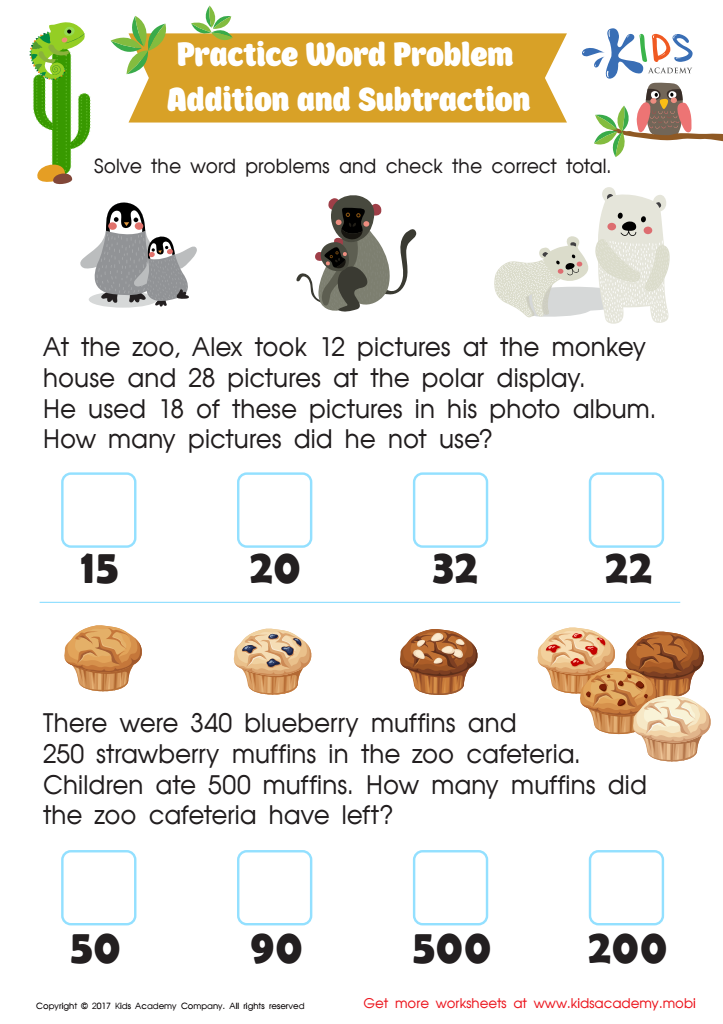
Addition and Subtraction: Word Problems Worksheet
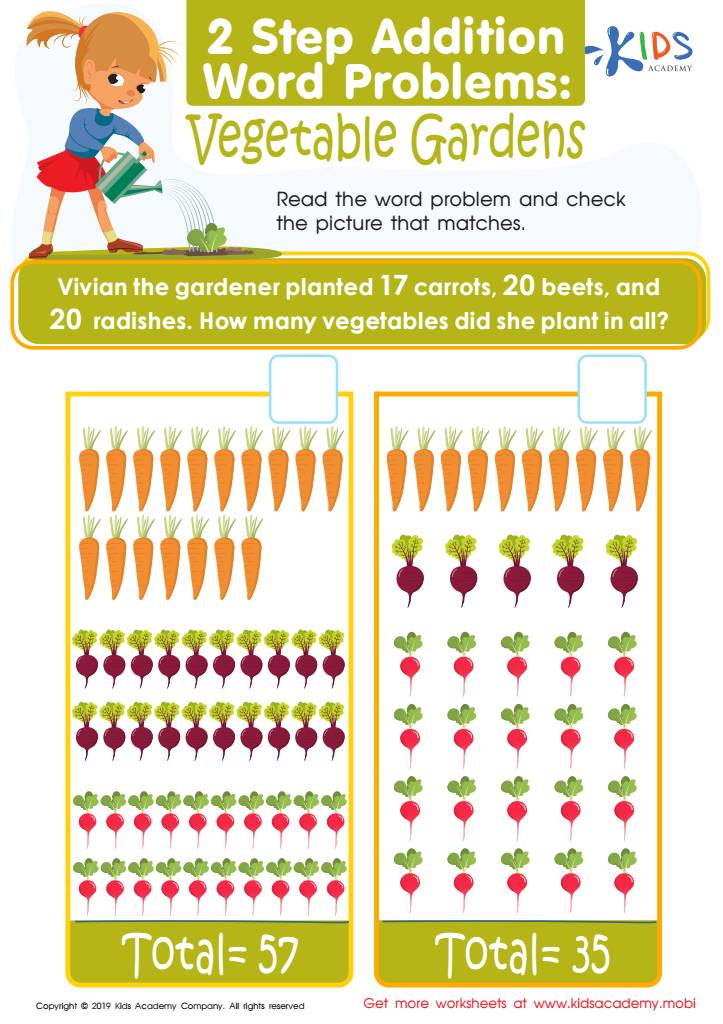
Vegetable Gardens Worksheet
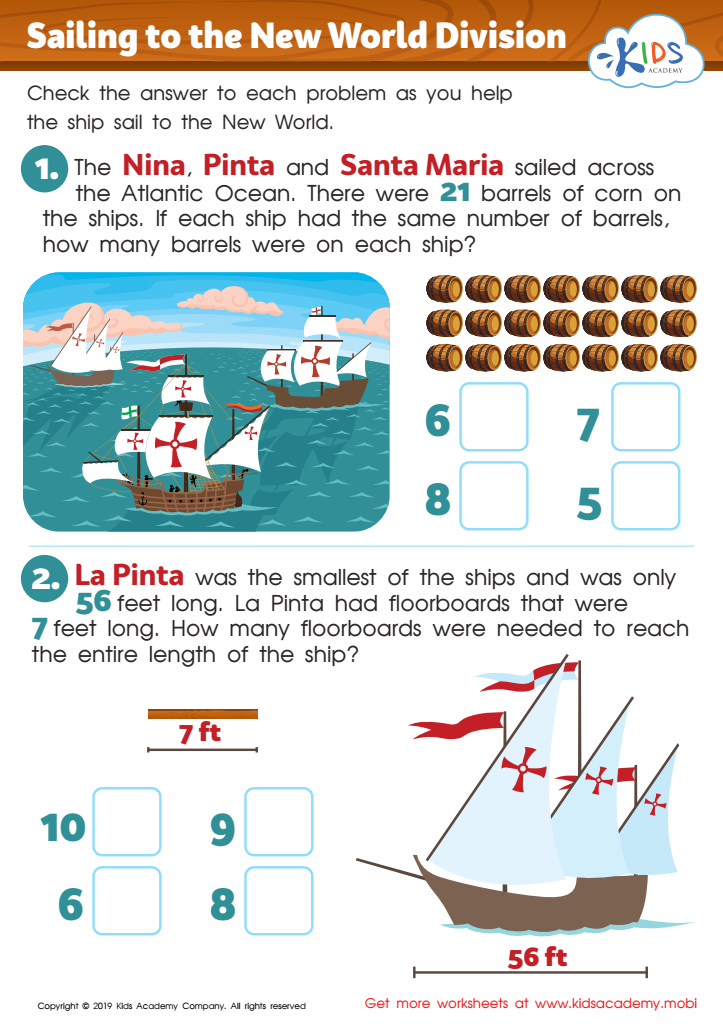
Sailing to the New World Division Worksheet
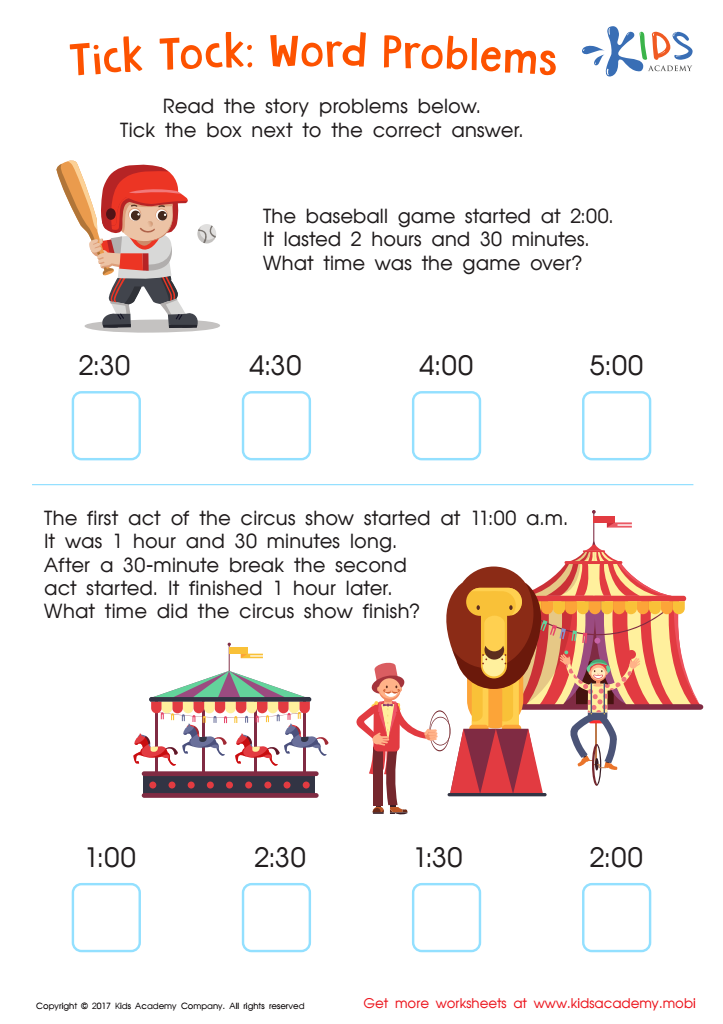
Tick Tock Word Problems Time Worksheet
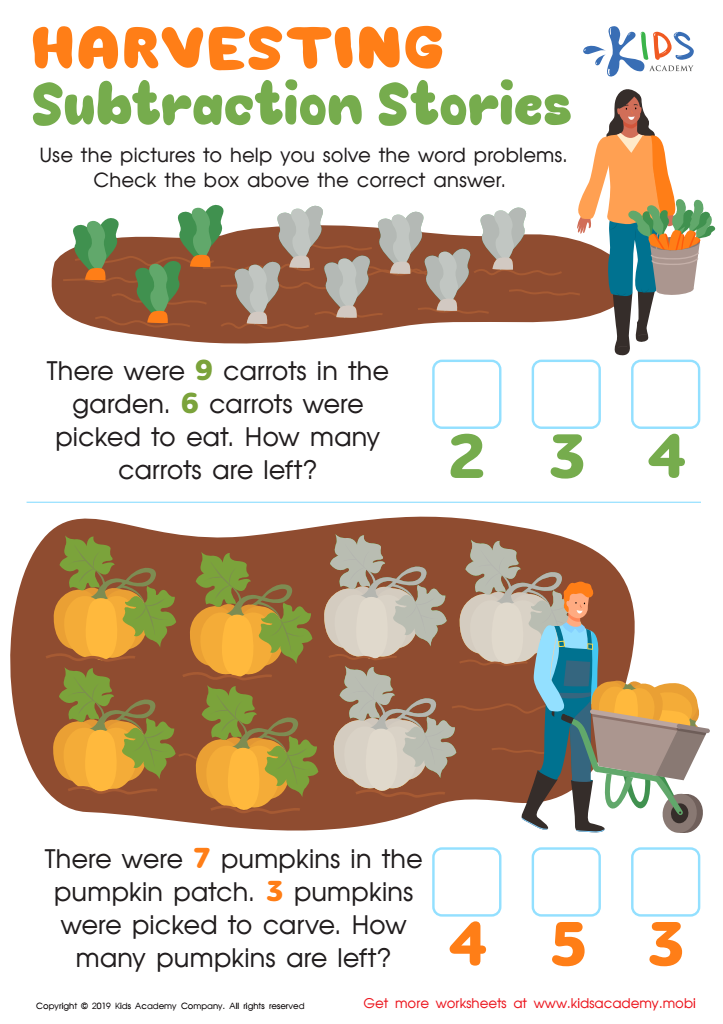
Harvesting Subtraction Stories Worksheet
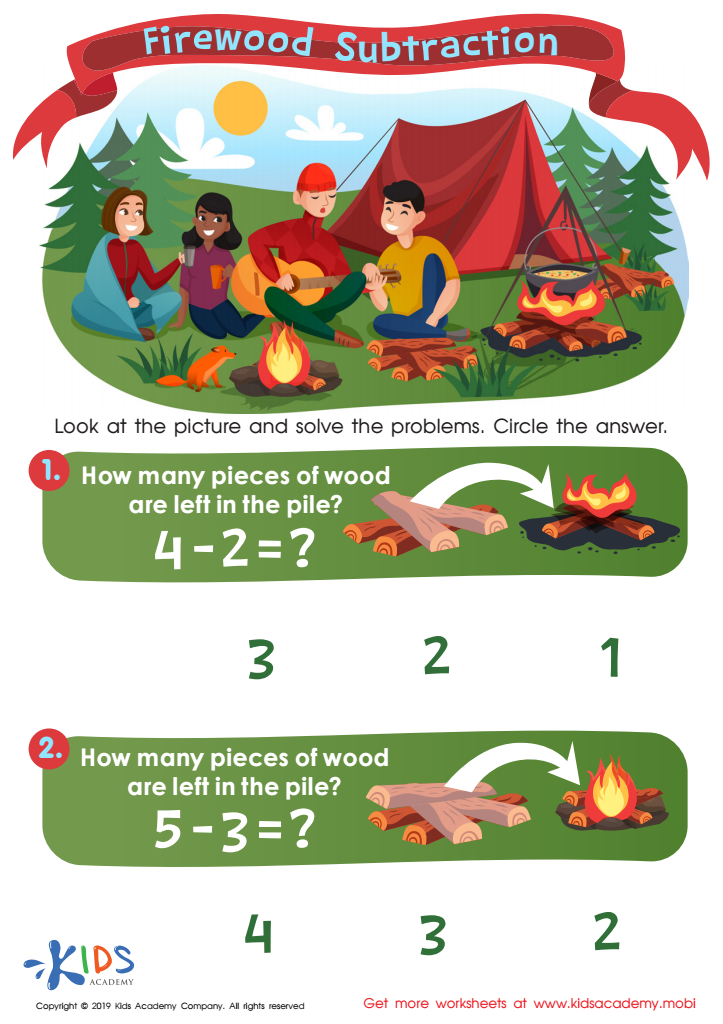
Firewood Subtraction Worksheet
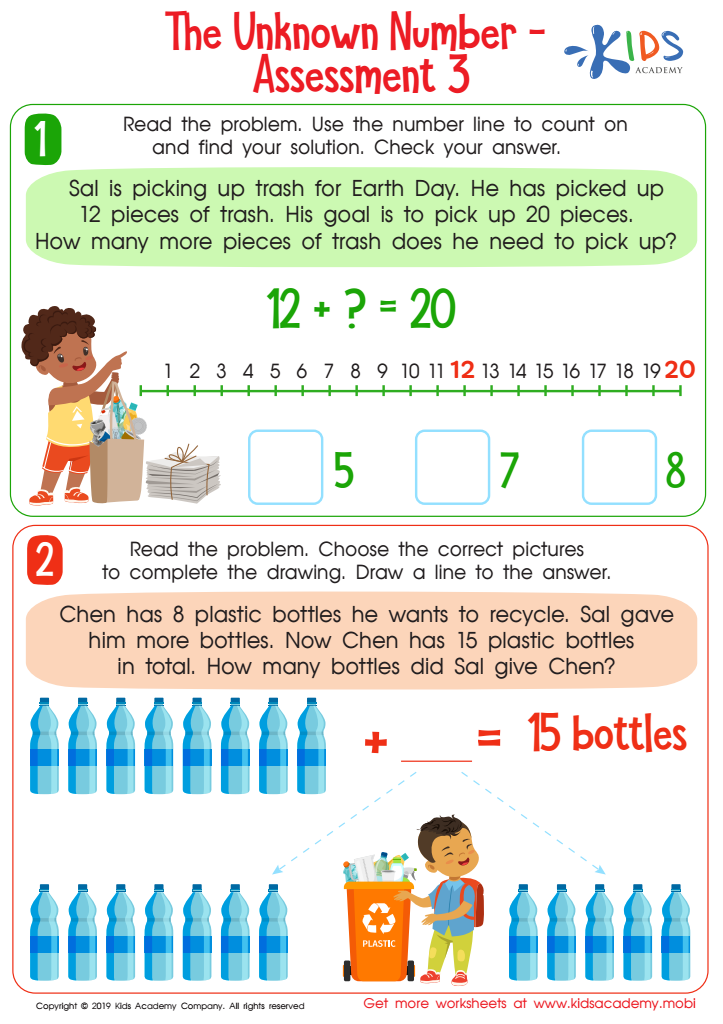
The Unknown Number - Assessment 3 Worksheet
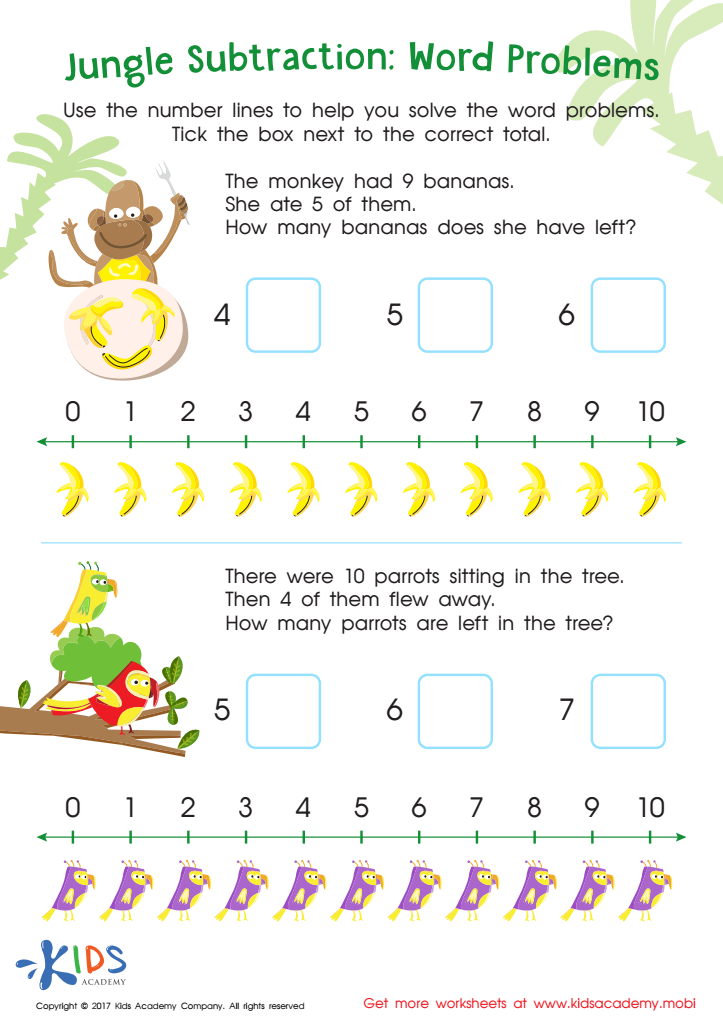
Jungle Subtraction Word Problems Substraction Worksheet
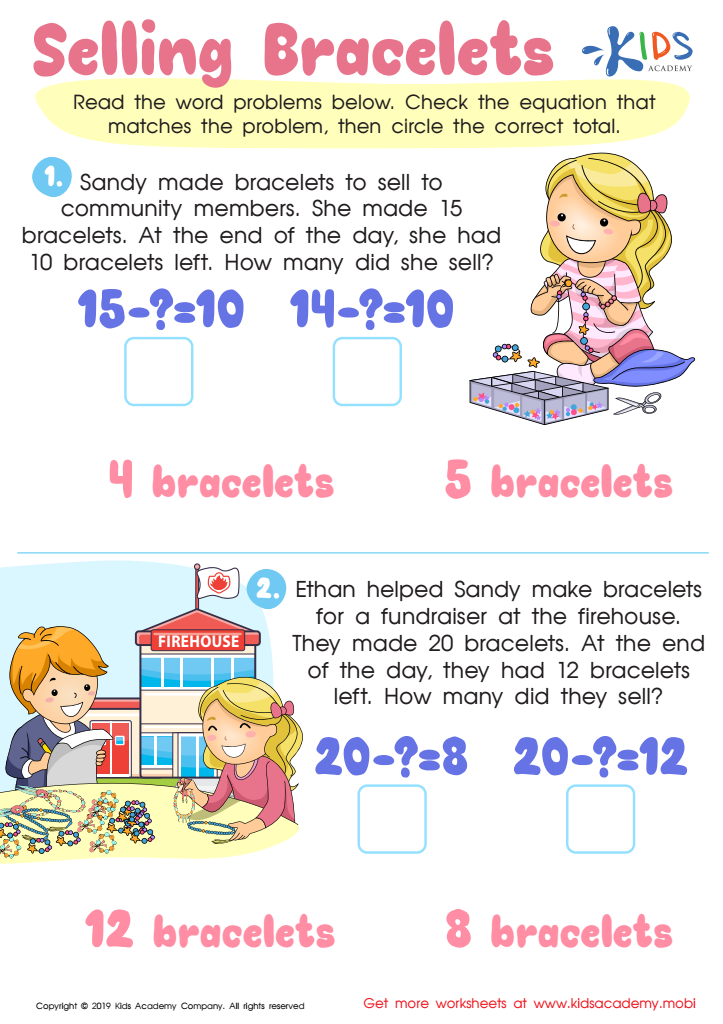
Selling the Bracelets Worksheet
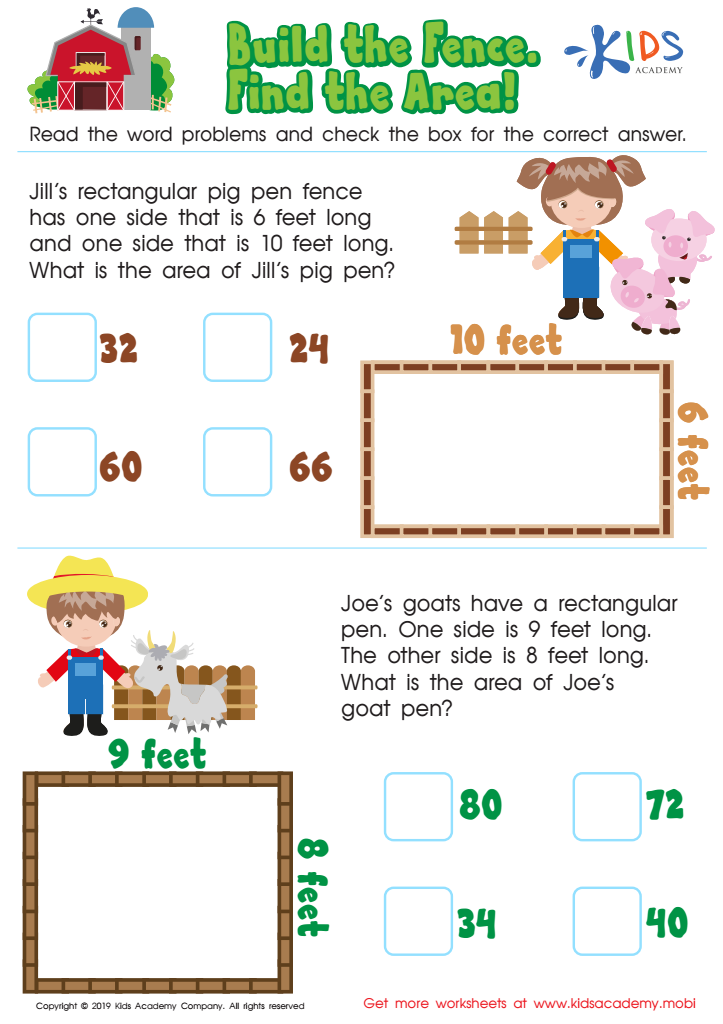
Build the Fence, Find the Area Worksheet








Parents and teachers should care about problem-solving skills for children ages 4-8 because these skills are foundational for their cognitive development and overall academic success. At this formative stage, children's brains are highly receptive to new information and ways of thinking. When engaged in problem-solving activities, they learn to analyze situations, make decisions, and apply logic—all crucial skills for future learning and everyday life.
Exposure to word problems helps children to develop these abilities by presenting scenarios where they must use critical thinking and reasoning. Through solving such problems, kids learn perseverance, as they often need to try different approaches before finding the solution. This process helps build a growth mindset, teaching them that effort and practice lead to improvement.
Furthermore, problem-solving through word problems enhances reading comprehension and mathematical skills simultaneously. Children interpret the text of a word problem, draw on their understanding of math concepts, and figure out how those concepts apply in a given context. This integrated learning approach helps cement their understanding in a more meaningful way than rote memorization.
By focusing on problem-solving from an early age, parents and teachers set the stage for children to become independent thinkers, capable of facing new challenges with confidence and creativity. This not only prepares them for academic achievement but also for real-life problem-solving as they grow.








