Counting practice Science Worksheets for Ages 4-8
6 filtered results
-
From - To
Discover engaging counting practice science worksheets designed for ages 4-8! Our vibrant and interactive worksheets seamlessly integrate essential counting skills with foundational science concepts. Young learners will enjoy fun activities that promote number recognition, basic math skills, and scientific inquiry. Each worksheet encourages exploration of the natural world while reinforcing counting through colorful images and exciting challenges. Ideal for both classroom and home learning, these materials foster critical thinking and make learning enjoyable. Help your child build confidence in counting and science with our carefully crafted resources that cater to diverse learning styles! Start your counting adventure today!
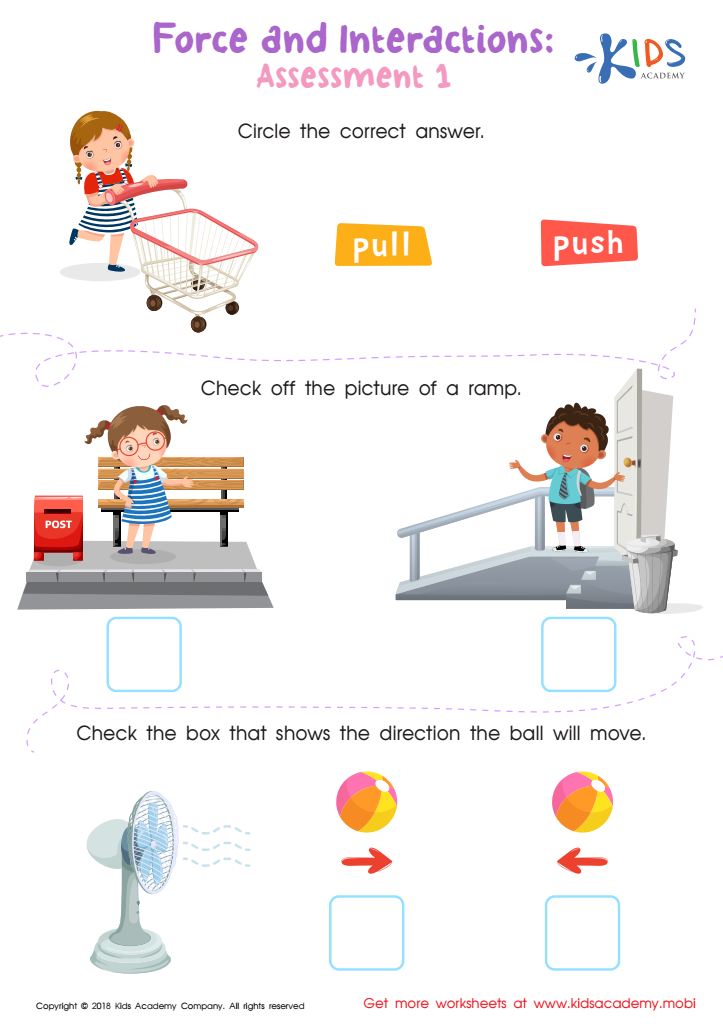
Force and Interactions: Assessment 1 Worksheet
 Assign to My Students
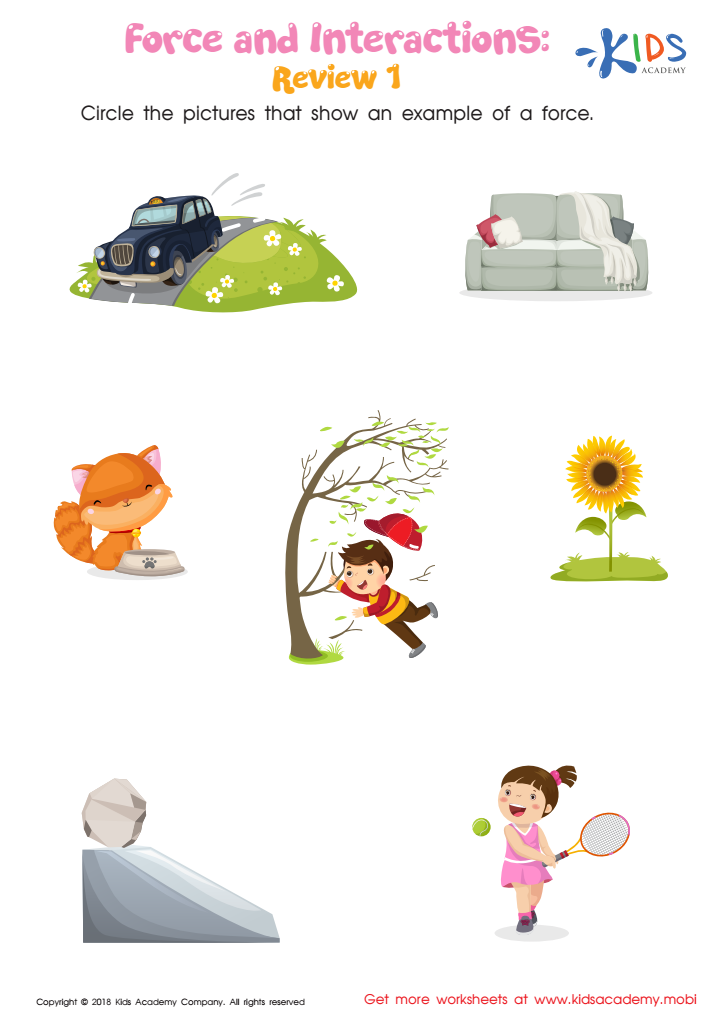
Force and Interactions: Review 1 Worksheet
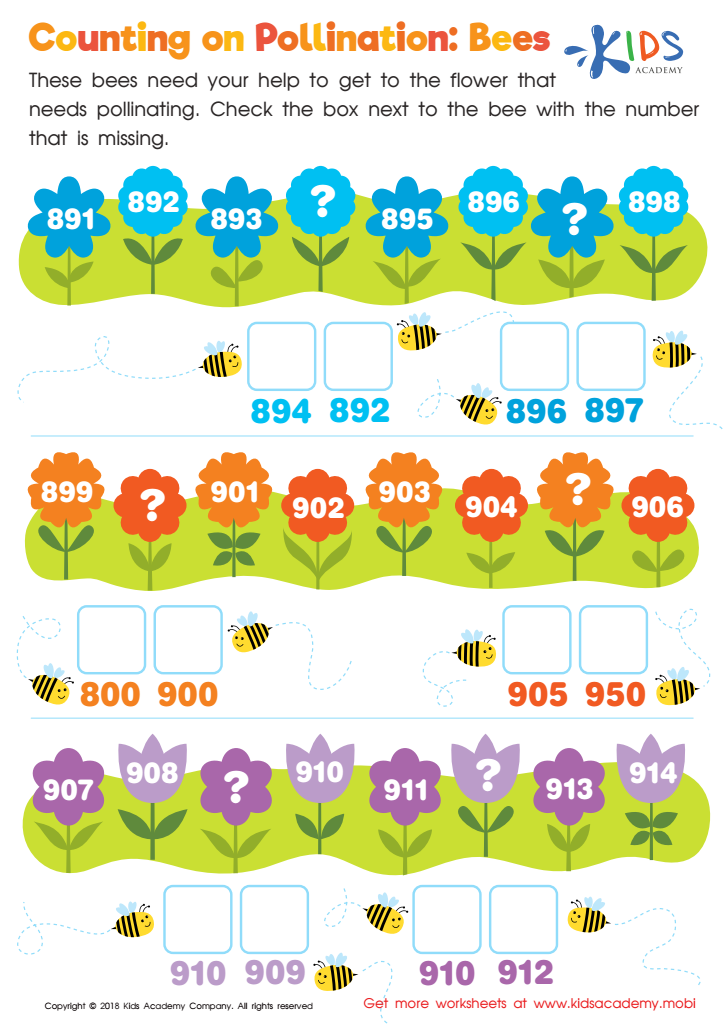
Counting on Pollination: Bees Worksheet
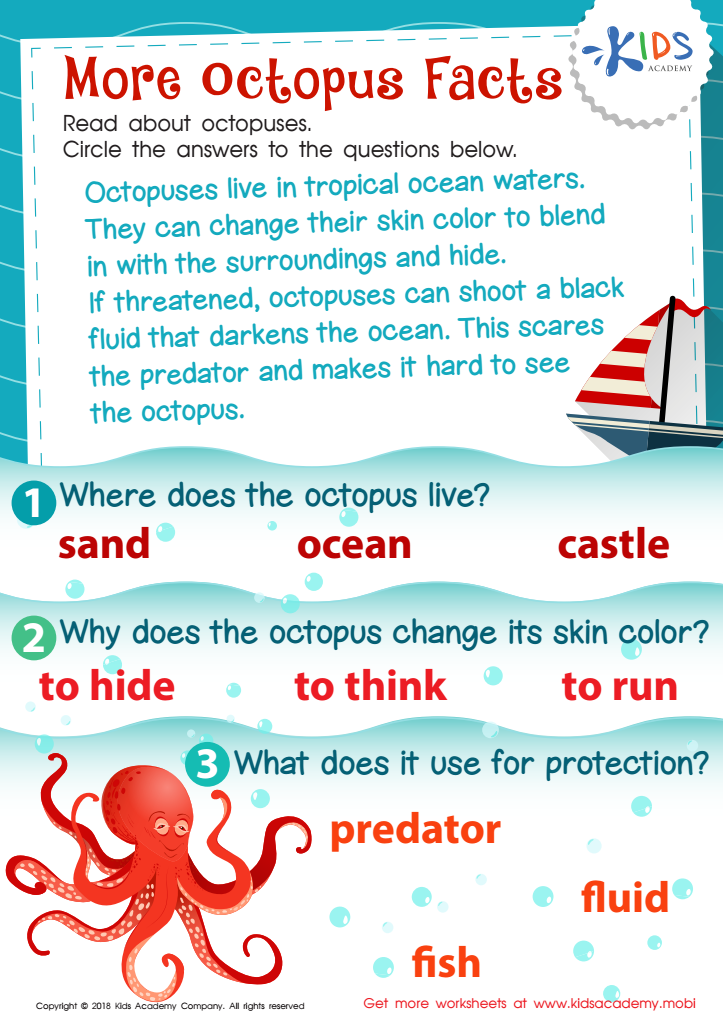
More Octopus Facts Worksheet
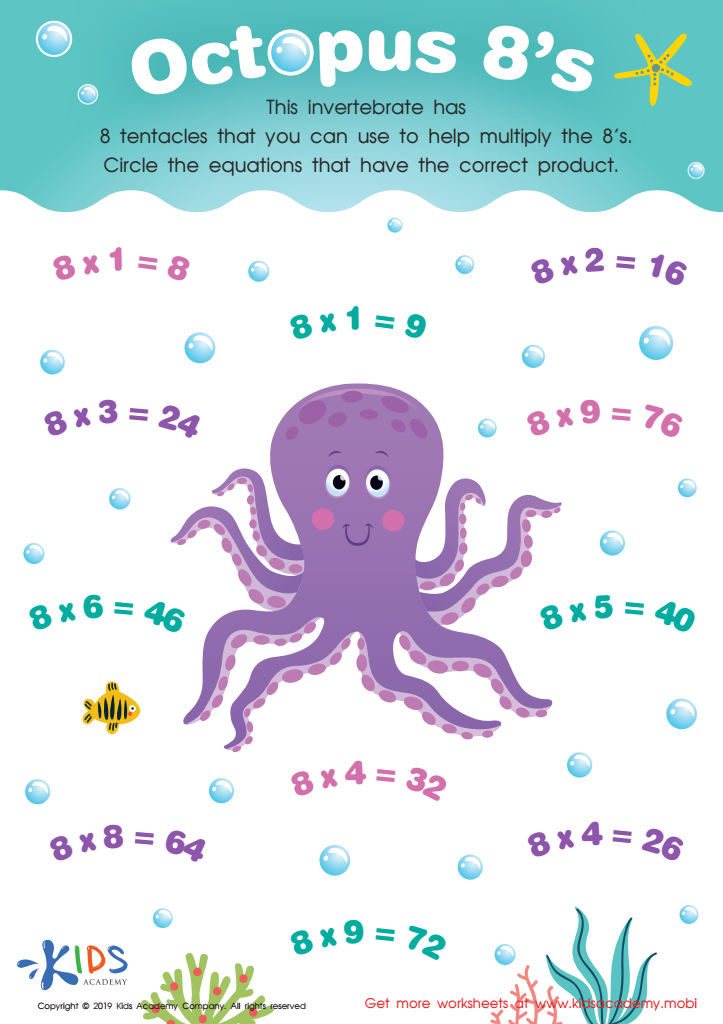
Octopus 8’s Worksheet








Counting practice is an essential component of early education for children aged 4-8, and it carries significant implications for both parents and teachers. Firstly, numbers form the foundation of math, critical thinking, and problem-solving skills that will be built upon in later learning. Engaging in counting activities helps young learners develop a strong numeracy understanding, fostering confidence in their mathematical abilities as they progress through school.
Moreover, counting practice can also enhance cognitive development, fine motor skills, and language acquisition. By using everyday objects for counting, whether it’s blocks, fruits, or toys, children connect mathematics to the world around them, making learning more relatable and enjoyable. This hands-on approach encourages active learning and curiosity, stimulating their desire to explore concepts deeper.
Additionally, strong counting skills can lead to improved academic performance, impacting areas such as reading and scientific reasoning. When children grasp numerical concepts early on, they are better equipped to tackle complex subjects later in their education. Therefore, investing time and resources into counting activities is vital—not just for immediate learning, but for building a solid framework for future success in academics and everyday life. For parents and teachers, nurturing these skills could lead to more confident, capable young learners.







