Understanding ecosystems Plants and Animals Worksheets for Ages 4-8
6 filtered results
-
From - To
Explore the fascinating world of ecosystems with our "Understanding Ecosystems: Plants and Animals Worksheets" designed for ages 4-8. These engaging and interactive worksheets foster a love of nature while promoting learning about how plants and animals interact within their environments. Each resource is tailored to young learners, simplifying complex concepts through colorful illustrations and fun activities. Kids will enjoy identifying different ecosystems, recognizing plants and animals, and understanding their roles within these systems. Perfect for both classroom and home learning, these worksheets encourage curiosity and appreciation for nature, making science fun and accessible for early learners.
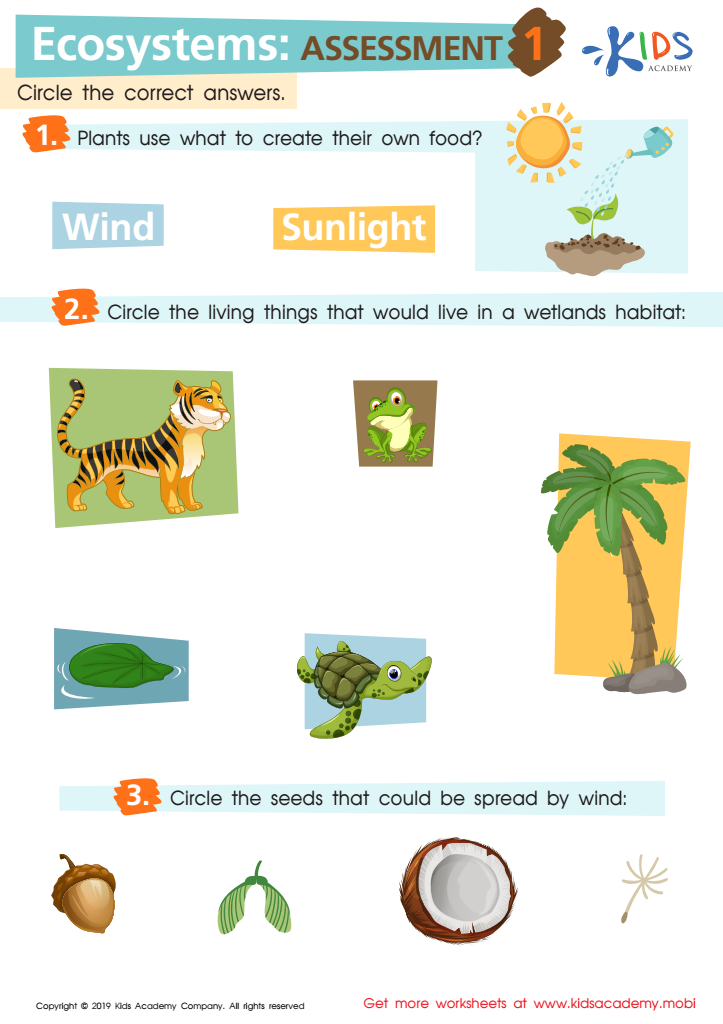
Ecosystems: Assessment 1 Worksheet
 Assign to My Students











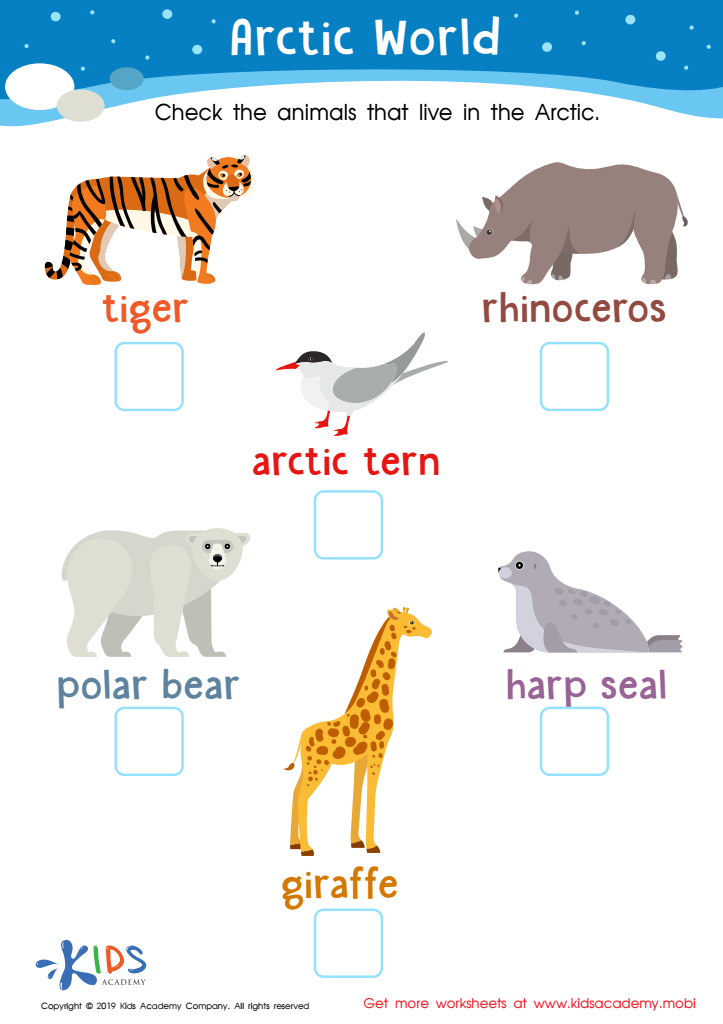
Arctic World Worksheet
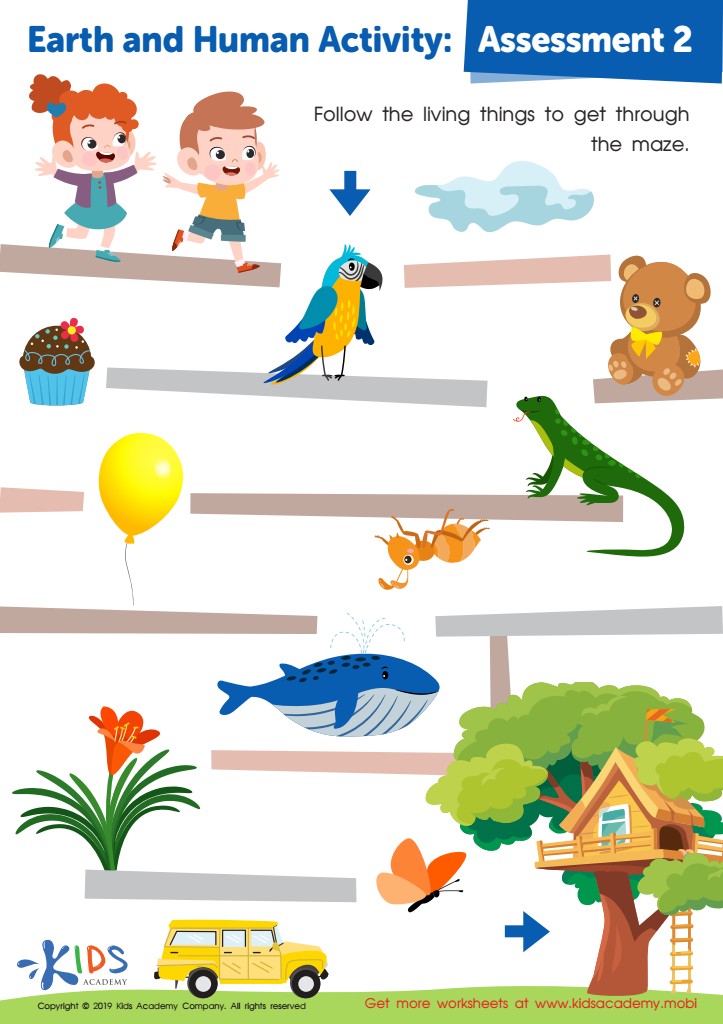
Earth and Human Activity: Assessment 2 Worksheet
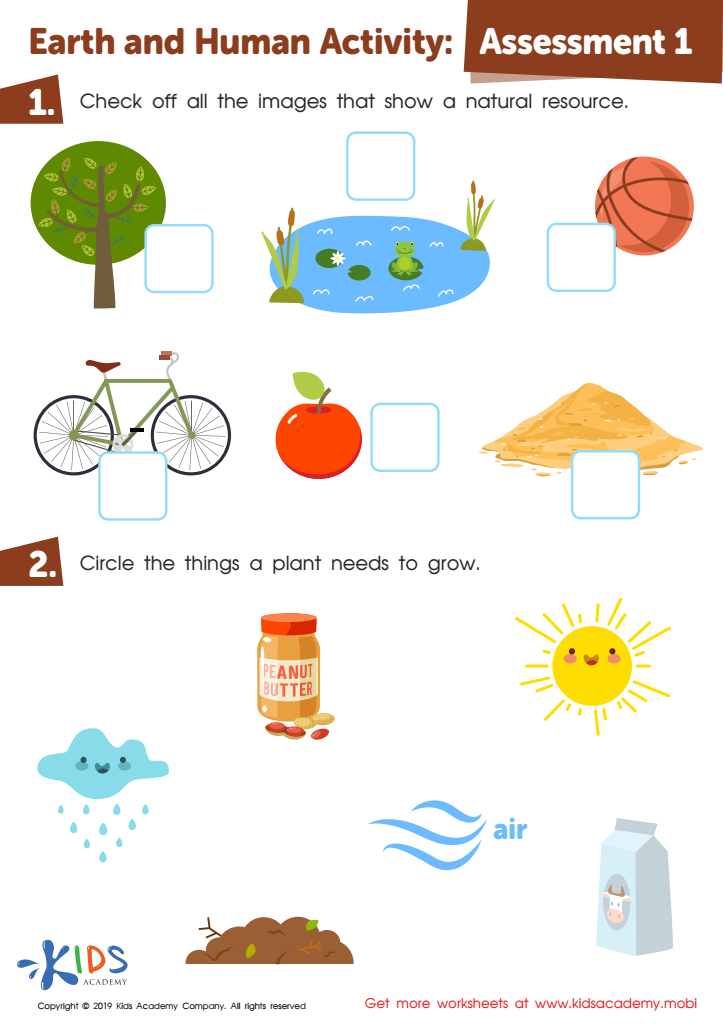
Earth and Human Activity: Assessment 1 Worksheet
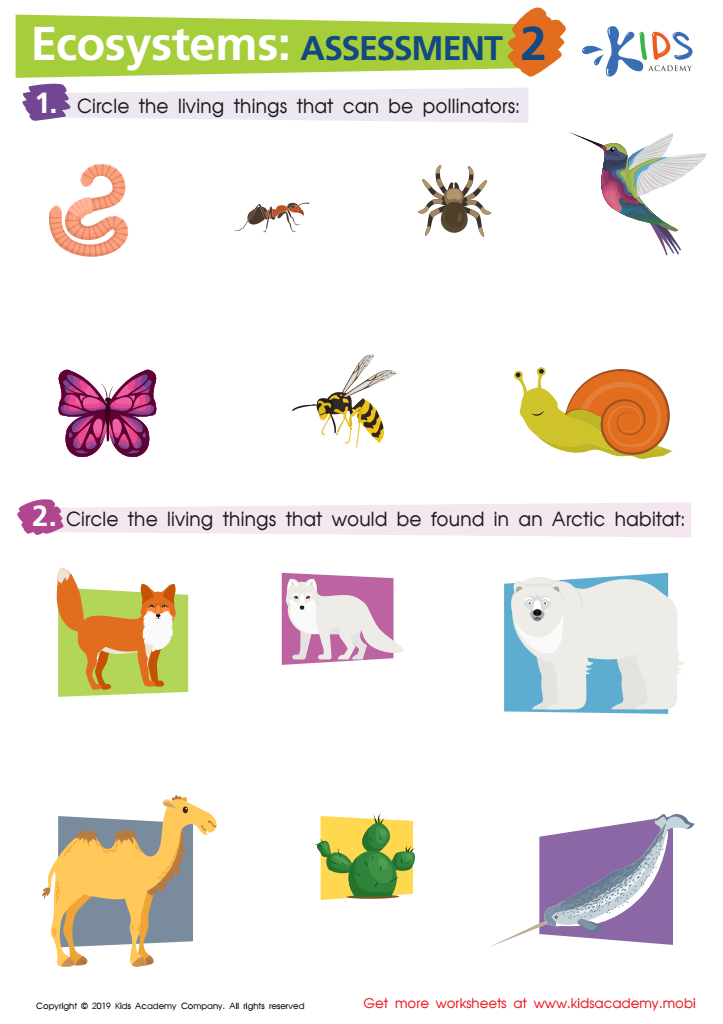
Ecosystems: Assessment 2 Worksheet
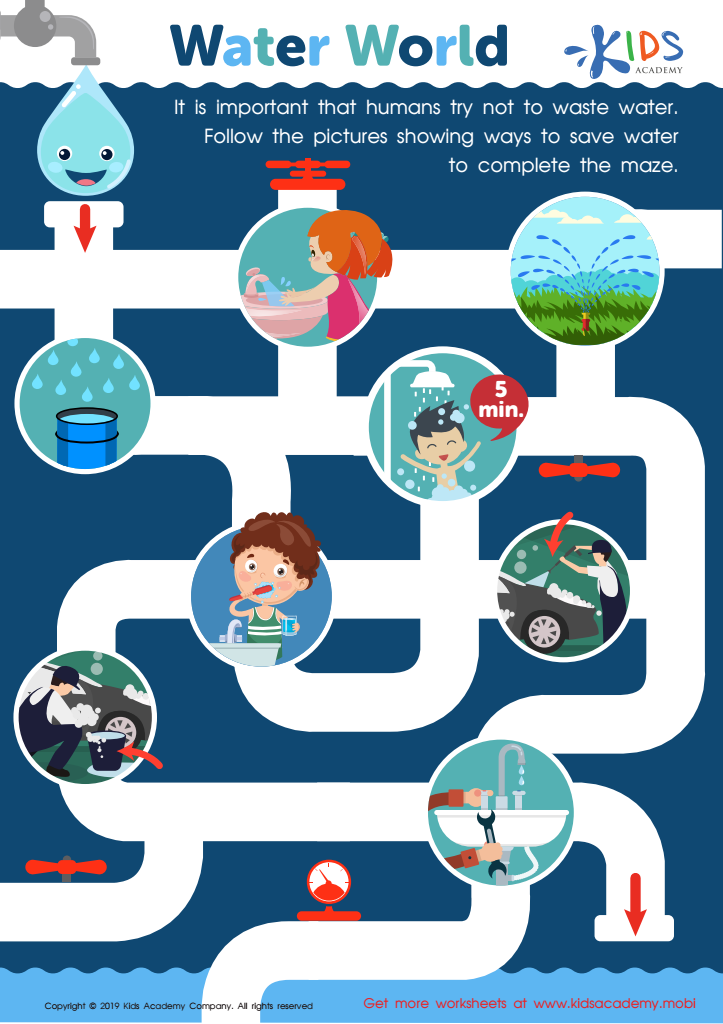
Water World Worksheet



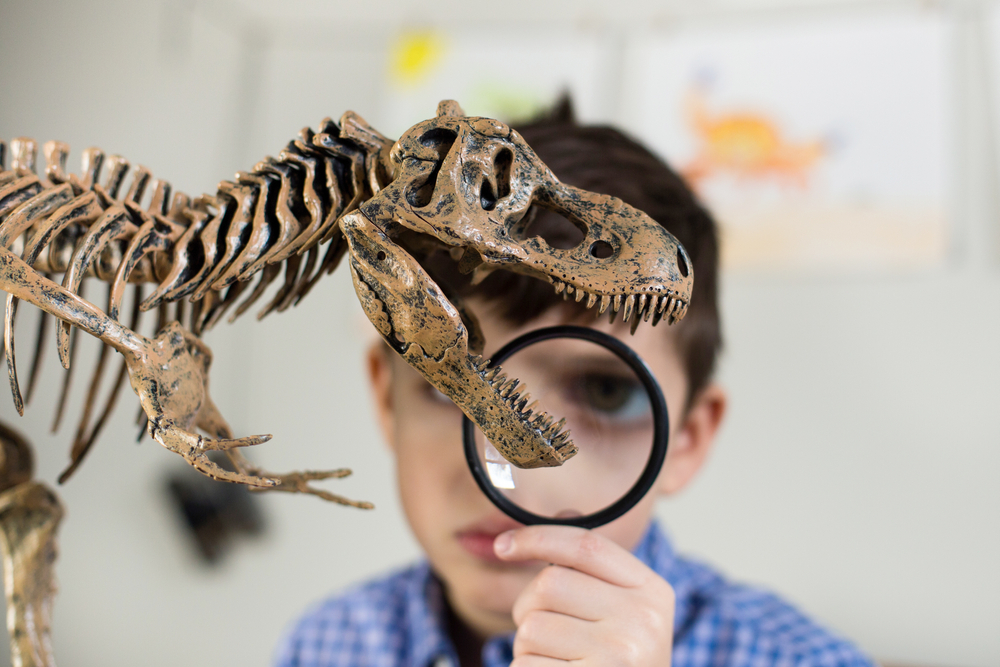


Understanding ecosystems, including plants and animals, is vital for children aged 4-8 as it lays the foundation for their environmental awareness and appreciation of nature. At this young age, children's curiosity is at its peak, making it the perfect time to instill a sense of wonder about the world around them. Learning about ecosystems fosters critical thinking and encourages children to ask questions about how living organisms interact and depend on each other.
Additionally, understanding ecosystems helps children develop a sense of responsibility for the environment. By recognizing the roles of different plants and animals within their habitats, children can appreciate biodiversity and understand the importance of conservation efforts. This knowledge empowers them to become stewards of the Earth, fostering positive attitudes toward protecting nature as they grow.
Moreover, integrating lessons about ecosystems into educational activities can enhance literacy, math, and science skills. Hands-on experiences, like observing local wildlife or growing plants, enable children to engage in experiential learning. Therefore, by prioritizing these lessons, parents and teachers are not just educating students about ecosystems; they are also cultivating responsible, informed individuals who can contribute positively to their communities and the planet.








