Geography Worksheets for Ages 4-8 - Page 3
66 filtered results
-
From - To
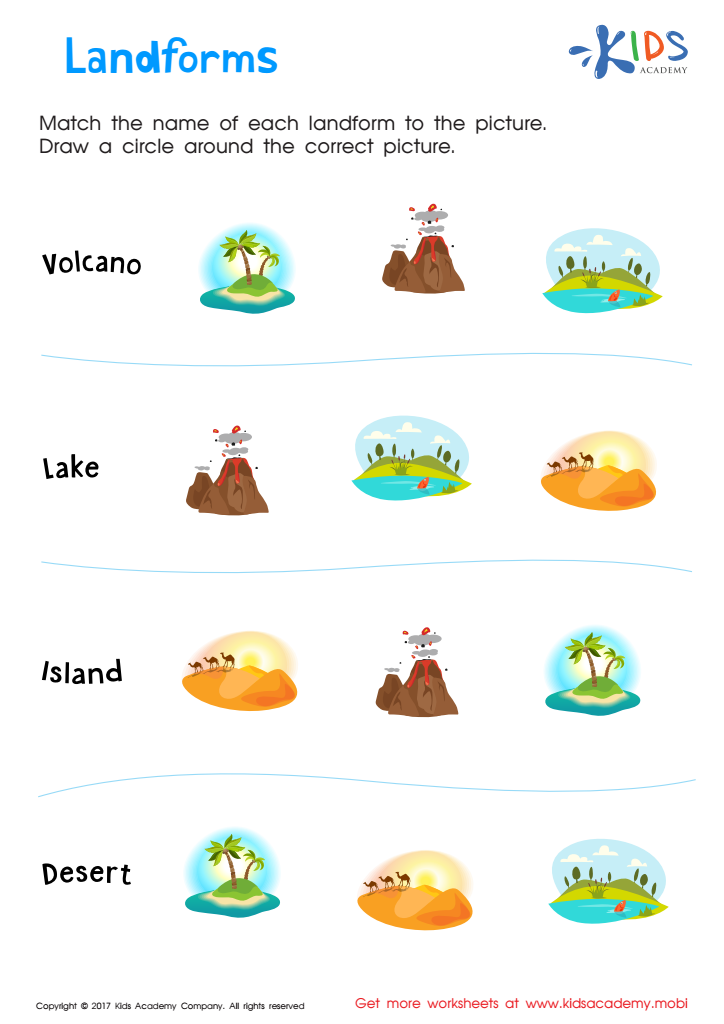
Landforms Printable
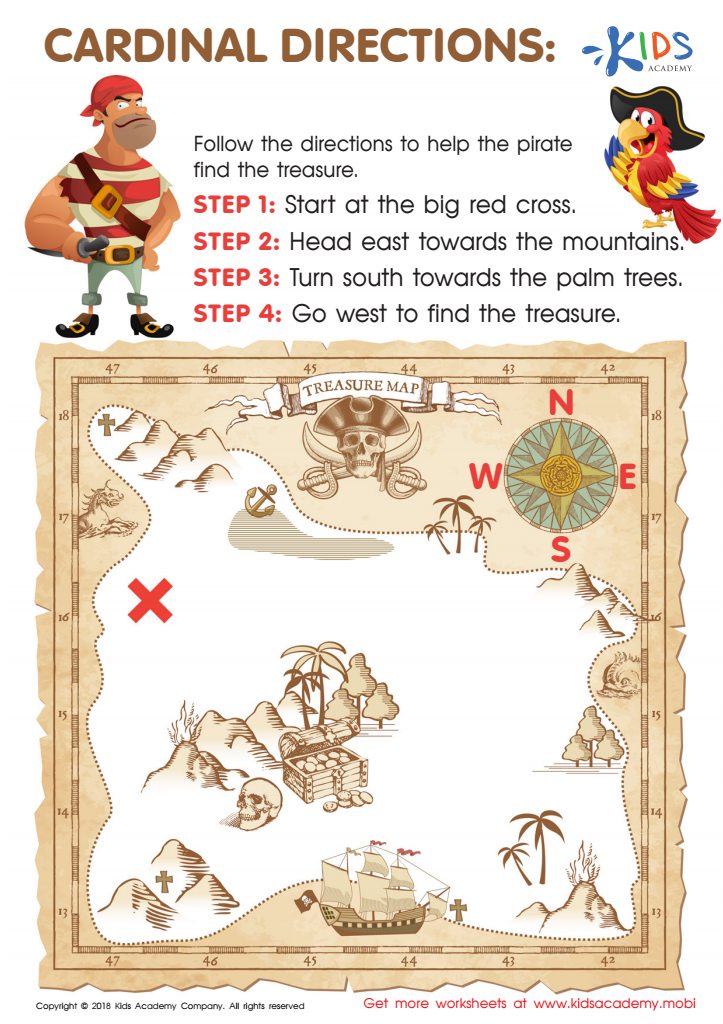
Cardinal Directions Treasure Map Maze Worksheet
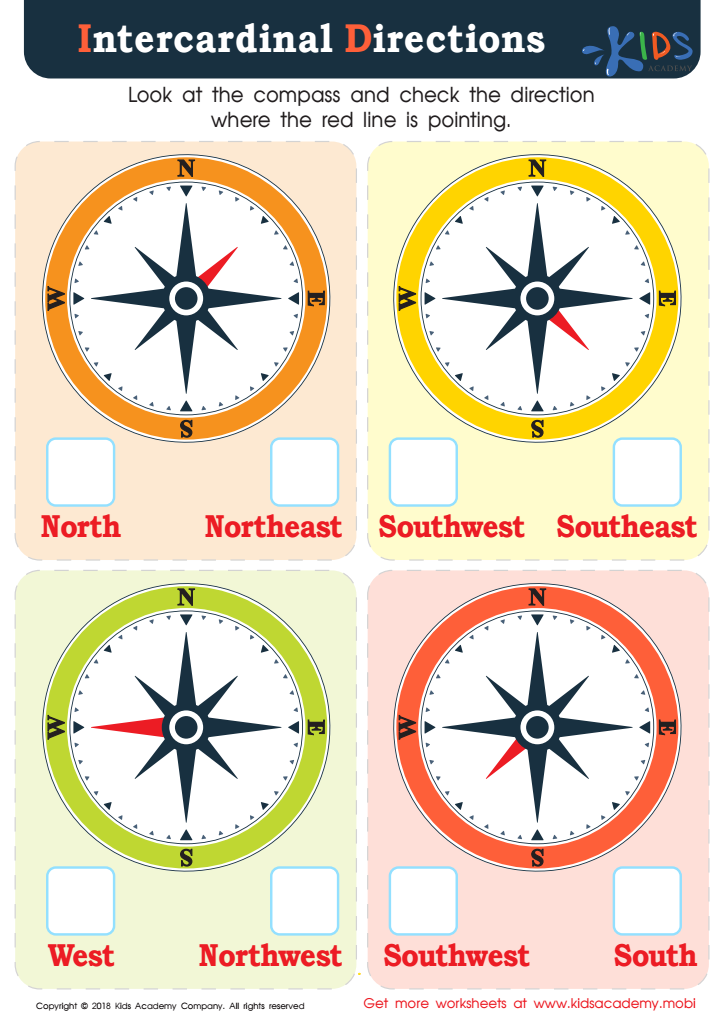
Intercardinal Directions Worksheet
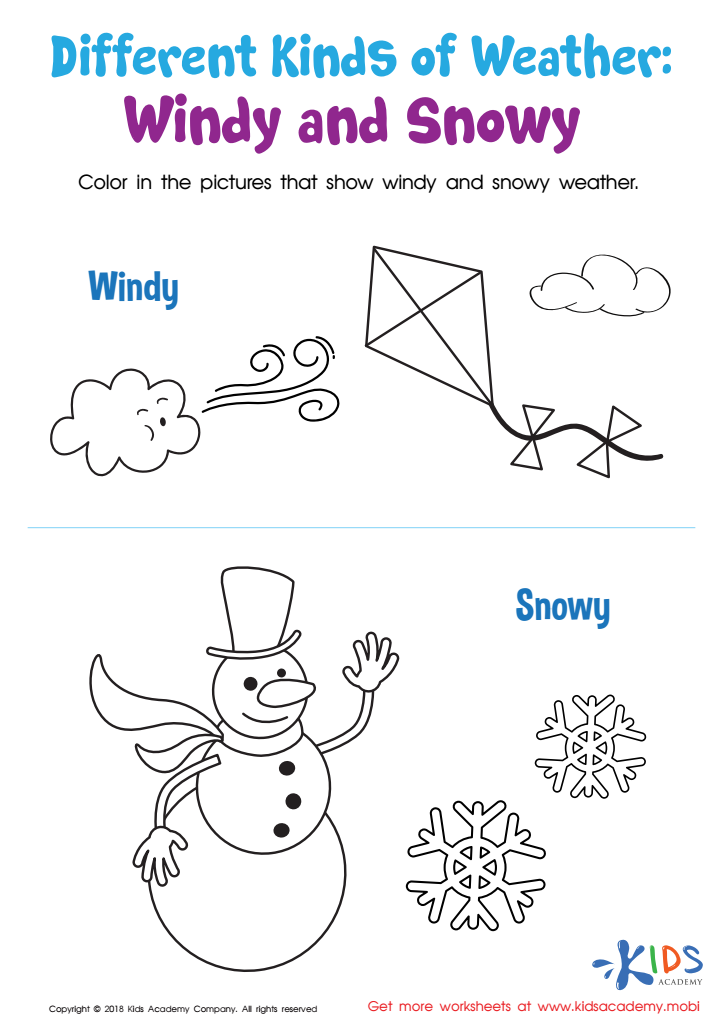
Different Kinds of Weather: Windy and Snowy Worksheet
 Assign to My Students
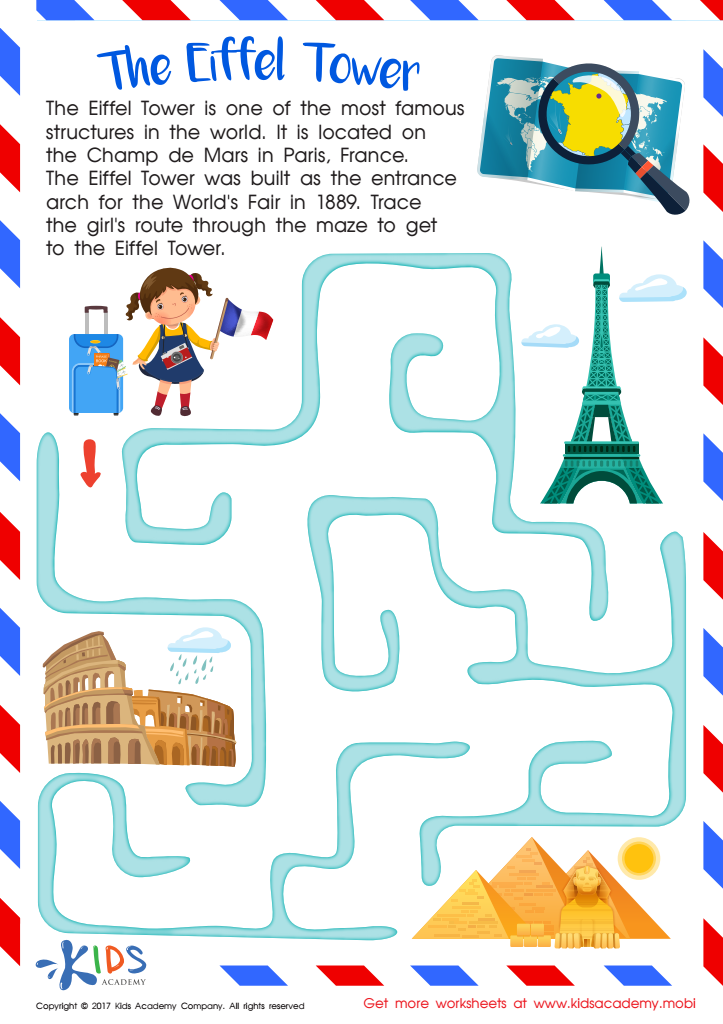
The Eiffel Tower Printable
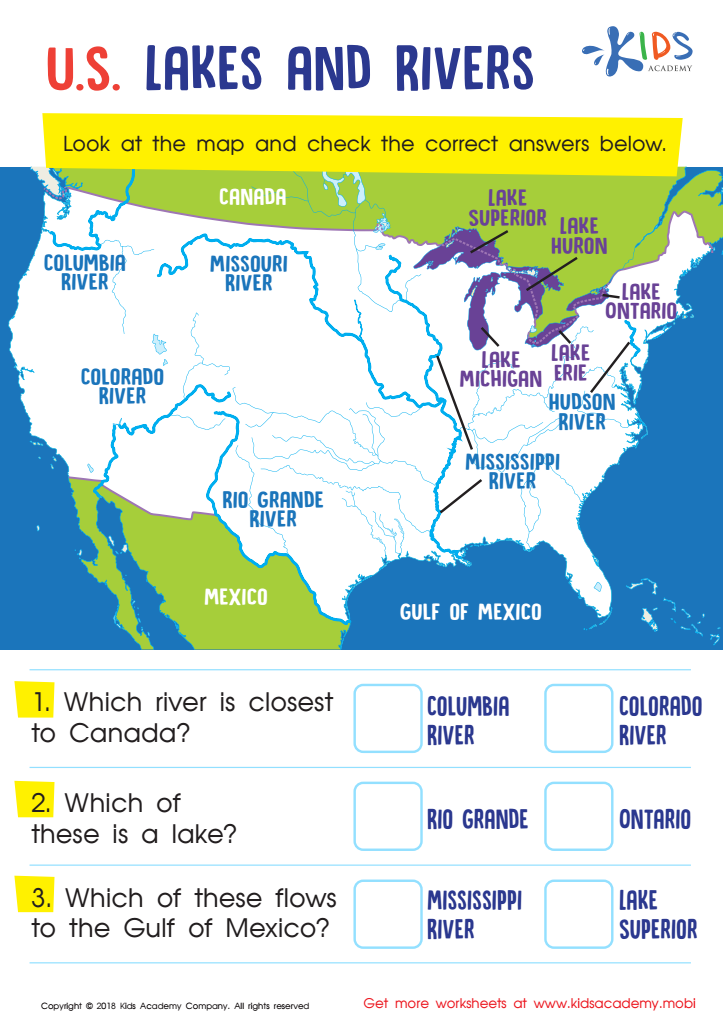
U.S. Lakes and Rivers Worksheet
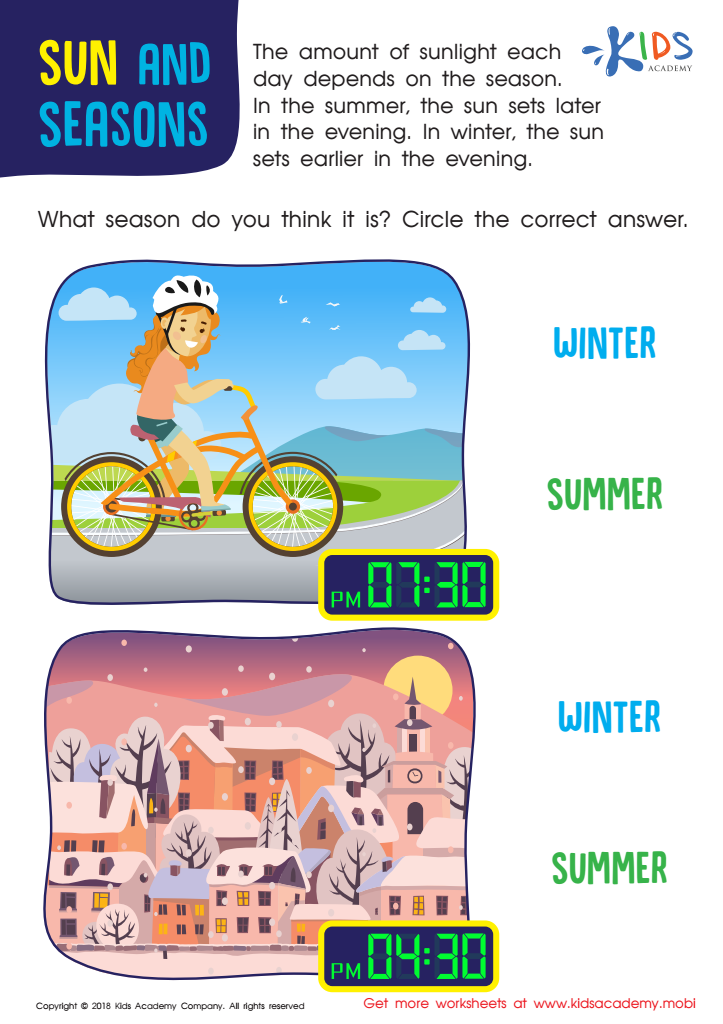
Sun and Seasons Worksheet
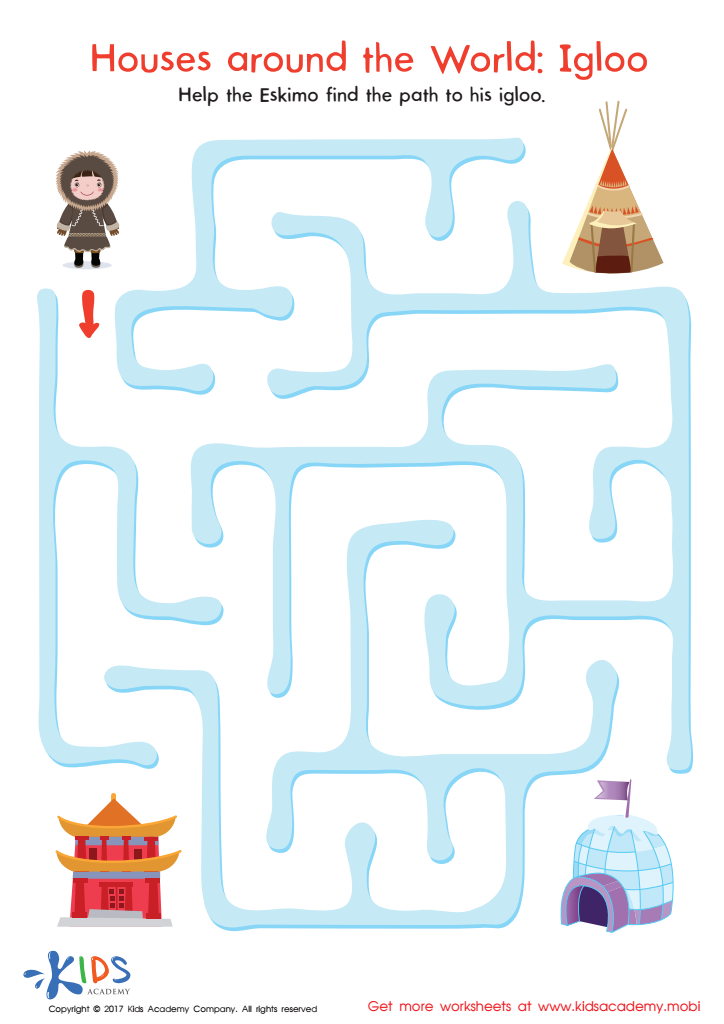
Houses Around the World: Igloo Printable
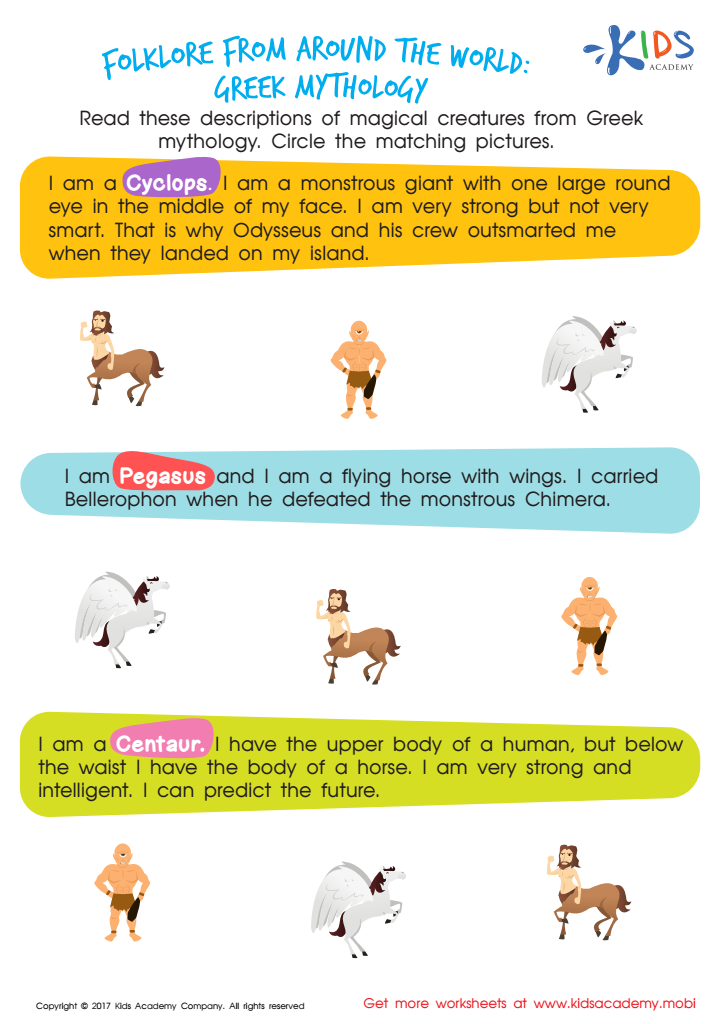
Greek Mythology Worksheet
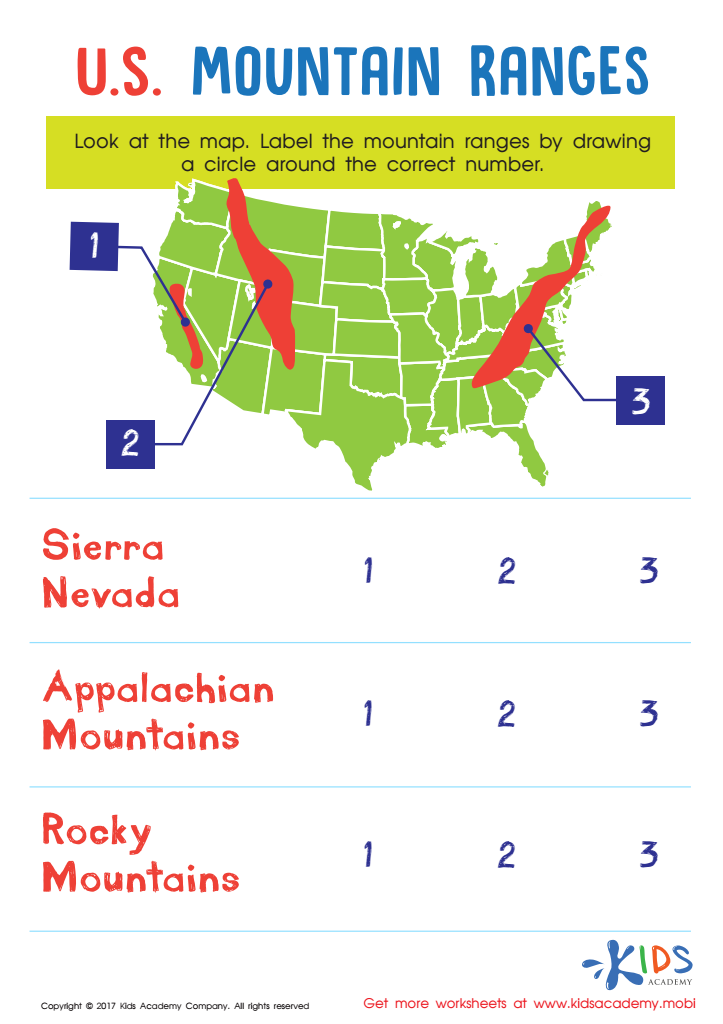
US Mountain Ranges Worksheet
Spring and Fall Worksheet
Assign to My Students
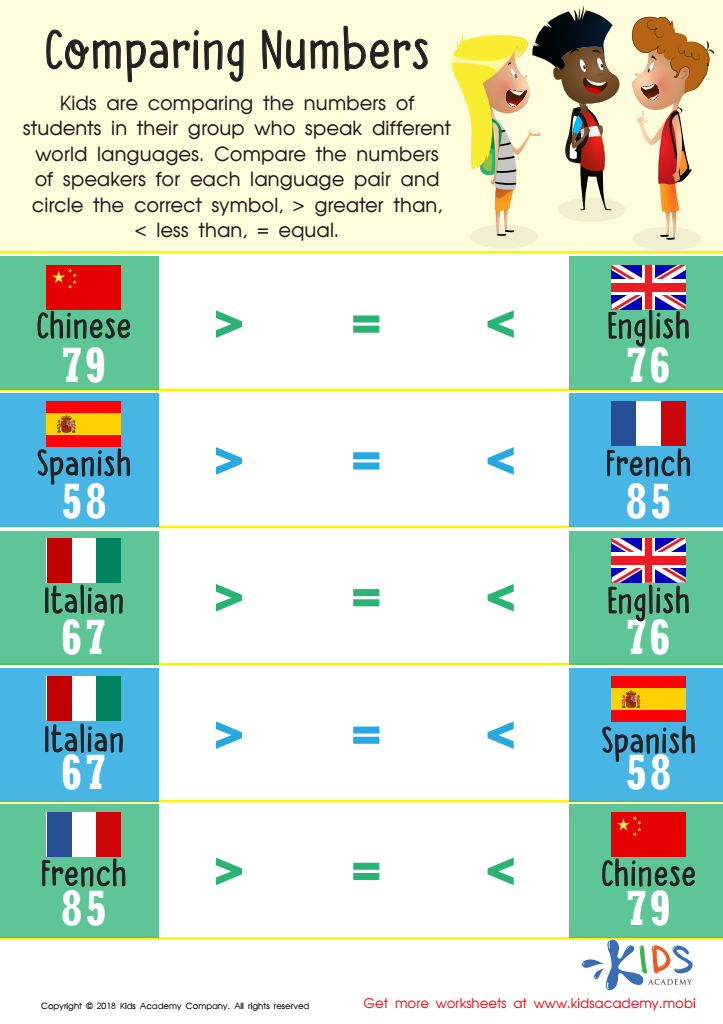
Comparing Numbers Worksheet for 1st Grade
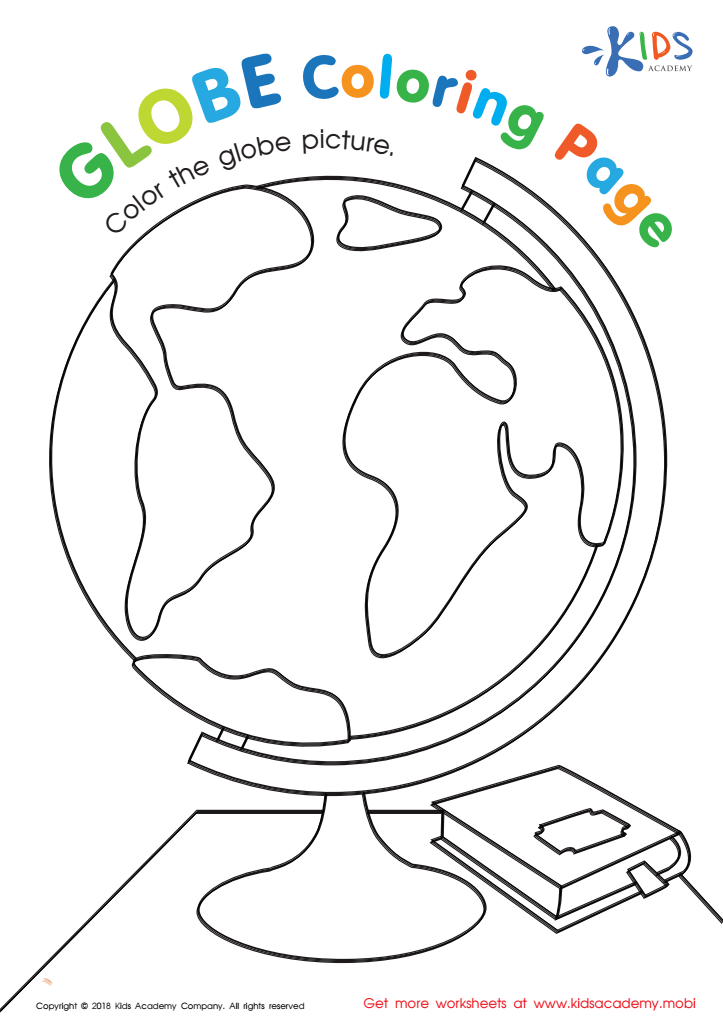
Globe Coloring Page Worksheet
Assign to My Students
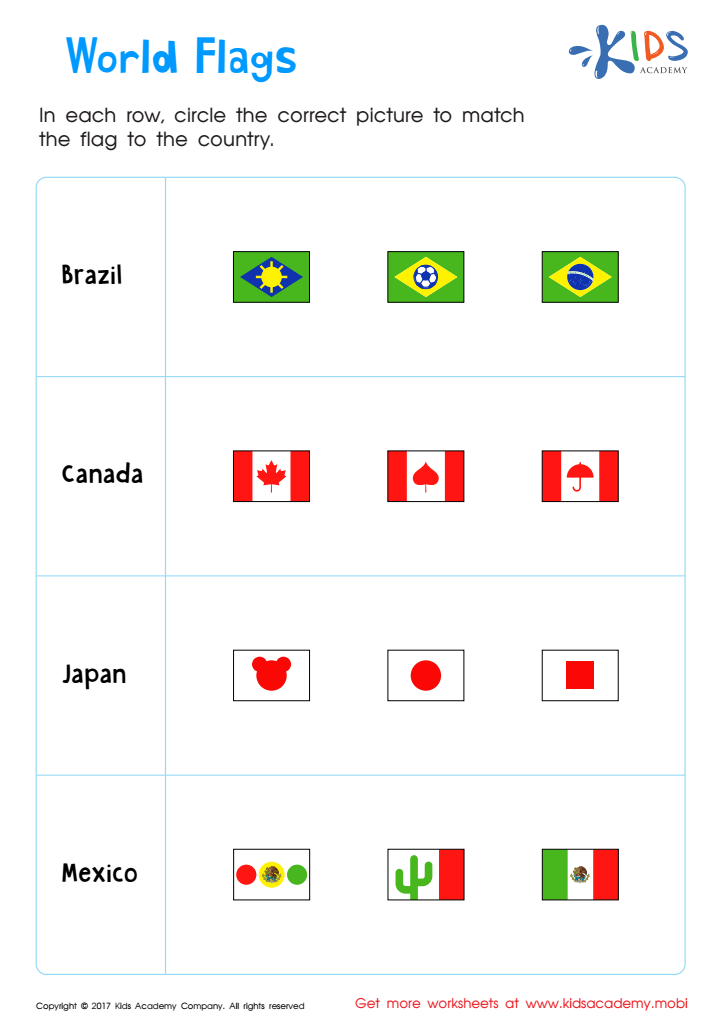
World Flags Printable
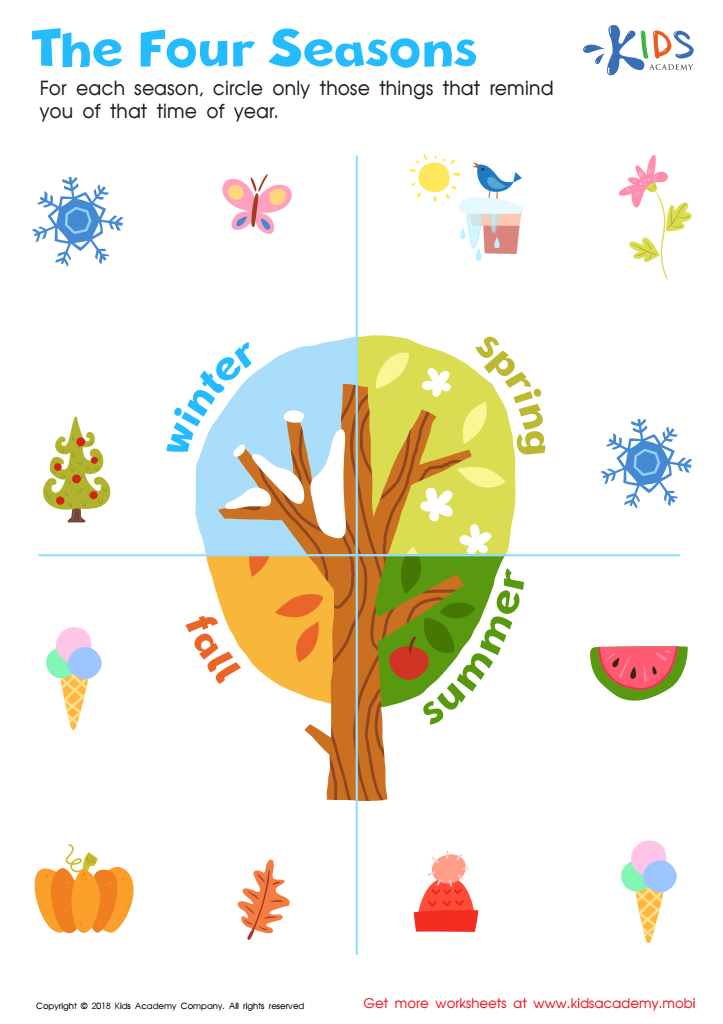
The Four Seasons Worksheet
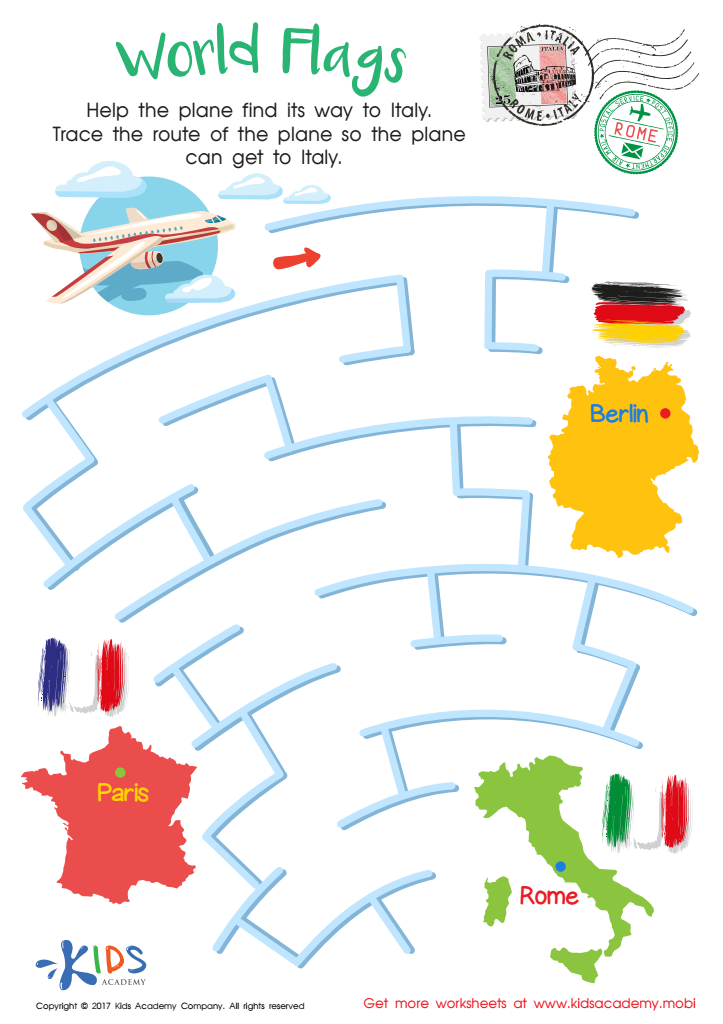
World Flags Maze Worksheet
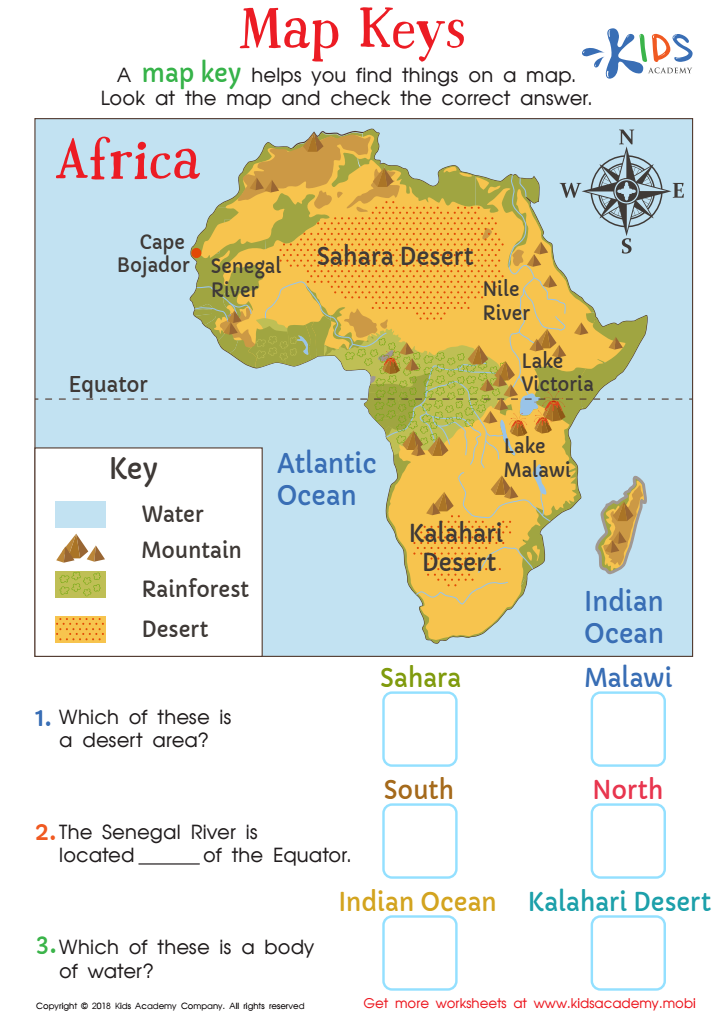
Map Keys Worksheet
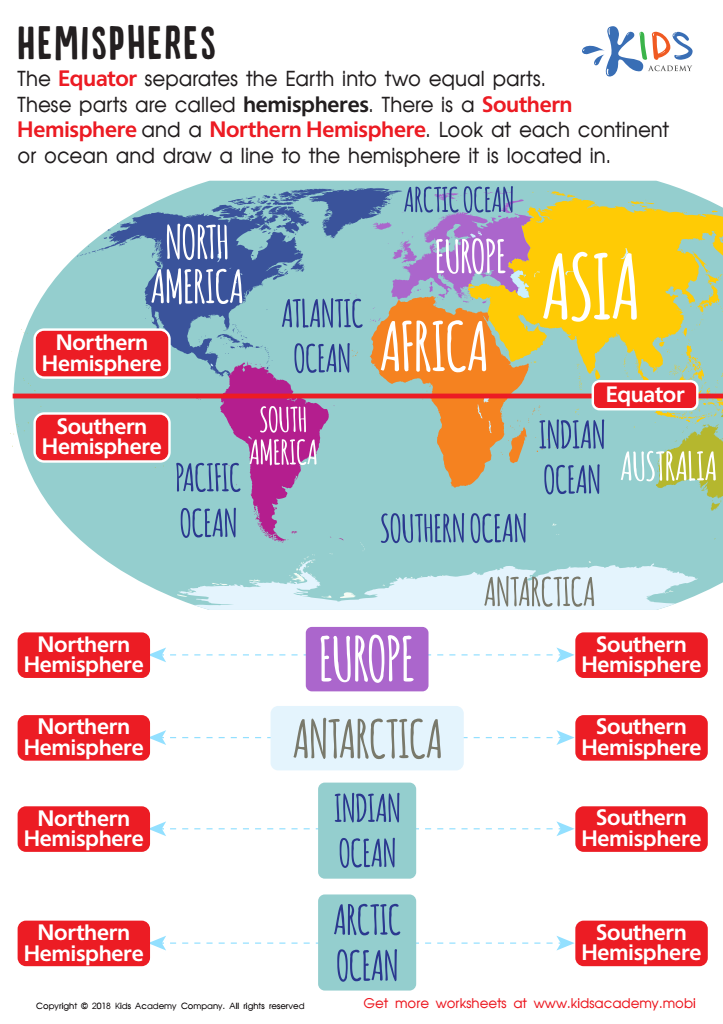
Hemispheres Worksheet






Geography plays a crucial role in the education of children aged 4-8, forming the foundation for their understanding of the world around them. At this age, children are naturally curious and eager to explore various environments, cultures, and people. By introducing geography, parents and teachers can nurture this curiosity, providing children with the tools needed to make sense of their surroundings.
With early geography education, children learn about maps, continents, and local communities, helping them develop crucial spatial awareness and cognitive skills. Understanding geography also fosters appreciation for diversity and interconnectedness, encouraging respect and empathy towards different cultures and lifestyles.
Moreover, incorporating geography into early education can support literacy and numeracy by integrating maps, navigation, and even simple statistics about populations or weather patterns. It promotes critical thinking as children ask questions and seek answers about where they live, travel, and the broader world.
Overall, teaching geography to young learners lays the groundwork for their future academic journeys and helps them become informed global citizens. When parents and teachers prioritize geography, they empower children to engage with the planet thoughtfully and actively, inspiring lifelong exploration and learning.