History Worksheets for Ages 4-8 - Page 3
90 filtered results
-
From - To
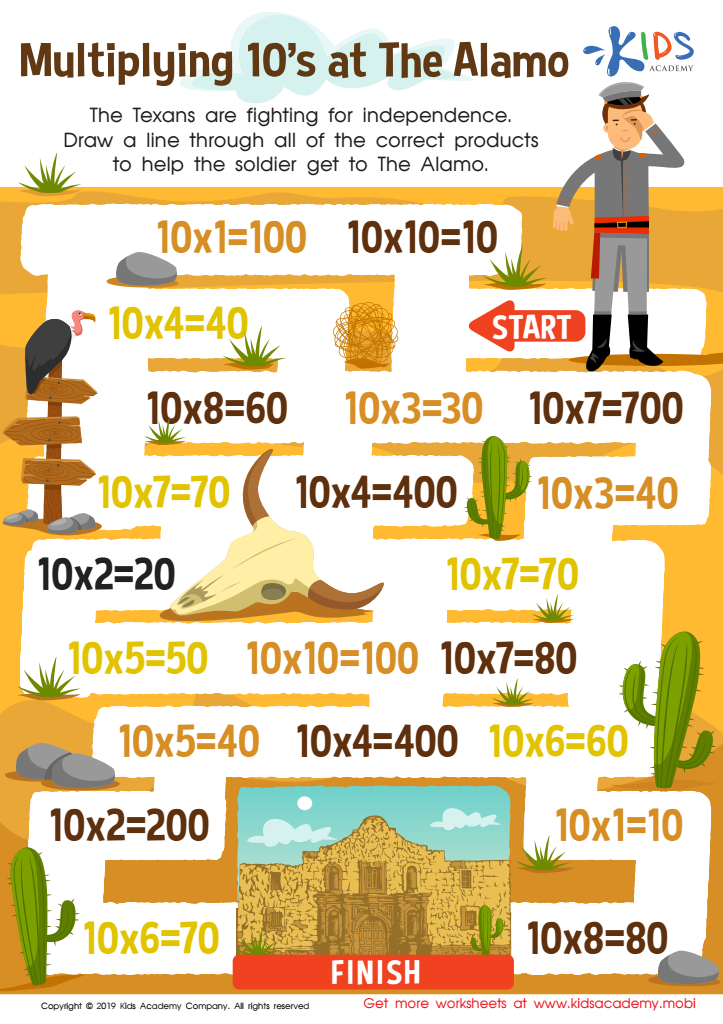
Multiplying 10’s at The Alamo Worksheet
 Assign to My Students
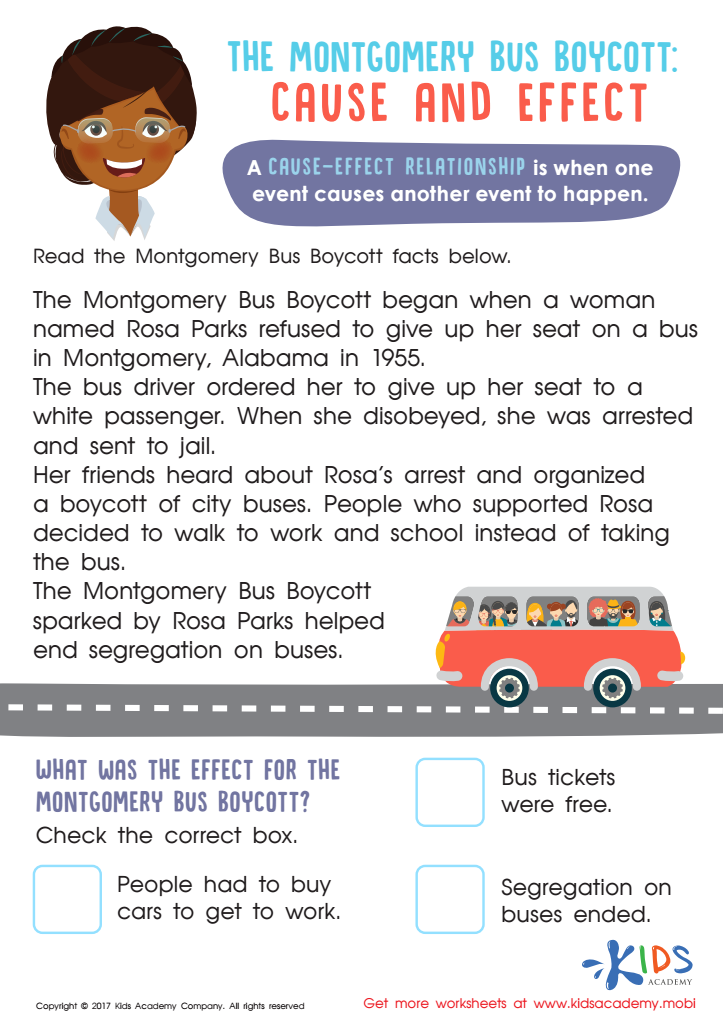
The Montgomery Bus Boycott Cause and Effect Worksheet
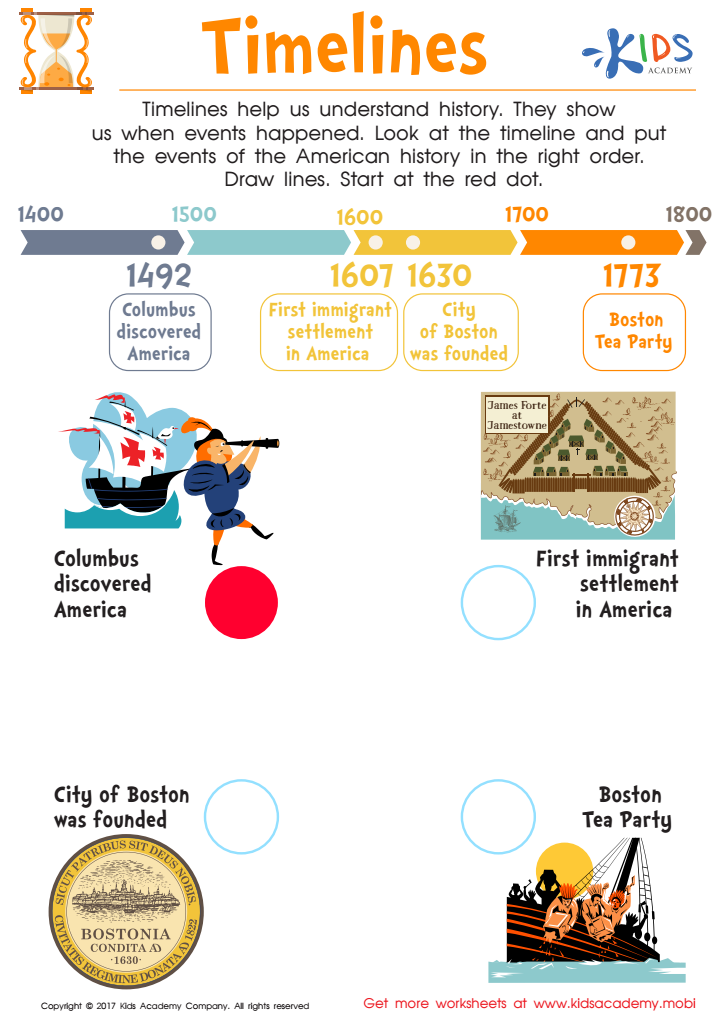
American History Timeline Worksheet
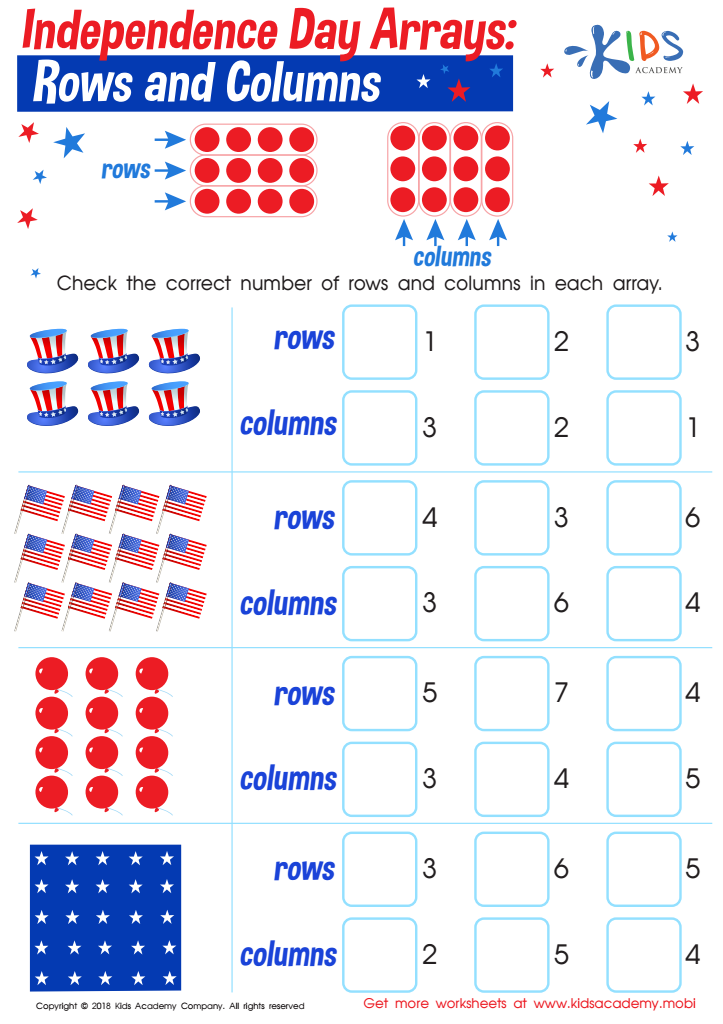
Independence Day Arrays: Rows and Columns Worksheet
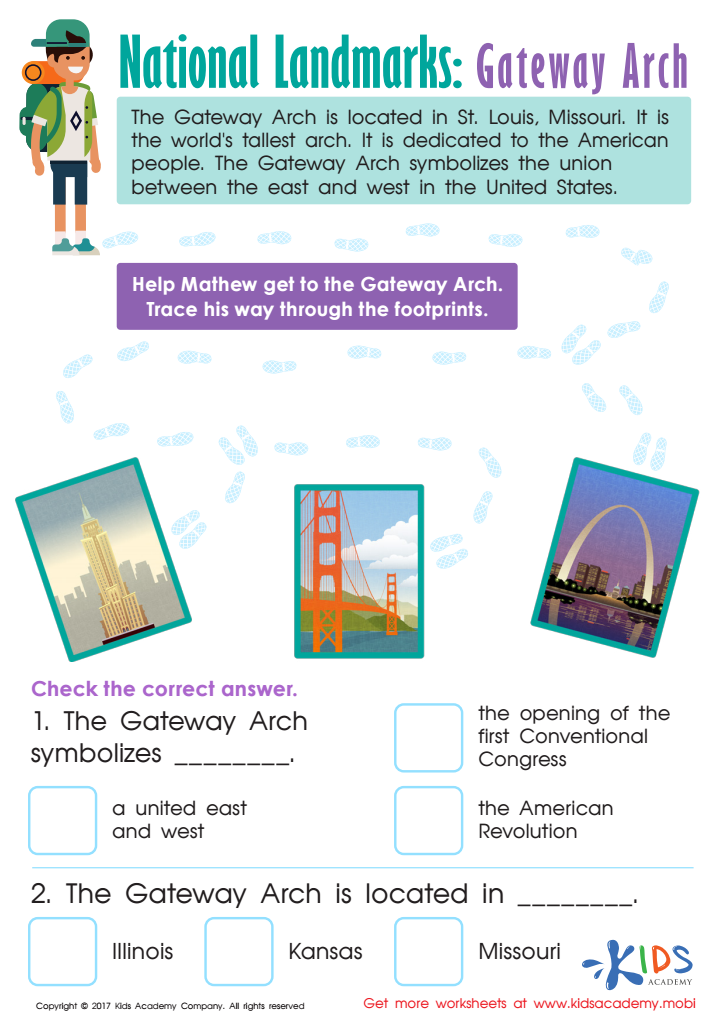
Gateway Arch Printable Worksheet
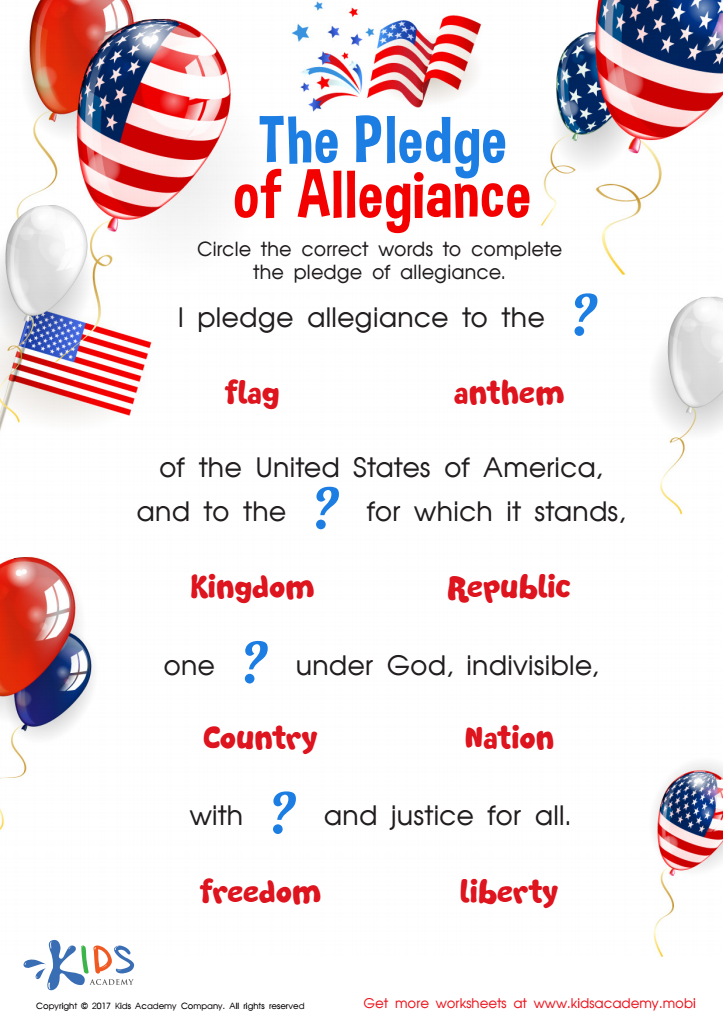
The Pledge of Allegiance Worksheet
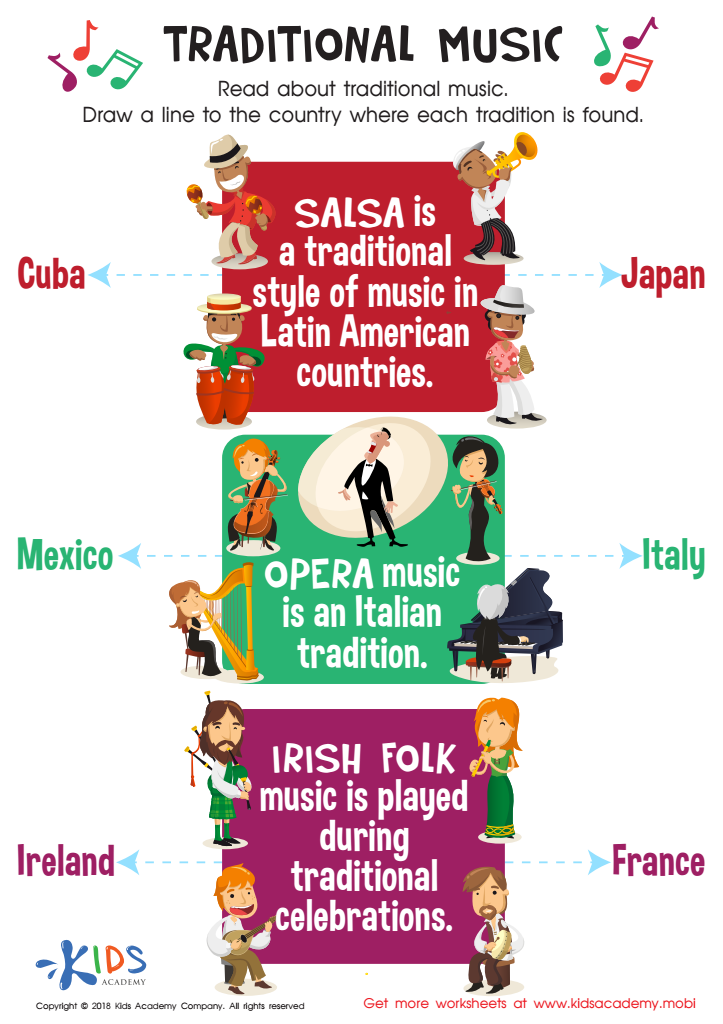
Traditional Music Worksheet
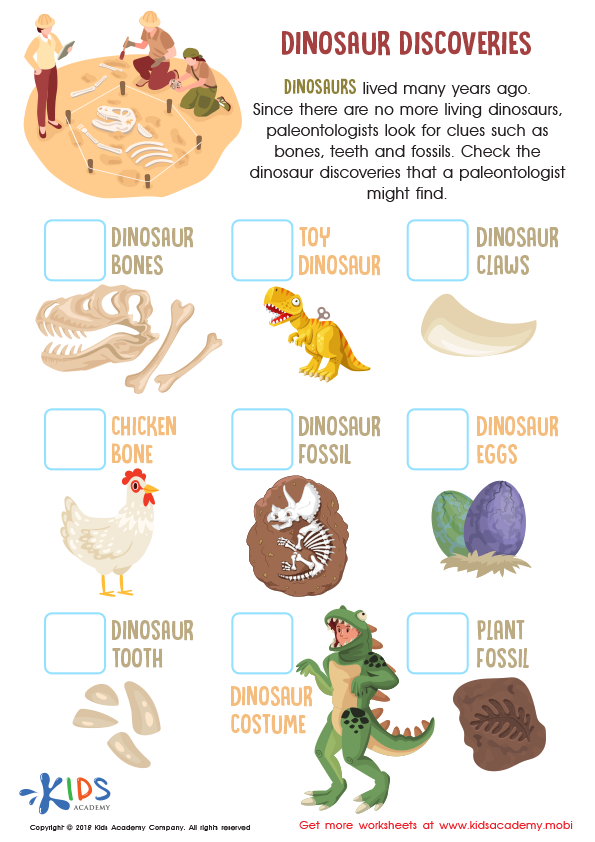
Dinosaur Discoveries Worksheet
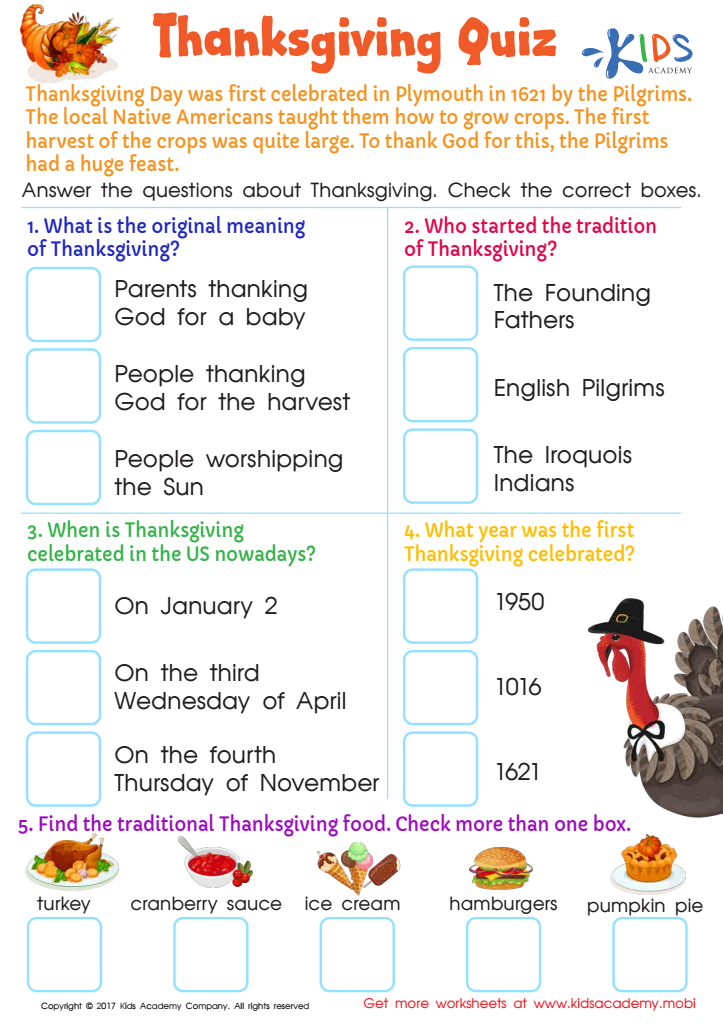
Thanksgiving Quiz Worksheet
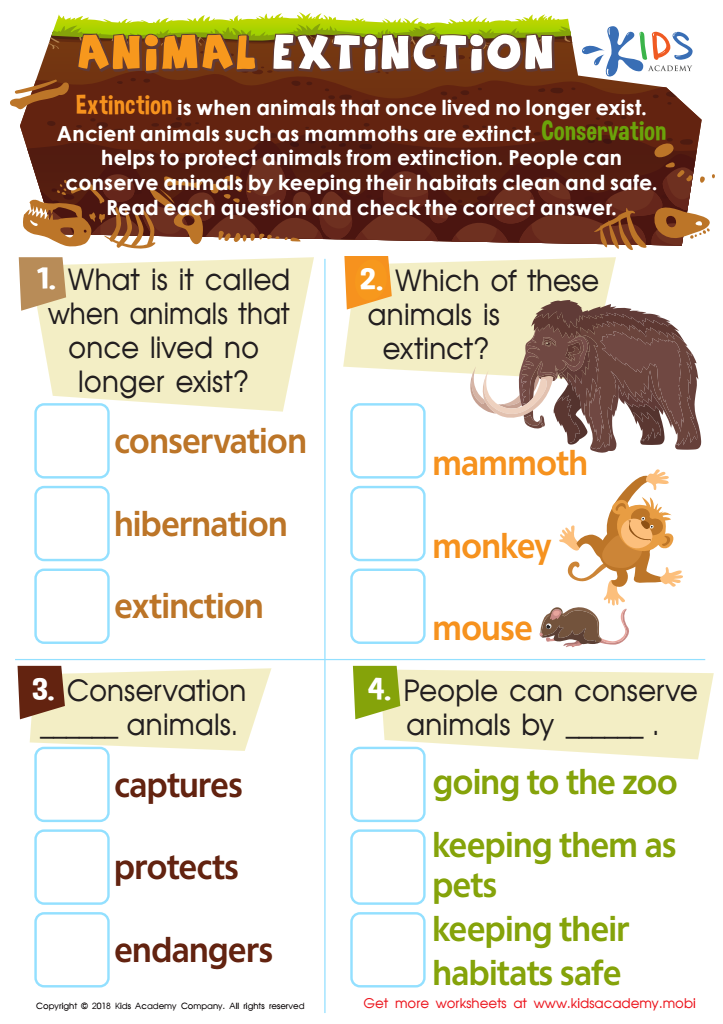
Animal Extinction Worksheet
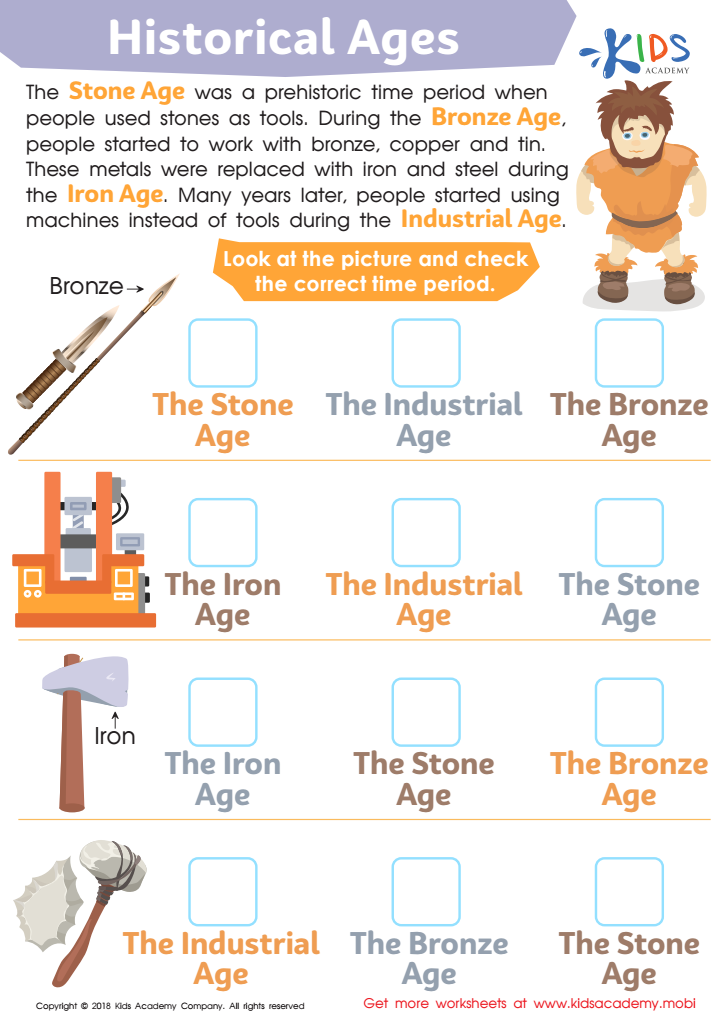
Historical Ages Worksheet
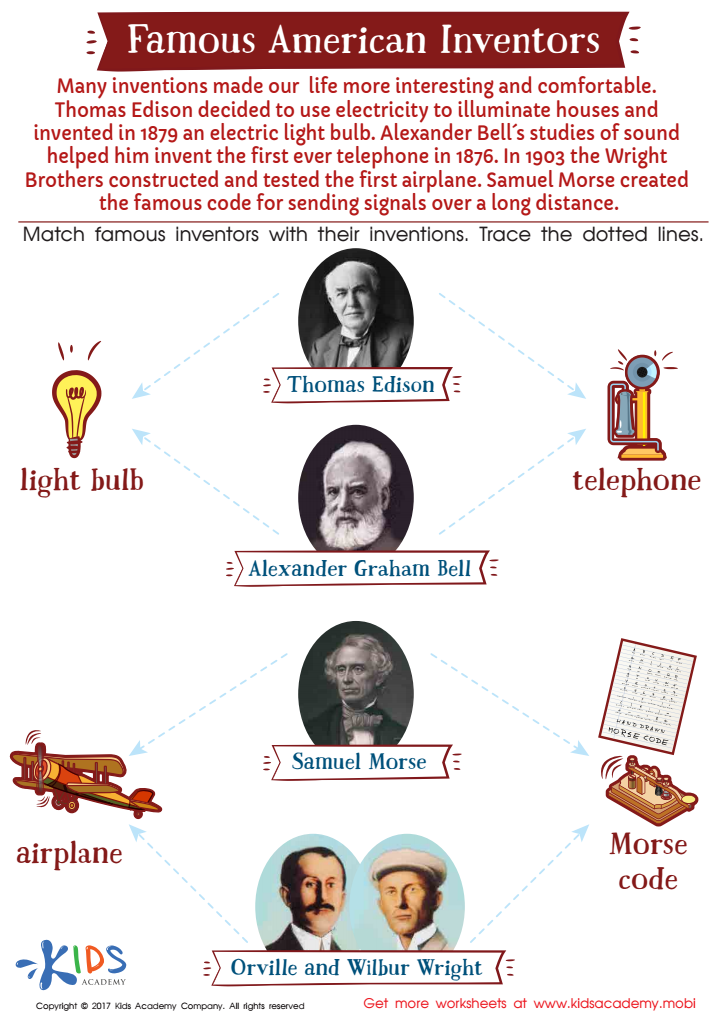
Famous American Inventors Worksheet
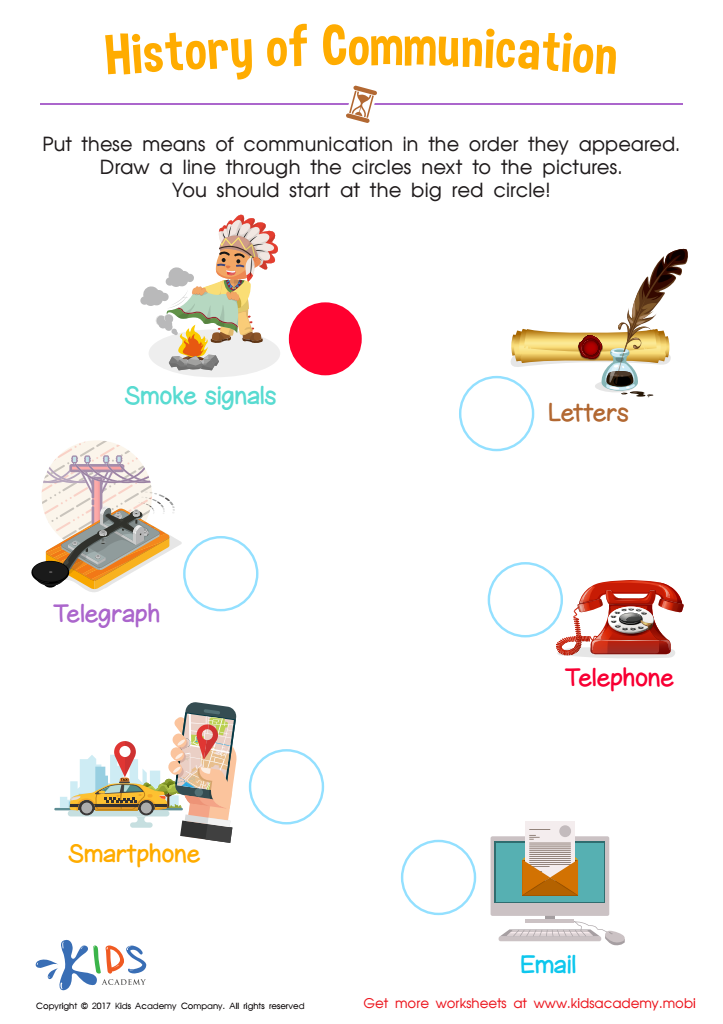
History of Communication Worksheet

Christmas Holiday Worksheet

The Multiplication Mayflower Maze Worksheet
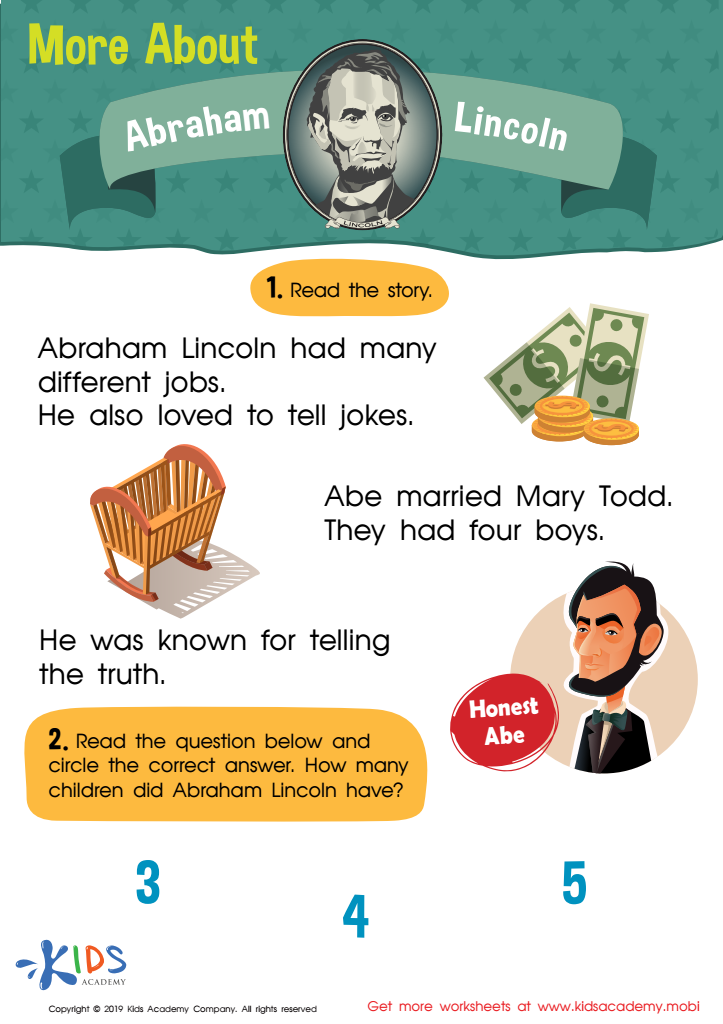
More About Abraham Lincoln Worksheet
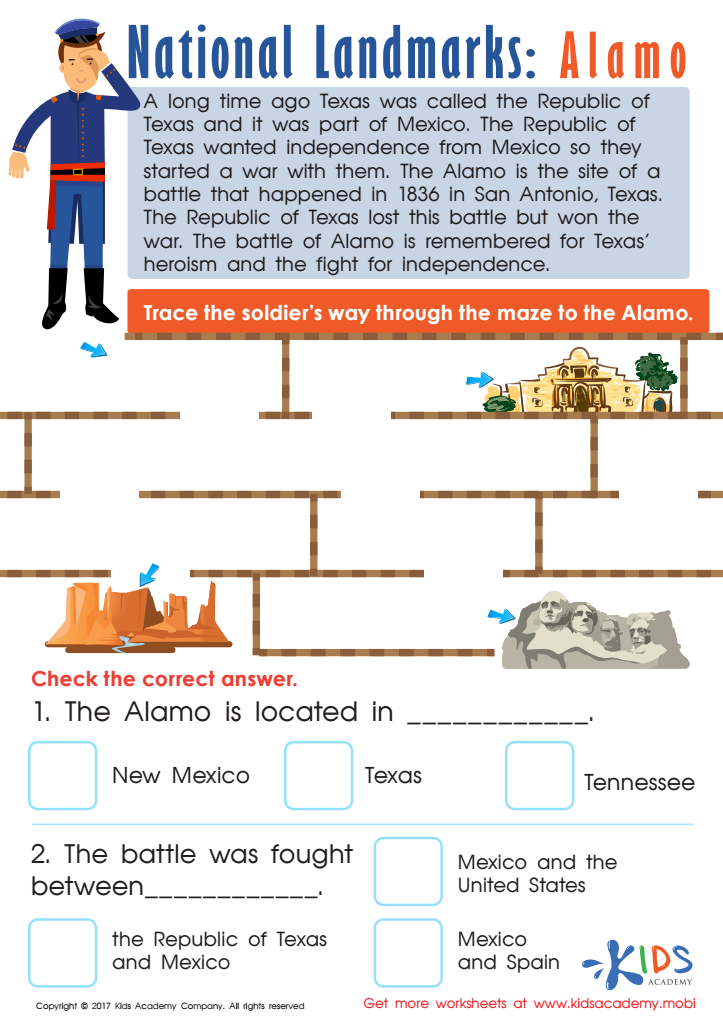
Alamo Printable Worksheet
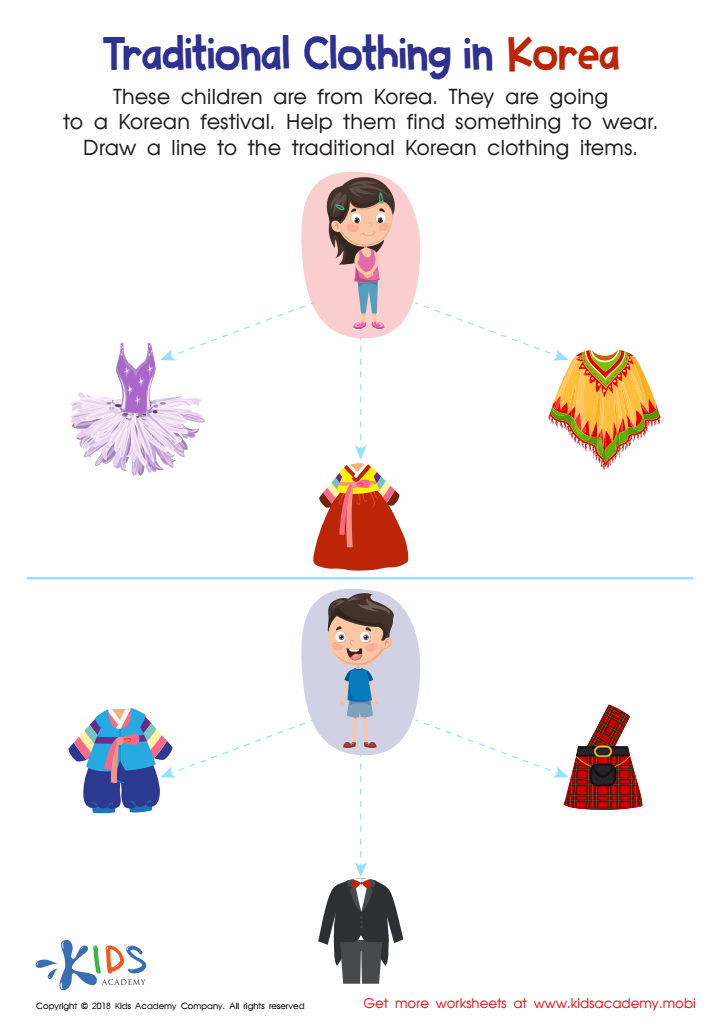
Traditional Clothing in Korea Worksheet
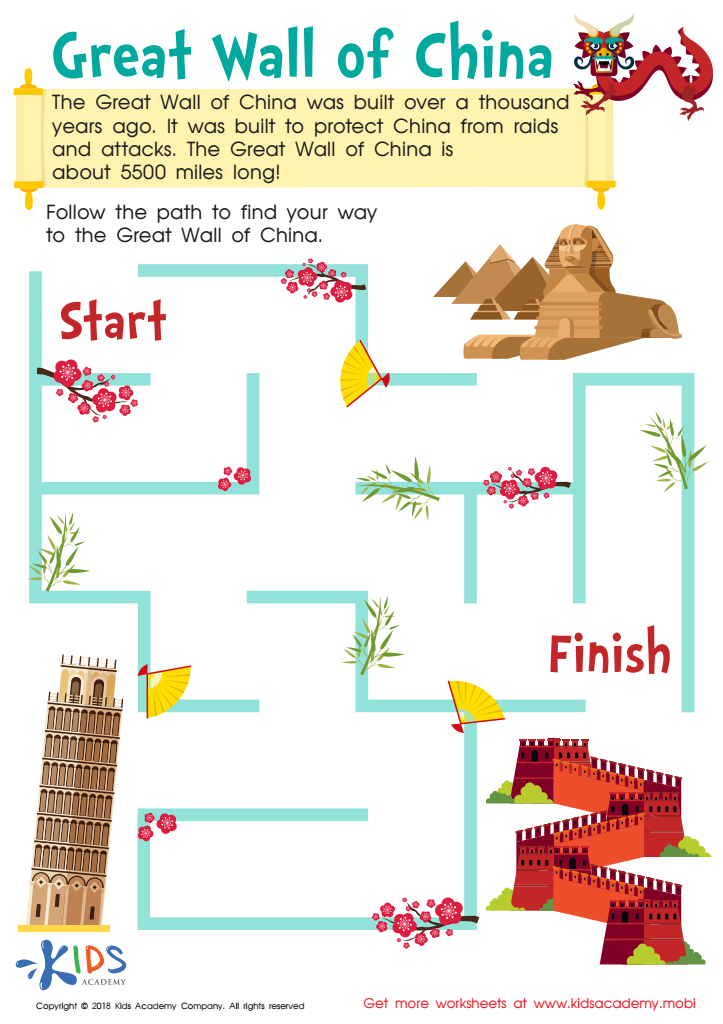
Great Wall of China Worksheet
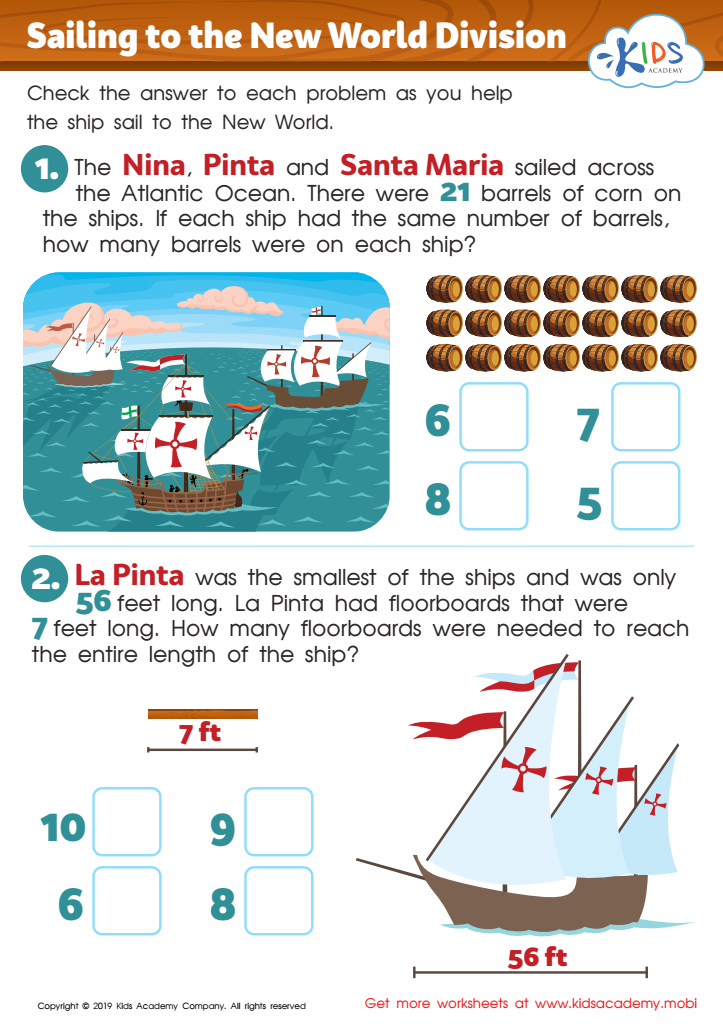
Sailing to the New World Division Worksheet
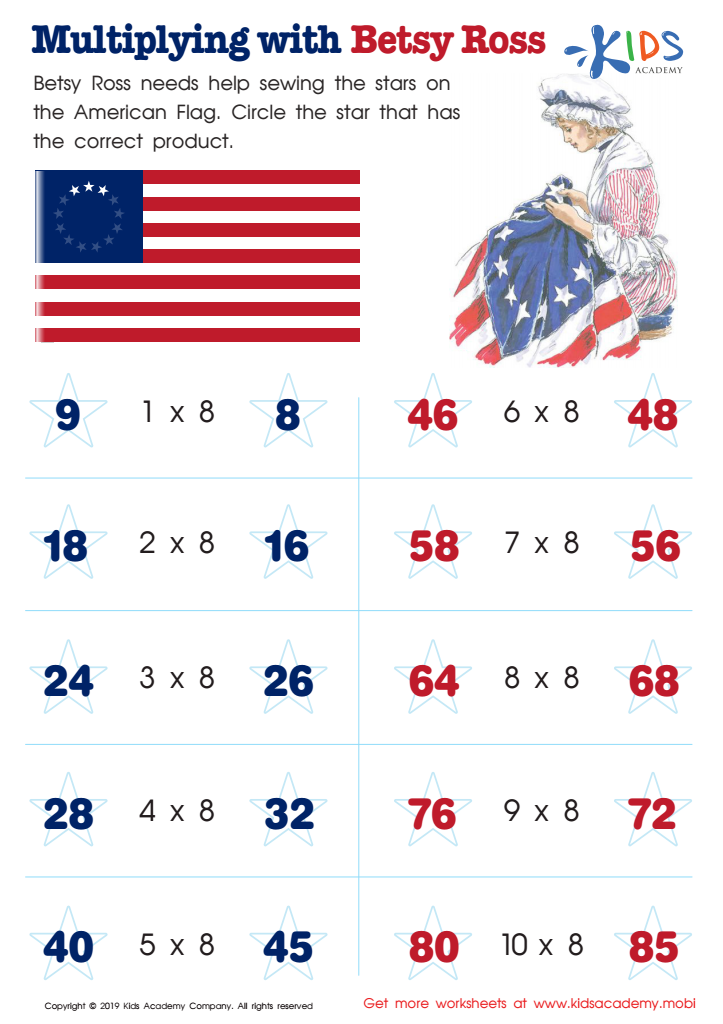
Multiplying with Betsy Ross Worksheet
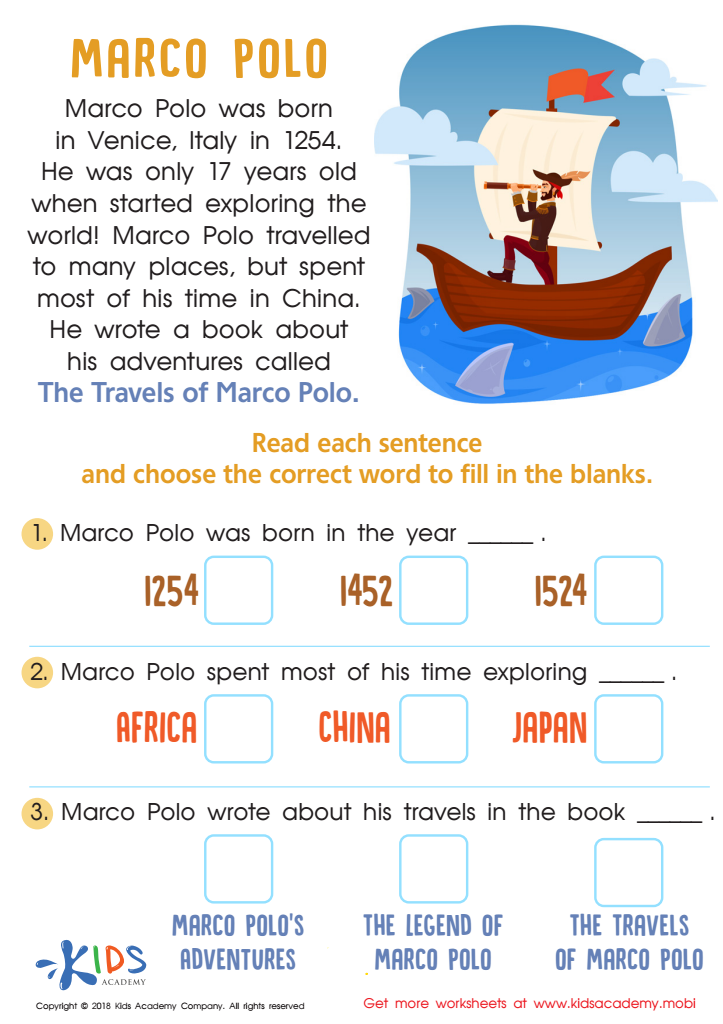
Marco Polo Worksheet
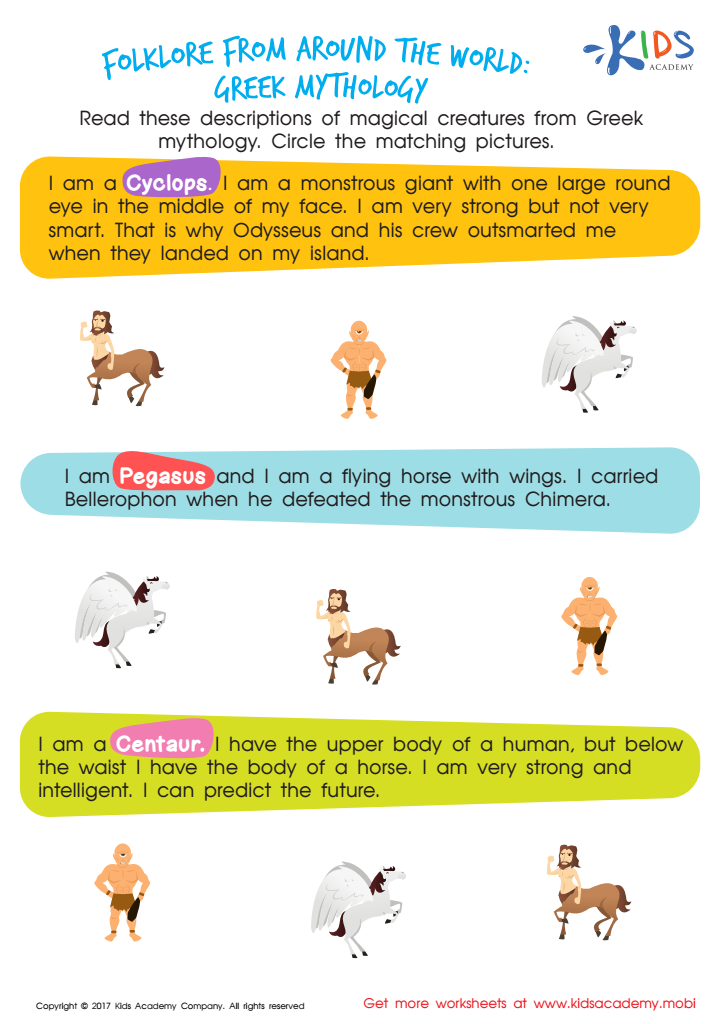
Greek Mythology Worksheet
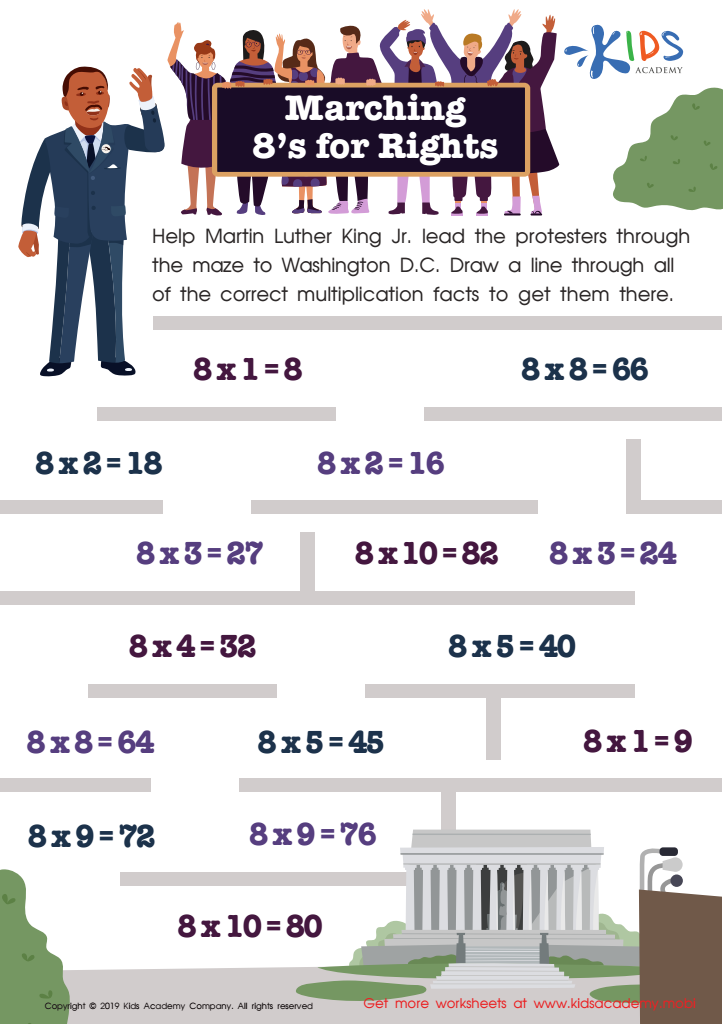
Marching 8’s for Rights Worksheet


.jpg)





Introducing history to children aged 4-8 lays a strong foundation for their intellectual and emotional development. At this early stage, engaging with history sparks curiosity about the world, its cultures, and the events that have shaped it. History helps children understand time, sequence, and cause-and-effect relationships, skills crucial for critical thinking.
Learning about diverse cultures and past events fosters empathy and open-mindedness. When children hear stories about people from different times and places, they develop an appreciation for diversity and a more inclusive worldview. History also provides moral lessons; tales of courage, justice, and perseverance can inspire children and help them develop their own values.
Furthermore, history can boost language and communication skills. When children listen to and narrate historical stories, they expand their vocabulary and improve their ability to describe events and express their ideas coherently. History also encourages an intrinsic interest in reading and learning, promoting lifelong educational growth.
Inculcating an early interest in history nurtures informed citizens who understand the importance of context in current societal issues. By recognizing past mistakes and achievements, children are better equipped to contribute to a thoughtful, proactive community in the future. Thus, history is a key component of a well-rounded education that helps shape intelligent, empathetic, and responsible individuals.