Tracing Words Worksheets for Ages 4-8 - Page 2
42 filtered results
-
From - To
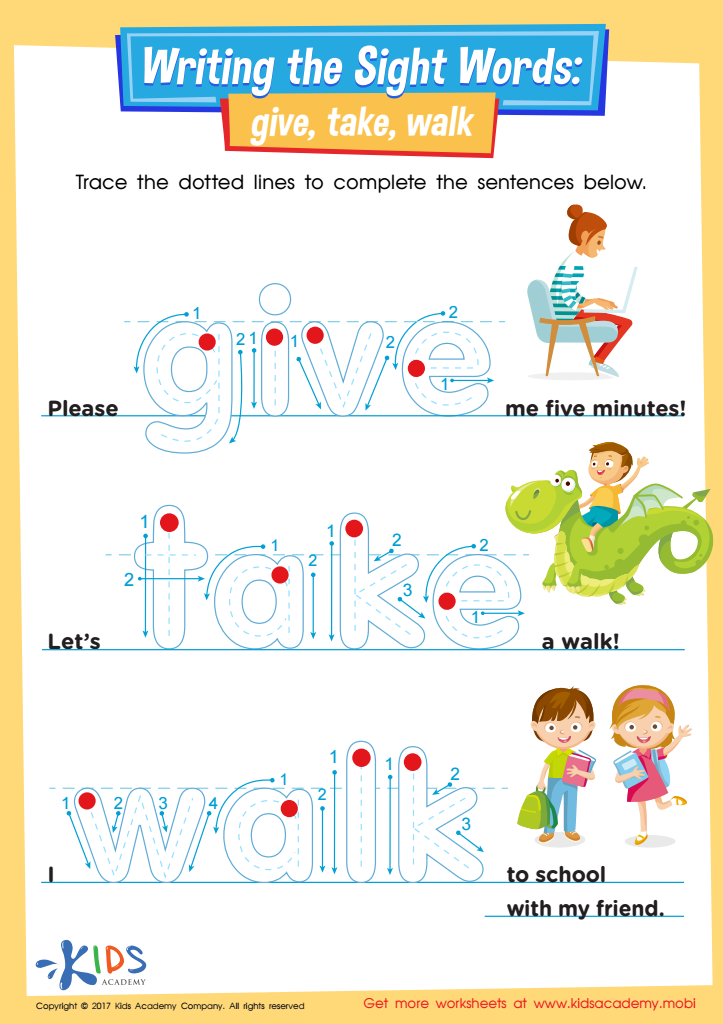
Give, Take, Walk Printable Sight Words Worksheet
 Assign to My Students
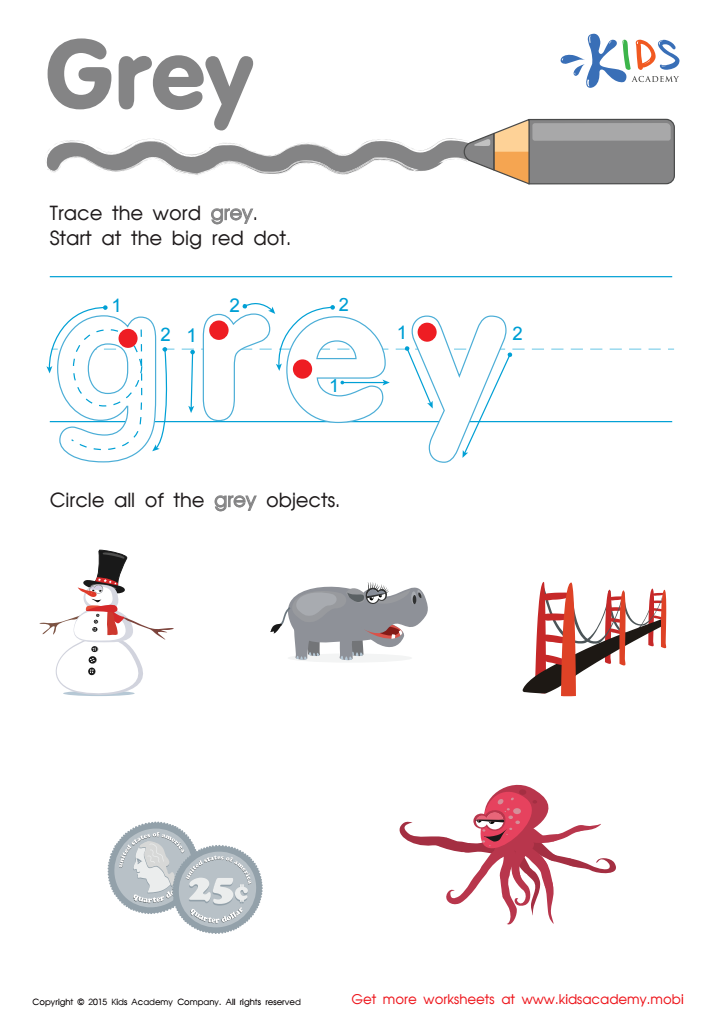
Grey Tracing Color Words Worksheet
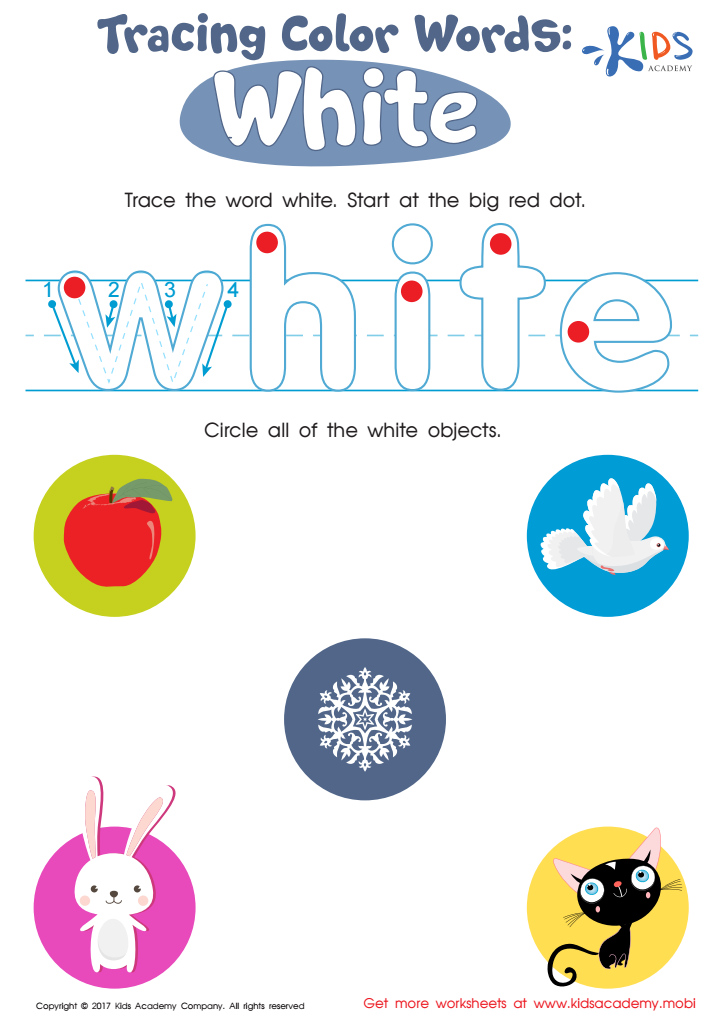
White Tracing Color Words Worksheet
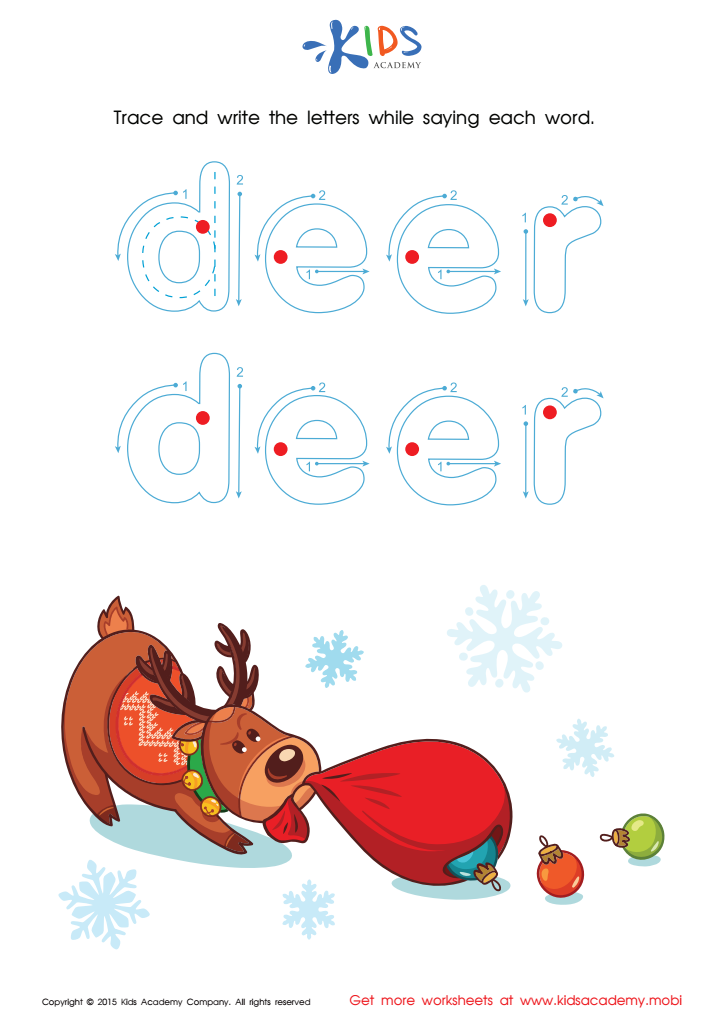
Deer Tracing Winter Words Worksheet
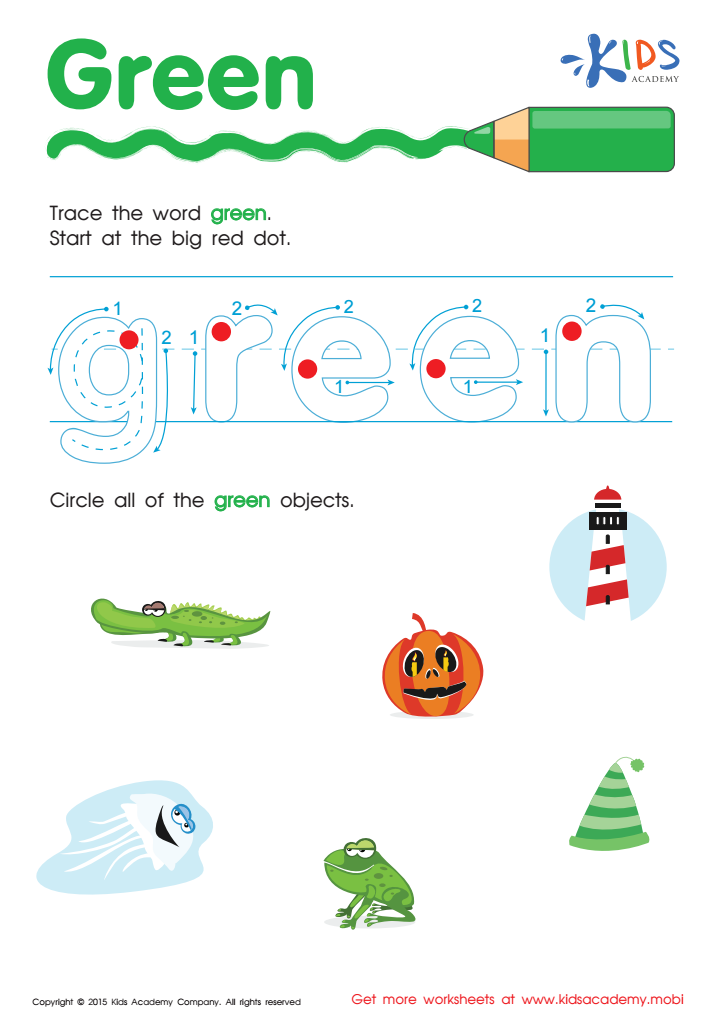
Green Tracing Color Words Worksheet
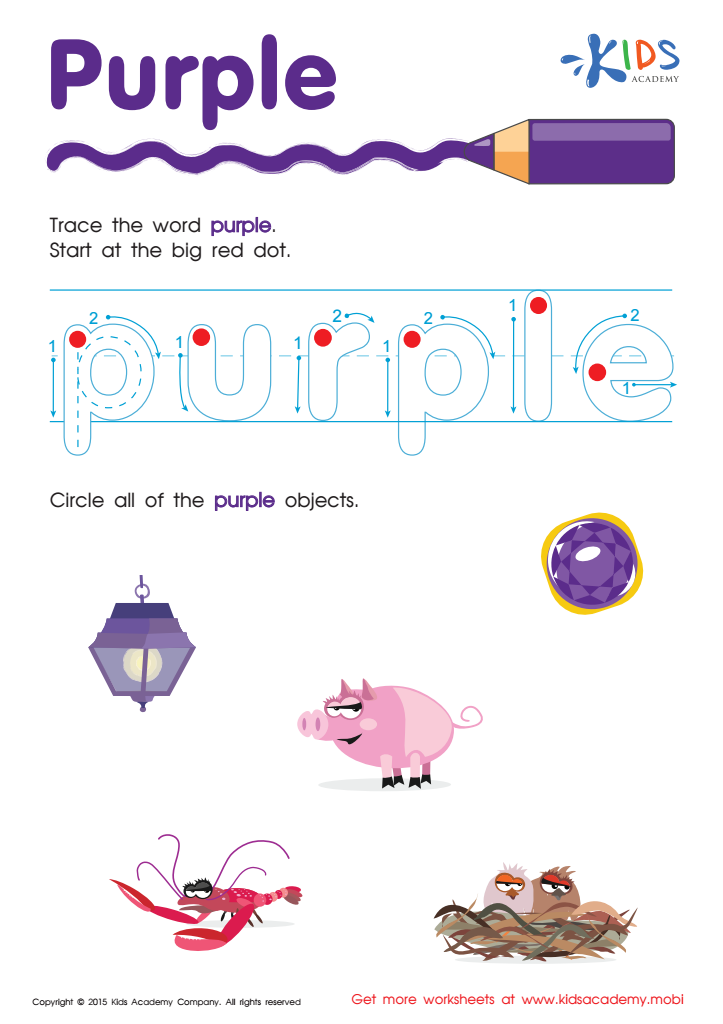
Purple Tracing Color Words Worksheet
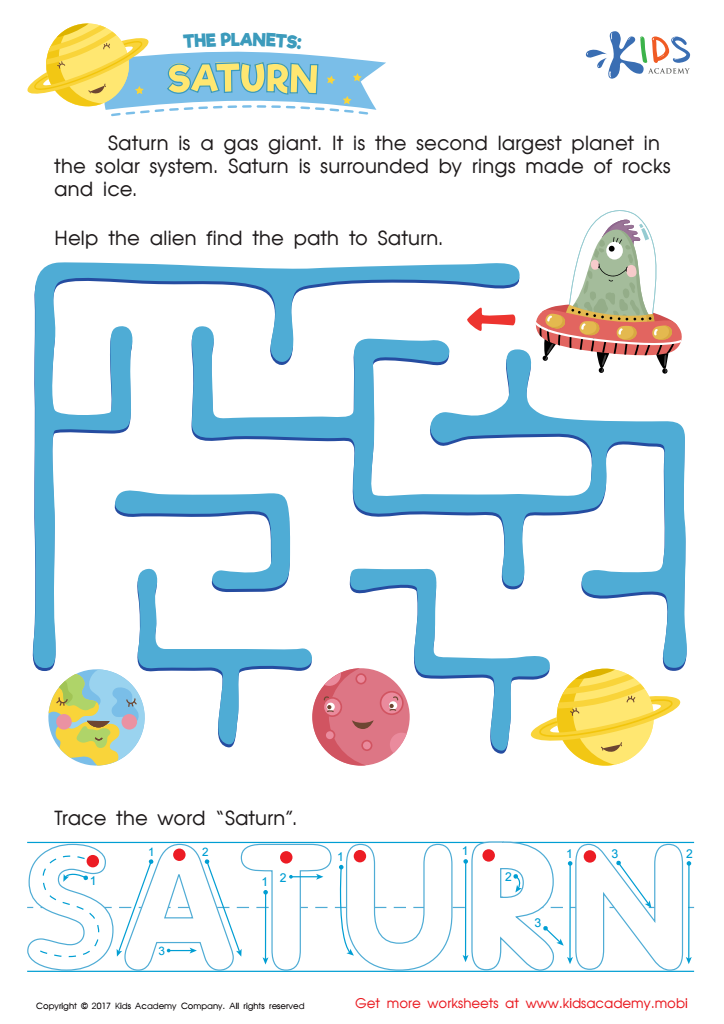
The Planets: Saturn Printable
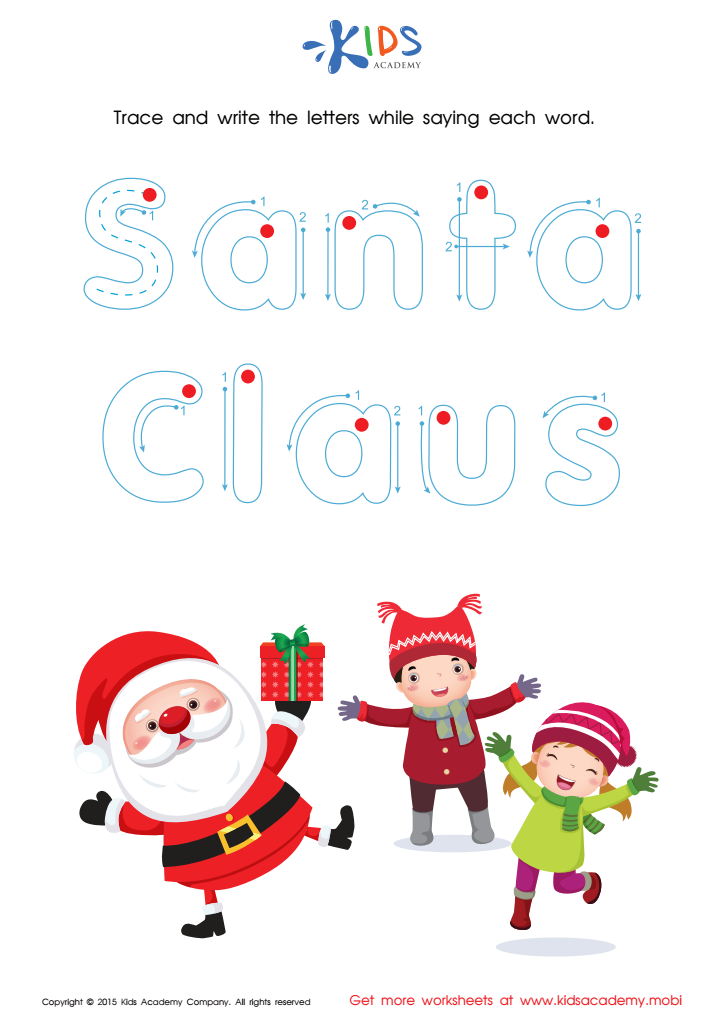
Santa Claus Tracing Winter Words Worksheet
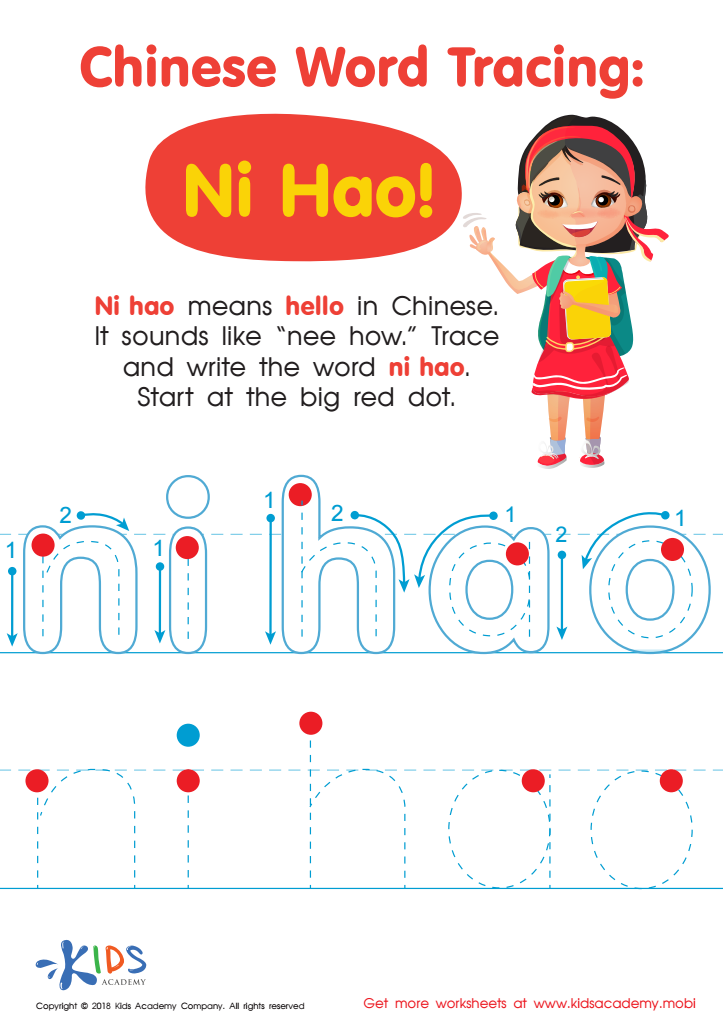
Chinese Word Tracing: Ni Hao Worksheet
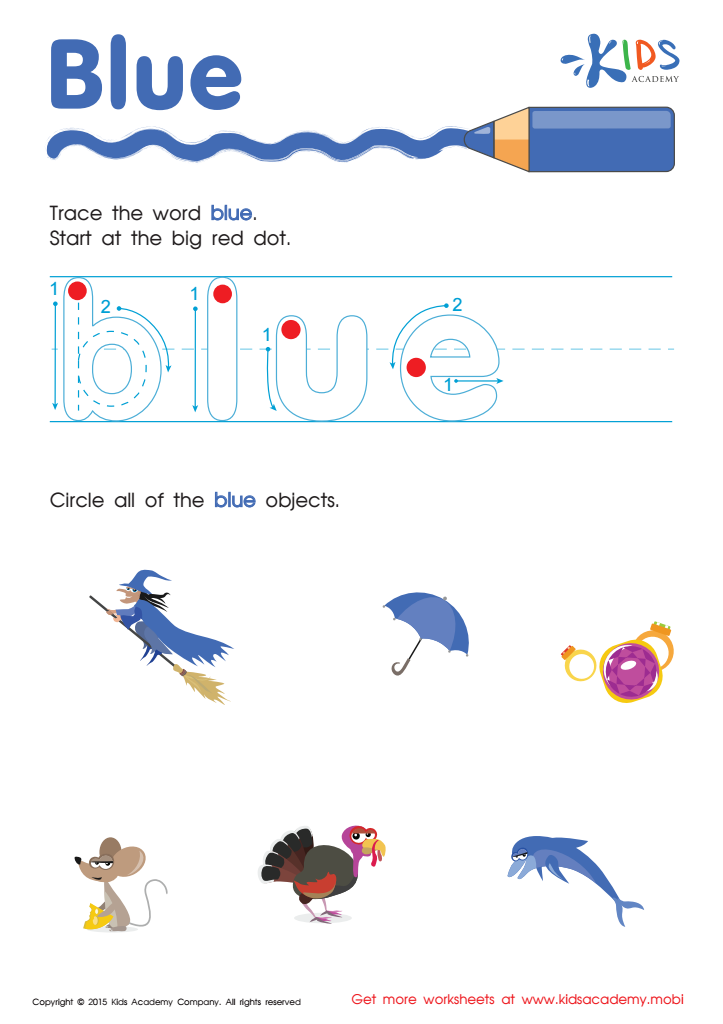
Blue Tracing Color Words Printable
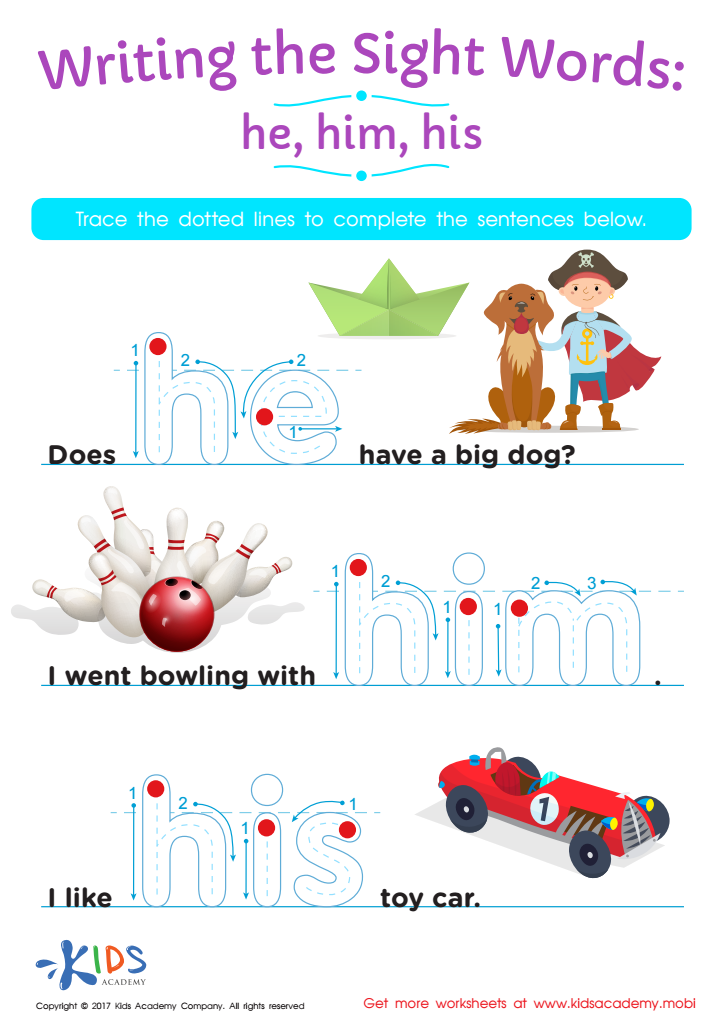
He, Him, His Printable Sight Words Worksheet
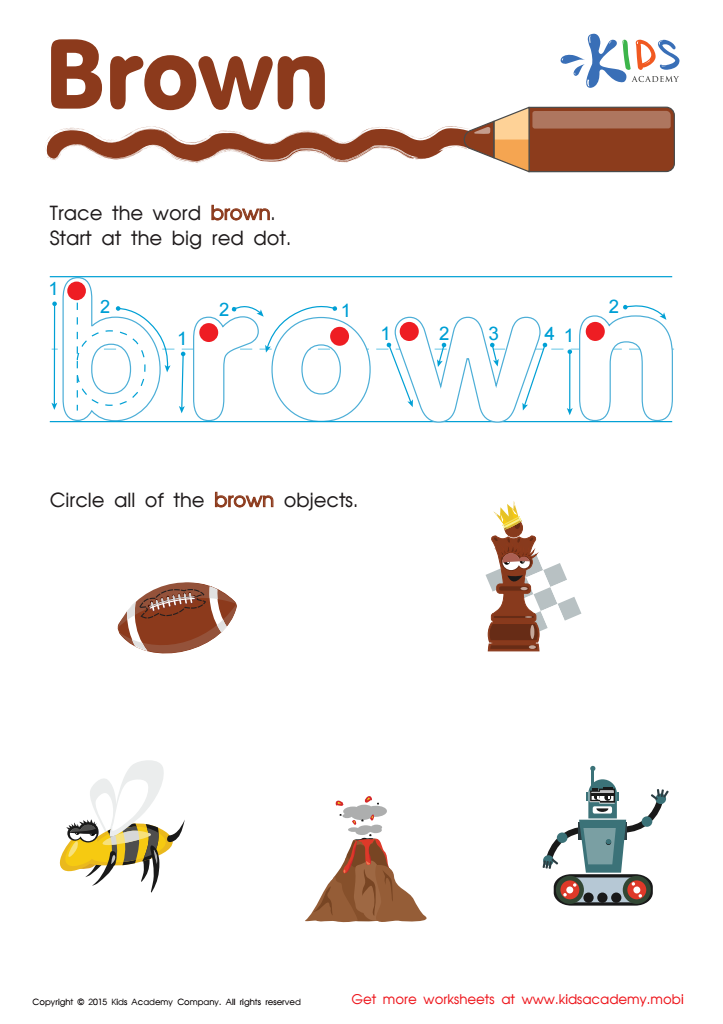
Brown Tracing Color Words Worksheet
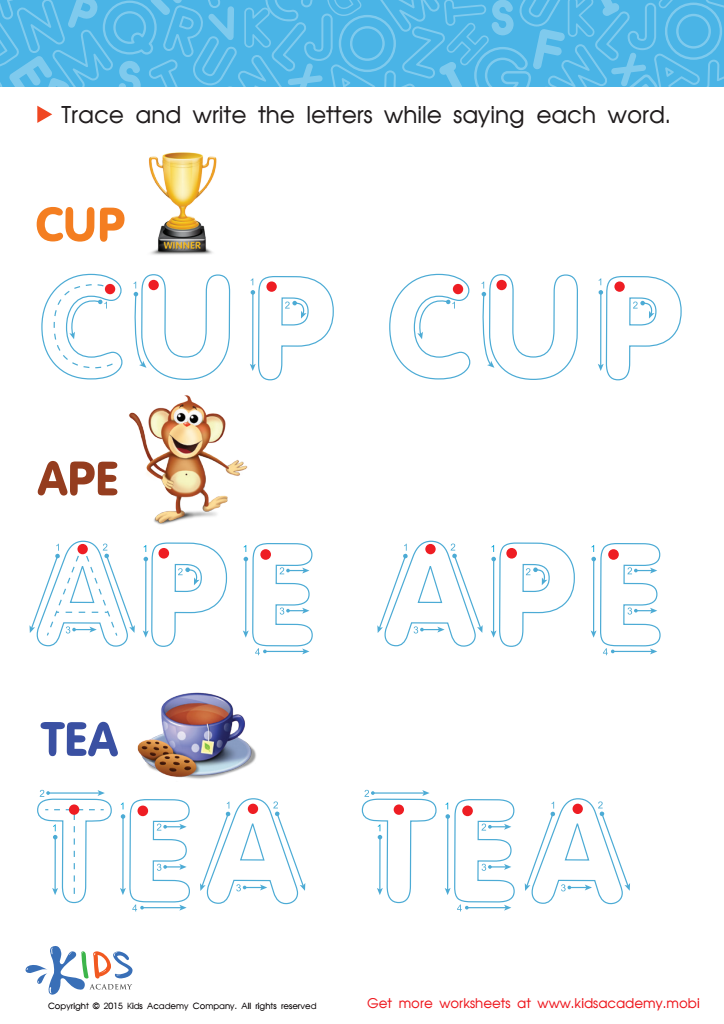
A Cup, an Ape and Tea Spelling Worksheet
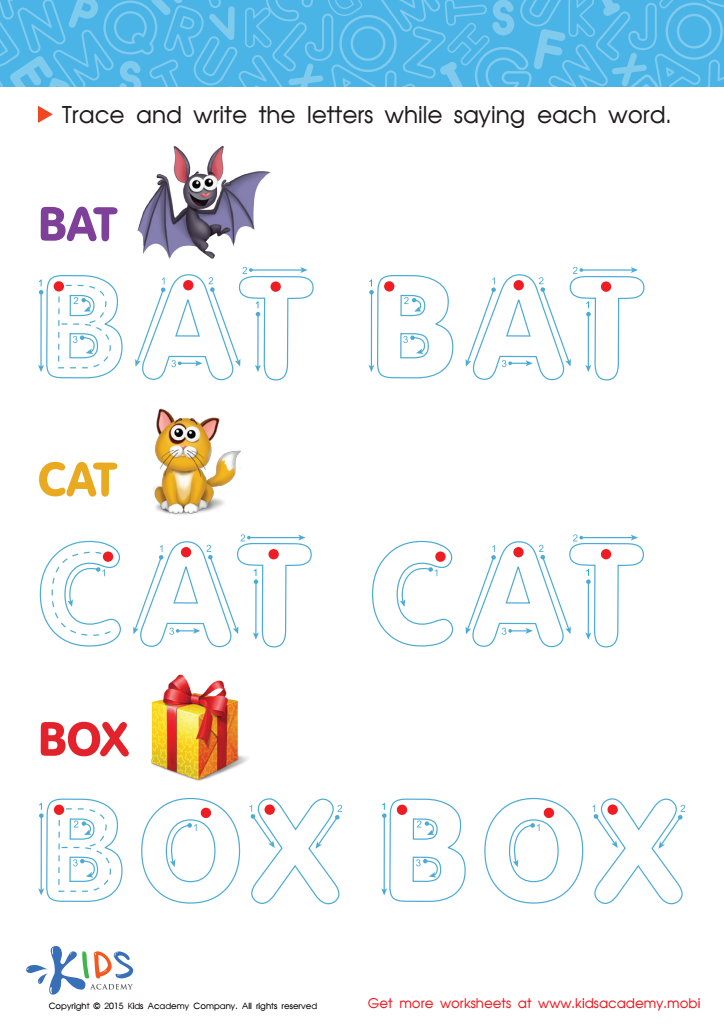
A Bat, a Cat and a Box Spelling Worksheet
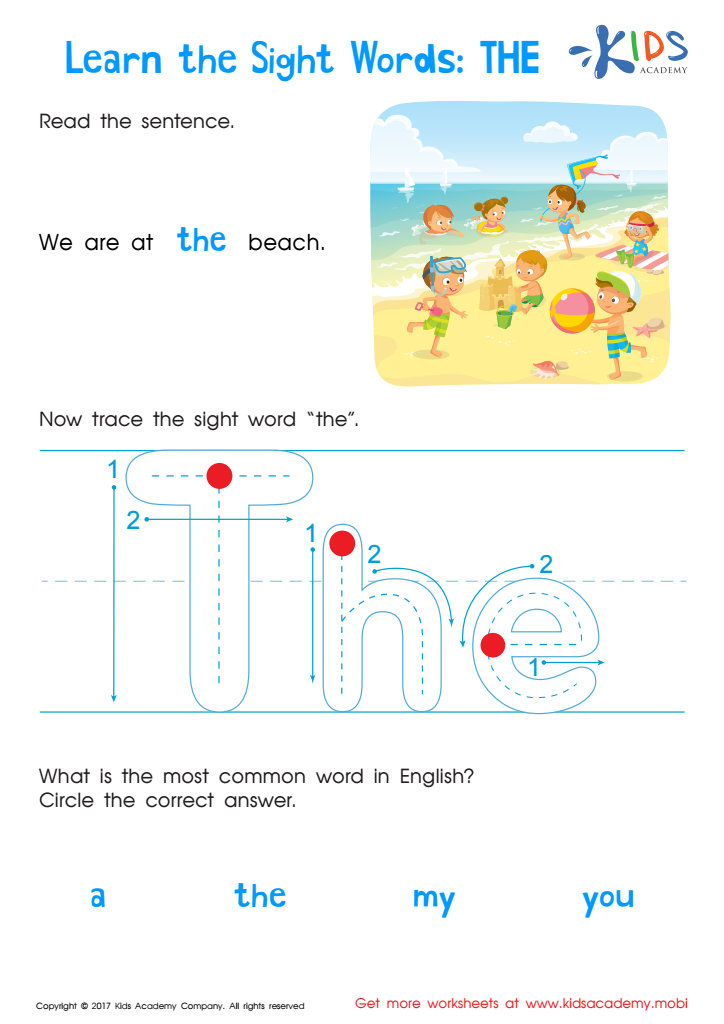
Sight Words: The Worksheet
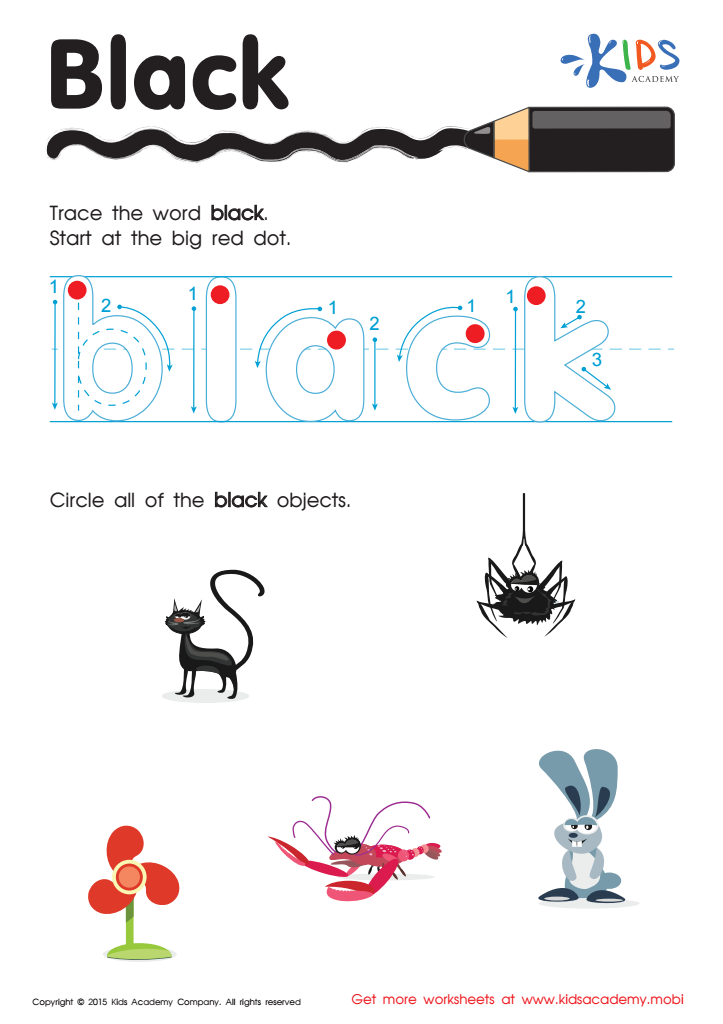
Black Tracing Color Words Printable
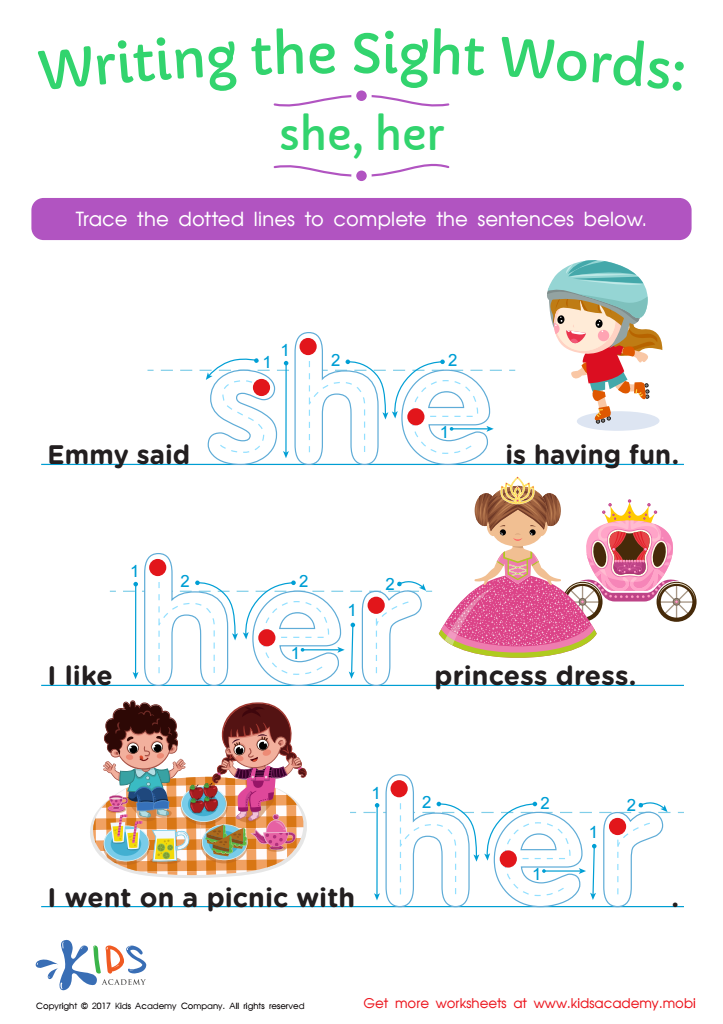
She, Her Printable Sight Words Worksheet
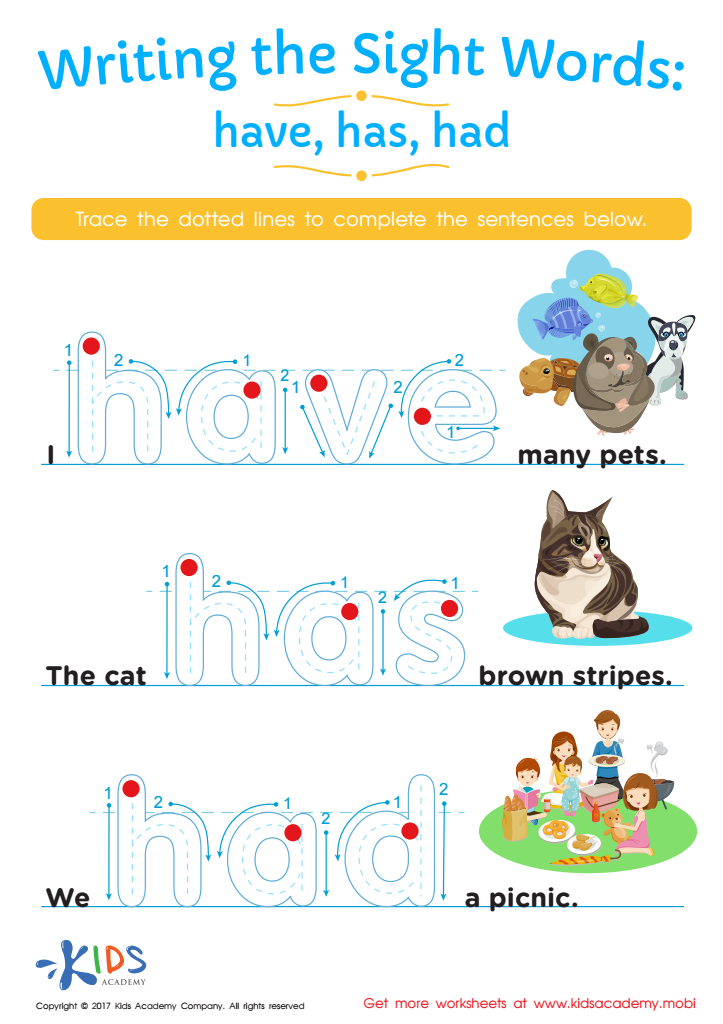
Have, Has, Had Worksheet Sight Words Worksheet








Parents and teachers should care about tracing words for ages 4-8 because it's fundamental to early childhood literacy and motor skills development. For this age group, refining fine motor skills is crucial, and tracing words is an effective way to strengthen the small muscles in the hands and fingers necessary for writing. It reinforces proper pencil grip, hand-eye coordination, and precise movements.
Tracing words also helps in letter recognition and phonemic awareness, which are building blocks for reading. By repeatedly tracing letters and words, children memorize their shapes and associated sounds, thereby enhancing their ability to decode words efficiently. Such activities foster familiarity with the alphabet and start establishing vocabulary, setting a solid foundation for fluent reading and effective communication.
Additionally, tracing words can cultivate children's concentration and patience. This ability to focus translates well into other areas of learning and daily activities. For parents and teachers, integrating tracing activities can also be an engaging way to keep learning fun and interactive. It activates sensory learning, which can be particularly helpful for kinesthetic learners.
In conclusion, engaging children in tracing words from a young age plays a pivotal role not only in academic success but also in their overall cognitive and fine motor skill development, making it an essential component of early childhood education.








