Consonants Worksheets for Ages 4-9 - Page 2
34 filtered results
-
From - To
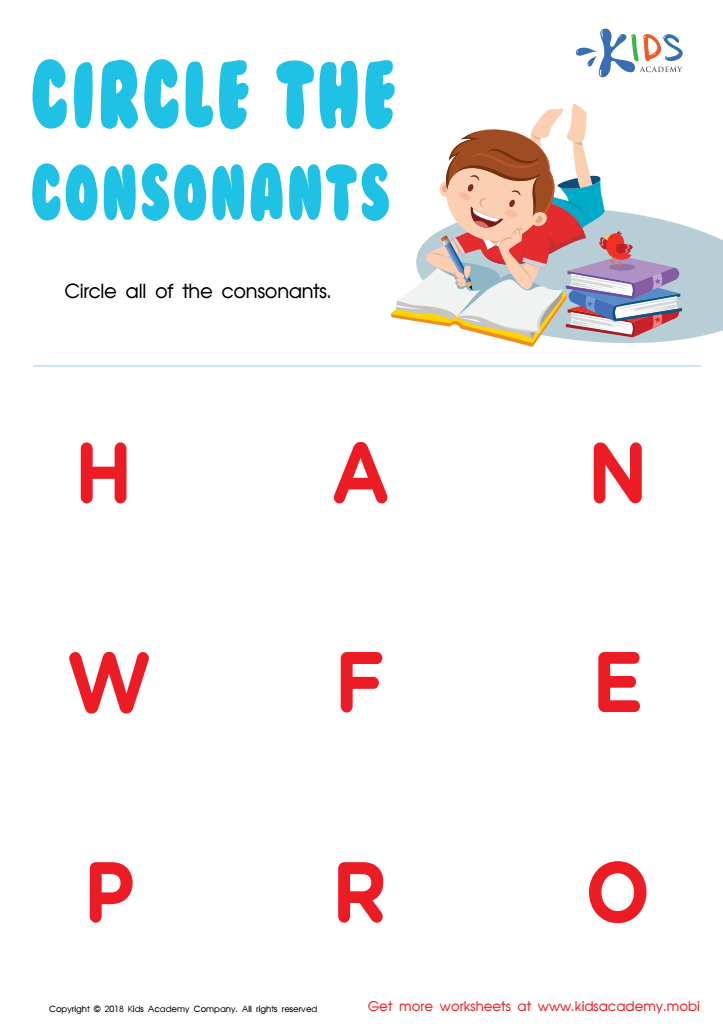
Circle the Consonants Worksheet
 Assign to My Students
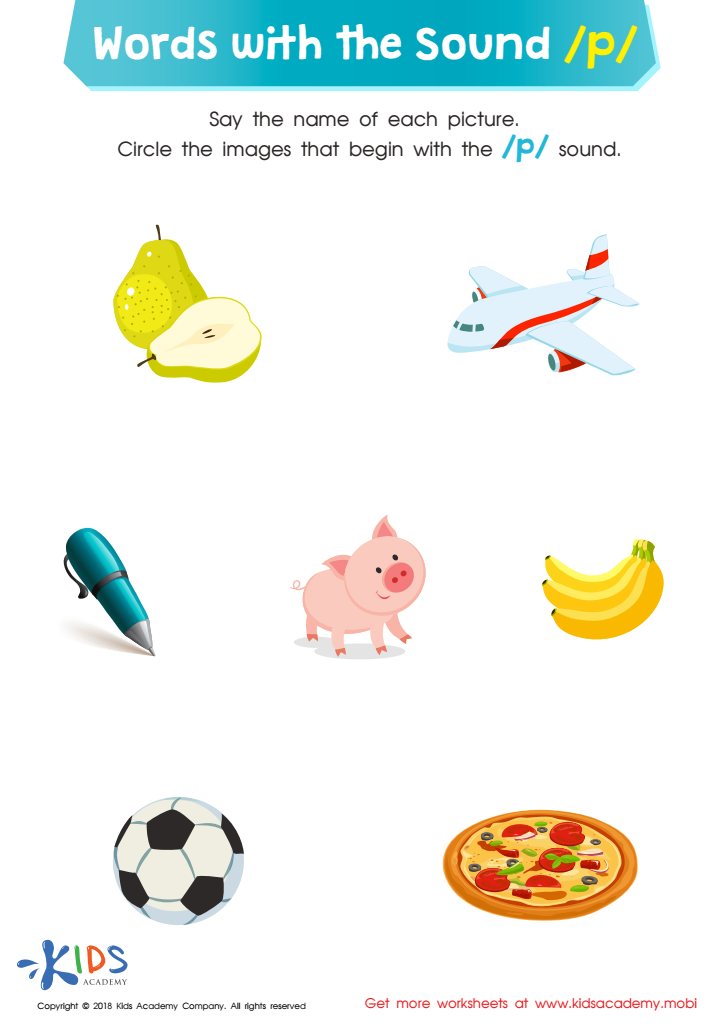
Words with sound p Reading Worksheet
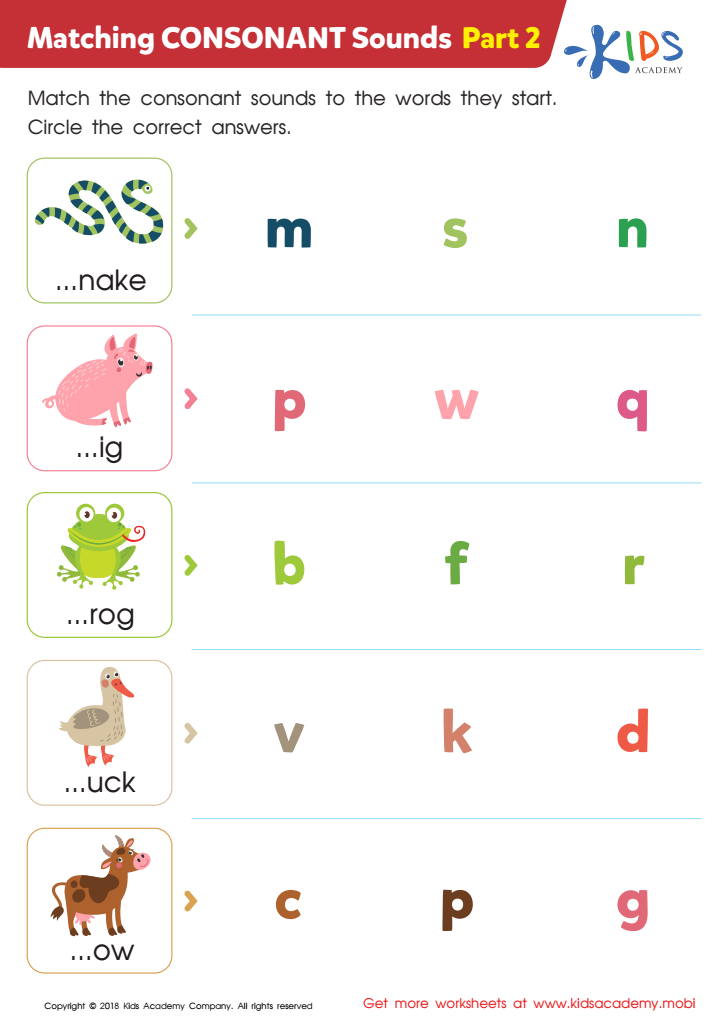
Matching Consonant Sounds: Part 2 Worksheet
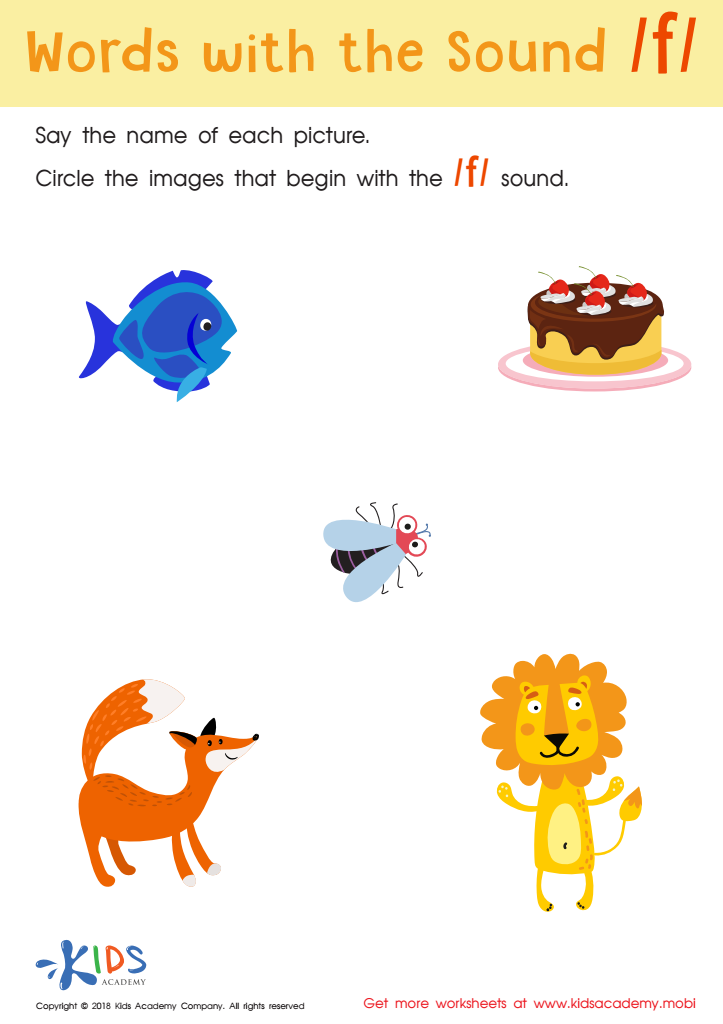
Words with sound f Reading Worksheet
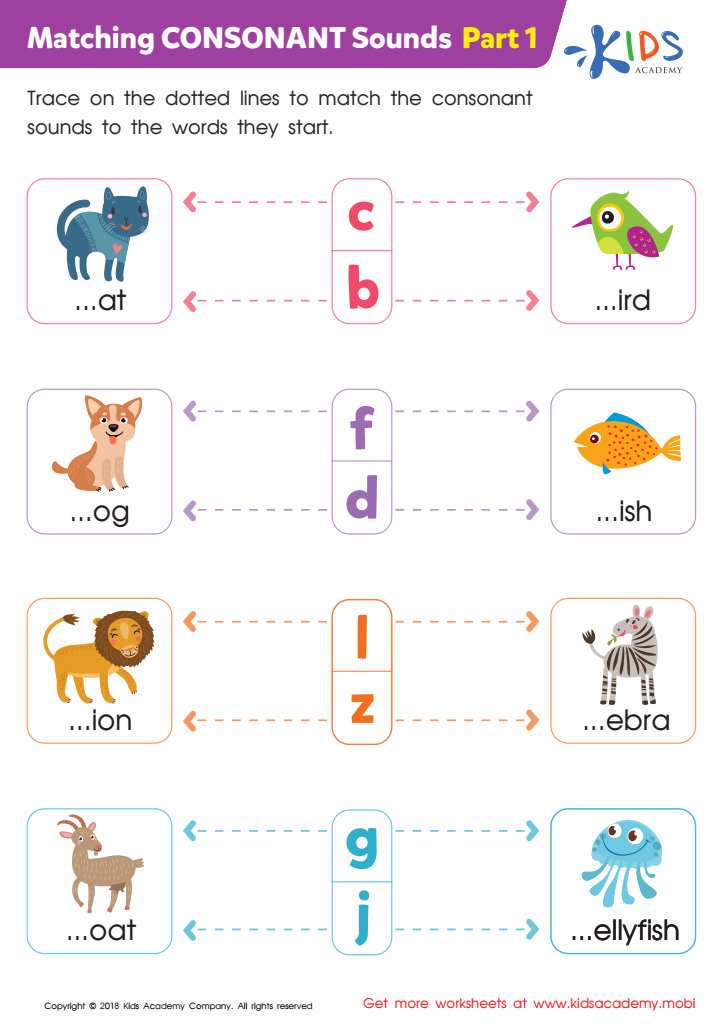
Matching Consonant Sounds: Part 1 Worksheet
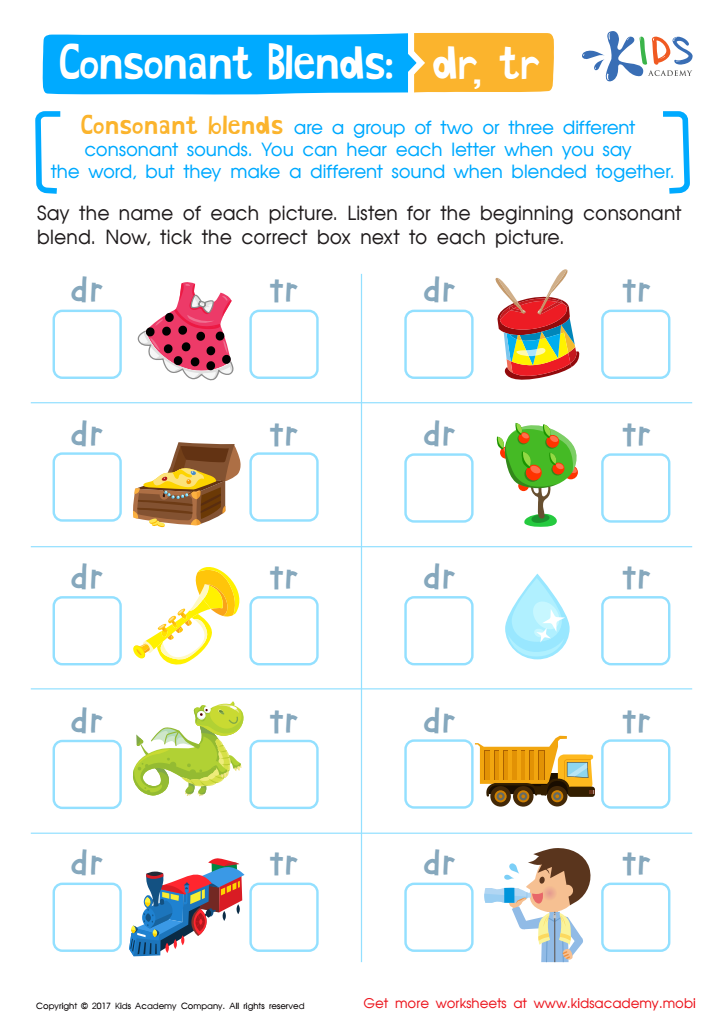
Consonant Blends: "Dr" and "Tr" Printable
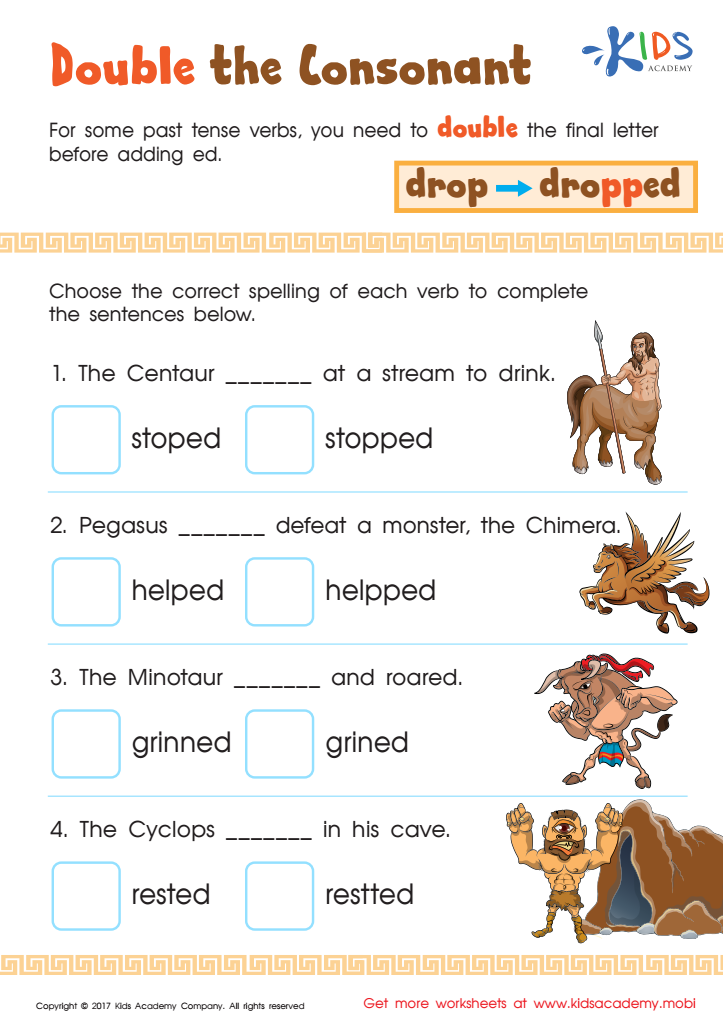
Double Consonant Spelling Worksheet
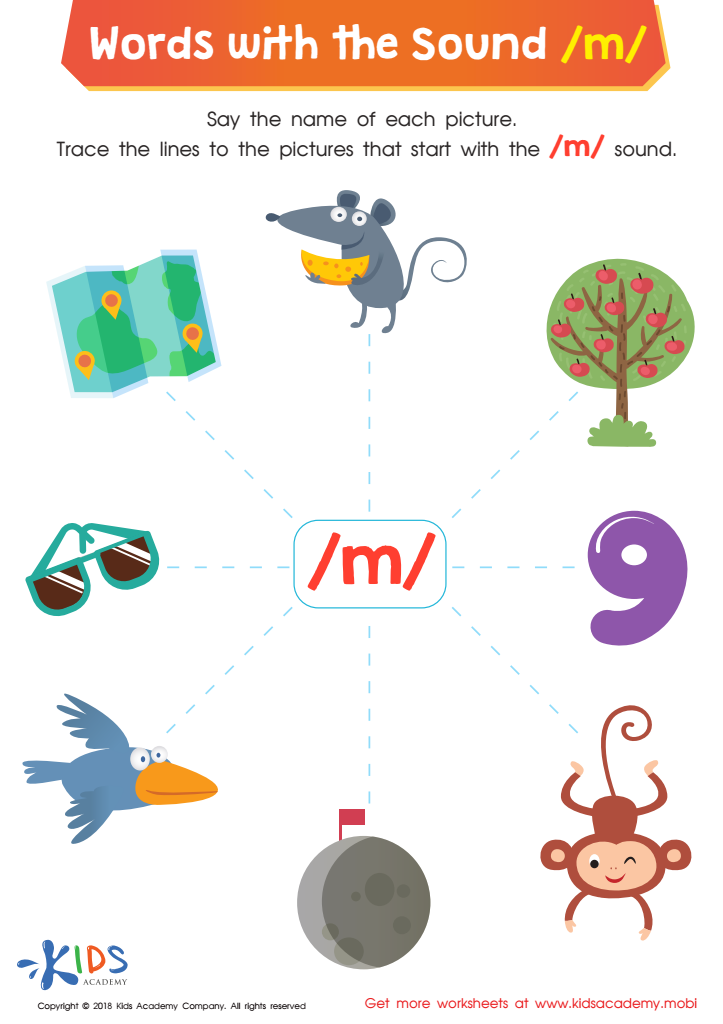
Words with Sound M Reading Worksheet
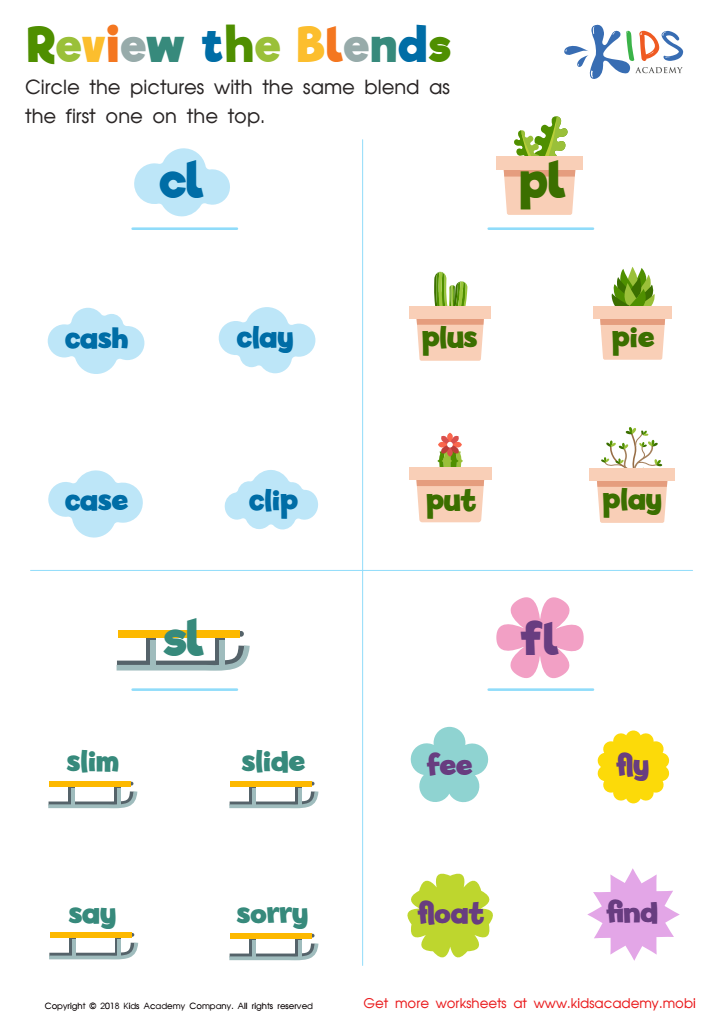
Review the Blends Worksheet
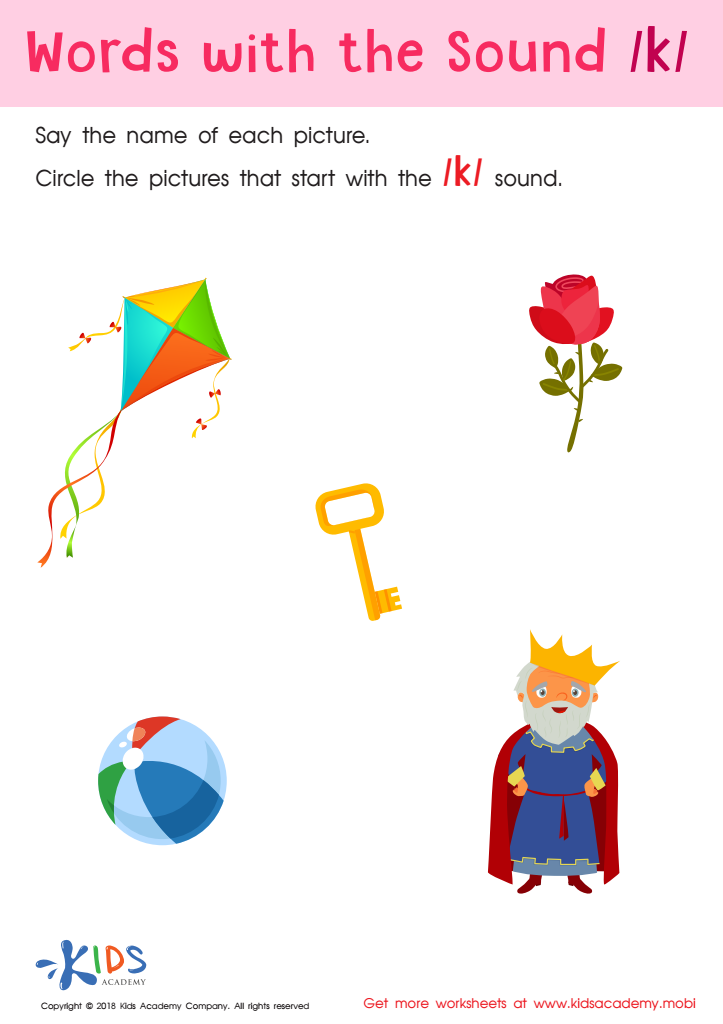
Words with sound k Reading Worksheet



Consonants play a vital role in the early literacy development of children aged 4-9. During this formative period, understanding and pronouncing consonants is essential for building the foundation of reading and writing skills. Mastery of consonants helps children decode words, facilitating smoother and more fluent reading. For instance, knowing how "b" sounds in "bat" or "c" in "cat" allows them to blend sounds correctly to form words, enhancing their reading proficiency.
Moreover, a solid grasp of consonants aids in clearer speech and better comprehension. When children can properly articulate consonants, they communicate more effectively, which is crucial for social interactions and academic success. Being able to distinguish between similar-sounding words, like "pat" and "bat," prevents misunderstandings and reinforces vocabulary acquisition.
For parents and teachers, paying attention to consonant mastery can reveal potential speech or learning difficulties early on. Early intervention can then provide targeted support, ensuring that the child stays on track with their literacy and communication milestones. Overall, a focus on consonants paves the way for confident and competent readers, setting a positive trajectory for their future educational experiences.