Letter E Worksheets for Ages 4-9
5 filtered results
-
From - To
Explore our engaging Letter E worksheets designed for children ages 4-9! These interactive resources help young learners master the letter E through fun activities, including tracing, coloring, and matching exercises. Each worksheet is crafted to enhance phonetic skills, improve fine motor development, and boost early literacy. Ideal for home or classroom use, our Letter E worksheets provide a creative way for kids to learn and reinforce their understanding of this essential letter. Dive into a world of educational fun as your child discovers the excitement of reading and writing with our expertly designed activities! Join us in fostering a love for learning today!
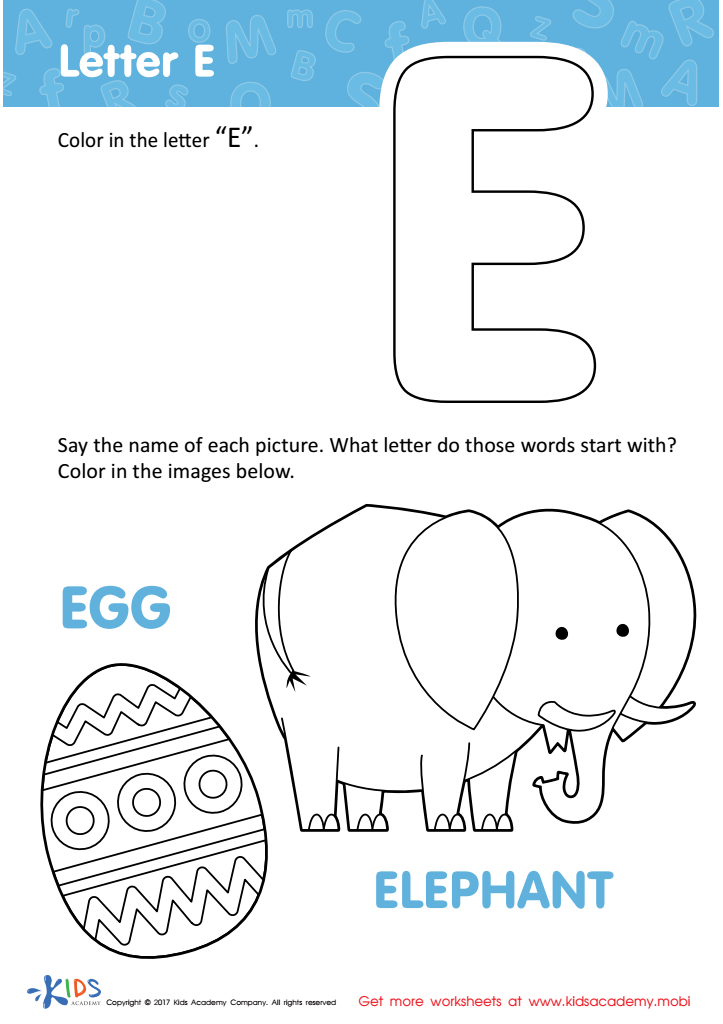
Letter E Coloring Sheet
 Assign to My Students
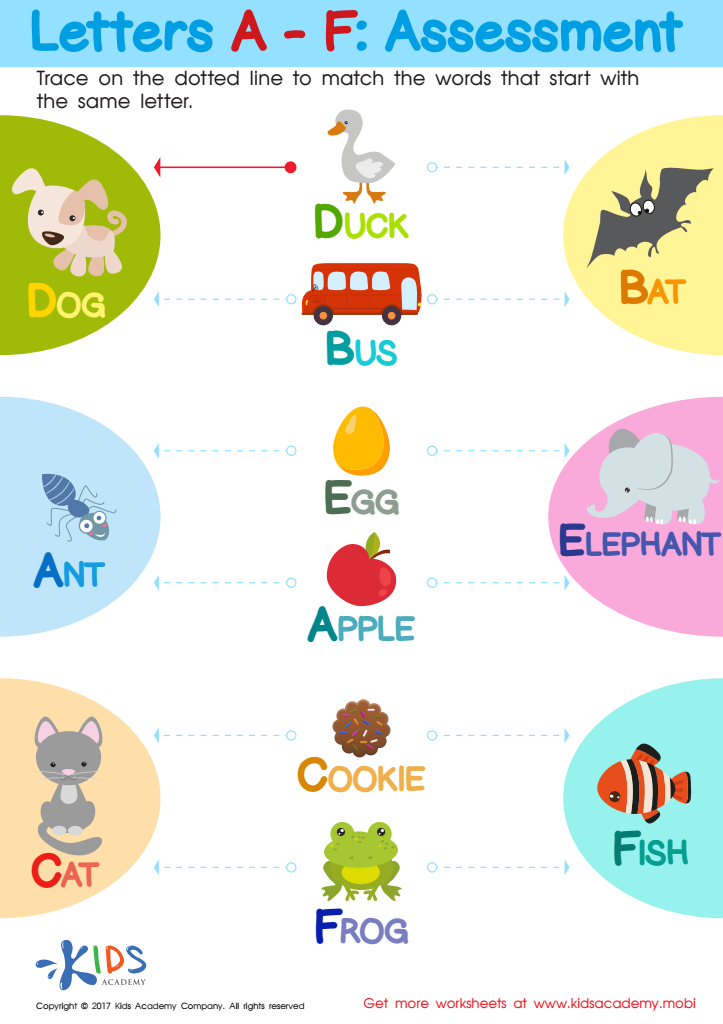
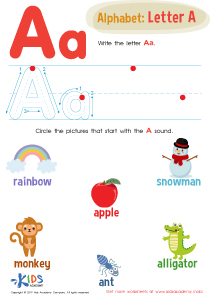
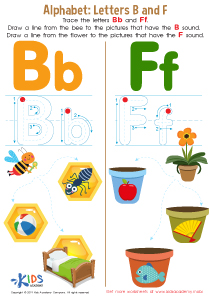
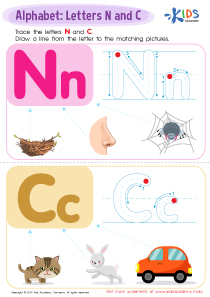
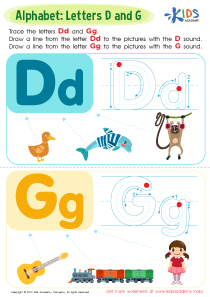
Letters A - F Worksheet
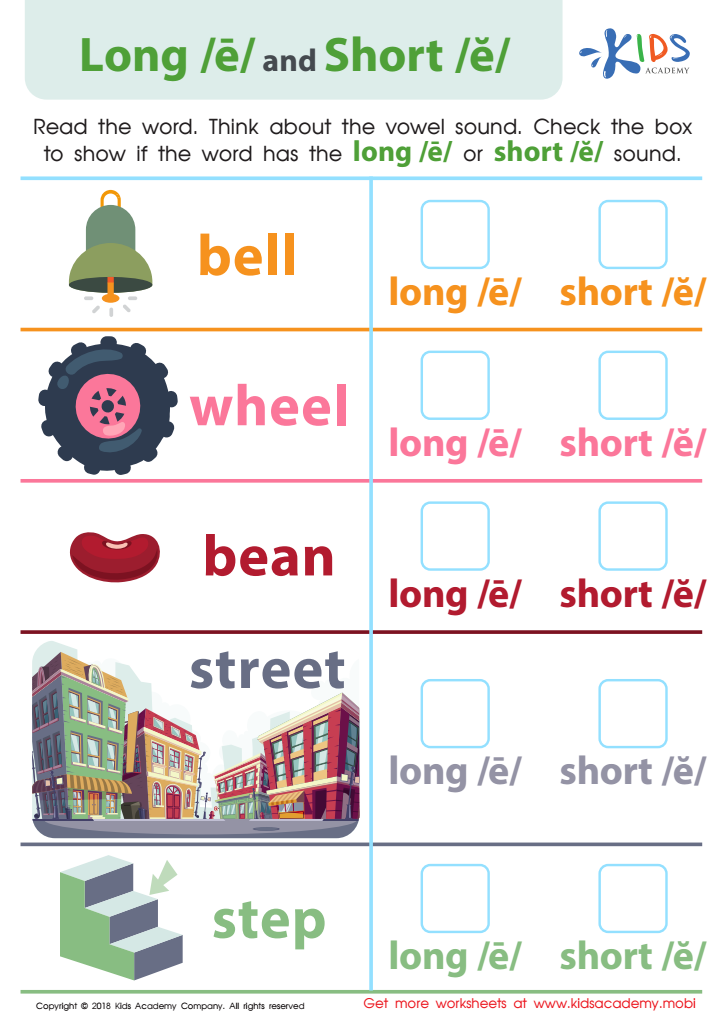
Reading: Long E and Short E Worksheet
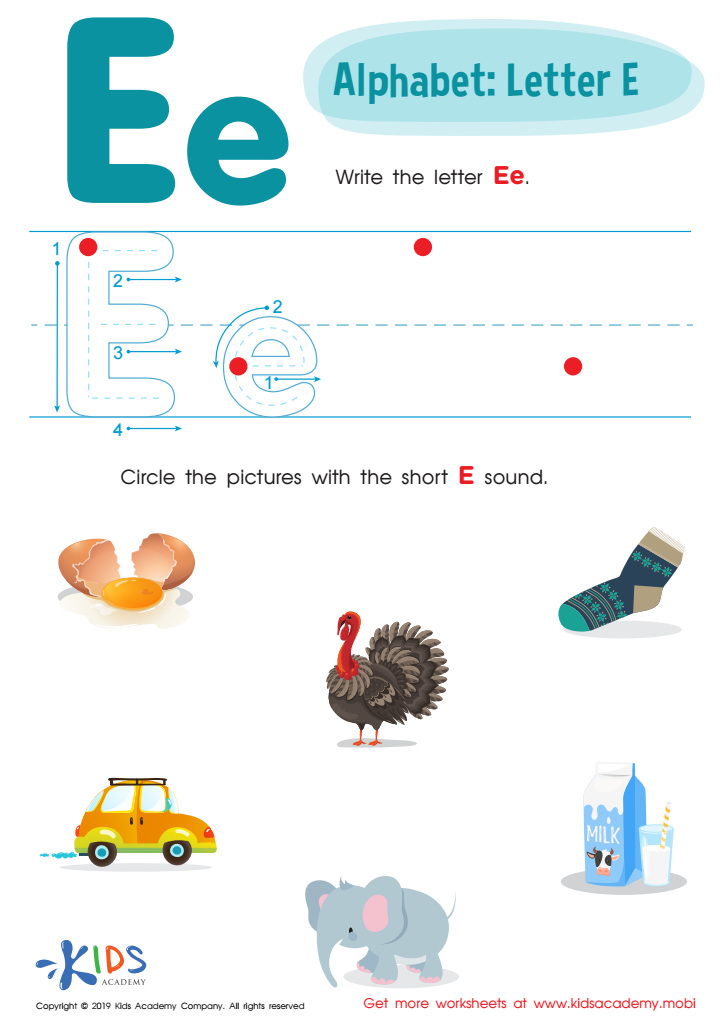
Letter E Tracing Worksheet
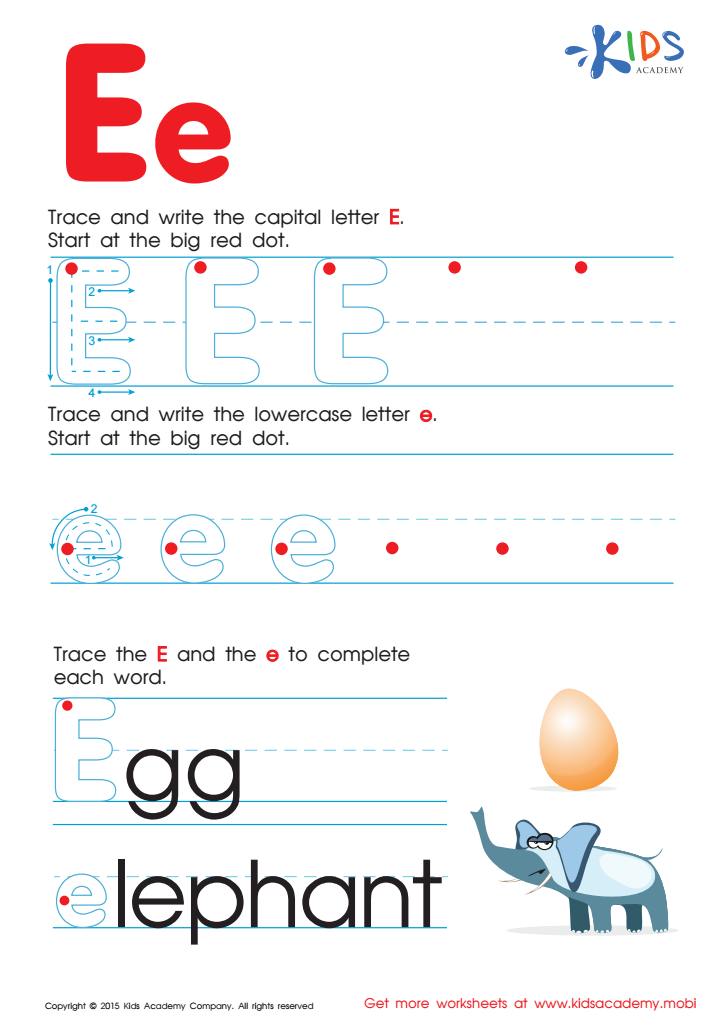
Letter E Tracing Page







The letter E is a fundamental building block in children's literacy development, especially for ages 4-9. This letter is a vital component of the English language, often appearing in countless simple and familiar words like "elephant," "egg," and "eat." From an early age, recognizing and understanding the letter E can enhance a child’s phonemic awareness, aiding in sound-letter correspondence necessary for reading and writing.
For parents and teachers, focusing on the letter E can involve engaging activities such as reading books that emphasize words starting with E, playing games that incorporate the sound, or creating art projects centered around E-themed items. Early exposure to the letter E not only strengthens vocabulary but also enhances cognitive skills, encouraging children to form connections between sounds and meanings.
Moreover, understanding E helps instill confidence in young learners as they see themselves making progress in literacy. As they build foundational skills, they are more prepared to tackle larger reading challenges as their educational journey continues. Overall, prioritizing letter E support for children between ages 4-9 fosters a vibrant love for language and nurtures the essential skills required for academic success.