Fine Motor Skills English for Beginners Worksheets for Ages 4-9 - Page 2
62 filtered results
-
From - To
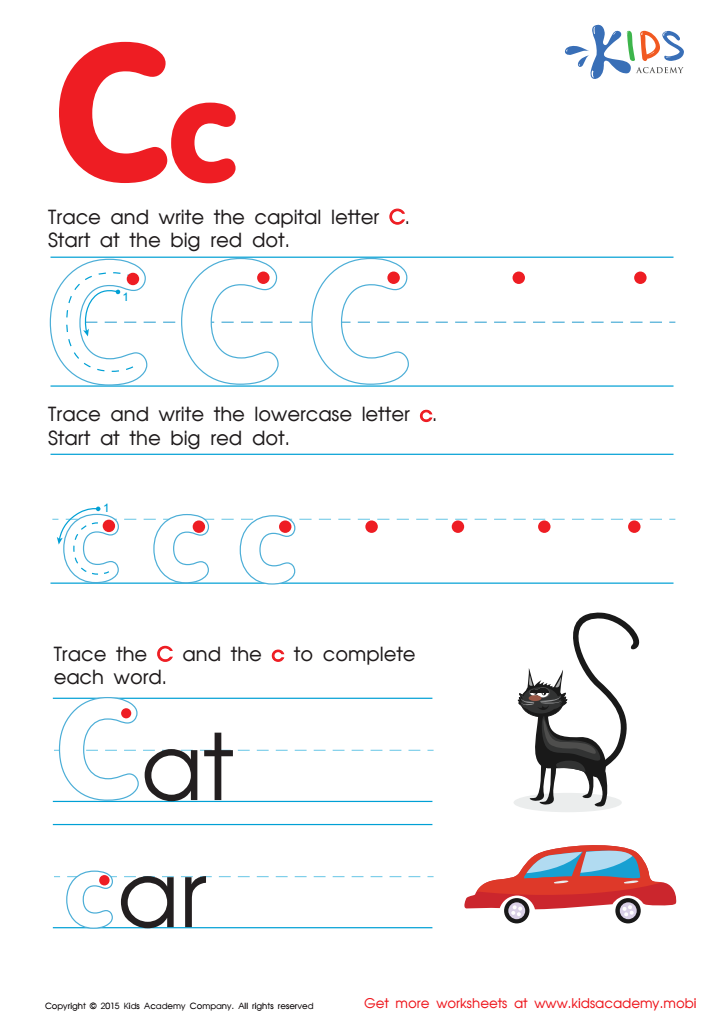
Letter C Tracing Page

Black and Brown Coloring Fun Worksheet
 Assign to My Students
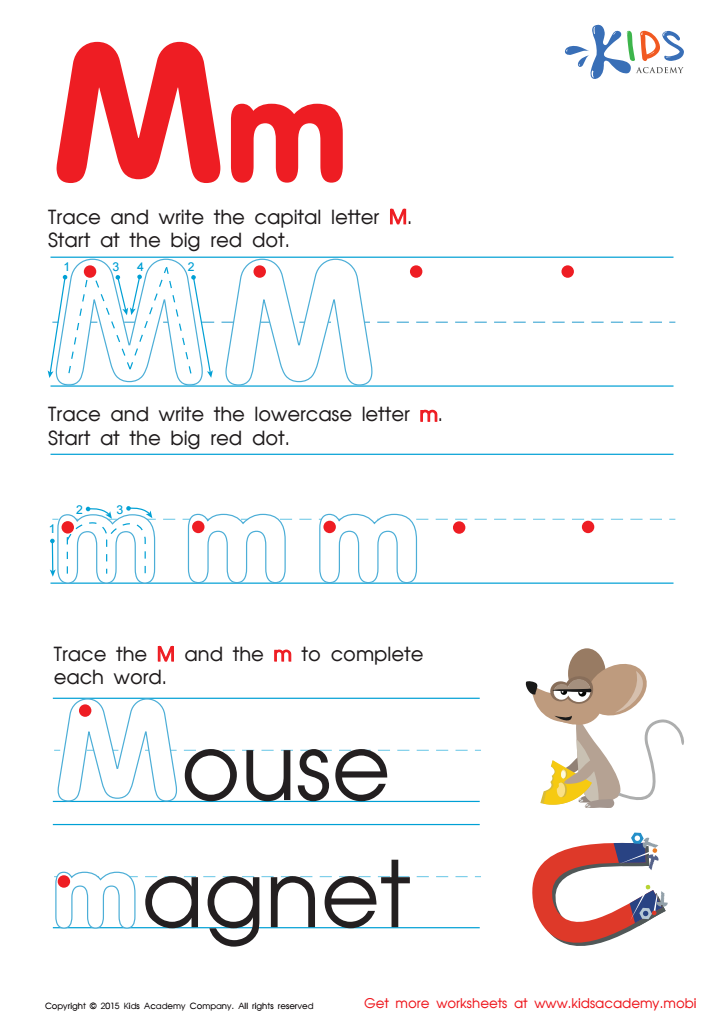
Letter M Tracing Page
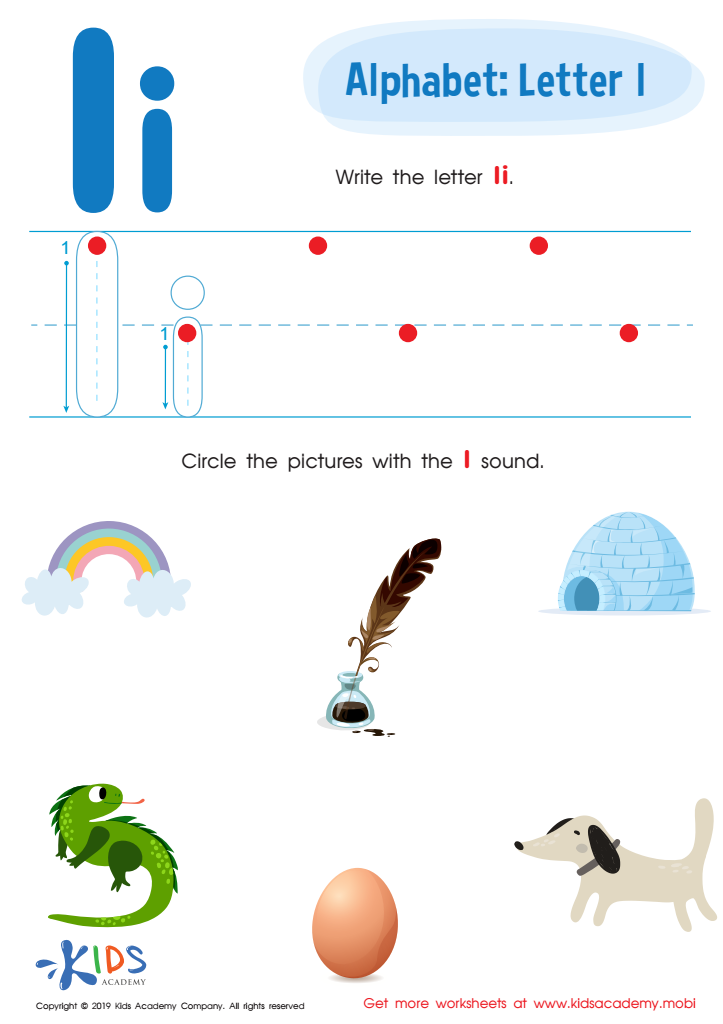
Letter I Tracing Worksheet
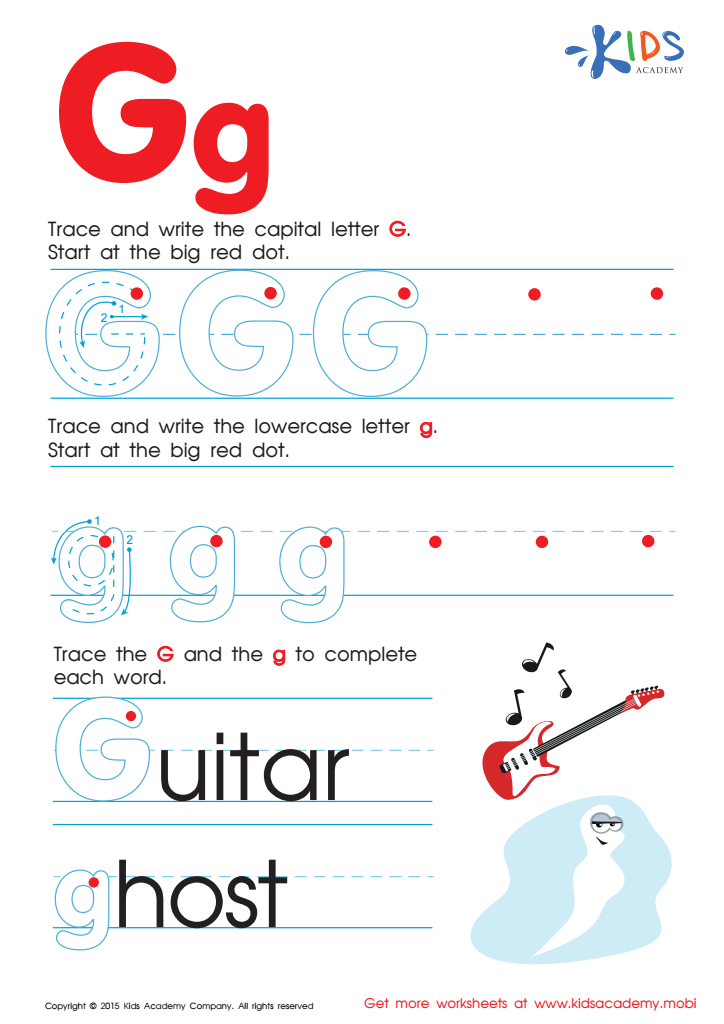
Letter G Tracing Page
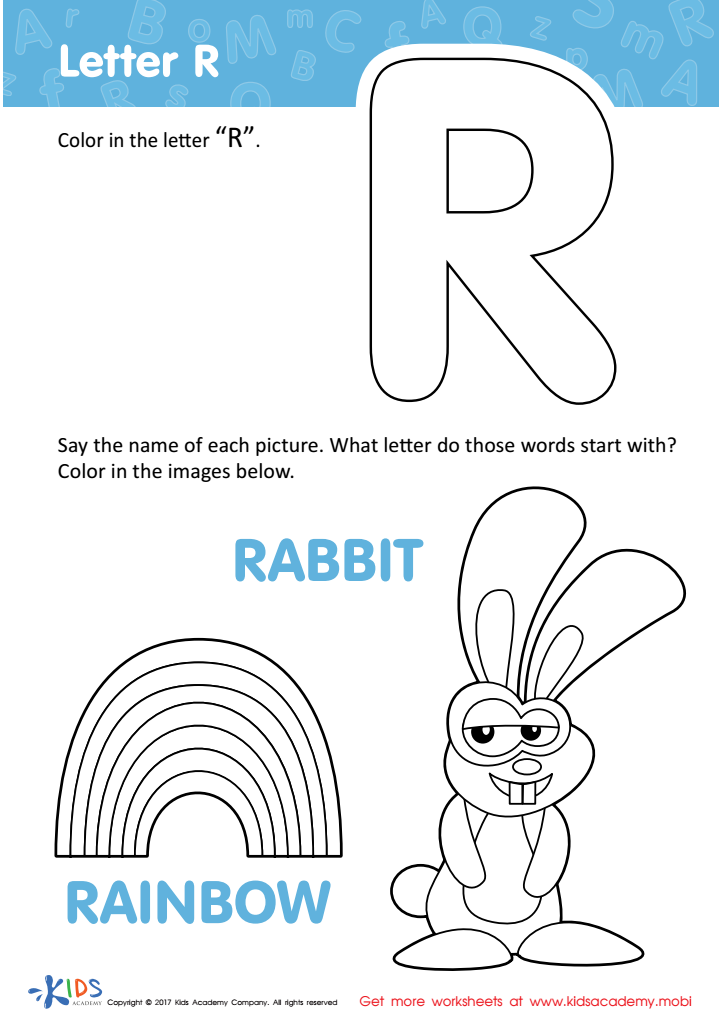
Letter R Coloring Sheet
Assign to My Students
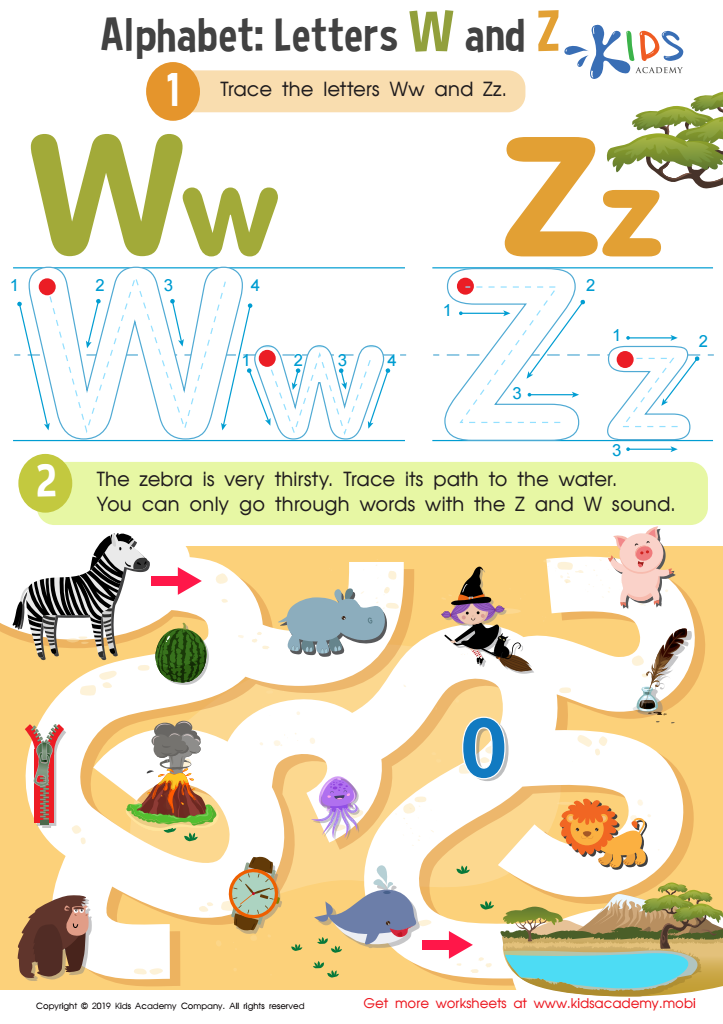
Letters W and Z Tracing Worksheet
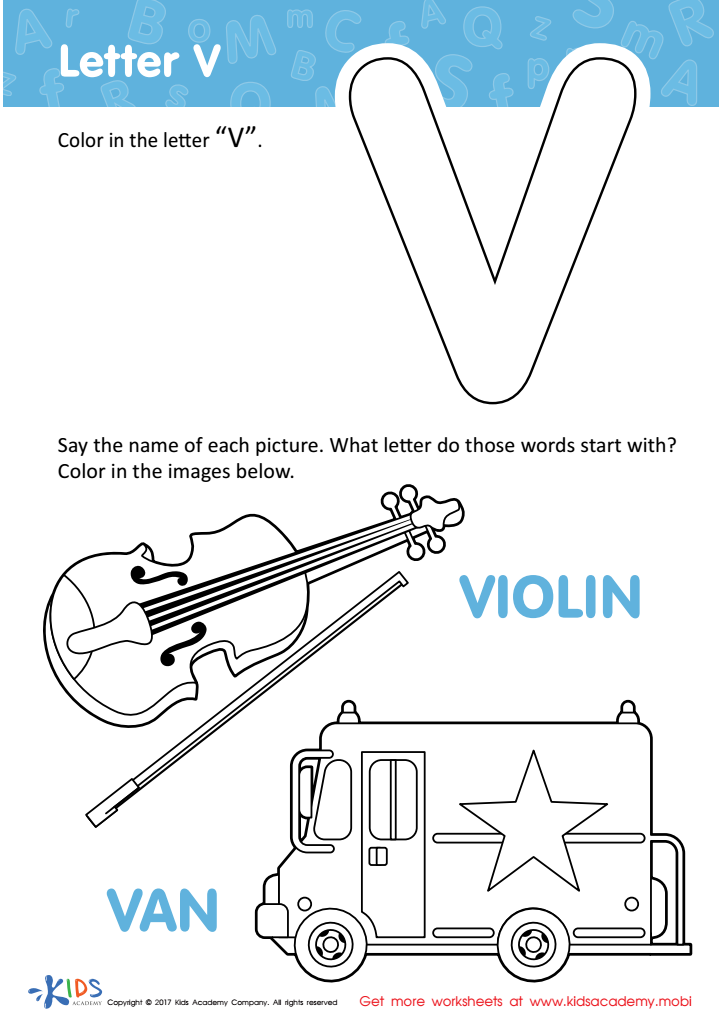
Letter V Coloring Sheet
Assign to My Students
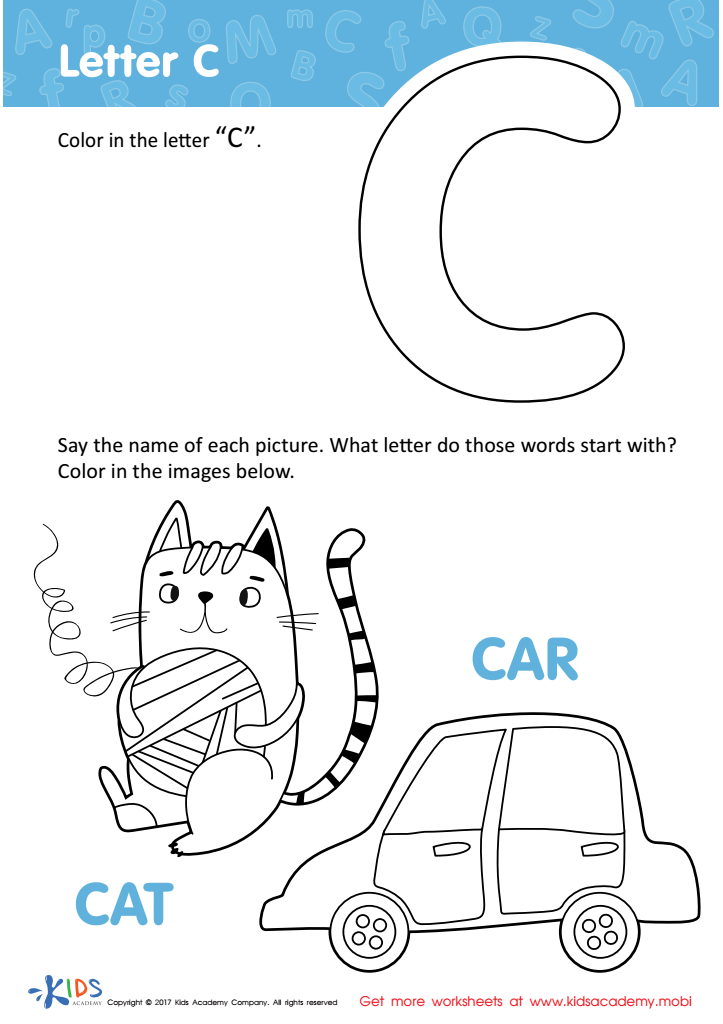
Letter C Coloring Sheet
Assign to My Students
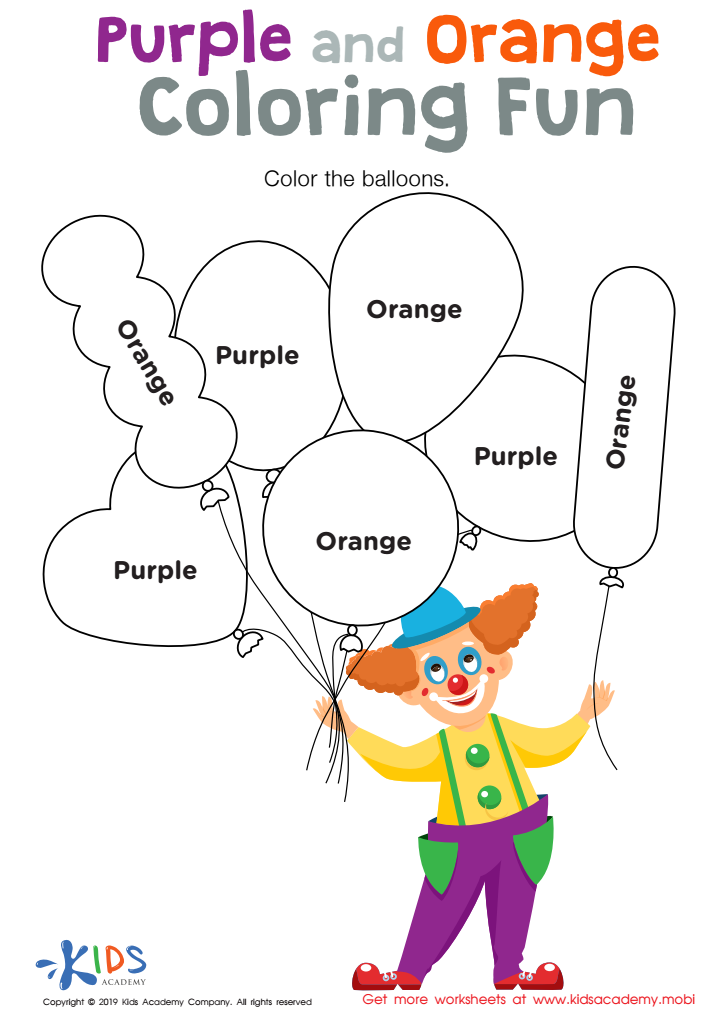
Purple and Orange Coloring Fun Worksheet
Assign to My Students
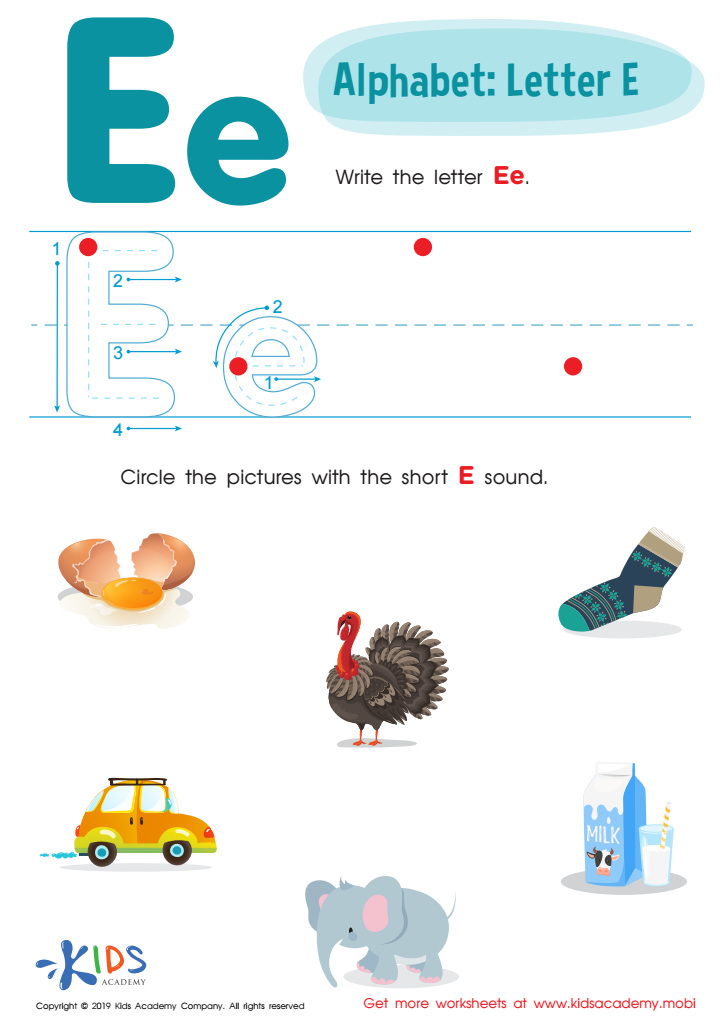
Letter E Tracing Worksheet
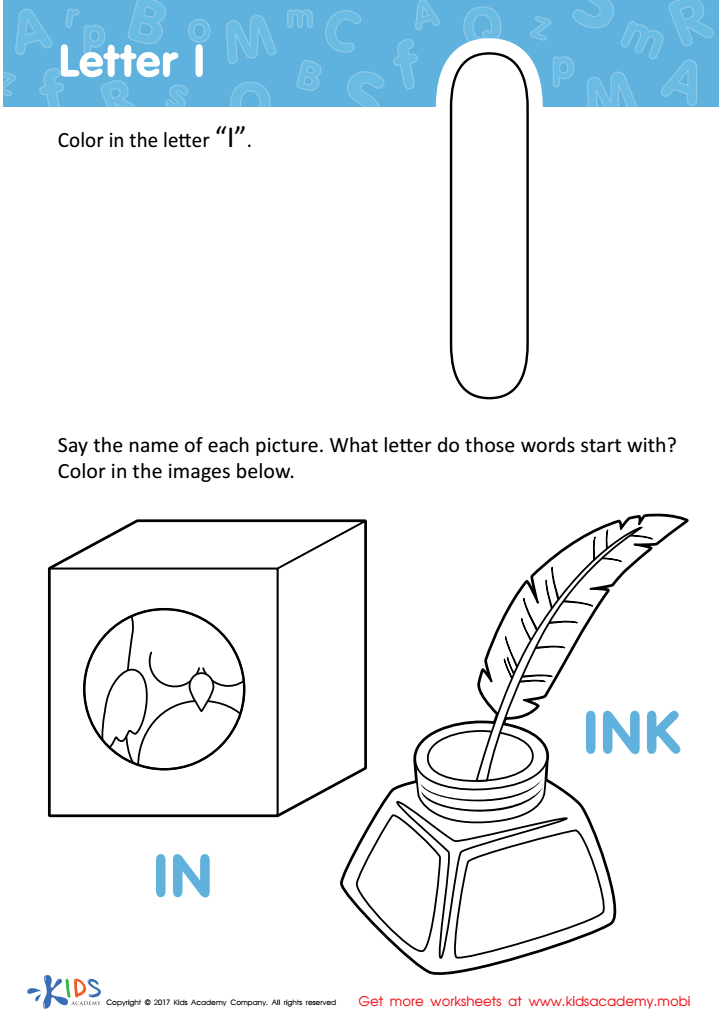
Letter I Coloring Sheet
Assign to My Students
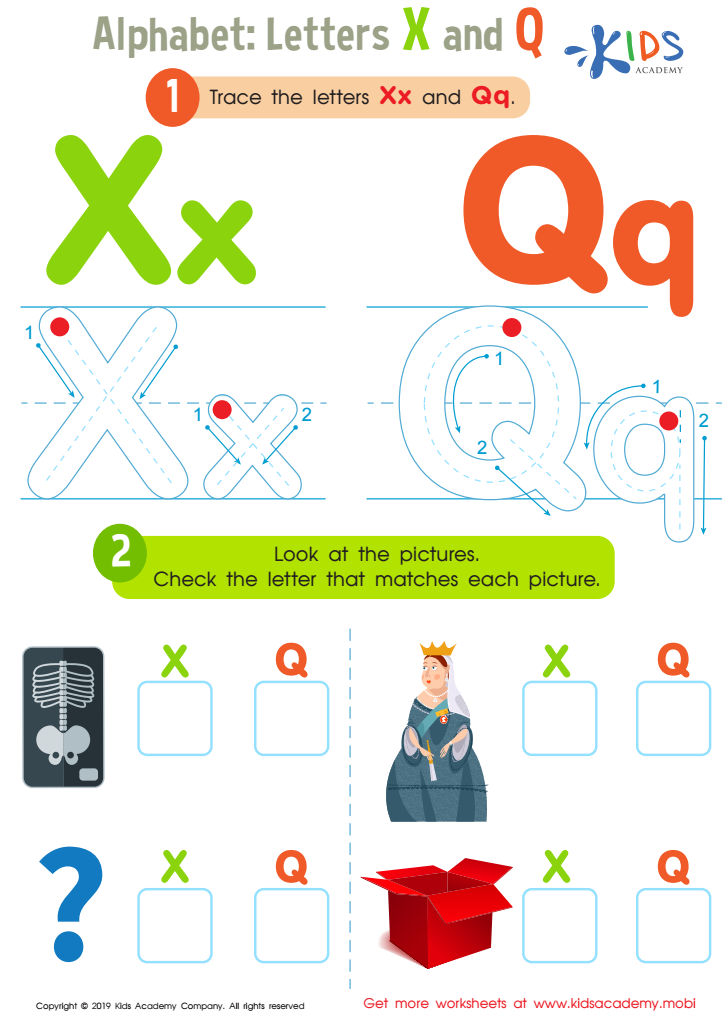
Letters X and Q Tracing Worksheet

Long and Short U Worksheet
Assign to My Students
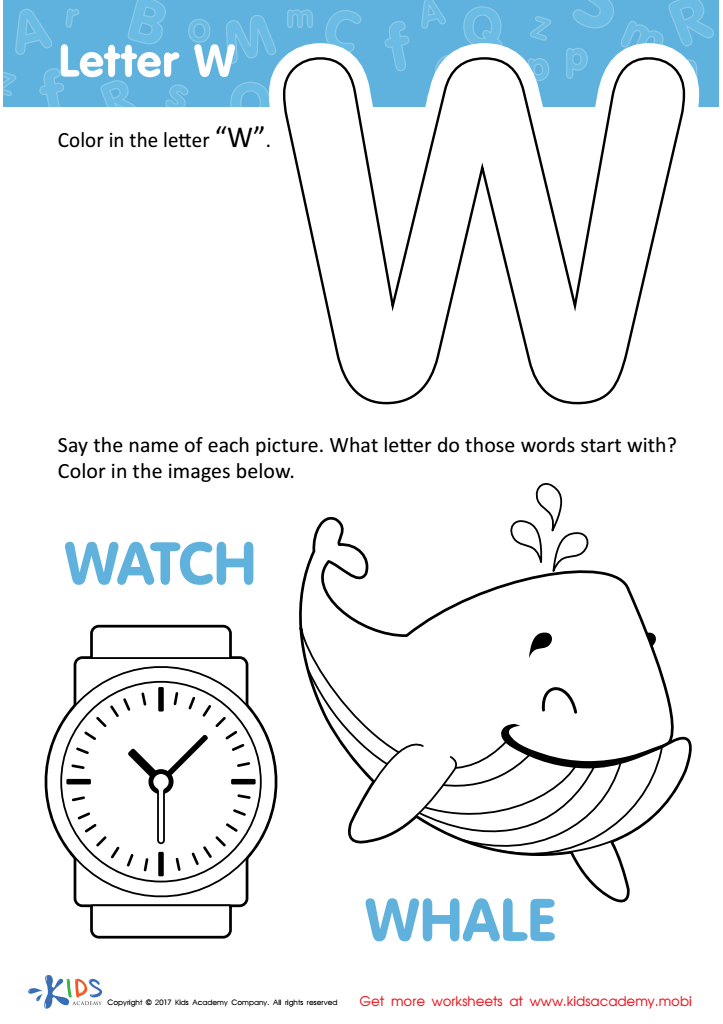
Letter W Coloring Sheet
Assign to My Students
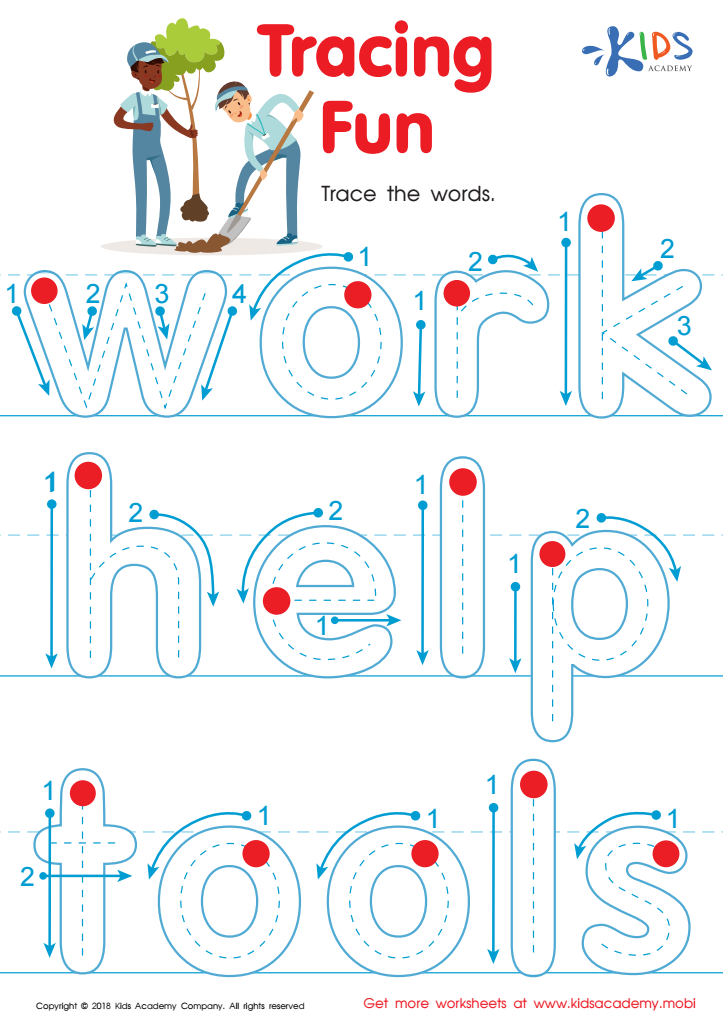
Tracing Fun Worksheet
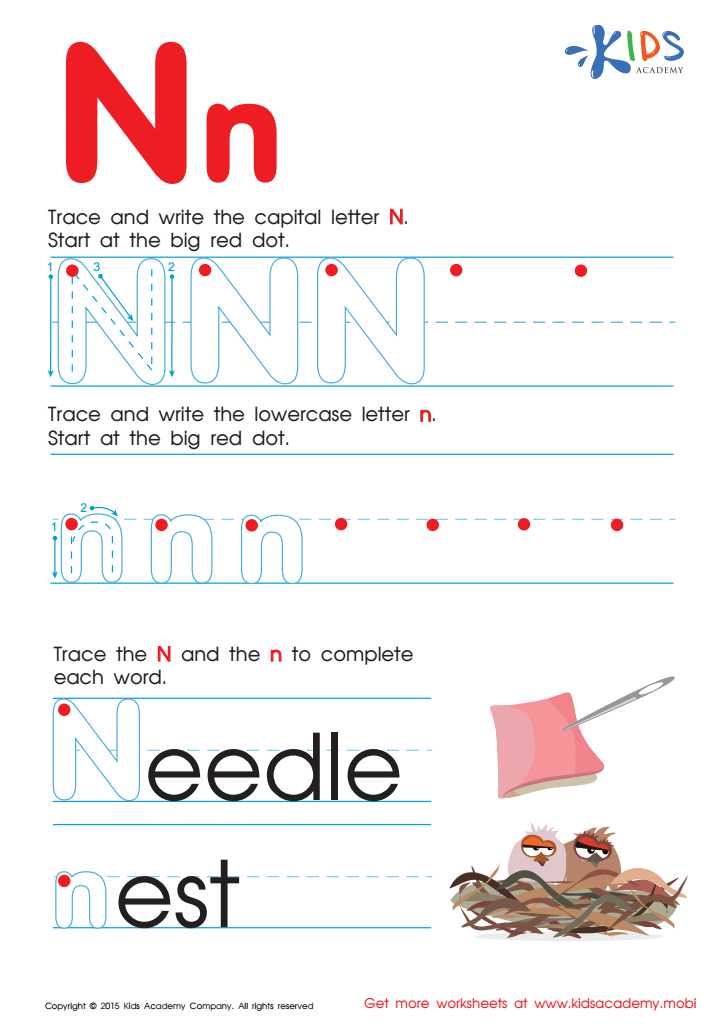
Letter N Tracing Page
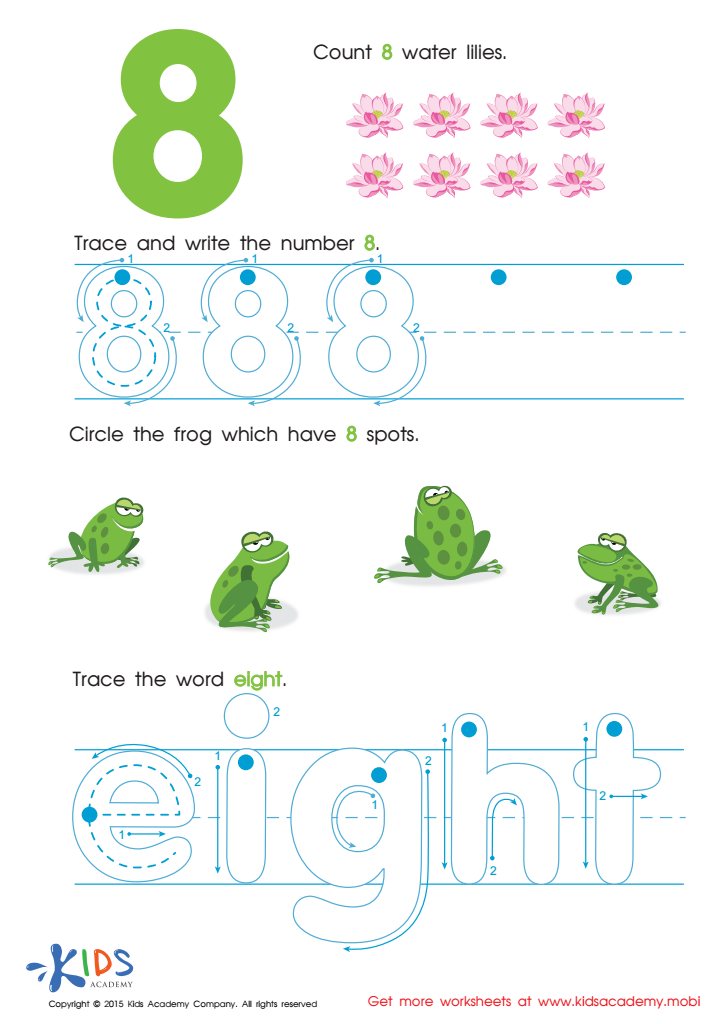
Learn Number 8 Easily Worksheet
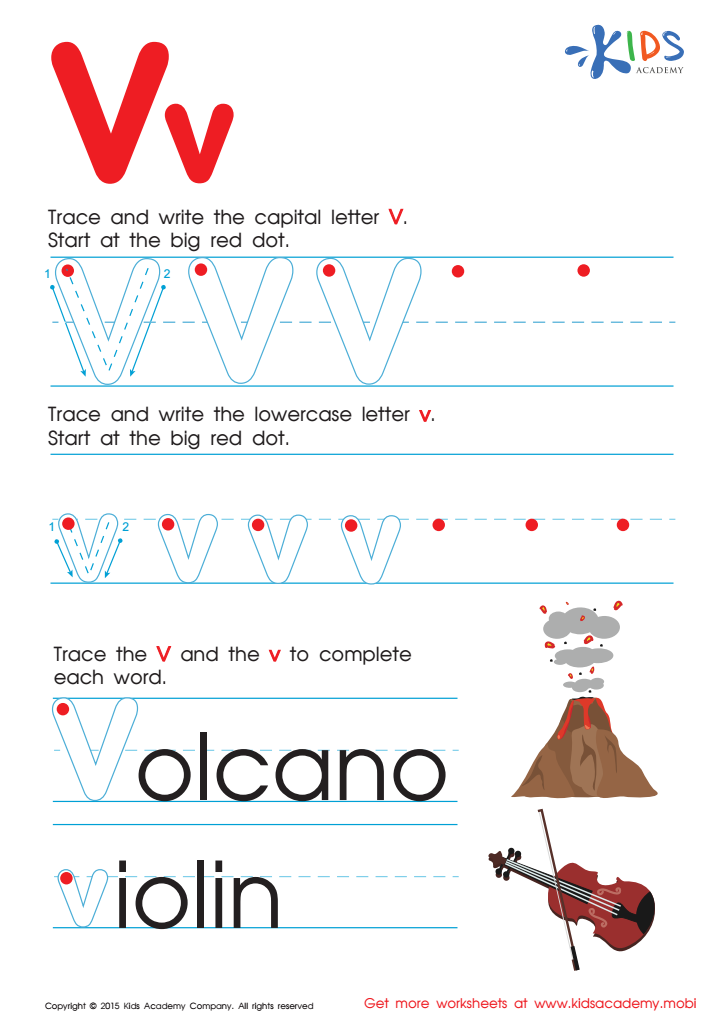
Letter V Tracing Page
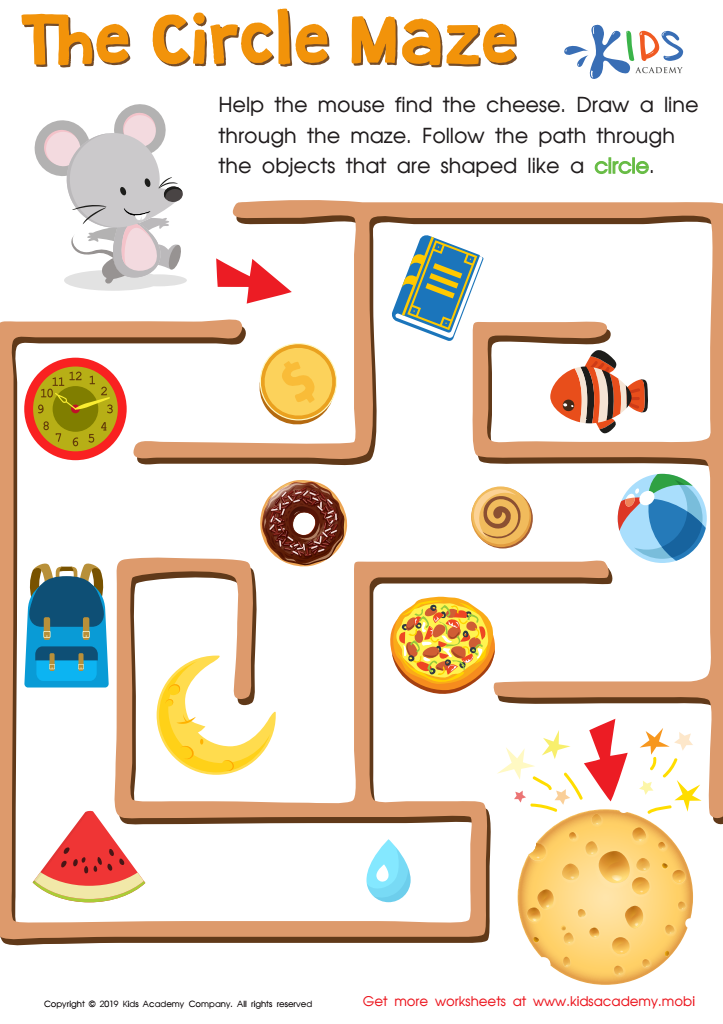
The Circle Maze Worksheet
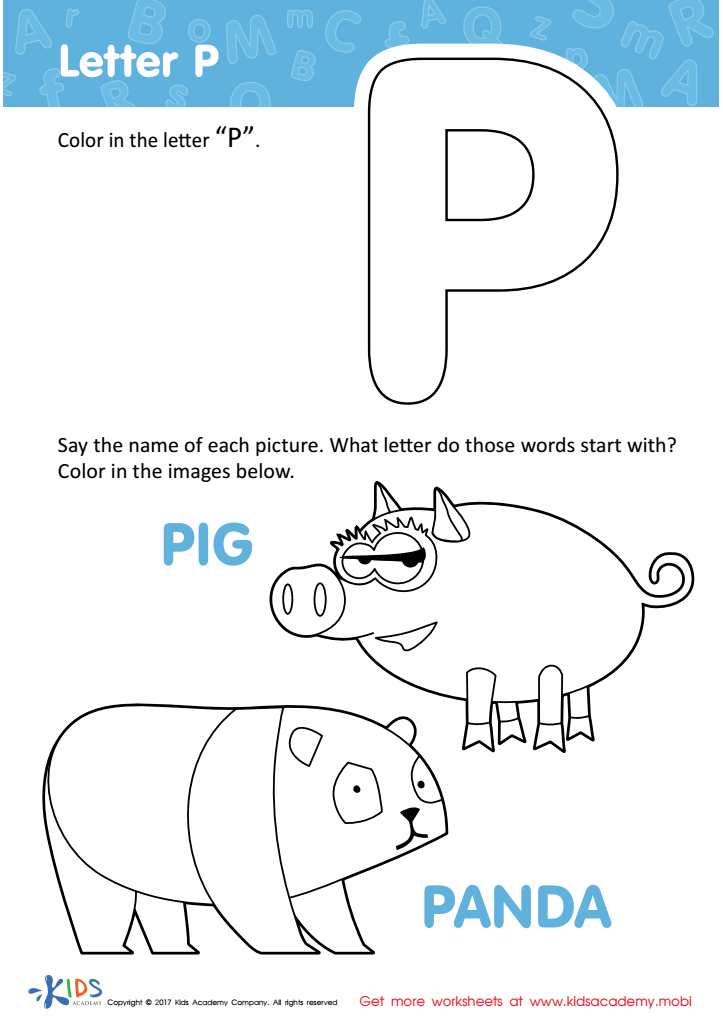
Letter P Coloring Sheet
Assign to My Students
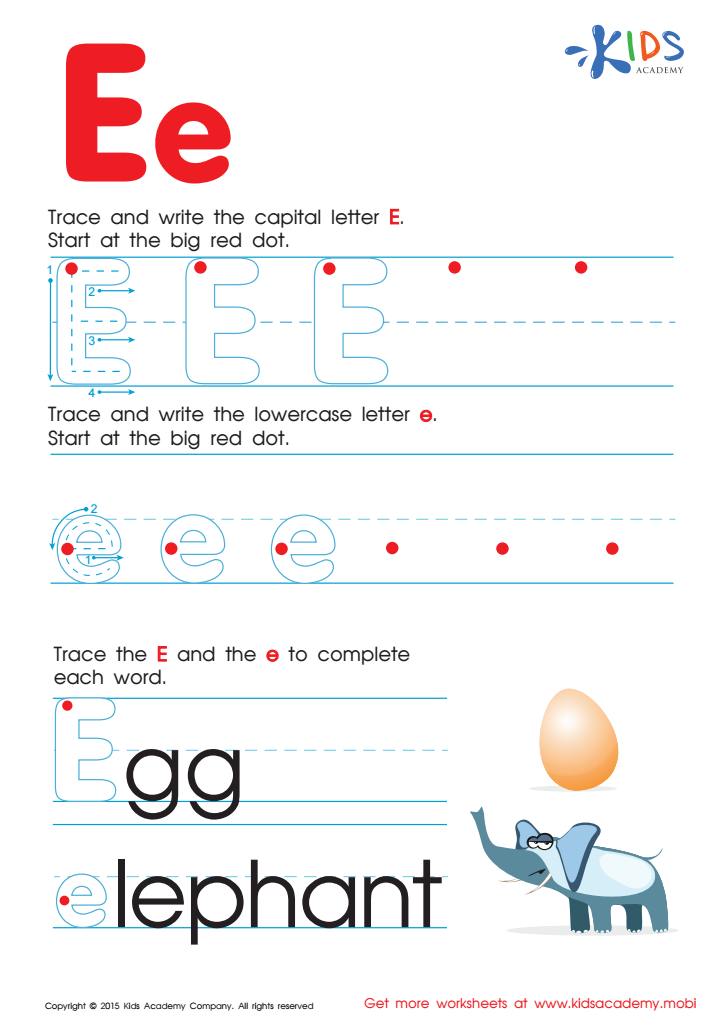
Letter E Tracing Page
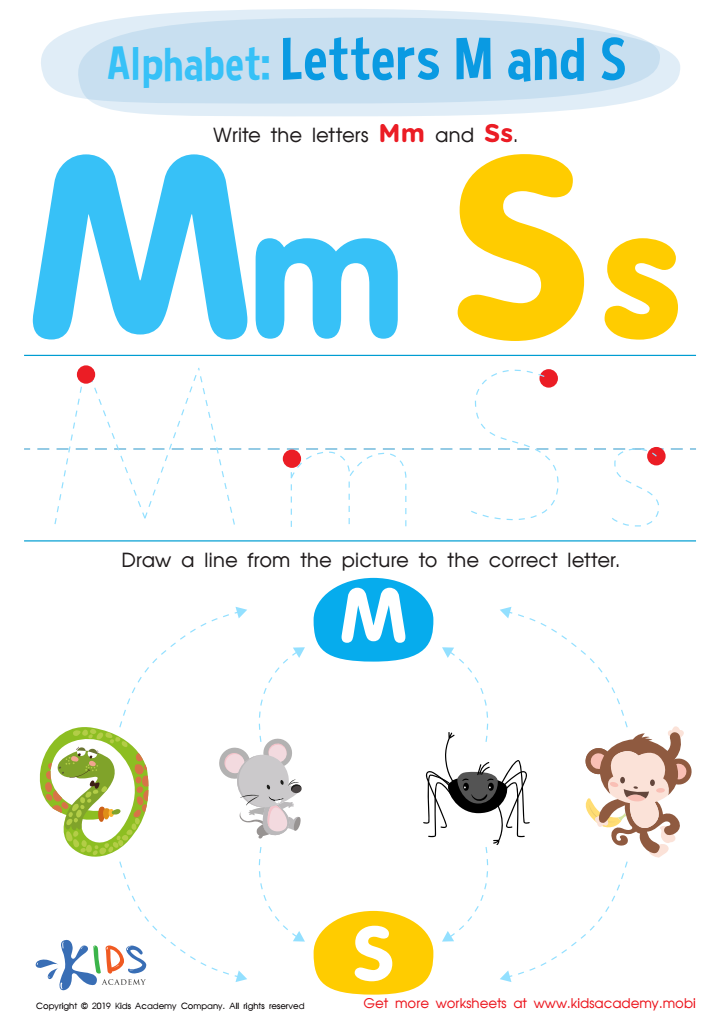
Letters M and S Tracing Worksheet
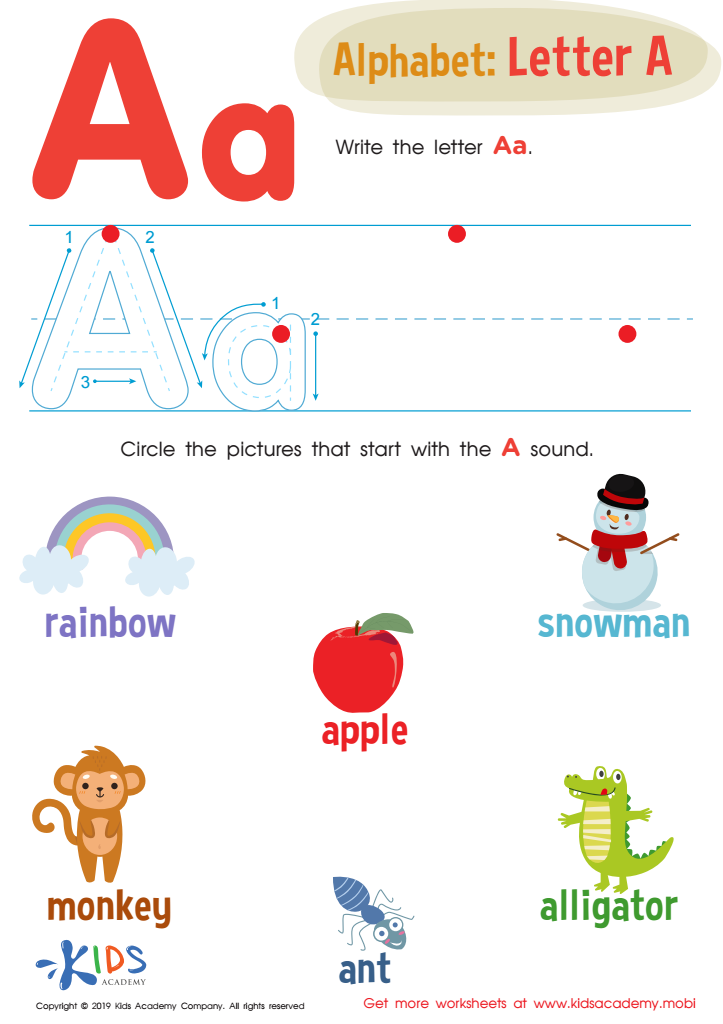
Letter A Tracing Worksheet





Fine motor skills are essential for children aged 4-9 as they form the foundation for essential everyday tasks and academic success. Developing fine motor skills enables children to perform activities such as writing, tying shoelaces, cutting with scissors, and using tools, which are crucial as they progress through grades.
For parents and teachers, understanding the significance of fine motor skills is vital in fostering independence in young learners. Children with well-developed fine motor skills can express themselves effectively through writing and art, boosting their confidence. Additionally, these skills are closely linked to cognitive development, as they involve both coordination and concentration.
Targeting fine motor skills in early education encourages playful learning through activities like threading beads, drawing, and building with blocks. These engaging tasks not only refine physical dexterity but also enhance hand-eye coordination and concentration.
By prioritizing the development of fine motor skills, parents and teachers set the groundwork for children’s future school performance and day-to-day tasks, ensuring they are better equipped to navigate both educational and life challenges. Investing time in these skills can lead to happier, more successful youngsters who feel empowered and capable of tackling their growing responsibilities.