Improving math skills Worksheets for Ages 4-9 - Page 2
49 filtered results
-
From - To
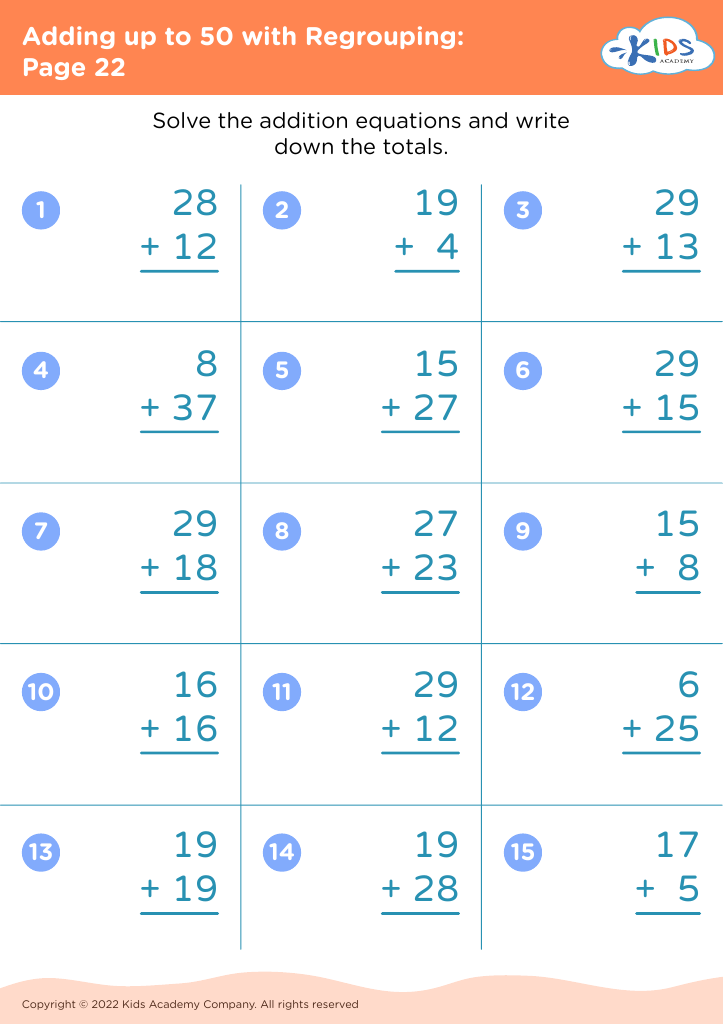
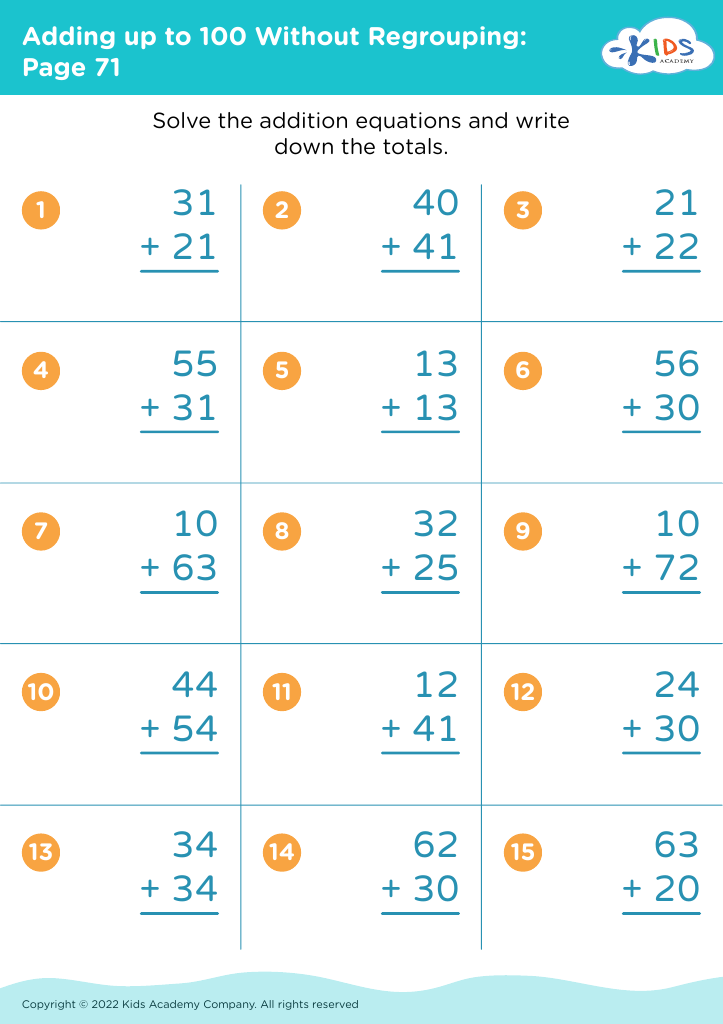
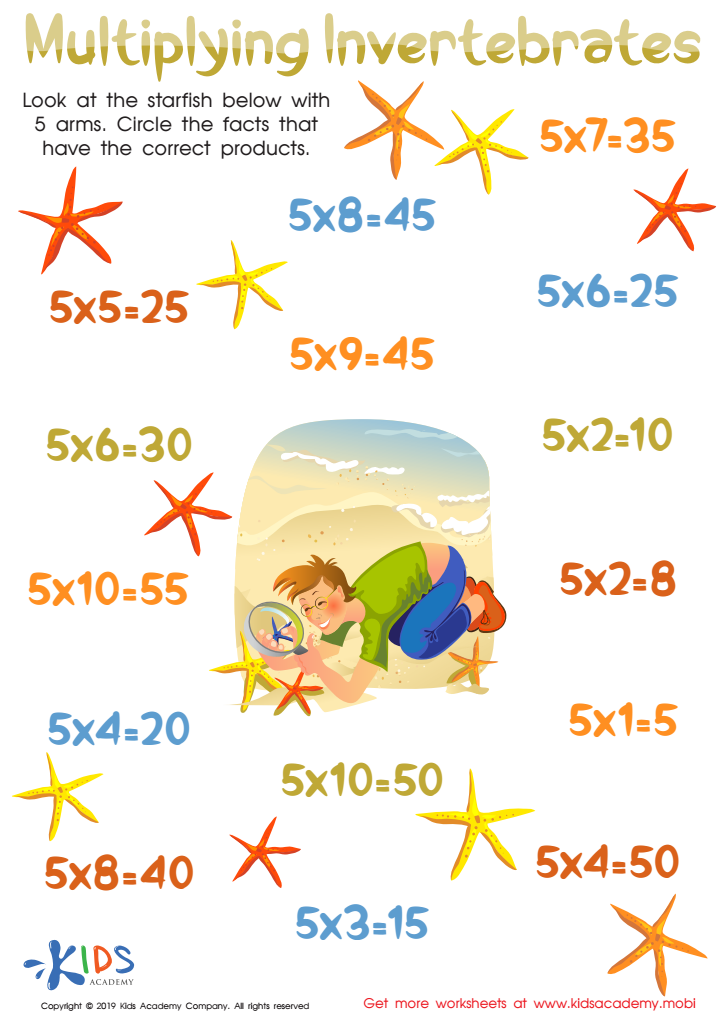
Multiplying Invertebrates Worksheet
 Assign to My Students
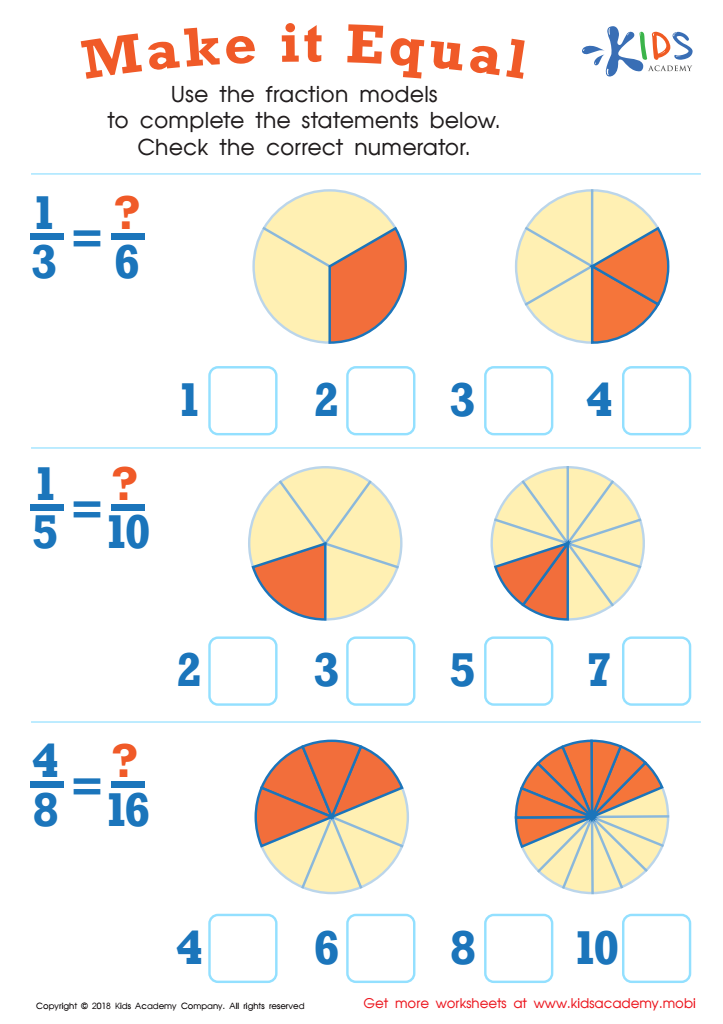
Make It Equal Worksheet
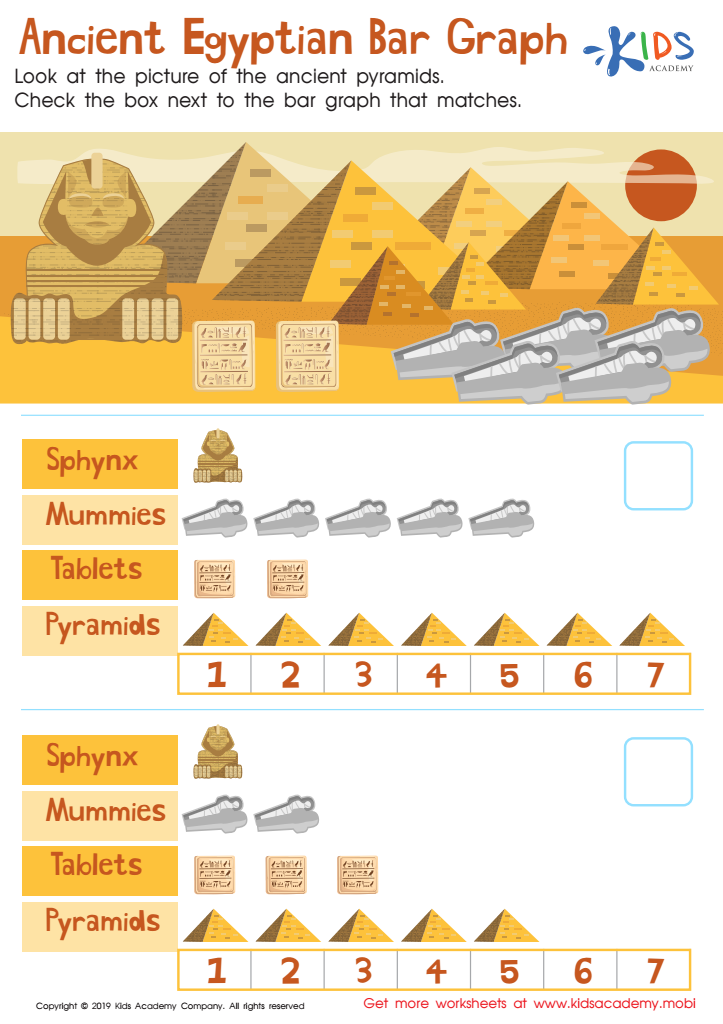
Egyptian Bar Graph Worksheet
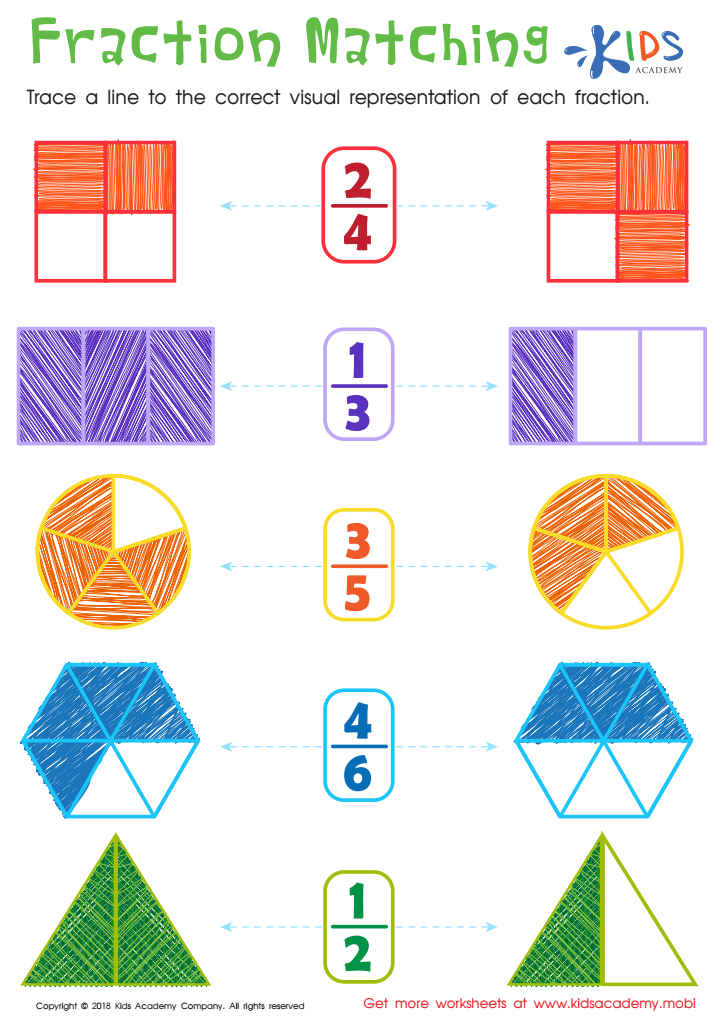
Fraction Matching Worksheet
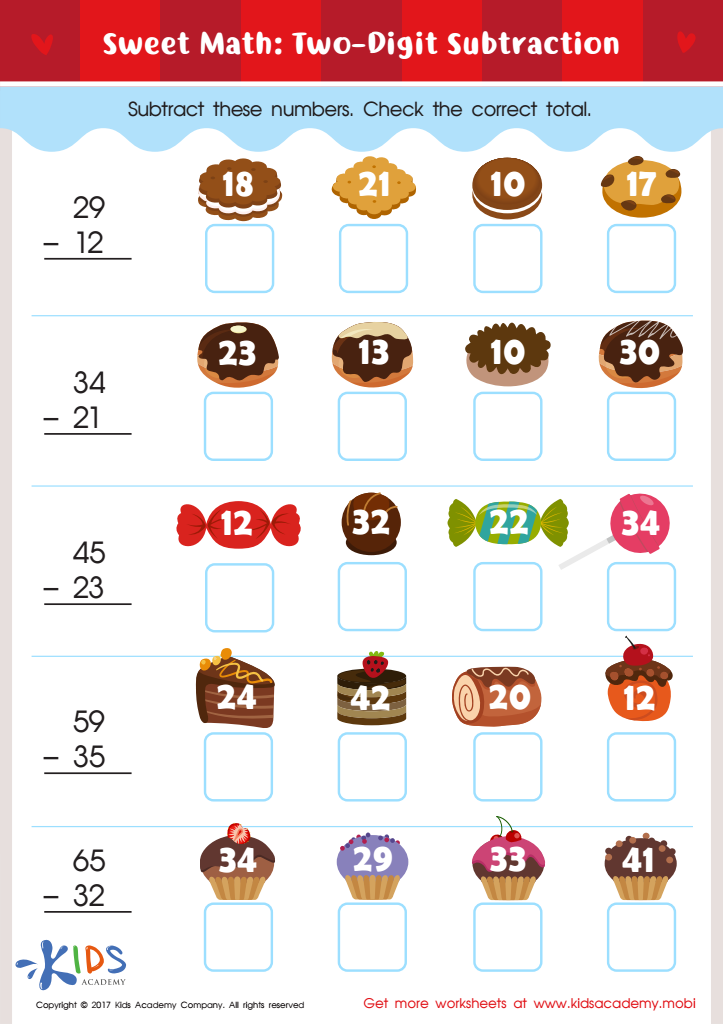
Two Digit Subtraction Worksheet
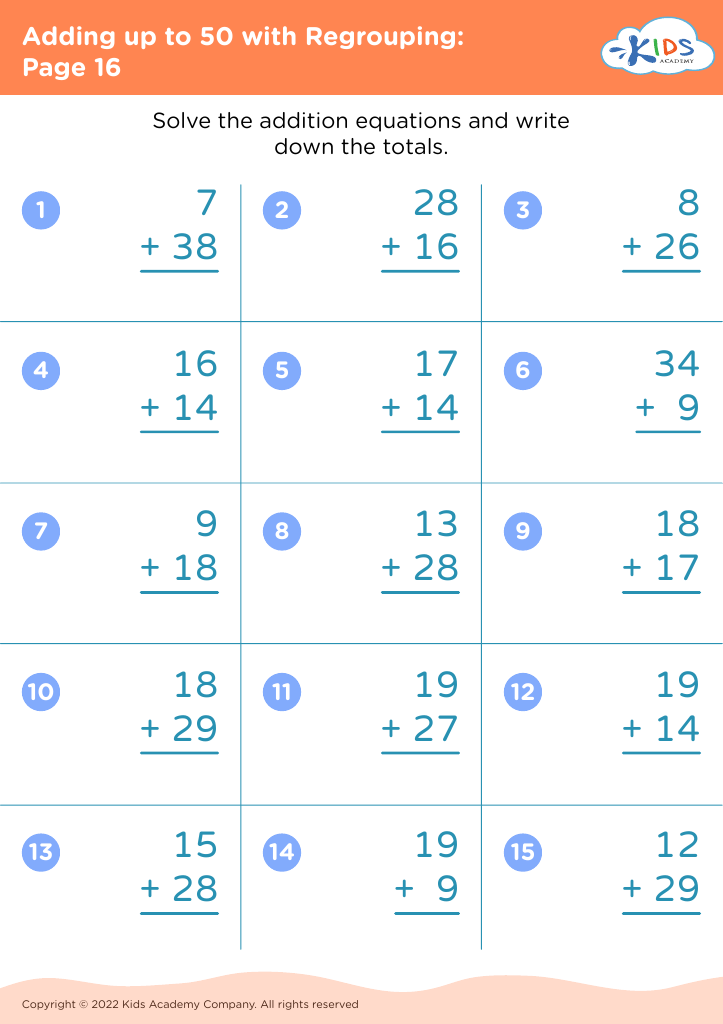
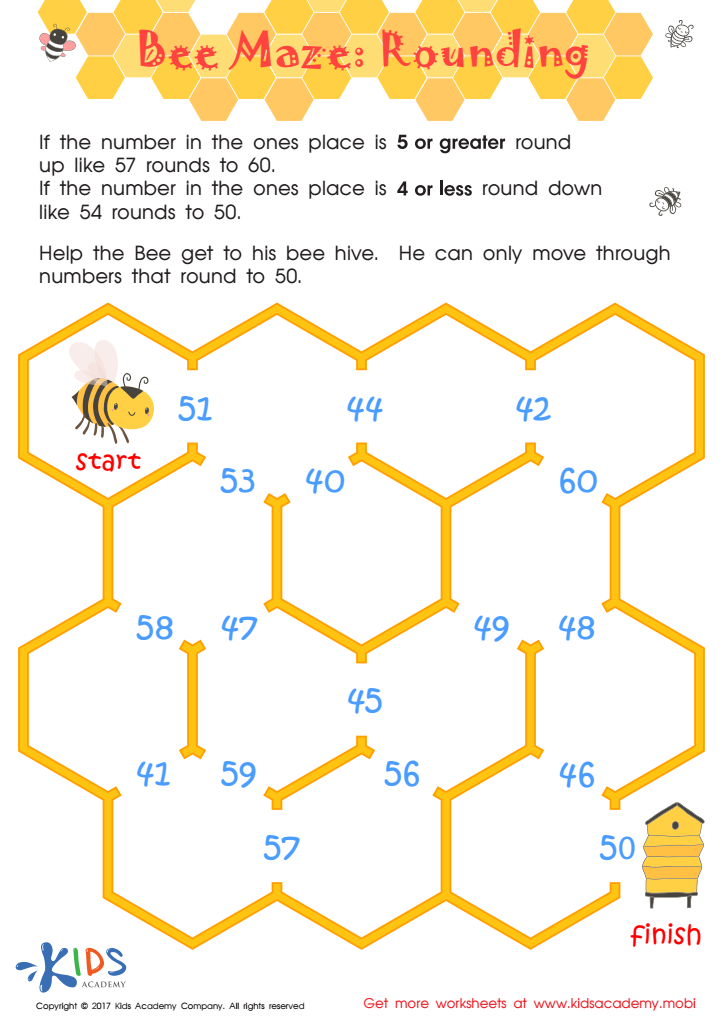
Bee Maze Worksheet
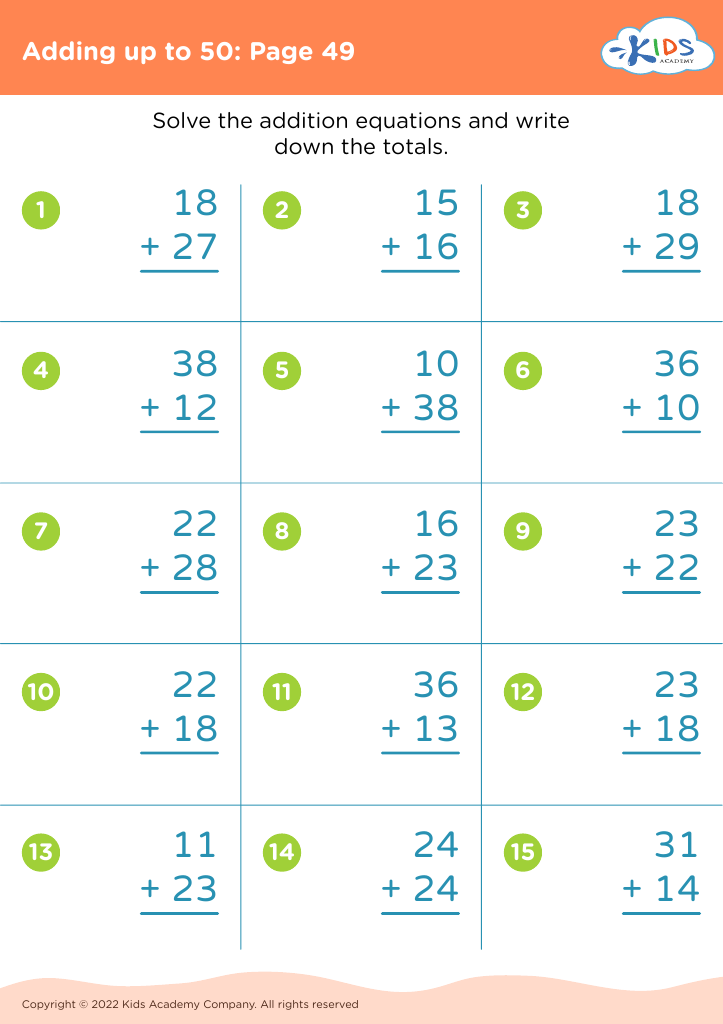
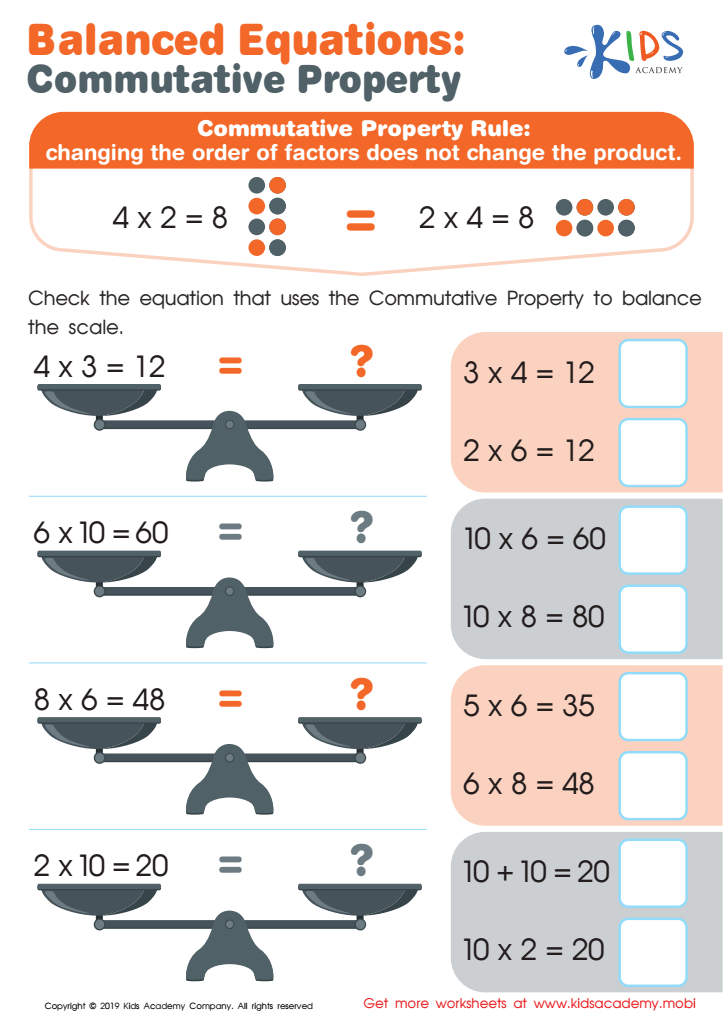
Balanced Equations: Commutative Property Worksheet
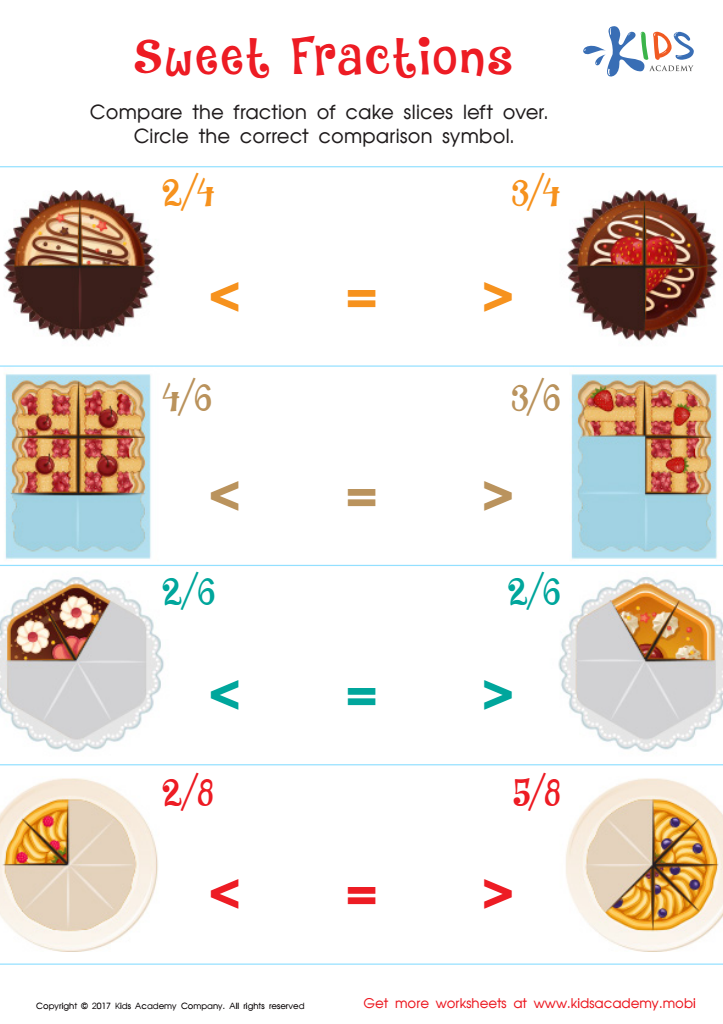
Compare Fractions Worksheet








Improving math skills for children aged 4-9 is crucial for several reasons, and both parents and teachers play pivotal roles in this developmental stage. First, early math skills form the foundation for later success in a variety of subjects, not just mathematics. Research shows that early math competency is a strong predictor of academic achievement in general, including reading and writing. When children understand basic math concepts, they develop critical thinking, problem-solving skills, and the ability to analyze and interpret data.
Mathematical thinking enhances cognitive development by promoting logical reasoning and systematized thought processes. These skills are applicable in everyday life, from telling time and handling money to understanding patterns and spatial reasoning. Early mastery of math also builds confidence. Children who can tackle math challenges feel a sense of accomplishment, which boosts self-esteem and encourages them to engage more actively in learning.
Additionally, math proficiency at a young age sets the stage for more complex learning down the line. Advanced studies in science, technology, engineering, and mathematics (STEM) fields all require a solid math background. By investing time and effort in improving math skills early, parents and teachers help children unlock doors to future opportunities. Thus, attention to math education in these formative years is not just beneficial but essential for lifelong academic and practical success.








