Shape identification Worksheets for Ages 4-9
40 filtered results
-
From - To
Shape Identification Worksheets for Ages 4-9
Discover a world of fun and learning with our Shape Identification Worksheets designed for children ages 4-9! At Kids Academy, our engaging and colorful worksheets help young learners recognize and identify basic shapes such as circles, squares, triangles, and more. Perfect for developing cognitive and fine motor skills, these activities encourage creativity and critical thinking. Suitable for both classroom and home use, our printable resources offer easy-to-follow instructions to ensure a joyful learning experience. Unlock your child's potential in shape recognition with our expertly crafted worksheets today! Visit Kids Academy for free download and start shaping success.
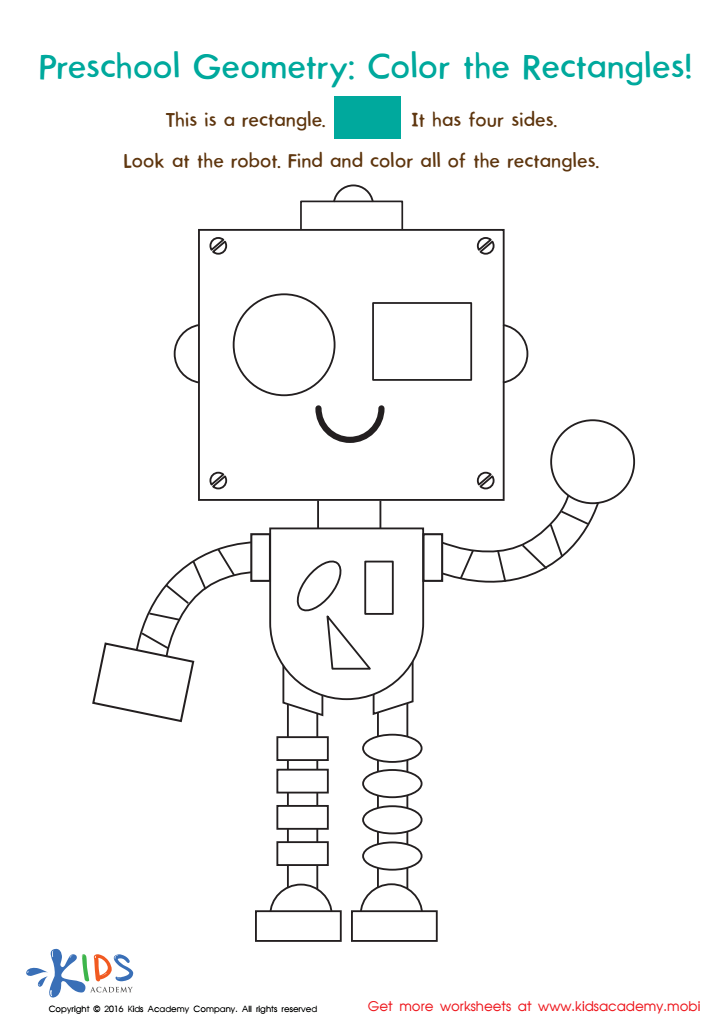
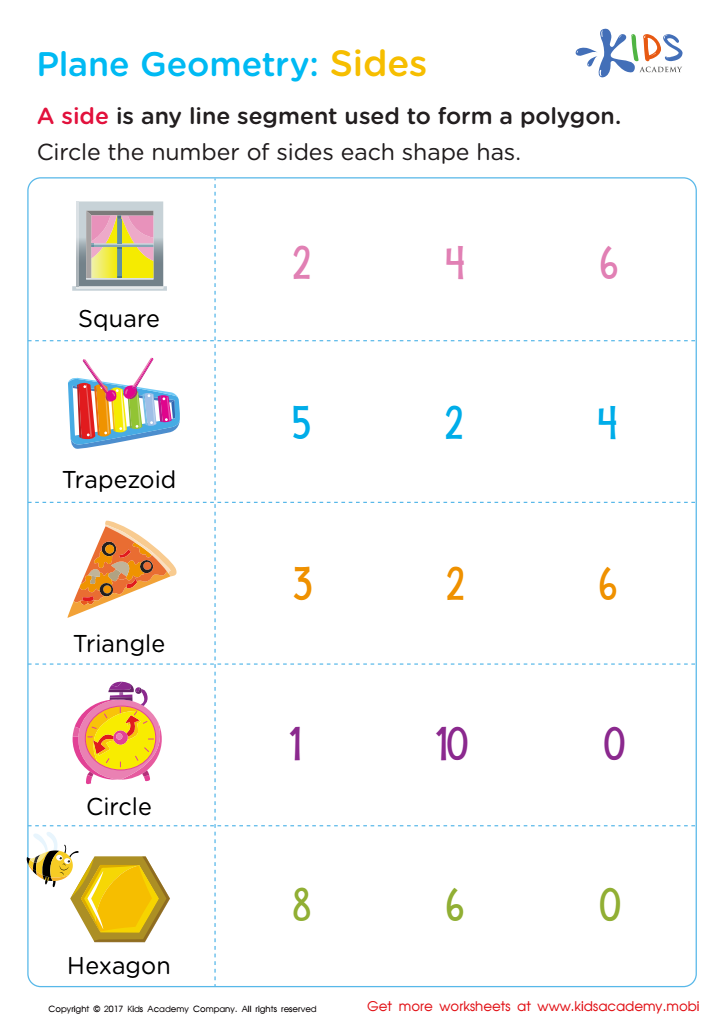
Geometry Worksheet
 Assign to My Students
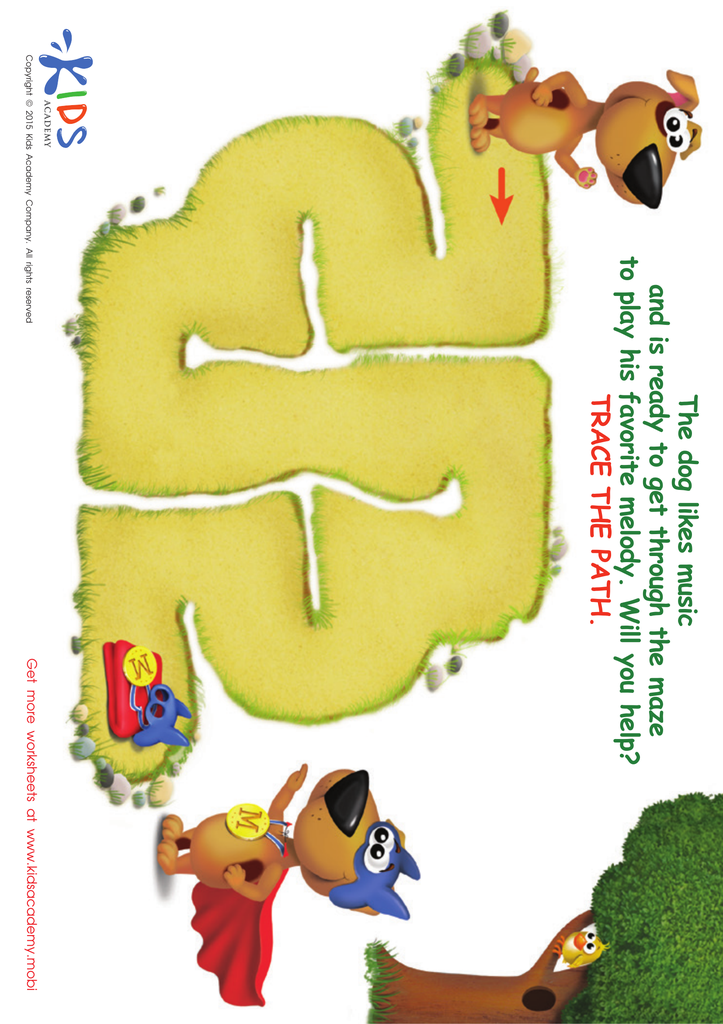
Superman Maze Worksheet
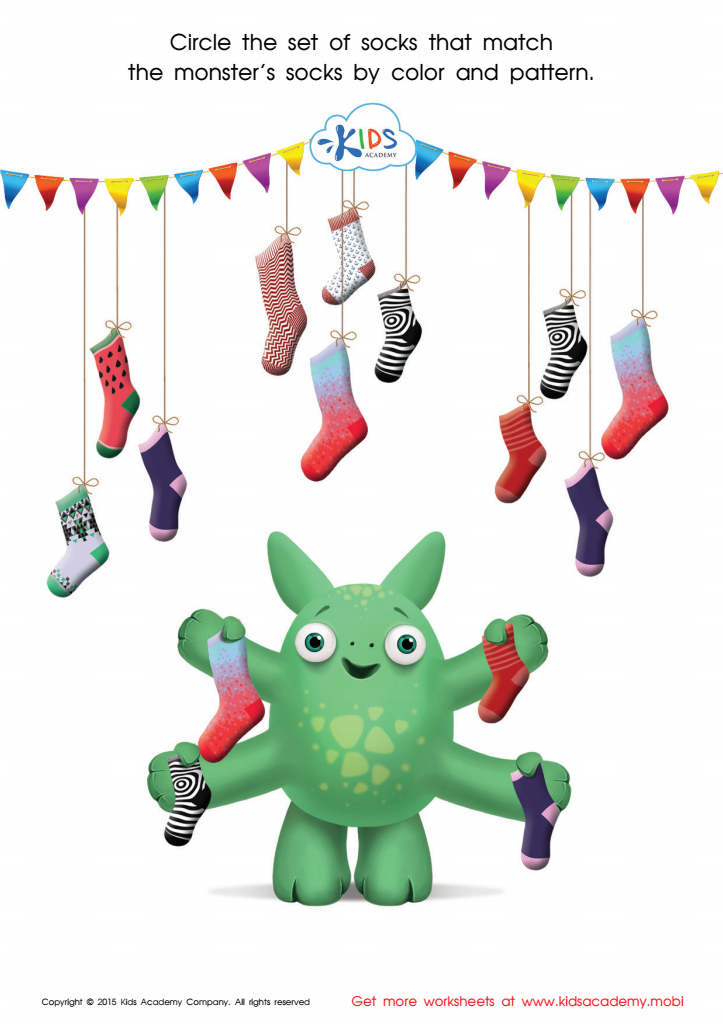
Sort the Monster's Socks Worksheet
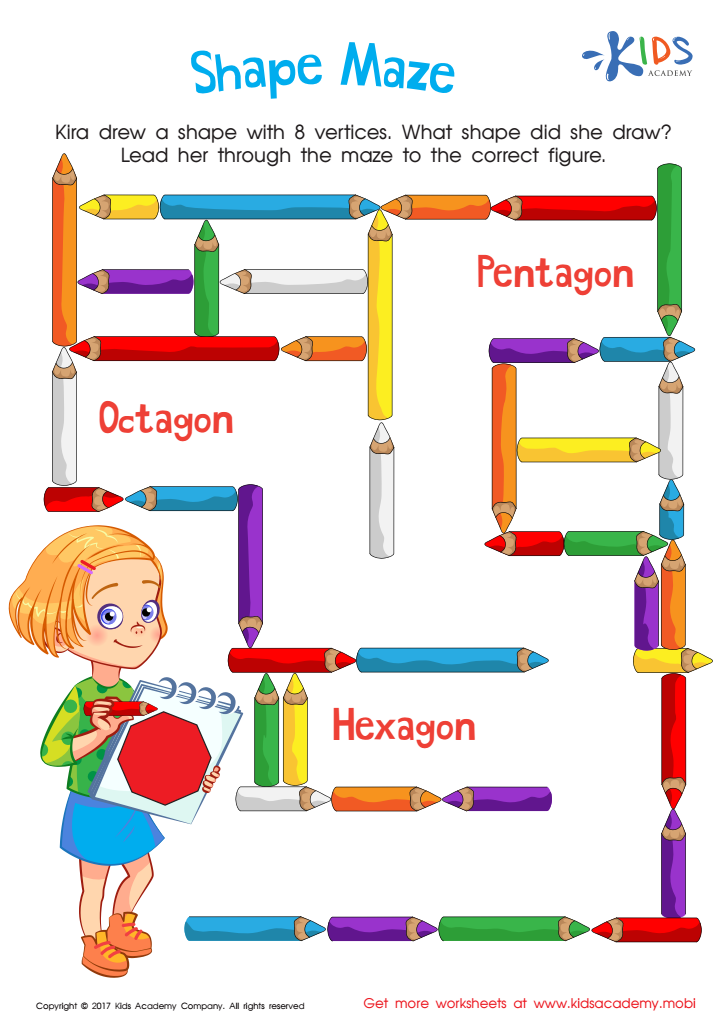
Shape Maze Worksheet
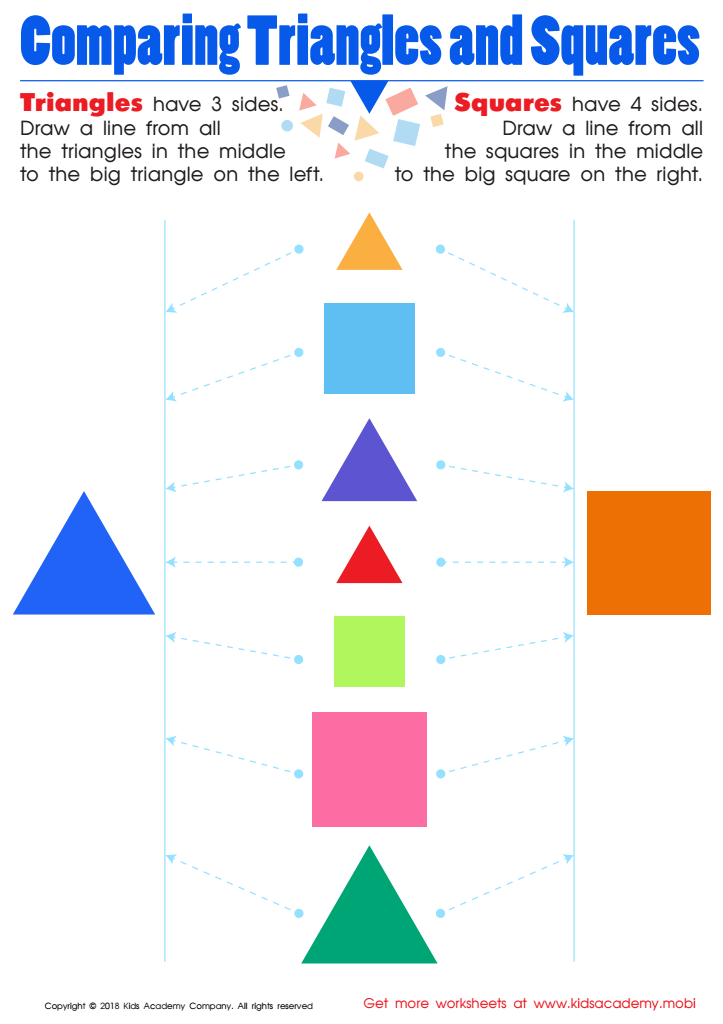
Comparing Triangles Squares Worksheet
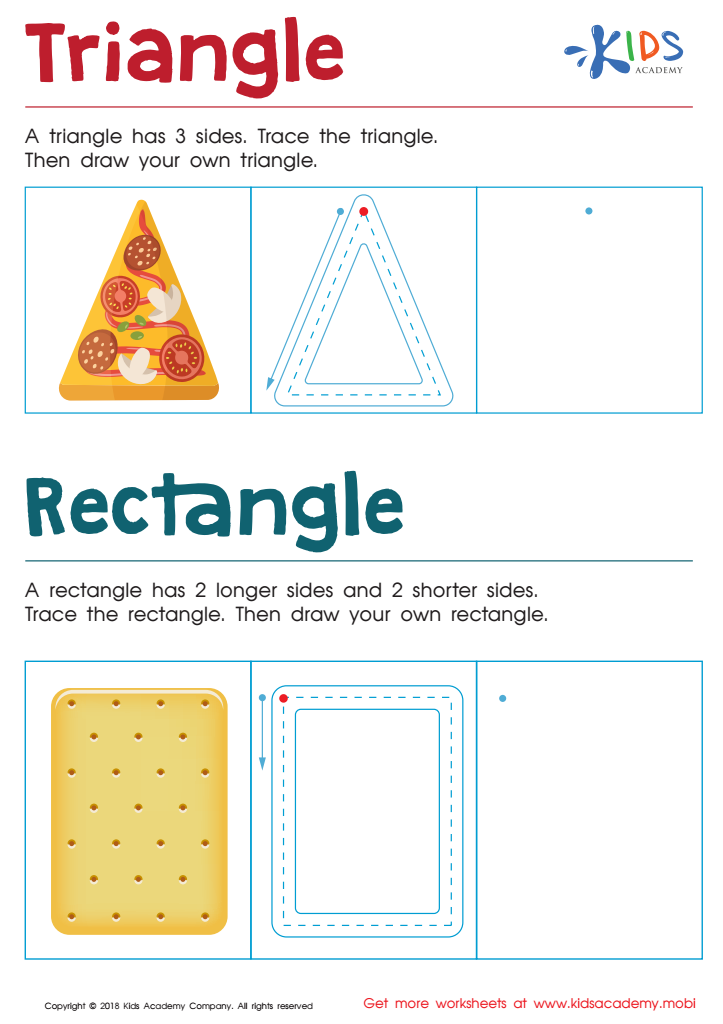
Triangle Rectangle Worksheet
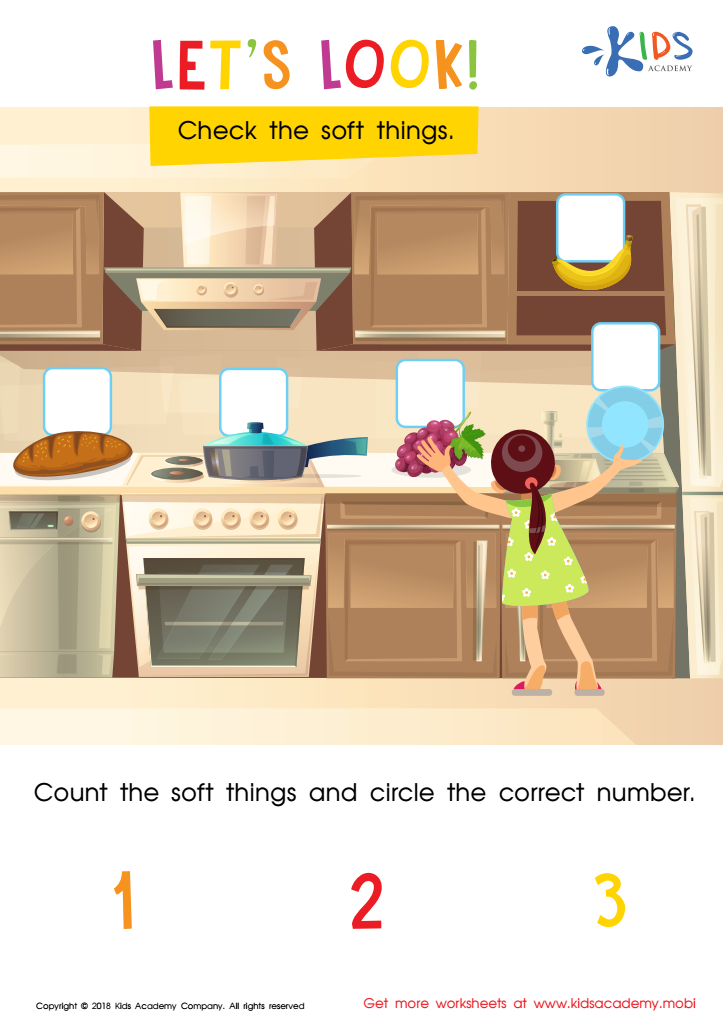
Let's Look! Assessment Worksheet
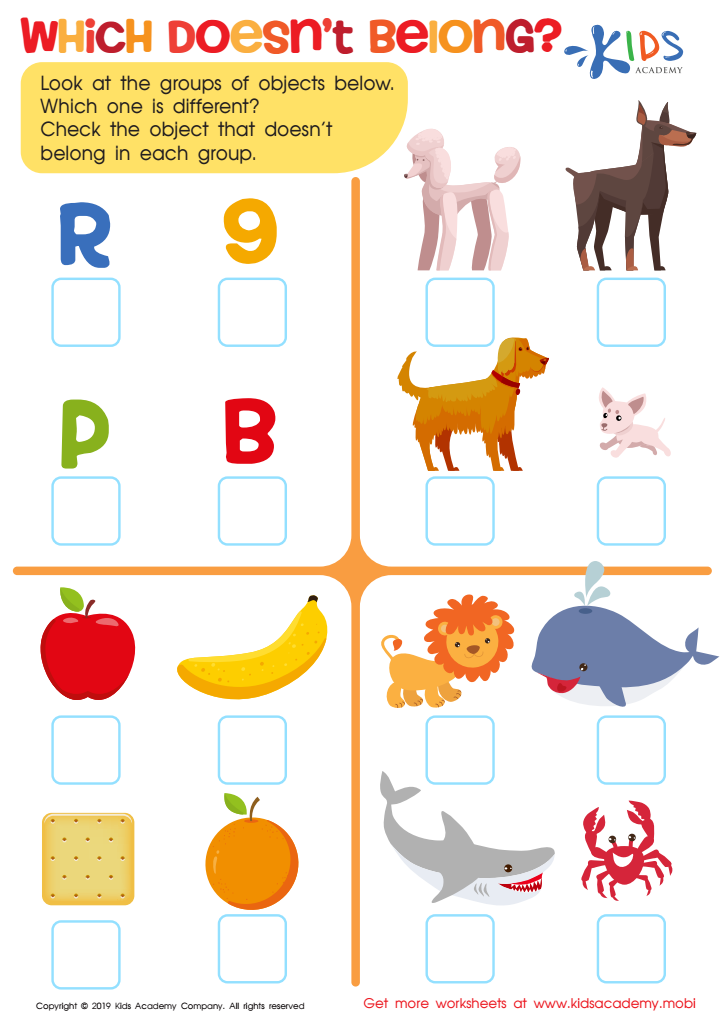
Which Doesn't Belong? Worksheet
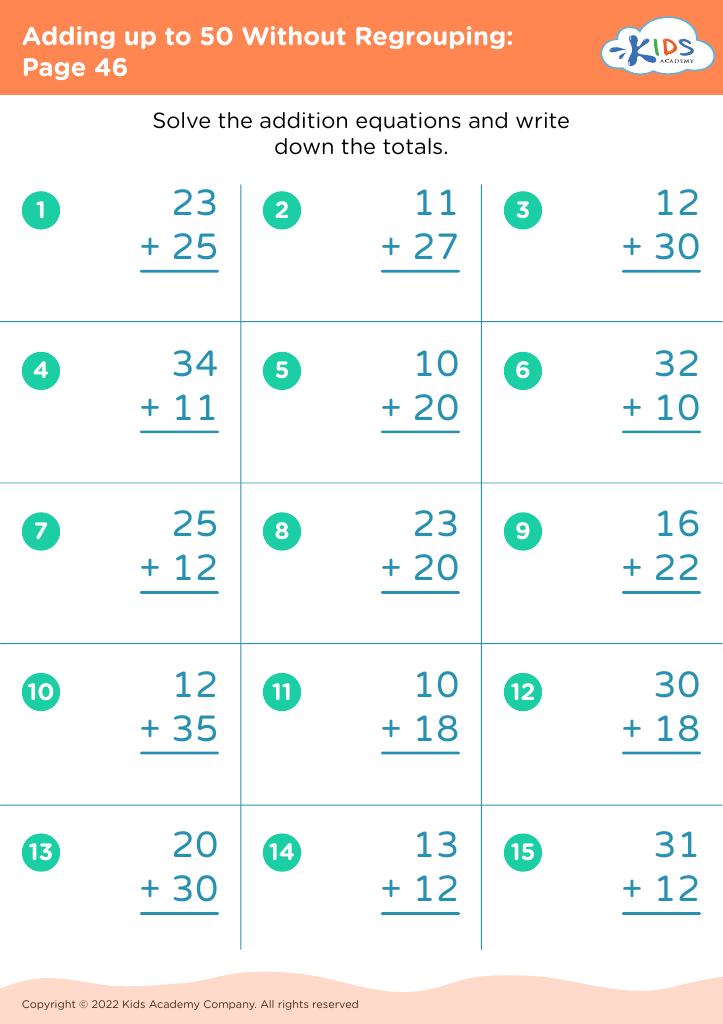
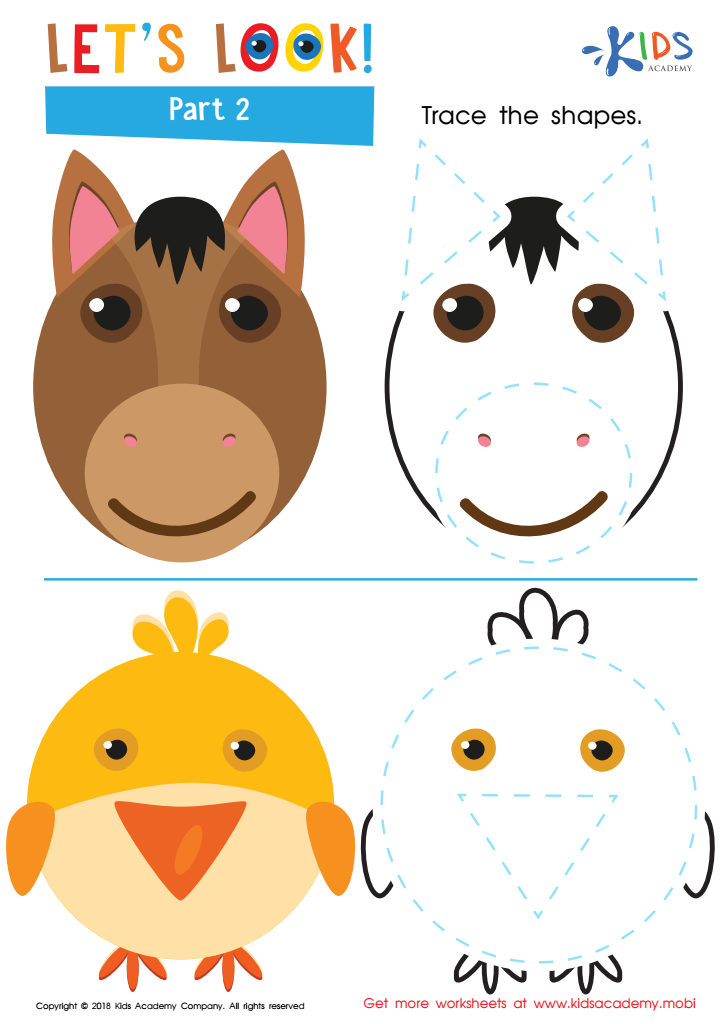
Let's Look! Part 2 Worksheet
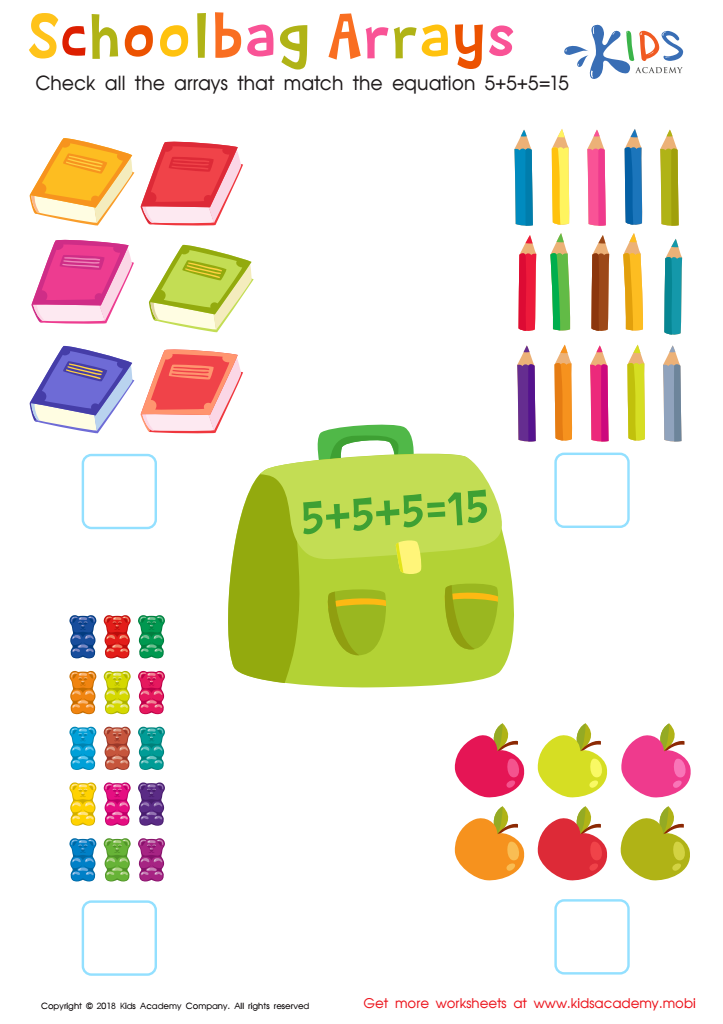
Schoolbag Arrays Worksheet
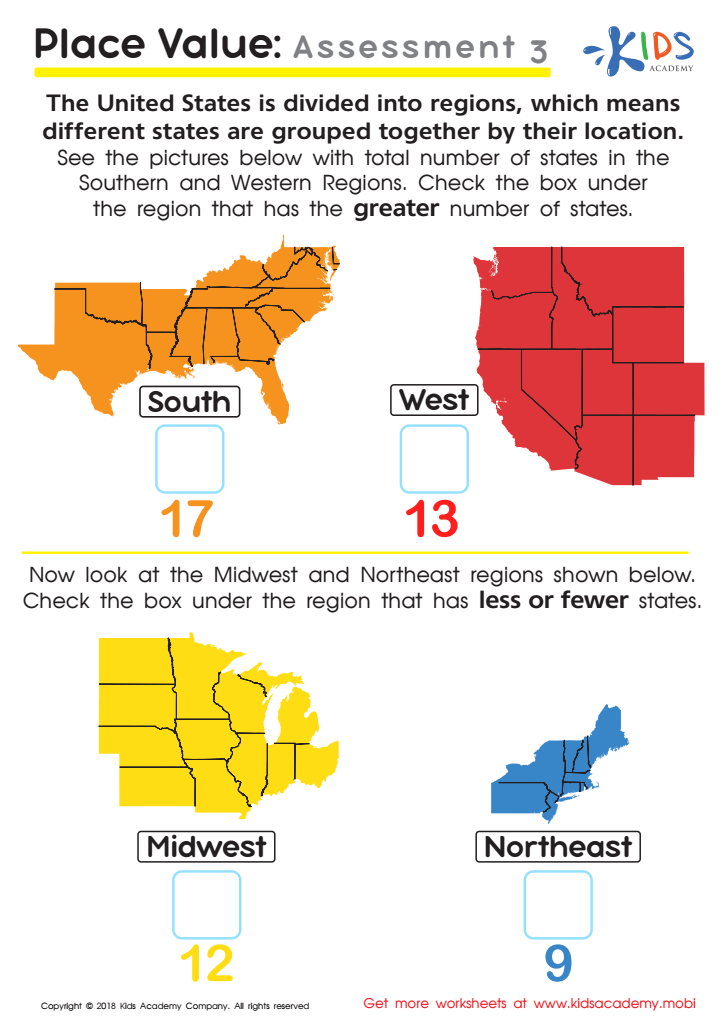
Place Value: Assessment 3 Worksheet
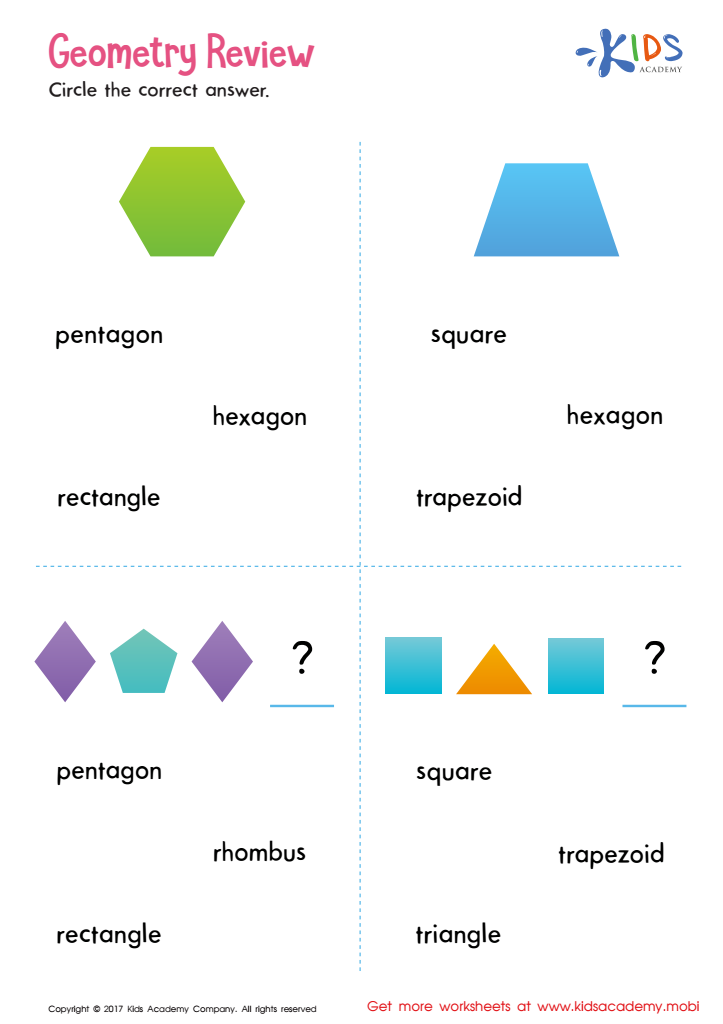
Geometry Review Printable
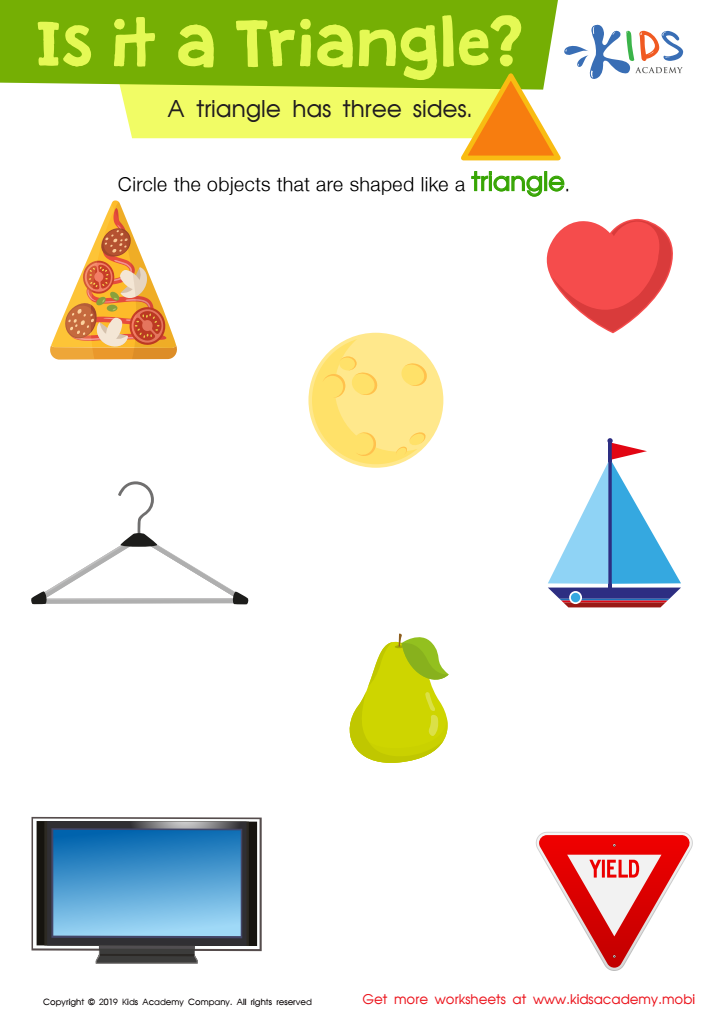
Is It a Triangle? Worksheet








Shape identification is a critical aspect of early childhood education that parents and teachers should prioritize for children aged 4-9. Understanding shapes is foundational to cognitive development and fosters a myriad of essential skills. Firstly, recognizing and naming shapes enhances spatial awareness and geometric thinking, which are fundamental for later mathematical concepts including area, volume, and geometry. Children use shapes to categorize and relate objects in their environment, aiding their capacity to observe, compare, and contrast.
Moreover, shape identification strengthens fine motor skills and visual recognition by encouraging hands-on activities like drawing, building, and sorting. These activities help refine hand-eye coordination and dexterity, preparing children for writing and other intricate tasks.
Additionally, understanding shapes expands language and communication skills. When children describe shapes, they also learn new vocabulary and expressions, aiding their ability to follow instructions and convey ideas more effectively.
Cognitively, shape identification games and activities stimulate critical thinking and problem-solving skills. Children learn to recognize patterns and make connections, which significantly supports their logical reasoning abilities.
Finally, recognizing and manipulating shapes is crucial for real-world tasks such as reading (differentiating letters), navigation (understanding maps), and everyday decision-making (choosing objects based on their shape for specific uses). Thus, shape identification serves as a cornerstone for holistic development, equipping children with practical and academic competencies vital for their growth.








