Basic Math Skills Geometry Worksheets for Ages 4-9
20 filtered results
-
From - To
Enhance your child's understanding of geometry with our "Basic Math Skills Geometry Worksheets" designed for ages 4-9. These interactive worksheets focus on essential geometry skills, such as shape recognition, spatial awareness, and patterns, making learning fun and engaging. Ideal for classroom activities or home practice, our resources cater to various learning styles and help develop foundational math concepts. Children will enjoy exploring shapes through colorful visuals and interactive exercises, fostering both creativity and critical thinking. Make math enjoyable with our curated worksheets that support early learners in mastering geometry and building confidence for future mathematical endeavors! Explore now for a brighter learning experience!
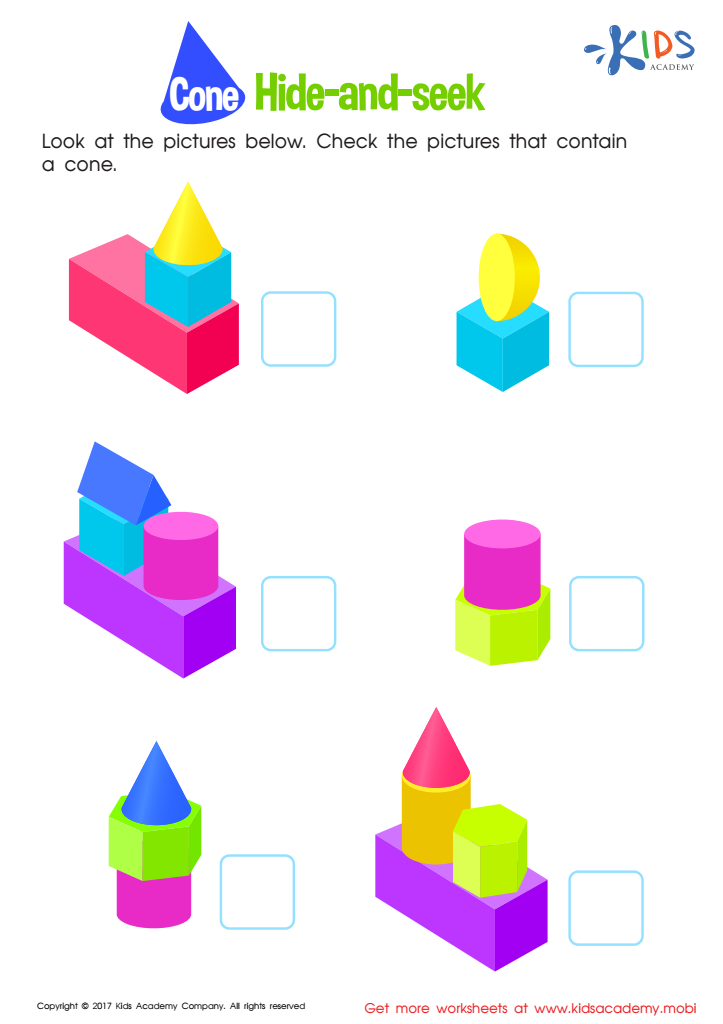
Cone Hide-and-Seek Worksheet
 Assign to My Students











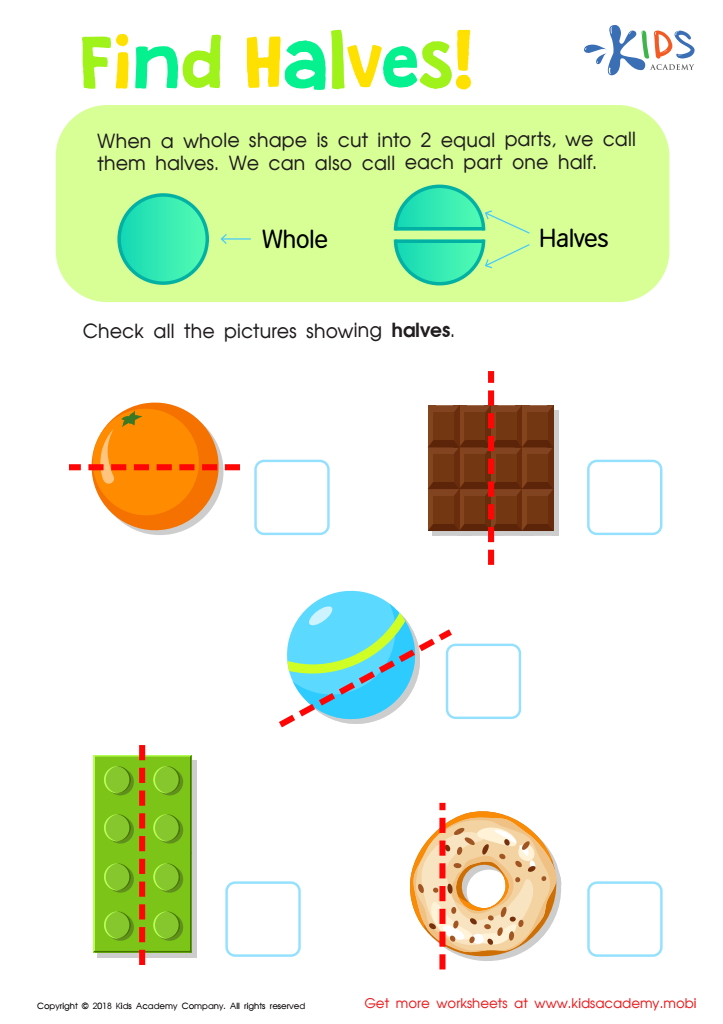
Find Halves Worksheet
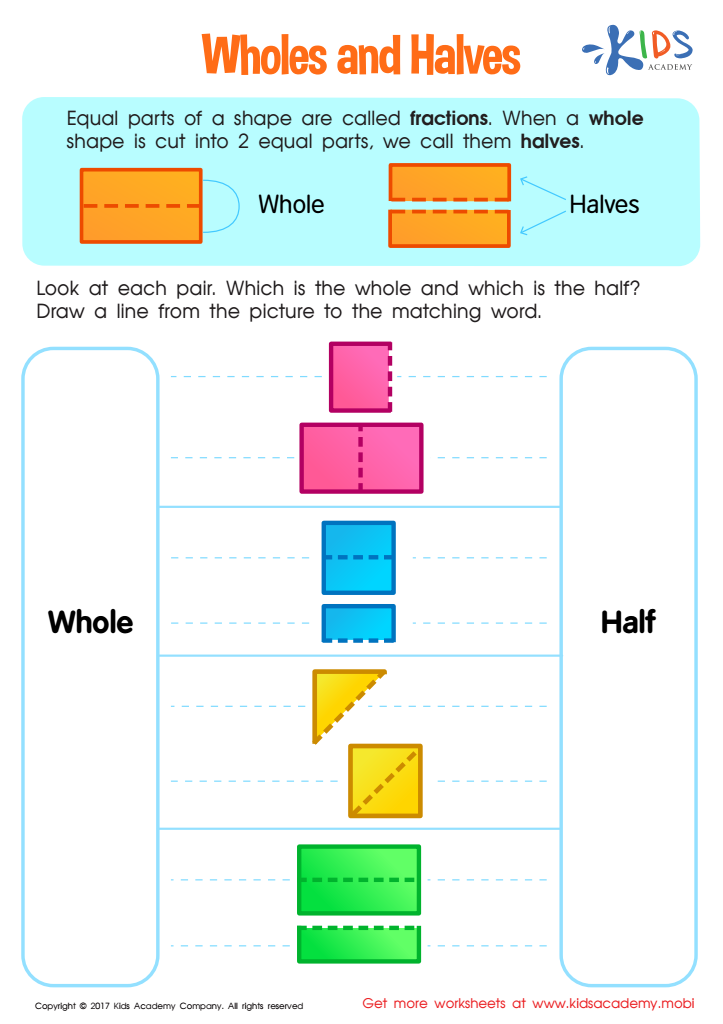
Wholes and Halves Worksheet
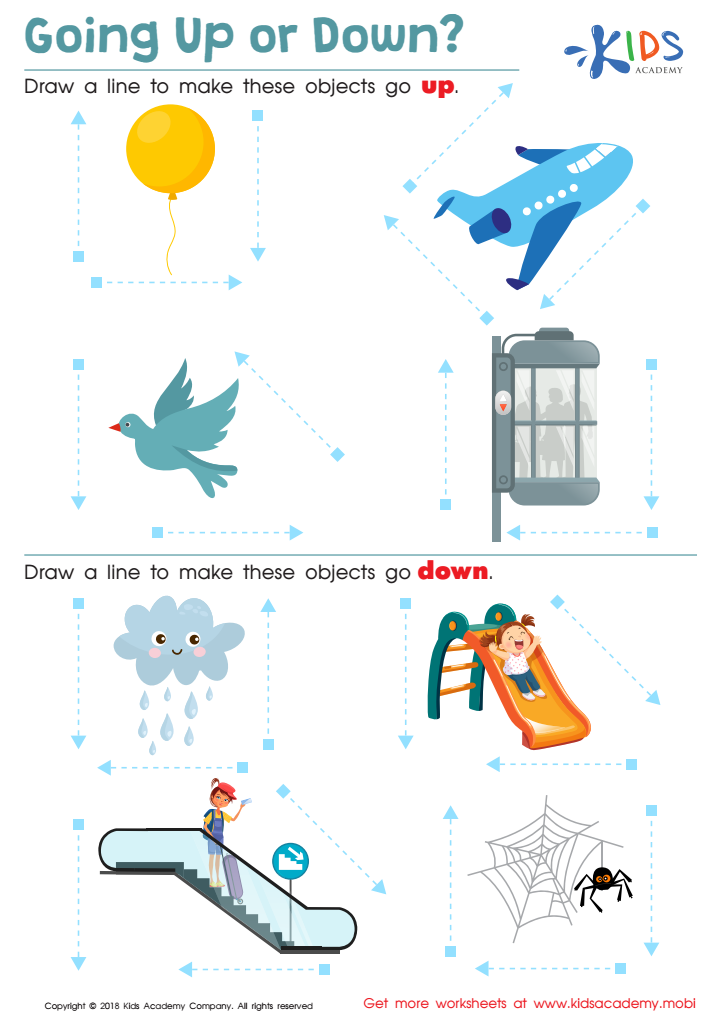
Going up or Down? Worksheet
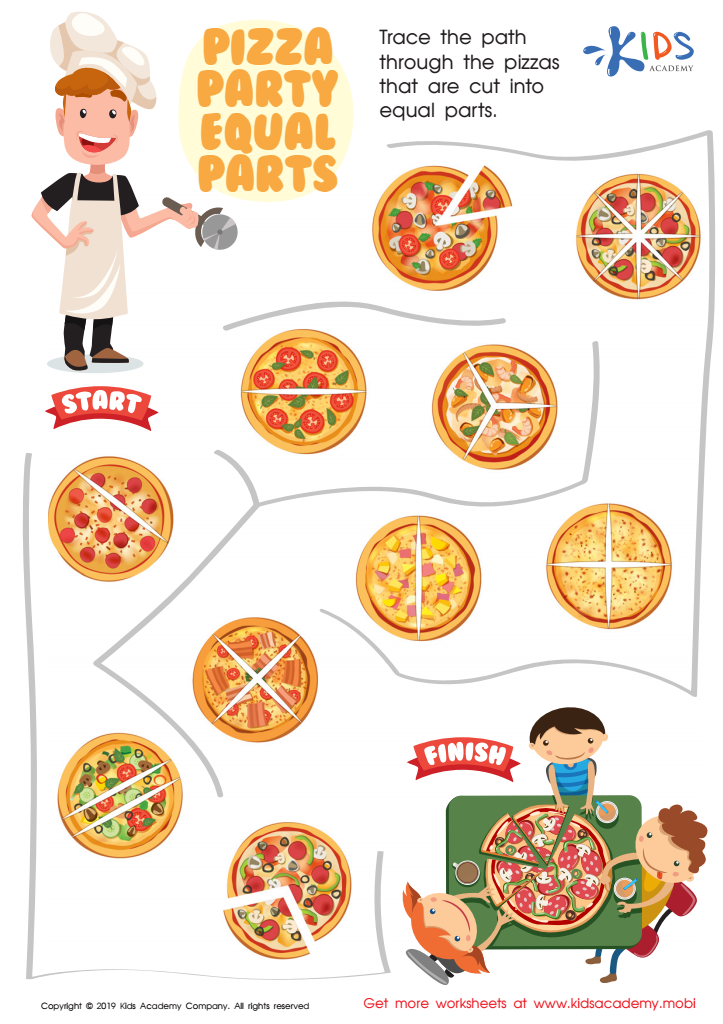
Pizza Party Equal Parts Worksheet
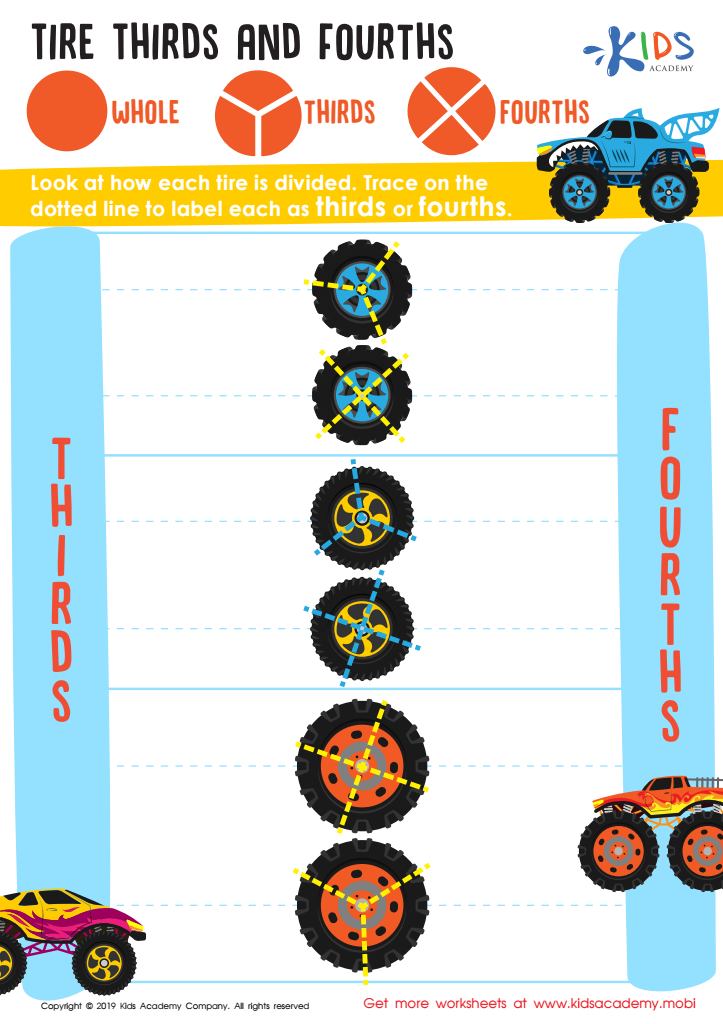
Tire Thirds and Fourths Worksheet
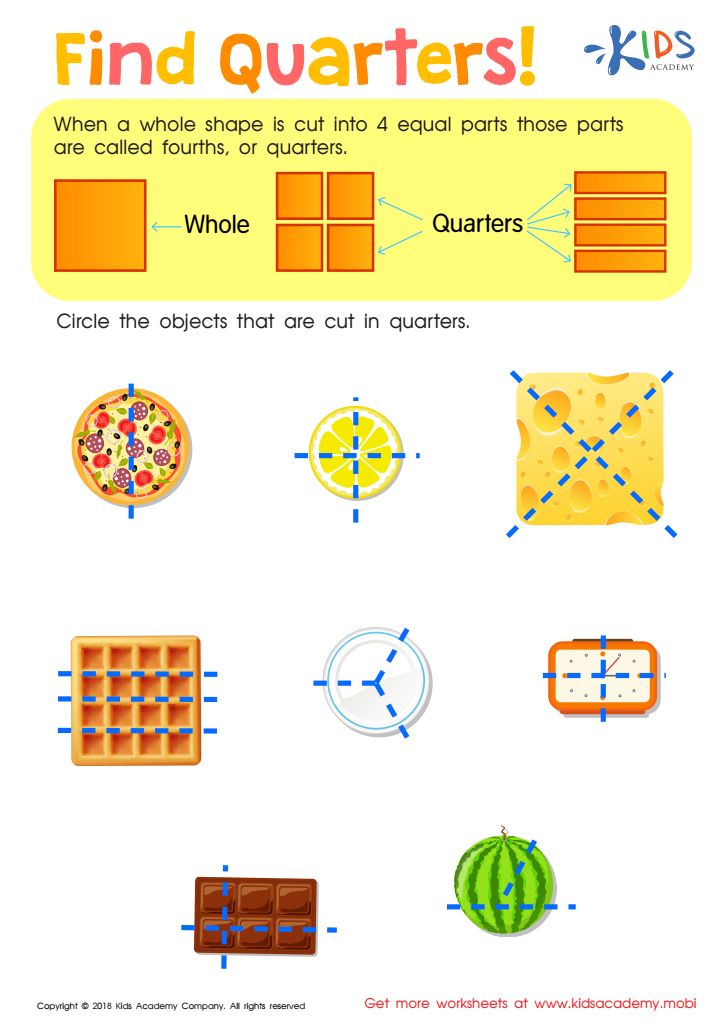
Find Quarters Worksheet
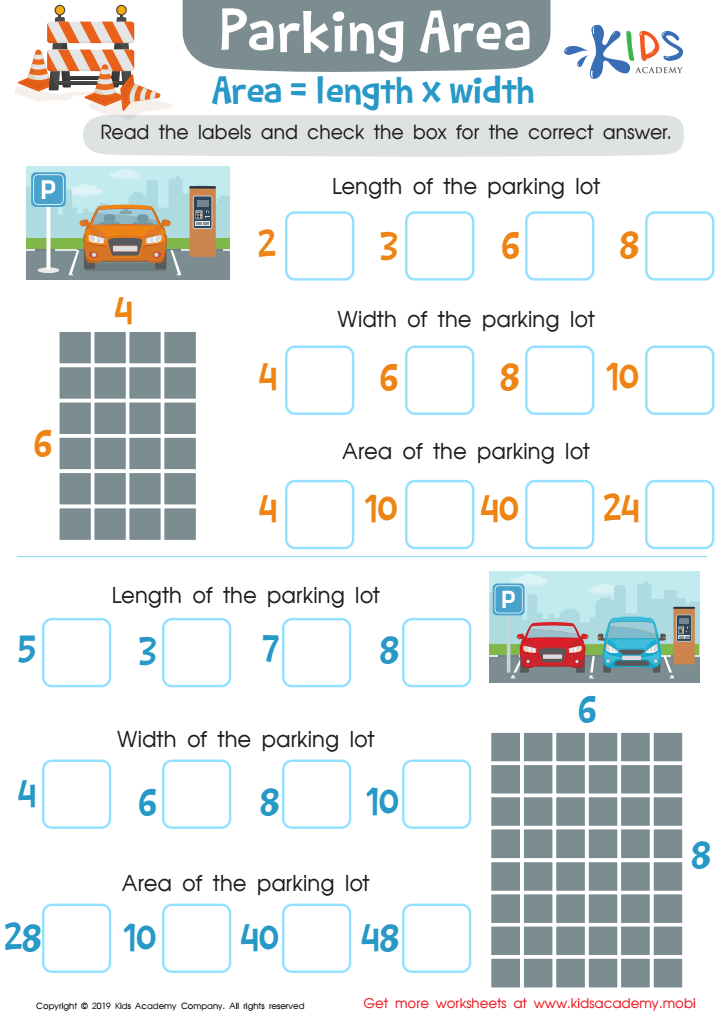
Parking Area Worksheet
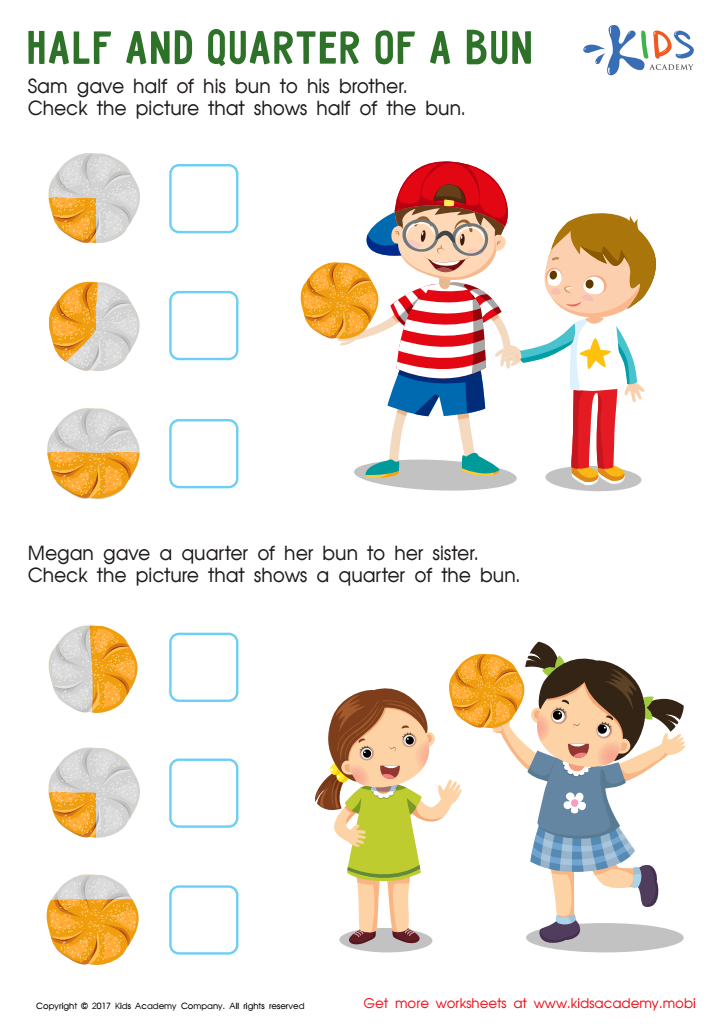
Half and Quarter of a Bun Worksheet
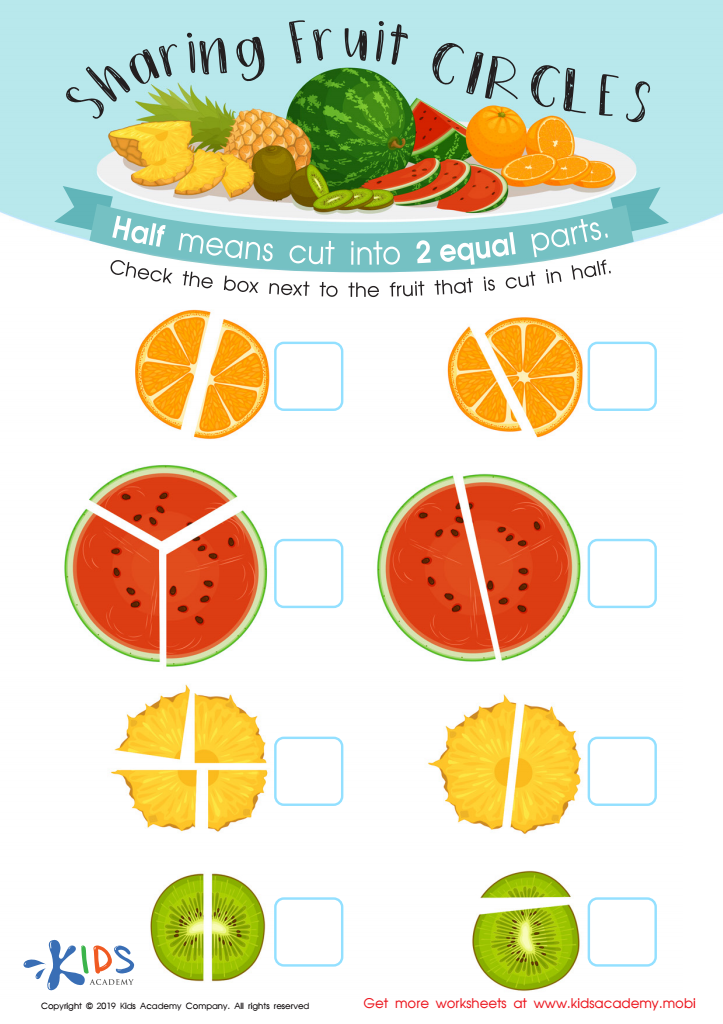
Sharing Fruit Circles Worksheet
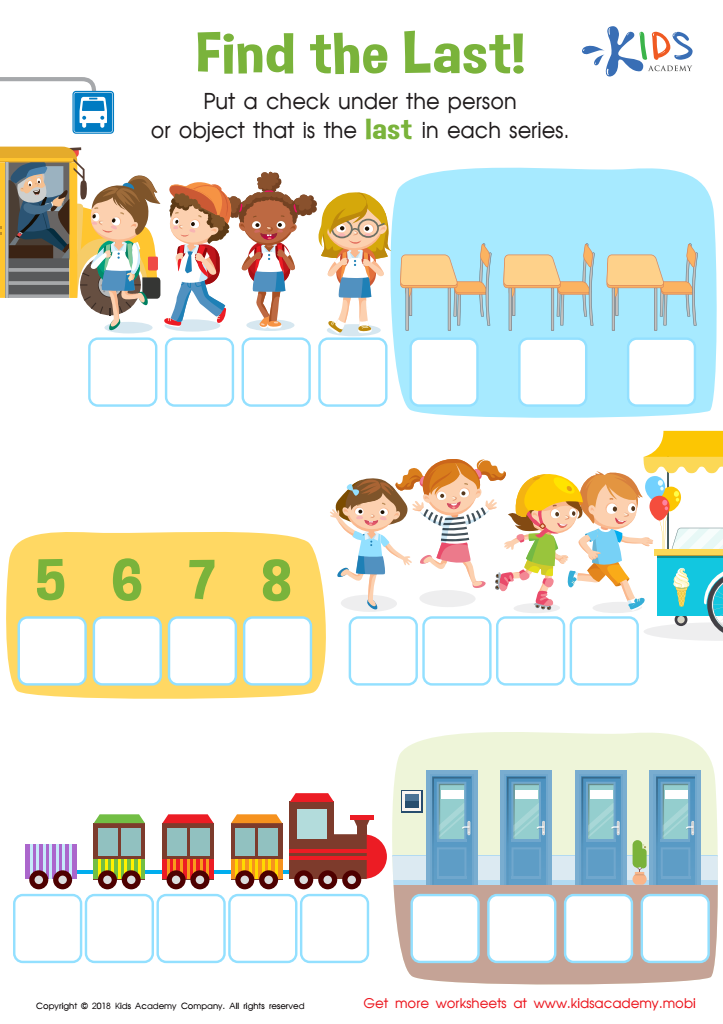
Find the Last! Worksheet
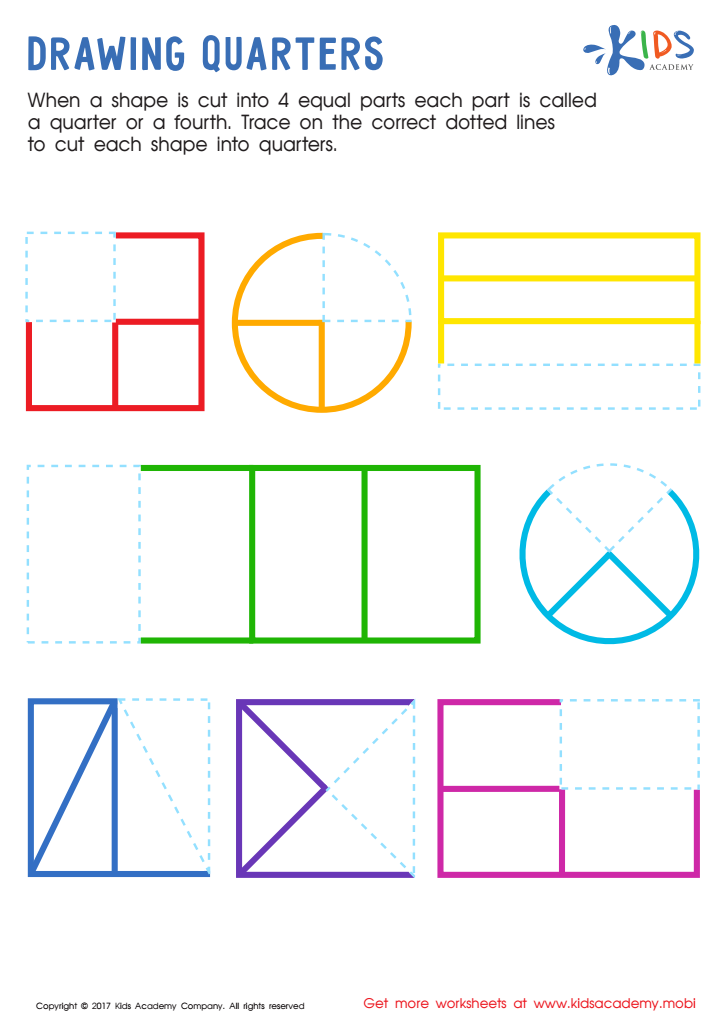
Drawing Quarters Worksheet
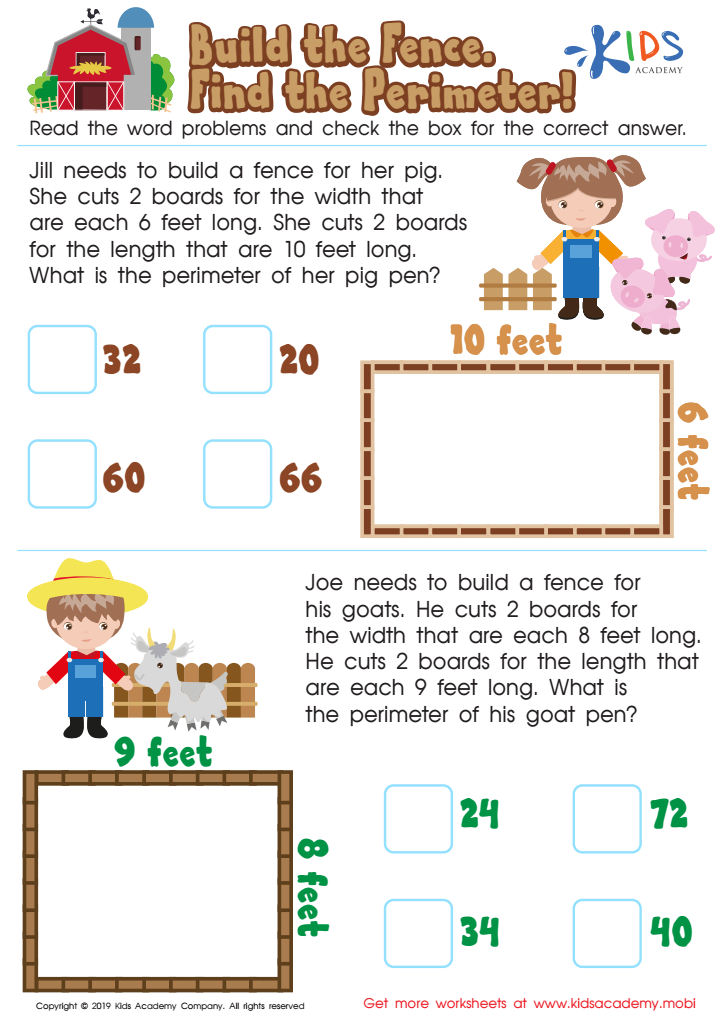
Build the Fence, Find the Perimeter Worksheet
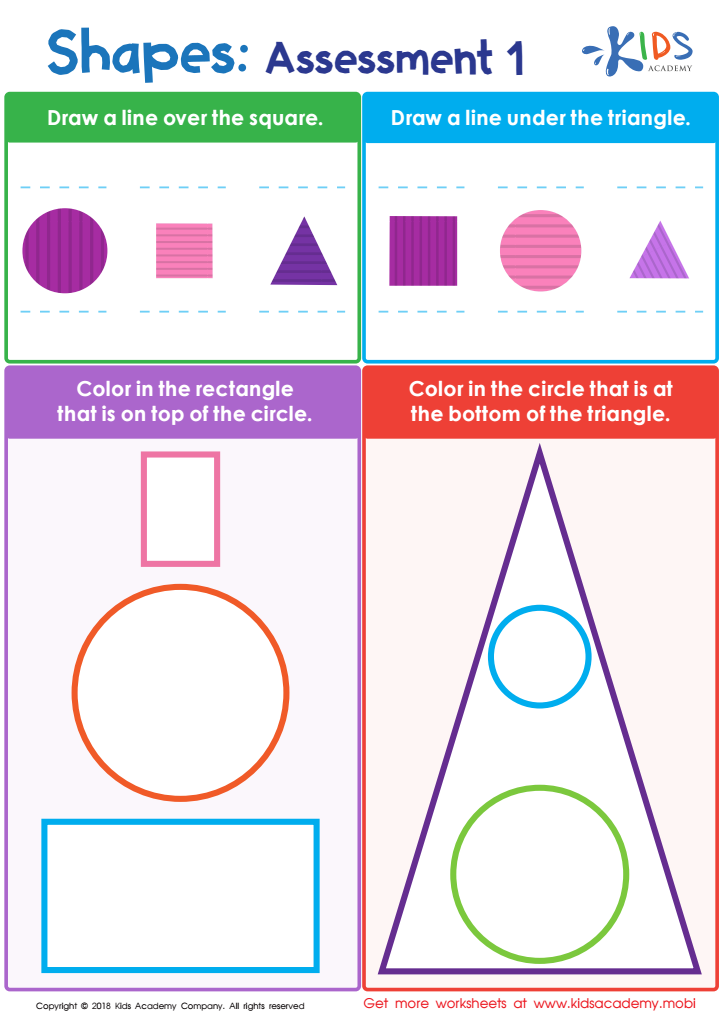
Shapes: Assessment 1 Worksheet
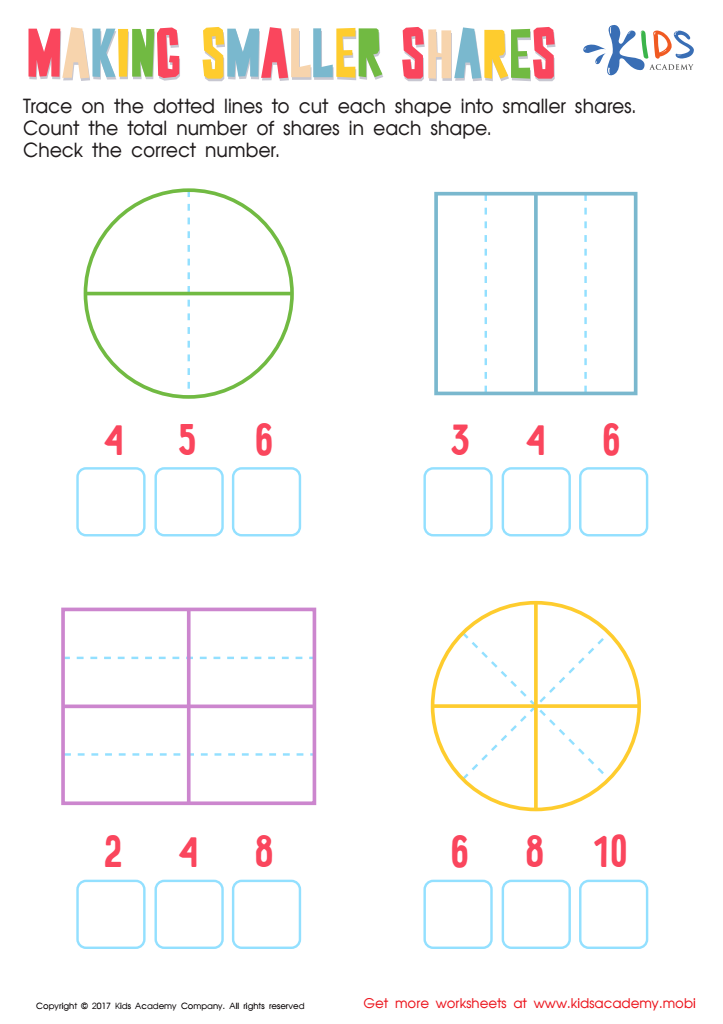
Making Smaller Shares Worksheet
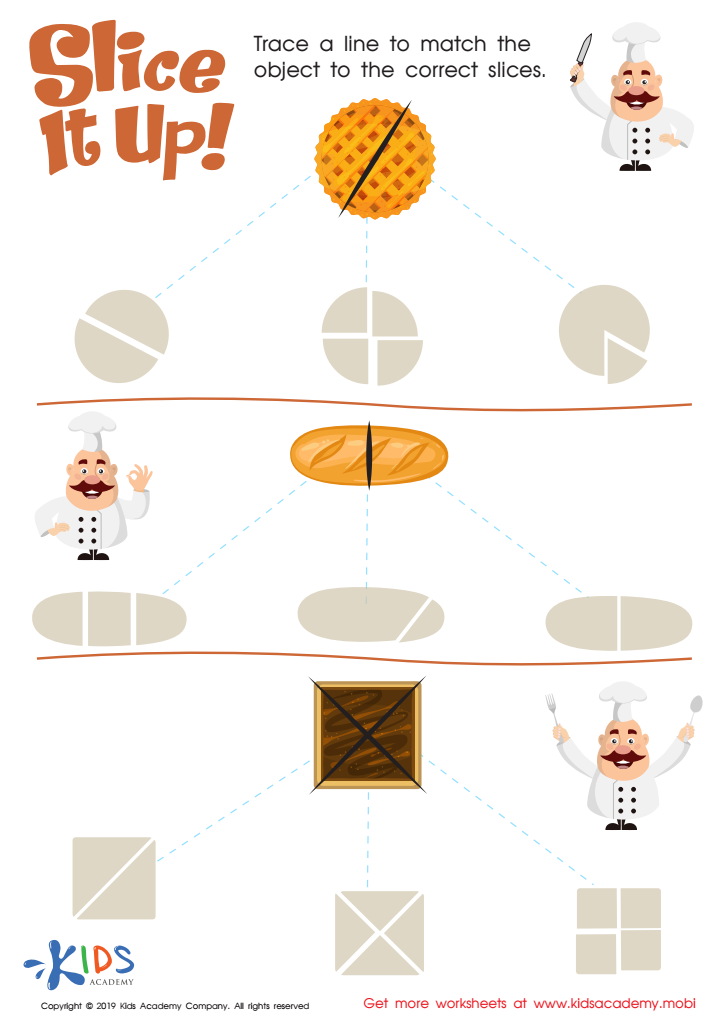
Slice It Up Worksheet
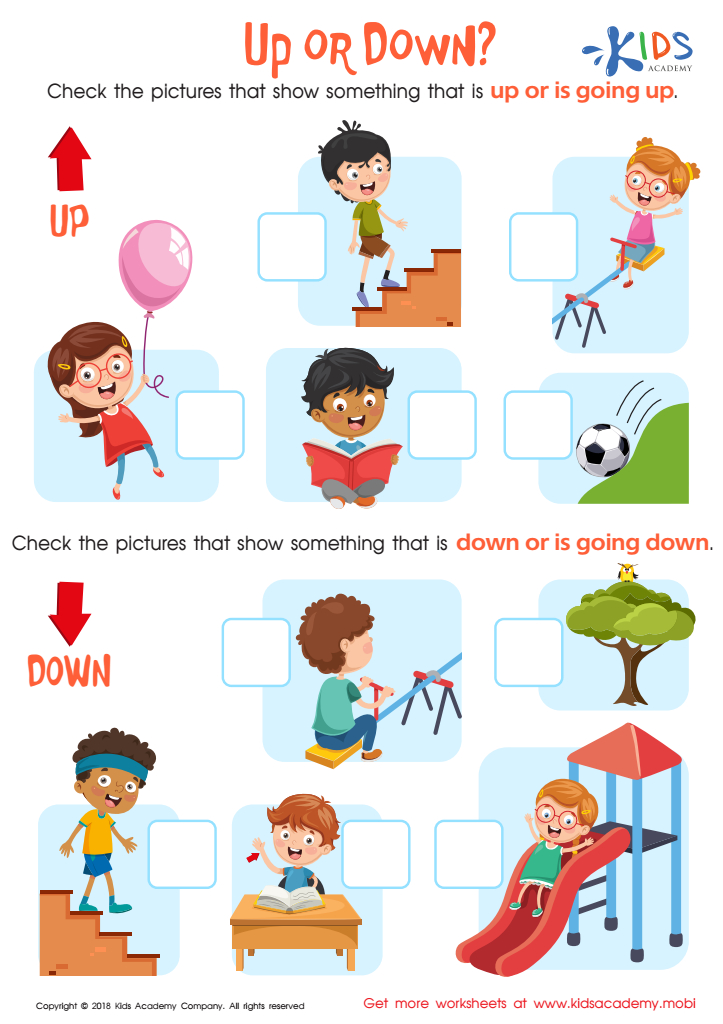
Up or Down Worksheet
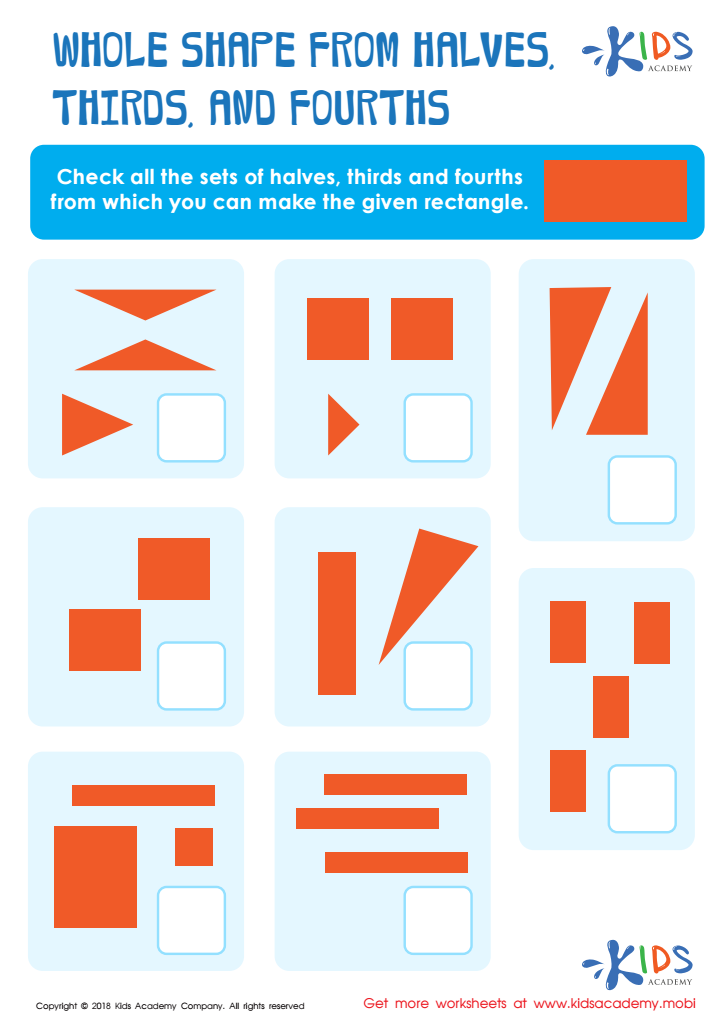
Whole Shape from Halves, Thirds and Fourths Worksheet
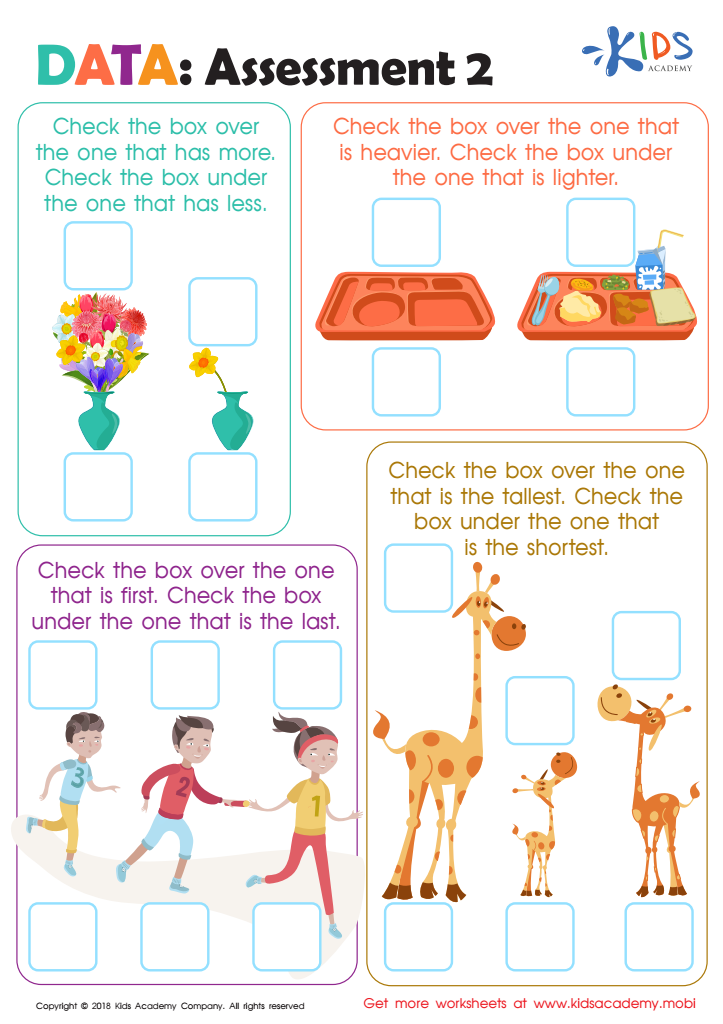
Data: Assessment 2 Worksheet
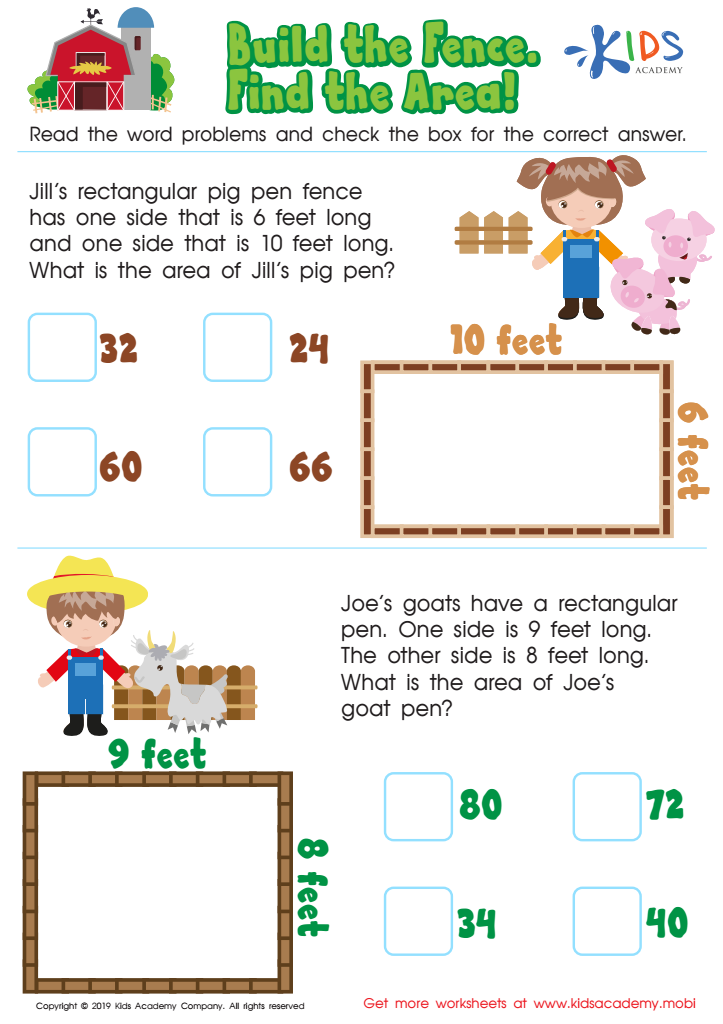
Build the Fence, Find the Area Worksheet








Parents and teachers should prioritize basic math skills in geometry for children aged 4-9 as it lays the foundation for critical reasoning and problem-solving. At this age, children naturally explore shapes, sizes, and spatial relationships, making geometry an integral part of their early learning. By focusing on geometric concepts, educators can help children identify and classify shapes, understand spatial awareness, and build visualization skills, which are essential for their cognitive development.
Geometry also encourages creativity and critical thinking. Engaging in hands-on activities, such as building with blocks or drawing shapes, stimulates curiosity and promotes exploration, allowing children to make connections between mathematics and the real world. Furthermore, these skills boost confidence in their ability to tackle more complex mathematical challenges in the future.
Additionally, basic geometry skills contribute to a well-rounded education. They intertwine with art, science, and even literacy, fostering a deeper appreciation for learning in diverse subjects. By investing in geometry education during these formative years, parents and teachers are not only enhancing children's mathematical abilities but also equipping them with the skills they’ll need throughout their academic journey and daily lives. In essence, nurturing a solid mathematical foundation is crucial for developing informed and capable future learners.








