Problem-Solving Skills Geometry Worksheets for Ages 4-9 - Page 2
30 filtered results
-
From - To
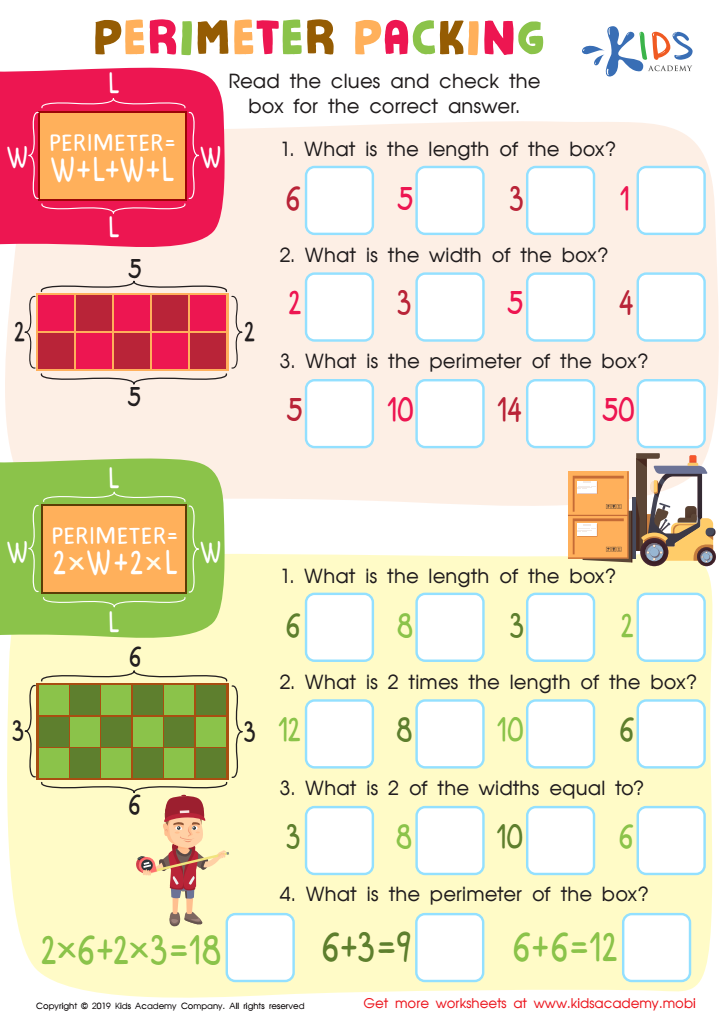
Perimeter Parking Worksheet
 Assign to My Students











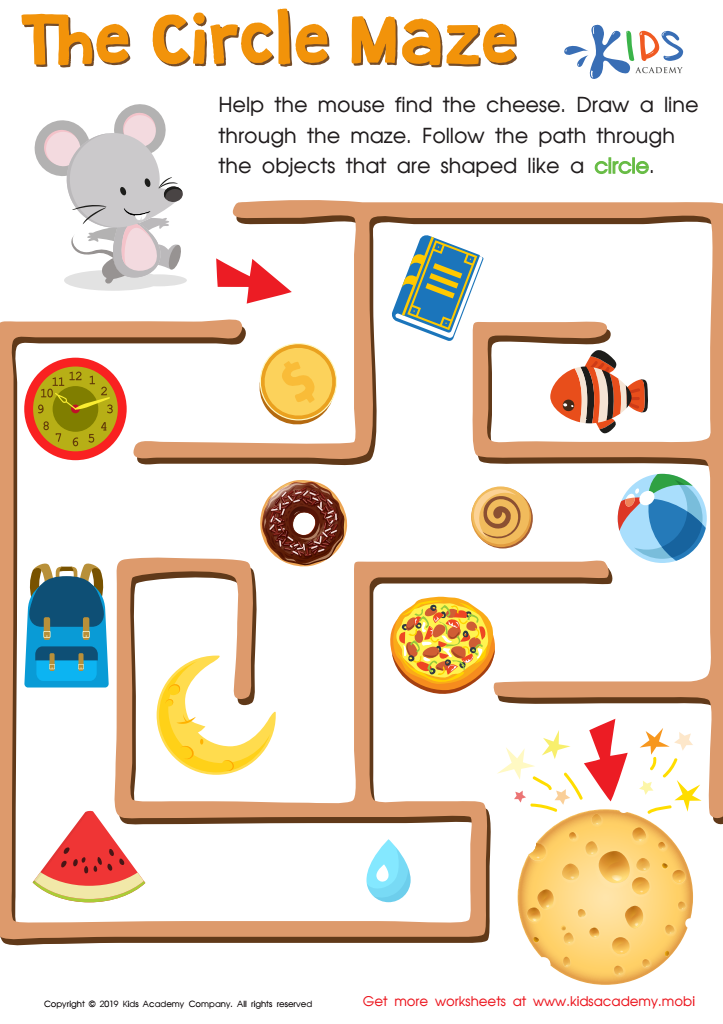
The Circle Maze Worksheet
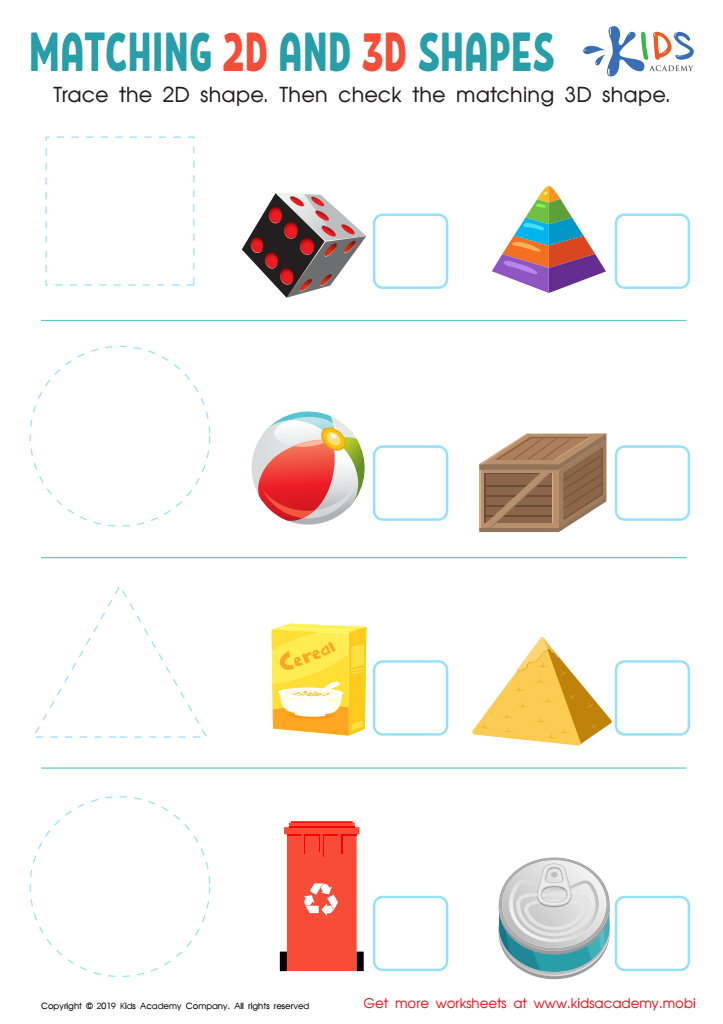
Matching 2D and 3D Shapes Worksheet
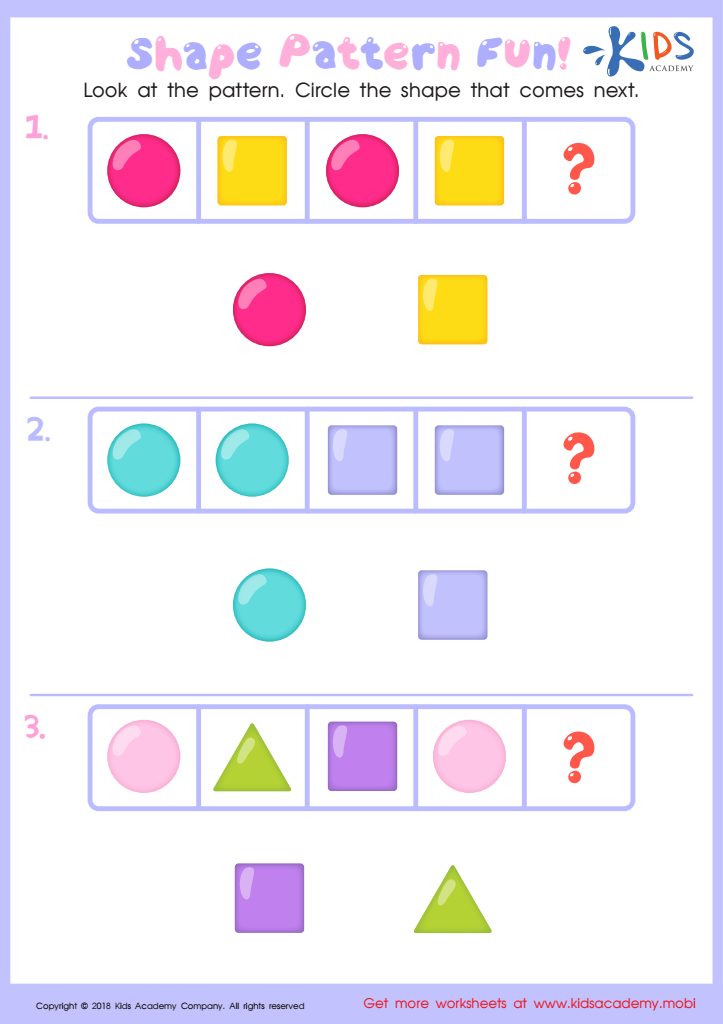
Shape Pattern Fun Worksheet
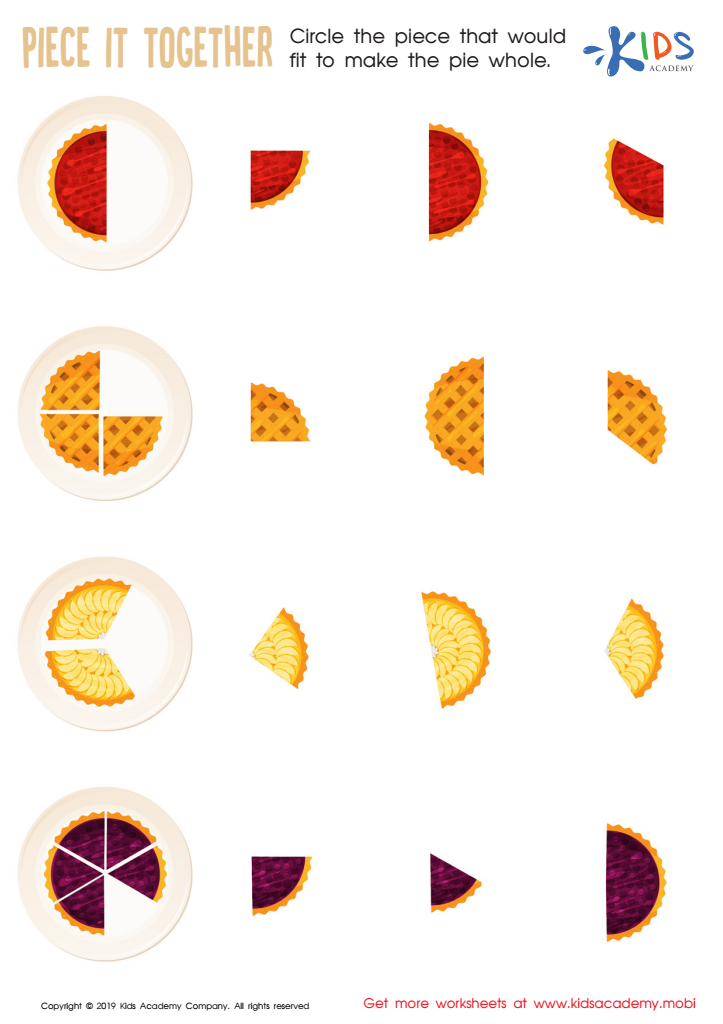
Piece it together Worksheet
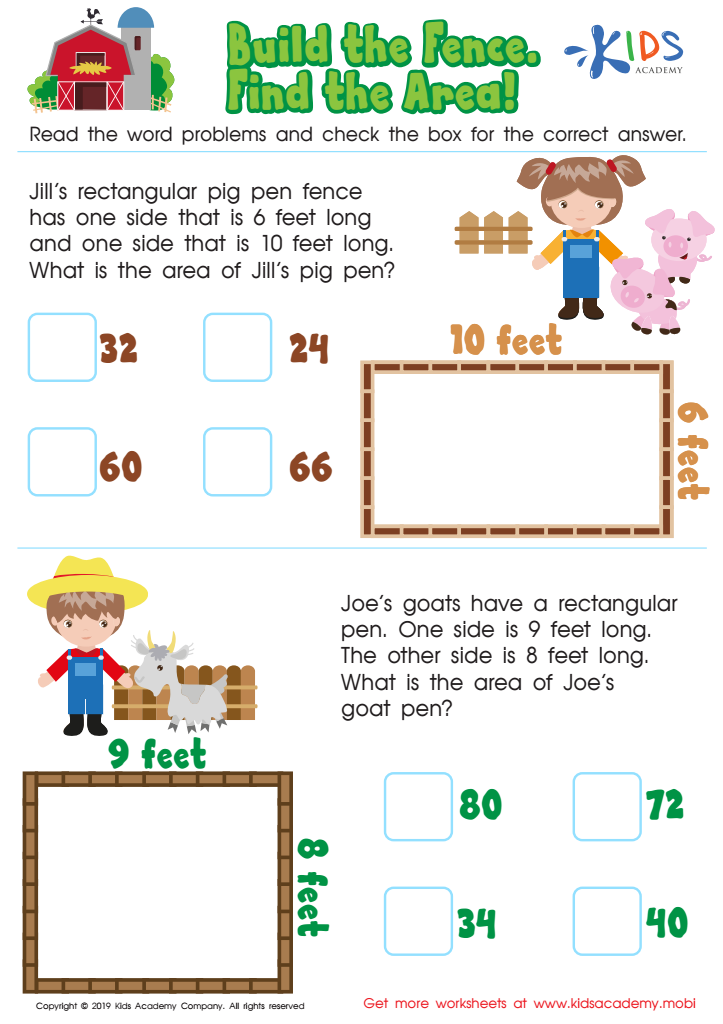
Build the Fence, Find the Area Worksheet








Parents and teachers should prioritize problem-solving skills in geometry for children aged 4-9 because these skills serve as foundational elements for logical thinking and critical reasoning. Engaging with geometric concepts helps young learners develop spatial awareness, which is essential for understanding the world around them. When children solve geometric problems, they are not just memorizing shapes and formulas but also applying logical reasoning, enhancing their ability to think critically about various challenges.
Moreover, problem-solving in geometry encourages persistence and resilience. Children learn to approach obstacles with a growth mindset, understanding that making mistakes is a natural part of the learning process. This can foster a positive attitude toward learning and a willingness to tackle difficult subjects as they progress through their education.
Additionally, geometry integrates seamlessly with other subjects such as art, science, and understanding real-world structures. Developing these skills early prepares children for more advanced concepts in mathematics and other disciplines. Fostering problem-solving skills in geometry not only equips children with essential academic tools but also cultivates the creativity and critical thinking needed for future success, ultimately supporting their overall cognitive development and confidence in tackling academic challenges.








