Problem-solving abilities Math Worksheets for Ages 4-9 - Page 2
59 filtered results
-
From - To
 Assign to My Students
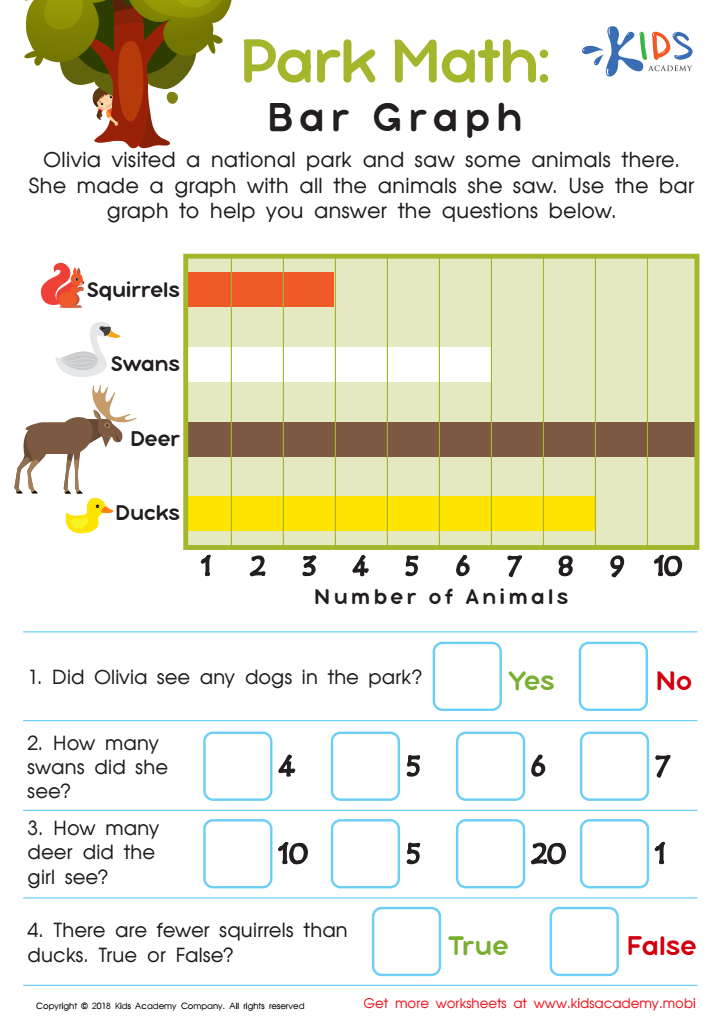
Park Math: Bar Graph Worksheet
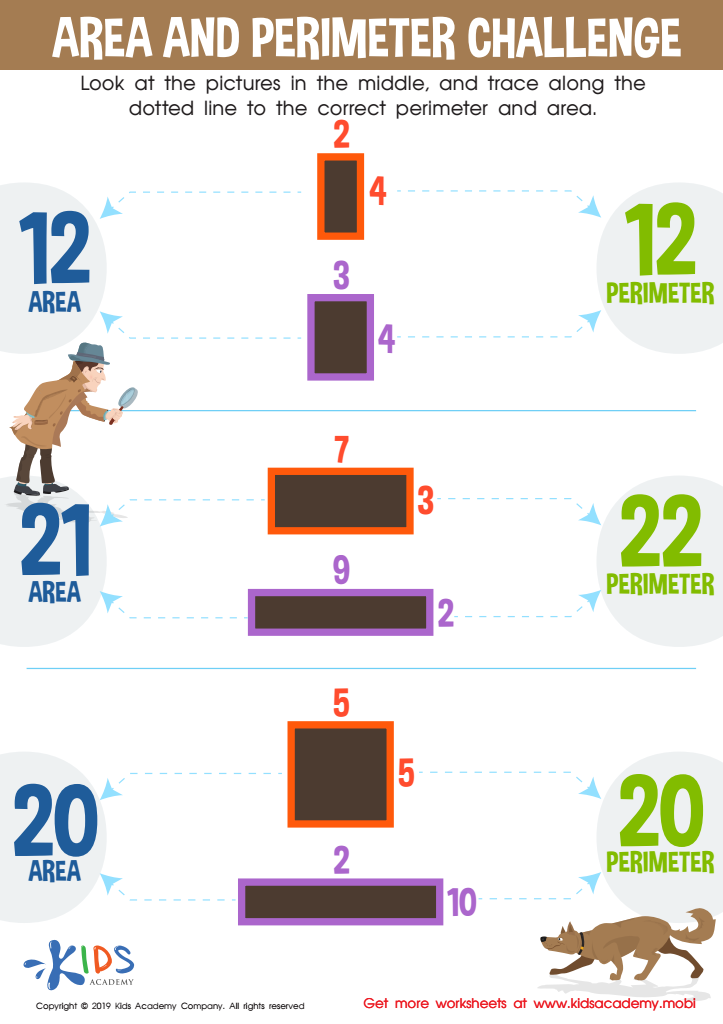
Area and Perimeter Challenge Worksheet
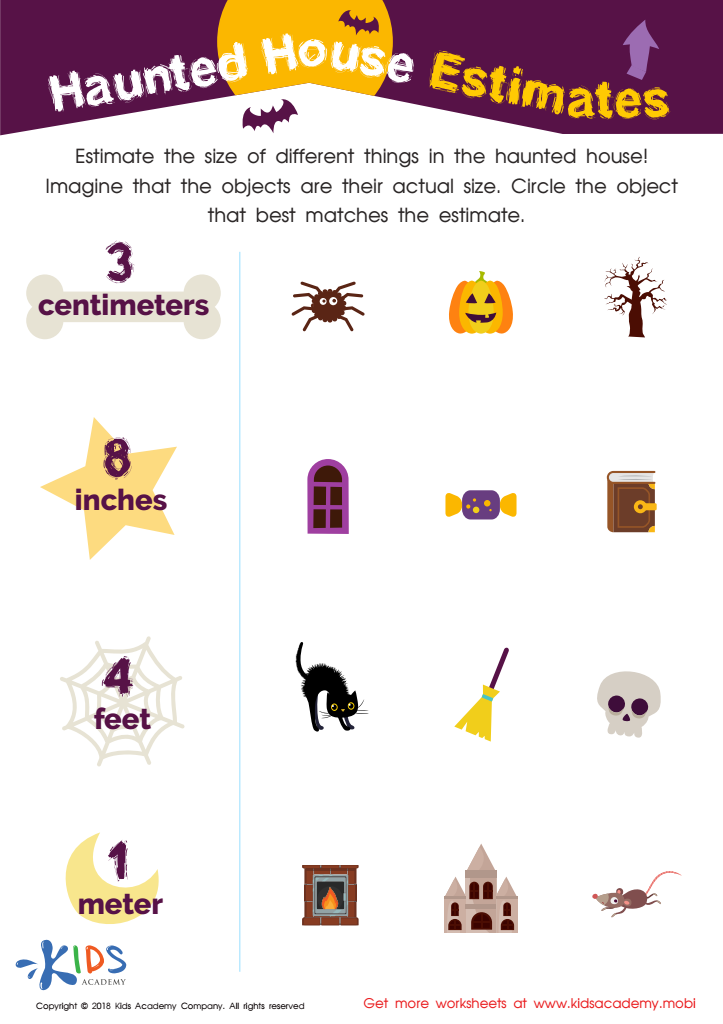
Haunted House Estimates Worksheet
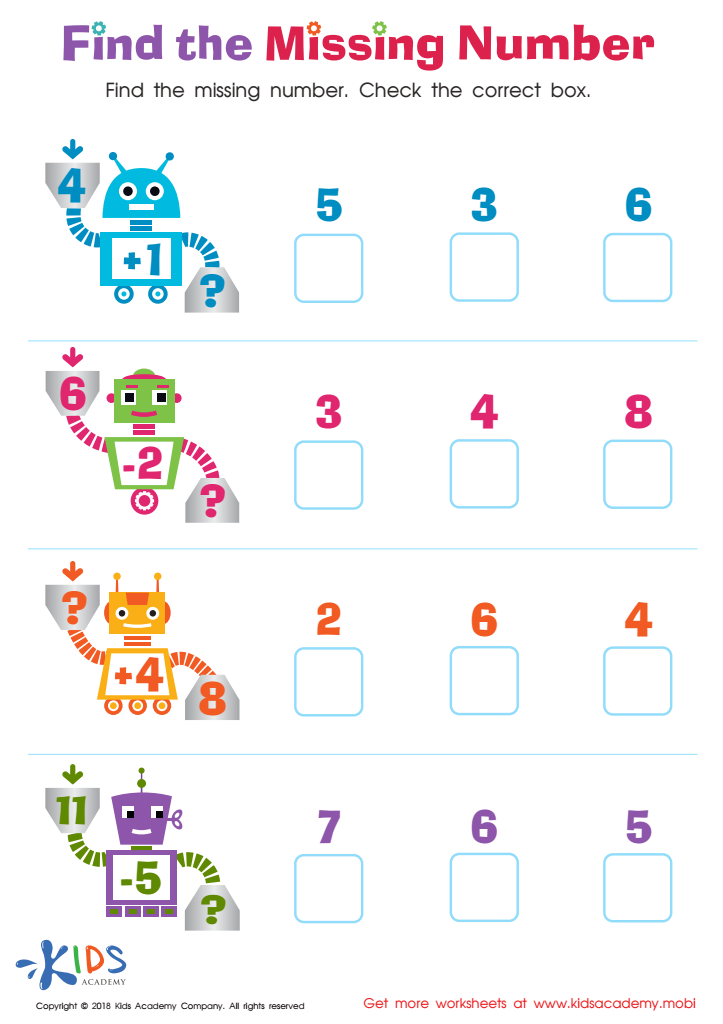
Find the Missing Number Worksheet
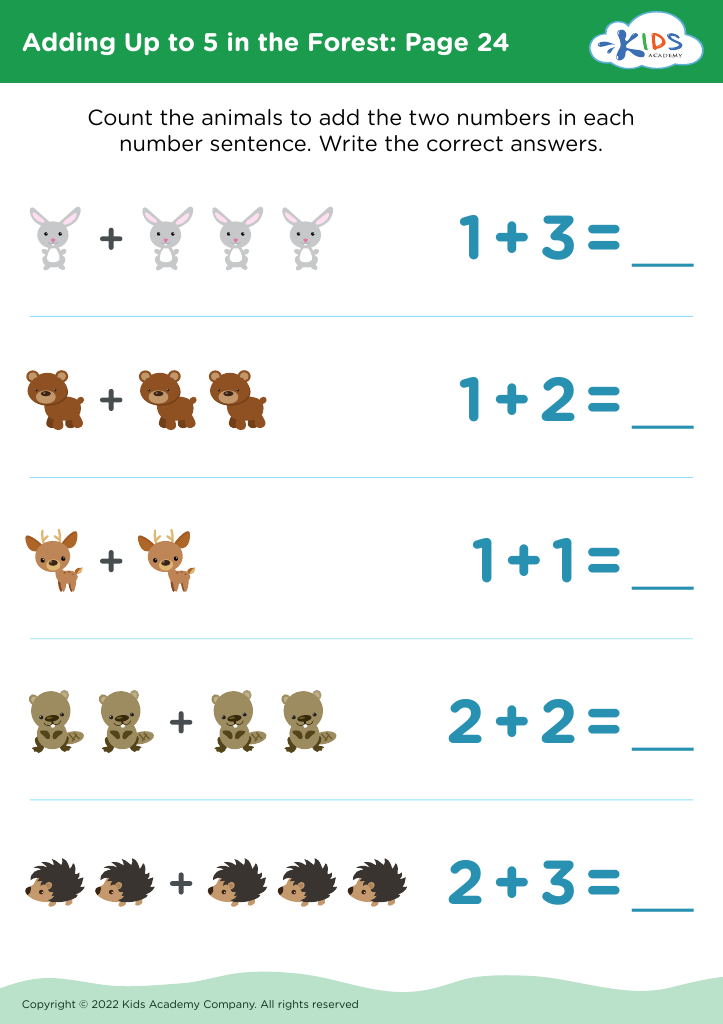
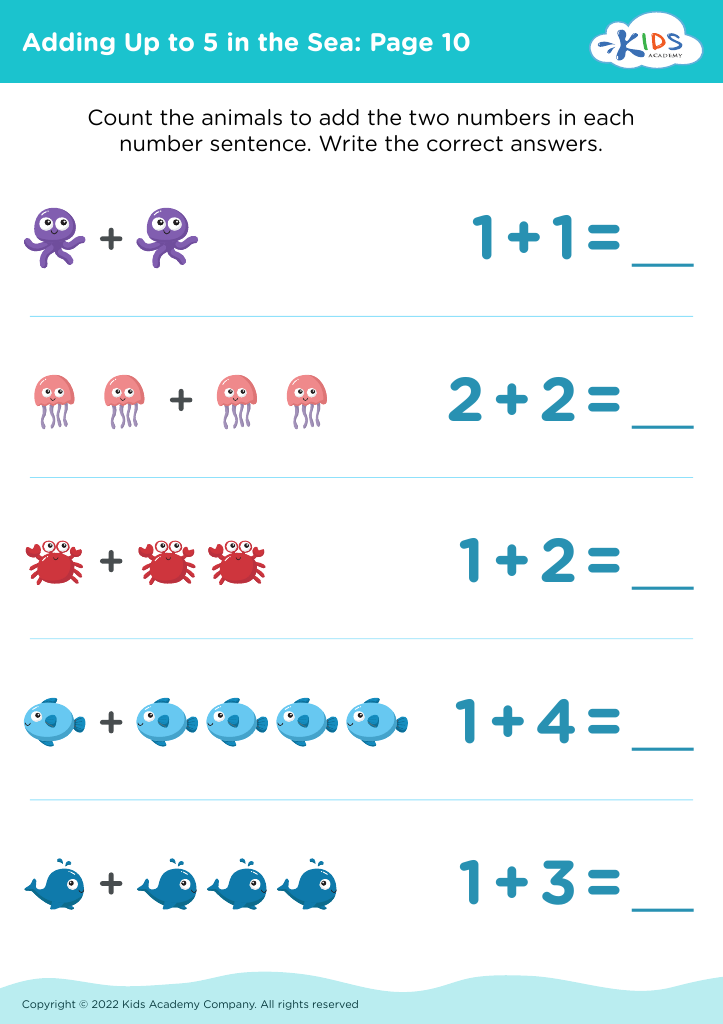
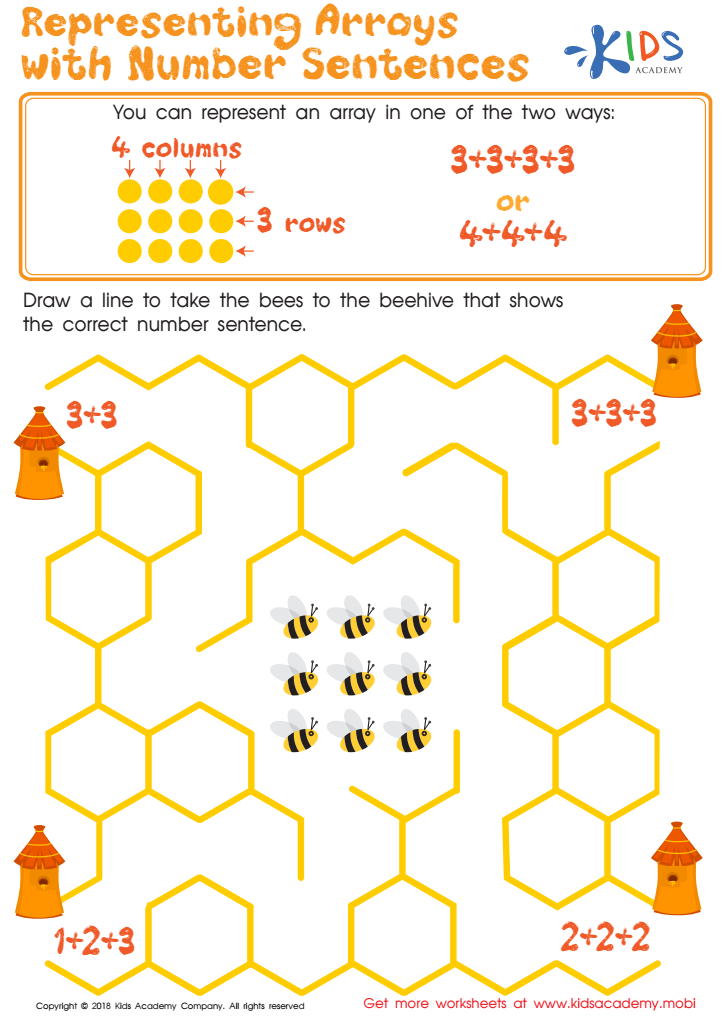
Representing Arrays with Number Sentences Worksheet
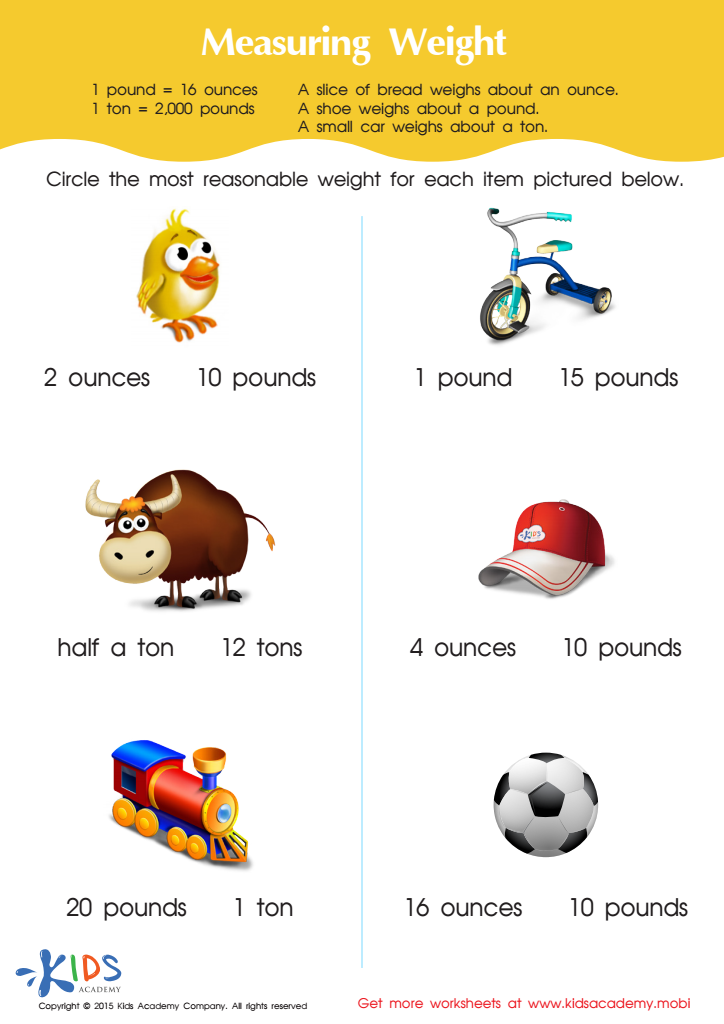
Measuring Weight in Ounces, Pounds and Tons (Part 2) Worksheet
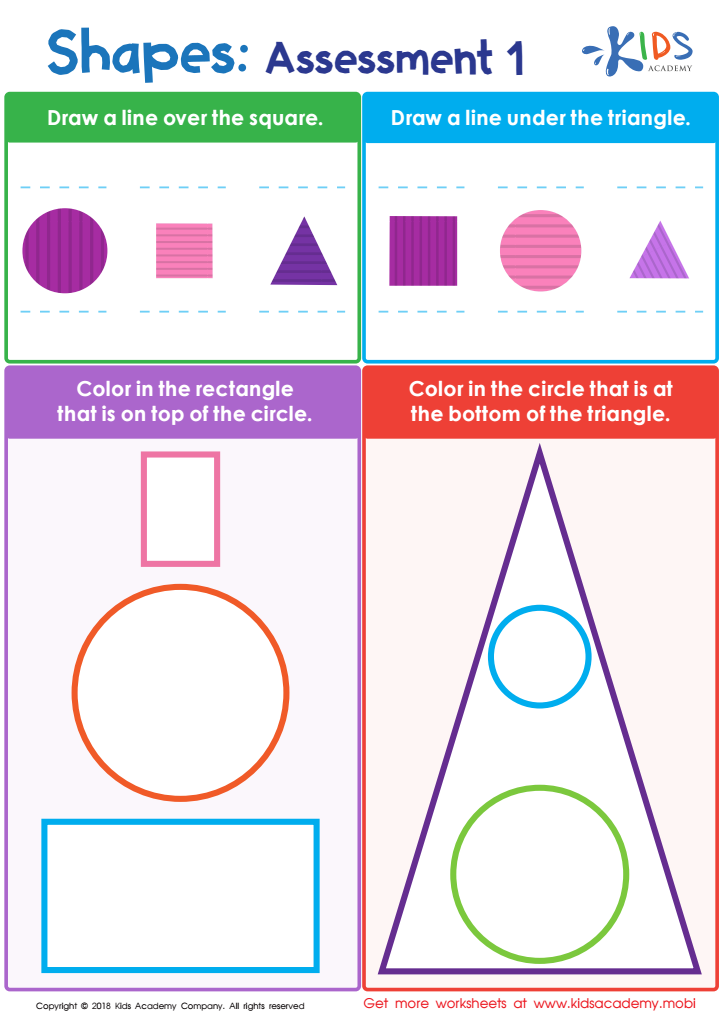
Shapes: Assessment 1 Worksheet
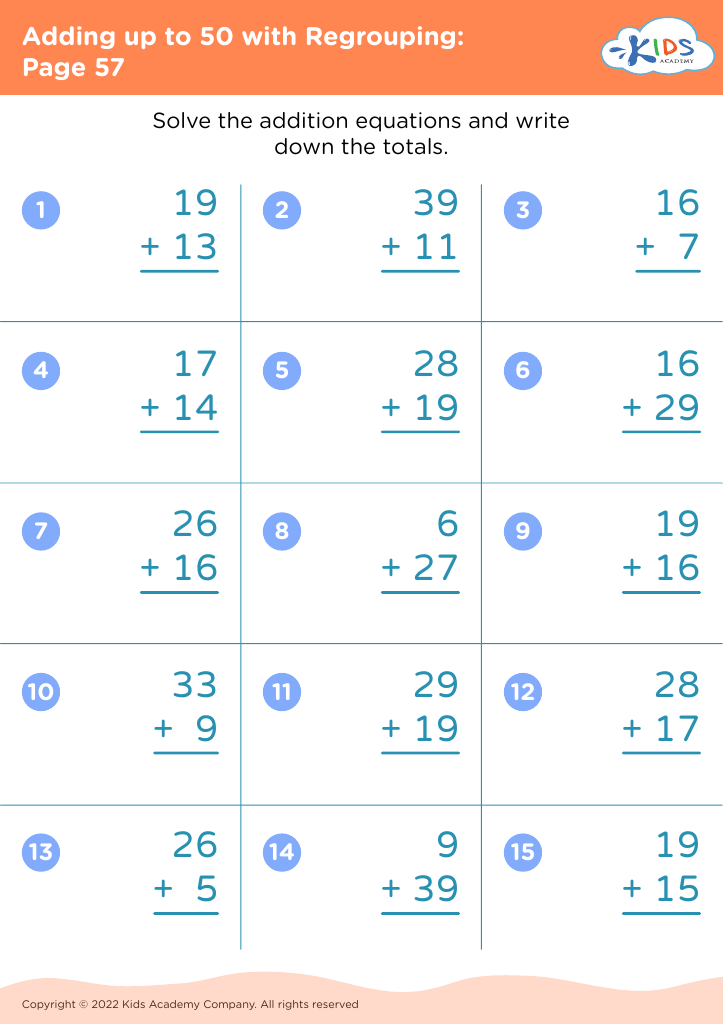
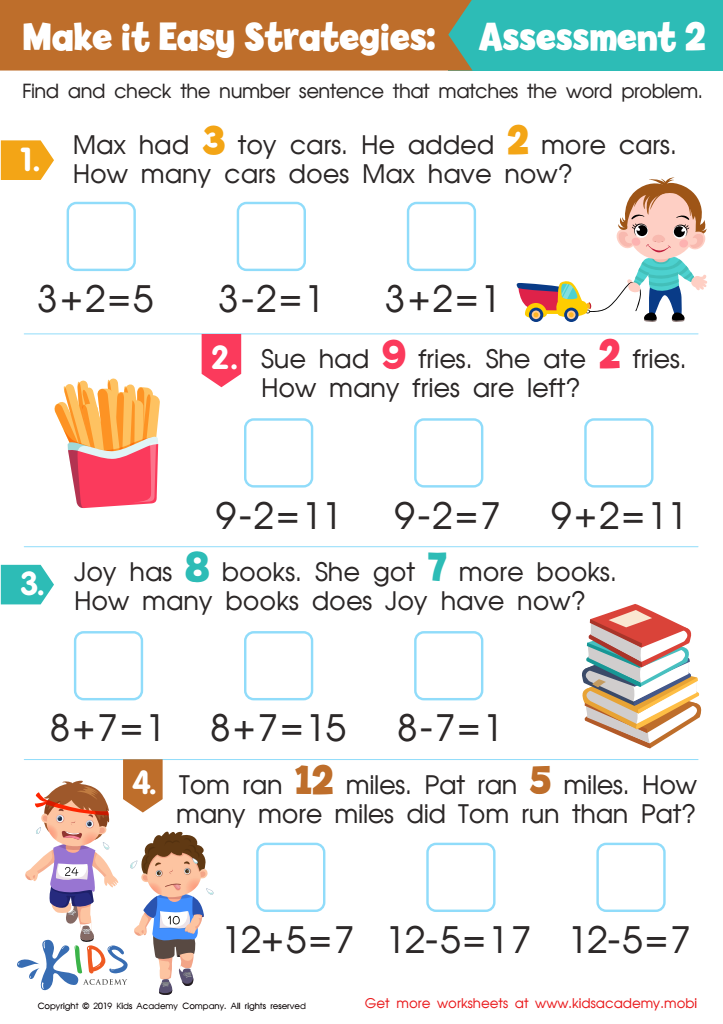
Make it Easy Strategies: Assessment 2 Worksheet
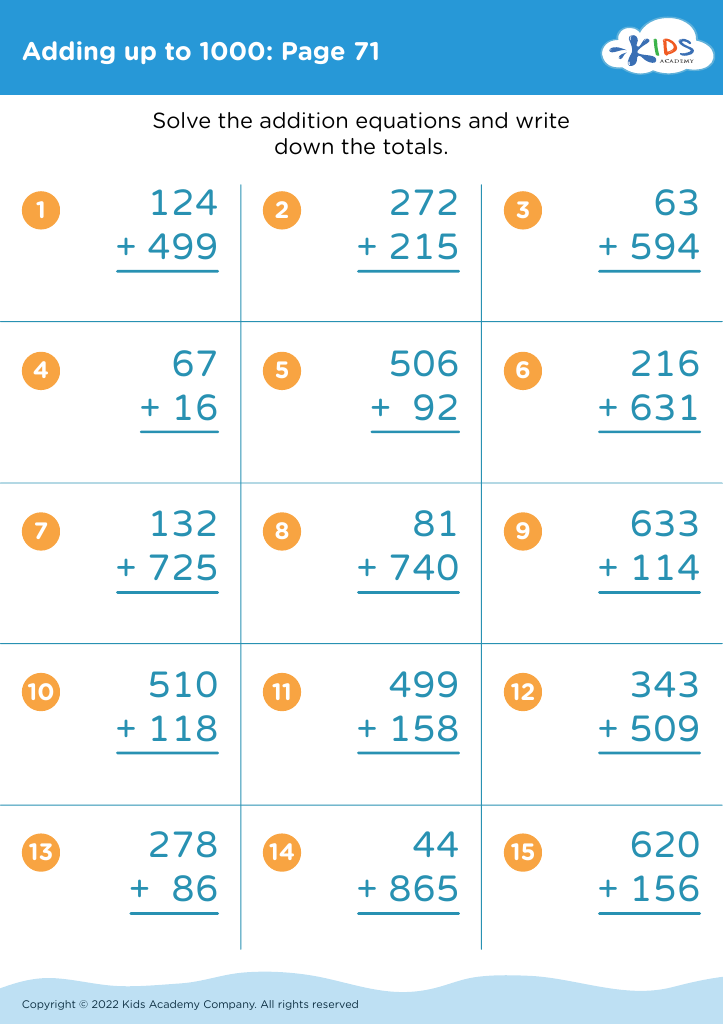
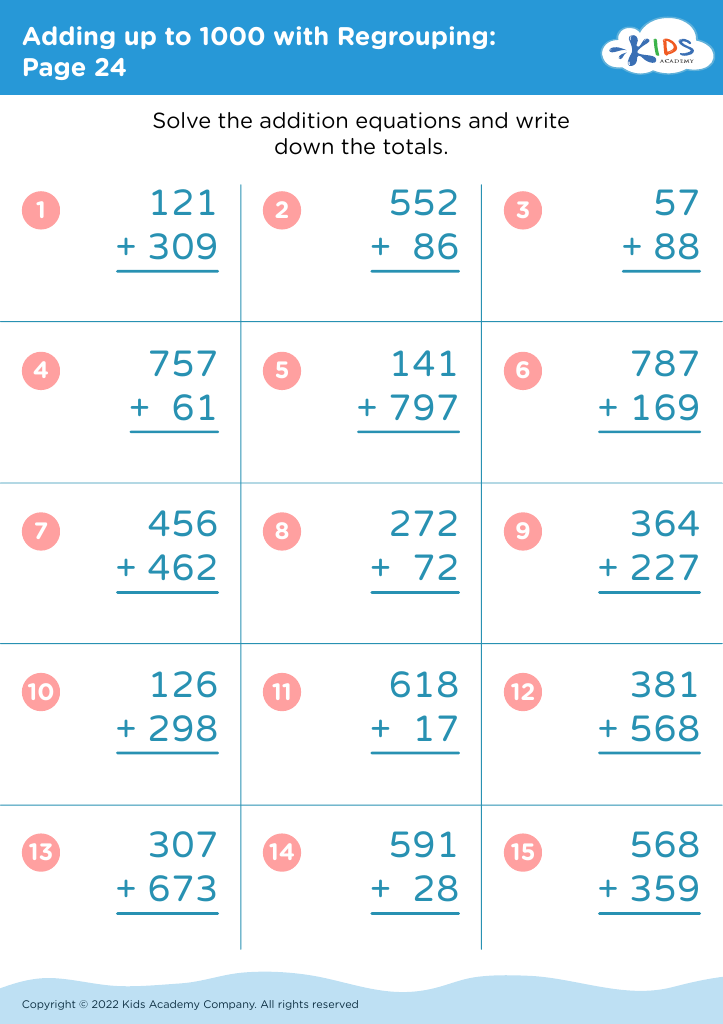
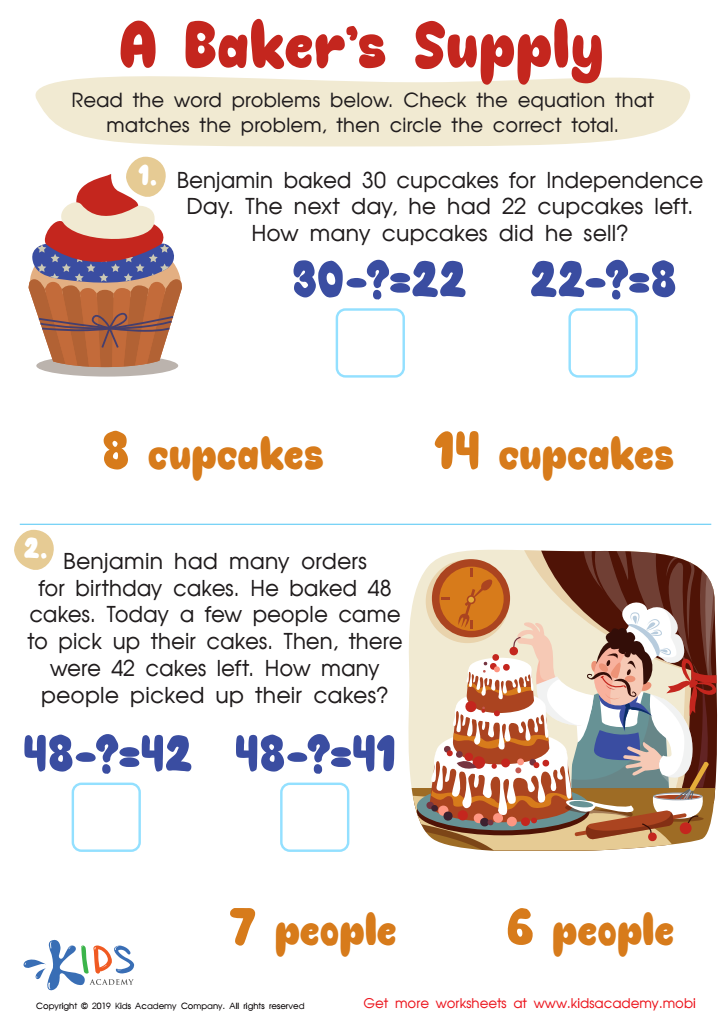
A Baker's Supply Worksheet
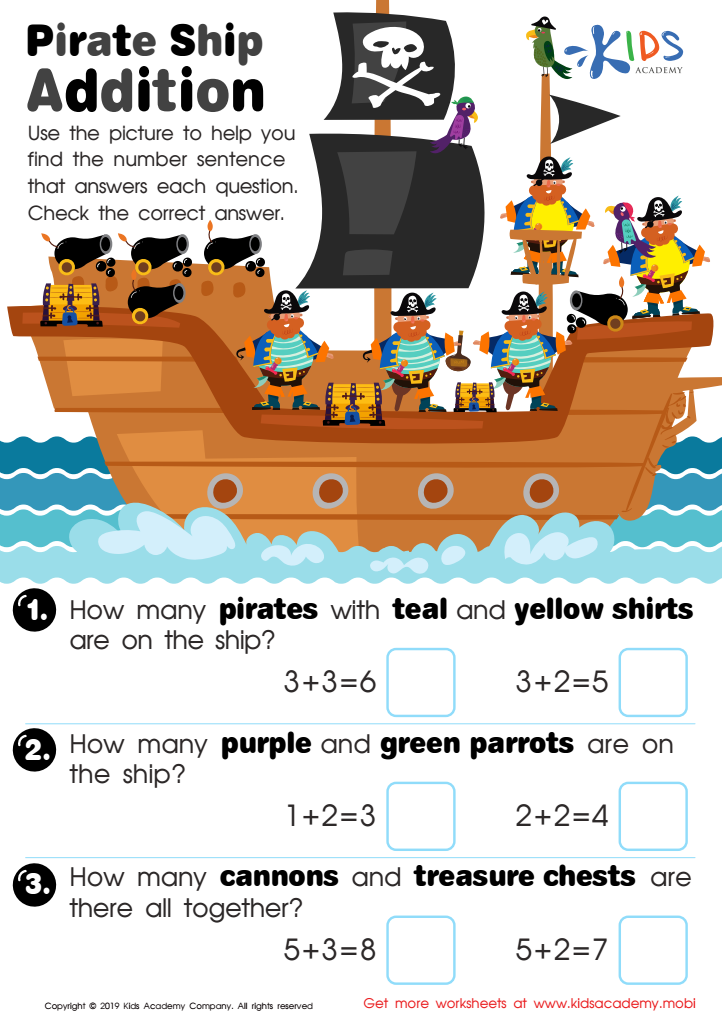
Pirate Ship Addition Worksheet
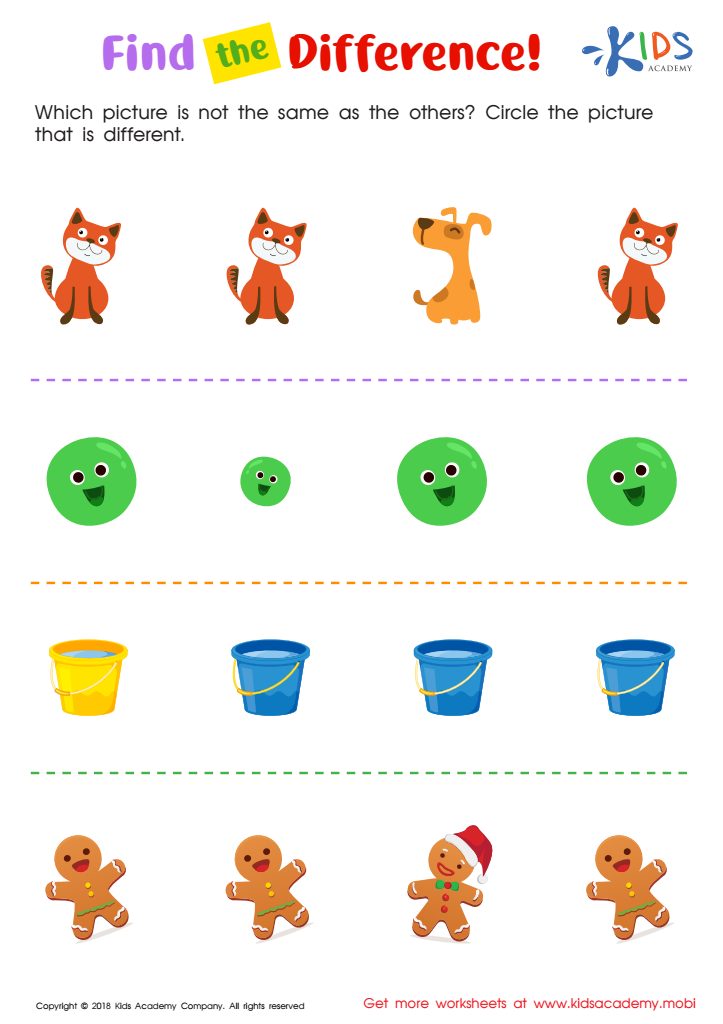
Find the Difference Worksheet
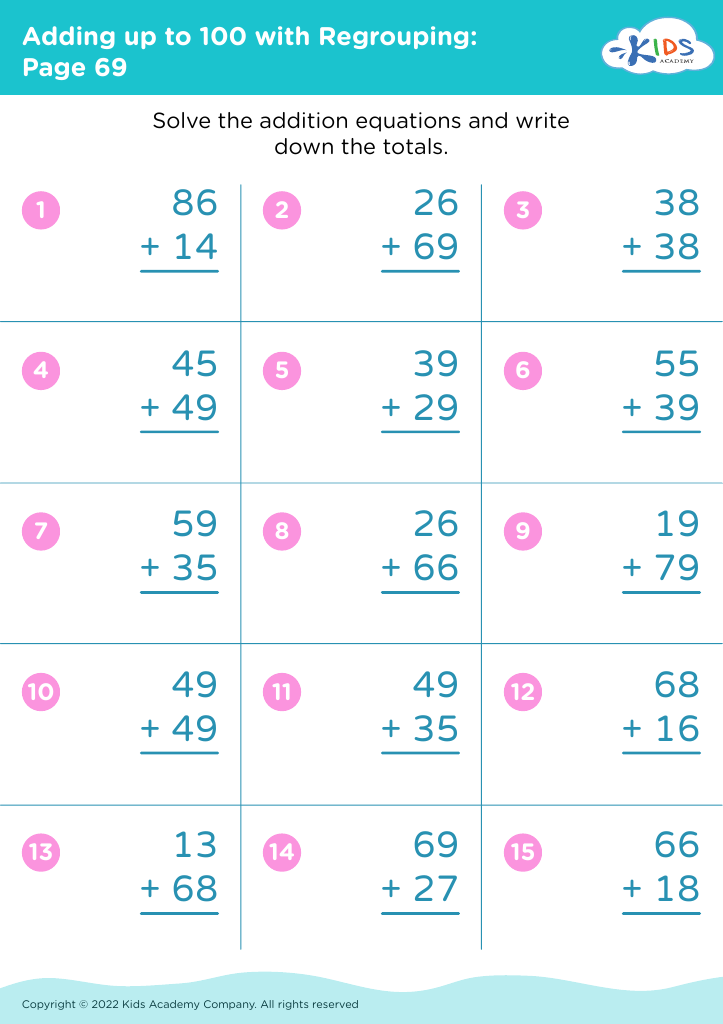
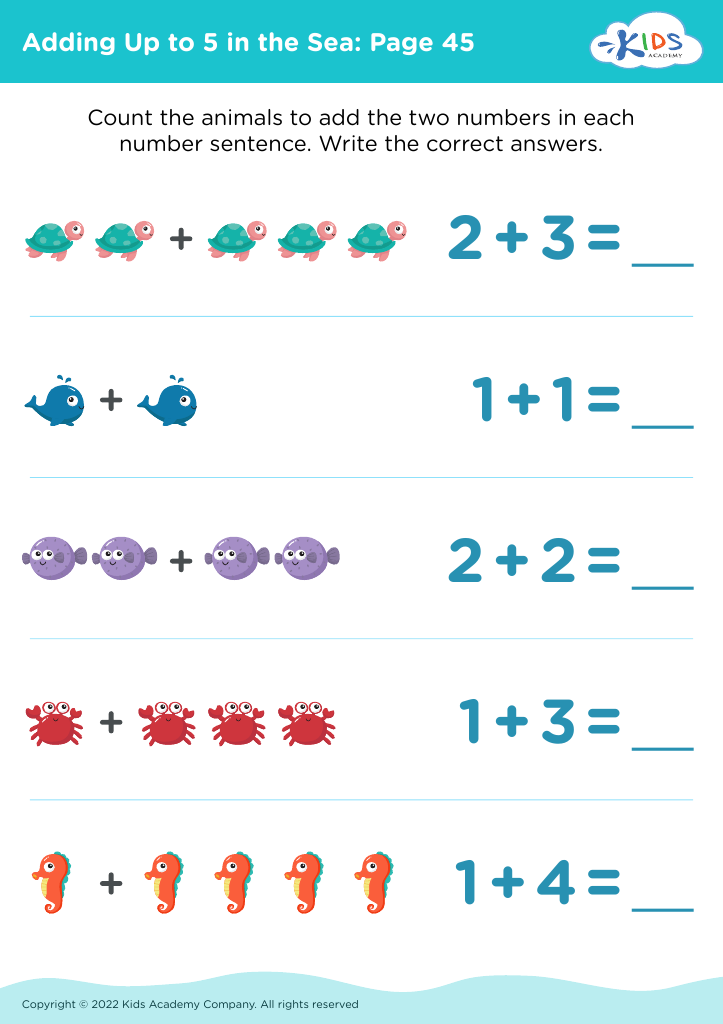
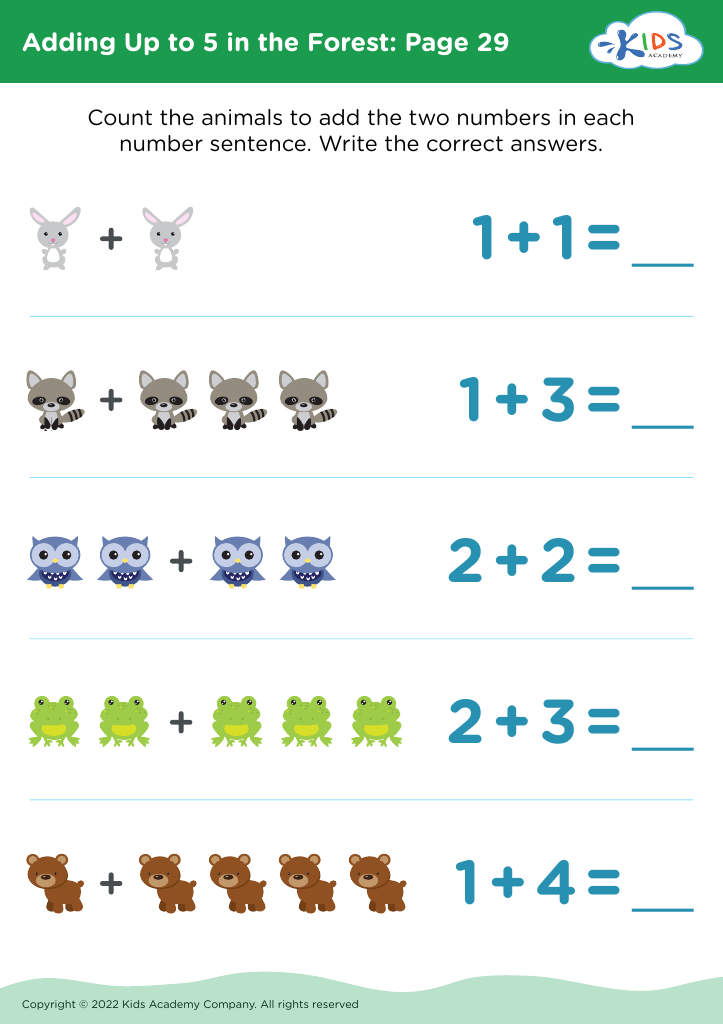
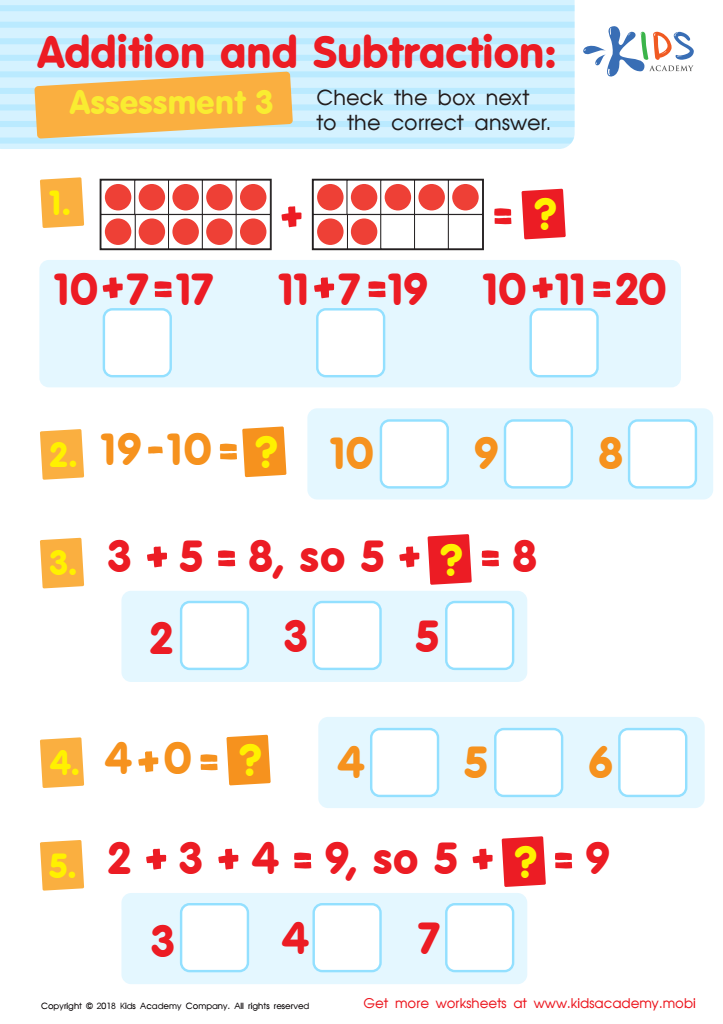
Addition and Subtraction Assessment 3 Worksheet








Parents and teachers should care deeply about nurturing problem-solving abilities in math for children aged 4-9 because these foundational years are crucial for cognitive development. Teaching young children to solve math problems goes beyond learning numbers and operations; it trains their brains to think critically and reason logically. When kids engage in problem-solving, they develop the ability to analyze situations, identify patterns, and formulate solutions—skills that are vital across all areas of life, not just math.
Furthermore, early math skills are strong predictors of future academic success. Studies have consistently shown that children who start school with robust math skills are more likely to excel in reading and other subjects as well. Cultivating a positive attitude towards math from an early age can also reduce math anxiety, a common issue that hinders many later in their education.
In addition, problem-solving in math encourages perseverance and resilience. As children work through challenging problems, they learn the value of effort and persistence. This helps build their confidence and fosters a growth mindset, the belief that abilities can improve with effort and practice.
Ultimately, by emphasizing the importance of problem-solving skills in math during these formative years, parents and teachers can equip children with critical tools for academic and life-long success.








