Filters

478 filtered results

Clear all filters
Favorites
With answer key
Interactive

478 filtered results

Difficulty Level

Grade


Subject

    Check out this FREE Trial Lesson on Building Vocabulary for age 4-9!

    Sorting Objects into 3 Categories

    Favorites
    With answer key
    Interactive
    • 4-9
    • Building Vocabulary
    Grade 1 Sight Words: When
    Grade 1 Sight Words: When

    Grade 1 Sight Words: When

    Grade 1 Sight Words: When
    Worksheet
    Preschool Sight Words: Yellow
    Preschool Sight Words: Yellow

    Preschool Sight Words: Yellow

    Preschool Sight Words: Yellow
    Worksheet
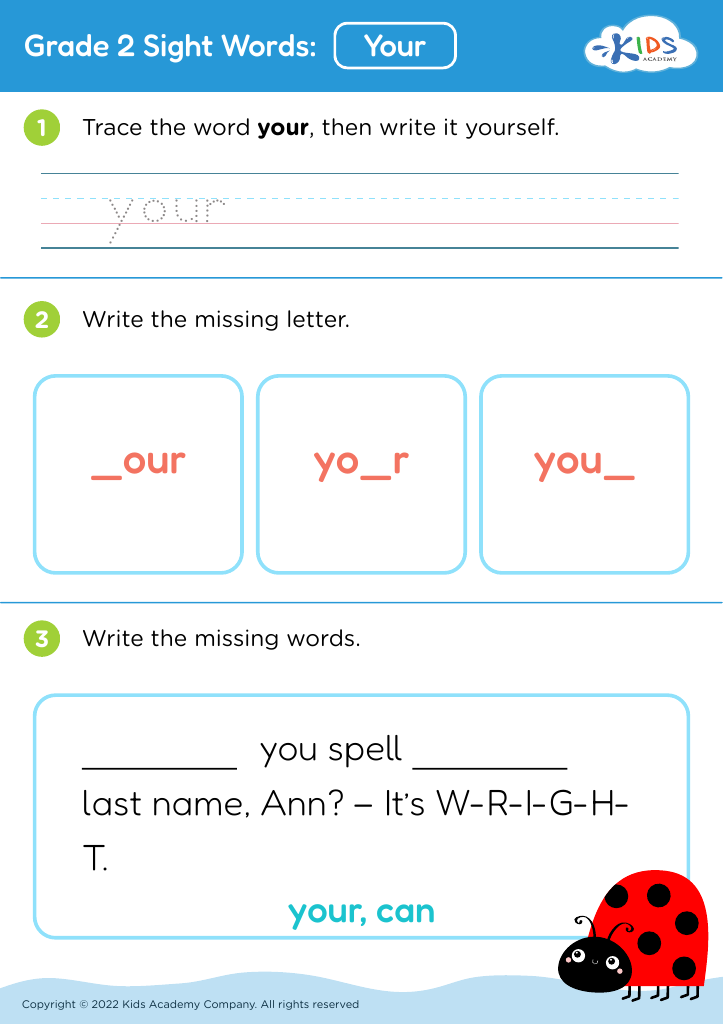
    Grade 2 Sight Words: Your
    Grade 2 Sight Words: Your

    Grade 2 Sight Words: Your

    Grade 2 Sight Words: Your
    Worksheet
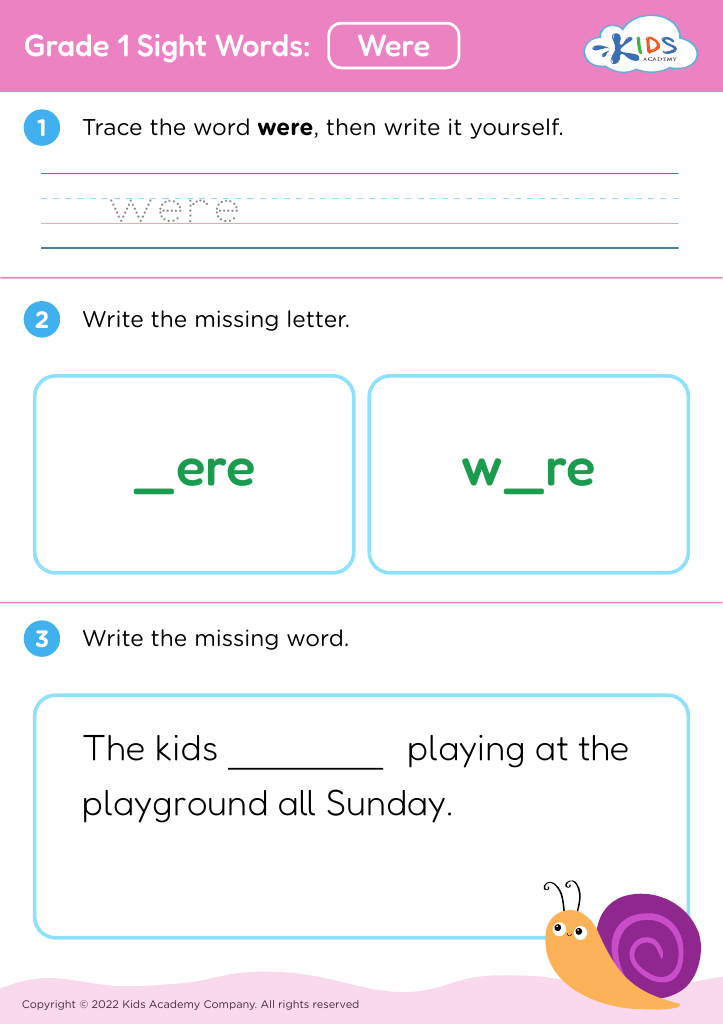
    Grade 1 Sight Words: Were
    Grade 1 Sight Words: Were

    Grade 1 Sight Words: Were

    Grade 1 Sight Words: Were
    Worksheet
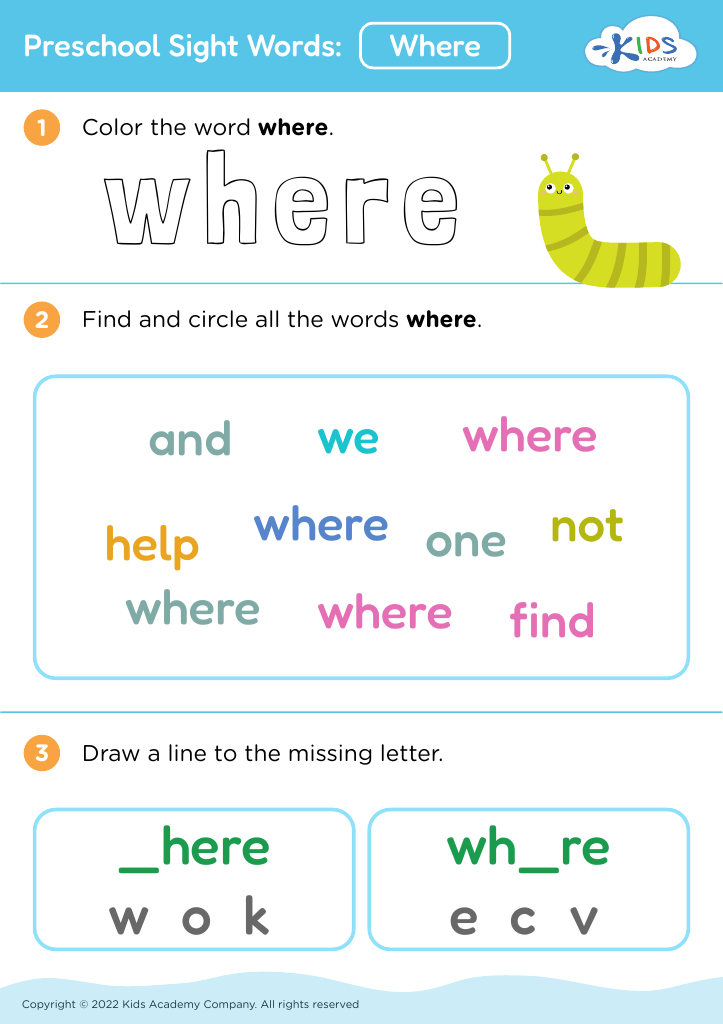
    Preschool Sight Words: Where
    Preschool Sight Words: Where

    Preschool Sight Words: Where

    Preschool Sight Words: Where
    Worksheet
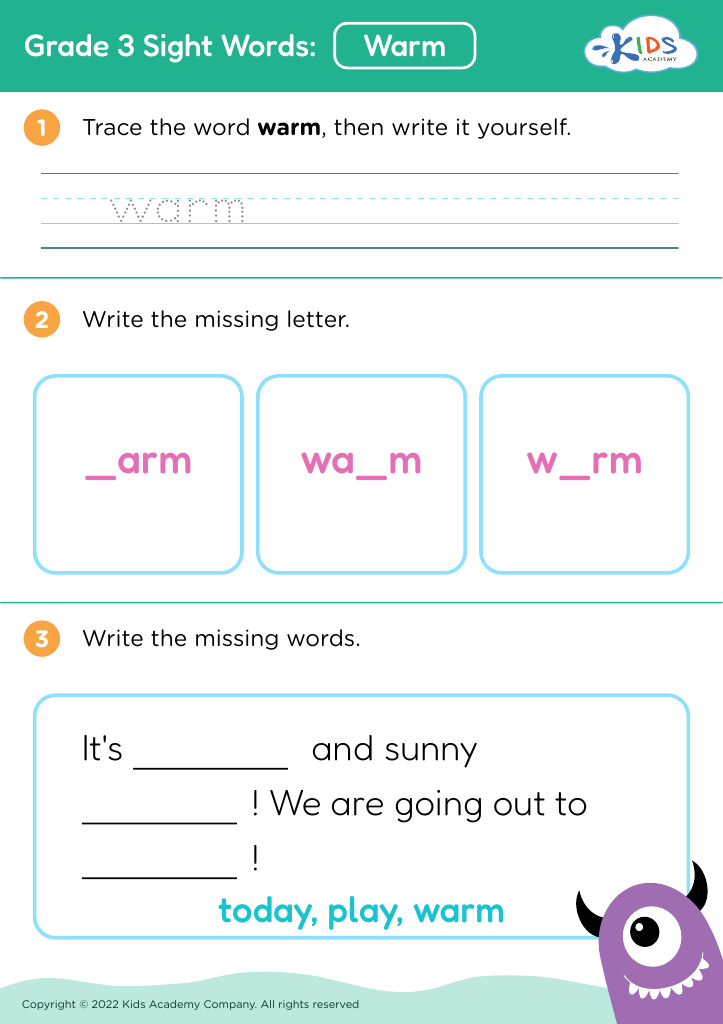
    Grade 3 Sight Words: Warm
    Grade 3 Sight Words: Warm

    Grade 3 Sight Words: Warm

    Grade 3 Sight Words: Warm
    Worksheet
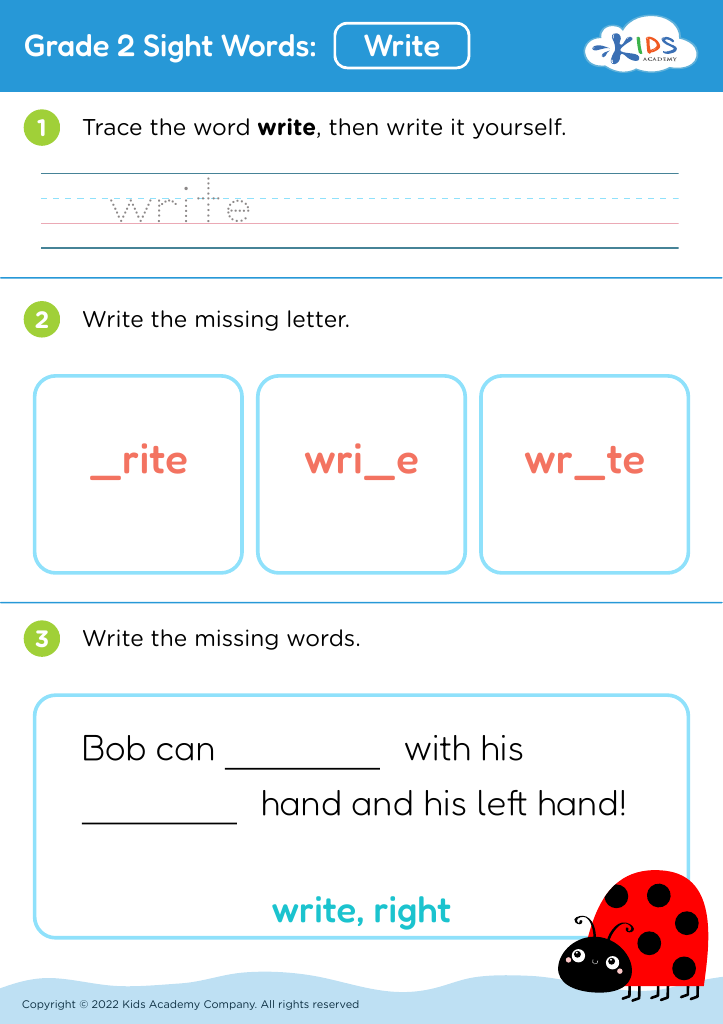
    Grade 2 Sight Words: Write
    Grade 2 Sight Words: Write

    Grade 2 Sight Words: Write

    Grade 2 Sight Words: Write
    Worksheet
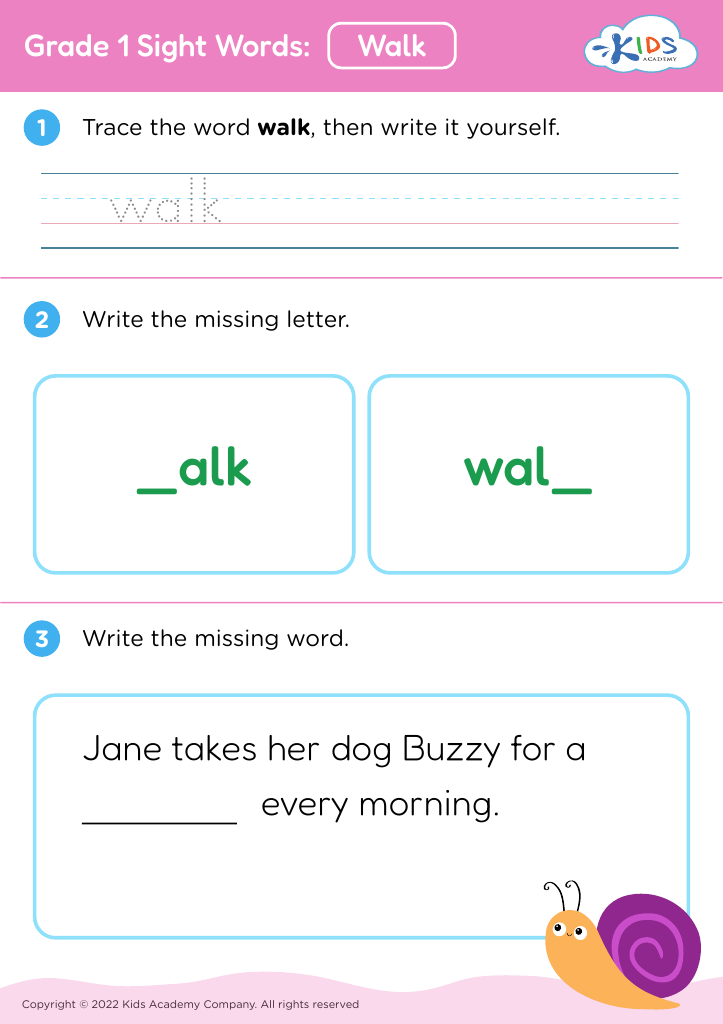
    Grade 1 Sight Words: Walk
    Grade 1 Sight Words: Walk

    Grade 1 Sight Words: Walk

    Grade 1 Sight Words: Walk
    Worksheet
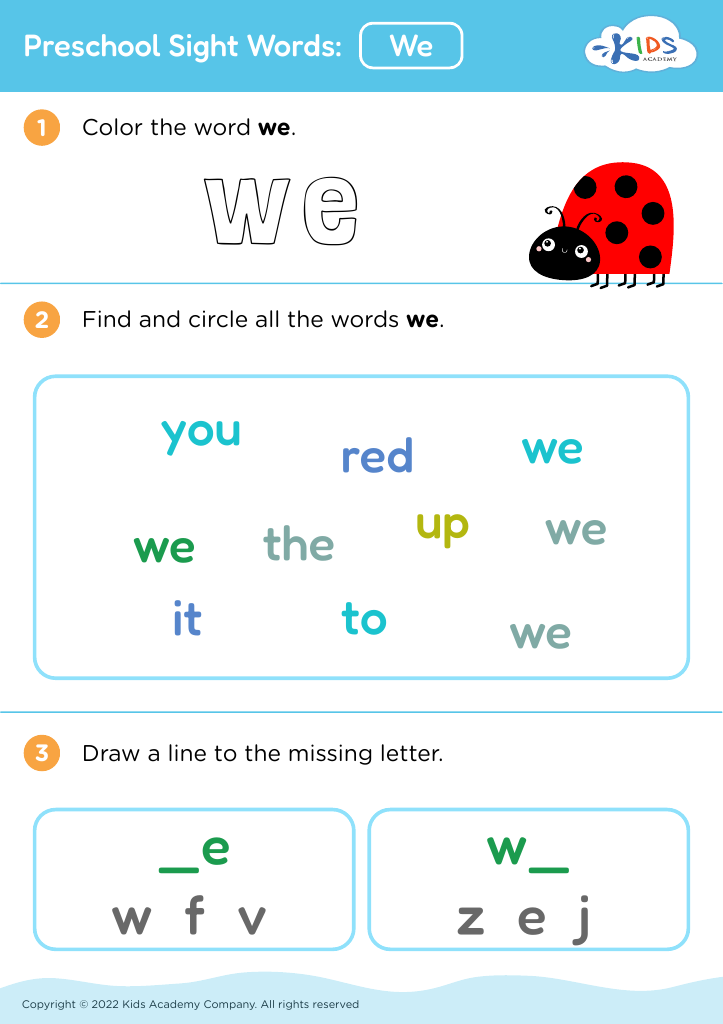
    Preschool Sight Words: We
    Preschool Sight Words: We

    Preschool Sight Words: We

    Preschool Sight Words: We
    Worksheet
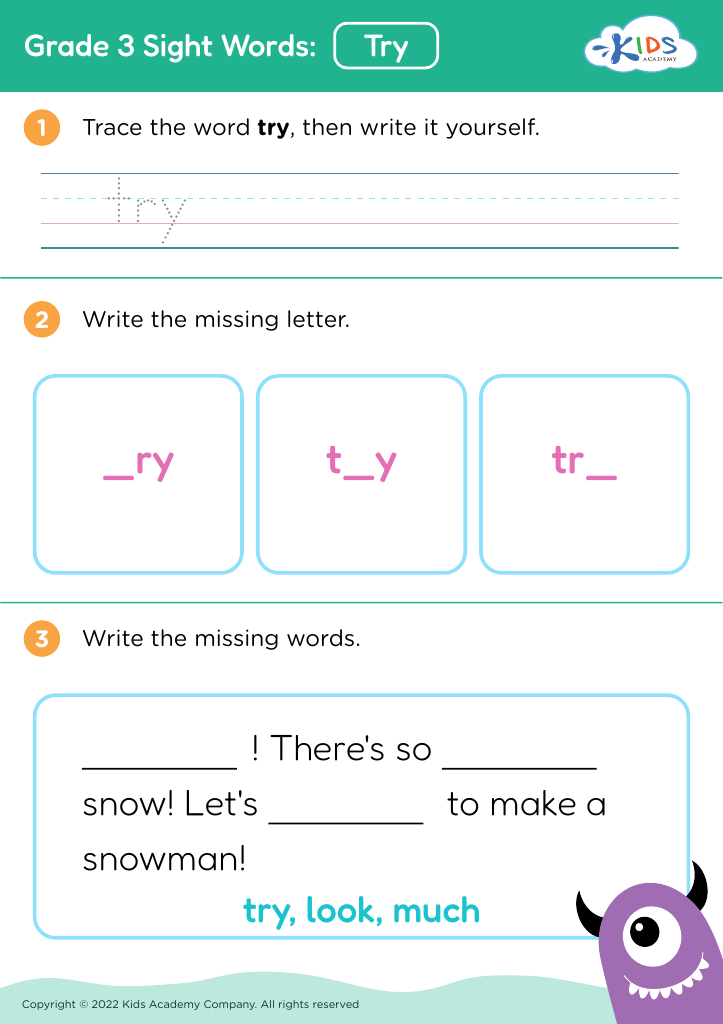
    Grade 3 Sight Words: Try
    Grade 3 Sight Words: Try

    Grade 3 Sight Words: Try

    Grade 3 Sight Words: Try
    Worksheet
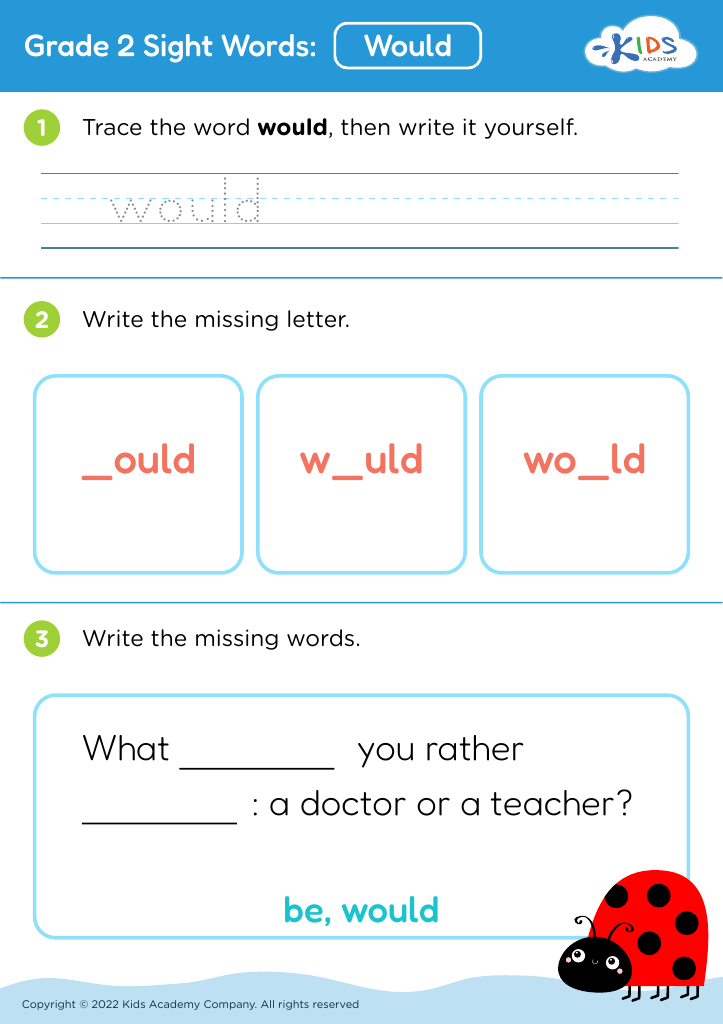
    Grade 2 Sight Words: Would
    Grade 2 Sight Words: Would

    Grade 2 Sight Words: Would

    Grade 2 Sight Words: Would
    Worksheet
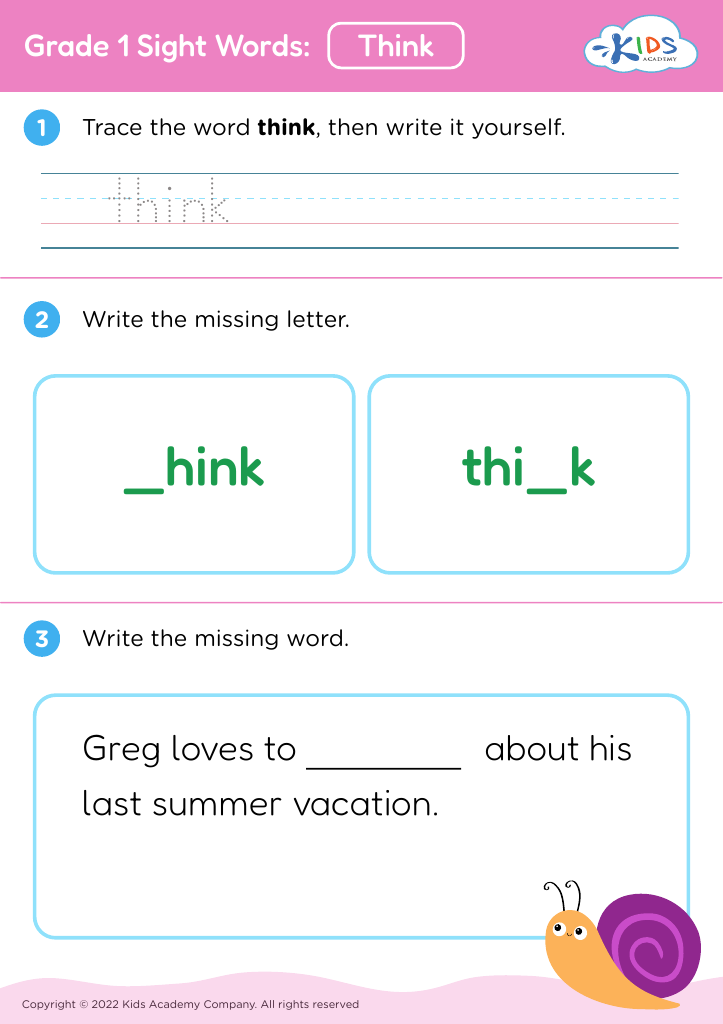
    Grade 1 Sight Words: Think
    Grade 1 Sight Words: Think

    Grade 1 Sight Words: Think

    Grade 1 Sight Words: Think
    Worksheet
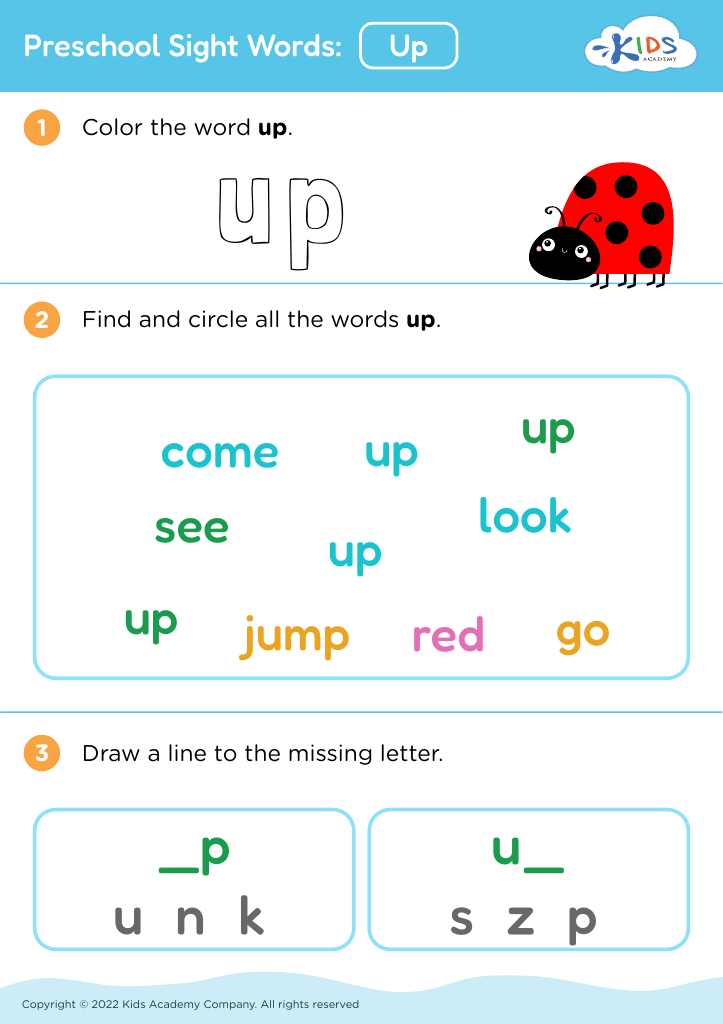
    Preschool Sight Words: Up
    Preschool Sight Words: Up

    Preschool Sight Words: Up

    Preschool Sight Words: Up
    Worksheet
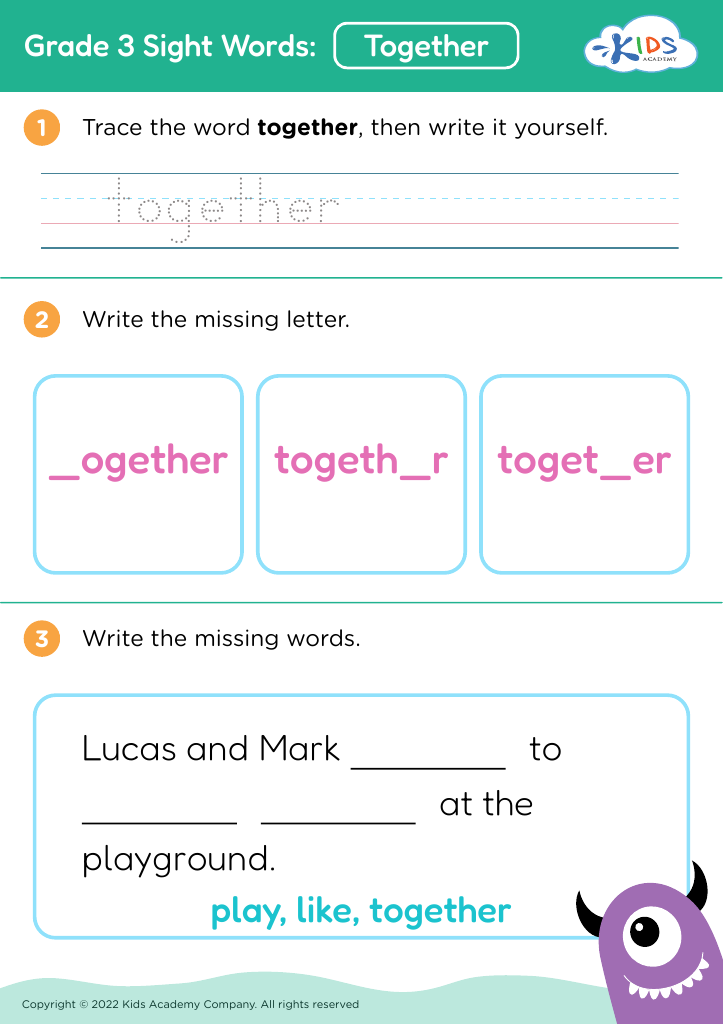
    Grade 3 Sight Words: Together
    Grade 3 Sight Words: Together

    Grade 3 Sight Words: Together

    Grade 3 Sight Words: Together
    Worksheet
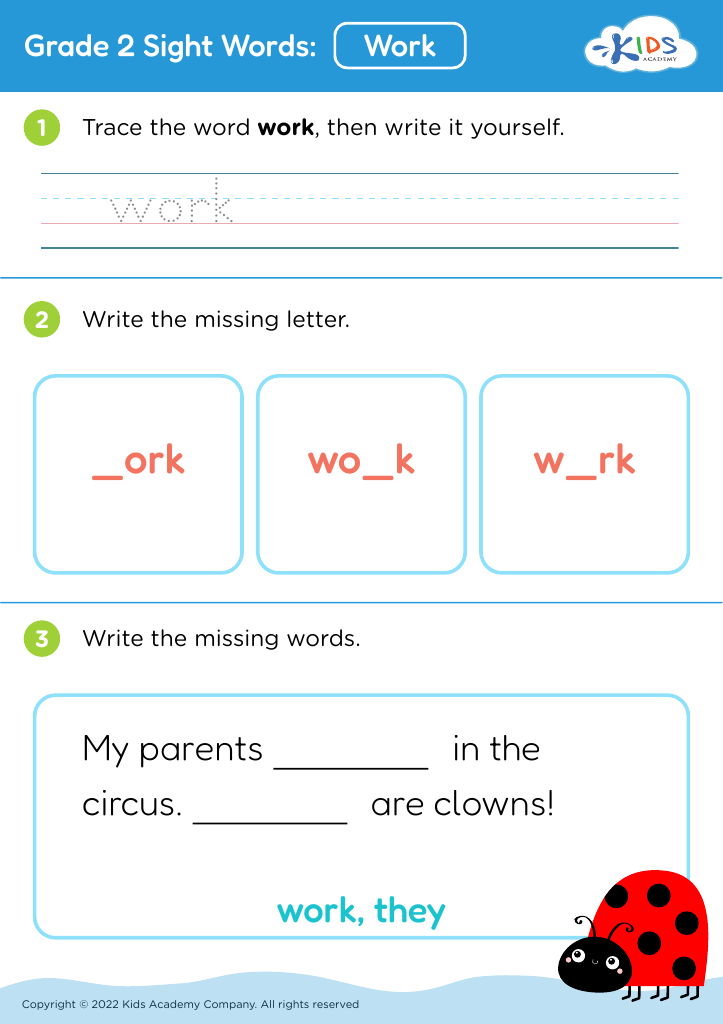
    Grade 2 Sight Words: Work
    Grade 2 Sight Words: Work

    Grade 2 Sight Words: Work

    Grade 2 Sight Words: Work
    Worksheet
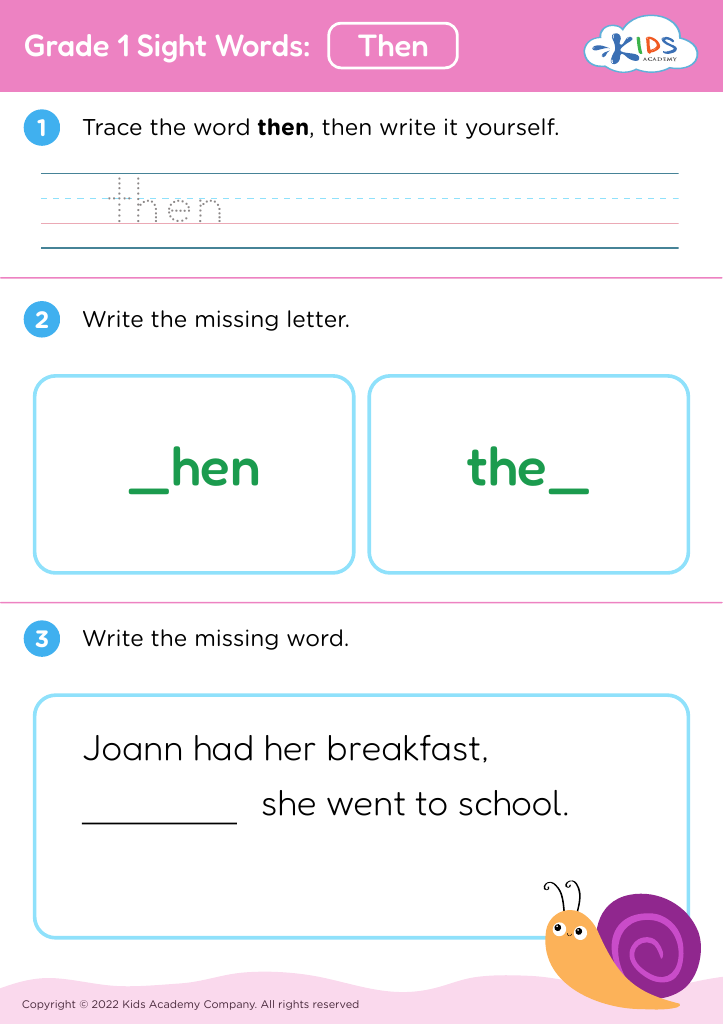
    Grade 1 Sight Words: Then
    Grade 1 Sight Words: Then

    Grade 1 Sight Words: Then

    Grade 1 Sight Words: Then
    Worksheet
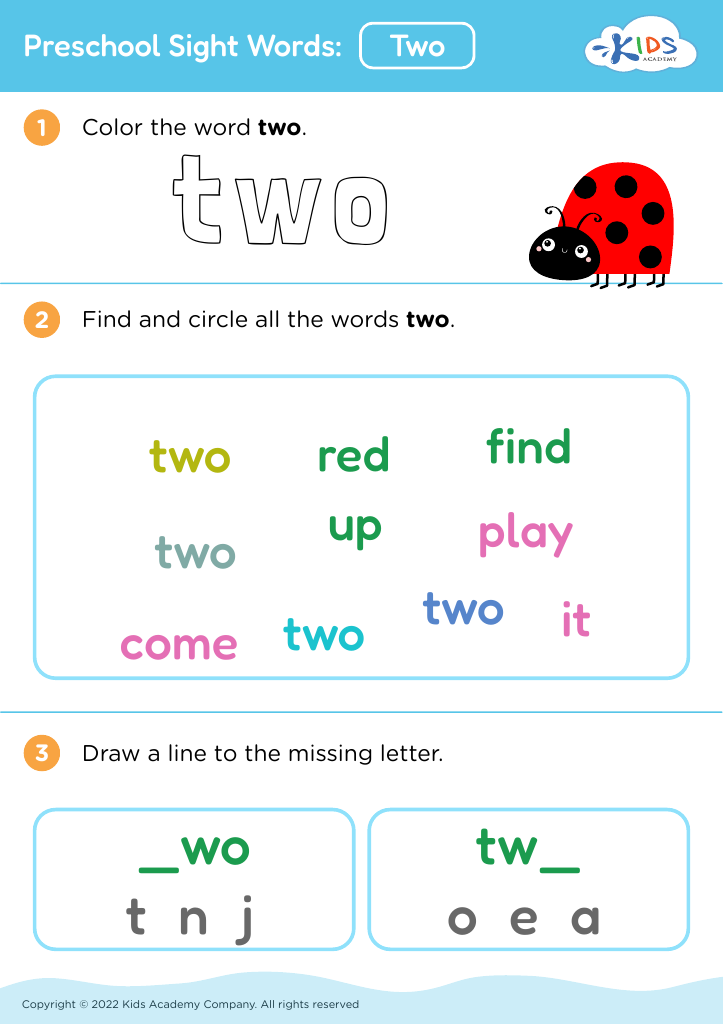
    Preschool Sight Words: Two
    Preschool Sight Words: Two

    Preschool Sight Words: Two

    Preschool Sight Words: Two
    Worksheet
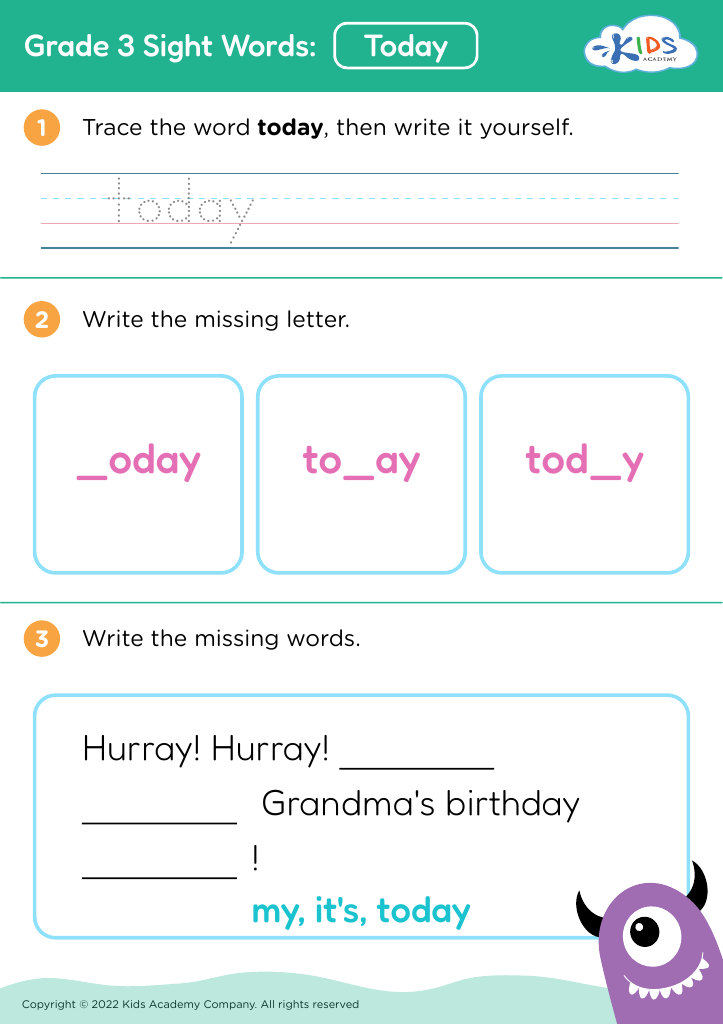
    Grade 3 Sight Words: Today
    Grade 3 Sight Words: Today

    Grade 3 Sight Words: Today

    Grade 3 Sight Words: Today
    Worksheet
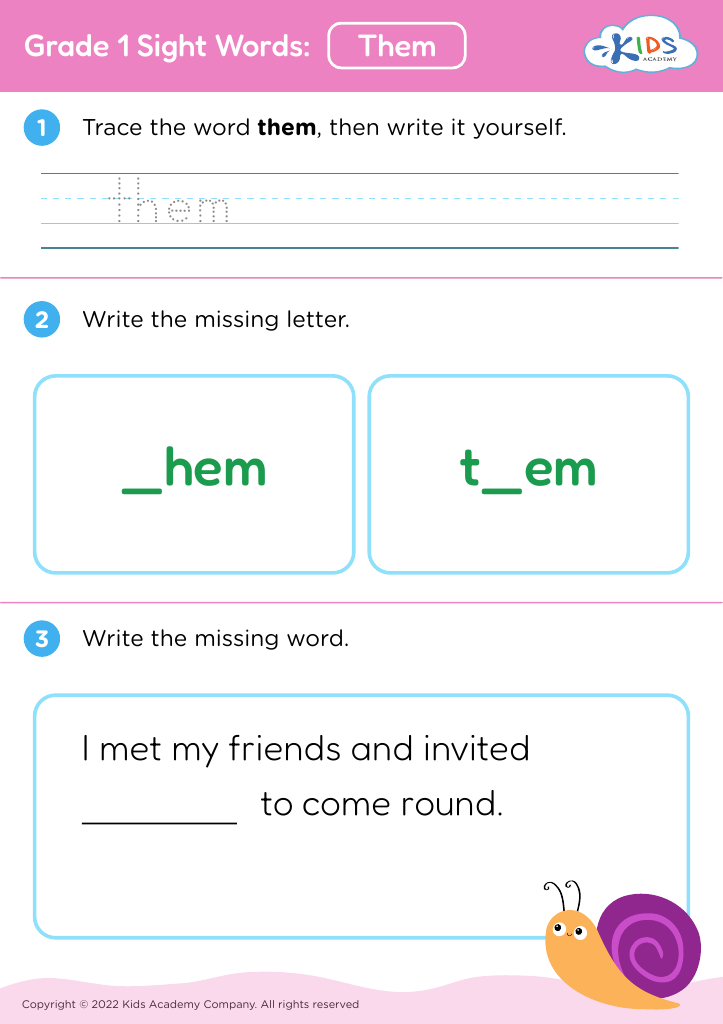
    Grade 1 Sight Words: Them
    Grade 1 Sight Words: Them

    Grade 1 Sight Words: Them

    Grade 1 Sight Words: Them
    Worksheet
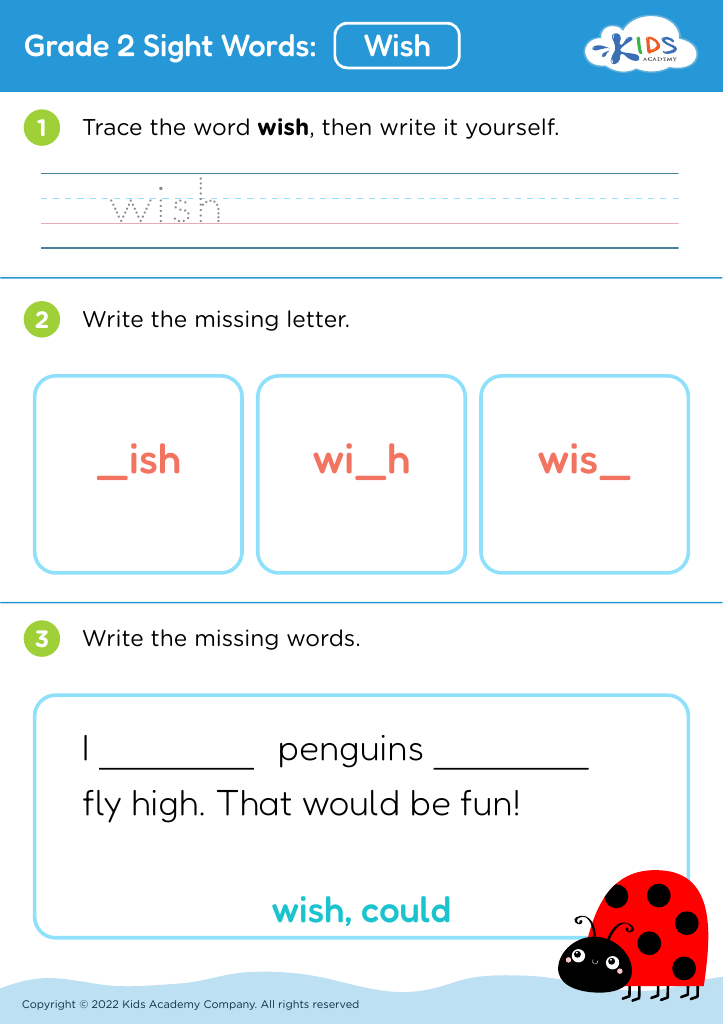
    Grade 2 Sight Words: Wish
    Grade 2 Sight Words: Wish

    Grade 2 Sight Words: Wish

    Grade 2 Sight Words: Wish
    Worksheet
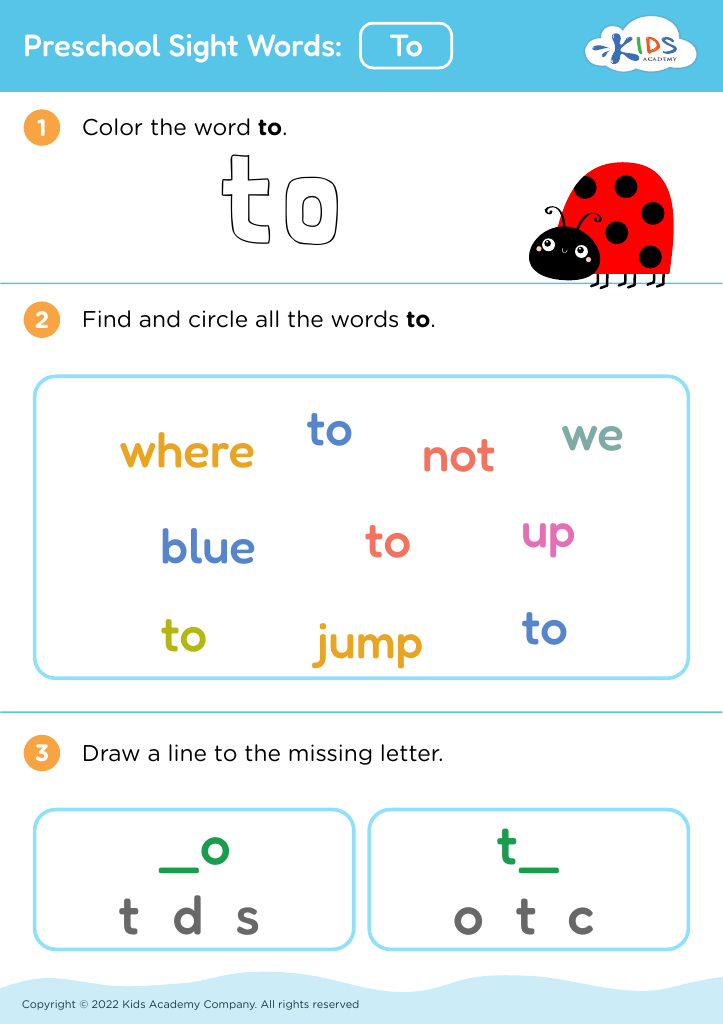
    Preschool Sight Words: To

    Preschool Sight Words: To

    Preschool Sight Words: To

    Preschool Sight Words: To
    Worksheet
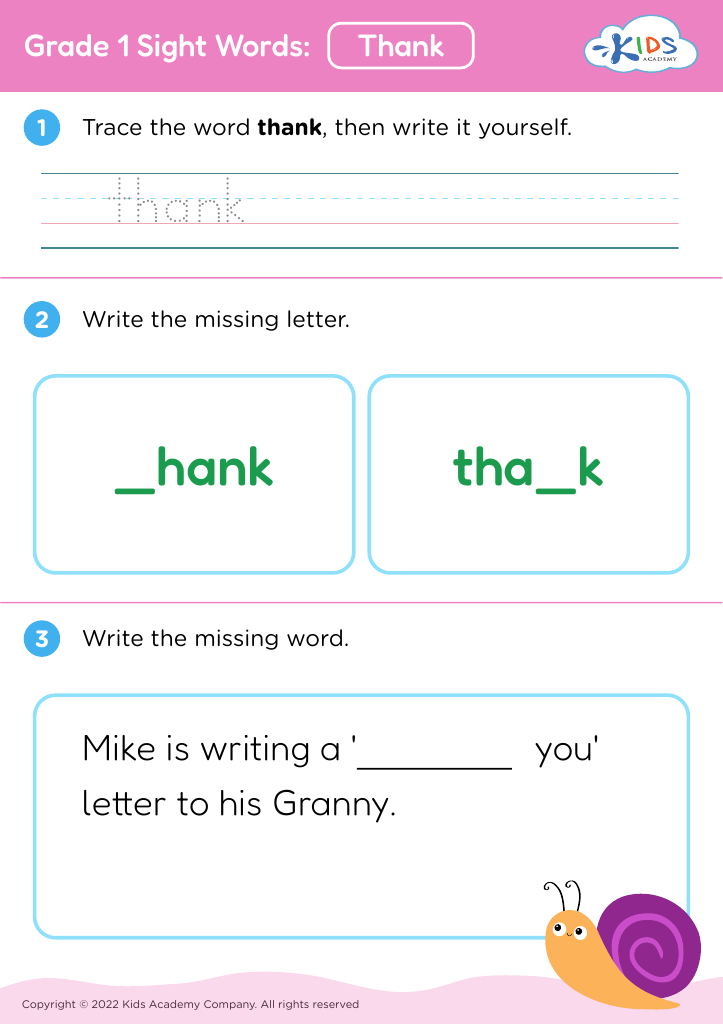
    Grade 1 Sight Words: Thank
    Grade 1 Sight Words: Thank

    Grade 1 Sight Words: Thank

    Grade 1 Sight Words: Thank
    Worksheet


    ... 19 20

    Building vocabulary for children aged 4-9 is critical in shaping their communication and cognitive abilities. During these early years, kids are highly receptive and learning at an intense pace, making it a prime time for vocabulary expansion. A strong vocabulary foundation directly impacts language development, enabling children to express their thoughts and emotions more clearly and effectively.

    Parents and teachers play a pivotal role in this developmental stage. By actively engaging in conversations, reading books, and introducing new words in context, adults can significantly enrich a child's lexicon. This practice not only boosts their verbal abilities but also enhances comprehension skills, setting the stage for academic success.

    Moreover, a robust vocabulary fosters confidence in social interactions and nurtures critical thinking. When children understand and use a broader range of words, they can better grasp complex ideas and articulate their insight, which is crucial for problem-solving and learning across subjects.

    Lastly, vocabulary growth is closely linked to long-term educational outcomes. Research indicates that children with richer vocabularies perform better in reading and writing tasks later on. Therefore, investing time in building vocabulary during these formative years equips children with essential tools for lifelong learning and personal development.