Analytical thinking Reading Comprehension Worksheets for Ages 4-9
7 filtered results
-
From - To
Unlock your child's potential with our Analytical Thinking Reading Comprehension Worksheets, designed specifically for kids aged 4-9. These interactive worksheets enhance reading skills while fostering critical thinking and analytical abilities. Featuring engaging texts and thought-provoking questions, children will learn to infer, predict, and summarize, sharpening their understanding of various narratives. Our worksheets are perfect for home or classroom use, catering to diverse learning styles. Give your young learners the tools they need to think deeply and articulate their ideas confidently. Explore our collection today and embark on a journey to improve comprehension and analytical skills in a fun and enjoyable way!
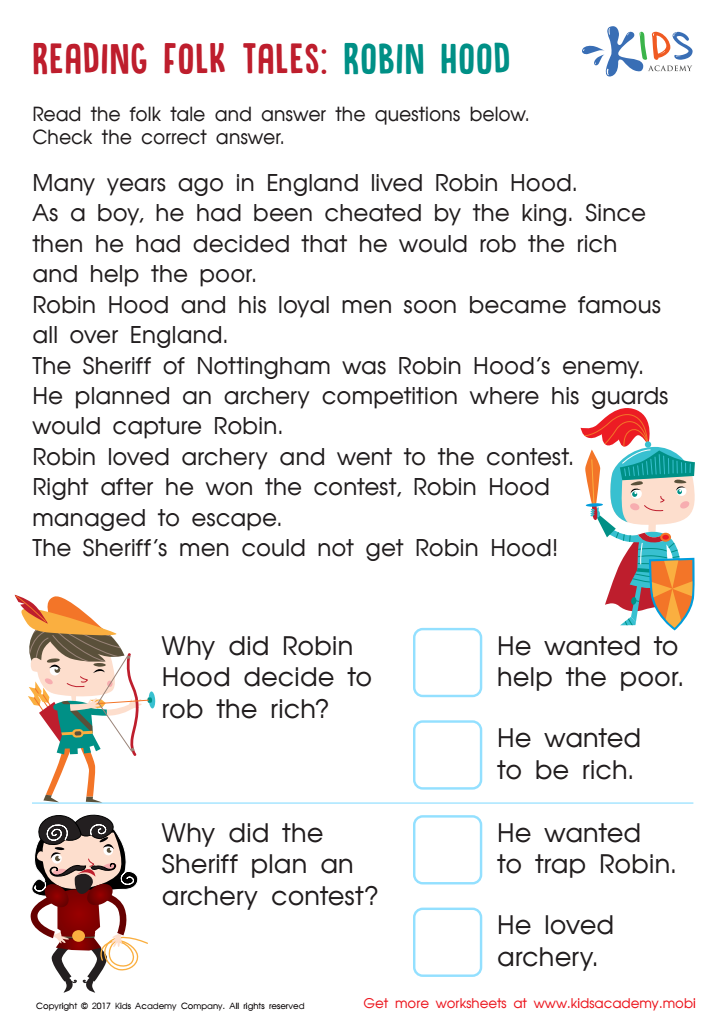
Robin Hood Folktale Worksheet
 Assign to My Students
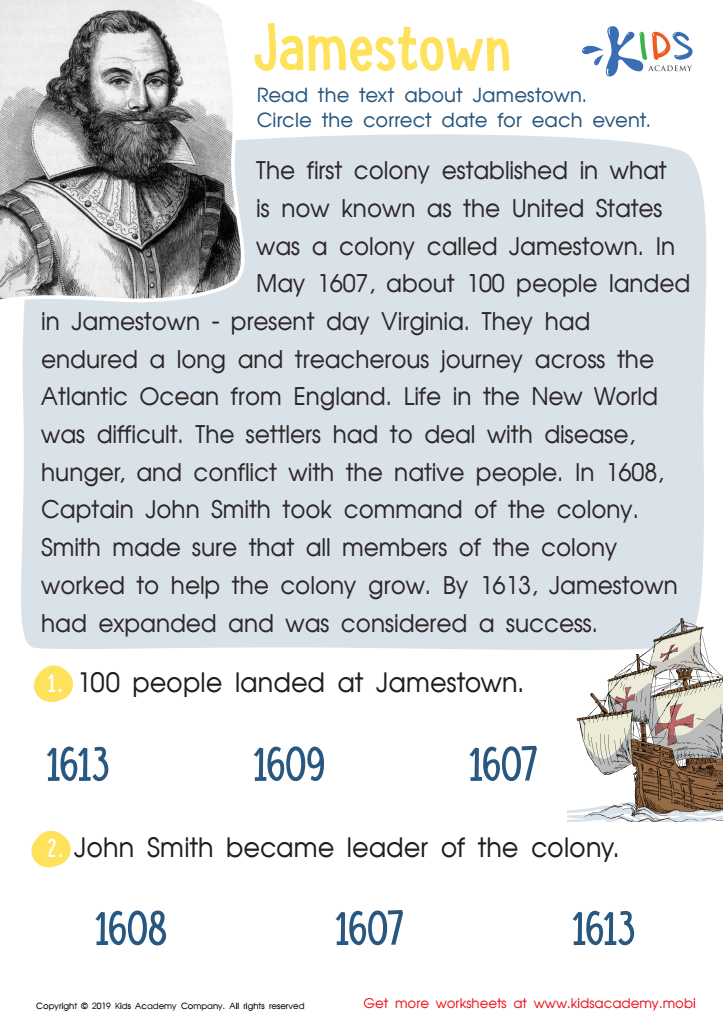
Jamestown Worksheet
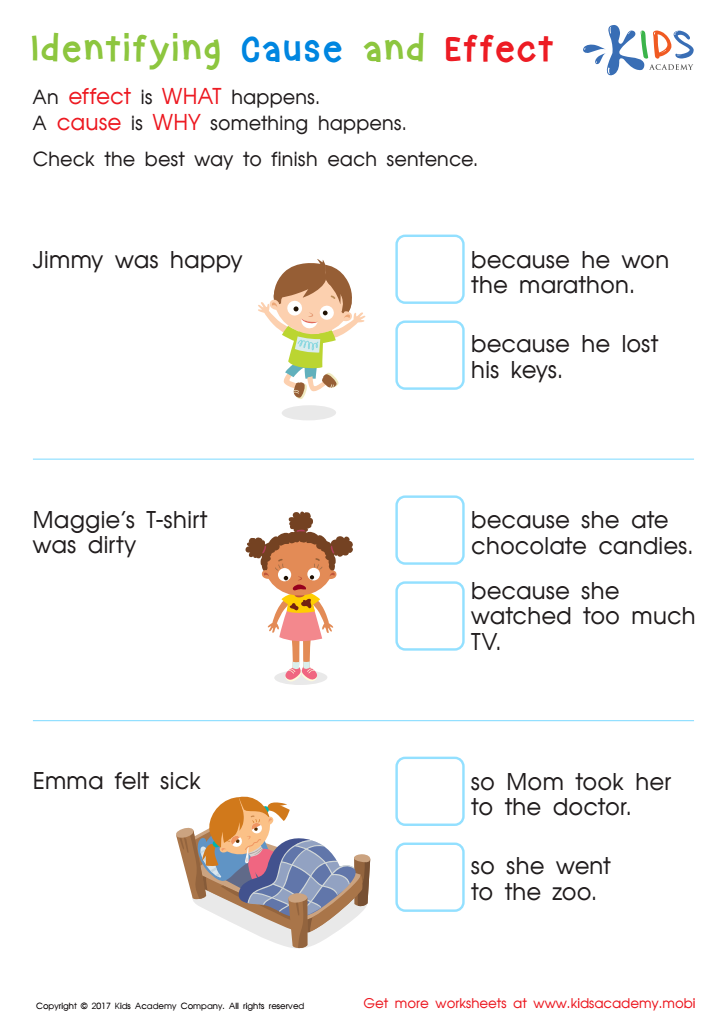
Indentifying Cause and Effect Worksheet
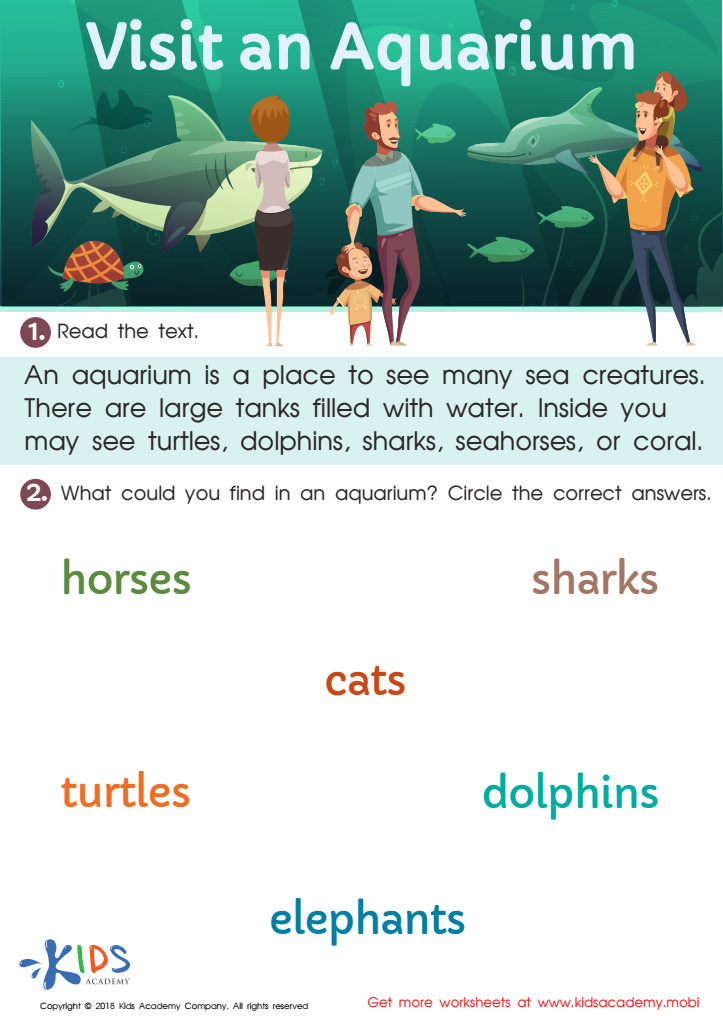
Visit an Aquarium Worksheet
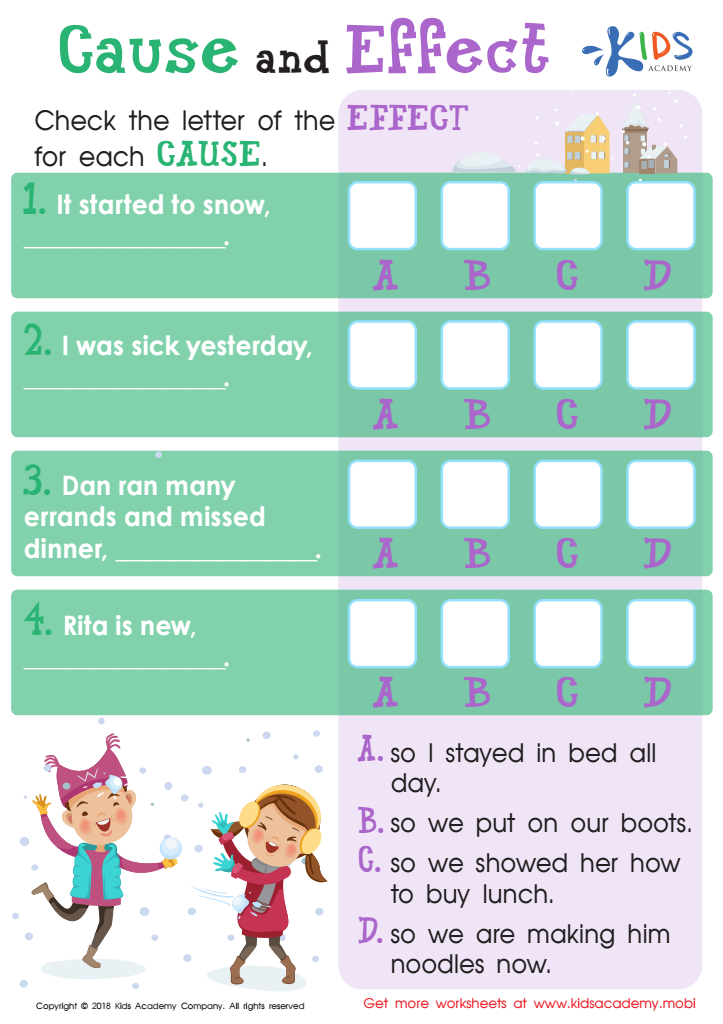
Cause and Effect Worksheet
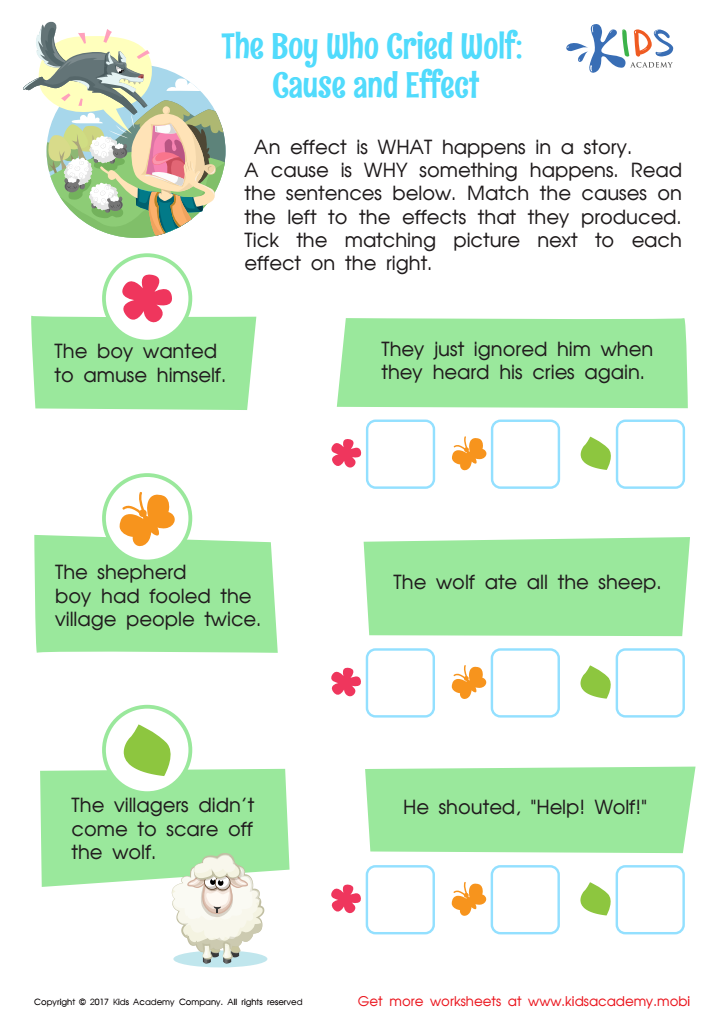
The Boy Who Cried Wolf: Cause and Effect Worksheet
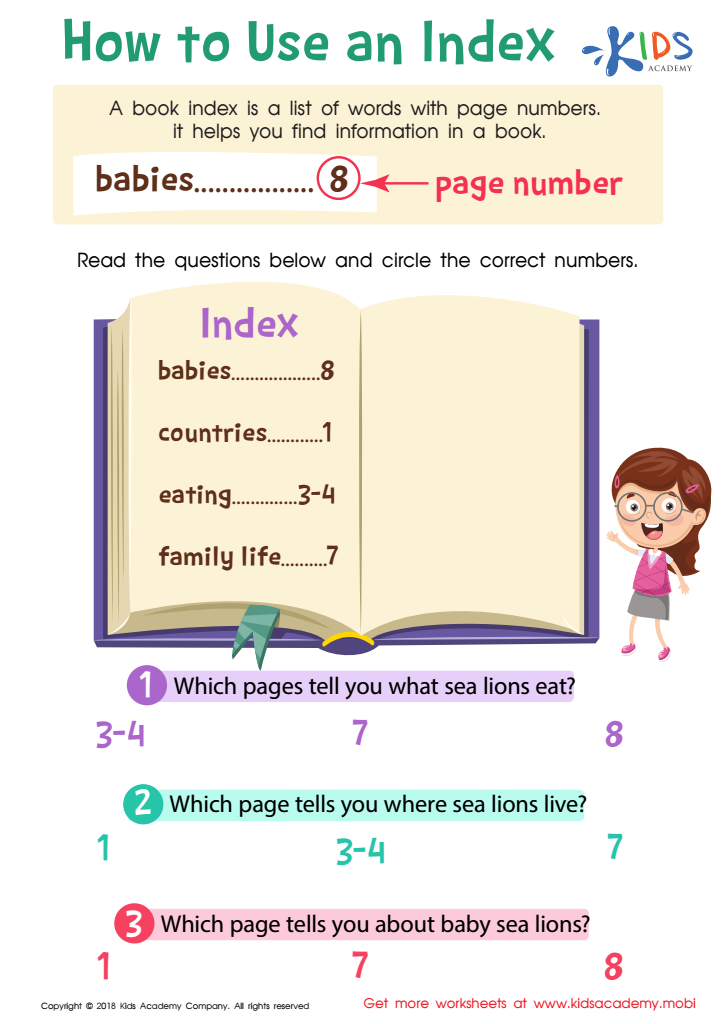
How Use Index Worksheet







Analytical thinking and reading comprehension are essential skills that significantly contribute to the cognitive development of children aged 4-9. Parents and teachers should prioritize these skills for several reasons. First, analytical thinking enhances problem-solving abilities. When children learn to decipher a story or understand narrative structures, they practice critical thinking, allowing them to evaluate situations and make informed decisions.
Reading comprehension is equally crucial; it serves as the foundation for academic success across all subjects. A strong grasp of reading comprehension enables children to engage with texts thoughtfully, fostering a deeper understanding of content. This, in turn, encourages an interest in reading and lifelong learning.
Furthermore, analytical thinking and reading comprehension promote effective communication skills. As children analyze characters, plots, and themes, they learn to articulate their thoughts and opinions, which is vital for social interactions and collaboration.
By nurturing these skills early on, parents and teachers equip children with the tools necessary for future academic challenges, helping them stand out in school and beyond. Ultimately, fostering analytical thinking and reading comprehension prepares young learners not only for academic success but also for increasingly complex real-world scenarios.








