Vocabulary enhancement Science Worksheets for Ages 4-9 - Page 2
50 filtered results
-
From - To
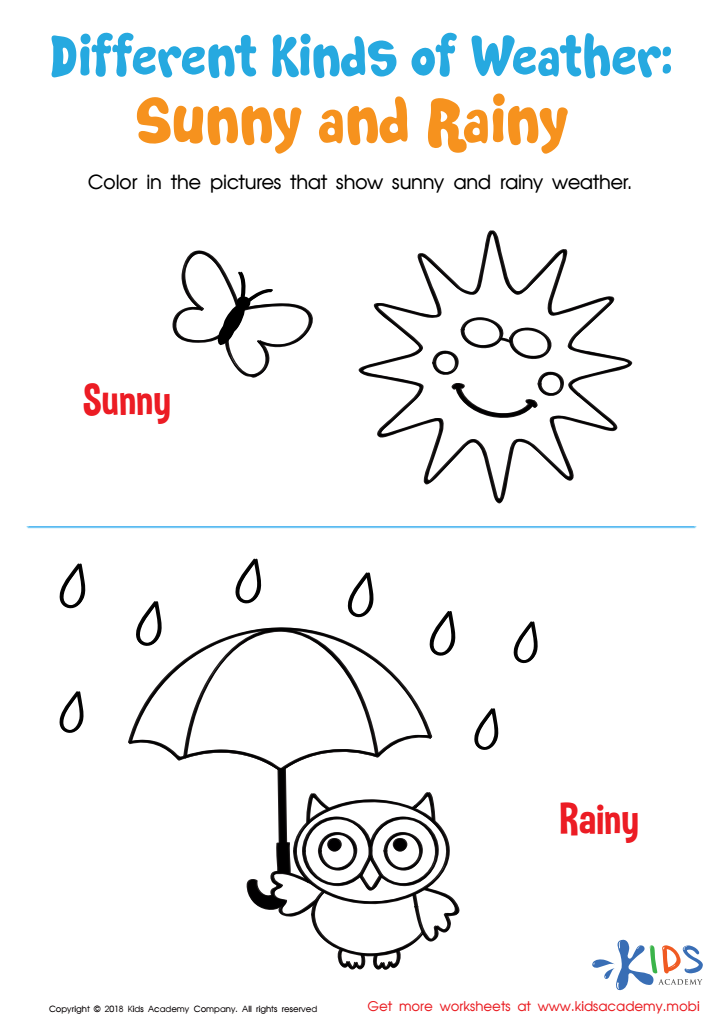
Different Kinds of Weather: Sunny and Rainy Worksheet
 Assign to My Students
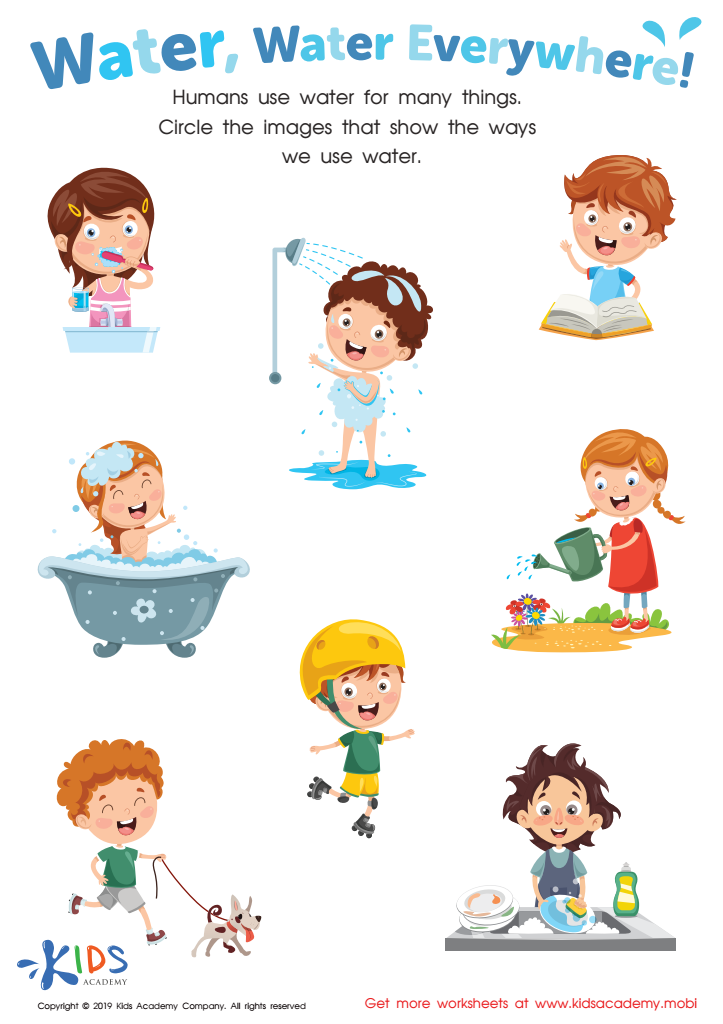
Water, Water Everywhere! Worksheet
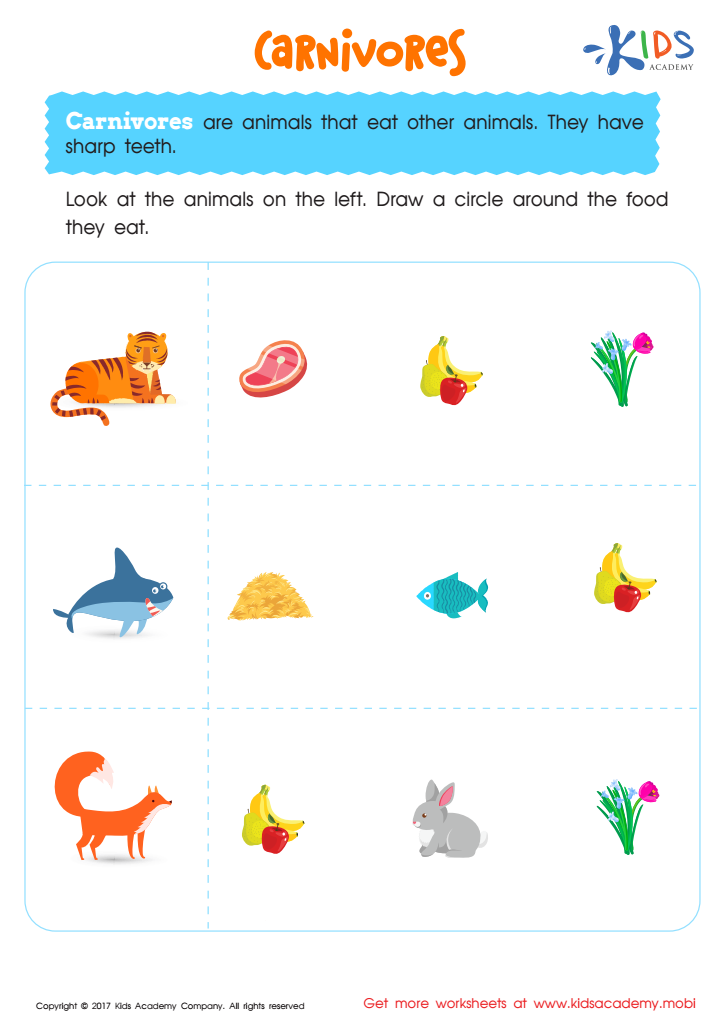
Carnivores Worksheet
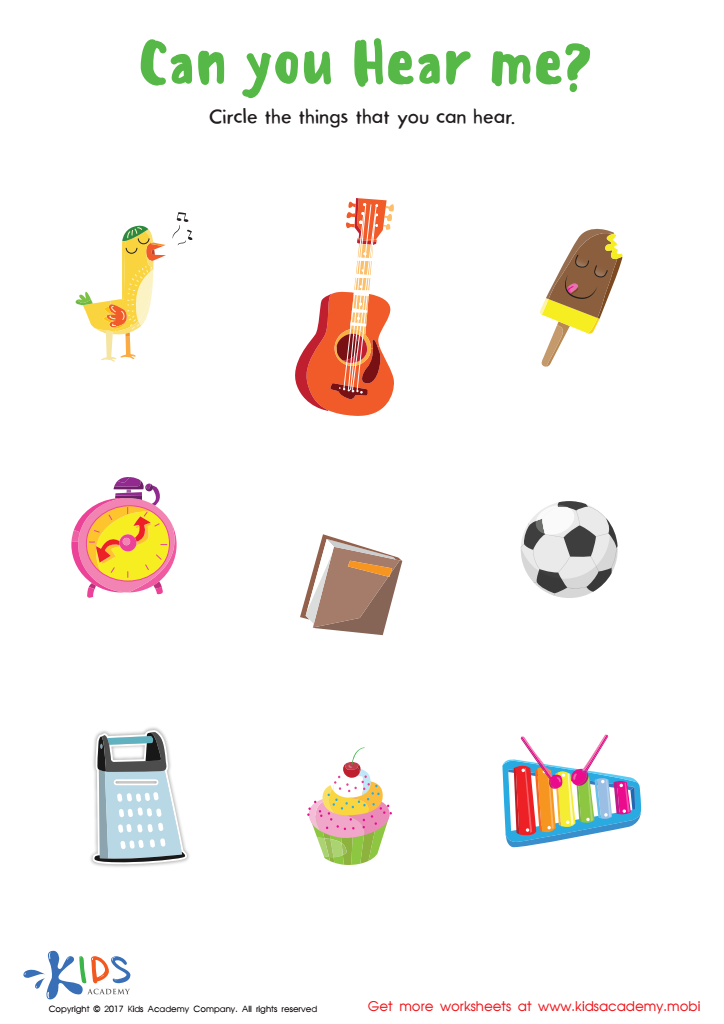
Can You Hear Me Worksheet
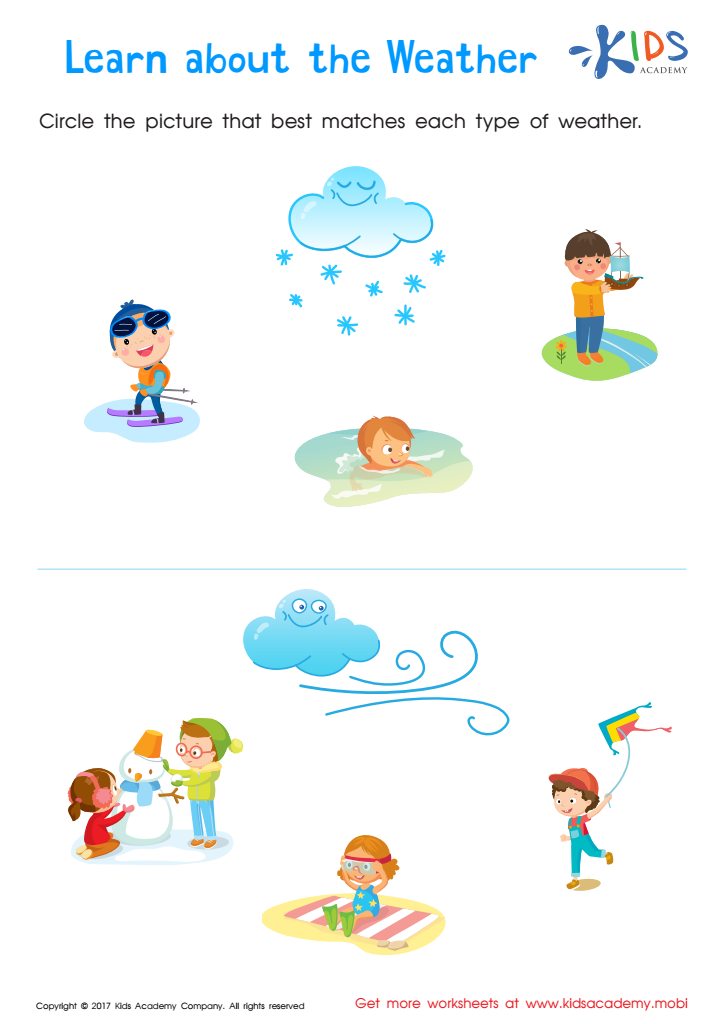
About the Weather Printable
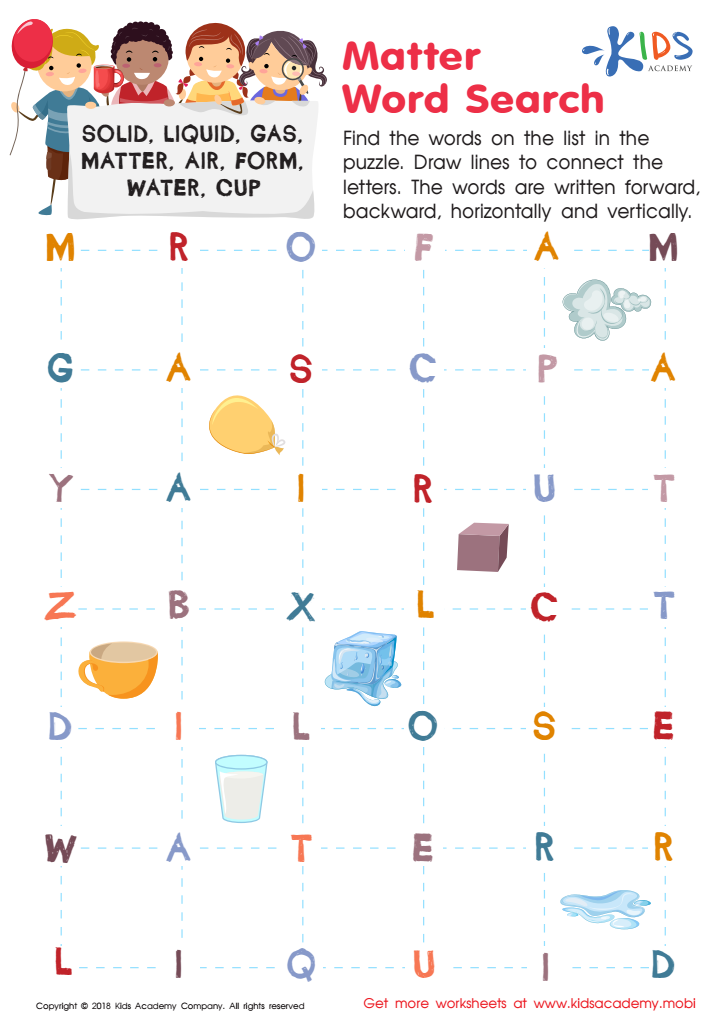
Matter Word Search Worksheet
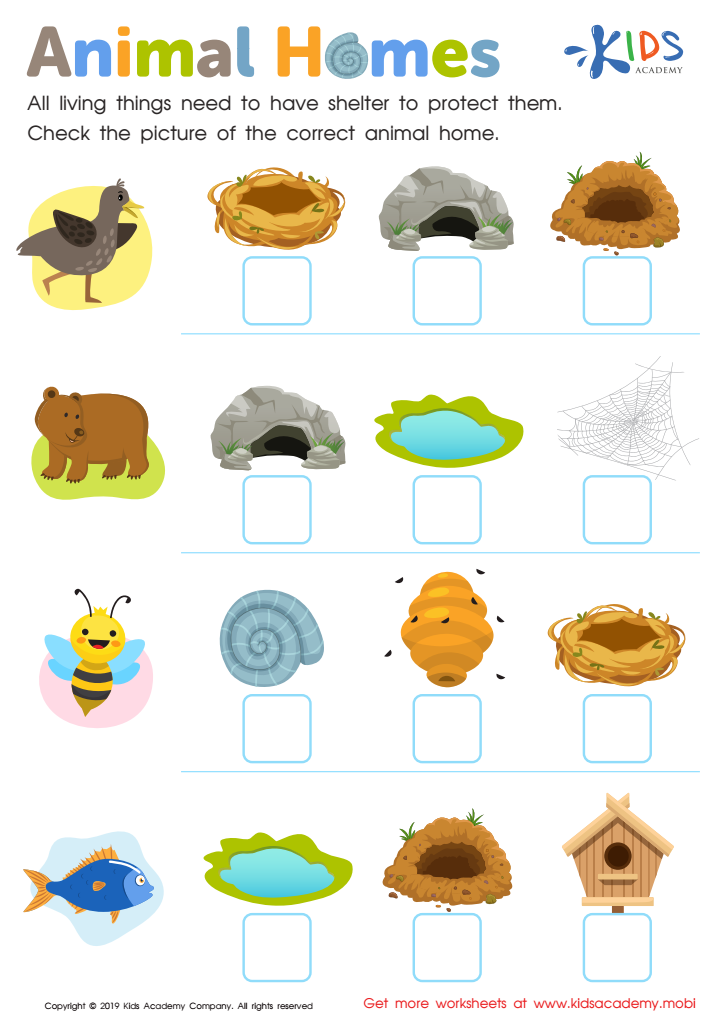
Animal Homes Worksheet
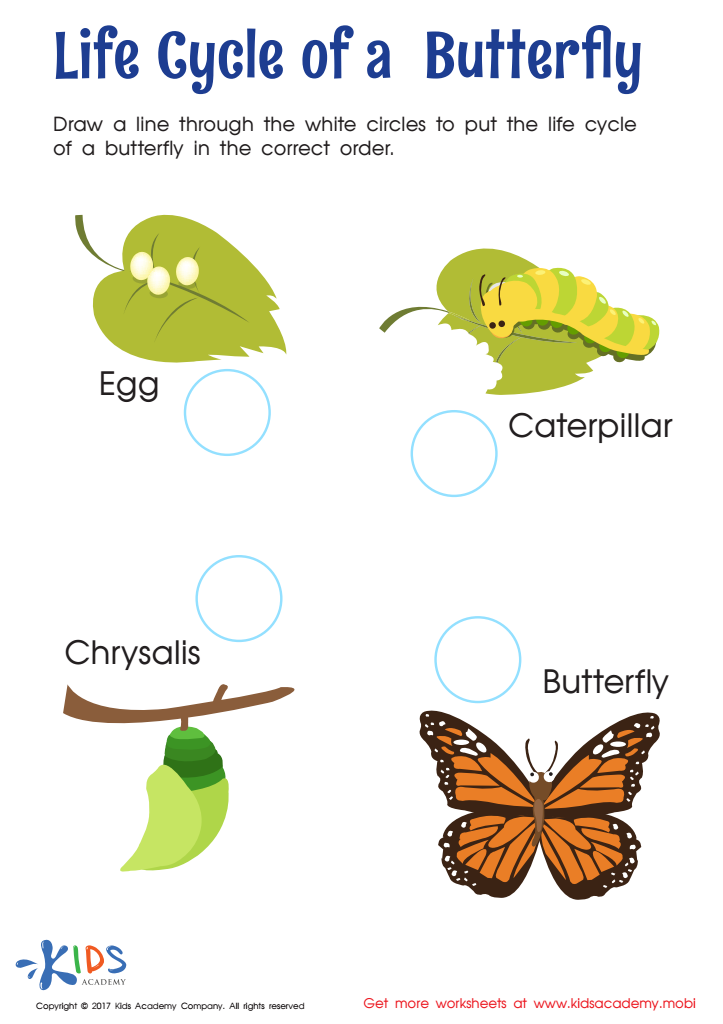
Life Cycle of Butterfly Worksheet
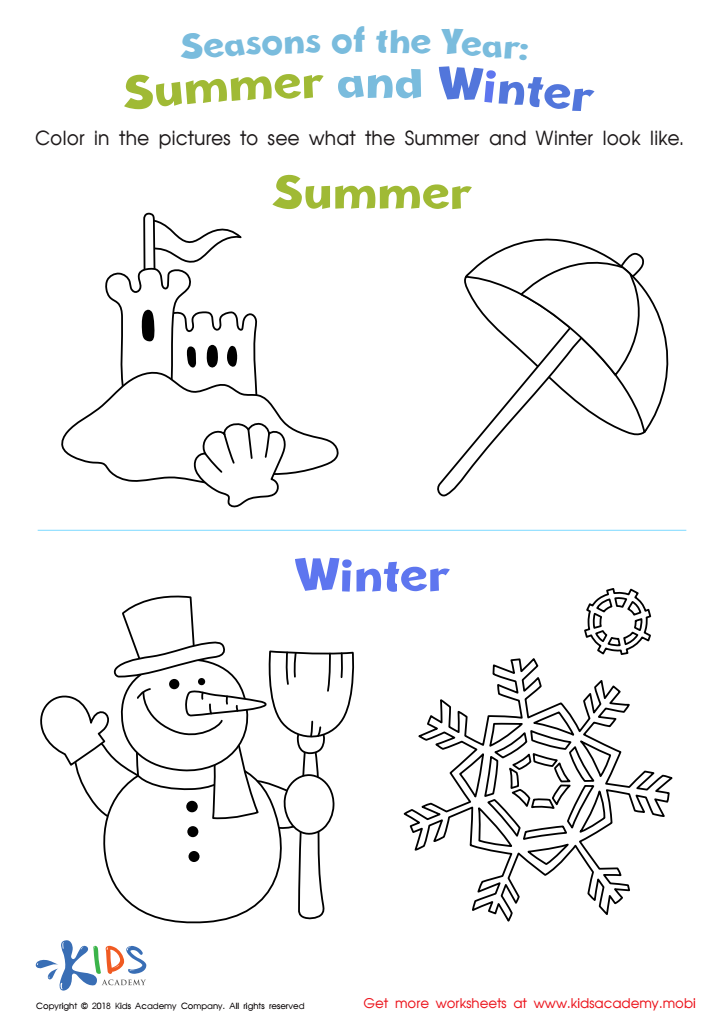
Summer and Winter Worksheet
Assign to My Students
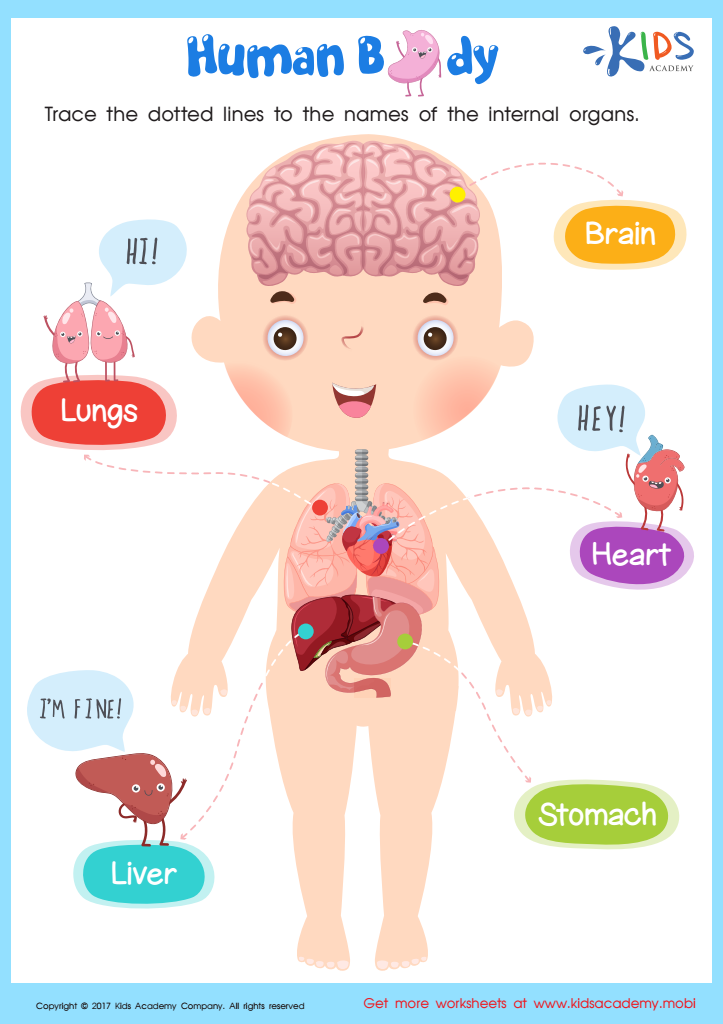
Human Body Worksheet
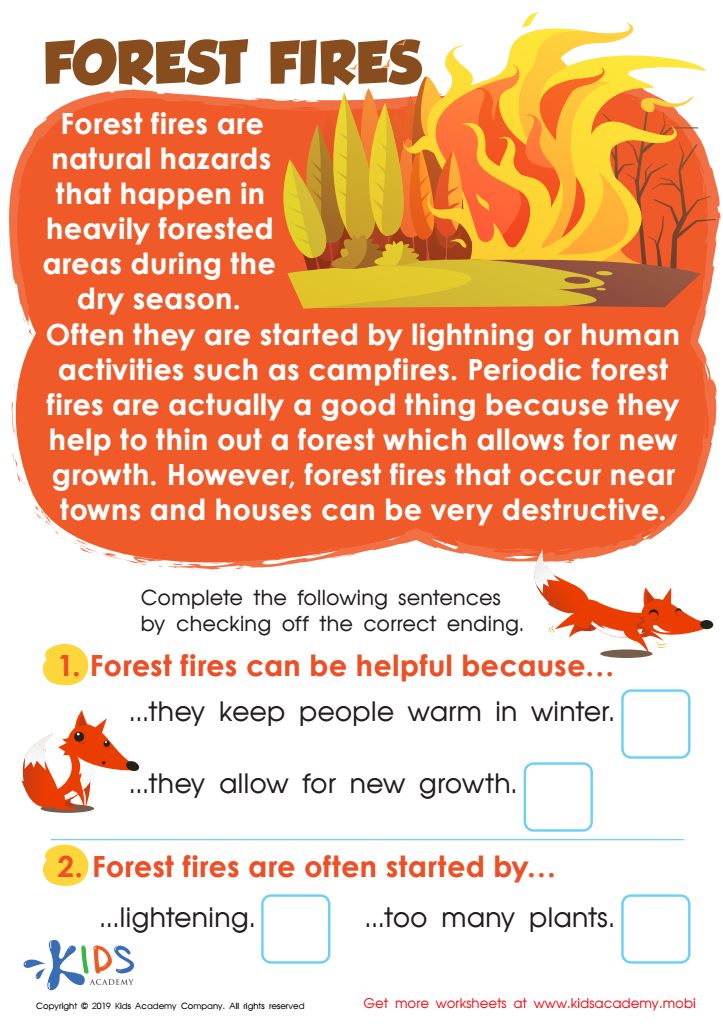
Forest Fires Worksheet
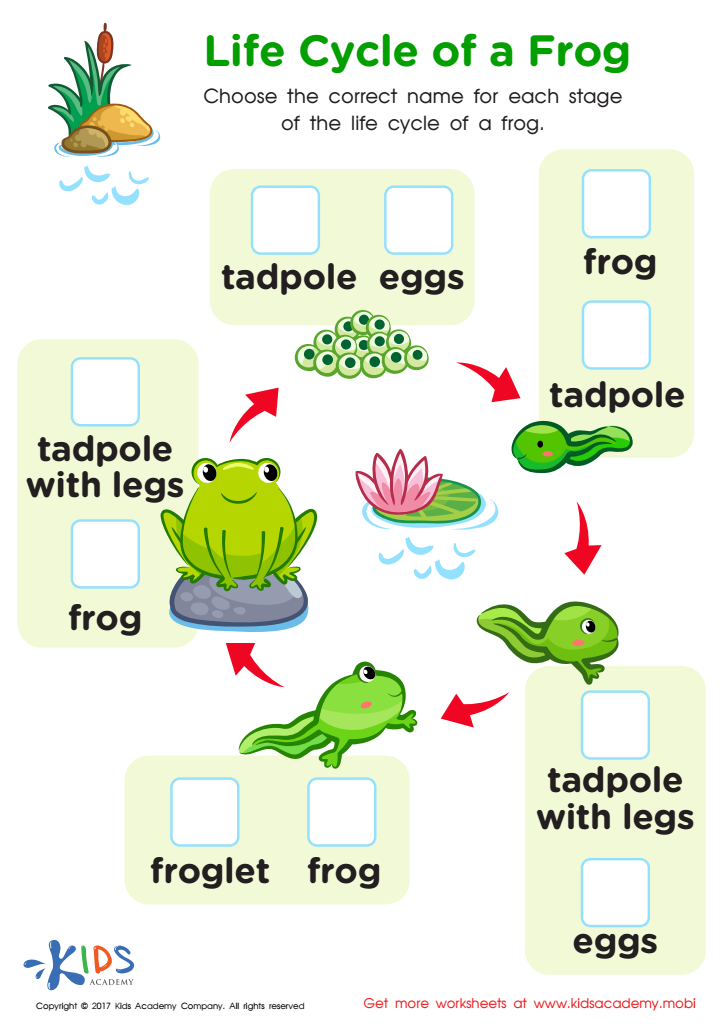
Life Cycle Frog Printable
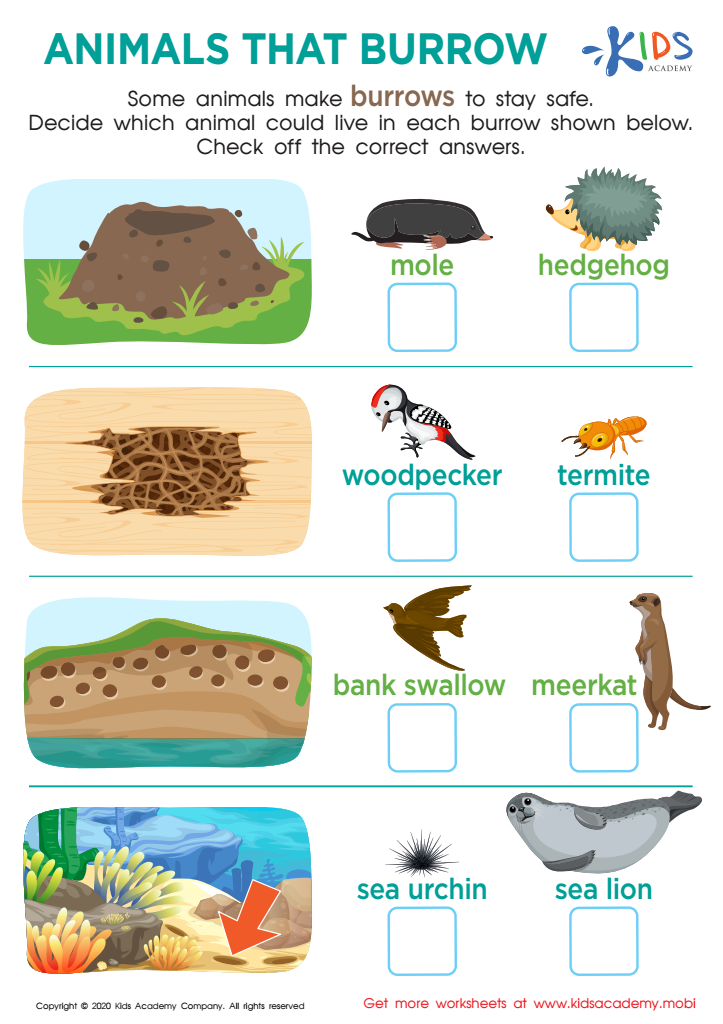
Animals That Burrow Worksheet
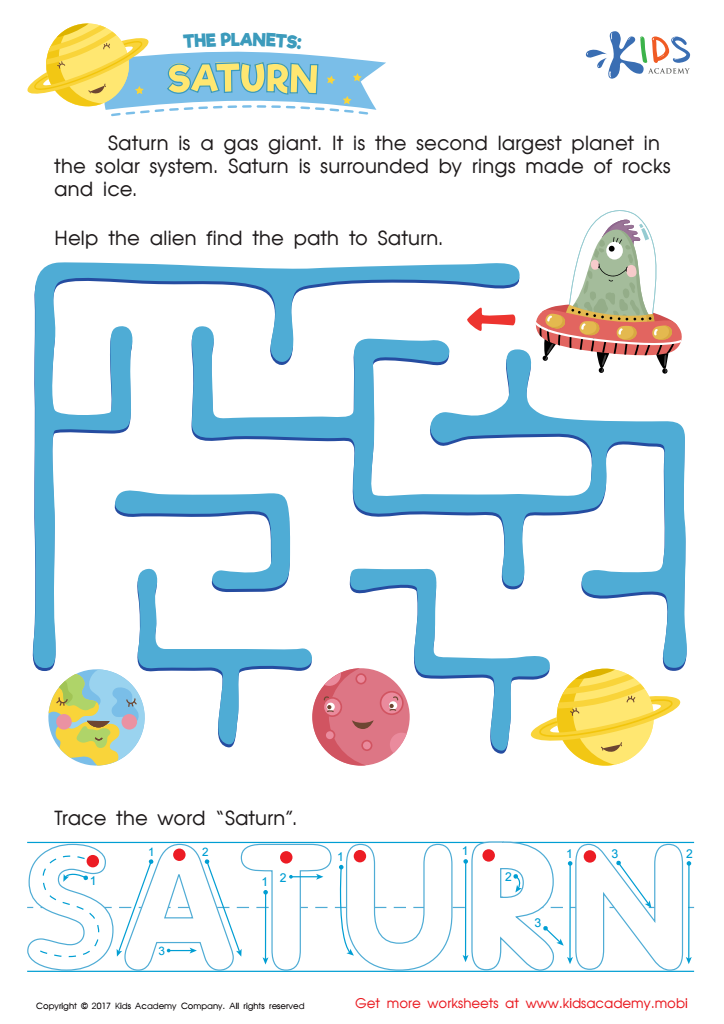
The Planets: Saturn Printable
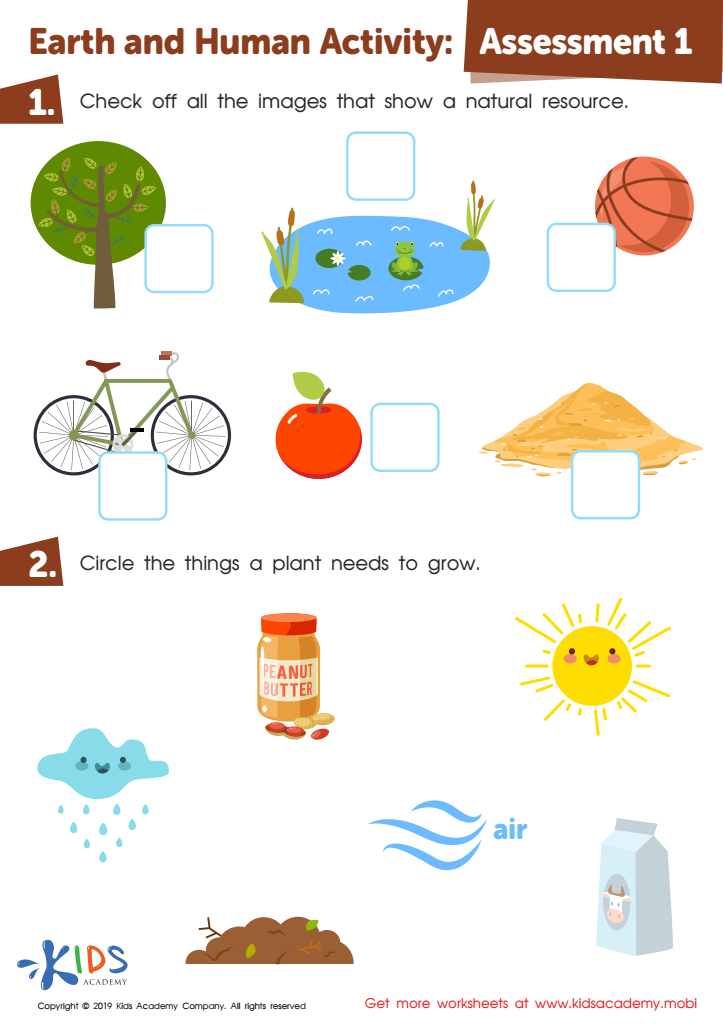
Earth and Human Activity: Assessment 1 Worksheet
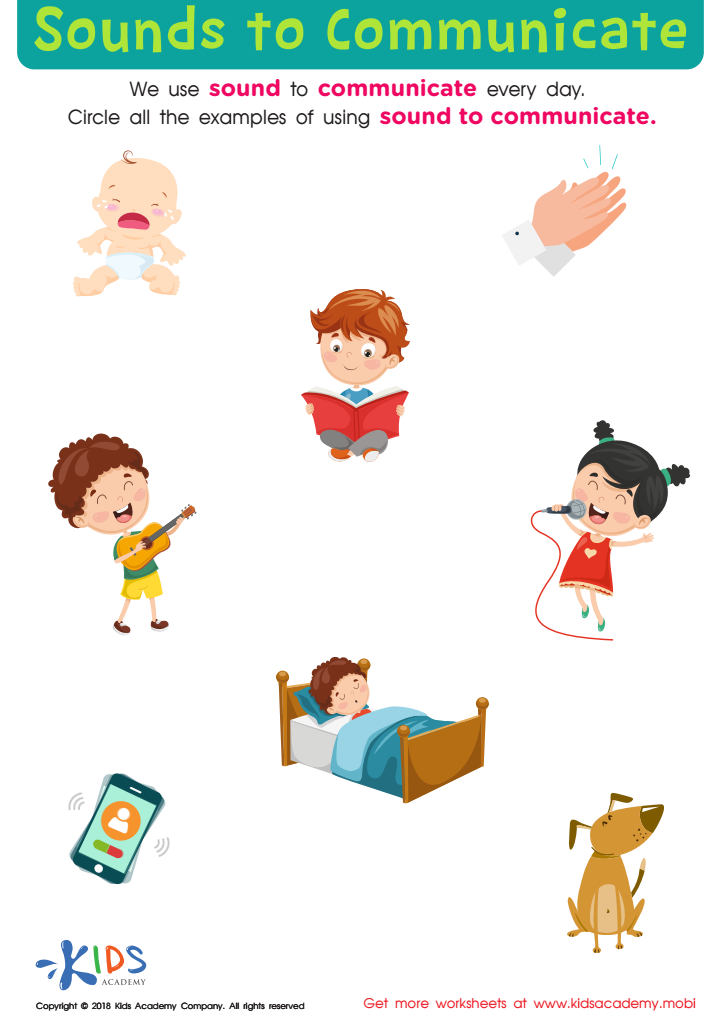
Sounds to Communicate Worksheet
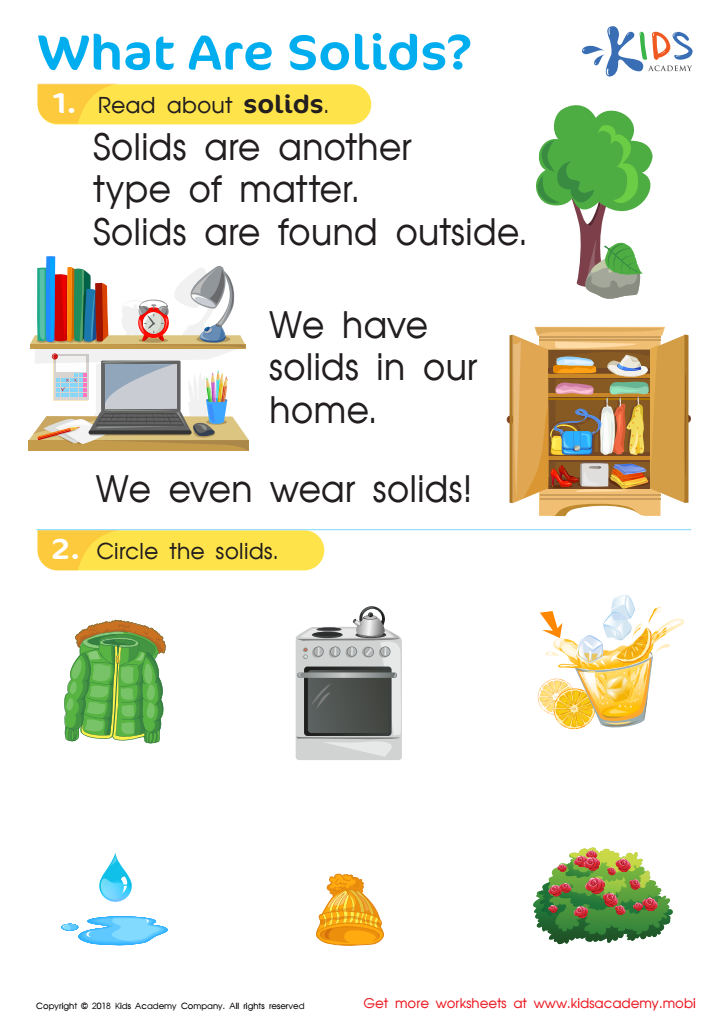
What Are Solids? Worksheet
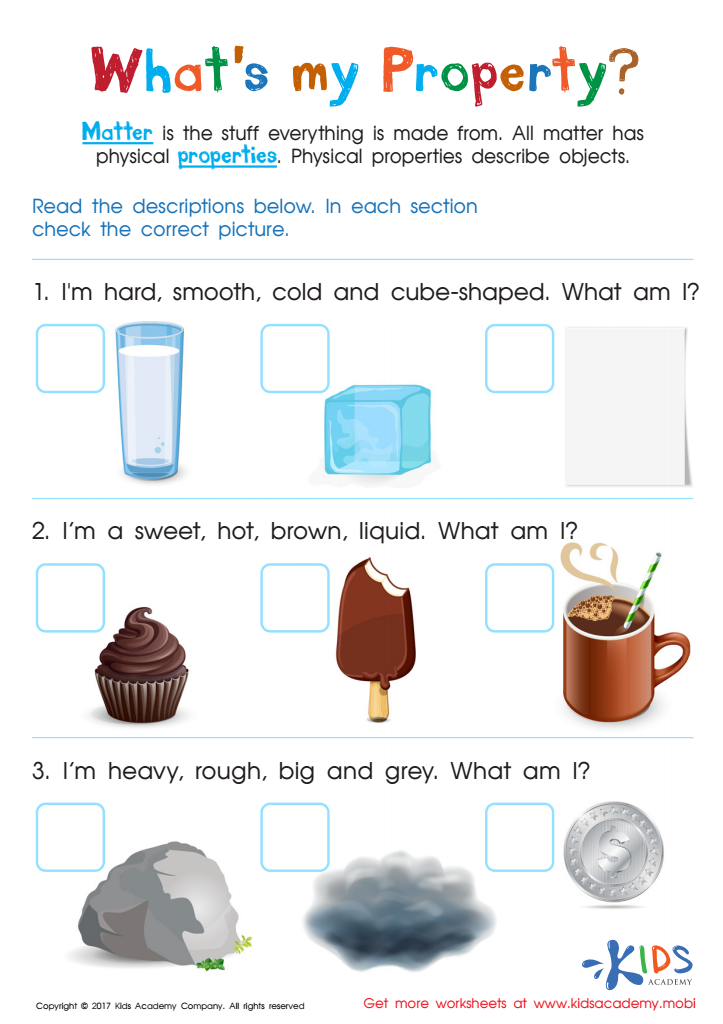
Physical Properties Of Matter Worksheet
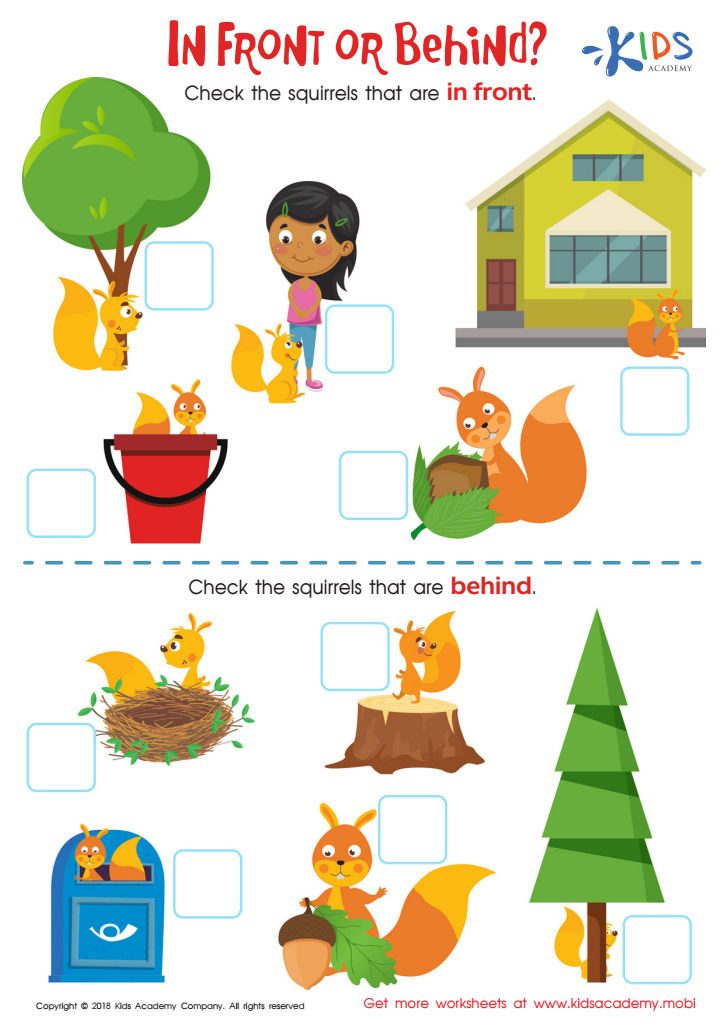
In Front or Behind: Part 2 Worksheet
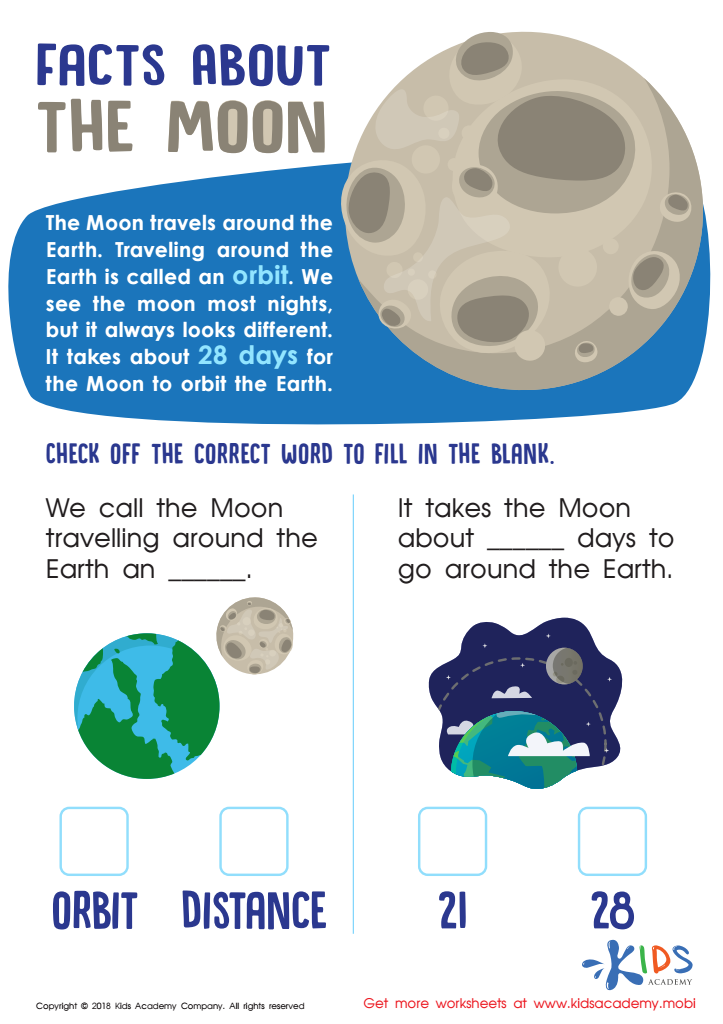
Facts About the Moon Worksheet
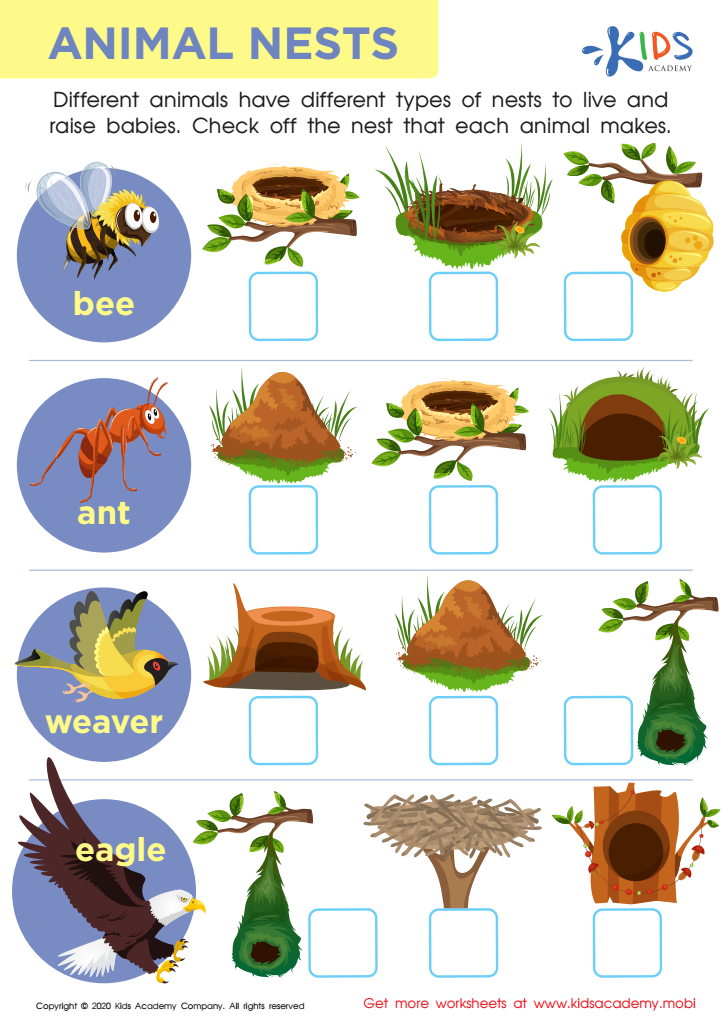
Animal Nests Worksheet
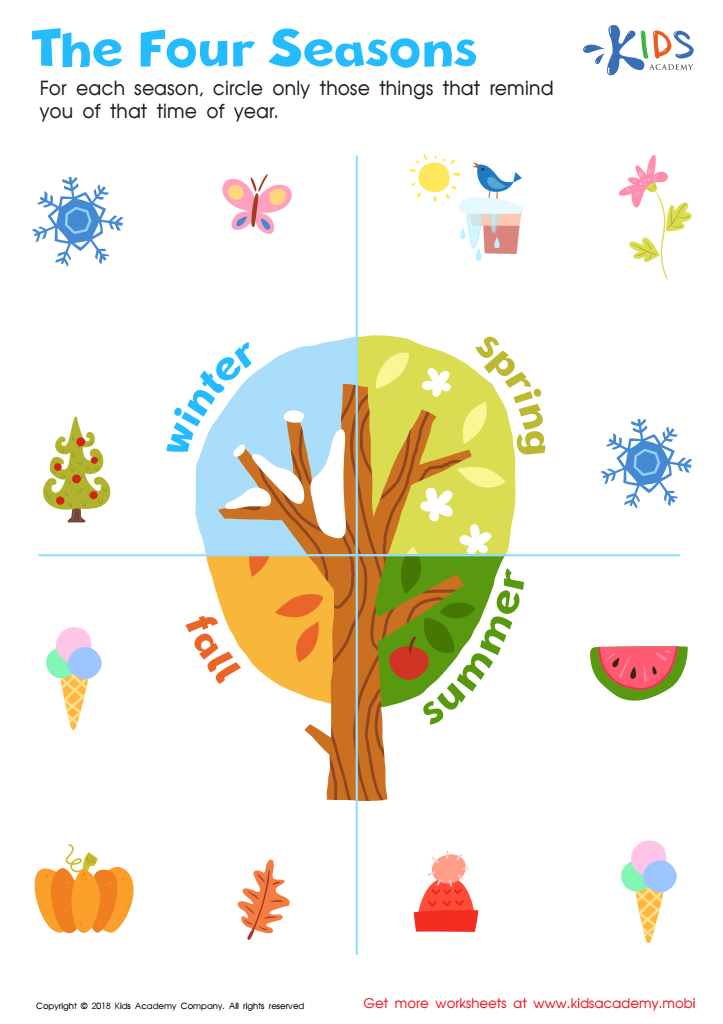
The Four Seasons Worksheet
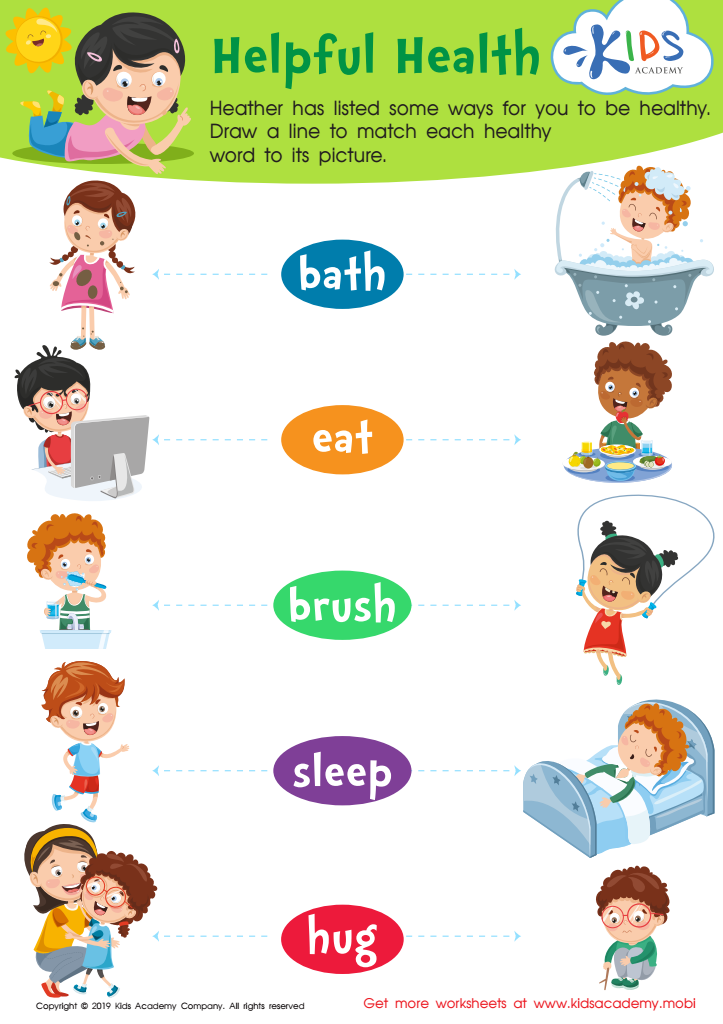
Helpful Health Worksheet








Vocabulary enhancement is crucial for children aged 4-9 as it lays the foundation for effective communication, comprehension, and future academic success. During these formative years, children are rapidly expanding their language skills; exposure to a rich vocabulary enhances their ability to articulate thoughts, share experiences, and engage with peers. Improved vocabulary allows children to better understand instructions, stories, and concepts across all subjects, leading to greater learning outcomes.
Moreover, strong vocabulary skills foster confidence in social interactions and contribute to emotional intelligence by enabling children to express feelings and ideas more clearly. Engaging in vocabulary enhancement science—using strategies backed by research, such as interactive reading, word games, and themed discussions—can effectively support children's language development.
For parents and teachers, prioritizing vocabulary enhancement is an investment in a child’s cognitive development. It promotes critical thinking and creativity, as children learn to use language more flexibly and constructively. Thus, facilitating vocabulary growth in young learners is not only essential for academic readiness but also essential for building a lifelong appreciation for language and learning, ultimately shaping more informed and articulate individuals. Parents and teachers play a pivotal role in guiding this development—making it an imperative focus in early childhood education.







