Historical Knowledge Social Studies Worksheets for Ages 4-9
26 filtered results
-
From - To
Discover our engaging Historical Knowledge Social Studies Worksheets designed for children ages 4-9! These vibrant, educational resources introduce young learners to key historical concepts, figures, and events in a fun and accessible way. Our worksheets encourage curiosity and critical thinking while covering topics such as timelines, historical artifacts, and famous leaders. Each activity is crafted to align with early education standards, promoting age-appropriate learning experiences. Perfect for classroom use or at-home practice, these worksheets foster a love of history while enhancing essential skills. Explore creative learning opportunities and cultivate budding historians with our expertly designed materials today!
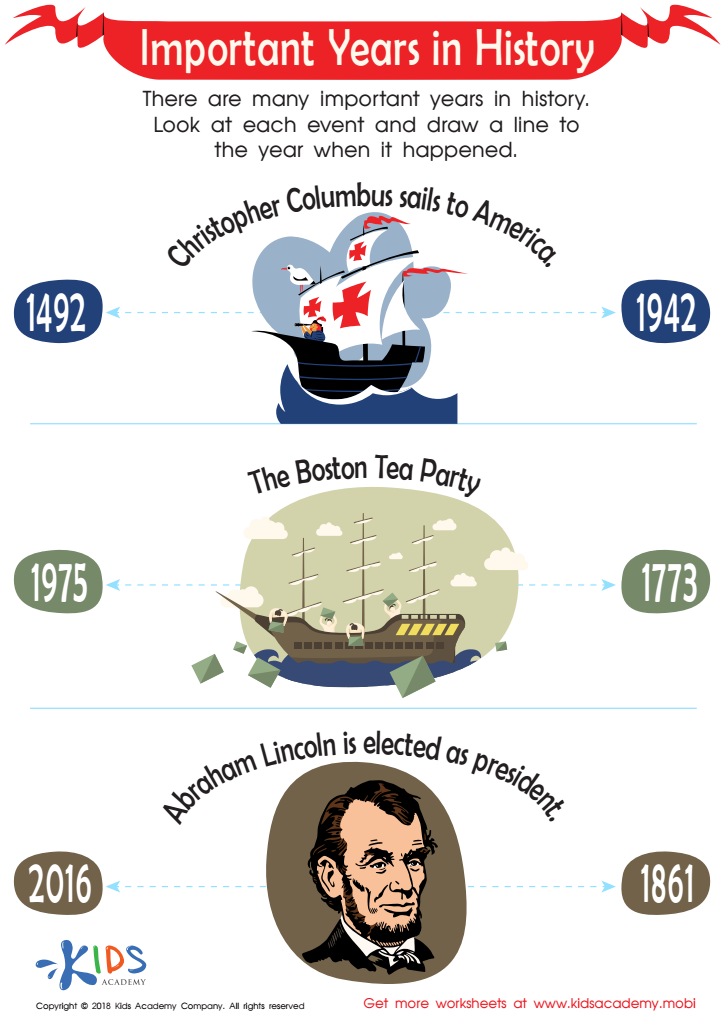
Important Years in History Worksheet
 Assign to My Students
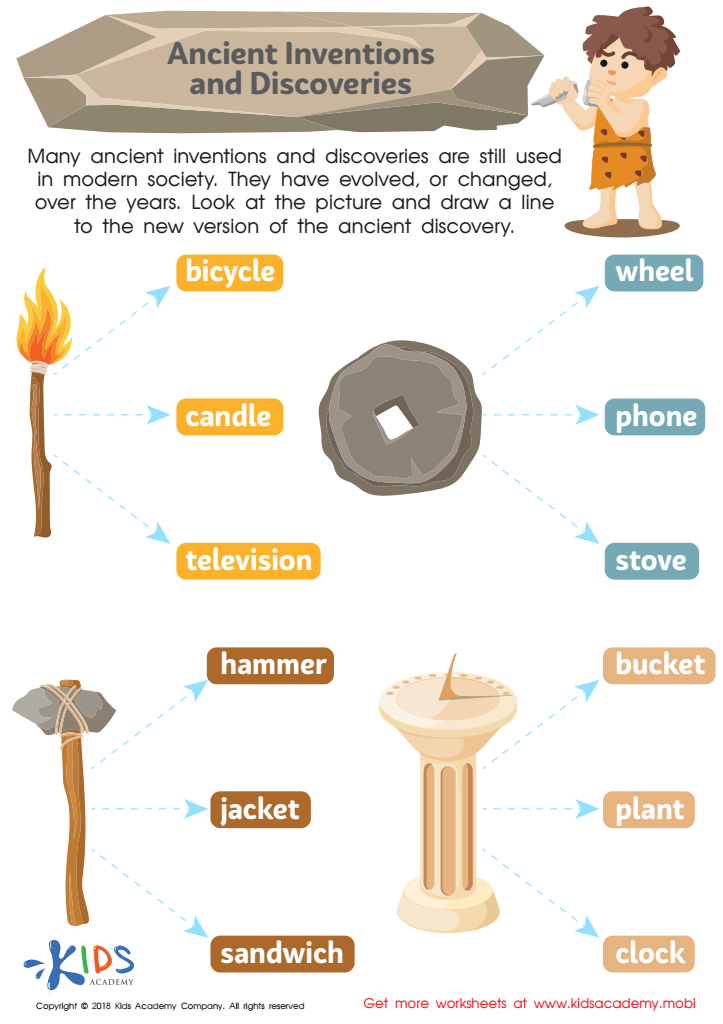
Ancient Inventions and Discoveries Worksheet
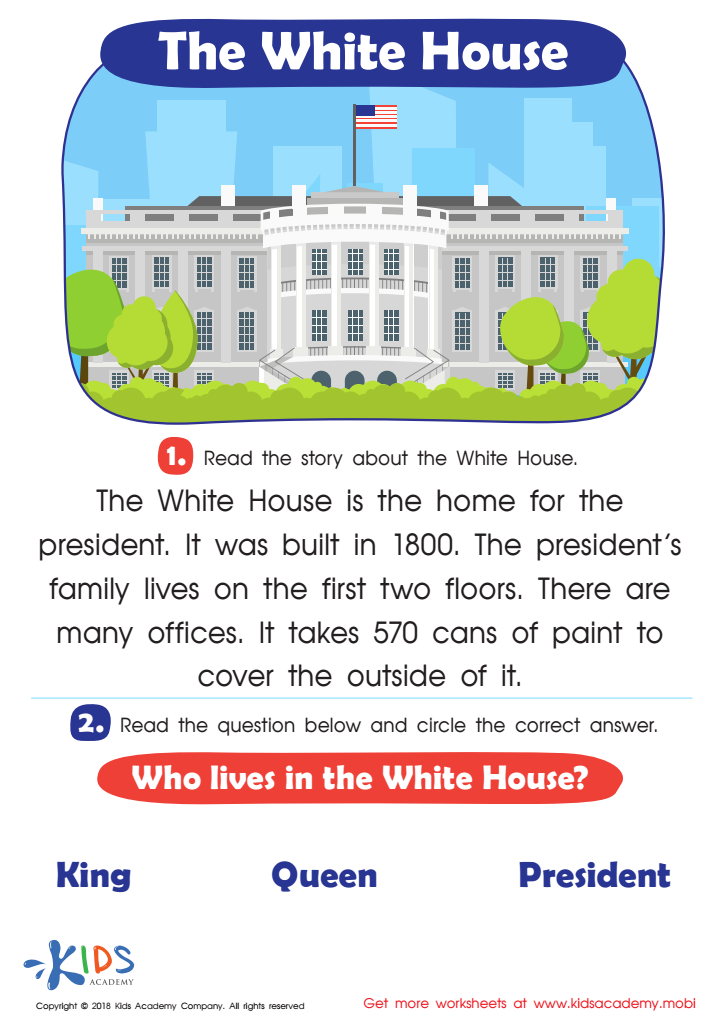
White House Worksheet
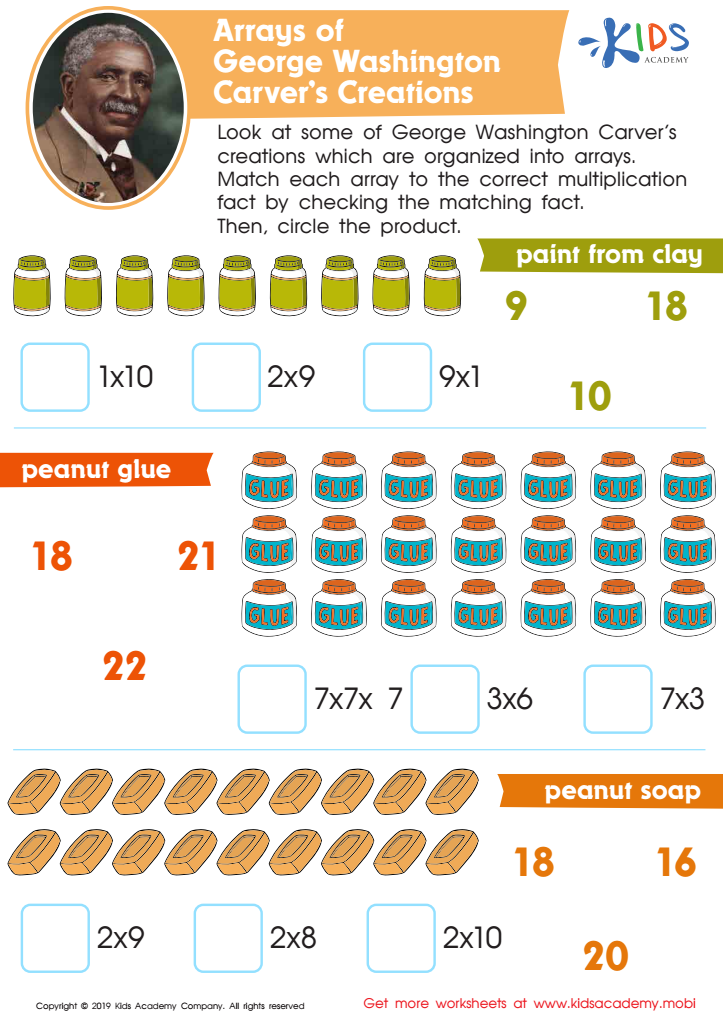
Arrays of George Washington Carver’s Creations Worksheet
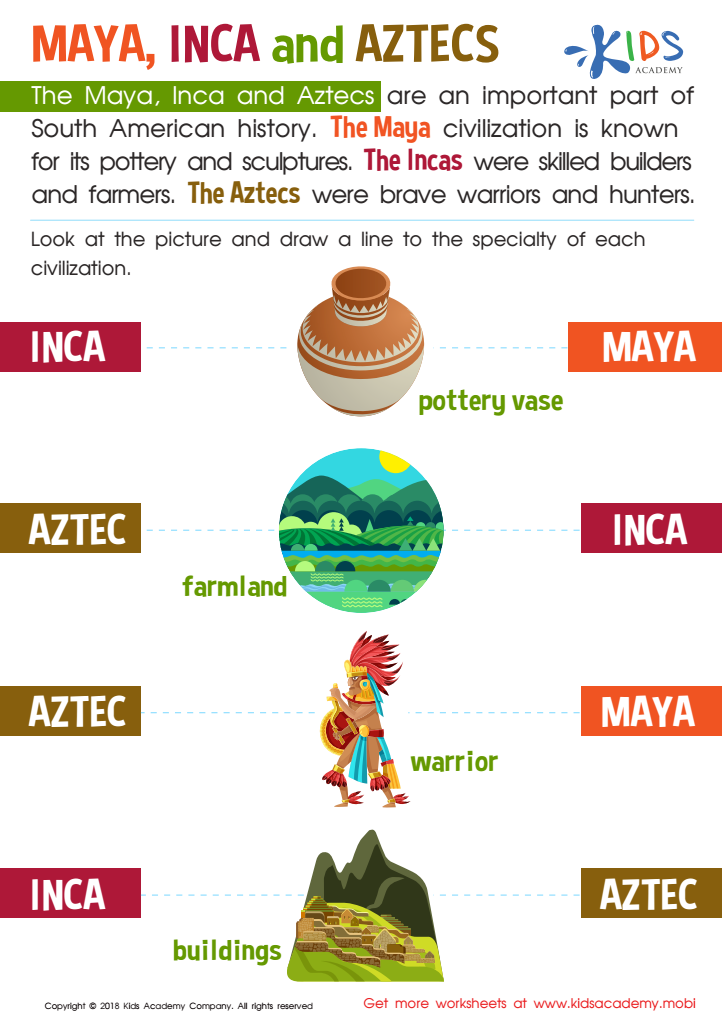
Maya, Inca and Aztecs Worksheet
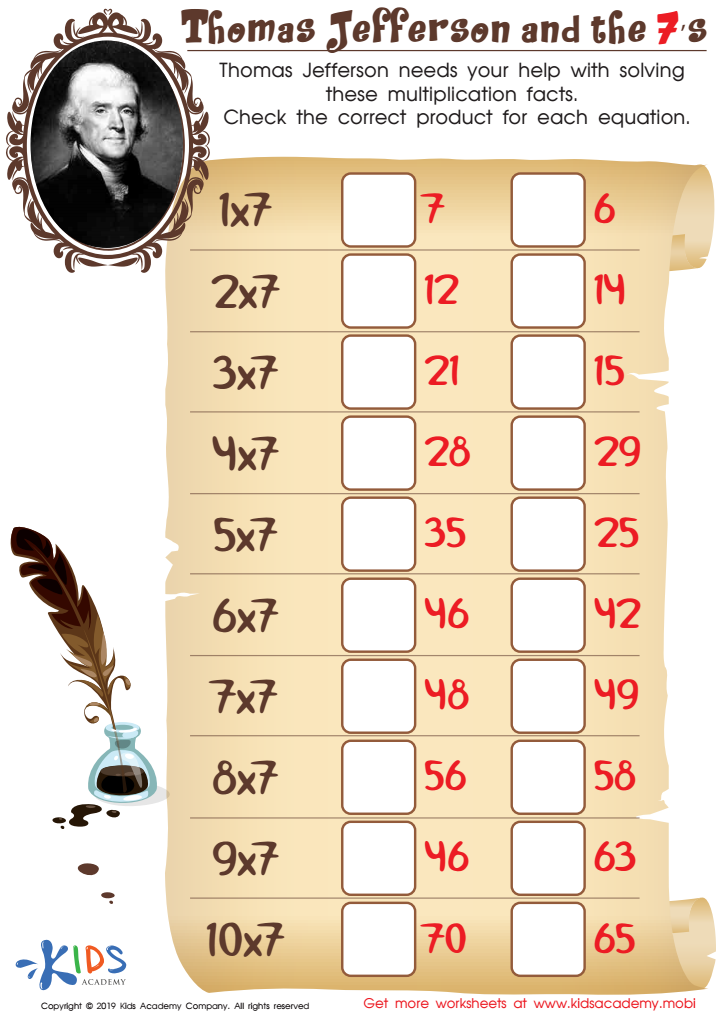
Thomas Jefferson and the 7’s Worksheet
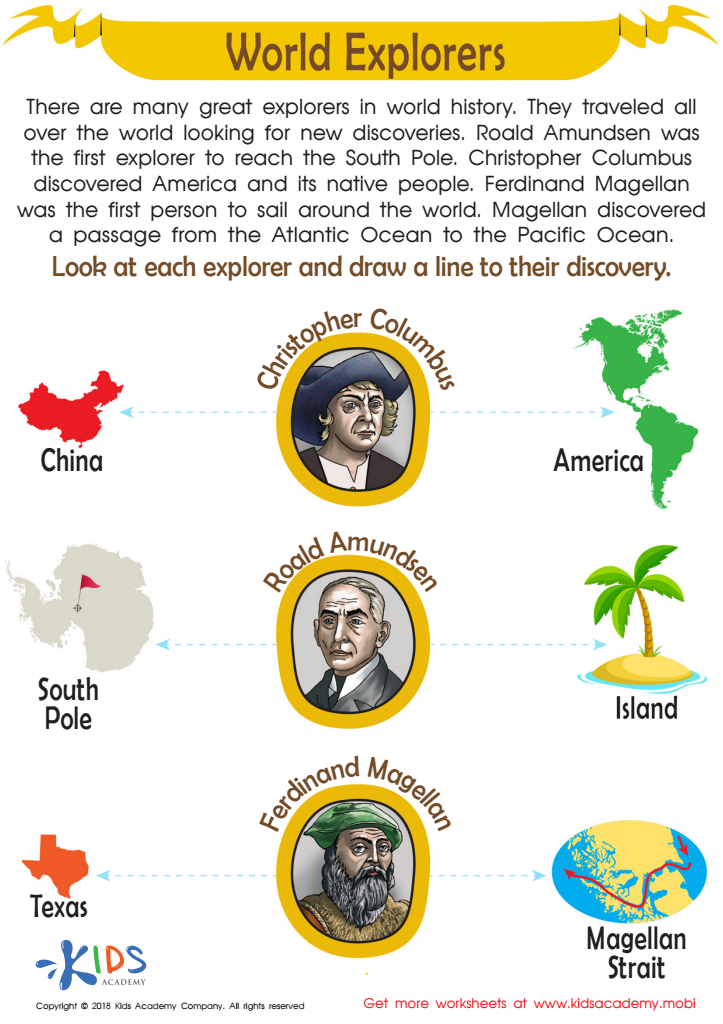
World Explorers Worksheet
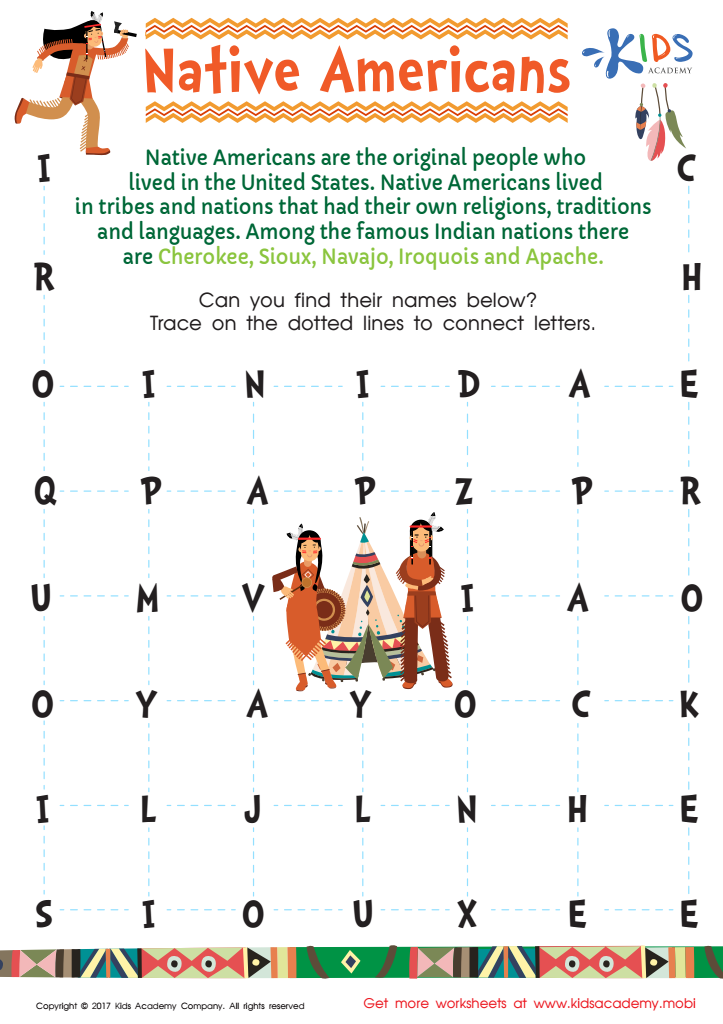
Native American Word Search Printable
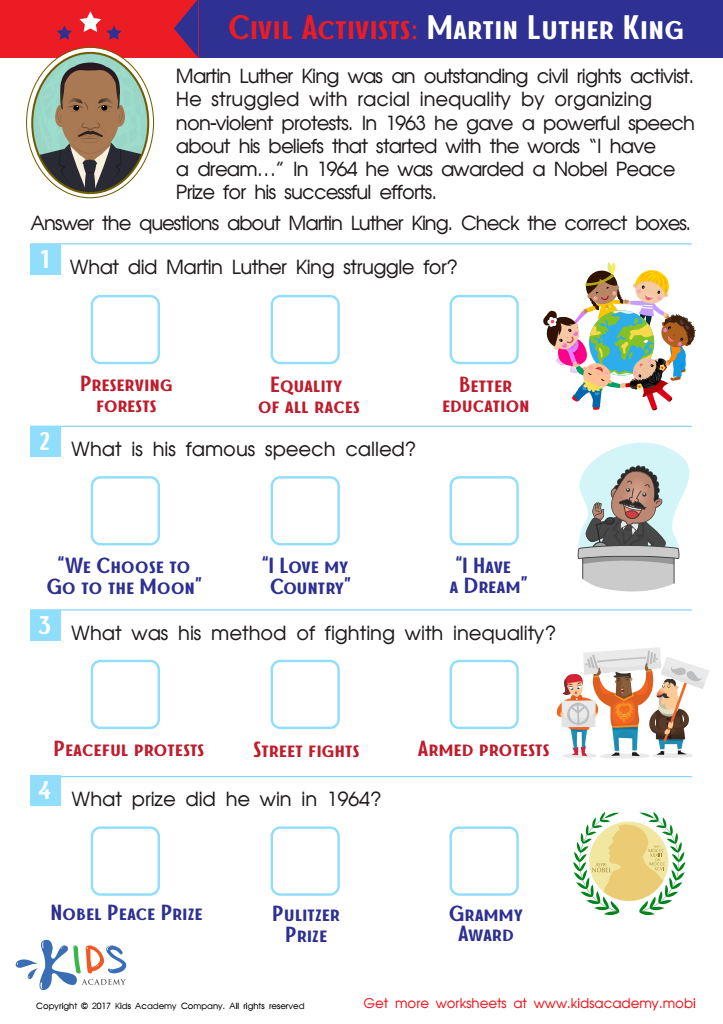
Martin Luther King Worksheet
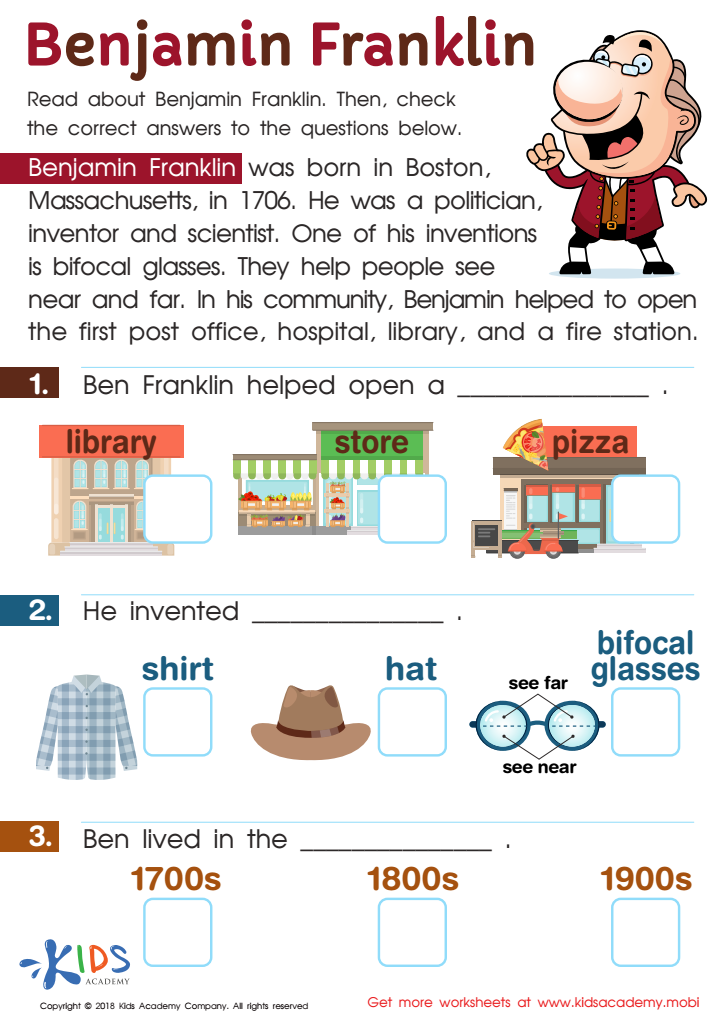
Benjamin Franklin Worksheet
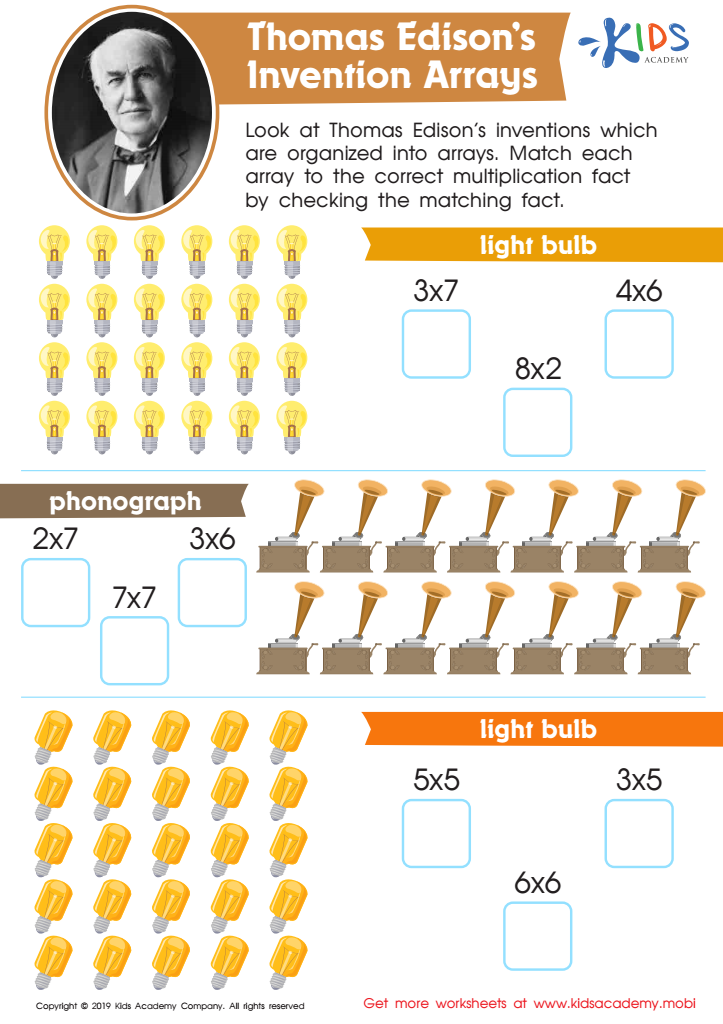
Thomas Edison’s Invention Arrays Worksheet
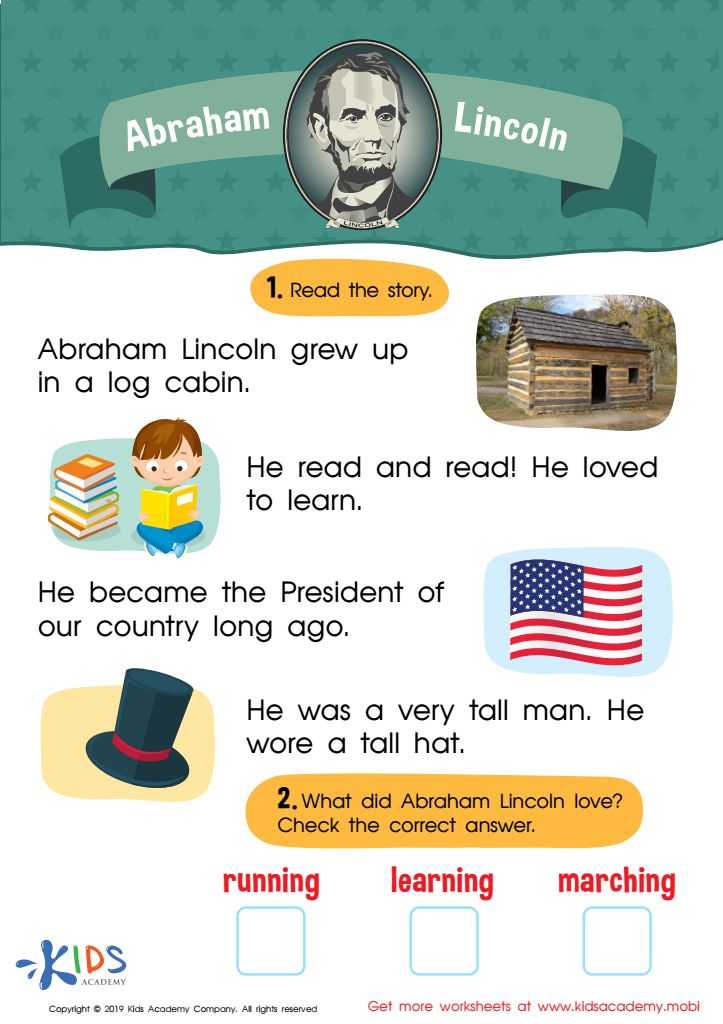
Abraham Lincoln Worksheet
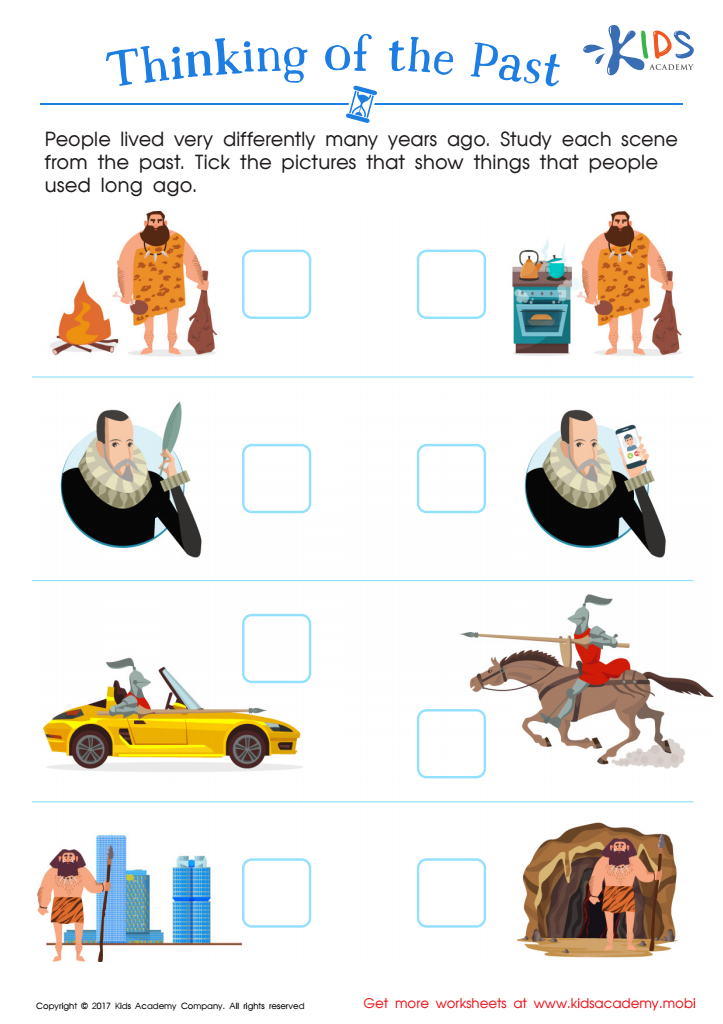
Thinking Past Printable
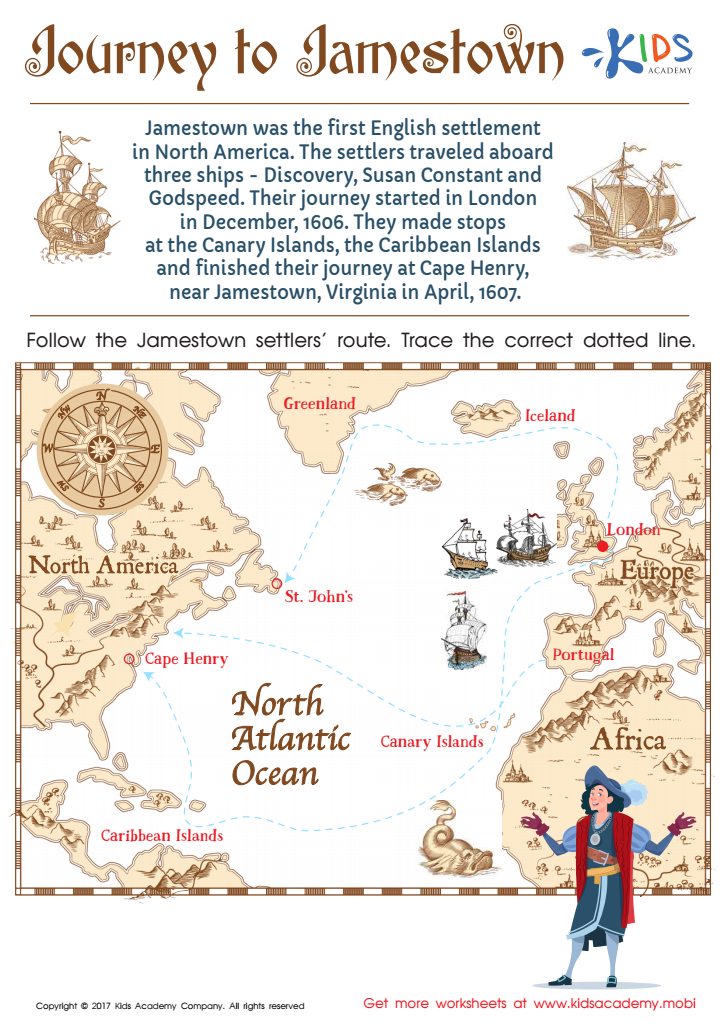
Journey to Jamestown Worksheet
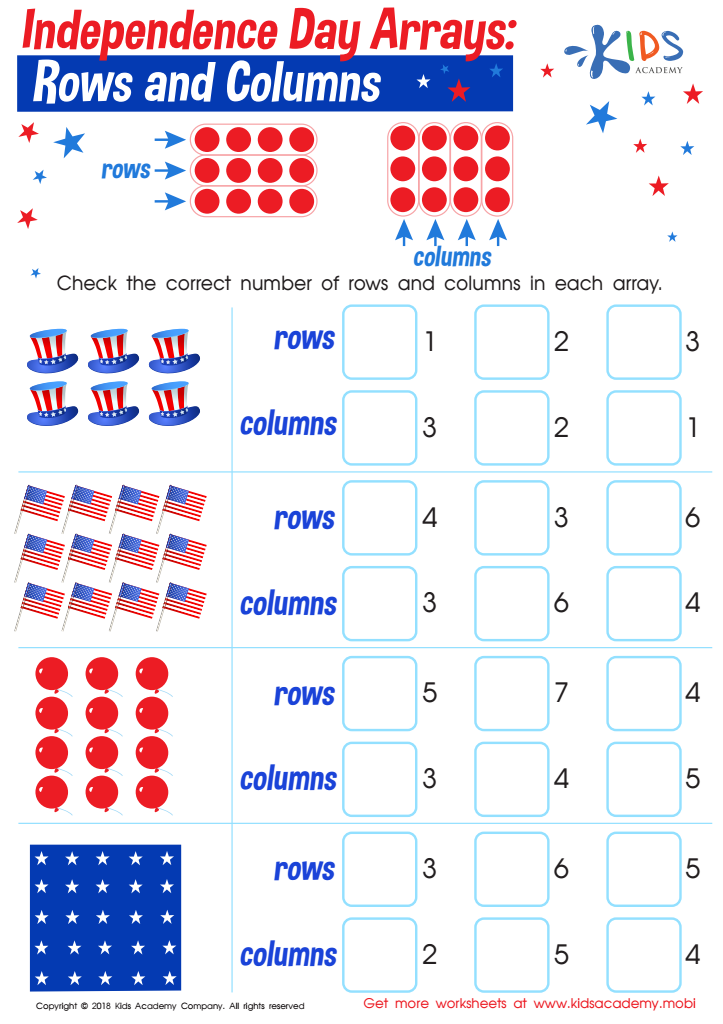
Independence Day Arrays: Rows and Columns Worksheet
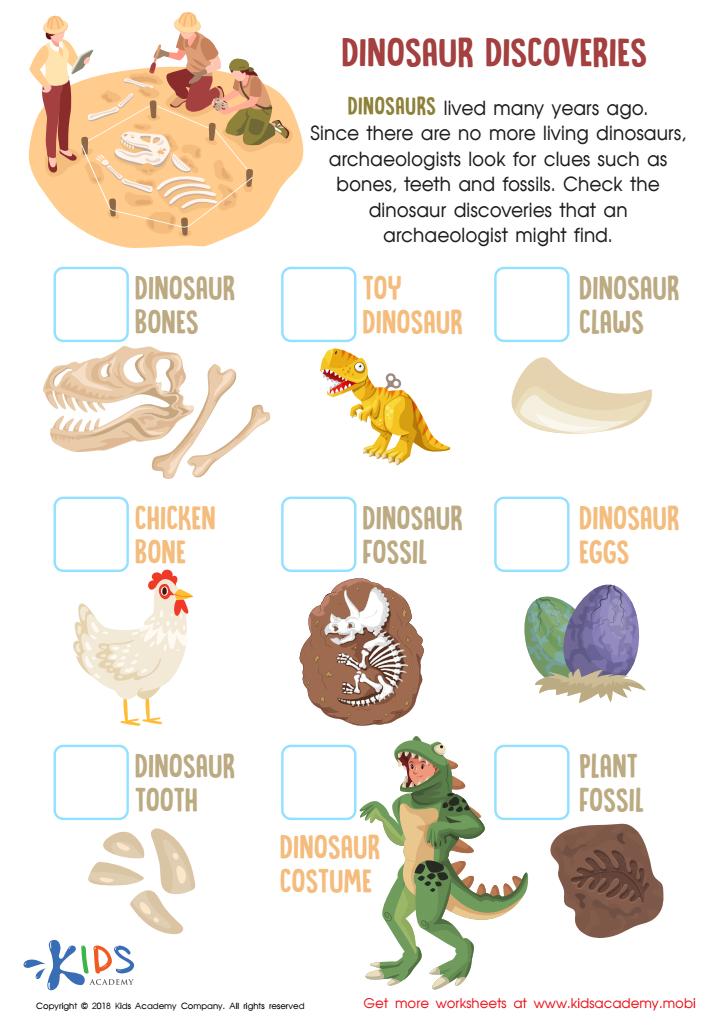
Dinosaur Discoveries Worksheet
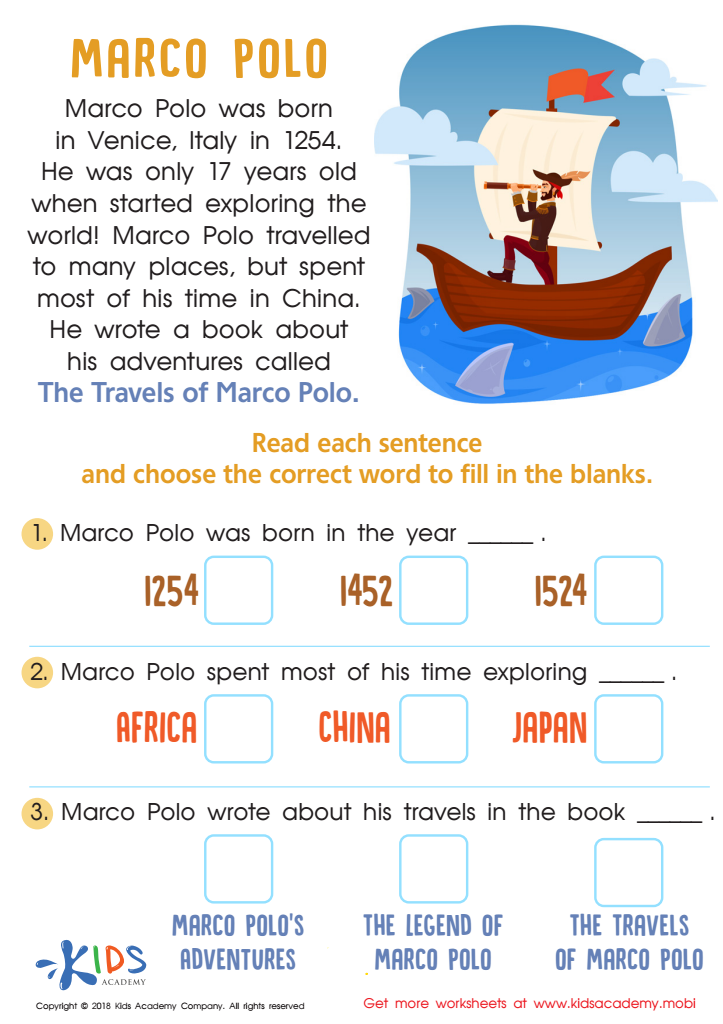
Marco Polo Worksheet
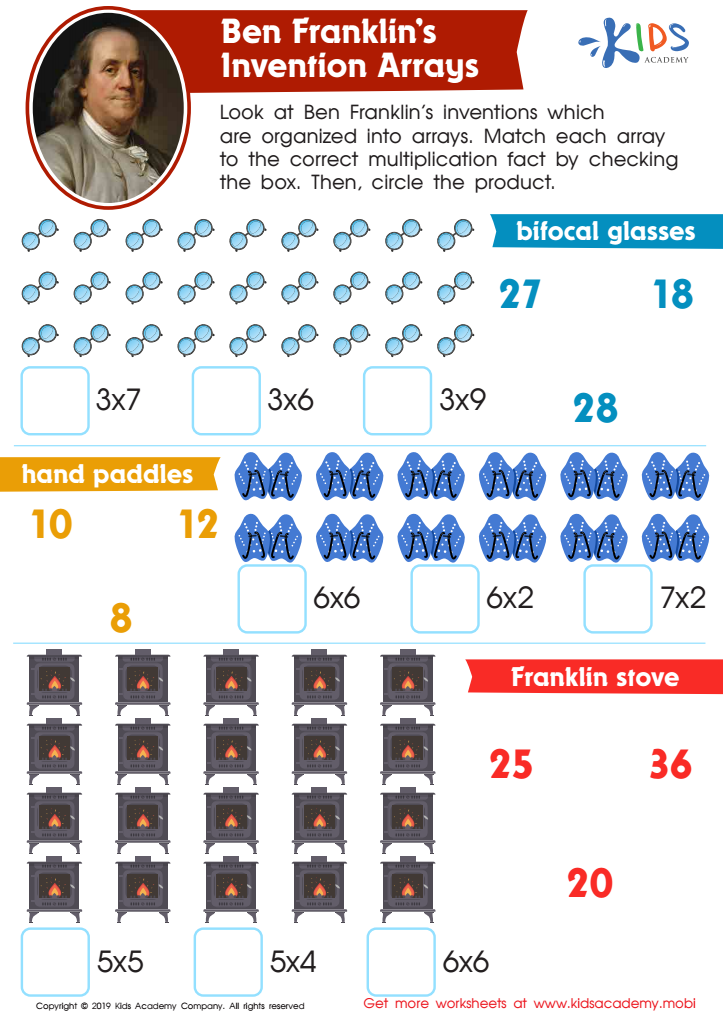
Ben Franklin’s Invention Arrays Worksheet
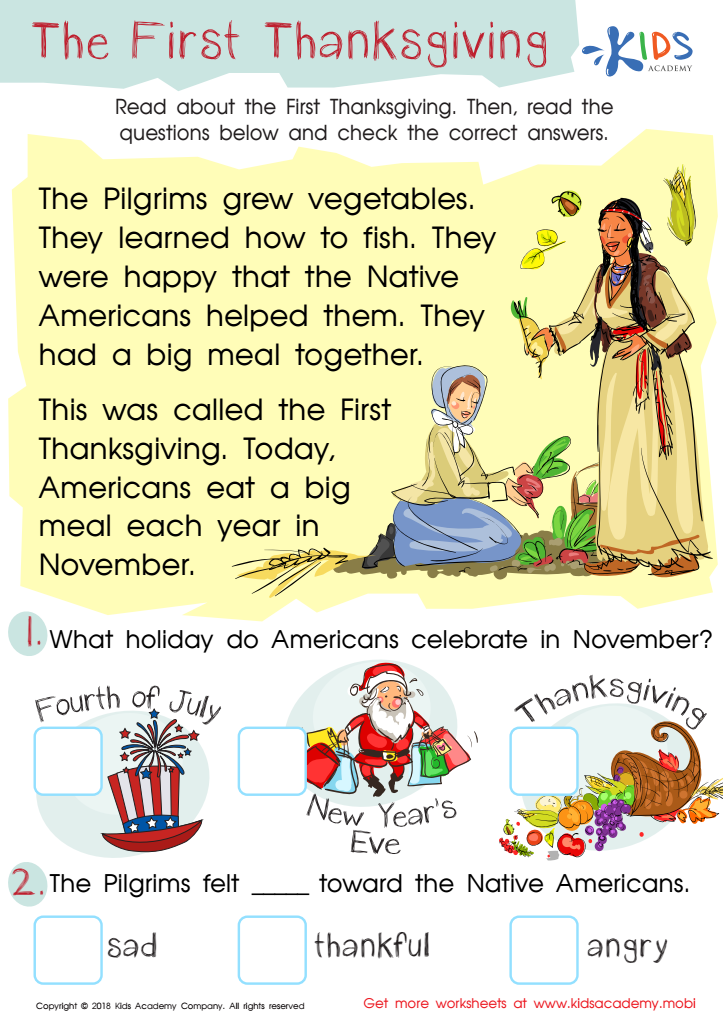
Assessment: First Thanksgiving Worksheet
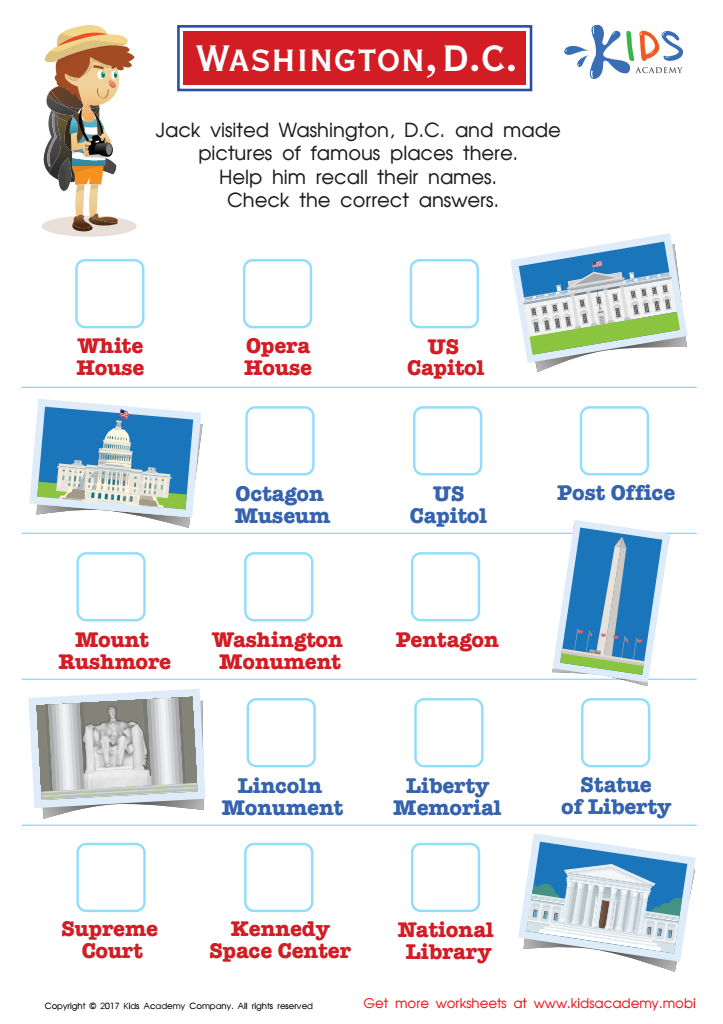
Washington D.C. Printable Worksheet
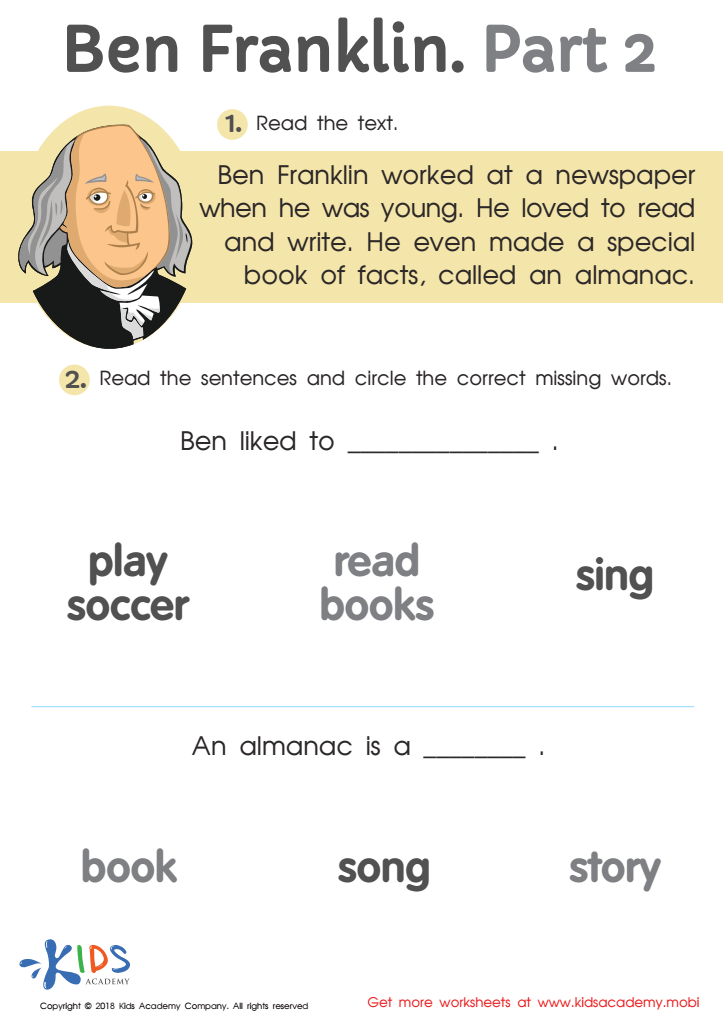
Ben Franklin Part 2 Worksheet
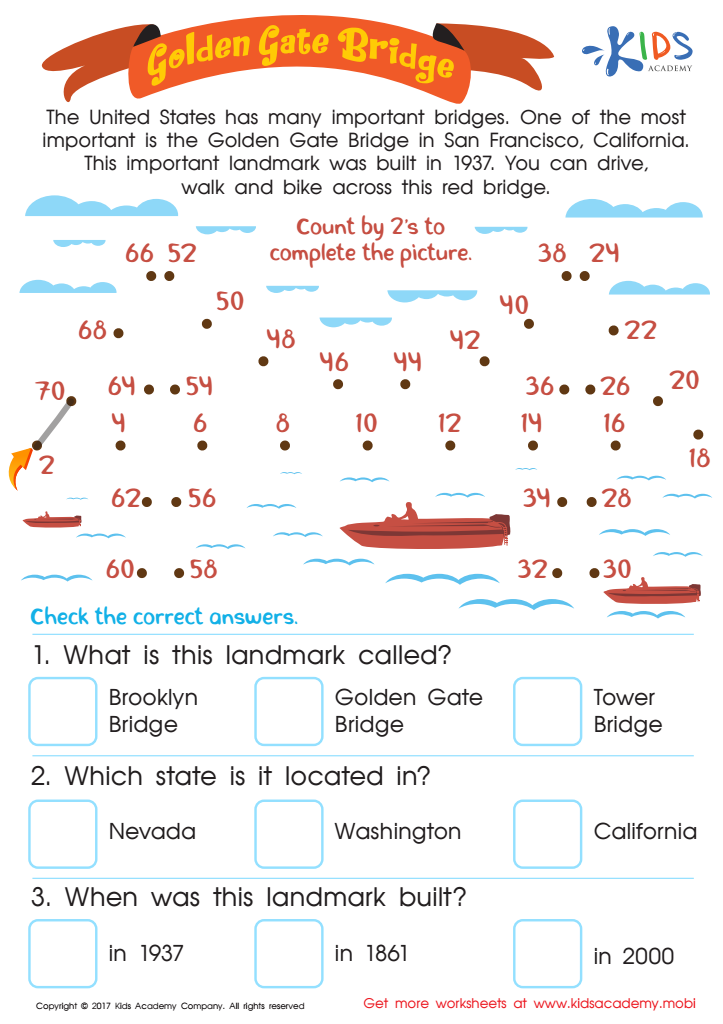
Golden Gate Bridge Worksheet
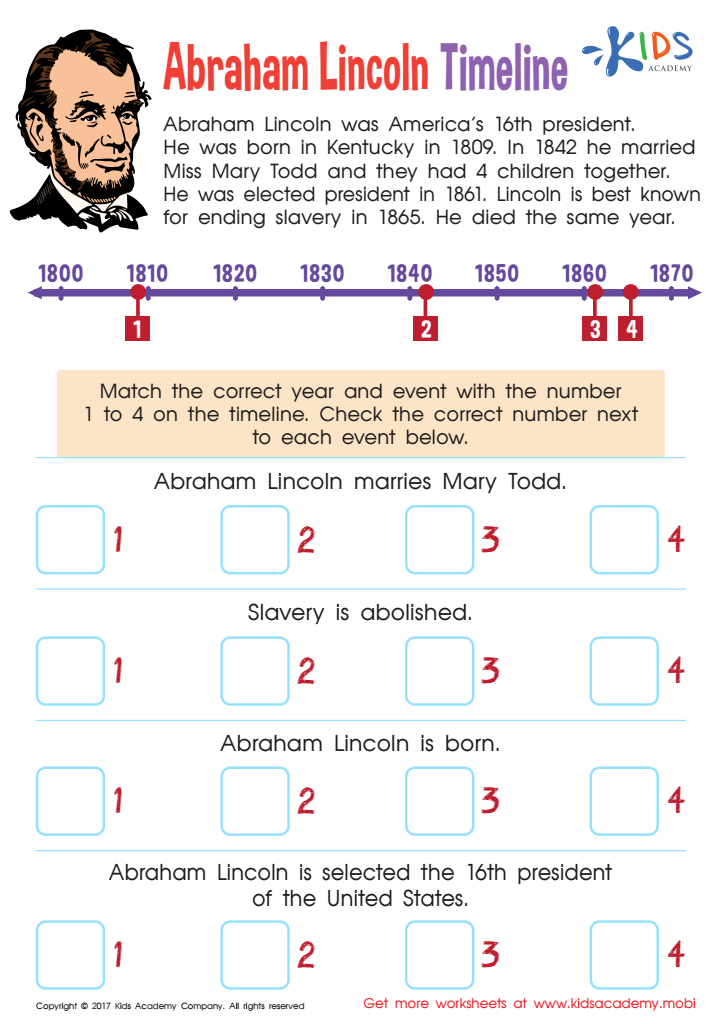
Abraham Lincoln Timeline Worksheet
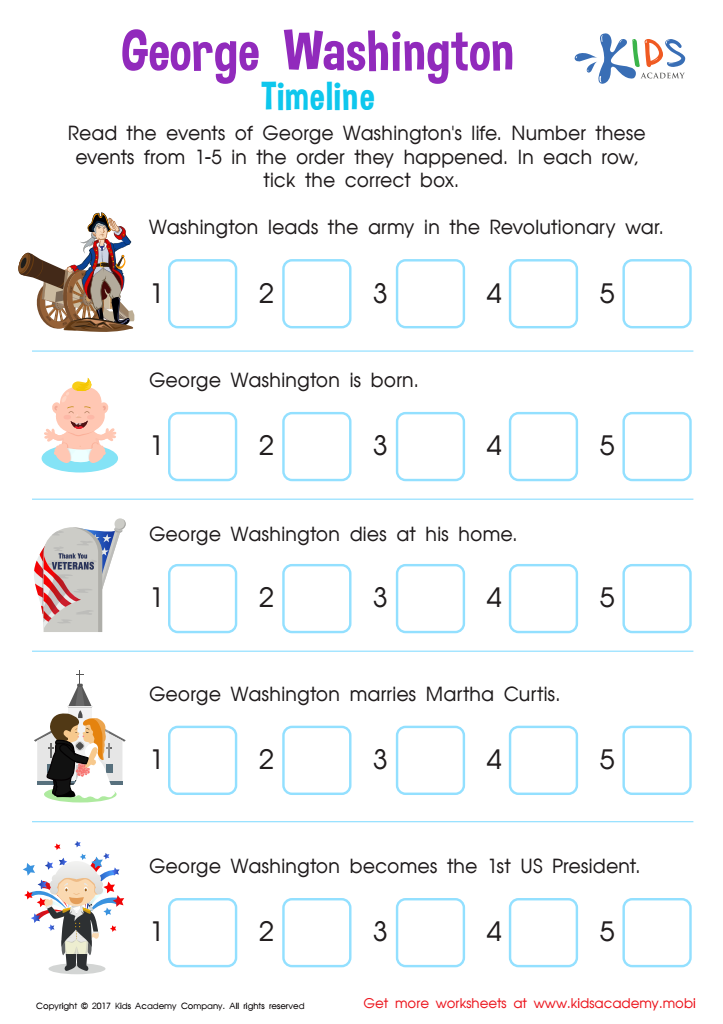
George Washington Timeline Worksheet








Parents and teachers play a crucial role in shaping children's understanding of the world, and Historical Knowledge in Social Studies is essential for ages 4 to 9 for several reasons. Firstly, it provides young learners with a sense of belonging and identity, as they explore their own culture and history alongside those of different communities. Understanding the past enables children to appreciate diversity and fosters empathy towards others, helping them to develop socially and emotionally.
Secondly, foundational historical knowledge encourages critical thinking skills. When children learn about the past, they begin to recognize cause-and-effect relationships, understand timelines, and assess different perspectives. This analytical thinking is vital for their overall cognitive development.
Additionally, learning about history at a young age can spark curiosity and inspire a love for learning. Engaging stories about historical figures and events can make history accessible and exciting, laying the groundwork for future academic success.
Lastly, by incorporating historical knowledge into Social Studies, educators and parents empower children to become informed citizens. Understanding history equips them with the tools to engage with contemporary issues, fostering responsible decision-making and active participation in their communities. Together, parents and teachers can cultivate future generations who value their heritage and contribute positively to society.