Community Worksheets for Ages 4-9 - Page 2
31 filtered results
-
From - To
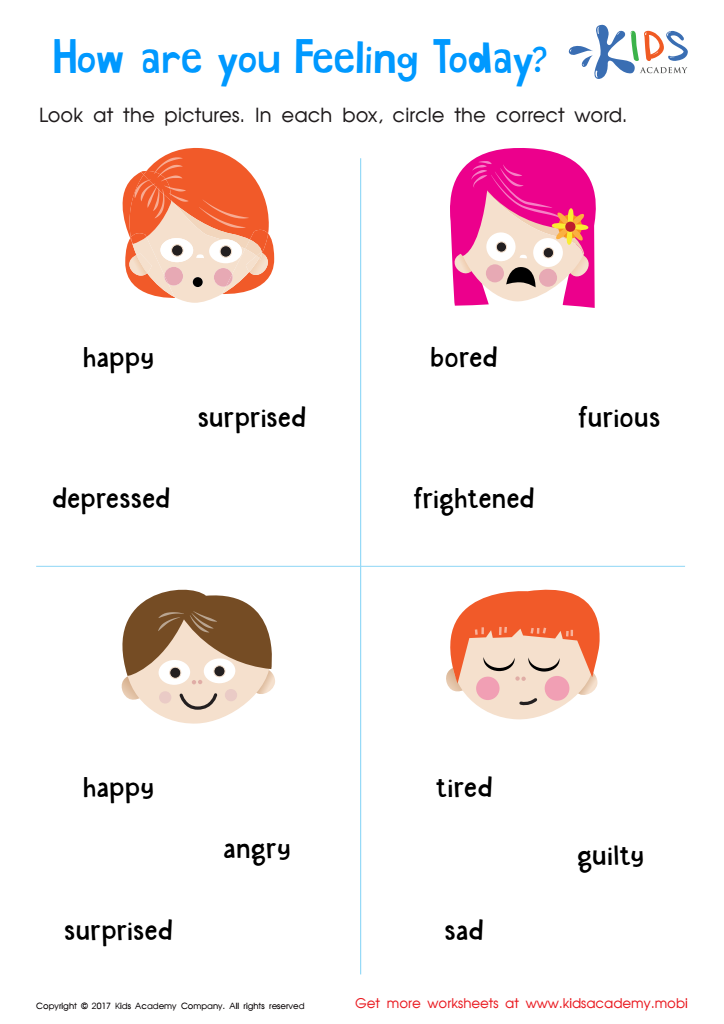
Understanding Feelings Worksheet
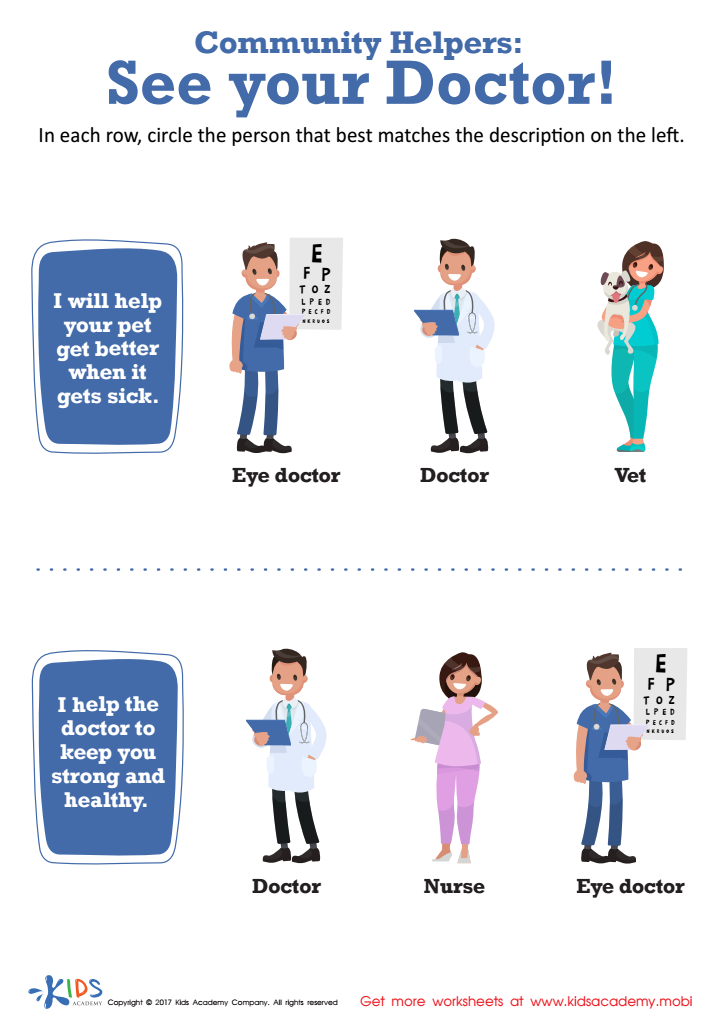
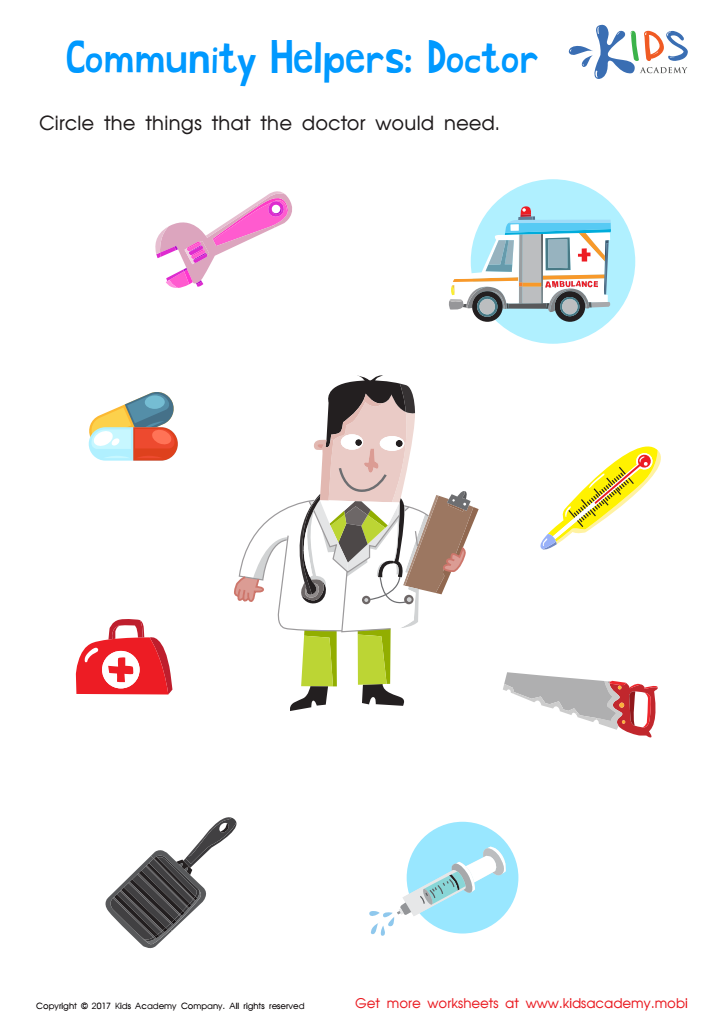
See Your Doctor (Part 2) Printable

Family Coloring Page
 Assign to My Students
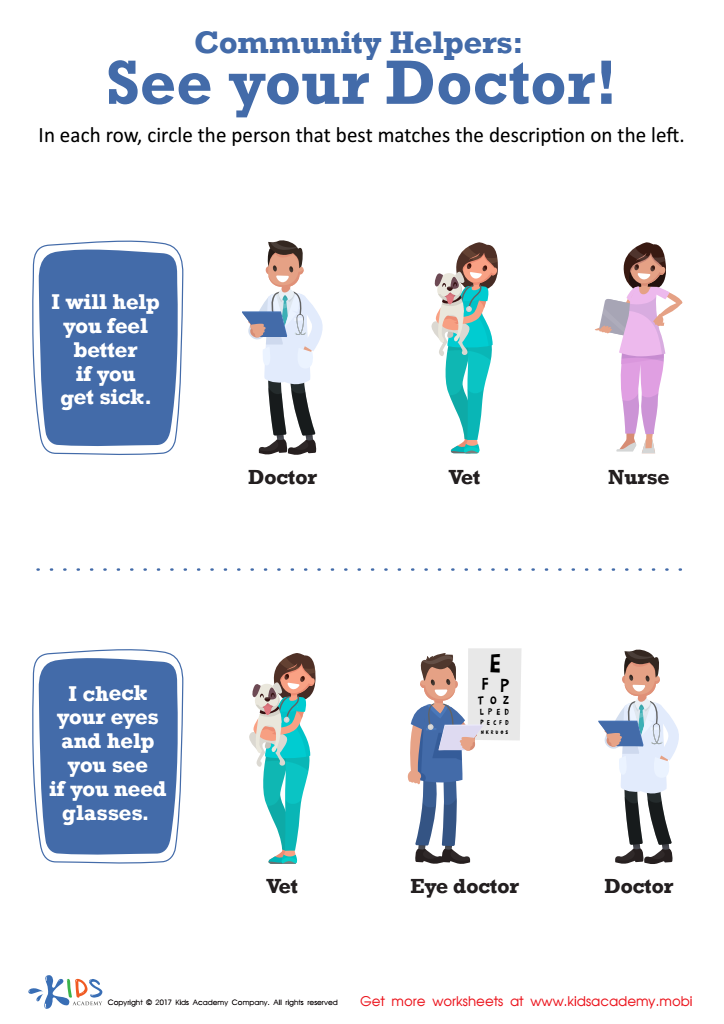
See Your Doctor (Part 1) Printable
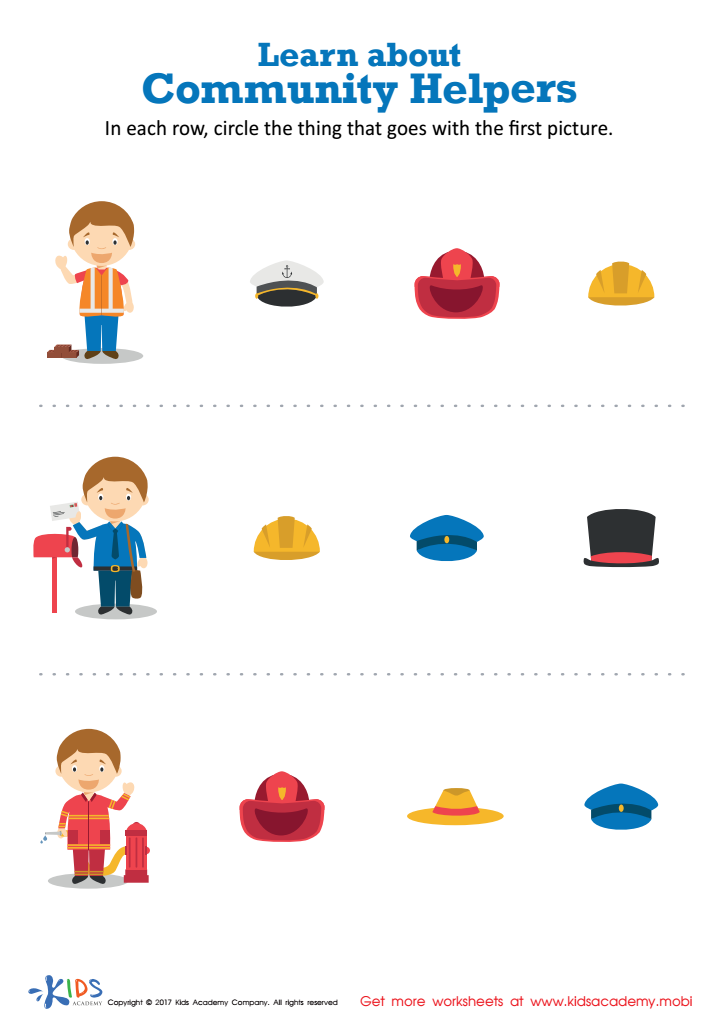
Learn about Community Helpers Printable
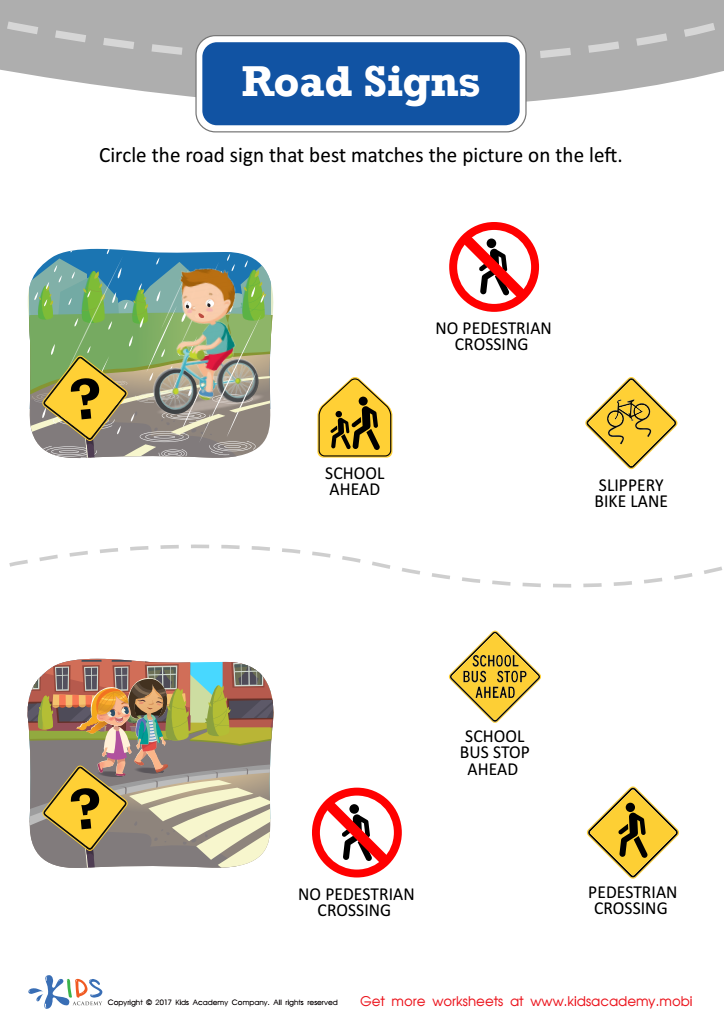
Road Signs (Part 2) Printable








Parents and teachers should care about community involvement for children ages 4-9 because it plays a vital role in their social, emotional, and cognitive development. At this stage, children are beginning to understand and navigate their world beyond the family unit. Being part of a community allows them to build relationships, develop social skills, and foster empathy as they interact with peers and adults.
Moreover, a supportive community enhances a child's sense of belonging and security, which are essential for healthy emotional development. Engaging in community activities—like local events, volunteering, or neighborhood programs—provides rich opportunities for learning. Children gain hands-on experiences that broaden their perspectives and stimulate critical thinking.
Additionally, active community involvement helps parents and teachers model positive behaviors like cooperation, respect, and responsibility. It strengthens family bonds as they participate together and encourages collaborative problem-solving as they work with diverse groups. Ultimately, nurturing community ties can lead to better educational outcomes, increased confidence, and a strong foundation for future social connections, making it crucial for parents and teachers to prioritize community engagement in children's lives.