Handwriting practice Writing Worksheets for Ages 4-9
16 filtered results
-
From - To
Enhance your child’s handwriting skills with our Handwriting Practice Writing Worksheets, designed for ages 4-9. These engaging and educational worksheets from Kids Academy provide tailor-made exercises to improve pencil control, letter formation, and neatness. With a fun and interactive approach, kids can trace and write letters, words, and sentences, helping them develop fine motor skills and confidence in writing. Perfect for early learners and elementary school students, our worksheets make learning entertaining and effective. Explore our diverse selection to give your child a head start in writing excellence! Visit the Kids Academy website for more information.
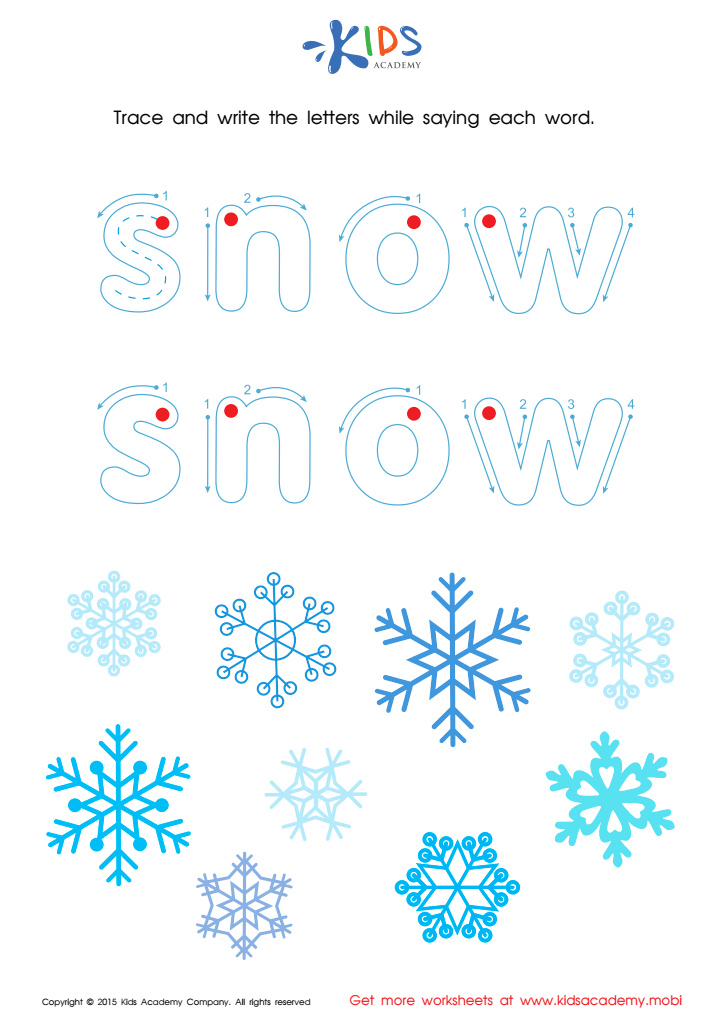
Snowflake Tracing Winter Words Worksheet
 Assign to My Students
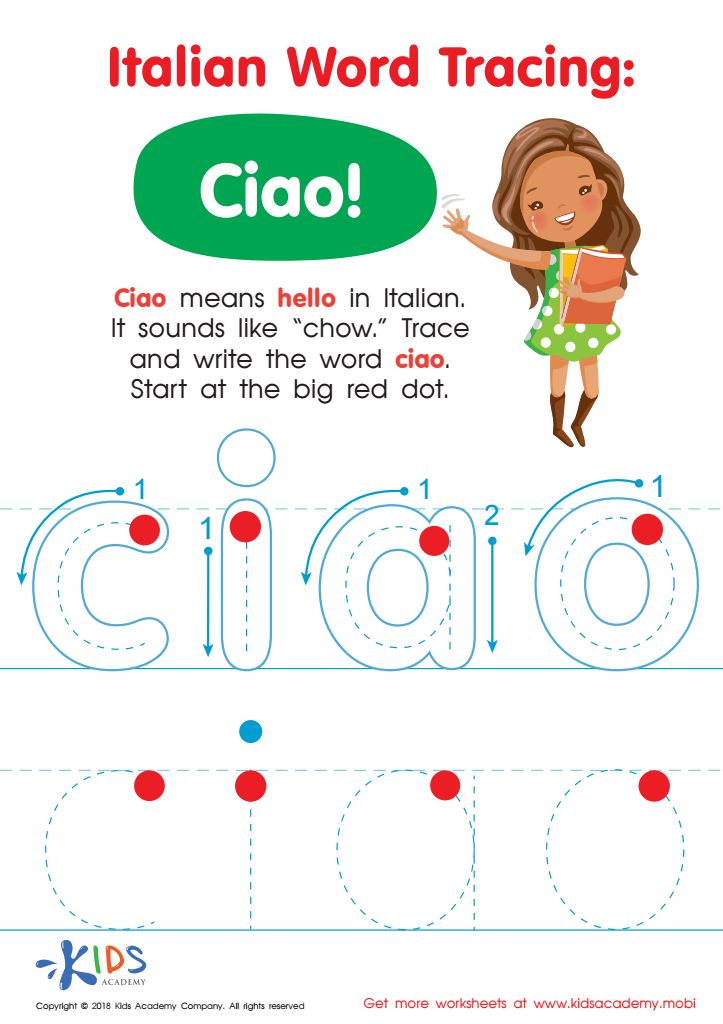
Italian Word Tracing: Ciao Worksheet
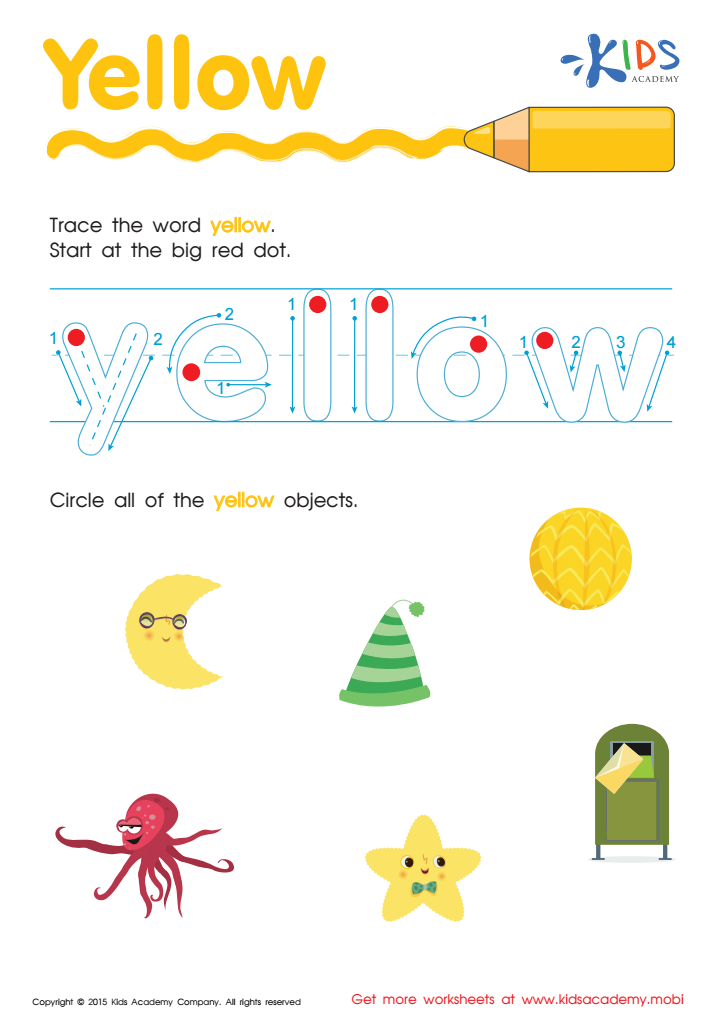
Yellow Tracing Color Words Worksheet
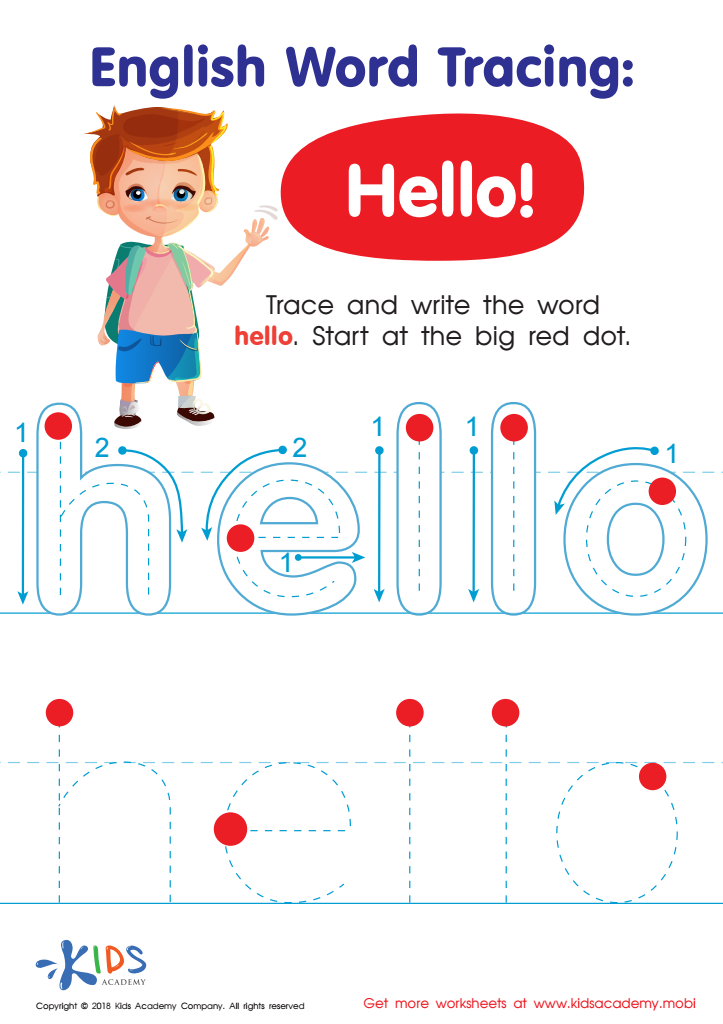
English Word Tracing: Hello Worksheet
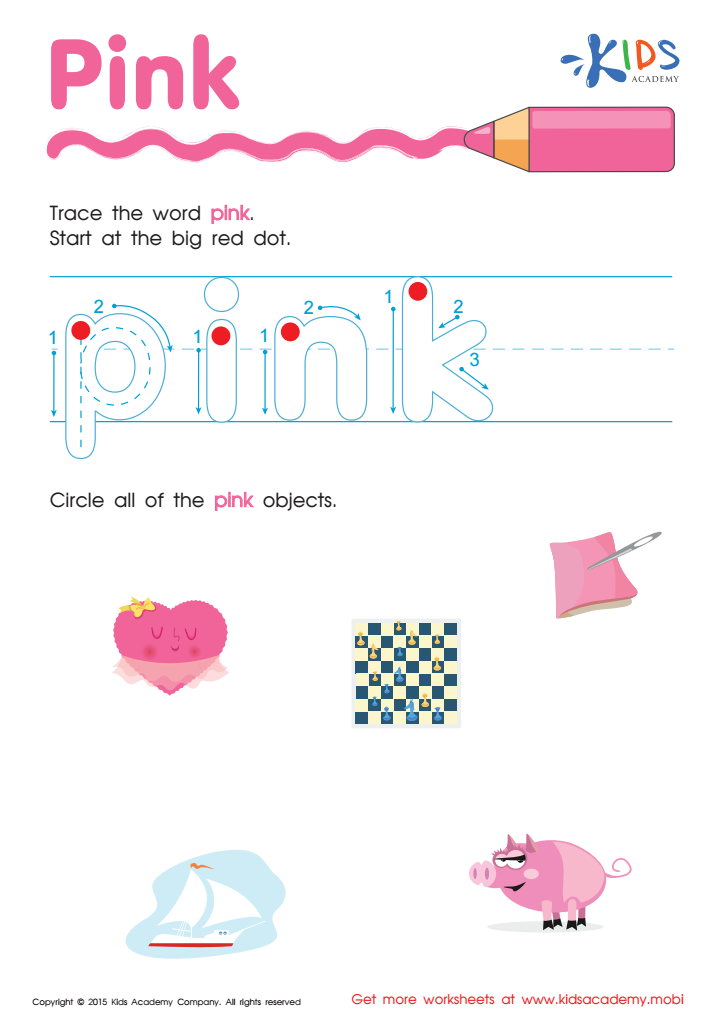
Pink Tracing Color Words Worksheet
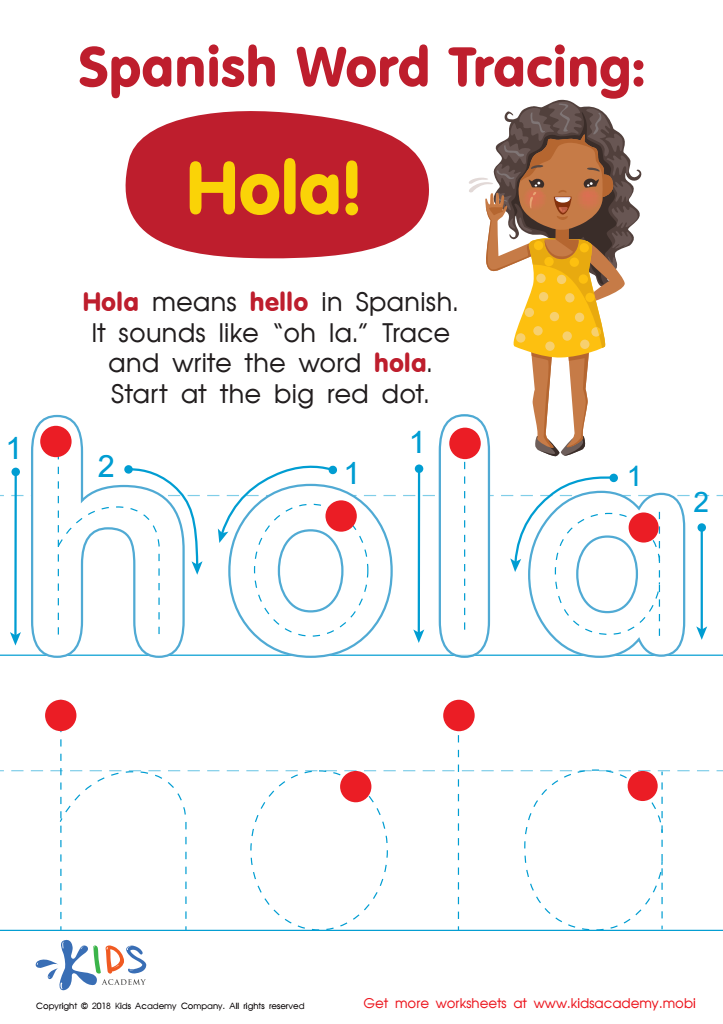
Spanish Word Tracing: Hola Worksheet
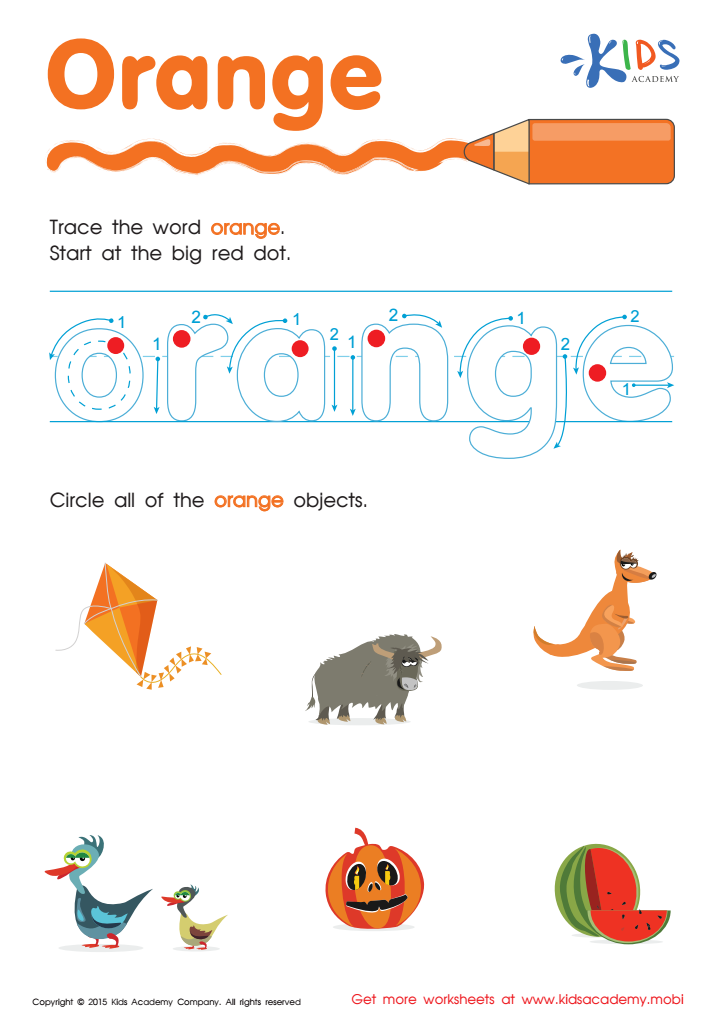
Orange Tracing Color Words Worksheet
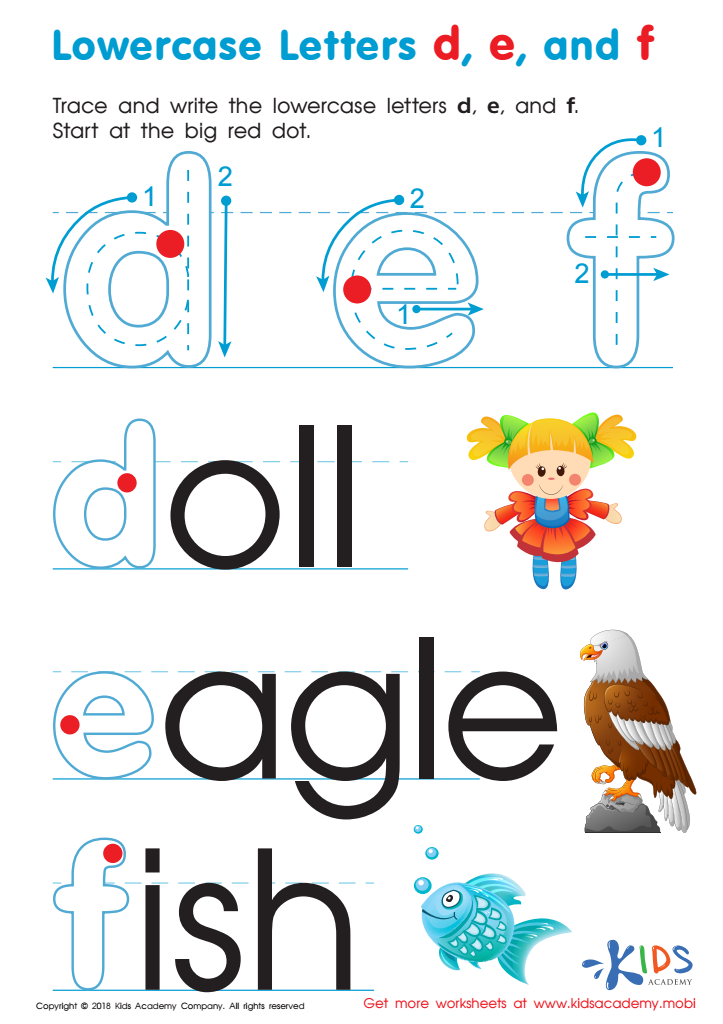
Lowercase Letters d e f Worksheet
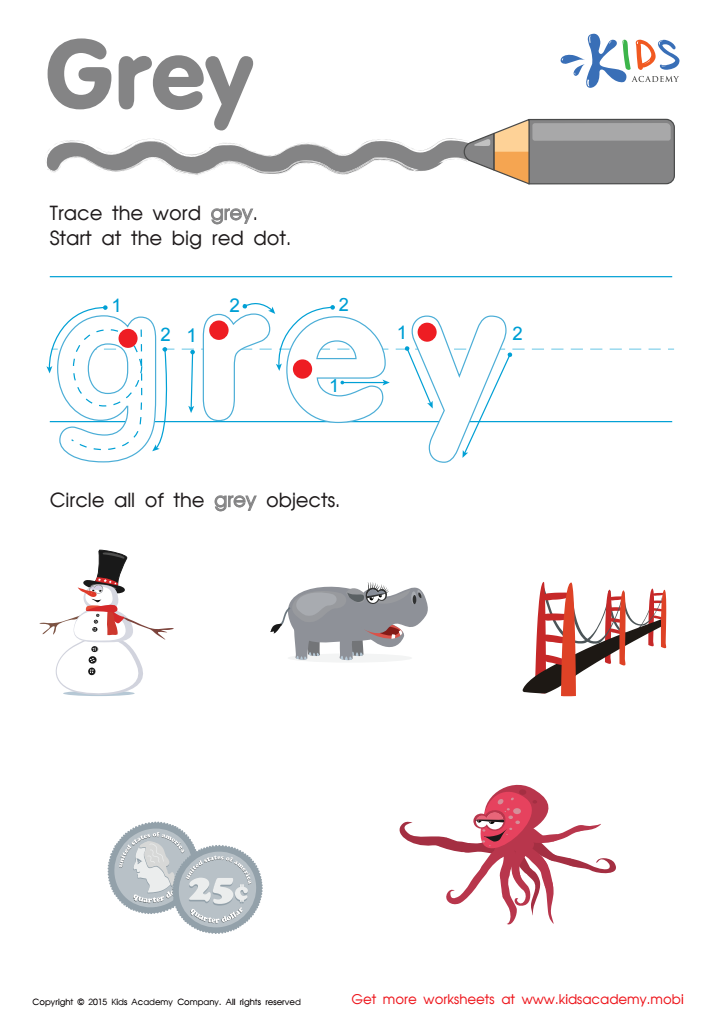
Grey Tracing Color Words Worksheet
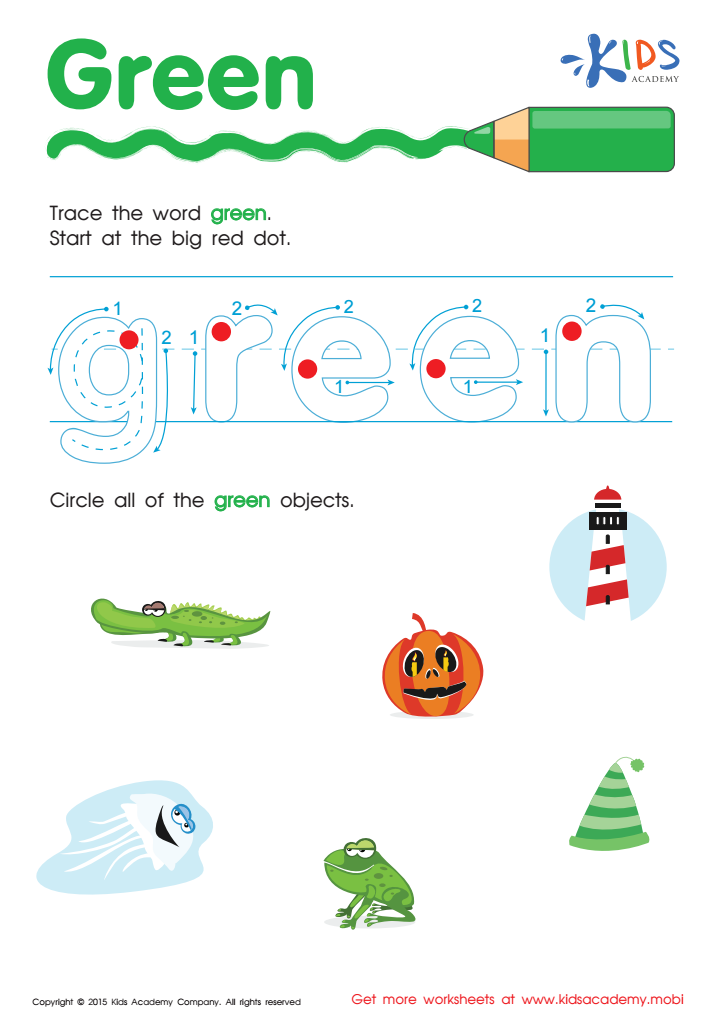
Green Tracing Color Words Worksheet
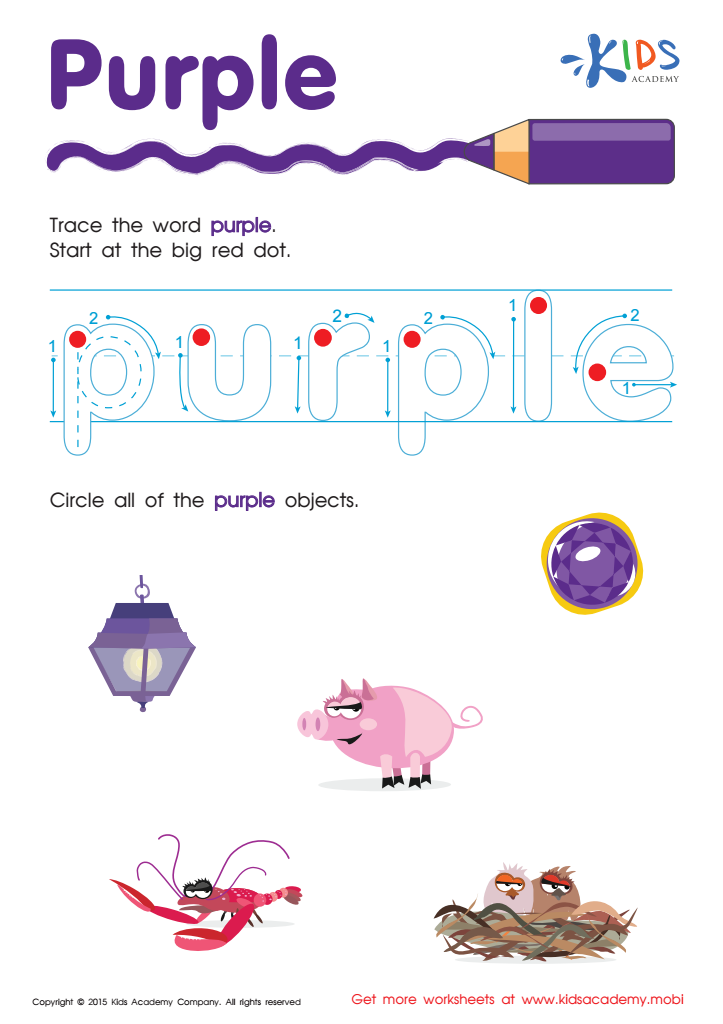
Purple Tracing Color Words Worksheet
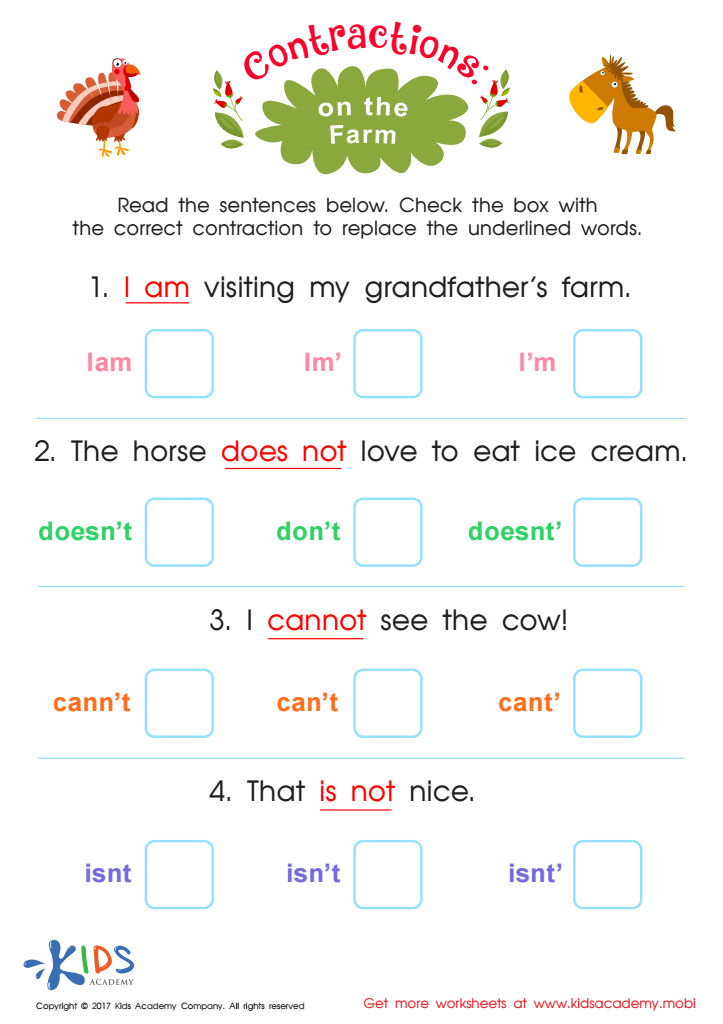
Contractions: On the Farm Printable
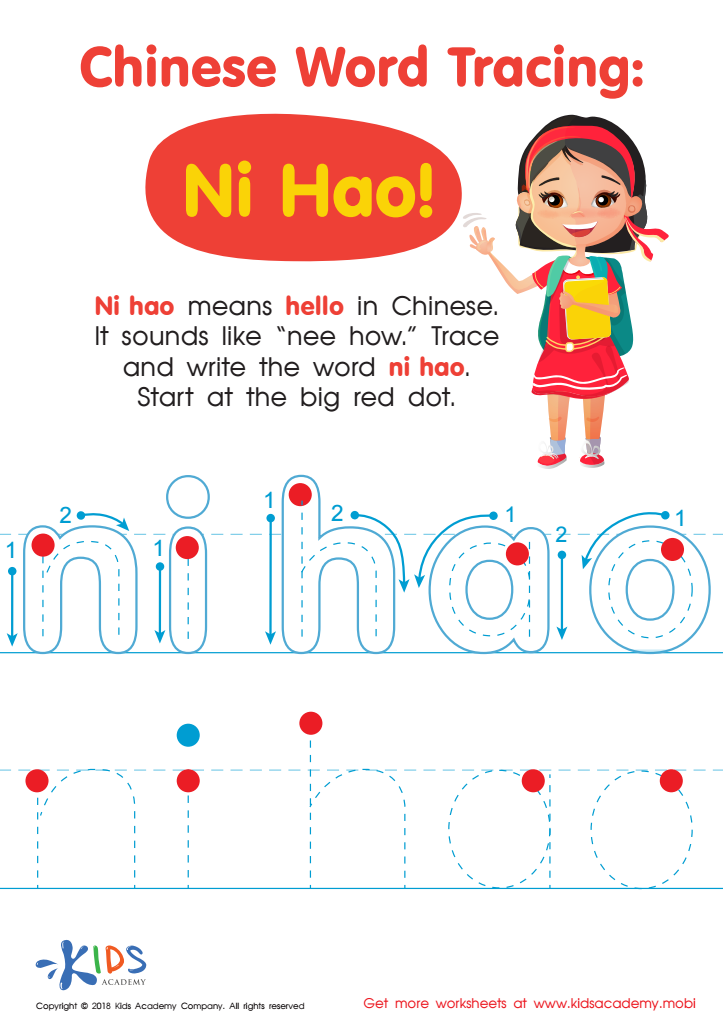
Chinese Word Tracing: Ni Hao Worksheet
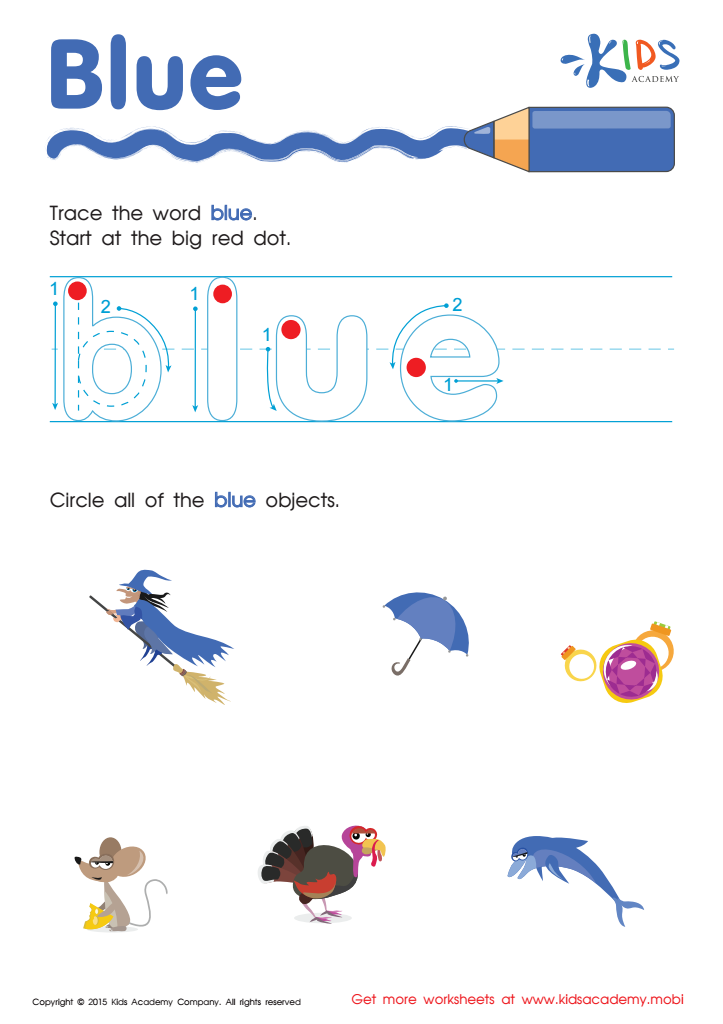
Blue Tracing Color Words Printable
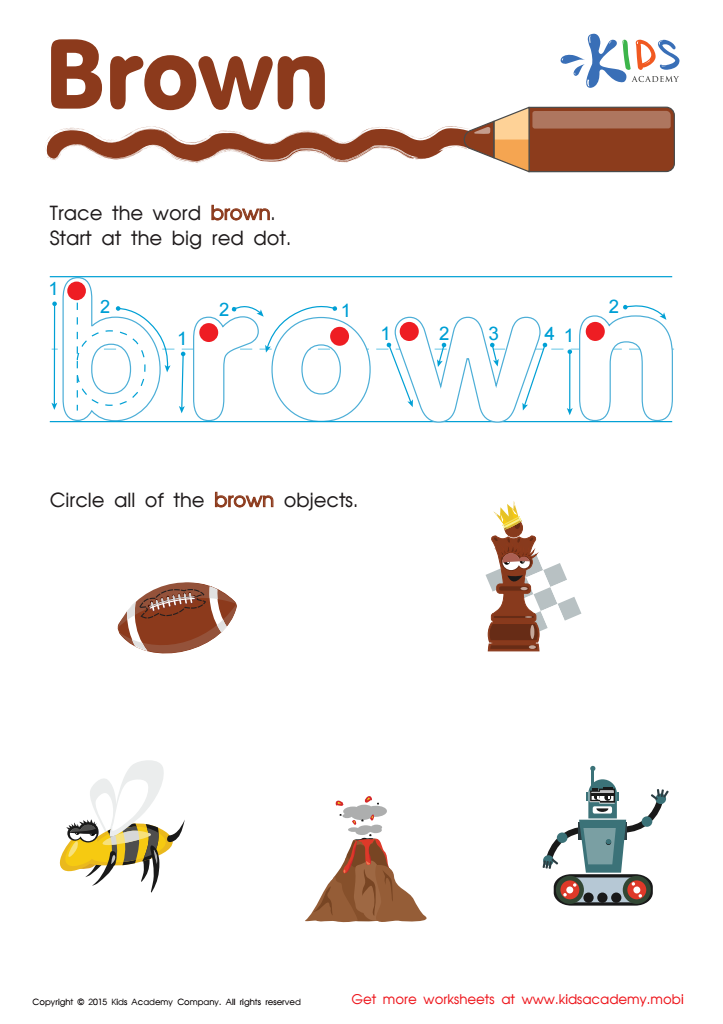
Brown Tracing Color Words Worksheet
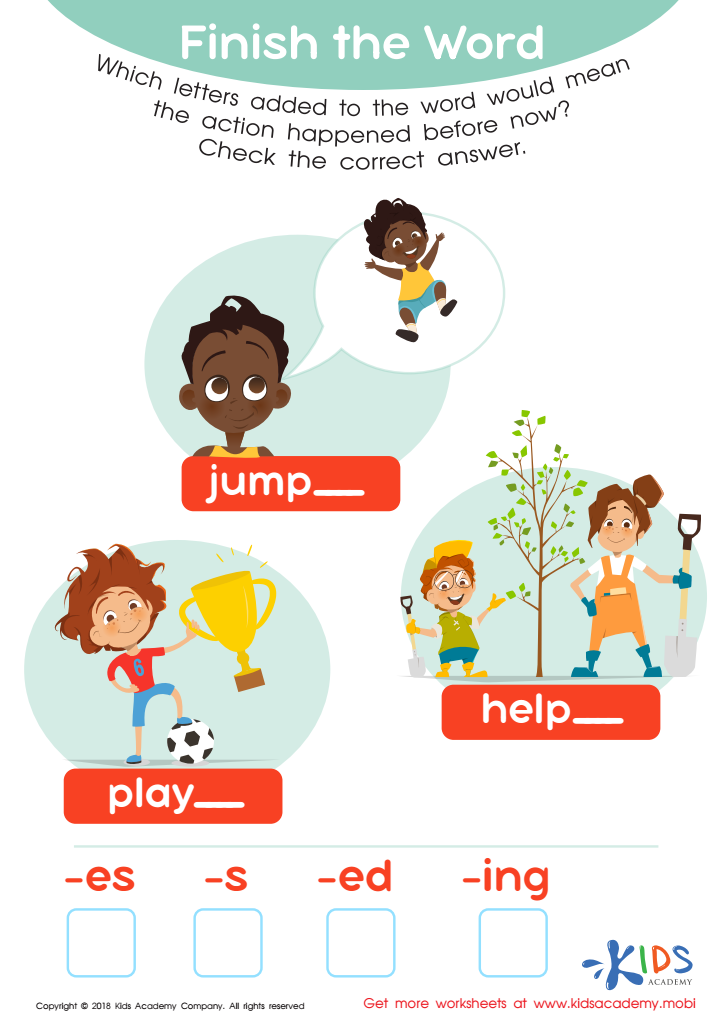
Finish the Word Worksheet




.jpg)



Handwriting practice is crucial for children aged 4-9 as it plays a significant role in their cognitive, motor, and academic development. During this formative period, children are building fundamental skills that will support their future learning and personal growth.
Firstly, handwriting enhances fine motor skills, which involve the coordination of small muscles in the hands and fingers. These skills are essential not only for writing but for numerous daily activities like using utensils, manipulating buttons, and tying shoelaces. Consistent handwriting practice strengthens these muscles and improves precision and control.
Secondly, handwriting helps in developing hand-eye coordination. As children learn to form letters and words, they must synchronize their visual input with motor output, which strengthens this vital connection. Improved hand-eye coordination contributes to better performance in various physical activities and learning tasks.
Thirdly, handwriting fosters cognitive development. Writing by hand engages the brain more actively than typing, promoting better memory retention and understanding of new concepts. Children are more likely to remember and understand what they write by hand, aiding in overall academic success.
Lastly, handwriting is a fundamental component of literacy. As children practice forming letters, they become more familiar with the alphabet and sounds, which are essential foundations for reading and writing skills.
Investing time in handwriting practice sets children on a path to success across a range of critical developmental areas.








